Buyer Fit Snapshot
| Best fit | Printed Boxes Affordable projects where brand print, material claims, artwork control, MOQ, and repeat-order consistency need to be specified before quoting. |
|---|---|
| Quote inputs | Share finished size, material target, print colors, finish, packing count, annual reorder estimate, ship-to region, and any compliance wording. |
| Proofing check | Approve dieline scale, logo placement, barcode or warning zones, color tolerance, closure strength, and carton packing before bulk production. |
| Main risk | Vague material claims, crowded artwork, missing packing details, or unclear freight terms can make a low unit price expensive after revisions. |
Fast answer: Printed Boxes Affordable: Custom Packaging That Saves should be specified like a repeatable production item. The safest quote records material, print method, finish, artwork proof, packing count, and reorder notes in one written spec.
Production checks before approval
Compare the actual filled-product size with the drawing, then confirm tolerance on folds, seals, hang holes, label areas, and retail display edges. Reserve space for logos, QR codes, warning copy, and material claims before decorative graphics fill the panel.
Quote comparison points
Review material grade, print process, finish, sampling route, tooling charges, carton quantity, and freight assumptions side by side. A quote is only useful when the supplier can repeat the same color, closure quality, and packing count on the next order.
When a buyer asks me for printed boxes affordable, they usually do not mean “cheapest possible” or “strip it down and hope for the best.” They mean a box that protects the product, supports the brand, and still leaves room for freight, labor, and margin. I remember standing on a press deck in Shenzhen and seeing a simple size change save more money than swapping inks ever could. I’ve also watched a Chicago client cut packaging spend by 18% just by tightening the dieline and removing an insert that was doing very little besides adding cost. Not glamorous, maybe. Effective? Absolutely. For many standard folding cartons, the difference between a 16pt SBS spec and a 350gsm C1S artboard spec can be only a few cents per unit, but that gap adds up quickly at 5,000 or 10,000 pieces.
That is the honest truth: printed boxes affordable is not about making a box look poor. It is about Choosing the Right board, the right print method, and the right structure for the job. Get those three parts right, and you can produce packaging that looks polished on a retail shelf or in a fulfillment carton while staying close to your target cost. In many factories in Dongguan, Guangzhou, and Shenzhen, the pricing conversation starts with material caliper, not with finishes, because the substrate drives the rest of the build.
Why Printed Boxes Can Be Affordable Without Looking Cheap
The biggest surprise for first-time buyers is that the savings usually come from structure and spec discipline, not from asking for “less print.” I had a cosmetics client once who wanted to remove one color from a four-color design because they assumed that would solve the budget issue. It didn’t. We saved more by moving from an oversized straight tuck carton to a tighter reverse tuck design with a standard dieline, because the board usage dropped and folding efficiency improved on the line. That is how printed boxes affordable really works in the factory, especially on runs of 3,000 to 8,000 units where setup costs still matter.
Printed packaging can look expensive even when it is not. A well-engineered folding carton made from 350gsm C1S artboard with clean registration, sharp type, and a controlled matte aqueous coating often presents better than a flashy box with five finishes and a loose fit. Honestly, too many brands overspend on visual extras before they fix the basics: size, board grade, and how the carton behaves in production. On a typical retail carton, a matte aqueous finish can add a refined look for roughly $0.03 to $0.06 per unit, while soft-touch lamination or foil stamping can push the cost much higher depending on coverage and quantity.
Here is what most people get wrong. They assume affordability means downgrading the product experience. In practice, the opposite is often true. A right-sized box with a neat die-cut, accurate color, and one smart finishing choice can feel more premium than a heavy box that was designed without cost discipline. If you want printed boxes affordable, start by treating packaging like an engineered component, not a decorative afterthought. In factories around Suzhou and Ningbo, that mindset is what separates a tidy quote from a chaotic reprint.
I remember a meeting with a supplement brand that was paying for oversized mailers, extra void fill, and custom inserts for every SKU. We mapped the product footprint, removed 14 mm of dead space from the carton depth, and switched to a standard E-flute mailer for the shipper. Their unit packaging cost dropped immediately, and their freight cube improved too. That kind of improvement is why printed boxes affordable is usually about smarter decisions, not weaker materials. In one quarter, the brand reduced freight volume by 11% simply by changing the outer dimensions from 245 x 180 x 90 mm to 231 x 170 x 84 mm.
Printed Boxes Affordable: Styles, Materials, and Print Options
If you want printed boxes affordable, the style you choose matters just as much as the graphics. Different structures are built for different jobs, and using the right one keeps both production and shipping under control. A mailer box made in Shenzhen can be a smart e-commerce choice at 2,000 pieces, while a tuck carton printed in Dongguan may be the lower-cost answer for retail shelves at 10,000 pieces.
- Tuck end boxes are a common choice for retail cartons, cosmetics, supplements, and small consumer goods because they are straightforward to die-cut and fold.
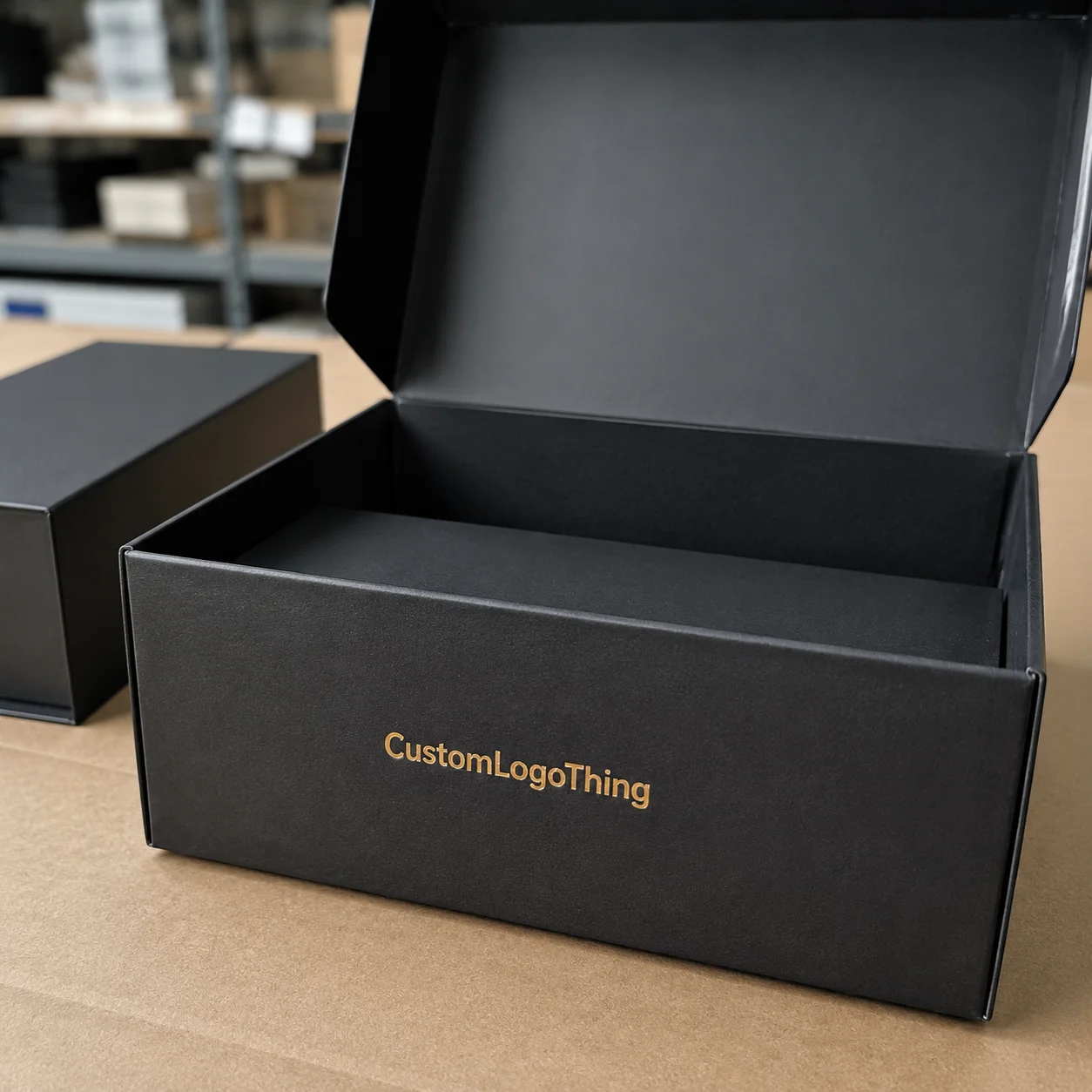
- Mailer boxes work well for e-commerce, subscription kits, and gift packaging, especially when product presentation matters on unboxing.
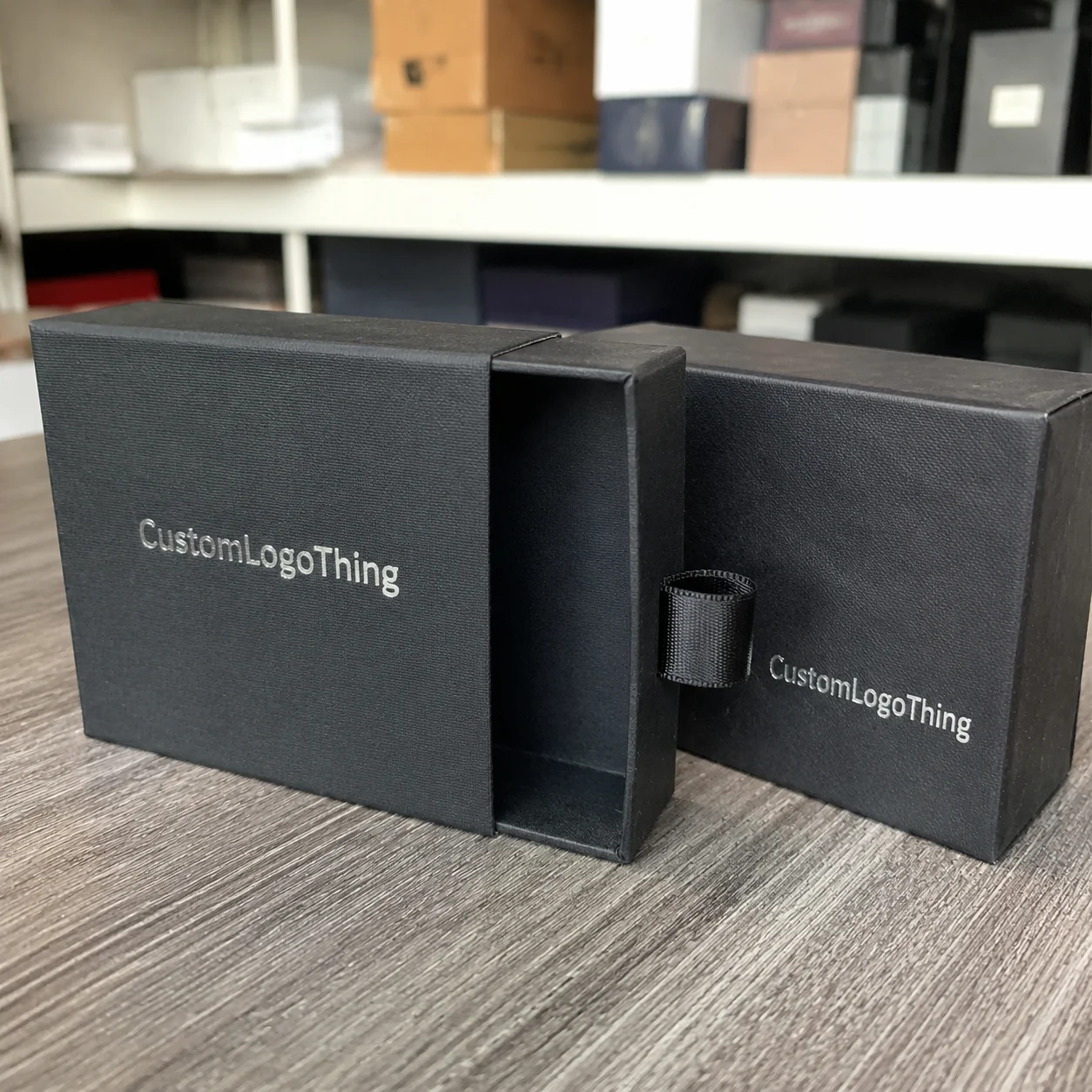
- Sleeve boxes can be economical when paired with a plain tray or stock inner carton, because the printed surface area is limited.
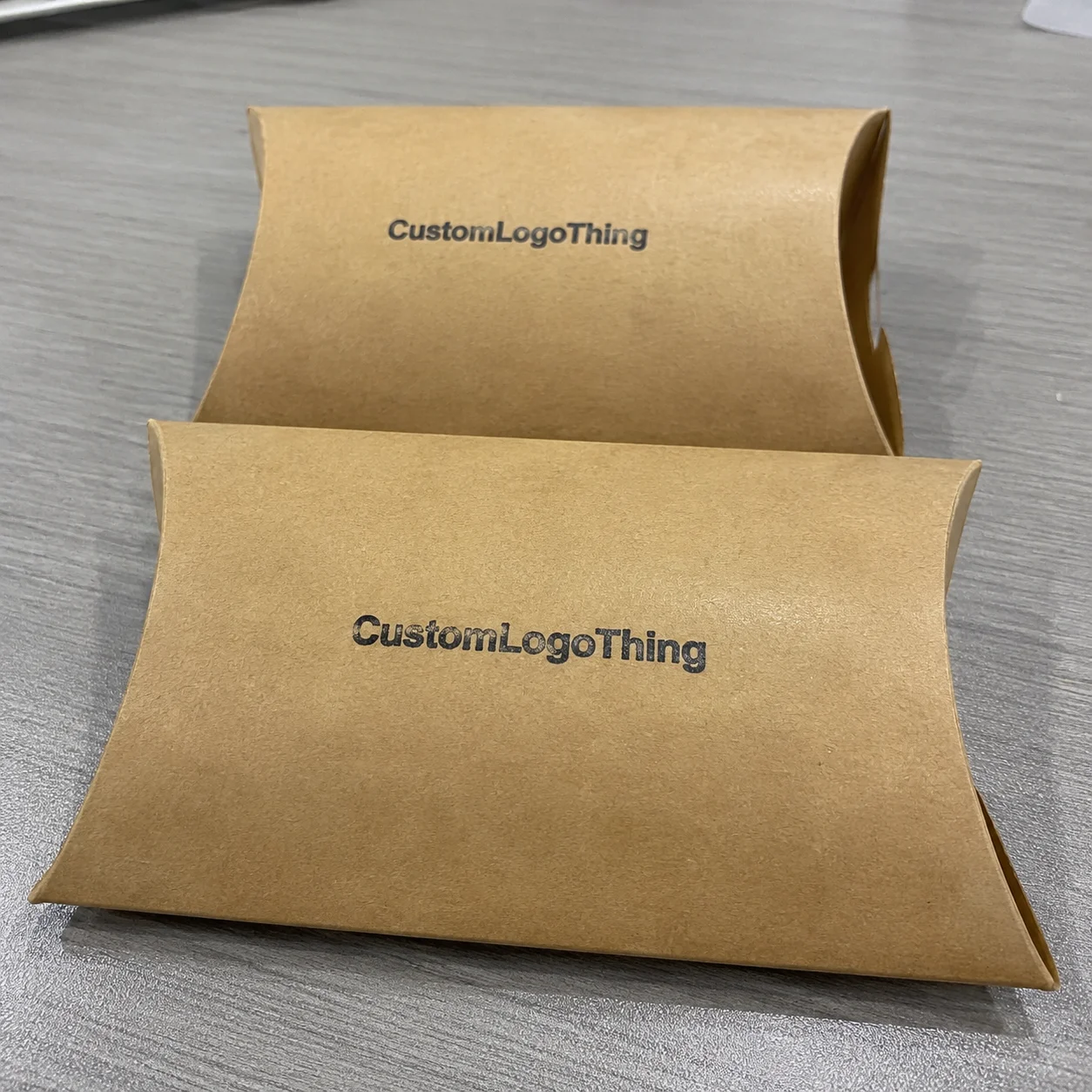
- Folding cartons are often the best value for shelf-ready retail items, with efficient shipping in flat form and clean print surfaces.
- Corrugated shipping boxes are the workhorse for transit protection, especially when product weight or stacking pressure is part of the equation.
For materials, SBS paperboard is often the best choice when the box needs crisp offset printing, smooth solids, and a retail finish that feels clean in the hand. C1S and C2S coated stock are also widely used because the coating supports sharp branding and a nicer surface for text and product imagery. For shippers and mailers, E-flute corrugated is a strong middle ground: lighter than thicker corrugated grades, but still capable of protecting fragile goods during parcel handling. Kraft corrugated is the practical option when you want durability, a natural look, and a lower material spend than laminated or heavily coated alternatives. On a 5,000-piece order, the jump from 350gsm artboard to E-flute may change the unit price by $0.08 to $0.22 depending on print coverage and insert count.
Print method changes the economics too. CMYK offset printing is usually best when the run is large enough to absorb setup and plate costs, and it gives excellent color fidelity for brand-heavy work. Flexographic printing is common on corrugated boxes, especially for high-volume shipping cartons, because it runs efficiently on packaging lines and handles broad color areas well. Digital printing can be the smartest choice for smaller runs, test launches, and fast-turn projects because it reduces plate expense and keeps sampling simpler. In practical terms, digital jobs may quote around $0.85 to $1.60 per unit at 300 pieces, while offset can fall much lower once you move to 5,000 or 10,000 pieces.
Finishing options deserve honest scrutiny. Matte aqueous coating and gloss aqueous coating are usually the safest upgrades if you want a finished look without a sharp price jump. Soft-touch lamination adds a luxury feel, but it does raise cost and can slow turnaround because the lamination step needs extra handling. Spot UV and foil stamping can look excellent on premium cartons, yet they move the project away from printed boxes affordable very quickly if you apply them across large panels. I recommend using those effects sparingly, usually on logos or a single focal element. A single foil logo on a 70 x 25 mm area often costs less than applying foil across an entire lid panel.
At our Shenzhen facility, I watched a run of subscription boxes move from a full-wrap laminated spec to a one-panel highlight design with aqueous coating and one small foil logo. The brand still got the premium shelf appeal it wanted, but the cost profile changed enough to make the line item workable for their launch volume. That is the kind of tradeoff we discuss every week when buyers ask for printed boxes affordable. On that project, the factory lead time was 14 business days from proof approval, not including ocean freight to Los Angeles.
| Box Style | Typical Use | Cost Profile | Best Value Notes |
|---|---|---|---|
| Tuck end carton | Retail items, cosmetics, supplements | Low to moderate | Efficient dielines, clean print, easy flat shipping |
| Mailer box | E-commerce, kits, gift sets | Moderate | Good presentation with strong structure for parcel shipping |
| Sleeve box | Premium wraps, product sets | Low to moderate | Uses less print area, can pair with stock tray |
| E-flute corrugated box | Light shipping and retail protection | Moderate | Good balance of print quality and cushioning |
| Kraft corrugated box | Transit packaging, heavier goods | Low | Strong, practical, often the best budget-friendly shipper |
For deeper packaging standards and material references, I often point buyers toward ISTA packaging test resources and the materials guidance from Packaging Europe and broader industry associations. If your cartons are headed into retail programs or distribution networks, testing and specification discipline keep the conversation grounded in facts, not guesswork. A carton that passes drop and vibration checks at 50 cm and 100 cycles can save a lot more than a decorative finish ever will.
Specifications That Influence Printed Boxes Affordable Pricing
Specifications drive cost more than most buyers expect. If your quote request is missing the internal size, product weight, finish, or shipment method, you are not really comparing like for like, and the pricing on printed boxes affordable can look misleading. I’ve had more than one buyer send a “simple” request that was missing half the details, then act surprised when three suppliers came back with three different numbers. Fair complaint, bad inputs. A carton quoted for 1,000 pieces in Guangzhou can be radically different from the same structure quoted for 12,000 pieces in Ningbo because setup cost gets spread differently.
Start with the internal dimensions, not the outside dimensions. A box that is 2 mm too loose on every side can waste board and encourage product movement, while a box that is too tight creates assembly issues and can crush soft goods. I’ve seen a chocolate client save on board usage by reducing the carton depth only 6 mm, which also improved the fit in their secondary shipper. That smaller change lowered waste and reduced freight inefficiency, and the unit cost moved in the right direction without changing the artwork at all. On a 10,000-piece run, that 6 mm adjustment cut enough board area to save nearly $600 before freight.
Board thickness matters too. A 14pt or 16pt SBS board might be perfect for lightweight retail cartons, while a heavier corrugated grade could be needed for shipping stability. If the product weighs 120 grams, you do not need the same build as a 1.2 kg gift set. Too many brands overspec the material because they are trying to “feel premium,” but premium should come from clean construction, controlled print, and proper fit. That is how you keep printed boxes affordable while still protecting the product. For example, 350gsm C1S artboard is often a better fit for cosmetics than a thicker board that adds cost without improving shelf impact.
Structural complexity adds cost in several places: die-cut time, setup, folding difficulty, and packing labor. Custom inserts, window cutouts, embossing, debossing, and multi-panel artwork each add process steps. Sometimes those steps are justified. Sometimes they are just expensive decoration. If a buyer asks me for a rigid-style presentation on a folding carton budget, I usually recommend simplifying the construction first, then adding one visual accent instead of three. That keeps printed boxes affordable and gives operations a better chance of keeping pace. A rigid box can cost $1.80 to $4.50 per unit at modest volumes, while a folding carton may land closer to $0.22 to $0.68 depending on spec.
Here is a practical comparison I use when quoting.
| Specification Choice | Effect on Cost | Effect on Performance | Common Recommendation |
|---|---|---|---|
| Standard dieline | Lower tooling and setup cost | Reliable, repeatable forming | Best starting point for printed boxes affordable |
| Custom insert | Raises material and labor cost | Improves product retention | Use only if the item shifts or breaks in transit |
| Emboss or deboss | Raises tooling cost | Improves tactile brand feel | Best for premium lines, not every SKU |
| Window patch | Raises assembly cost | Shows the product directly | Use when visibility helps sell the item |
| Single-panel artwork | Lower print complexity | Clean, controlled branding | Good balance for printed boxes affordable |
Shipping method also matters. If cartons are going by parcel service, the box needs to survive more drops and corner impacts than a warehouse-to-store pallet shipment. For transit-oriented packaging, I suggest following test expectations aligned with ISTA methods so the product survives real handling, not just a nice photo on the sampling table. A good spec sheet should include internal size, product weight, loading orientation, and whether the box needs to support retail display or just safe delivery. A parcel carton destined for Texas or Ontario may need thicker board and stronger glue than one moving on a local truck route in Shanghai.
One more point from the floor: print coverage can increase ink usage and quality demands. Large solid backgrounds, full-wrap dark colors, and heavy coverage on both sides can raise cost, especially if the substrate needs extra pass control to avoid banding or scuffing. A lighter, well-planned graphic system often keeps printed boxes affordable and improves consistency across the run. A two-color design on one side of the carton can save more than a complicated four-color wrap on every panel.
Pricing, MOQ, and How to Keep Printed Boxes Affordable
Pricing for printed boxes affordable usually comes down to six drivers: board grade, quantity, colors, finishing, inserts, and freight. Remove one layer of complexity and the quote often drops in a way that is much more meaningful than squeezing a supplier for a tiny per-unit discount. For example, a 5,000-piece run of a simple retail carton in Shenzhen might land at $0.32 to $0.58 per unit, while the same box with foil and a custom insert could move above $0.90.
Minimum order quantity, or MOQ, is where many buyers first meet reality. Custom packaging requires setup, plate work, die-cut tooling, and production calibration. Those costs do not disappear just because you want a smaller order. On offset and flexo jobs, the setup cost is spread across all units, so higher volumes tend to produce better unit economics. Digital printing can help smaller programs because it reduces some setup burden, but even there, the carton structure and finishing still matter. A 500-piece order may be feasible, but the unit price is often two to four times higher than a 5,000-piece order.
Here’s the practical side. If you order 1,000 boxes, the unit price may look high because the setup is divided across fewer pieces. If you order 10,000 boxes of the same spec, the unit price usually drops sharply because the tooling and changeover cost is diluted. That is not a sales trick; it is simply how a converting line works. If you want printed boxes affordable, you need enough volume to make the machine time make sense. A simple tuck carton might be $0.61 per unit at 1,000 pieces and $0.19 to $0.27 at 10,000 pieces, depending on board and finish.
There are several ways buyers keep costs in line without sacrificing brand presentation:
- Use one dieline across multiple SKUs. If your product family can share the same structural layout, you save on tooling and reduce errors.
- Minimize special finishes. A single aqueous coating often does the job that three premium effects would try to accomplish at much higher cost.
- Choose stock sizes where possible. Slightly adjusting the product layout to match a standard structure is often cheaper than insisting on a fully custom shape.
- Keep ink coverage disciplined. Large solids and multiple spot colors can raise cost and make color control harder.
- Review freight early. Flat cartons pack efficiently, but oversized or heavily laminated packaging can increase shipping charges faster than buyers expect.
When you compare quotes, ask for full visibility. Does the price include plates? Does it include the die? Are prepress corrections and proofing included? Is the freight to your warehouse or only to the port? A quote that looks lower on the page can become more expensive once those line items appear. I’ve sat in supplier negotiations where one vendor quoted low, then added die charges, sampling fees, and export handling later. That kind of pricing does not help anyone trying to source printed boxes affordable. It just gives everyone a headache and a suspiciously cheerful spreadsheet. If you are comparing suppliers in Shenzhen, Shanghai, and Dongguan, make sure all three quotes are based on the same FOB or DDP terms.
For buyers evaluating our Custom Packaging Products, I usually recommend requesting two material options and two quantity levels. For example, compare 350gsm SBS against E-flute corrugated, then compare 5,000 pieces against 10,000 pieces. That gives you a real view of the cost curve, not just a single number. It also makes it easier to see where printed boxes affordable stops being a marketing phrase and starts becoming a manufacturing decision.
“The cheapest box is not the best box, and the most expensive box is not automatically the best one either. The right box is the one that ships cleanly, prints well, and costs what the product can support.”
Production Process and Timeline From Artwork to Delivery
A clean process saves more money than most people realize. Every revision, missing file, or late approval costs time, and time often turns into money. If your goal is printed boxes affordable, you need a production path that is orderly from the first email to the final pallet. For most carton jobs, the difference between a clean approval and a messy revision cycle can easily add 3 to 5 business days.
The process normally begins with a brief submission. We need box dimensions, product weight, quantity, target ship date, print sides, and any finishing requests. Then we select or create a dieline. If the customer already has packaging artwork, our prepress team checks bleed, trim, safe zone, and panel alignment before anything goes to proof. If not, we help define the layout so the design matches the structure instead of fighting it. For a project manufactured in Guangdong, the spec sheet should also list shipping destination, whether the cartons are retail-ready, and whether the final pack is 25 units per master carton or a different count.
Artwork prep usually takes 1 to 3 business days if the files are ready and the artwork is clean. Proofing can take another 1 to 2 business days depending on the number of revisions. If a buyer requests a physical sample, add another few days for production and transit. A digital sample is faster and useful for layout confirmation, but it will not perfectly replicate board feel, finish, or ink absorption. A physical pre-production sample is better when color, fit, or folding behavior is critical. In many cases, a sample sent by DHL from Shenzhen to Chicago arrives in 3 to 5 business days, while an ocean shipment obviously takes much longer.
Full production timelines depend on the finishing steps. A simple folding carton may move from approved proof to packed goods in 12 to 15 business days, while a box with foil, embossing, special inserts, or complex corrugated conversion can take longer. I always tell buyers to build in a buffer, because a packaging launch date is usually tied to marketing, inventory, and freight coordination. If the box slips by five days, the retail launch may slip by ten. That little domino effect is the part nobody likes to hear, but everyone remembers later. If you need cartons by a fixed event in Los Angeles or Toronto, final approval should happen at least three weeks before the required warehouse intake date.
Logistics should be planned as part of the spec, not after production. Domestic freight can be straightforward, but ocean transit and customs clearance need more breathing room. If your cartons are going to a fulfillment center, add time for inbound receiving and pallet scheduling. I’ve seen brands miss launch windows because they approved packaging with only the factory lead time in mind and forgot the warehouse appointment window. That is a costly lesson and one that can be avoided with better planning around printed boxes affordable. For example, a production run leaving Ningbo may need 18 to 28 days of ocean transit to the U.S. West Coast, depending on service and season.
Here is a simple timeline framework we use:
- Day 1–2: brief review, packaging spec confirmation, and dieline selection
- Day 2–4: artwork prep and prepress checks
- Day 4–6: proofing and revision round
- Day 6–9: sampling if requested
- Day 10–20: production, finishing, and QC depending on complexity
- Final leg: packing, palletizing, shipping, and inbound scheduling
For buyers who want packaging that stays aligned with quality and compliance expectations, I often reference FSC chain-of-custody information at fsc.org. If sustainability claims matter on the carton, the paper source and certification pathway should be part of the quote conversation from the start, not added at the last minute. FSC-certified board from mills in China or Malaysia may slightly affect pricing, but it can also support retailer requirements in Europe and North America.
Why Choose Our Factory for Printed Boxes Affordable
At Custom Logo Things, we approach printed boxes affordable the way a factory floor team would: by watching where waste forms, where setup time stretches, and where a design makes production harder than it needs to be. That perspective matters, because the best pricing usually comes from manufacturing discipline, not from promising a number before the spec is even understood. In our Shenzhen and Dongguan partner facilities, the strongest quotes tend to come from teams that know how to reduce waste before the first sheet runs.
Direct manufacturing helps because it reduces the chain between your brief and the press line. When our prepress team reviews a file, they look for things that affect both appearance and cost: overbuilt solids, tiny reversed text, panels that are too close to trim, and artwork that does not respect the fold sequence. Those checks prevent reprints and help preserve printed boxes affordable pricing from the first run onward. A simple file correction in prepress can save 2,000 spoiled sheets, which is the kind of error nobody wants to price into the job.
We also pay close attention to material sourcing. Board caliper, coating consistency, and supplier reliability all affect the final carton. I’ve seen cheap paperboard look fine in a quote but buckle during die-cutting because the fiber structure was inconsistent. That kind of problem costs money fast. A stable material spec and proper incoming inspection make a real difference, especially when a project must hit a fixed launch window. A board lot variation of just 0.1 mm can change folding behavior more than many buyers expect.
Our quality checkpoints include board caliper checks, print registration inspection, die-cut accuracy, and carton compression testing where the structure demands it. Those checks are not there for show. They keep the run stable and reduce the chance of finding problems after the cartons have already been packed. When we evaluate a custom job, we are always asking the same practical question: does this spec produce printed boxes affordable without compromising fit, finish, or shipping performance? If the answer is no, we recommend a narrower color palette, a simpler insert, or a different board grade.
One of the most useful parts of working with our team is that we do not just quote what you ask for. We often suggest a better fit for the product. Maybe that means changing from a multi-part presentation box to a cleaner one-piece folding carton. Maybe it means replacing a costly insert with a smart internal fold. Maybe it means choosing a standard board grade rather than a premium coated stock that does not add real value to the end customer. That kind of guidance is what keeps the project grounded and helps buyers get printed boxes affordable pricing that still supports the brand. For a skincare brand in Melbourne, that advice can mean the difference between a $0.74 carton and a $0.29 carton that still looks polished.
In a supplier meeting last quarter, one client came in asking for a heavy laminated presentation box for a mid-price accessory line. We walked the sample room, compared the current design against a lighter 16pt carton with a selective gloss logo, and ran the economics on 8,000 units. The lighter build reduced material spend, lowered outbound freight weight, and simplified packing. They still got a box that looked polished under retail lighting, and the new spec was easier for their warehouse team to handle. That is the kind of practical result a factory-focused partner should deliver. The final packed master cartons were 20% lighter than the original build, which mattered for air freight out of Hong Kong.
If you want packaging options beyond cartons and mailers, our Custom Packaging Products page shows several structures that can support different budgets and product types. The right recommendation depends on the item, the sales channel, and the freight path, because printed boxes affordable should always mean fit for purpose, not one-size-fits-all.
Next Steps to Order Printed Boxes Affordable
If you are ready to source printed boxes affordable, the fastest way to get an accurate quote is to send a complete spec sheet. Include the internal dimensions, product weight, shipping method, target quantity, and whether you need retail presentation, e-commerce protection, or both. If you already have a dieline, send it. If not, we can help define one based on the product footprint and the printing method. For the cleanest estimate, tell us whether the shipment is headed to a warehouse in California, a fulfillment center in Ontario, or a retail distributor in Texas.
It also helps to send logo files in vector format, preferably AI, EPS, or PDF with fonts outlined. If your artwork is not final, send the latest draft so we can flag any print-area issues early. In many cases, a small layout change can preserve the visual idea while cutting cost. That is one of the quickest routes to printed boxes affordable pricing that still looks good on shelf and in transit. A file with the wrong bleed or an image below 300 dpi can force a redesign that adds several days before production even starts.
Ask for at least two material options in your quote. For example, compare SBS paperboard and E-flute corrugated, or compare gloss aqueous against matte aqueous. That side-by-side view makes the tradeoffs clear. A cheaper board may be fine for a lightweight product, while a slightly stronger substrate might reduce damage and rework later. The right answer depends on the item, not just the unit price. For 5,000 units, a switch from gloss to matte may change the quote by only $0.02 to $0.05 per box, but the visual impact can be substantial.
Before you approve production, request a dieline review and a sample plan. That one step catches most costly errors: missing bleed, tight type near folds, wrong tuck direction, or an insert that does not match the product shape. I’ve seen brands save weeks by reviewing the packaging structure properly before the press ran. That is how you keep printed boxes affordable and avoid paying twice for the same carton. A pre-production sample approved on a Wednesday can keep a Friday press slot from turning into a Monday scramble.
Send the spec sheet, share the artwork, and tell us what budget range you need to respect. We will recommend the most affordable print-and-box combination we can build without ignoring the realities of board strength, print quality, and shipping performance. That is the standard I’d want if I were buying packaging for my own product line, and it is the standard we use every day to make printed boxes affordable for growing brands. In practical terms, that often means a smarter structure, a tighter size, and a factory timeline that starts in Guangdong and ends with your pallet on time.
Use the short checklist below before you request pricing. It will save you a round of back-and-forth, and honestly, that alone can keep the project moving:
- Confirm the internal box dimensions and product weight.
- Decide whether the box is for retail display, shipping, or both.
- Choose two material options so you can compare cost and performance.
- Tell the supplier whether you want matte, gloss, soft-touch, foil, or no finish.
- Share the delivery location and freight terms so the quote is real, not wishful thinking.
That sequence gives you a cleaner quote, a more accurate sample, and a better shot at a box that feels right in the hand without bloating your budget.
How can I get printed boxes affordable without lowering quality?
Use the simplest box structure that still protects the product, because shape and board choice usually affect cost more than graphics alone. Keep finishes selective rather than applying multiple premium effects across the full box. Order enough quantity to spread setup costs across more units. On a 5,000-piece run, choosing a standard dieline and 350gsm C1S artboard can keep the carton far more economical than adding foil, embossing, and a custom insert.
What box material is best for affordable printed boxes?
SBS paperboard is often a strong option for retail cartons when you need sharp print and a clean presentation. E-flute corrugated works well for mailers and shipping boxes where cushioning matters. Kraft corrugated is usually the most practical choice when durability and lower material cost matter more than a coated retail look. If your product is lightweight, 14pt to 16pt board or 350gsm C1S can be enough without overbuilding the package.
What is the usual minimum order quantity for printed boxes?
MOQ depends on size, print method, and finishing, but custom packaging is commonly priced more efficiently at higher runs. Digital printing may support smaller quantities, while offset and flexographic runs are usually better at scale. A quote should clearly state whether tooling, dies, and setup are included in the minimum. For many projects, 1,000 pieces is possible, but 5,000 or 10,000 pieces usually give much better unit pricing.
How long does it take to produce printed boxes affordable in bulk?
Timing depends on artwork approval, sample needs, material availability, and finishing complexity. Simple boxes can move faster than designs with specialty coatings, inserts, or multiple print passes. Ask for separate estimates for sampling, production, and freight so your launch schedule stays realistic. A straightforward carton typically takes 12 to 15 business days from proof approval, while complex builds may need 18 to 25 business days before shipping.
What should I send for an accurate printed boxes quote?
Provide internal box dimensions, product weight, quantity, print sides, finish preferences, and delivery location. Send logo files or print-ready artwork if available, plus any packaging requirements like inserts or window cutouts. If you are comparing options, request quotes for two materials and two quantity levels to find the most affordable fit. Including the destination city, such as Los Angeles, Toronto, or Sydney, helps the factory quote freight more accurately from the start.