Buyer Fit Snapshot
| Best fit | Printed Boxes for Brand Launch projects where brand print, material claims, artwork control, MOQ, and repeat-order consistency need to be specified before quoting. |
|---|---|
| Quote inputs | Share finished size, material target, print colors, finish, packing count, annual reorder estimate, ship-to region, and any compliance wording. |
| Proofing check | Approve dieline scale, logo placement, barcode or warning zones, color tolerance, closure strength, and carton packing before bulk production. |
| Main risk | Vague material claims, crowded artwork, missing packing details, or unclear freight terms can make a low unit price expensive after revisions. |
Fast answer: Printed Boxes for Brand Launch: Board, Finish, Dieline, and Unit Cost should be specified like a repeatable production item. The safest quote records material, print method, finish, artwork proof, packing count, and reorder notes in one written spec.
Production checks before approval
Compare the actual filled-product size with the drawing, then confirm tolerance on folds, seals, hang holes, label areas, and retail display edges. Reserve space for logos, QR codes, warning copy, and material claims before decorative graphics fill the panel.
Quote comparison points
Review material grade, print process, finish, sampling route, tooling charges, carton quantity, and freight assumptions side by side. A quote is only useful when the supplier can repeat the same color, closure quality, and packing count on the next order.
Printed Boxes for Brand Launch: A Practical Guide
A new product gets judged long before anybody turns it over in their hands, and that first judgment usually starts with the box. Printed boxes for brand launch shape that first read in a way a plain carton just cannot. They can make a product feel prepared, established, and worth a second look, while an unprinted box often leaves the impression that the brand is still getting its act together.
From a packaging buyer's point of view, the box is doing a lot more than holding the item. It carries brand identity, frames customer perception, and sets the tone for the unboxing experience, whether the product is headed to a retail shelf, a fulfillment center, or a launch event. That is why printed boxes for brand launch should be treated as part of the launch system, not as a decorative extra.
I have seen more than a few launches wobble because packaging was left too late in the schedule. The product was ready, the photos were shot, the copy was approved, and then someone realized the box artwork did not match the final dimensions. That is the kind of problem that makes the whole thing feel kinda avoidable, which is exactly why planning matters here.
The practical advantage is simple. Once you understand how printed boxes for brand launch move from concept through artwork, sampling, and production, you can avoid poor fit, hidden costs, late approvals, and artwork changes that arrive too close to press. You also give the launch a cleaner look, steadier visual branding, and stronger brand recognition from the start.
Why printed boxes for brand launch matter fast
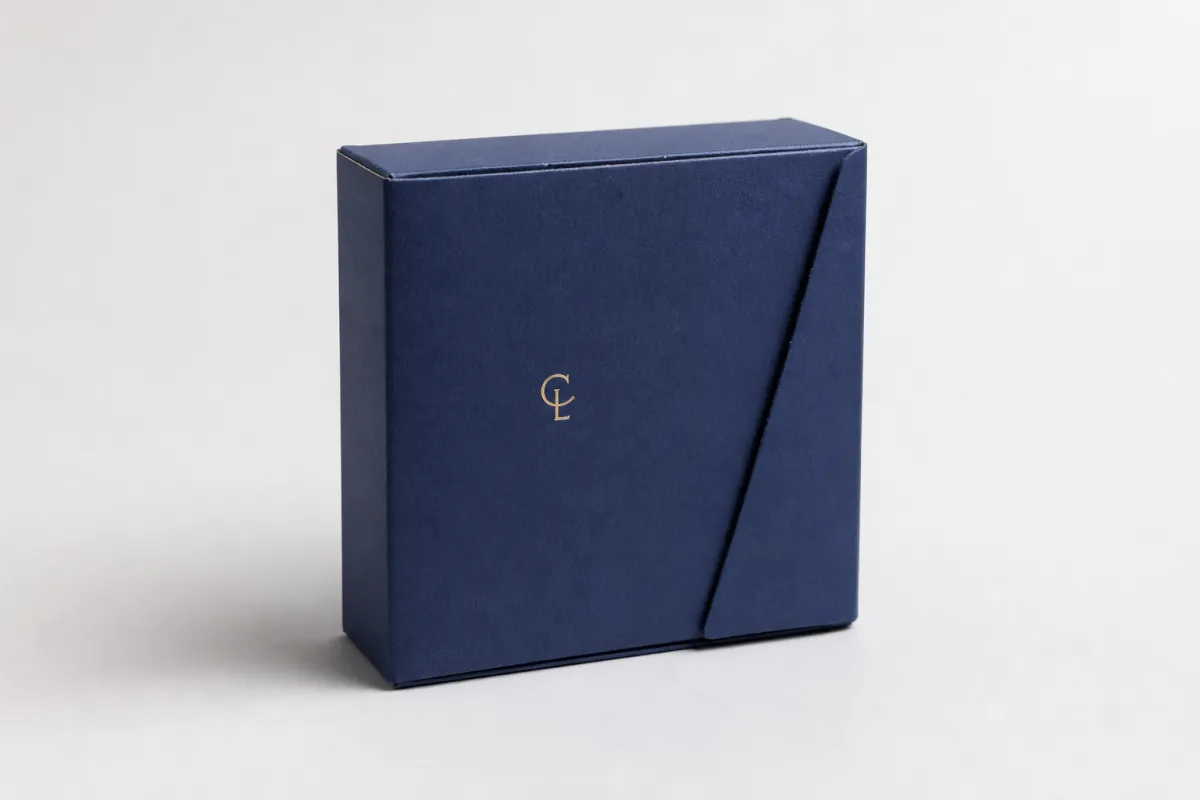
Launch packaging has a narrow window to make a case for the product, and that window opens the moment the shopper sees the box. Printed boxes for brand launch are often the first physical brand contact a buyer has, so the outer package has to signal quality, tone, and category with very little time to spare. If the outside feels generic, the product inside has to work harder to overcome that first impression.
Picture a premium serum shipped in an unmarked mailer. The formula may be excellent, the ingredients may be carefully sourced, and the product may deserve attention, yet the packaging still reads like a placeholder. Put that same item in printed boxes for brand launch with clear typography, a measured structure, and a disciplined color system, and the product begins to feel finished. That shift is not cosmetic. It changes the way the buyer reads value.
Launch packaging also solves a consistency problem for the team behind the product. Sales samples, influencer kits, retail displays, direct-to-consumer orders, and event giveaways may all travel through different channels, but they still need to tell the same story. Printed boxes for brand launch help keep that story steady across touchpoints, which matters more than many teams expect.
In practical terms, printed boxes for brand launch can mean folding cartons, corrugated mailers, rigid presentation boxes, or shippers with branded graphics and handling instructions. The format changes with product weight, shelf expectations, shipping method, and budget. A lightweight cosmetic item may suit a folding carton, while a fragile device may need a corrugated shipper or a rigid box with an insert.
Good launch packaging should tell the truth about the product. It should not exaggerate a modest item into something it is not, and it should not undercut careful design, solid manufacturing, or a clear brand point of view.
That is why printed boxes for brand launch belong in the launch plan from the beginning. The box has to line up with the product price, the sales channel, the timeline, and the experience the brand wants to create. When those pieces fit together, the packaging feels deliberate instead of improvised.
There is also a planning benefit. Printed boxes for brand launch make it easier to standardize photography, prep retail shelves, and package kits without every department inventing its own version of the product presentation. Launch week already brings enough moving parts. The packaging should reduce friction rather than add another source of it.
A strong box also carries a subtle business effect. If the package feels considered, the product usually feels more credible. If the package feels rushed, buyers often assume the brand is still finding its footing. That impression can be difficult to reverse once launch season is underway, which is exactly why printed boxes for brand launch deserve careful attention early on.
How printed boxes for brand launch work from concept to ship
The path from a rough idea to finished packaging is usually straightforward, but each step can create trouble if the team moves too quickly. Printed boxes for brand launch usually begin with a brief that covers product dimensions, weight, shipping method, target audience, finish preferences, and any regulatory or barcode requirements. Once those basics are clear, the structure can be chosen with far less guesswork.
After the brief comes the dieline. That flat drawing forms the backbone of the job because it shows where the panels fold, where glue lands, where artwork can live, and where text needs to stay away from trim or folds. For printed boxes for brand launch, a dieline is not just a technical file. It protects consistency by making sure the logo, claims, opening panels, and callouts sit in the right places.
Artwork setup follows. The design team needs to think about panel hierarchy, barcode placement, legal copy, and the order in which a customer will see the package as it opens. One common mistake is treating the outside like a poster. In reality, printed boxes for brand launch work better when the design respects movement, because folds, flaps, and closures all change how the brand reads in the hand.
Print method matters too. Digital printing is often the right fit for shorter runs, quick changes, and early launch testing because it avoids heavy plate setup. Offset can make more sense for larger quantities where color control and image sharpness matter, while flexo is common for corrugated work and higher-volume carton jobs. The best method for printed boxes for brand launch depends on quantity, image detail, and substrate.
Structure and graphics cannot be separated. A box that looks polished on a screen may still crease badly, open too easily in transit, or expose glue tabs in the wrong place. For printed boxes for brand launch, the design has to survive folding, packing, stacking, and handling, not just a mockup view on a monitor.
Sampling is where the plan meets the material. Board shade, coating feel, fold memory, and ink behavior can all change once a physical sample is in hand. That is why printed boxes for brand launch almost always benefit from a sample stage, even if it adds a few days. A sample catches the problems before the run is locked in.
Printed boxes for brand launch also need a packing and shipping plan. If the cartons arrive flat, someone has to fold them. If they arrive pre-glued, someone has to store them cleanly. If inserts are involved, somebody has to assemble the kit. Those labor steps are part of the packaging system, not extra chores tacked on later.
For teams comparing formats, the table below gives a simple starting point. Actual numbers shift with quantity, print coverage, and finish, but the comparison helps align expectations early.
| Format | Typical use | Approx. unit price at 5,000 pcs | Typical lead time | Best fit |
|---|---|---|---|---|
| Mailer box | E-commerce, subscriptions, direct ship | $0.70-$1.50 | 8-15 business days after proof approval | Shipping protection with branded graphics |
| Folding carton | Retail shelves, lighter products | $0.25-$0.85 | 10-18 business days after proof approval | Clean presentation at a lower unit cost |
| Rigid box | Premium kits, gift sets, high-value items | $1.80-$4.00 | 18-30 business days after proof approval | Higher perceived value and a more formal reveal |
That table is only a guide, yet it shows the tradeoff clearly. Printed boxes for brand launch are not chosen by appearance alone; they are chosen by how much protection, presentation, and labor the launch can support. When that match is right, the packaging does its job without draining the budget.
Key factors that shape cost and pricing
Pricing for printed boxes for brand launch usually starts with the box style. A simple mailer or folding carton will cost less than a rigid box with a wrapped shell and insert because the labor, board, and finishing steps are more involved. Once the structure changes, the quote changes quickly.
Board grade is another major driver. Corrugated options, SBS folding carton board, kraft stock, and specialty paper wraps all carry different price points and different performance levels. For printed boxes for brand launch, the buyer has to think about what the board needs to do, not just how it looks. If the product is heavy or fragile, cheaper board can become expensive after damage claims and replacement orders.
Print coverage matters as well. Full-bleed graphics, multiple spot colors, metallic inks, and heavy photo coverage generally cost more than a clean one- or two-color layout. That does not mean launch packaging has to be plain. It means printed boxes for brand launch should spend ink where it helps the story most, not everywhere simply because the option exists.
Finishes can change the price quickly. Matte varnish is usually more modest than soft-touch coating, and foil stamping or embossing adds setup time along with production cost. Spot UV can look sharp, though the design still needs balance so the box does not feel crowded. With printed boxes for brand launch, the strongest finish is often the one that supports the concept without overpowering it.
Order quantity affects unit price more than almost anything else. Setup costs, tooling, proofs, and any plate or die charges spread out better over larger runs, so the unit cost tends to fall as the run size rises. That is why printed boxes for brand launch often feel expensive at small quantities and much easier to manage at scale.
Freight and handling matter too. Large corrugated cartons take space. Rigid boxes may need extra protective packaging. Inserts can add assembly labor. If the launch involves kitting, warehousing, or pallet storage, the packaging budget should include those costs. A quote for printed boxes for brand launch only makes sense when the full supply chain is visible.
For a practical range, a straightforward folding carton at moderate quantity might sit around $0.25-$0.85 per unit, a corrugated mailer around $0.70-$1.50, and a rigid presentation box closer to $1.80-$4.00 or more depending on detail. Those figures are not promises, and they will move with board availability, finishing, shipping, and seasonal demand, but they give teams a useful frame before they start comparing vendors.
One helpful habit is to compare three versions at once: basic, balanced, and premium. That makes it easier to see how printed boxes for brand launch change when foil is added, when the board is upgraded, or when an insert is introduced. Often the middle option delivers the best result because it protects the budget while still creating the right first impression.
For brands that need to review other packaging categories, our Custom Packaging Products page can help you compare formats before you ask for pricing. A clear comparison saves time, especially when marketing and operations are looking at printed boxes for brand launch from different angles.
Process and timeline for printed boxes for brand launch
Most packaging schedules break into a few predictable stages: brief, dieline, artwork, proofing, material sourcing, production, finishing, packing, and freight. Printed boxes for brand launch move more smoothly when each stage has a clear owner and a fixed approval point. Otherwise, small delays stack up until the launch date starts to slip.
A simple digital-printed carton can sometimes move from approval to delivery in about 8-12 business days, depending on the supplier and shipping route. More complex printed boxes for brand launch with inserts, specialty coatings, or rigid construction can take 18-30 business days or longer. The difference usually comes from setup, drying, wrapping, and hand assembly.
Artwork revisions are one of the most common schedule risks. One changed claim can move a barcode, which can move a panel, which can force a new proof. That is why printed boxes for brand launch should be locked after a careful review before production starts. Late creative changes are expensive because the box is a physical object, not a digital ad that can be swapped in an afternoon.
Material availability can affect the timeline as well. A supplier may have the structure but not the exact board shade or coating stock the team wants. If the packaging depends on a very specific finish, the lead time may stretch by a few days or even a week. Printed boxes for brand launch work best when the team chooses materials that are available now, not only materials that look ideal in theory.
Fit is another place where schedules get derailed. If the product dimensions were taken before final samples were complete, even a small change can affect the insert or the tuck closure. That is why printed boxes for brand launch need a measurement check before final production. A tiny fit issue can turn into a bigger rework if it is discovered after the print run begins.
If the package has to survive parcel handling, ask for a testing approach that reflects that reality. ISTA explains common transport test families at ista.org, and that kind of thinking is useful for launch planning even when the package is not formally certified. Printed boxes for brand launch that will travel through couriers need more than a good-looking outside; they need enough structural sense to survive the trip.
Build the schedule backward from the launch date. Leave time for one digital proof review, one physical sample review, freight transit, and a final receiving check. In real planning, printed boxes for brand launch do better with a buffer because one late artwork note or one shipping delay can take up a whole week. A tight calendar still needs breathing room.
Rush work is possible in some cases, though rush work also narrows the margin for error. If the goal is strong color consistency and a clean unboxing moment, a slightly longer timeline is usually safer than a compressed one. For printed boxes for brand launch, speed only helps if quality stays intact.
Step-by-step guide to planning printed boxes for launch
Start with the product itself. Write down the final dimensions, weight, fragility, and whether the item will be shipped, displayed, or handed out at an event. That gives printed boxes for brand launch a real foundation. Without those details, design choices are guesses dressed up as strategy.
Then map the channel. Retail packaging has different priorities than e-commerce packaging, and a press kit has different goals again. A shelf box must signal quickly, while a mailer must survive transit and still look intentional after travel. Printed boxes for brand launch work best when the structure matches the route the product will actually take.
Next, choose the box style. A mailer offers a strong mix of protection and branding for direct-to-consumer shipments. A folding carton is usually lighter and more economical for shelf presentation. A rigid box feels premium and creates a strong reveal, but it also raises cost and assembly time. The best printed boxes for brand launch are the ones that support the product instead of fighting it.
After that, build the artwork around the most important panels. The front panel should lead the eye, but the top, inside lid, or opening flap can carry the emotional moment. That matters because printed boxes for brand launch are often judged by the reveal as much as the front face. The opening sequence can tell the story in a way a plain panel never could.
- Confirm product dimensions and weight.
- Choose the box structure based on protection and presentation.
- Place the branding hierarchy on the panels the buyer will see first.
- Check barcode, legal, and handling requirements before proofing.
- Request a physical sample if the launch depends on color, fit, or feel.
- Lock specs, quantity, and delivery dates before production begins.
That checklist keeps printed boxes for brand launch from drifting into a last-minute scramble. It also helps marketing, operations, and procurement speak the same language, which is where many launch projects save real time.
Sampling deserves special attention. A digital file can never tell you whether the coating feels slippery in the hand, whether a tuck flap opens too stiffly, or whether the board tone changes the brand color. A sample can. For printed boxes for brand launch, that one physical review often catches the issue everyone missed on screen.
Once the sample is approved, lock the spec sheet. Include the board, print method, finish, insert details, artwork version, and delivery target. If you need a quick benchmark against previous work, our Case Studies page shows how different packaging choices can support different launch goals. That kind of reference can make printed boxes for brand launch decisions easier to compare.
The final step is coordination. Make sure the warehouse, the marketing team, and the packaging supplier all know the approval status and the receiving date. For printed boxes for brand launch, the best results come from calm handoffs, not rushed assumptions. If everyone knows what is happening and when, the box has a far better chance of arriving ready for launch.
Common mistakes with printed boxes for brand launch
The first mistake is designing too early. If the product dimensions are still moving, the box design is still moving too. That can create a chain reaction of rework, especially for printed boxes for brand launch that depend on a precise fit or an insert. A few millimeters may not sound like much, but they can change the whole structure.
The second mistake is overloading the artwork. A launch box does not need every claim, icon, and slogan on every panel. Too much information can make the packaging harder to read and harder to produce. Strong printed boxes for brand launch usually keep the message focused, with the most important story placed where it can actually be seen.
The third mistake is choosing a finish because it looks good in a presentation, not because it works in real handling. Soft-touch coating can look beautiful, but it may scuff more easily in busy fulfillment environments. Foil can add shine, but if the design is already crowded, it can become visual noise. With printed boxes for brand launch, the finish should support the use case, not just the mood board.
The fourth mistake is relying only on a digital proof. A screen cannot show paper tone, fold memory, coating feel, or how the ink sits on the chosen stock. That is why printed boxes for brand launch often need a physical proof or sample when color accuracy and tactile quality matter. The cost of a sample is small compared with the cost of reprinting a whole run.
The fifth mistake is treating packaging as the last task on the list. That habit usually creates stock shortages, inconsistent branding, and a frantic approval cycle. It also weakens the launch story. Printed boxes for brand launch should be planned alongside product, sales, and freight so the box arrives with the rest of the launch instead of lagging behind it.
There is also a sustainability mistake worth calling out. Some teams chase a green message without checking whether the packaging is actually recyclable, right-sized, or sourced responsibly. If sustainability is part of the promise, use materials that back it up. FSC-certified paperboard can help support responsible sourcing claims, and the Forest Stewardship Council is a useful reference point. For printed boxes for brand launch, credibility matters more than vague environmental language.
Finally, do not ignore assembly time. A box that looks elegant but takes too long to fold, fill, or seal can slow the warehouse and raise costs. The most effective printed boxes for brand launch usually feel simple to handle because the structure was thought through from the beginning.
Expert tips for better printed boxes at launch
Design for the unboxing path, not just the outside panel. Ask what the buyer sees first, what they touch second, and what they notice after the product comes out. That sequence matters because printed boxes for brand launch help create memory, and memory is part of brand recognition. A clean reveal can make a launch feel much more polished than a busy front face ever could.
Limit special effects to the moments that deserve them. A little foil on the logo, a soft-touch coat on the main panel, or a spot UV detail on one brand mark can be enough. If every surface is trying to shout, the message gets muddy. printed boxes for brand launch usually read stronger when the design has contrast and restraint.
Test brand colors on the actual substrate. Kraft board shifts color differently than coated SBS, and corrugated material absorbs ink in its own way. A rich blue on screen may dry flatter on brown kraft stock. That is why printed boxes for brand launch should be checked on the chosen board before approval. What looks precise digitally may behave differently in print.
Use sustainability where it is real and practical. Right-sized boxes reduce void space, recyclable board can simplify disposal, and removable inserts can make separation easier. Those decisions can support a stronger story without sounding forced. In other words, printed boxes for brand launch should reflect honest material choices, not marketing fluff.
Keep marketing and operations in the same room, or at least on the same call. Marketing tends to focus on story and appearance, while operations cares about fit, throughput, and damage risk. Both matter. The best printed boxes for brand launch balance the emotional side of the brand with the physical side of production.
Think about shipping reality too. If the box has to move through parcel networks, ask whether the closure is strong enough, whether the corners can take a drop, and whether the print can tolerate friction. That is where packaging discipline pays off. Printed boxes for brand launch are only as useful as their performance after the pallet leaves the dock.
A final practical tip: ask for a plain sample and a printed sample if the launch is high stakes. The plain sample checks structure and fit; the printed sample checks message and finish. That two-step review can be the difference between a controlled rollout and an expensive surprise. For printed boxes for brand launch, surprises are rarely the good kind.
If you want a simple rule, keep the box honest, keep the copy clear, and keep the structure easy to handle. Those three choices do more for a launch than trendy graphics ever will. In my experience, printed boxes for brand launch work best when they make the product feel ready, not overworked.
Next steps for your printed boxes for brand launch
Gather the basics first: final product dimensions, target quantity, preferred box style, finish ideas, and the date the launch needs to hit. That brief gives suppliers a real starting point and helps printed boxes for brand launch quotes stay comparable instead of drifting into guesswork.
Then build a short spec sheet. Include the board preference, print coverage, any insert needs, barcode placement, and whether the packaging will ship flat or assembled. The cleaner the spec, the faster the conversation. Printed boxes for brand launch tend to move more smoothly when everyone can see the same requirements in one place.
Ask for a sample if the product is fragile, premium, or visible enough that presentation matters a great deal. A sample can reveal fit issues, color shifts, and assembly friction before those problems become expensive. For printed boxes for brand launch, that small step often protects the whole schedule.
Build time for one design review and one physical review. If the launch team includes operations, give them a chance to check foldability, pack-out, and storage before approval. That extra discipline helps printed boxes for brand launch support the business instead of creating hidden labor.
After approval, request a production schedule and a delivery plan in writing. Confirm where the cartons are going, how they are packed, and who is receiving them. If the timeline includes freight, buffer a few days for transit and inspection. Printed boxes for brand launch are easiest to manage when the shipping handoff is clear.
The most useful takeaway is simple: build the box around the product, the channel, and the timeline, then verify it in hand before the run starts. That one habit catches most of the expensive mistakes. For printed boxes for brand launch, a clear spec, a physical sample, and a locked approval point will do more for the launch than any last-minute polish ever could.
How many printed boxes do I need for a brand launch?
Base the quantity on confirmed launch inventory, then add a realistic buffer for samples, damage, and internal or press kits. If your launch includes retail, e-commerce, and events, separate those counts so you do not overorder the wrong format. It also helps to ask for pricing at a few quantities, because printed boxes for brand launch often change in unit cost more than people expect.
What affects the price of printed boxes for brand launch the most?
The biggest drivers are box structure, board type, print coverage, finishing, and order quantity. Custom inserts, foil, embossing, and specialty coating usually raise both setup time and cost. Freight and assembly can matter too, especially for larger or heavier printed boxes for brand launch.
How long does the printed boxes process usually take?
Simple digital cartons can move faster, while rigid boxes or large offset runs usually need more time. Artwork revisions, sampling, and material availability often shape the schedule more than buyers expect. A little extra room in the calendar keeps printed boxes for brand launch from becoming a last-minute stress point.
Should I choose a mailer, folding carton, or rigid box for a launch?
Choose based on protection, presentation, and budget rather than appearance alone. Mailer boxes work well for shipping and e-commerce, folding cartons suit retail and lighter products, and rigid boxes feel more premium. If the item is fragile or high-value, sample the structure before you approve printed boxes for brand launch.
What should I send a supplier before requesting a quote?
Send final product dimensions, desired quantity, box style, artwork requirements, finish ideas, and the delivery location. Include any functional needs such as inserts, tamper features, or barcodes so the quote is accurate. The clearer the brief, the easier it is to compare pricing and timeline options for printed boxes for brand launch.


