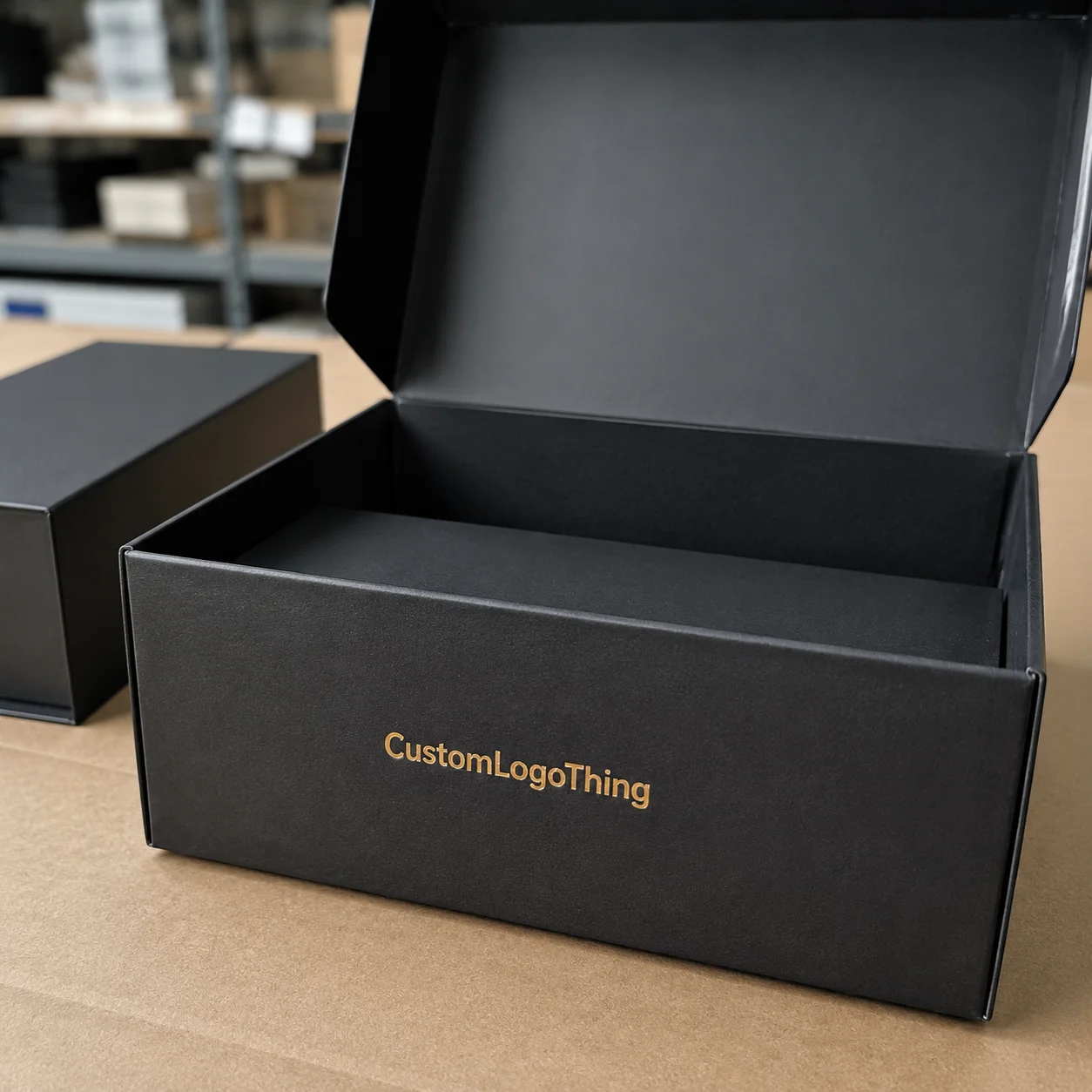
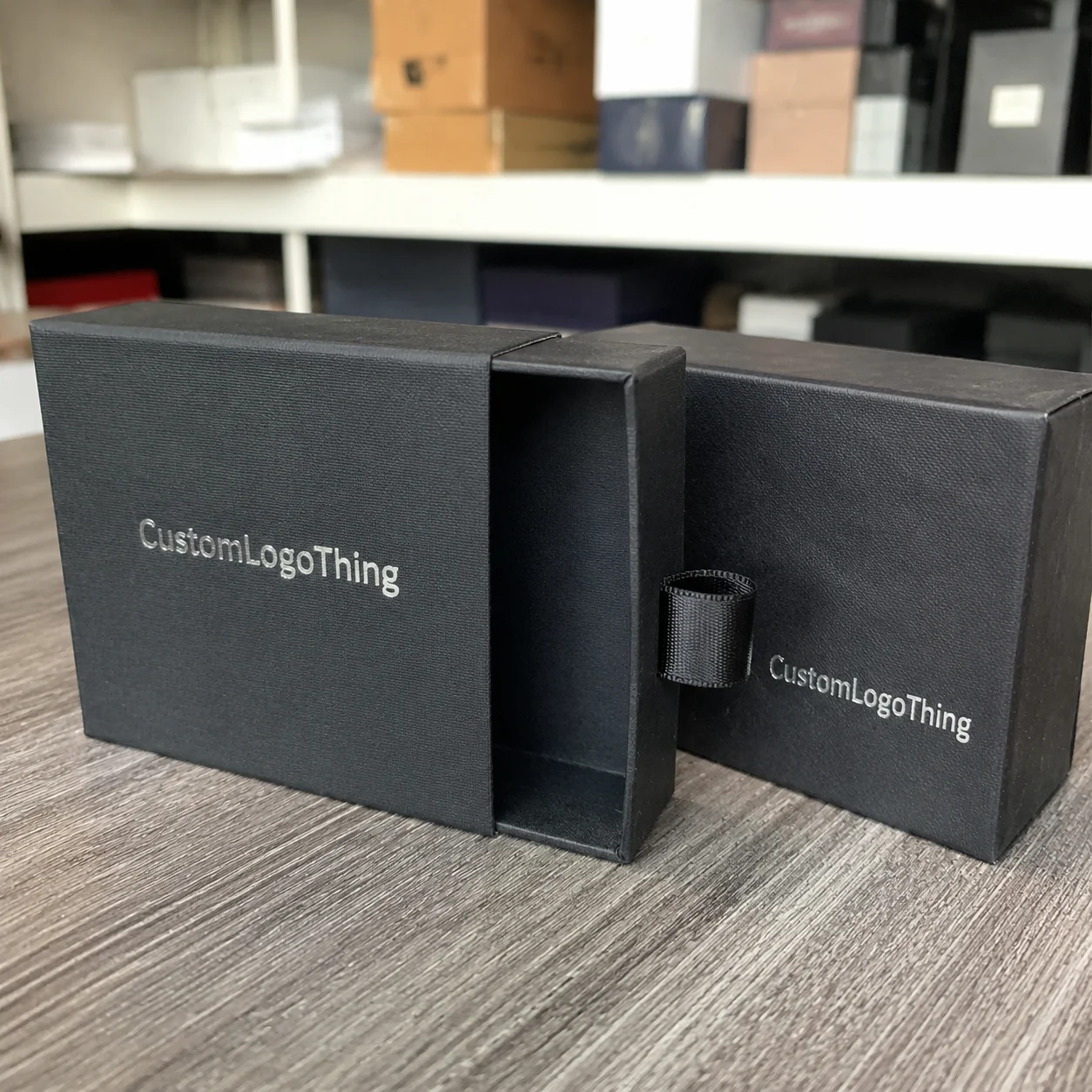
Buyer Fit Snapshot
| Best fit | Printed Boxes with Logo projects where brand print, material claims, artwork control, MOQ, and repeat-order consistency need to be specified before quoting. |
|---|---|
| Quote inputs | Share finished size, material target, print colors, finish, packing count, annual reorder estimate, ship-to region, and any compliance wording. |
| Proofing check | Approve dieline scale, logo placement, barcode or warning zones, color tolerance, closure strength, and carton packing before bulk production. |
| Main risk | Vague material claims, crowded artwork, missing packing details, or unclear freight terms can make a low unit price expensive after revisions. |
Fast answer: Printed Boxes with Logo: Quote Scope, Sample Proof, MOQ, and Lead Time should be specified like a repeatable production item. The safest quote records material, print method, finish, artwork proof, packing count, and reorder notes in one written spec.
Production checks before approval
Compare the actual filled-product size with the drawing, then confirm tolerance on folds, seals, hang holes, label areas, and retail display edges. Reserve space for logos, QR codes, warning copy, and material claims before decorative graphics fill the panel.
Quote comparison points
Review material grade, print process, finish, sampling route, tooling charges, carton quantity, and freight assumptions side by side. A quote is only useful when the supplier can repeat the same color, closure quality, and packing count on the next order.
I still remember a Tuesday morning at a folding carton plant in Dongguan where two skincare brands were packed on adjacent lines, both shipping 18,000 units that week, both with almost identical bottle formulas, and both sold at nearly the same price point. One used plain kraft shippers with a tiny sticker. The other invested in printed Boxes With Logo, interior messaging, and a clean unboxing sequence with a custom insert. Within 45 days, the second brand had a 22% higher reorder rate from direct customers, based on the Shopify dashboard report the client shared during our review call. Packaging didn’t change the product chemistry. It changed memory, trust, and perceived value before the first pump of serum was even used.
I see that same pattern across categories, from supplements to electronics accessories. Packaging is often the first physical brand touchpoint after a digital ad, and people form quality impressions fast. I’ve watched identical products hold a $6 retail gap simply because one version looked generic and the other looked intentional.
Strong printed boxes with logo are never just “boxes with ink.” They combine structure, material, print process, artwork hierarchy, and finishing choices mapped to your channel—eCommerce, retail shelf, subscription, PR mailers, or B2B fulfillment.
In practical terms, printed boxes with logo are custom packaging units that carry your brand mark, approved color system (CMYK or Pantone), message hierarchy, and structural specs built around product dimensions and shipping conditions. That might be a reverse tuck-end carton in 350gsm SBS for a cosmetic tube, an E-flute corrugated mailer with a black flood print, or a rigid setup box with wrapped chipboard and magnetic closure for premium gifting.
I’ve worked with teams that started with one SKU and a $0.40 packaging target, and I’ve supported enterprise programs at 600,000 units spread across multiple plants with AQL inspections. Scale changes, fundamentals don’t: fit first, print accuracy second, transit performance third, and brand experience throughout. If you’re evaluating Custom Packaging Products, understanding the production flow before requesting quotes will save time, reduce revisions, and produce cleaner pricing comparisons.
Over the next sections, I’ll break down how printed boxes with logo are made, where costs really come from, what timelines look like in live projects, which mistakes hurt quality and margin, and how to structure a smoother first order. I’ll also share a few hard lessons teams usually learn after a costly run—so you can skip that part (and keep your blood pressure in a healthier range than mine was during one infamous holiday rush).
Why Printed Boxes with Logo Matter More Than Most Brands Realize
Brand teams often spend months refining ad creative and product pages, then treat packaging as a late procurement task. Honestly, I think that order is backwards. In real buying behavior, printed boxes with logo shape customer confidence faster than almost any other physical element, especially on first purchase. A clean dieline, stable color, and dependable board stock signal operational maturity. Poor registration or weak board sends the opposite message, even if the formula inside is excellent.
During a client meeting in Los Angeles, one founder told me, “We thought people were upset about shipping speed, but they were really saying the package felt cheap.” We reviewed support tickets from 1,200 orders and saw recurring phrases like “looked generic” and “didn’t feel premium enough for the price.” They switched from a plain 32 ECT brown shipper to a branded E-flute mailer with two-color interior print and cut complaint tickets by 31% in the next cycle.
Printed boxes with logo show up across almost every movement point in distribution:
- eCommerce mailers: self-locking corrugated boxes built for parcel handling and unboxing photos.
- Retail cartons: shelf-facing packs with barcode placement, legal copy, and tighter color control.
- Subscription kits: recurring branded packs where insert logic and interior print matter monthly.
- PR and influencer boxes: presentation-first formats, often rigid boxes or premium folding cartons.
- B2B ship packs: larger runs with strength specs, pallet efficiency, and cost discipline.
Trust is measurable here. If your logo drifts by 8–10 ΔE across runs, most customers won’t know the term, but they will spot inconsistency. If your carton crushes in transit because board grade was selected on price alone, they’ll definitely notice. Reliable printed boxes with logo reduce visible quality issues and lower hidden operating costs like replacements, returns, and damage claims.
I usually frame decisions in three layers: protect the product, represent the brand, and support the economics. Ignore any one layer and problems follow quickly. Heavy finish budget with no transit validation often leads to damaged deliveries. Aggressive freight savings with underbuilt board raises breakage. Overdesigned branding with weak readability creates confusion at shelf and at the doorstep. Effective printed boxes with logo operate as a system, not a decoration exercise.
How Printed Boxes with Logo Are Made: From Dieline to Press Check
The production sequence for printed boxes with logo starts with structure, not graphics. That surprises many marketing teams (it surprised me too the first time I watched an art direction meeting get paused because the glue flap width was wrong). Beautiful artwork still fails if the format is wrong for weight, assembly speed, or shipping route. I’ve seen teams design a striking straight tuck-end carton, then discover in pilot packing that product movement during transit cracked corner seals. Structure-first planning prevents expensive corrections.
Choose the right box style before artwork
Common structures include RSC corrugated shippers for transport, reverse tuck-end or auto-lock bottom cartons for retail units, self-locking mailers for DTC, and rigid setup boxes for premium presentation. For products above 1.8 kg, I usually begin testing B-flute or double-wall configurations depending on route distance and stacking height. For cosmetics under 250g, 300–400gsm SBS or C1S paperboard typically performs well and prints cleanly.
Artwork setup and prepress rules
A usable dieline includes bleed (commonly 3mm), safe zones (about 2.5–4mm from cuts and scores), glue area exclusions, fold lines, and barcode quiet zones. Vector logo files (AI, EPS, PDF/X-1a) should be standard. Low-resolution web assets at 72 dpi still cause fuzzy edges in production.
Teams regularly upload RGB Canva exports and then wonder why navy shifts toward purple. Convert early to CMYK or assign Pantone references, then proof before release. I remember one team insisting their screen blue was exact, then calling me from the warehouse asking why it looked like denim under fluorescent lighting—same file, different reality.
Printing method selection
Offset litho is ideal for tighter color precision, smoother gradients, and premium retail presentation. Setup costs are higher, but consistency is strong at mid and large volumes. Flexographic printing is widely used on corrugated runs where speed and cost control matter, especially for one- to three-color work. Digital printing fits short runs, test markets, regional versions, and faster turnarounds without plate costs. Many startup orders below 2,000 units begin with digital for practical reasons in printed boxes with logo programs.
Finishes and conversion
Finish options include matte or gloss aqueous coating, lamination films, spot UV, emboss/deboss, and foil stamping. Each option has tradeoffs. Soft-touch lamination feels premium but can scuff if handling and packing methods don’t match. Foil on tiny 5pt text may fill in and hurt legibility. Spot UV adds depth yet demands tight registration tolerance.
During a Shenzhen press check, we removed foil from a 7mm logo after readability dropped under warehouse lighting at 1.5 meters. That decision annoyed the design team for about 20 minutes and then saved the run for the next 20,000 units.
Quality checks that actually matter
Color proofing should compare approved proof to press sheets under controlled light (D50 where possible), and corrugated performance should be verified with ECT or burst testing based on your spec standard. Fit checks must use real filled product; approving with empty bottles is a classic failure point. If your route includes parcel hubs, run simulated drop and vibration trials; ISTA testing protocols provide a reliable benchmark.
Well-made printed boxes with logo don’t happen by accident. They come from controlled inputs: structure, art preparation, print method, finishing sequence, and disciplined QA at each handoff.
Key Factors That Determine Performance and Brand Impact
Material selection is where performance and brand expression intersect. SBS delivers crisp print and a clean white face, kraft offers a natural tone and better scuff camouflage, CCNB can lower cost while limiting certain premium finishes, and rigid chipboard wraps create high-end presentation with higher unit economics. For shipping-intensive programs, E-flute and B-flute corrugated often provide the best balance between compression strength and printable surface quality, depending on weight and pallet load.
Readability is frequently underestimated in printed boxes with logo. Keep minimum line weights practical (often 0.25pt or above for repeatability), avoid low-contrast color pairings like mid-gray on kraft, and validate logo size at realistic viewing distances. I recommend physical checks at 0.5 meter and 1.5 meters. If people can’t identify your brand instantly, the pack is underperforming. (And yes, your founder can read that 4pt copy because they already know what it says—new customers can’t.)
Great design can fail in logistics. Coastal humidity, extended warehouse dwell time without climate control, and high pallet pressure all degrade board performance and finish appearance. I once saw a beautiful C1S mailer collapse in summer humidity on Gulf Coast routes because we skipped a moisture-aware coating decision. After moving to a different liner and adjusting tape spec, damage claims dropped from 4.8% to 1.2%.
Sustainability choices need precision rather than broad claims. If you position the pack as recyclable, material stack and ink system should support that claim. FSC-certified sourcing is a credible route for responsible fiber procurement; standards are published through FSC guidance. Right-sizing printed boxes with logo also trims void fill and freight cube, which can lower environmental footprint and operating cost. The lightest board is not always the best answer if damage and reship rates climb.
Customer experience lives in small details: opening friction, insert fit, interior tone, tactile response, and closure confidence. A clean tear strip, well-positioned pull tab, or simple one-color inner message can shift perception fast. Teams often overdecorate and underdesign usability. Premium usually means clarity and control, not maximum effects.
Printed Boxes with Logo Pricing: What Affects Cost and How to Budget
Cost for printed boxes with logo is shaped by material grade, dimensions, print process, color count, finishing stack, inserts, assembly complexity, and freight terms. A 120 x 80 x 40 mm folding carton in 350gsm SBS with 4C offset and matte AQ might land around $0.22–$0.38 at 10,000 units in one region. A rigid two-piece box with wrapped 1200gsm chipboard, foam insert, and foil may run $1.80–$4.50 depending on spec and factory geography.
Setup economics matter. Plate and make-ready costs hit small runs hard, so 500 units can price high per piece even with simple structure. Digital runs reduce entry barriers and work well for early testing. At larger quantities, offset or flexo typically lowers stable-run unit cost. With corrugated printed boxes with logo, flute profile and board combination alone can shift cost 12–25% before print is added.
| Scenario | Typical Specs | Quantity | Estimated Unit Range | Common Lead Time |
|---|---|---|---|---|
| Small trial run | E-flute mailer, digital print, no specialty finish | 500–1,500 | $0.95–$2.20 | 10–18 business days |
| Mid-volume branded carton | 350gsm SBS, 4C offset, matte AQ | 5,000–25,000 | $0.18–$0.62 | 12–20 business days |
| Enterprise corrugated run | B-flute, flexo 2-color, ship-tested | 50,000+ | $0.42–$1.10 | 15–28 business days |
| Premium rigid presentation box | 1200gsm chipboard, wrap print, foil + insert | 2,000–10,000 | $1.80–$4.50 | 20–35 business days |
These numbers are directional, not guarantees. Region, paper market shifts, and factory loading can move quotes quickly. I’ve seen identical specs land 18% apart between qualified suppliers because one plant laminated in-house while the other outsourced to a partner 90 km away. That difference affects both price and schedule reliability for printed boxes with logo.
I’ve also seen teams celebrate a “great” quote, then call me later after adding freight, warehousing, and rework—and suddenly it wasn’t great anymore.
Hidden costs still catch teams regularly:
- Tooling revisions after late structural edits (new die-cut fees).
- Freight and duty excluded from early unit calculations.
- Overage/underage clauses (commonly +/-10%).
- Warehousing charges tied to phased release plans.
- Rush premiums for compressed production windows.
A practical budgeting framework works well: set a hard max unit cost, define non-negotiables (protection, barcode readability, core logo treatment), then value-engineer everything else. You might remove interior flood print, reduce carton size variety, or swap soft-touch film for matte aqueous. Done carefully, those moves can cut 8–30% without hurting perceived quality.
If you’re sourcing through Custom Packaging Products, ask for three pricing tiers—good, better, best—based on the same dieline. You’ll get clearer tradeoff visibility and a more scalable printed boxes with logo roadmap.
Step-by-Step Process and Timeline: From Brief to Delivery
A dependable workflow for printed boxes with logo depends more on sequence discipline than raw speed. Skip one gate and delays multiply later. This is the process I use most often with brand and operations teams, and yeah, I learned it partly by doing it the wrong way years ago and paying for that education in rush invoices.
Step 1: Discovery brief
Start with product dimensions (L x W x H in mm), unit weight, sales channel (DTC, retail, wholesale), target brand feel, budget cap, and performance requirements. Include forecasted monthly volume and launch date. If your pack line needs throughput above 25 units per minute, state that upfront because structural options change. A complete brief can reduce quote turnaround from ten days to three.
Step 2: Structural and graphic concept
Packaging engineers draft dielines and recommend board grades. Designers apply brand assets with safe zones, glue restrictions, and barcode placement rules. I prefer 2–3 concept paths rather than 10. Too many options slow decisions.
For first programs, one conservative direction and one premium-leaning direction usually provides enough contrast. This is also a smart point to review compatible formats through Custom Packaging Products.
Step 3: Sampling sequence
Run a white sample first to validate fit and assembly, then move to a pre-production sample (PPS) for print and finish sign-off. White samples usually take 2–5 business days; PPS often takes 5–10 depending on process complexity. In a supplement project, a white sample exposed a 3 mm cap-height issue that would have misfit 40,000 cartons. That one check prevented more than $9,000 in rework.
Step 4: Prepress and approvals
At this stage, confirm final artwork, color references (CMYK targets or Pantone values), legal copy, lot code zones, and barcode scan reliability. Run preflight checks for overprint settings and rich black builds. If brand color tolerance is strict, request drawdowns or wet proofs and define acceptable variance. Precision at this gate keeps printed boxes with logo consistent across replenishment orders.
Step 5: Production and QA
Press runs begin with inline controls for registration, color density, die-cut precision, and glue-line stability. Finishing steps follow—coating, lamination, foil, embossing, window patching, and related conversion steps. Cartons are then packed with traceable lot coding. On larger jobs, random AQL checks (often Level II, based on agreement) help control defect exposure.
Ask suppliers for inspection photos and count-based QA reports. If a supplier gets defensive about basic QA evidence, I take that as a red flag immediately.
Step 6: Freight and delivery planning
Align on incoterms early, build buffer days, and decide whether split shipments are required. For launch-critical programs, partial air on the first batch and sea or ground for the balance can protect timelines. At receiving, use a checklist: carton count, pallet condition, random fit test, print consistency, and barcode scan verification. Issues caught inside 48 hours are much easier to claim.
Typical timeline ranges for printed boxes with logo:
- Simple repeat order: 10–15 business days production plus freight.
- New folding carton with standard finish: 15–28 business days including sampling.
- New corrugated mailer with transit validation: 18–32 business days.
- Rigid premium box with inserts: 25–45 business days.
Each revision round can add 3–10 business days, especially when structure updates trigger a new die or finish retesting. I advise teams to lock approval dates the same way they lock launch dates. Open-ended sign-off windows are one of the most common causes of project drift.
“Once we set a hard proof-approval deadline and stuck to one decision owner, our packaging timeline dropped from seven weeks to four and a half.” — DTC operations manager, beauty brand, 30,000-unit run
With controlled sequencing, printed boxes with logo shift from a recurring stress point to a predictable operational asset.
Common Mistakes with Printed Boxes with Logo (and How to Avoid Them)
The first major mistake is approving graphics before structure is final. I see this in roughly half of early-stage projects. Teams sign off on artwork, then discover they need a different closure style or insert depth. The fix is straightforward: validate fit and transit requirements first, then build artwork on the locked dieline. That sequencing change prevents expensive rework in printed boxes with logo programs.
Another frequent issue is using RGB assets pulled from web or social files. Print is a different environment than screen. Convert to CMYK or assign Pantone values and review hard proofs. I once audited a 12,000-unit order where brand red shifted to orange because source art was an untagged PNG. Reprint plus delay cost roughly $6,700 and missed a promotion window. That was one of those stare-at-the-ceiling-at-2-a.m. weeks.
Finish overload is also common. Foil, heavy texture, tiny reversed text, and spot UV can clash quickly. Visual hierarchy matters more than effect count. Choose one hero finish and keep key information legible under warehouse and retail lighting. Premium printed boxes with logo often rely on restraint: strong logo treatment, balanced white space, and clean typography.
Shipping stress is often underestimated. If your route runs through parcel hubs and long-distance handling, validate board grade and run drop testing. A 32 ECT spec is not automatically enough for every SKU. Heavier products or tall stack conditions may require stronger flute profiles or better internal support. A 3% damage rate can erase board-cost savings within one quarter.
Lowest-quote sourcing without landed-cost review causes repeated pain. Ask suppliers about defect history, on-time performance, QA controls, and contingency plans. A cheaper unit price paired with color inconsistency, weak glue lines, or late shipments usually costs more by quarter end. I’ve stepped into many “cost-saving” packaging projects that ended in emergency reruns at rush pricing (which, for the record, is kinda the packaging version of paying for economy and accidentally booking first class at the gate).
For teams that are new to supplier qualification, request a concise capability pack: machinery list, maximum sheet size, color-control process, FSC availability, and QA checkpoints. If process control can’t be explained clearly, that’s a warning sign for any printed boxes with logo program requiring repeatable quality.
Expert Tips and Practical Next Steps for Your First or Next Order
My playbook is straightforward: begin with one hero SKU, standardize dimensions where possible, and document a repeatable packaging specification sheet. Standardization alone often reduces tooling count and simplifies warehouse planning. I’ve seen brands cut six carton SKUs to three and save double digits across packaging and handling costs. I remember one operations lead joking that standardization “gave her weekends back,” and honestly, I believe it.
Use this checklist before final approval on printed boxes with logo:
- Required protection level by channel and shipping distance.
- Target unboxing feel (functional, premium, or gift-ready).
- Print process fit (digital, offset, or flexo) based on volume.
- Finish priorities (one hero effect versus multiple add-ons).
- Maximum landed unit cost including freight and duties.
A sample-first workflow is still the safest route: test 2–3 variants, gather feedback from sales and operations, run a pilot batch, then scale. A 1,000-unit pilot can reveal fit problems, scuff behavior, and customer response before committing to 50,000 units. That approach is especially useful for first-time printed boxes with logo in subscription and influencer-heavy campaigns where presentation details directly affect perception.
Your RFQ should include annual and initial quantities, dieline ownership terms, color references, tolerance expectations, QA plan (including AQL if needed), packing format, delivery windows, and incoterms. Clear RFQ detail produces cleaner quote comparison. If you need help narrowing structure and material options, review paths under Custom Packaging Products to accelerate shortlist decisions.
Here’s the actionable takeaway I give teams before they place an order: lock your structure first, approve a physical sample second, and sign production only after color and transit checks pass. If you do just those three things, your next run of printed boxes with logo is gonna move faster, price more predictably, and land with a stronger first-touch impression.
How much do printed boxes with logo usually cost per unit?
Unit pricing for printed boxes with logo depends on dimensions, material, print method, order volume, and finish complexity. Smaller runs carry higher per-piece costs because setup is spread across fewer units. Digital printing often fits short runs, while offset or flexo typically lowers per-unit cost at scale. Compare total landed cost, including freight, tooling, and reprint exposure—not just base unit price.
What is the minimum order quantity for custom logo printed boxes?
MOQ varies by box structure and production process. Simple digital mailers may start at relatively low quantities, while rigid boxes or specialty-finish programs usually require higher minimums. Ask suppliers for MOQ by tier—plain, standard print, and premium finish—so inventory commitments can grow in stages.
How long does it take to produce printed boxes with logo?
Lead time includes design alignment, sampling, approval cycles, production, and freight. Repeat orders are generally faster than first-time custom structures. Many jobs land between 2 and 6 weeks before shipping time, depending on complexity. Build buffer for proof changes and transit variability, especially around launch deadlines.
Which material is best for printed shipping boxes with logo?
Corrugated board is usually the best starting point for shipping protection, with flute profile selected for product weight and compression requirements. Kraft liners hide scuffs and support a natural visual style; white liners improve color vibrancy. Confirm final material choices with compression and drop testing based on actual route conditions.
How can I make printed boxes with logo look premium without overspending?
Use one standout finish strategically—spot UV or foil on the logo, for example—instead of stacking several expensive effects. Put priority on typography, layout clarity, and color consistency. Right-size the box and simplify inserts where possible to control material and freight costs while keeping the unboxing experience polished.