Subscription apparel runs on repetition, and repetition is unforgiving. If a monthly shipment leaves with the wrong fiber content, a care instruction that does not match the garment, or a label that is hard to read under warehouse lighting, the error does not stay small. It spreads across the next drop, the next reorder, and the next support cycle. That is why a printed care Labels Quote for Subscription has to cover more than unit cost. It has to reflect compliance text, production constraints, and reorder logic from the first request.
Care labels are physically tiny, but their business impact is not. A label that costs a fraction of a cent more can still be the cheaper option if it prevents relabeling, repacking, and delayed fulfillment. For subscription programs, where every shipment is tied to a schedule, a weak quote can create more downstream cost than a premium substrate ever would.
Quotes that work for this model usually include forecasted volume, SKU variation, artwork stability, and the way the labels will be delivered to the packing line. A one-time launch and a recurring monthly program do not need the same pricing logic. One is a snapshot. The other is a production rhythm.
“The best quote is not the lowest number. It is the one that keeps production moving without a second round of corrections.”
Why subscription brands need faster care label quoting
Subscription brands do not buy labels the same way a seasonal retail line does. They need artwork and compliance data that can hold up across recurring cycles, often for multiple SKUs at once. If one batch is wrong, the issue can carry into the next shipment before anyone catches it. That means the cost of an error is rarely limited to the original print run.
There is also a timing problem. Subscription fulfillment usually has a fixed pack-out window, which leaves very little room for corrections. If care labels arrive late, the delay may affect garment packing, carrier pickups, and customer experience all at once. A low unit price does not matter much if the labels miss the ship date.
That is why a printed care labels Quote for Subscription should reflect recurring cadence, expected reorder volumes, and the likelihood that the same label will be used across several shipment cycles. A supplier quoting a single batch may focus on setup time and press time. A supplier pricing an ongoing program should also account for version control, reorders, and how stable the spec is likely to be over three, six, or twelve months.
Buyers usually get faster, better pricing when they provide clean input. Most suppliers can move quickly if they know the monthly range, the artwork status, whether the labels are for woven-in seam application or loose insert use, and whether the order is shipping as rolls, cut pieces, or folded stacks. That distinction matters because the packing format changes the handling time at both the press and the warehouse.
Printed care label formats, materials, and finish options
Printed care labels come in more forms than many brands expect. The most common options are satin, damask, cotton, heat-transfer, and printed tear-away labels. They behave differently in the wash, feel differently against the skin, and require different production setups. For subscription apparel, that matters because the label has to suit both the product and the pace of fulfillment.
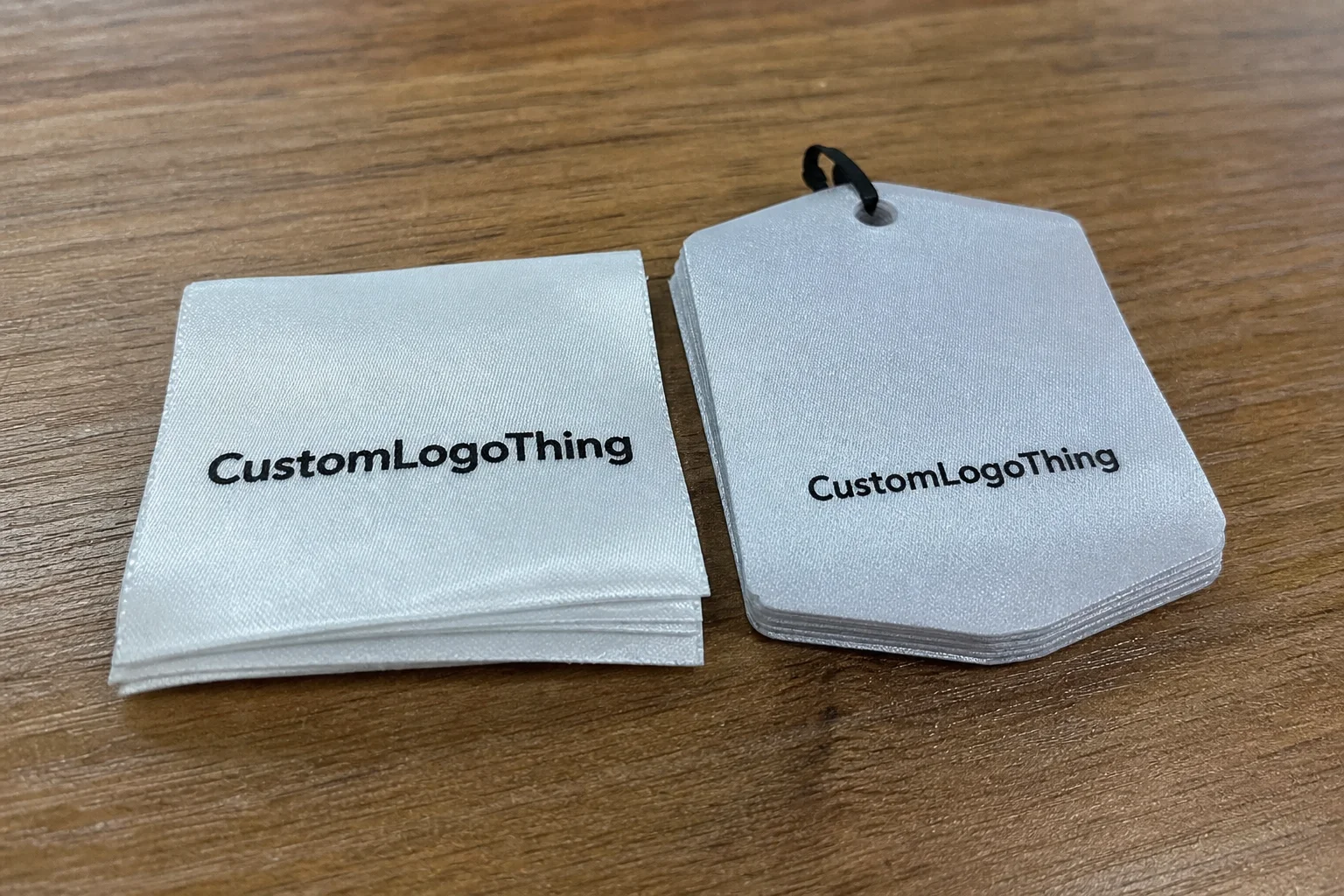
Satin labels are popular because they are soft, printable, and usually cost-effective for mainstream apparel. Damask has a tighter weave and a more refined appearance, which can suit premium garments where the label remains visible. Cotton labels fit natural or eco-positioned collections, although they are not always the best choice if wash durability is the top priority. Heat-transfer labels remove the sewn tag altogether, which is useful for intimates, athleisure, and children’s wear where comfort is part of the product promise. Printed tear-away labels work well when the tag is meant to be removed after purchase or during final user setup.
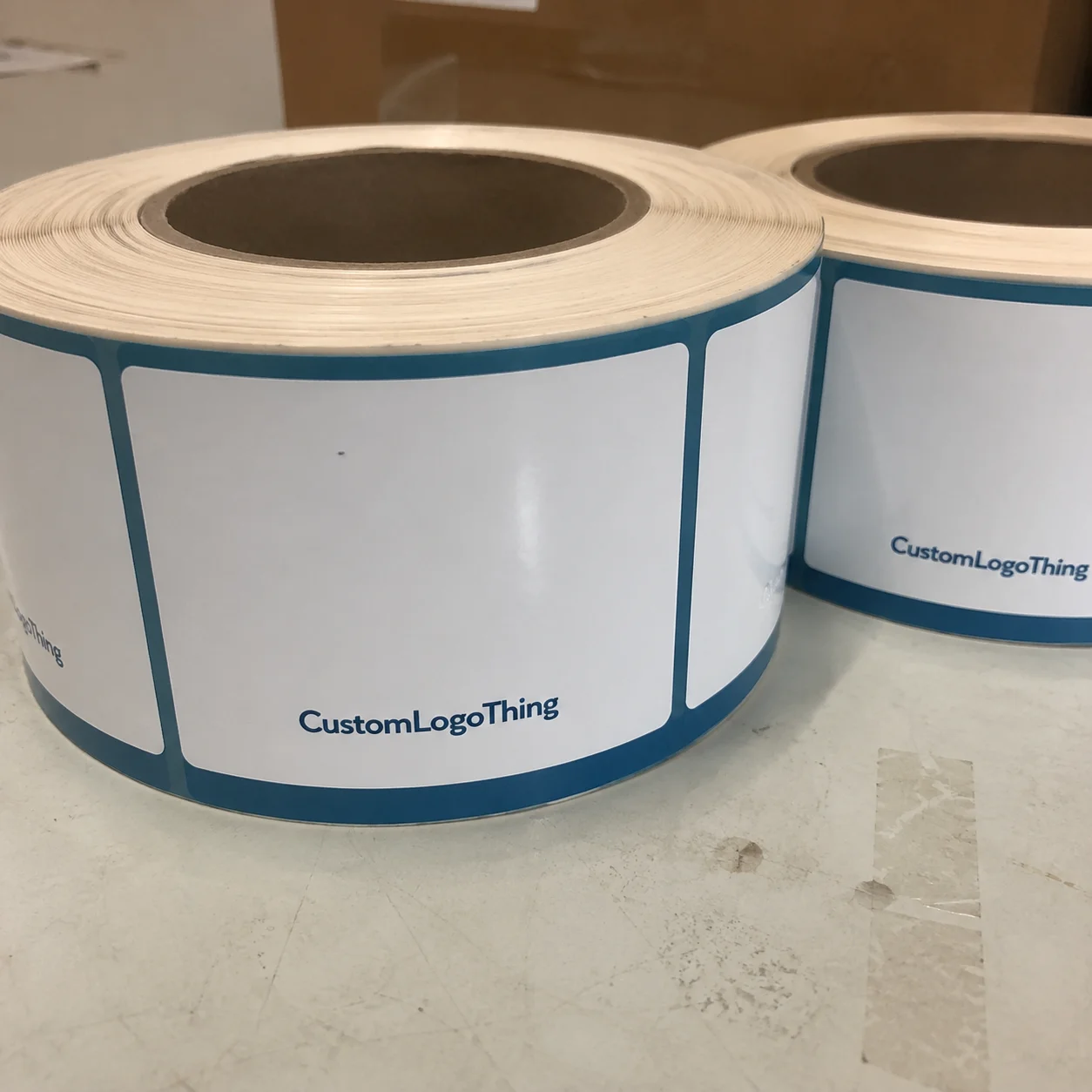
Finish and construction matter just as much as substrate. Buyers may request center fold, end fold, straight cut, or cut-and-fold depending on how the label will be sewn in. Labels supplied on rolls can speed up automated or semi-automated application, which is helpful when a subscription fulfillment team is packing large quantities of the same style every month. That also lowers the chance of manual handling errors, which tend to rise when staff are working against a shipping cutoff.
Most printed care labels need to do more than show branding. A workable layout may include brand name, size, fiber content, country of origin, wash symbols, lot codes, and SKU references. For brands shipping into several markets, multilingual care instructions can also be required. If the label is too crowded, legibility falls quickly. At that point, font size and line spacing are production issues, not design preferences.
| Label type | Typical use | Strengths | Cost profile |
|---|---|---|---|
| Satin printed label | General apparel, fashion basics | Soft hand-feel, flexible print options | Often moderate |
| Damask woven-style label | Premium garments, elevated branding | Sharper detail, refined appearance | Usually higher |
| Cotton label | Natural or eco-led collections | Organic look, tactile feel | Varies with finish |
| Heat-transfer label | Comfort-first apparel | No sewn tag, clean interior | Setup-sensitive |
| Printed tear-away label | Retail-ready packs, temporary info | Easy removal, simple application | Often lower per unit |
For technical applications, buyers should also ask whether the label needs to meet any internal durability testing. Many apparel teams validate labels through wash cycles, abrasion checks, or repeated handling tests before approving a full run. If sustainability claims are part of the brief, packaging teams may also review material recovery and transit guidance from organizations such as the International Safe Transit Association and the U.S. Environmental Protection Agency. Those sources do not replace garment compliance rules, but they help frame packaging and material choices responsibly.
Specifications buyers should confirm before requesting a quote
If the goal is an accurate quote, the supplier needs a complete spec sheet. A screenshot with missing details will slow the process down. So will a partial tech pack. Label dimensions, material, print colors, fold type, quantity per style, and delivery format all affect price and lead time.
The compliance side is where quotes often go off track. Fiber content has to be correct, wash symbols have to be legible, and the destination market may require extra wording. Some brands need English only. Others need bilingual or multilingual copy. If the garment is sold in the U.S., Canada, the EU, or the UK, the content requirements can shift enough to change the layout and the final cost.
Artwork quality matters more than many buyers expect. Vector files are preferred because they scale cleanly, especially for fine symbols and small text. If the only file available is a low-resolution image, the supplier may need to redraw elements before production. That adds time and sometimes changes the proof review process. Small text should also be checked for minimum legibility; a label that looks clean on screen can fail when reduced to actual size.
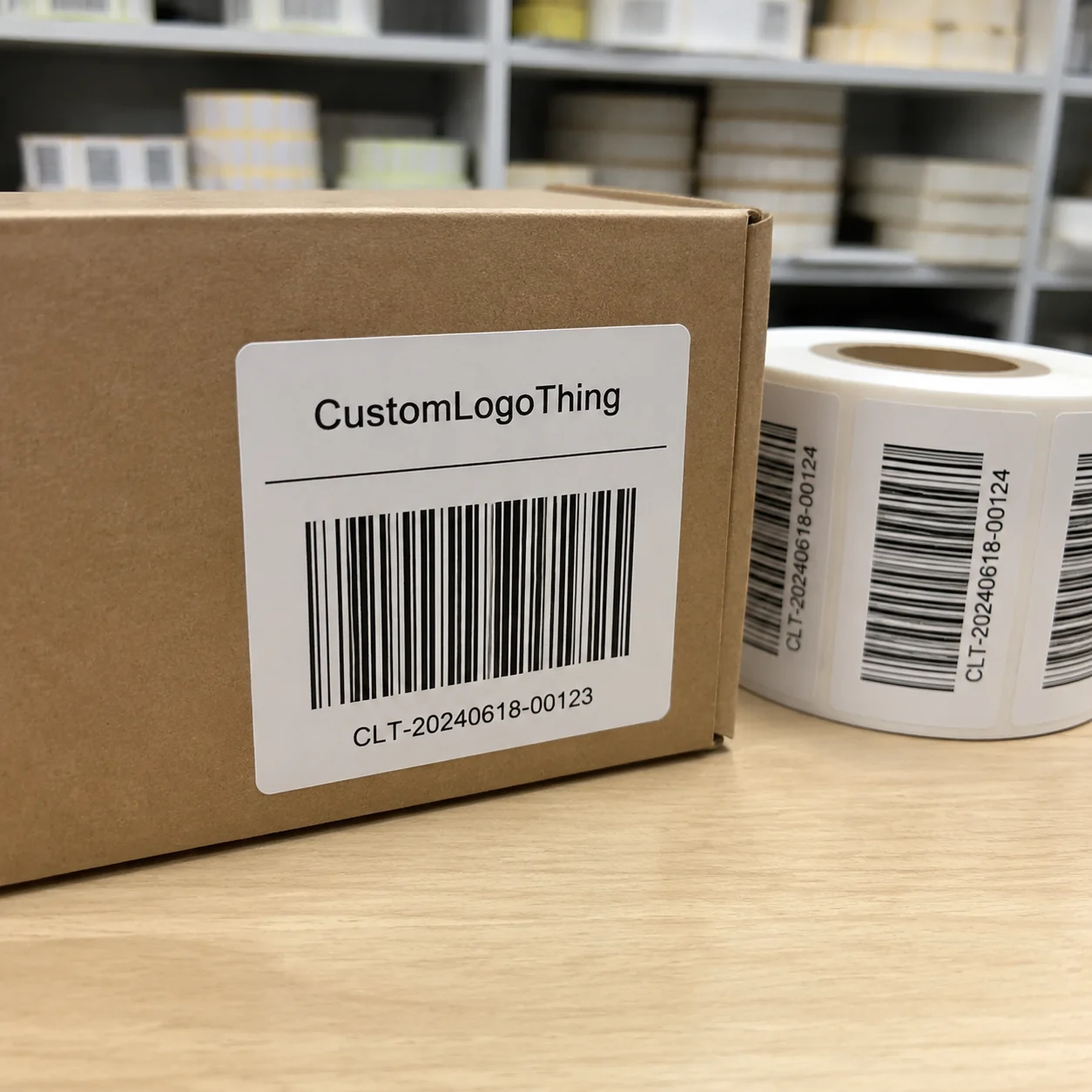
Operational details affect pricing too. Ask whether the label needs adhesive backing, heat-seal compatibility, barcode printing, or packaging in bundled stacks or roll packs. These are not minor preferences. They can change setup, packing, and how the warehouse stages the labels for recurring shipments.
Buyer checklist for a clean quote
- Label width and length in millimeters or inches
- Material preference and finish
- Print colors, front and back content, and symbol count
- Fold type or roll format
- Quantity per SKU and annual forecast
- Compliance text, fiber percentages, and country of origin
- Artwork file type and version number
Version control is easy to overlook and expensive to ignore. A subscription program can run for months before anyone notices that one drop used a slightly different text block from the previous batch. That kind of mismatch is small on paper and large in the warehouse.
Printed care labels quote for subscription: cost, MOQ, and unit pricing
The price behind a printed care labels quote for subscription usually comes down to five variables: quantity, number of print colors, material grade, label size, and finishing complexity. Add specialty work, and the quote moves fast. A simple single-color satin label can price very differently from a multi-color label with custom folding and roll packing.
MOQ, or minimum order quantity, is not just a supplier rule. It reflects how the press and finishing line work. The job still needs setup, artwork confirmation, material loading, and quality checks even if the order is small. Spread those fixed steps across fewer labels, and the unit price rises. Subscription forecasts help because the same setup cost can be absorbed over a larger run.
For budget planning, simple printed care labels are often seen in ranges around $0.03-$0.08 per unit on higher-volume standard formats, while more complex constructions or lower-volume runs can move into the $0.10-$0.25 per unit range or higher. Those figures depend on material, print coverage, folding, and packing format. They are useful for planning, not a guarantee.
The headline unit price is only part of the landed cost. Artwork checks, sampling, packaging format, shipping method, and any color correction or remake can change the final number. A quote that looks low at first glance may become less attractive once the extras are added. A line-by-line breakdown is more useful than a single total.
Subscription forecasting can lower cost if it is handled carefully. Some brands combine monthly drops into quarterly runs to reduce setup frequency and admin time. That approach can work well when the label design stays stable. If SKUs change often, the savings may disappear into revised proofs, rework, and restart charges.
| Quote factor | Lower-cost direction | Higher-cost direction |
|---|---|---|
| Quantity | Higher run volume | Small ad hoc order |
| Print colors | Single-color print | Multiple colors or front/back print |
| Material | Standard satin | Premium damask or specialty substrate |
| Finish | Straight cut or simple fold | Custom fold, roll format, adhesive backing |
| Artwork | Approved repeat file | New artwork or redraw |
When comparing suppliers, ask whether sampling is included and whether the artwork will stay on file for reorders. That can matter more than a small difference in unit cost. For recurring apparel programs, consistency often saves more than a lower quote does.
Production steps, turnaround, and delivery planning
The production sequence is usually simple: request for quote, artwork review, proofing, production, quality check, and shipment. The process only stays simple if the buyer sends complete information. Missing content, unclear file versions, or late revisions can slow every stage.
Turnaround depends on proof approval speed, order size, and whether the job is a repeat run or a new setup. New designs usually take longer because the supplier has to confirm layout, text accuracy, and the print method. Once approved specs are on file, reorders can move much faster. For subscription brands, that difference can separate a normal packing cycle from a warehouse scramble.
In practice, production is usually scheduled around the pack-out date, not the purchase order date. Labels should arrive before garment packing starts, not the day apparel lands at the facility. A reasonable planning window for standard printed care labels is often 12-15 business days from proof approval, though large quantities, imported materials, or complex finishing can extend that timeline. Confirm the schedule instead of assuming it.
For monthly drops, reorder planning should begin before the current shipment is fully out the door. Keep the approved file, the confirmed material, and the last production spec in the same place. That reduces re-quoting and lowers the risk of a small mismatch turning into a batch-level problem. If a supplier holds program memory for repeat jobs, use it.
When time is tight, clarity usually helps more than pressure. Clean artwork, final copy, and a confirmed quantity schedule tend to shorten turnaround more effectively than repeated follow-up messages. Suppliers can move faster when they do not have to guess what is still open.
How to reduce label errors and protect repeat orders
The most common label mistakes are ordinary, which is why they continue to happen. A missing fiber percentage. A wash symbol that is too small to read. A size callout that does not match the garment spec. Country of origin text carried over from the previous run. None of those errors is dramatic, but every one of them can create compliance problems and customer service costs.
The simplest protection is a pre-production checklist. It should cover label size, approved text, fiber content, symbol set, fold type, and artwork version. It should also record who approved the proof. If more than one team touches the file, that chain should be visible. For recurring subscription SKUs, version control is not paperwork for its own sake. It prevents avoidable rework.
Ask how the supplier handles color consistency, print clarity, cut accuracy, and durability checks. If the job involves heat-transfer or printed labels that must survive repeated washing, ask what internal testing is used. Some buyers rely on their own wash standards; others want supplier checks that match typical apparel expectations. Either way, the point is to catch failure before production scales up.
A clean repeat-order system usually includes a few habits:
- Keep one master spec sheet for each SKU
- Store approved artwork and proof numbers together
- Record the final unit count and any overruns or shortfalls
- Note shipping method and delivery date for every drop
- Confirm whether the reorder can use the prior setup without changes
Those practices sound basic because they are. They also save time, and in subscription fulfillment time is money with a packing label on it.
If your trim program is changing, review Custom Labels & Tags so the care label, hang tag, and size identification all tell the same story.
Next steps to request an accurate care label quote
If the goal is a usable quote, send the supplier a clean information set. Include the label size, material preference, quantity by SKU, print details, compliance text, and artwork files. If the subscription program has a forecast, share that too. A supplier can price more intelligently when the order is clearly one-time or recurring.
Ask for pricing tiers if monthly volume is expected to rise. The first run may be small, but the annual picture could be much larger. That changes how a supplier handles setup and material purchasing. If the same label will be used across multiple shipments, say so early.
Ask for a digital proof or sample before production if the label will appear in recurring boxes. One proof review now is far cheaper than fixing the same mistake across several drops later. If the next step is organizing the spec, use Contact Us with the current artwork and label dimensions, then request a side-by-side comparison showing unit cost, lead time, and reorder terms.
For subscription apparel teams, the best printed care labels quote for subscription is the one that supports production rhythm, compliance accuracy, and repeat ordering without unnecessary friction. Give the supplier the facts, compare the line items, and choose the option that keeps the monthly drop on schedule.
What should I send to get a printed care labels quote for subscription apparel?
Send label dimensions, quantity, material preference, fold style, print details, and compliance text. Include artwork files and forecasted reorder volume so the quote reflects recurring production needs.
Do subscription brands usually get better unit pricing on care labels?
Yes, recurring volume often improves unit cost because setup costs are spread over more labels. Quarterly or annual forecasting can also help suppliers quote more efficiently than ad hoc small orders.
What is the usual MOQ for printed care labels?
MOQ depends on material, print complexity, and finishing requirements. Simple repeat labels may have lower minimums, while custom woven or specialty-finishing labels usually require higher quantities.
How long does production typically take after approval?
Turnaround depends on proof approval, order size, and whether the design is a repeat or new setup. Faster approvals and clear specs usually shorten the schedule for subscription launch dates.
Can I reorder the same care label without redoing the artwork?
Yes, if the approved specifications are kept on file. Reorders are usually faster when the supplier has the previous artwork, dimensions, and print setup saved.