Why subscription shipments live or die on the mailer
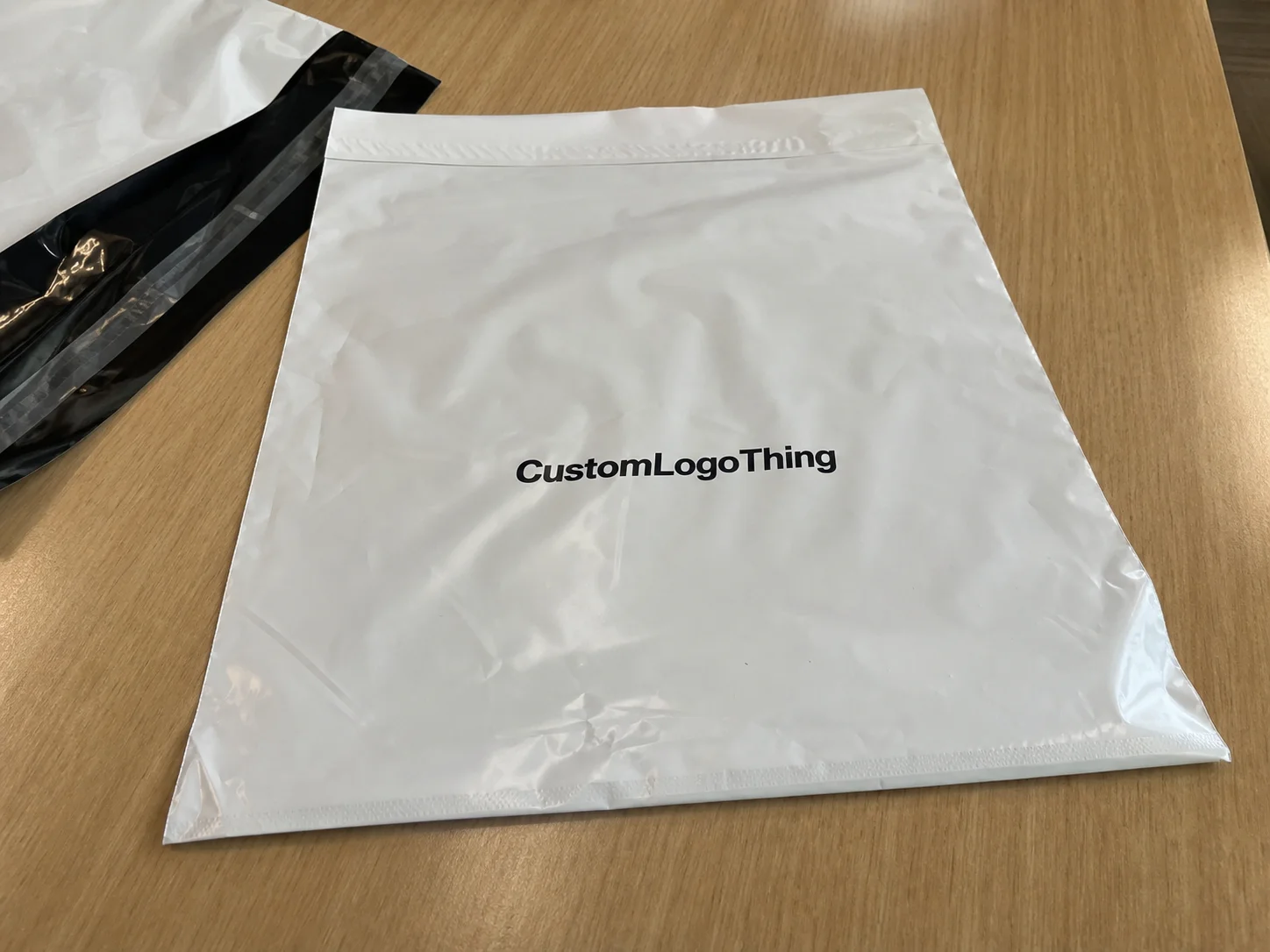
If you are requesting a printed Poly Mailer Bags quote for subscription shipments, you are not simply buying a shipping pouch. You are choosing the first physical touchpoint a customer sees before they reach the product inside, and that outer layer shapes perception faster than most brands expect. A mailer that looks sharp, holds up in transit, and stays consistent from batch to batch helps the entire subscription feel organized and intentional.
That consistency matters because subscription parcels do not get delicate handling. They move through sorting equipment, stacked cages, delivery vans, and doorsteps, and along the way they pick up scuffs, pressure, and occasional puncture risk. If the seam splits or the film wrinkles badly, the customer does not separate packaging failure from brand experience; they just see a package that arrived tired.
Printed poly mailers usually make sense for recurring shipments because they combine low weight with dependable branding. A logo, simple pattern, or restrained all-over print can carry enough identity to feel premium without pushing the program into carton-level packaging costs. For monthly or quarterly fulfillment, that balance is hard to beat. The packaging needs to protect margin as much as it protects the item.
From a buyer’s standpoint, the most useful mailer is not the fanciest one. It is the one that gives you a predictable unit cost, a clean print surface, and enough film strength to survive the real route a parcel takes. If a slightly higher spec lowers the chance of damage claims, the packaging budget usually comes out ahead over time.
Practical note: the outer mailer often does more branding work than the inserts, tissue, or filler inside the pack. That is why quote accuracy should reflect print quality, material performance, and shipping conditions, not just the lowest line item.
Printed mailer options for recurring subscription packs
There are several standard formats worth comparing before you finalize a spec. The right one depends on what you ship, how much volume you expect, and how hard the parcel has to work in transit. A clean specification up front usually prevents expensive corrections later.
For soft goods such as apparel, flat poly mailers are the simplest and most economical option. They store easily, weigh very little, and work well when the contents stay relatively flat. If the products are bulkier, include samples, or need a little extra room, gusseted mailers are usually the better fit because the side expansion reduces overstuffing and helps the closure sit properly. For higher-value or more abrasion-prone shipments, co-extruded film can improve puncture resistance and give the print a cleaner look.
Printing choices also shape the quote and the final appearance. Common approaches include:
- One-color logo printing for straightforward branding and lower setup cost.
- Two- to four-color artwork for stronger visual identity and more design detail.
- Full-coverage graphics for brands that want the mailer to act like a moving advertisement.
- Inside print for a reveal effect, campaign message, or added brand messaging.
- Matte finish for a softer, less reflective surface with a more premium feel.
- Gloss finish for brighter color response and a more reflective presentation.
More coverage usually looks better, but it also adds complexity. Larger print areas require tighter registration, better color control, and a more careful proofing process. For a newer subscription program, a clean logo-only bag is often the most practical starting point. It keeps the spec manageable and leaves room to refine branding later, once the fulfillment pattern stabilizes.
Many subscription categories rely on recurring packaging that feels familiar month after month: apparel, beauty, wellness, snacks, pet supplies, and sample kits. Small functional details can make a real difference. Tear strips improve opening, dual adhesive strips support returns or resealing, and tamper-evident closures help reassure customers that the parcel arrived intact. These features are useful when they solve a real shipping problem; they are not useful if they add cost without improving the experience.
| Mailer type | Best for | Typical strengths | Tradeoff |
|---|---|---|---|
| Flat poly mailer | Apparel, light soft goods | Lowest cost, easy storage, simple production | Less forgiving on bulky items |
| Gusseted mailer | Bulky kits, samples, mixed packs | Extra capacity, cleaner fit, better closure on fuller loads | Usually higher unit price |
| Co-extruded film mailer | Heavier or higher-value shipments | Better puncture resistance, improved surface quality | Costs more than basic film |
Size, thickness, and print specs buyers should confirm
If you want an accurate quote, send real specifications instead of “standard size” and hope the supplier fills in the blanks. That rarely works. The core details are straightforward: finished dimensions, film thickness, print sides, number of colors, closure type, and artwork format. These points affect material usage, printing setup, packing efficiency, and final carton count.
Mailer size should follow the actual packed contents, not an idealized version of them. Leave enough room for the product and any inserts, but do not oversize the bag just to feel safe. Extra empty space can make the parcel shift during handling, which often leaves the package looking loose or sloppy when it arrives. A properly fitted bag generally performs better and looks more deliberate.
Thickness deserves careful attention because it changes both durability and cost. Lighter films can work for soft, low-risk items such as tees, socks, or flat brochures. Heavier gauges are usually better for products with sharp edges, denser components, or a higher puncture risk. Buyers often compare film thickness in microns or mil, and that number should be written clearly in the quote so there is no confusion later.
A simple way to think about it:
- Lower thickness: lower cost, lighter parcel weight, less puncture resistance.
- Mid-range thickness: the most common choice for standard subscription packs.
- Heavier thickness: better durability, higher cost, slightly more material usage.
Artwork quality affects the process just as much as the bag itself. Vector files are preferred because they hold up better in print preparation and reduce the risk of fuzzy edges. If color matching matters, specify Pantone references rather than assuming a screen preview will translate accurately. File prep should also include bleed, safe area, and a clear indication of where the print should sit on the mailer. If the art is not ready, the quote may still be fast, but the project will not be.
Sustainability options can help, provided they suit the shipping job. Recycled-content film and downgauged film are both common sourcing considerations, but the functional test still comes first. A thinner bag that increases damage rates creates more waste, not less. If your program uses paper inserts or outer labels, FSC guidance can be useful for those components, while the EPA recycling guidance is a practical baseline for broader material handling and recycling context.
Cost, pricing, MOQ, and what changes your quote
Pricing for a Printed Poly Mailer Bags Quote for subscription orders usually comes down to a short list of variables: bag size, thickness, print colors, artwork coverage, material grade, and order quantity. Those six factors carry most of the weight. Everything else tends to be a detail attached to one of them.
MOQ, or minimum order quantity, matters because setup and print preparation costs have to be spread across the run. Smaller quantities usually carry a higher per-unit price. Larger runs often reduce the unit cost, especially when the same specification is reused for reorders. For subscription programs, that repeatability is valuable because it keeps packaging spend easier to forecast.
Here is a practical way to think about pricing bands for Custom Poly Mailers. These are buying ranges, not fixed quotes, and they assume the specification stays consistent:
| Order type | Typical unit cost behavior | Best use case |
|---|---|---|
| Small run, simple logo print | Higher unit cost because setup is spread across fewer bags | Testing a new subscription offer |
| Mid-size run, one- or two-color print | Moderate unit cost, often the best balance for growing brands | Stable monthly shipments |
| Large run, full custom print | Lower per-bag cost if the artwork and spec are finalized early | Established subscription programs |
Several less obvious items can move the price. Shipping method, carton count, bag gusseting, special finishes, print registration complexity, and artwork revisions all affect the final number. Buyers sometimes compare one quote against another without checking whether the film gauge, print setup, or freight terms are the same. That comparison is rarely useful.
For simple logo mailers, larger runs may fall around $0.18-$0.28 per unit, while heavier-duty or more heavily printed versions can move well above that depending on size, material grade, and finish. Lower MOQs push the cost higher. Heavier film does too. A cheaper quote is only meaningful if the construction, print coverage, and shipping terms truly match.
“A low quote only helps if the spec stays the same. Otherwise, you are comparing a discount to a different bag.”
One of the more useful quoting habits is to ask for two versions: a budget spec and a premium spec. That side-by-side view makes the tradeoff visible. If the stronger film or improved closure materially lowers damage risk and still keeps margin in range, the decision gets easier. If the premium option adds cost without a clear operational benefit, the basic version may be the better fit.
Lead time, proofing, and production steps from quote to delivery
Good production starts with a clean request. The usual sequence is simple: send specs, review artwork, receive proof, approve the sample or digital proof, move into production, pack cartons, and ship. The part that usually causes delays is not the press itself; it is the file cleanup, color correction, and approval cycle before production begins.
Proofing is where many schedules slip. Low-resolution artwork, missing Pantone references, or files that have not been converted correctly can add revision rounds. If a subscription launch date is fixed, proof approval should be treated like a milestone rather than an admin task. Delaying it by a few days can affect the entire fulfillment calendar.
Lead time depends on quantity and print complexity. A simple logo print on a standard bag may move more quickly than a full-coverage, multi-color bag with special closures or a custom size. In practical terms, standard custom runs often need about 12-15 business days after proof approval, while larger orders or more detailed print work may take longer. Rush orders are possible in some cases, but they tend to come with tighter spec limits or higher freight costs.
Here is the workflow buyers should expect:
- Send bag dimensions, quantity, print details, and artwork.
- Receive pricing and timing estimates.
- Review the proof carefully, including spelling, layout, and color placement.
- Approve the sample or digital proof.
- Production runs to the approved spec.
- Cartons are packed, labeled, and shipped.
It helps to ask for a schedule before final approval if your launch date is fixed. A quick estimate is useful, but a realistic timeline is what protects the subscription cadence. If you need to compare other packaging formats alongside mailers, the Custom Packaging Products catalog can help you review additional options.
Why repeat-order mailer quotes need a different mindset
Subscription packaging is a repeating operation, not a one-time purchase. That means the quote has to support reorders, not just the first shipment. A good quoting process stores the essential specs clearly, so the next order can move faster and with fewer adjustments. When that system is missing, every reorder becomes a fresh round of clarification.
Consistency is the real value here. If the dimensions, film thickness, adhesive behavior, and print color stay stable, the subscription pack looks intentional month after month. If those details drift, the customer notices, even if they cannot name the problem. One batch may look slightly more matte, another may seal a little differently, and the overall presentation starts to feel less controlled than the brand intended.
Quality control matters more than many buyers expect. Practical checks include bag dimensions, seal strength, print alignment, ink coverage, adhesive performance, and carton count. These are not abstract metrics. A small shift in one of them can create visible differences across a recurring shipment cycle. That is especially noticeable when the same customer receives the package every month and starts comparing one cycle to the next.
Working directly with a packaging manufacturer can improve control over material and print specs because fewer handoffs usually means fewer chances for the spec to drift. That does not mean every intermediary is a problem. It means the buyer should know who is responsible for the proof, who signs off on the production standard, and who answers if the finished bag does not match the approved version. Accountability matters when the packaging is recurring.
If you want to compare mailer options in more detail, our Custom Poly Mailers page is a practical place to review formats and construction choices. For broader packaging planning, the Custom Packaging Products listing shows adjacent categories that may fit the subscription program better than a mailer alone.
Practical advantage: good quoting systems reduce surprises. That sounds plain because it is. Plain is useful when you are shipping every month.
Next steps to request an accurate printed mailer quote
If you want a quote that is actually useful, send a complete spec sheet the first time. The minimum details are simple: bag size, quantity, thickness, print colors, closure type, artwork file, and target delivery date. If any of those are missing, expect clarification questions and more back-and-forth before the quote can be finalized.
If you are still deciding on the packaging direction, ask for two versions. One can stay budget-focused. The other can include heavier film, fuller print coverage, or an upgraded closure. That comparison usually makes the tradeoff clearer than trying to guess from a single number.
Before approval, confirm whether the project needs a sample, a digital proof, or a production proof. Sample approval is slower, but it can be useful when the package design is doing a lot of visual work or when the film thickness is part of the decision. Digital proofing moves faster, provided the artwork is clean and print-ready. If the subscription launch date is fixed, that choice can affect the schedule.
Freight should be checked at the same time. Ask whether shipping is included, what carton counts look like, and where the bags are shipping to. A quote that looks strong on paper can change once freight is added. Landed cost is the number that matters. The rest is only the starting point.
When you are ready, send the specification and artwork together. That is the cleanest way to get a Printed Poly Mailer Bags Quote for subscription packaging without wasting time on revision cycles. If you need help organizing the spec, Contact Us and send the basics first. Clear input usually leads to a cleaner quote.
What do I need to request a printed poly mailer bags quote for subscription orders?
Send bag size, thickness, print colors, quantity, closure type, and artwork files. Add your delivery timeline and shipping destination so the quote reflects realistic landed cost. If you have a target budget range, include that too. It helps narrow the options early.
How does MOQ affect printed poly mailer bag pricing for subscriptions?
Lower MOQs usually raise the unit price because setup is spread across fewer bags. Higher runs generally reduce per-bag pricing and make recurring orders easier to forecast. A low price is not automatically the better deal if the film is too thin or the print quality is unstable.
Can I get a quote for custom printed poly mailer bags with my logo only?
Yes. Logo-only printing is often the simplest and most cost-efficient path, especially for subscription brands that want clean branding without high setup complexity. Single-color artwork is a practical starting point, and the design can be expanded later if the program grows.
How long does production usually take after I approve the quote?
Production time depends on order size, print complexity, and whether the artwork is ready. Standard custom runs often need about 12-15 business days after proof approval, though larger or more detailed orders may take longer. The proof stage is usually where the schedule moves most.
What should I compare across multiple printed mailer quotes?
Compare the exact dimensions, thickness, print method, finish, and shipping terms. Check whether proofing, revisions, and carton details are included. Do not compare a lower price on a thinner bag against a heavier-duty spec and treat that as equivalent. It is not the same product.


