Why subscription brands switch to printed woven labels
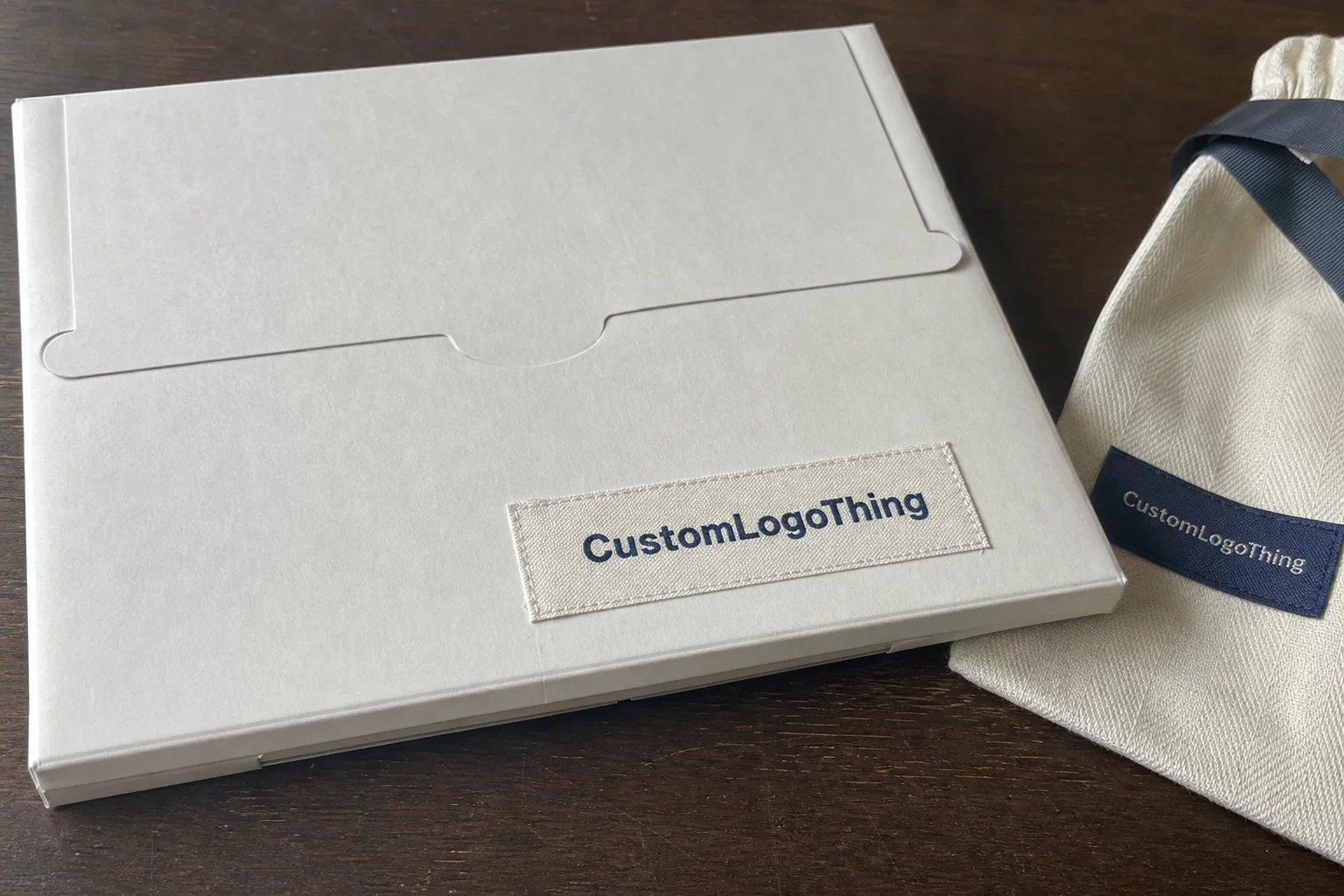
If you are asking for a Printed Woven Labels Quote for subscription products, you are probably trying to balance two things at once: a polished brand presentation and a repeatable unit cost that does not drift every time a box goes out. Subscription programs live or die on consistency. The label inside the package may be small, but it is one of the few brand elements customers handle every month, which makes it a surprisingly durable piece of the overall experience.
From a production standpoint, Printed Woven Labels sit in a useful middle ground. They can look more refined than a plain stock tag, hold detail better than a loose hang insert, and still stay compact enough for apparel, accessories, and soft goods. They also work well when a brand needs to combine identity, size, care instructions, and legal text without adding another printed component to the pack. That consolidation is often the real reason buyers move to a woven solution rather than a cheaper tag they have to supplement elsewhere.
The most common mistake is treating the label as an isolated design choice instead of a recurring supply item. A subscription brand may ship twelve times a year, and the same label spec may appear across every cycle, every replenishment run, and every seasonal variation. If the color shifts, the fold changes, or the text starts to crowd the edge, the packaging line begins to feel inconsistent even when the product itself has not changed. That is why the quote should reflect the actual production conditions, not a loose estimate built from a screenshot and a hope.
“The smallest packaging element is often the most repeated one. In subscriptions, repetition is brand equity.”
For that reason, a serious quote request should include the measurable basics up front. Size, fold type, color count, application method, and order quantity all influence the final number. Leave those open and the supplier can only give you a broad range. Give a clear spec and the price starts to mean something.
Printed woven label formats, folds, and finish options
Printed Woven Labels are not all built the same way, and the choice affects both appearance and production cost. The main variables are the base weave style, the fold or edge finish, and whether the label is sewn in, heat applied, or attached in another way. Each format solves a slightly different problem, so the best option depends on where the label sits and how much information it has to carry.
Center fold is common when the label needs to be inserted into a seam and displayed cleanly on the outside. End fold creates a neat stitched finish and is often used where raw edges would be distracting. Loop fold gives flexibility for hanging or seam attachment, though it is less forgiving when the artwork is dense. Straight cut is the most open-ended format and can work well for custom placements, but it usually asks for more precise application control during sewing or assembly.
For subscription brands, the right format is usually the one that holds up across repeat handling and does not complicate fulfillment. Apparel boxes typically need soft labels with clear logos, size markers, and care icons. Wellness and gift sets may care more about a premium look and a neat finish than about long compliance text. Accessories and private-label bundles often need a simple, durable spec that does not add bulk to the product.
Material behavior matters too. A label that feels fine on paper may behave differently on a woven base, especially once heat, stitching, or laundering enters the picture. Fine threads can blur tiny text if the weave is too coarse. Very dense weaves can improve detail, but they may also add cost and increase the risk of longer lead times. The buyer has to decide where the label sits on that scale: crisp detail, softer hand feel, or lower cost per piece.
Artwork density is one of the first things to check before a quote goes out. Tiny URLs, wash symbols, QR codes, and microtype all become harder to read when the label gets narrower. If the piece has to carry both branding and compliance text, it usually needs more width or a different fold structure. Trying to force too much content onto a small label tends to create the same problems every time: crowded edges, unreadable line weights, and a proof that looks acceptable on screen but fails in print.
Backing and finish options also change how the label performs in the field. Heat seal backing can speed application on some product types, especially where sewing is not practical. Sew-in labels remain the standard for most woven applications because they hold up well and stay familiar to production teams. Soft-touch finishes matter when the label sits against skin or a fabric that customers handle often. For recurring subscription use, durability and legibility usually matter more than decorative tricks.
| Label format | Best use | Typical strength | Trade-off |
|---|---|---|---|
| Center fold | Apparel seams, logo display | Clean presentation | Limited room for longer copy |
| End fold | Soft goods, sewn-in branding | Neat finished edge | Fold sizing must be accurate |
| Loop fold | Hanging or seam attachment | Flexible placement | Less forgiving for dense artwork |
| Straight cut | Custom sewing or insertion | Most flexible construction | Needs tighter application control |
If you need to translate format choices into a production spec, Custom Labels & Tags can help frame the options. The cleaner the format definition, the cleaner the quote.
Artwork, dimensions, and production specifications buyers should confirm
A useful quote starts with measurable inputs, not general descriptions. The supplier should know the finished width and length, the folded size if a fold is involved, the number of colors, the base color, and the application method. If those pieces are missing, the number you receive is only a rough placeholder and may shift once the artwork is reviewed.
Vector artwork is the standard starting point. AI, EPS, or a clean PDF is far more useful than a screenshot or a compressed image pulled from social media. If brand colors matter, send Pantone references or a clear color target. In woven and printed woven work, small color shifts are easy to notice, especially when the same label appears across a recurring subscription program and must match earlier deliveries.
One recurring problem shows up during proofing: a logo that looks balanced at screen size becomes too intricate when reduced to label size. Thin lines close up, type loses clarity, and small icons merge into each other. The smallest readable detail should be checked before approval, not after the first production run. A good supplier should flag that risk early and suggest a wider format, a simpler layout, or a different weave density if the design is too tight.
What to send with the quote request
- Finished label size and fold type
- Artwork file in vector format
- Pantone or brand color references
- Quantity by SKU or annual run
- Application method: sew-in, heat seal, or other
- Compliance text if required
Subscription brands often manage monthly themes, seasonal variations, and bundled sets, which means file control matters more than many teams expect. Keep one master artwork file, one production-ready export, and one approved proof with the revision date noted. That small discipline prevents a lot of avoidable confusion when a reorder happens months later and no one remembers which version was last approved.
Tolerance is another practical issue. On high-volume runs, slight shifts in alignment or fold placement can affect how sharp the text looks at the edges. If the design includes fine icons, tiny copy, or reverse weave details, ask how the supplier manages registration and inspection. For labels carrying fiber content, origin details, or care instructions, allow enough space so the text does not feel squeezed. A cramped legal line is often a sign the spec was undersized from the start.
For brands shipping textile products through subscription channels, it also helps to think about performance beyond the label itself. Packaging organizations such as The Association for Packaging and Processing Technologies and ISTA publish useful guidance on packaging performance and distribution testing, especially where repeated handling and transit stress are part of the supply chain.
Printed woven labels quote: cost, MOQ, and unit pricing
The price of a Printed Woven Labels Quote for subscription work depends on a handful of concrete variables: size, weave complexity, fold type, color count, finish, and order quantity. There is no single price formula that fits every label. Material usage, setup time, proofing steps, and production efficiency all move the number around.
As a practical guide, simple labels with limited colors and straightforward construction often sit in a lower cost band than dense, multi-color pieces with more involved finishing. A basic sew-in label at higher volume may fall around $0.08-$0.18 per unit, while more detailed constructions, smaller runs, or special finishing can push pricing into the $0.18-$0.35 range or beyond. That spread is wide on purpose because spec differences matter more than the label category itself.
MOQ, or minimum order quantity, matters because subscription brands often want to test a new offer before committing to a long inventory cycle. Smaller starting quantities are sometimes possible, but the unit price usually rises as the run gets shorter. The better question is not which supplier quotes the lowest number first. It is where the price becomes efficient enough to support recurring fulfillment without forcing too much inventory into storage.
Higher quantity usually improves unit economics, though not in a neat straight line. Setup costs get spread across more pieces, so the per-label cost can drop even while the total order value rises. That is why asking for two or three pricing breaks is useful. A slightly larger quantity may produce a much better landed cost, which can matter more over a year of monthly shipments than the initial invoice does on day one.
Rush charges, special proof rounds, and uncommon folds can all increase the quote. So can last-minute artwork changes, especially if they force a new proof or interrupt an efficient production slot. The cleanest way to compare suppliers is to send the same spec sheet to each one and compare like with like. Otherwise, the numbers are not truly competitive; they are just built on different assumptions.
How to read a quote cleanly
- Check whether tooling, setup, or proof fees are included
- Confirm whether shipping is part of the total or billed separately
- Verify that the size and fold type match your request
- Ask whether pricing changes at alternate quantities
- Review whether reorders will use the archived specification
It also helps to separate test runs from repeat runs. A small trial order is useful when a subscription brand is launching a new product line, but it usually carries a higher unit cost. A mid-size pilot can show whether the label spec performs well without overcommitting inventory. Large recurring runs usually offer the best unit economics, yet they also tie up more cash and require more confidence in the artwork and forecast.
| Ordering approach | Typical cost effect | Best for | Risk level |
|---|---|---|---|
| Small test run | Higher unit cost | New subscription launch | Lower commitment, less volume efficiency |
| Mid-size pilot | Balanced unit cost | Proving repeat demand | Moderate inventory risk |
| Large recurring run | Lower unit cost | Established monthly box programs | More cash tied up upfront |
If you are unsure where the efficient break point sits, ask for pricing at two quantities rather than one. That usually gives a clearer picture than a long exchange of assumptions.
Process and lead time from quote request to delivery
The usual workflow is quote request, artwork review, digital proof, approval, production, inspection, and shipment. In practice, the slowest part is often not the production itself. Delays usually come from incomplete specs, artwork that needs resizing, or slow approval cycles on the buyer side. A complete brief speeds up the whole chain far more than a follow-up email usually does.
For a standard woven label job, lead time often falls into the 12-15 business day range after proof approval, though order size and construction can move that window in either direction. More complex labels, larger runs, or rush scheduling may take longer. For subscription calendars, a buffer is wise. If a label shipment slips, the packing schedule can be affected across the entire box run, not just one SKU.
Color matching and inspection should be treated as part of the process, not as optional extras. A reliable supplier should verify that the approved proof matches the production file, that fold direction is correct, and that text remains legible before shipment. When labels are sewn into finished goods, any mistake becomes expensive quickly, and rework can be far more disruptive than the original order.
For recurring programs, the reorder process should be simple. The approved specification, the final artwork file, the color references, and the fold details should all be archived so the next run does not begin from zero. That matters when a subscription box has fixed ship dates and the replenishment cycle leaves little room for rework or guessing.
If the label will travel as part of a monthly package, it is worth thinking about handling stress and storage conditions as part of the brief. Packaging standards often return to the same basic idea: materials should be appropriate for the route they travel. A label that looks crisp on the work table but arrives damaged, creased, or difficult to read has not done its job.
What makes a supplier reliable for recurring subscription orders
Reliability is not just about taking an order. It is about repeating the same result next month, and the month after that, without forcing the buyer to rebuild the brief every time. For subscription brands, that means predictable color control, clear proofing, archived specs, and packing counts that match the purchase order. If the supplier cannot repeat the label spec, the brand team ends up managing exceptions instead of managing the program.
One of the clearest differences between suppliers is how they handle reorders. Some treat every repeat as a new project and ask for the same files and notes again from scratch. Others keep the approved specification on file and can reference it quickly. For recurring subscription work, the second approach is far more practical because it cuts down on delays and reduces the chance of a small but costly variation sneaking in.
Communication rhythm matters too. A supplier that answers spec questions promptly, sends proofs in a reasonable window, and flags production changes early is easier to work with than one that only speaks up after a deadline has already moved. That kind of responsiveness matters more than polished sales language. Subscription operations run on timing, and timing is one of the first things to fail when communication gets sloppy.
Consistency across volume is another good sign. A supplier should be able to run a small test order and then scale without quietly changing the label spec, the finish, or the way the artwork prints. If a product line starts with one look and the reorder comes back slightly different, the brand team may have to re-approve, relabel, or absorb the difference in packaging quality. That is not a minor issue when the same label is seen over and over again.
Quality control also shows up in simple checks: readable type, correct fold direction, accurate quantity counts, clean edges, and color alignment close to the approved proof. No label process is perfect, and a careful buyer should expect normal production variation. The better question is whether the supplier has a consistent inspection standard and can explain it without vague language. Clear process beats glossy promises.
Next steps to request a precise label quote
If you want a quote that is actually useful, prepare the spec before you send the request. Have the finished size, fold type, artwork file, color references, quantity, and application method ready. If the label needs care text, fiber content, or other compliance copy, include that too. The more exact the brief, the less room there is for a pricing guess.
A practical way to compare options is to request one primary spec and one fallback spec. For example, ask for a center fold and an end fold, or ask for pricing at 5,000 pieces and 10,000 pieces. That gives you a real basis for comparison without reopening the entire project or creating unnecessary back-and-forth.
If the label will appear in a recurring subscription box, ask for a proof or sample before committing to a full run. One approved sample can prevent a lot of confusion later, especially when the label carries small text or a tight layout. Also confirm that the supplier will archive the artwork and production details for future orders. Reorders should feel like a continuation of the same spec, not a fresh project every time.
When you are ready to move, Contact Us with a finished spec sheet and ask for pricing, MOQ, and lead time together. That is the most direct path to a quote that reflects real production conditions. For subscription brands, a well-made label is not decoration; it is a repeated part of the product experience, and the better the spec is handled up front, the easier every future run becomes.
How do I get a printed woven labels quote for subscription packaging?
Send the finished size, fold type, artwork, quantity, and any care or compliance text. Include Pantone references or brand colors so the quote reflects your actual spec. If the label includes fine text or detailed artwork, ask for a proof-based quote rather than a rough estimate.
What affects the price of printed woven labels most?
Quantity, size, color count, fold style, and artwork complexity drive most pricing changes. Special finishes, rush production, and extra proofing can increase the quote. Higher volumes usually reduce unit cost, especially on repeat subscription orders where the same spec is used over and over again.
What is a typical MOQ for printed woven labels?
MOQ varies by label size, construction, and supplier setup. Smaller test runs may be available for new subscription brands, but unit cost is usually higher. Ask for pricing at two quantities so you can see where the most practical break point falls.
How long does production usually take after approval?
Lead time depends on artwork readiness, order size, and the label style selected. Standard jobs often move within 12-15 business days after proof approval when specs are complete. Rush timelines may be possible, but they should be confirmed before launch planning begins.
Can I reorder the same woven label for future subscription shipments?
Yes, if the supplier archives your approved spec and artwork. Keep a record of size, fold, color references, and placement details for future runs. Reorders are faster and more consistent when the original production file is used instead of rebuilding the brief from scratch.