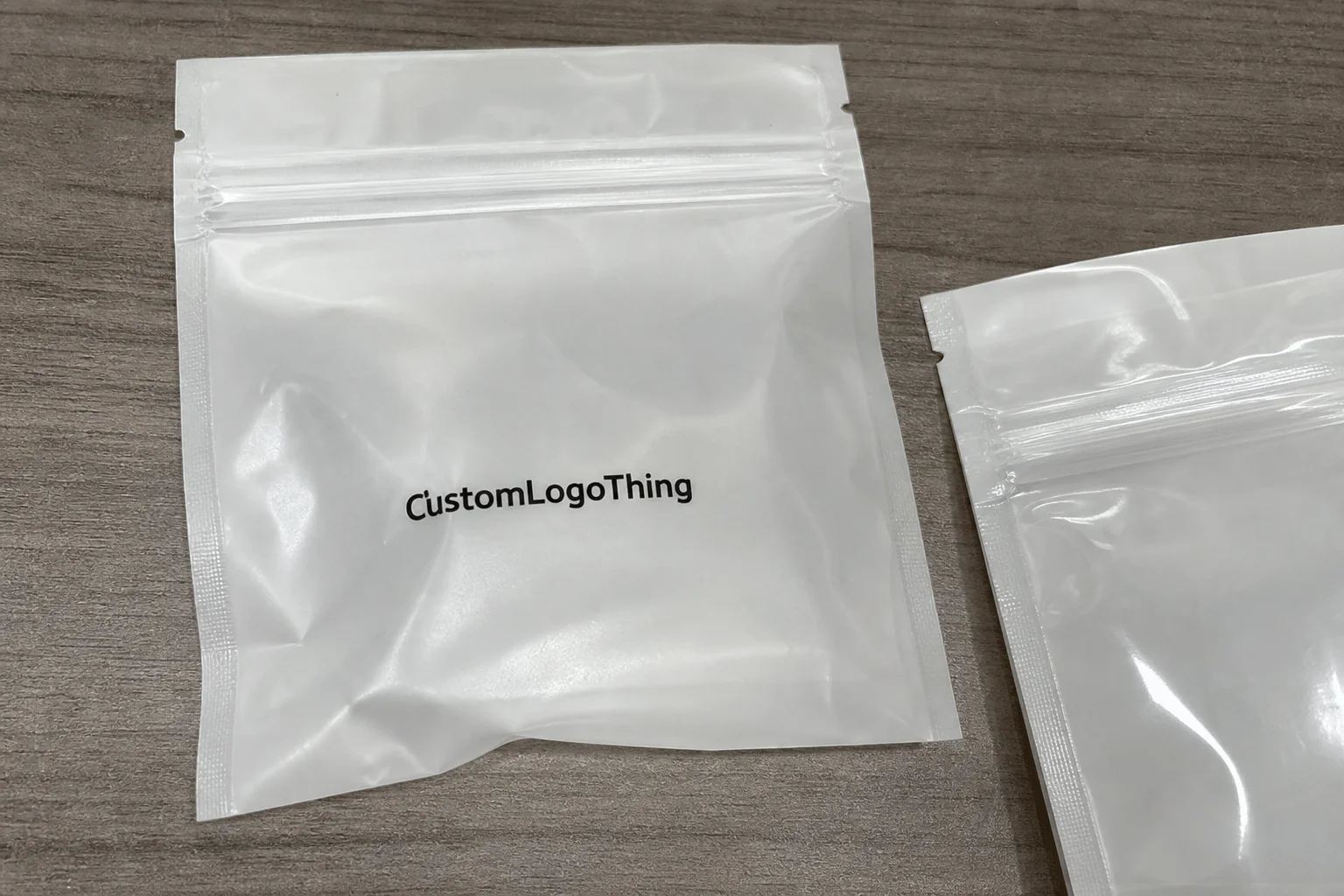
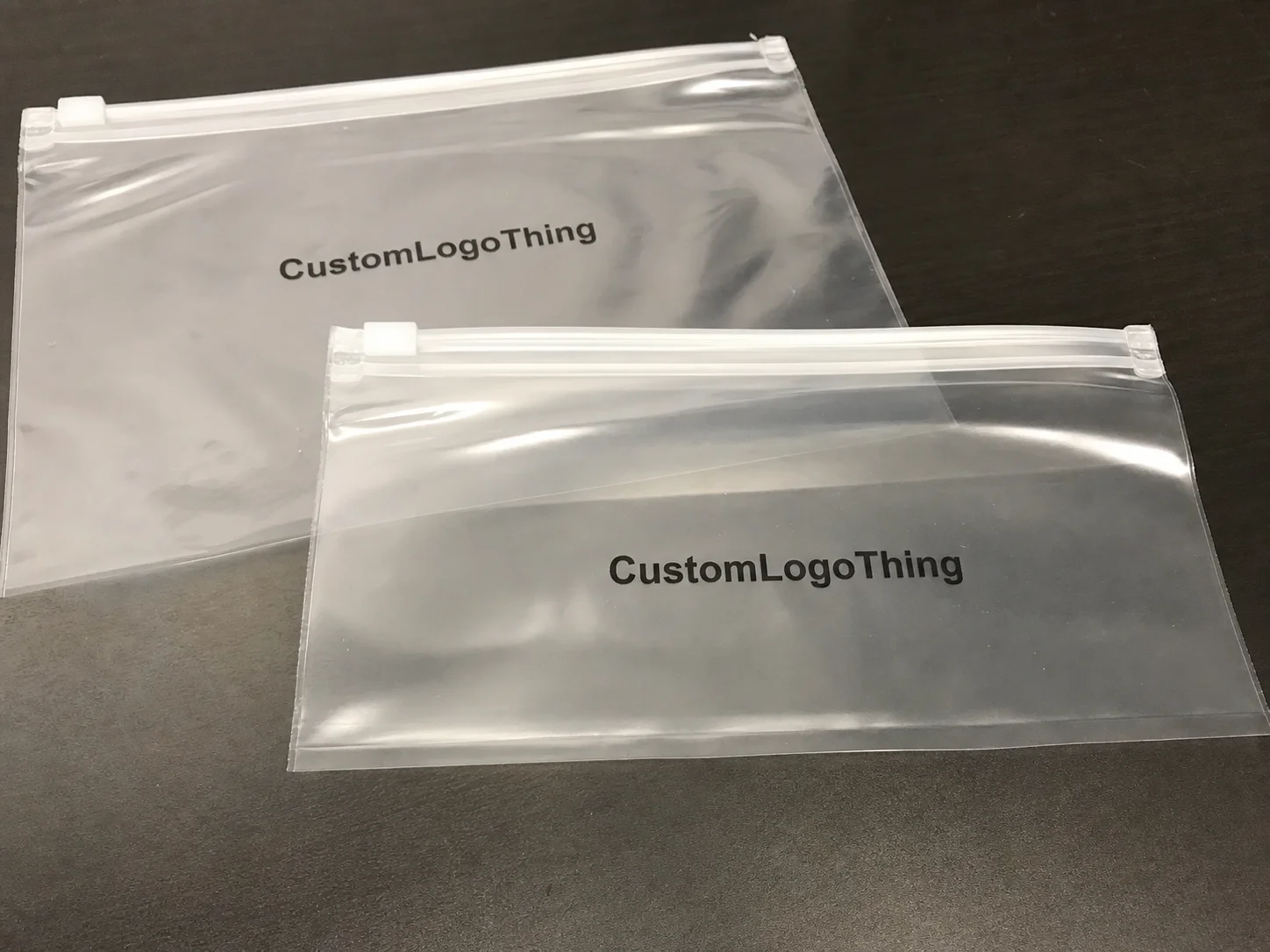
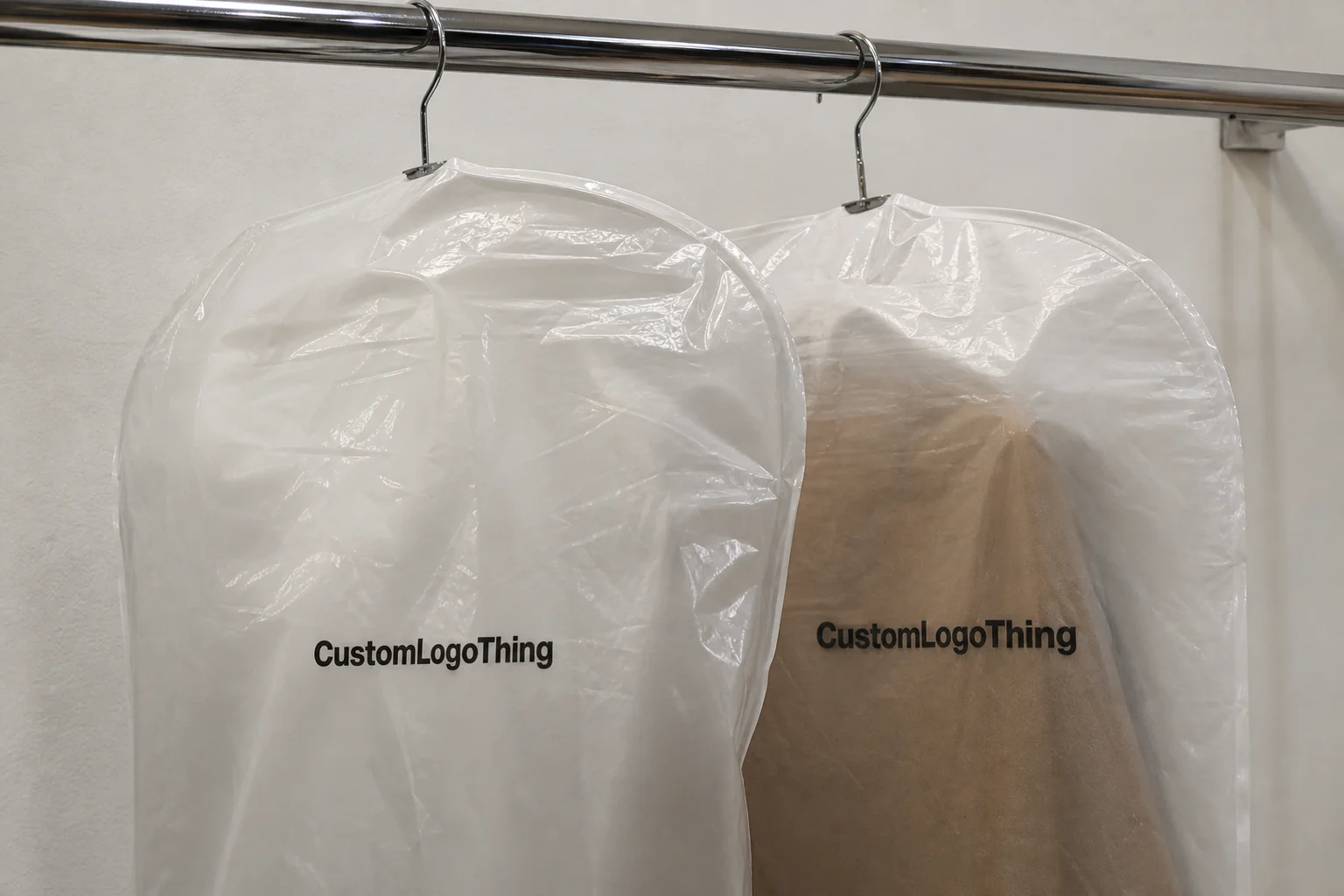
Printed cello bags do quiet but important work on shelf. They need to show the product clearly, carry the brand without crowding it, and keep the package looking neat from the first touch to the final sale. If the film turns cloudy, the logo is squeezed into the wrong area, or the bag size is off by even a small amount, the whole presentation feels less deliberate.
That is why buyers keep using this format for bakery items, gifts, crafts, and small retail goods. A clear bag with custom print gives a product identity without hiding it, which is a difficult balance to achieve with heavier packaging styles. The appeal is not only visual. It also gives the packer a format that is fast to fill, easy to display, and usually simple to store in cartons before use.
There is a practical reason the format stays popular across so many categories. A printed clear bag can make a modest item look finished without forcing the buyer into a full carton or rigid box. That keeps material use and labor down while still giving the product a branded face. For many programs, that is the right tradeoff.
What Printed Cello Bags Do on Shelf Before the Product Sells Itself
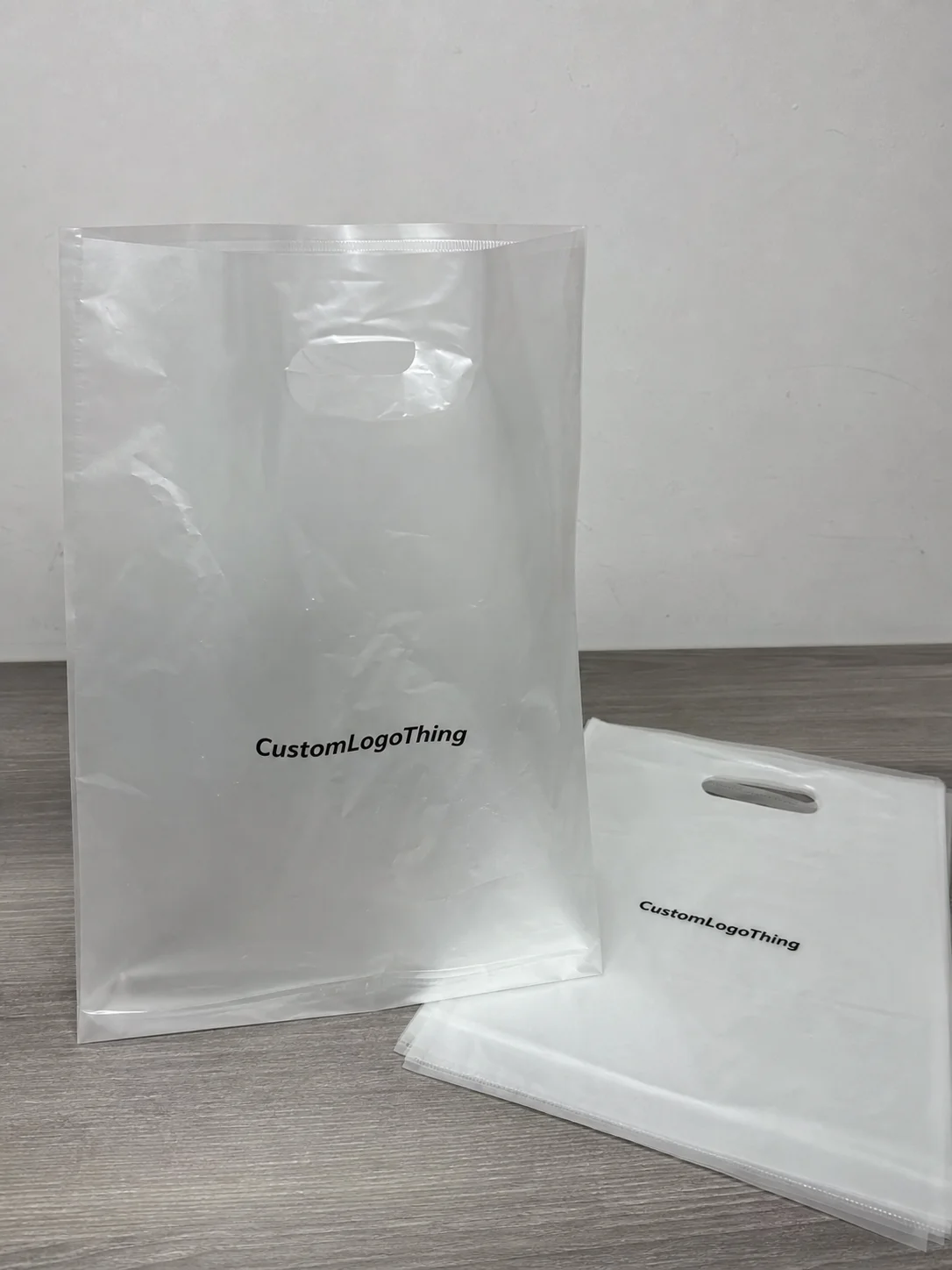
In most retail settings, printed cello bags create the first impression before the shopper ever handles the product. That sounds simple, but it affects buying behavior more than many teams expect. A cookie pack, a charm bag, or a small accessory can look more premium as soon as the film is clear, the logo is positioned with restraint, and the contents have enough room to sit naturally inside the pack.
Plain clear bags protect product well enough, but branding changes the signal. A printed cello bag suggests the item belongs to a real line with a planned presentation, not a repack done at the last minute. That small difference matters at counters, in gift shops, and in display trays where shoppers make fast judgments from a few feet away.
Buyers often choose this format because they want visibility first and branding second. That is the sweet spot for impulse items, bakery assortments, favor packaging, and craft goods. The bag frames the item instead of competing with it, so the product remains the focus.
Quality is where the perception shifts. Crisp film clarity, stable seals, and sensible ink coverage make the bag feel intentional. Cloudiness, wrinkling, or print pushed too close to the edge can make a package feel cheap even when the product itself is strong. A bag that looks well made also helps the contents look fresher and more orderly, which is especially noticeable in food and gift packaging.
Balance matters. Too much empty space around a small product can make the pack look oversized and wasteful. Too little room can crush the item, deform the print area, or make the package awkward to close. The right proportion depends on product shape, closure style, and whether the bag is going to sit in a display tray, travel through shipping, or be handed over directly at retail.
The best cello-style package is not the one with the most decoration. It is the one that makes the product easy to see, easy to handle, and easy to trust at a glance.
For buyers comparing suppliers, the real questions are technical: what film is being used, how the bag is made, how the print is applied, and how much lead time the order actually needs. Those details drive both appearance and landed cost. They also determine whether the final pack behaves well on a counter, in transit, or in a warehouse.
Production Steps and Lead Time for Custom Printing
The ordering process is usually straightforward, but delays tend to come from the details that were not settled early. Artwork setup comes first, then proof review, then print method selection, then converting or bag making, and finally packing for shipment. Each stage can move quickly if the buyer is organized and the spec is clean.
Artwork is the most common bottleneck. If the file is missing bleed, the logo is low-resolution, or the dieline does not match the finished size, proofing can stretch into several rounds. That time adds up, especially when a buyer is trying to meet a holiday window or product launch date. A clean layout up front usually saves more time than any late-stage rush request.
Print method changes the timeline too. Simpler digital jobs can move faster for short runs and for designs that may change after sampling. Flexographic printing tends to make more sense at higher volumes, but it also introduces setup and plate considerations that affect lead time and cost. The same design may move through production very differently depending on quantity, color count, and the finish being used.
Once production starts, the schedule is still not done. Freight booking, customs clearance if the bags are imported, and the receiving window at the buyer's warehouse or packing site all sit outside the press room. A factory may finish on time and still deliver late if the freight lane is tight or the delivery appointment slips.
For planning, the fastest way to keep an order moving is to lock the basics early:
- Final quantity
- Finished bag size
- Print colors
- Closure style
- Target delivery date
Standard sizes usually move faster than custom dimensions, and simple artwork usually moves faster than multi-color graphics with tight registration. If the order is tied to a seasonal promo or a launch date, leave room for proof corrections and transit time. A quote that says 10 to 15 business days from approval only works if the art is ready, the spec stays stable, and the buyer responds quickly during proofing.
Quality checks should happen at multiple points, not only at the end. Before approval, buyers should look for registration accuracy, print density, seal consistency, and film clarity under light. For food packs, they should also confirm that the seal method supports the intended shelf life and handling conditions. A sample that looks fine in a file can behave differently once it is filled, stacked, and shipped.
For reference, many packaging buyers also check industry material and testing resources before approving a new format. Useful starting points include the ISTA test standards for transit performance and the EPA for general sustainability and materials guidance when packaging decisions touch waste reduction or recycling claims.
Film, Seal, and Closure Specs That Change Performance
A bag can look right and still perform badly. That usually happens when the film is too light, the seal is weak, or the closure does not match the product and packing line. For printed cello bags, the spec sheet has to cover more than logo placement.
Film thickness changes how the package feels in hand and how well it survives handling. Thicker film generally improves stiffness and puncture resistance, while thinner film can reduce cost but may wrinkle more easily or feel flimsy. Clarity matters as well. A clean, glossy film helps the product read well under store lighting and keeps the printed area from looking muddy.
Closure choice is not cosmetic. Heat seal works well when freshness or tamper resistance matters. Flap-and-tape styles make sense when speed matters and the product is not moving through a fully automated line. Resealable options can help with multi-use items, but they add cost and sometimes extra bulk. If the pack is meant to be opened and closed repeatedly, the closure should be tested in a real use case rather than judged only from a spec sheet.
For food items, the seal needs to be considered as part of the product protection system. If the bag is for baked goods, confectionery, or another consumable, the buyer should ask about food-contact suitability, ink placement, and whether the closure supports the intended shelf life. The wrong seal can compromise the whole pack even if the print looks excellent.
The best specs usually balance four factors at once:
- Clarity so the product reads well
- Strength so the bag survives handling
- Seal performance so the contents stay protected
- Print coverage so branding stays visible without overwhelming the package
Size and gusset depth also affect performance. If the bag is too shallow, the product can press against the seal area or distort the print. If it is too large, the contents can shift and the package starts looking loose. A clean fit is part of the perceived quality, especially in categories where customers compare one item directly against another on the same shelf.
| Option | Typical Use | Relative Cost | Lead Time Impact | Notes |
|---|---|---|---|---|
| Digital print | Short runs, test launches, frequent design changes | Moderate to higher per unit | Usually shorter | Good for smaller volumes and quick proof cycles |
| Flexographic print | Mid to high volume retail packaging | Lower per unit at scale | Moderate | Setup and plate charges matter more at low quantities |
| Heavy print coverage | Brand-heavy designs, gift packaging, premium retail | Higher | Moderate to longer | More ink and tighter registration often increase complexity |
| Light print or one-color mark | Simple branding, bakery labels, understated retail | Lower | Usually shorter | Often the best value when product visibility is the priority |
One useful buyer check is ink rub and handling resistance. If a bag is packed by hand, stacked in cartons, or shipped with friction from other packs, the print should not smear or scuff easily. That matters even more on transparent film, because any damage to the print is immediately visible.
Cost, Pricing, and MOQ Drivers to Compare Early
Pricing for printed cello bags usually comes down to a small set of variables, and the buyer who understands them can compare quotes more accurately. The main drivers are bag size, film type, print colors, print coverage, and total quantity. Everything else tends to sit on top of those basics.
Unit cost almost always drops as volume rises. That part is predictable. What surprises people is the gap between unit price and landed cost. A quote can look attractive until setup, plate charges, freight, and any special packaging requirements are added in. At that point, the cheapest unit price is not always the cheapest order.
MOQ matters because it changes the economics of the run. If a supplier needs a certain volume to cover setup costs, a small test order may carry a higher per-bag price. That does not mean the quote is padded. It usually means the fixed costs are being spread across fewer pieces. For short-run projects, buyers should expect that tradeoff and decide whether the higher unit cost is acceptable in exchange for lower inventory risk.
Transparent or lightly printed designs often cost less than full-coverage graphics because they use less ink and usually need fewer production steps. That is one reason many buyers keep the design restrained. A simple logo can look cleaner, stay readable, and be easier on budget than a dense layout with multiple colors and large print areas.
For smaller custom runs, pricing often sits in the upper cents range per bag and can climb depending on film gauge, print complexity, and packaging configuration. Larger runs with simple artwork and standard sizing can move into a much better price band. The spread is wide enough that buyers should avoid assuming one quote is representative of the whole market. Freight can shift the final number enough to change which supplier is truly cheaper.
Compare like with like. A quote for 2,000 bags made from thinner film with a single-color print is not directly comparable to a quote for 5,000 bags with a thicker gauge, gusseted construction, and a resealable closure. Those are different products, not just different prices.
It also helps to ask how the bags are packed for shipment. A bulk-packed carton may be cheaper than retail-ready inner packs, but the packing method affects receiving labor and storage space. If the buyer is filling bags on a line, carton count and carton dimensions can matter almost as much as the bag itself.
Choosing the Right Size, Finish, and Compliance Details
Size starts with the product, not the bag. Measure the finished item, then allow room for insertion, closure, and a clean presentation. If the package is too tight, the product can stress the seal or warp the print area. If it is too loose, the bag looks underfilled and less polished. A good fit does more than improve appearance. It reduces handling problems during packing.
Finish affects both appearance and how the product reads under light. Gloss can make colors look sharper and improve shelf visibility. Matte can feel softer and more boutique. Extra clarity matters when the point is to let the product speak for itself. The right choice depends on how the item will be displayed, how often it will be handled, and whether the packaging needs a premium or practical feel.
Compliance details are easy to overlook until they become a problem. If the bag touches food, confirm the intended use, the film, and the ink system. If there are label claims, barcode requirements, or warning statements, they need to be readable and placed where the seal or fold will not interfere. For branded retail packaging, even a small print shift can hide important text or make scanning unreliable.
Some packaging programs also care about sourcing language. If FSC-certified paper components or other documented sourcing claims are part of the brand story, request the paperwork before approval. The same applies to any claim tied to recyclability or compostability. Those claims need supporting documentation, not just a line in the product description.
Practical planning starts with the end use:
- Bakery and food service need seal reliability and clear handling instructions
- Gift packaging needs a polished look and attractive print placement
- Craft and promo goods need visibility and enough strength for repeat handling
- Retail assortments need consistent sizing so displays stay neat
A spec sheet should cover more than dimensions. Ask for print placement, color expectations, closure style, material description, and any compliance notes in writing. That reduces guesswork and keeps the proof stage focused on the real production risks rather than avoidable back-and-forth.
Before approval, it helps to review the package under conditions that resemble actual use. Put the real product inside the bag, look at it from a shelf distance, and check whether the artwork still reads clearly once the contents are in place. A design that looks balanced on a computer screen can become crowded or invisible after filling.
Common Ordering Mistakes That Create Reprints
The most expensive mistake is usually artwork built for the wrong size. If a logo was designed for a larger front panel and then forced onto a narrower bag, the result can look cramped, distorted, or pushed into the seal area. That is not a production problem. It is a specification problem.
Underordering is another common issue. Buyers sometimes choose a smaller run to limit risk, then discover they need a second order a few weeks later. That second run often costs more per unit, takes longer, and may not match the first run perfectly if the supplier has changed materials, press conditions, or packing methods. For repeat programs, buying enough quantity the first time can save money and simplify inventory planning.
Color contrast is another place where approval slips happen. A design that looks fine on a screen can disappear once it is printed on a clear substrate with a product behind it. Dark packaging inside the bag, or a busy product shape, can make light text hard to read. The proof needs to be reviewed in the context of the actual contents, not as an isolated art file.
Physical performance gets overlooked too. Sharp-edged products, heavier contents, or awkward shapes can puncture a thin film or stress the seal. The fact that a bag looks attractive does not mean it is built for the load. A buyer should ask about film strength, seal width, and handling conditions before approving the final spec.
Timeline communication matters more than people think. If the supplier is not told when the bags must arrive, they may build to a standard schedule that misses a launch window. Storage conditions matter as well. Heat, moisture, and poor carton handling can affect the final pack before it reaches the packing line, especially if the bags are stored for weeks before use.
Another frequent miss is approval without a physical sample. A proof can show placement and color, but it cannot fully show how the film behaves when folded, filled, or stacked. For premium retail or food packaging, a pre-production sample is often the cheapest insurance against a costly reprint.
A good proof is not just a pretty image. It is a check on size, print placement, legibility, and whether the bag still works once the real product goes inside.
Next Steps to Request a Better Quote and Faster Approval for Printed Cello Bags
If you want a cleaner quote and faster approval for printed cello bags, start with five basics: finished bag size, material preference, print colors, quantity, and target delivery window. Those details answer a surprising number of Pricing and Lead time questions before they turn into back-and-forth.
Artwork should be prepared in a clean format, with any must-match colors identified clearly. If there is a brand standard Pantone, a barcode, or a legal line that must remain readable, say so early. That reduces proof revisions and prevents later arguments about whether the design matched the intended look.
Ask for pricing that separates the pieces of the order. Unit cost, setup charges, freight, and optional upgrades should all be visible. If they are not, it becomes difficult to tell which supplier is actually offering the better deal. A low unit price can hide a freight bill or a costly setup fee, and that makes comparison harder than it should be.
For packaging that carries premium product, food, or retail items where presentation matters, request a sample or pre-production proof. That is the most practical way to confirm clarity, fit, and print appearance before the full run is released. It also gives the buyer one last chance to check how the bag looks under real lighting and with the actual product inside.
Industry groups such as PMMI and FSC can be useful references when a spec includes sustainability or supply chain documentation. If the bags will face transit abuse, ask whether the pack should be checked against appropriate distribution testing practices before release. That extra step is more useful than trying to fix damage after the order has already moved through production and shipping.
The cleanest orders are the ones where the buyer and supplier agree on the finished use, not just the artwork. When the dimensions, closure, film, and timing all line up, printed cello bags do their job without drama: they protect the product, show it clearly, and make the brand look ready for retail.
Are printed cello bags different from clear poly bags?
They can overlap in use, but cello-style bags usually emphasize a clearer, crisper presentation and are often chosen when product visibility is the priority. The right choice depends on the product, the closure style, and whether you need a more retail-ready presentation or a simpler protective bag.
What drives printed cello bag pricing the most?
Size, material thickness, print coverage, color count, and order quantity usually have the biggest impact on unit cost. Setup fees and freight can matter too, so compare quotes with the same specs instead of looking only at the per-bag price.
How long does a custom printed cello bag order usually take?
Lead time depends on artwork approval, print method, bag construction, and how busy the production schedule is. Quick approvals and standard specifications usually move faster, while custom sizes, special finishes, or complex artwork add time.
What do I need to request a quote for printed cello bags?
Have the finished dimensions, estimated quantity, print colors, closure preference, and delivery timeline ready before you ask for pricing. If possible, include artwork files or a rough layout so the supplier can spot issues before the proof stage.
Can printed cello bags be used for food packaging?
They can be, but only when the film, inks, closures, and compliance details are appropriate for the intended food application. Always confirm food-contact requirements, seal integrity, and any labeling rules before you approve production.