Printed Christmas boxes do one thing especially well: they make an ordinary product feel more deliberate. The item inside may not change, but the presentation does, and in retail and gifting that change is often enough to lift perceived value, strengthen shelf presence, and make the brand easier to remember after the ribbon is gone.
The tricky part is that holiday packaging is rarely just a design exercise. It has to fit the product, survive handling, print cleanly, arrive on time, and still make financial sense after freight and assembly are added in. A good seasonal box is not only festive. It is practical, repeatable, and built with the season itself in mind.
Printed Christmas boxes: what buyers usually miss
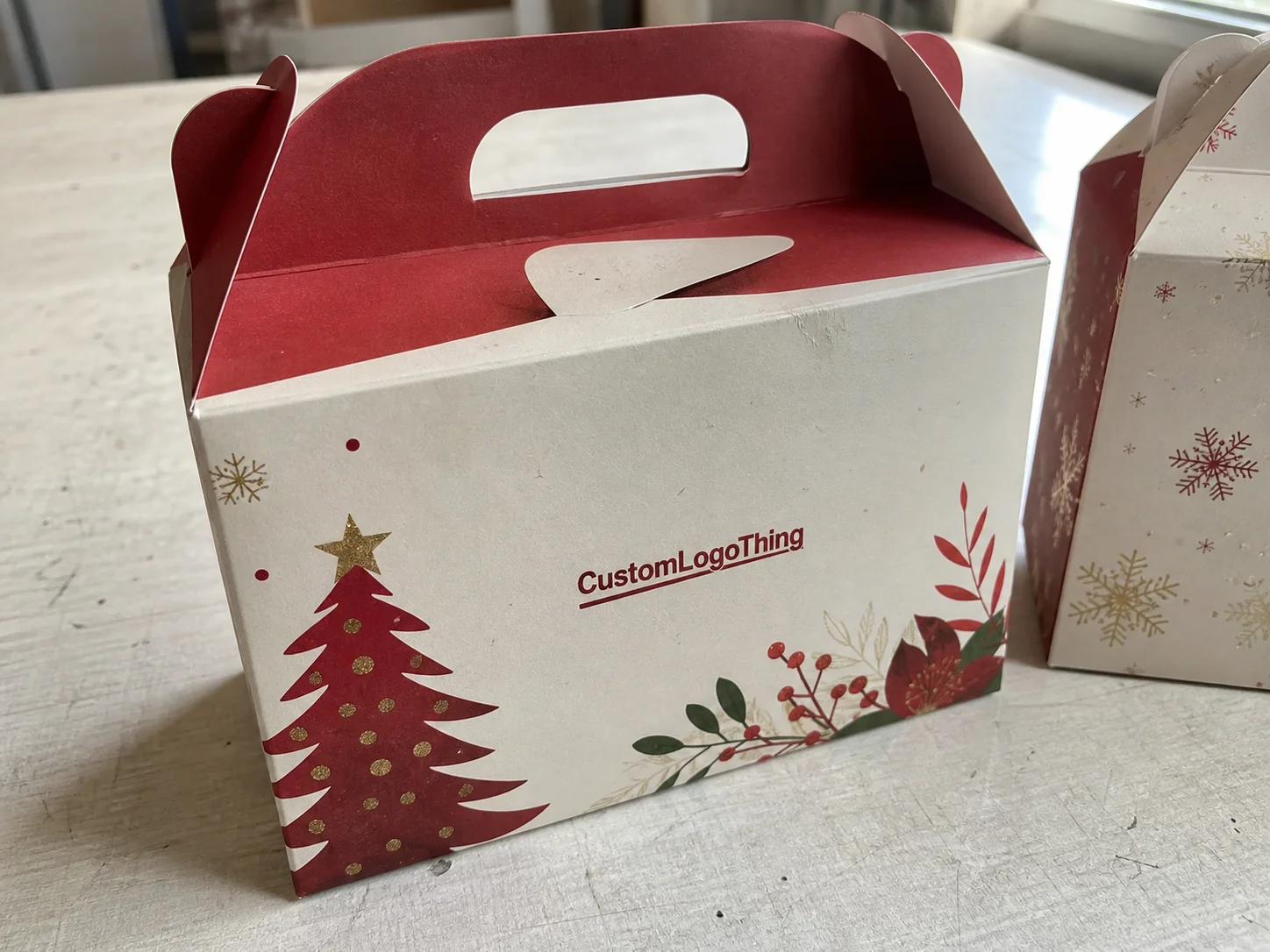
A seasonal print can change the buyer’s reaction in seconds. A plain mailer with a logo feels functional. A well-executed holiday box feels like a gift, even when the product is something simple like a candle, a cosmetic set, or a small food item. That is why printed christmas boxes show up in retail, e-commerce, and corporate gifting every year.
What many buyers miss is that decoration and structure are not the same thing. A box can look polished in a mockup and still fail in use if the size is wrong, the board is too thin, or the finish cannot stand up to shipping. The most successful holiday packaging balances three things: fit, print method, and structural durability.
There are two broad routes. Stock holiday boxes are pre-made and often carry generic seasonal artwork. They are quicker and usually cheaper, but they rarely fit the brand closely. Custom printed Christmas boxes are built around a specific dieline, artwork file, and finish specification. They cost more up front, but they look like they belong to the product rather than to a random seasonal inventory run.
In practice, buyers use them for:
- Retail gifting for candles, cosmetics, apparel, ornaments, and specialty food items
- Corporate gifts and employee holiday kits
- Seasonal subscription drops that need a clear festive moment
- E-commerce packaging where the unboxing experience matters
- Promotional bundles for events, launches, and year-end campaigns
“Holiday packaging has one real job: it should make the product feel more considered without creating more problems in production.”
That is the standard worth using. Anything else is just decoration with a freight bill attached.
How holiday box printing works
Most custom packaging follows the same production sequence: choose the structure, build the dieline, place the artwork, proof the file, print, finish, then pack and ship. If one of those steps is rushed or skipped, the box usually shows it. Board, glue, and ink do not hide mistakes very well.
The dieline comes first. It is the flat template that shows cut lines, folds, glue flaps, and panel positions. Artwork that is not built around the dieline often looks fine on screen and awkward once it is folded. Holiday graphics are especially sensitive here, because wreaths, snowflakes, borders, and logos can land on seams or vanish into glue areas if the layout is not planned carefully.
Then comes the print method. Buyers usually work with three broad choices:
- Digital printing for shorter runs, faster setup, and flexible artwork changes
- Offset printing for larger volumes, more stable color control, and lower unit cost at scale
- Specialty finishing for foil, embossing, spot UV, lamination, or soft-touch surfaces
Digital printing makes sense when the order is small or the schedule is tight. Offset becomes more efficient as quantity rises, especially when the design is fixed and the same result has to repeat across a larger run. Specialty finishes can elevate the feel of the box, but they add cost quickly. They are worth using when the packaging needs to do visible work, not just because they sound premium on a spec sheet.
Artwork setup is where many holiday jobs become more complicated than they need to be. Proper bleed, safe zones, panel labels, and seam awareness matter just as much as the visual direction. A well-built box design should assume the structure from the beginning, not treat folding as a detail to be sorted out later. In production, later often means expensive.
For buyers comparing box styles and finishes across other projects, the Custom Packaging Products page is a useful reference point when narrowing structural options.
Cost, pricing, MOQ, and unit cost
Holiday packaging pricing is driven by a handful of variables. The main ones are box style, board thickness, print coverage, finish complexity, quantity, and shipping weight. None of these are mysterious. They just interact in ways that are easy to miss when a buyer focuses only on the unit price.
For rough planning, the economics usually fall into the following range:
| Option | Typical setup | Approx. unit cost range | Best for |
|---|---|---|---|
| Simple tuck box | CMYK print, standard paperboard, no special finish | $0.18-$0.45 | Small gifts, inserts, low-cost retail |
| Mailer box | Corrugated board, full-color print, matte or gloss | $0.65-$1.80 | E-commerce, shipping protection, branded unboxing |
| Rigid gift box | Thicker board, wrapped exterior, premium finish | $1.50-$4.50+ | Corporate gifts, luxury products, premium retail |
Those numbers move with quantity. A run of 5,000 pieces can land much lower per unit than a 500-piece order because setup cost is spread across more boxes. The less obvious part is inventory risk. Holiday packaging becomes outdated quickly, and if the order is too large, the savings on unit price can disappear into storage, obsolescence, and leftover stock after the season ends.
MOQ means minimum order quantity. It exists because custom packaging carries setup work, material allocation, and machine time. If a box is heavily customized and the quantity is very low, the per-unit price rises. That is not a sales trick. It is how the production process works.
For quoting, it helps to ask for three quantities rather than one. A 500, 1,000, and 3,000 unit quote often shows the break points clearly enough to make a decision. That is more useful than a single price because it reveals where the real cost curve begins to flatten.
The usual tradeoffs are straightforward:
- One-color vs. full-color print: full coverage creates more visual impact, but ink usage and press time rise
- Matte vs. gloss: matte feels softer and more restrained; gloss is brighter and reads louder under retail lighting
- Tuck box vs. rigid box: tuck boxes are lighter and cheaper; rigid boxes feel higher-end and cost more to ship
- No insert vs. custom insert: inserts improve product hold and protection, but they add tooling and assembly steps
Shipping can quietly distort the budget. A box with a modest unit price can become expensive once dimensional weight, outer carton count, and pallet volume are included. If the package travels far, think in terms of total landed cost rather than print price alone.
Production process and timeline for seasonal orders
Seasonal packaging should be ordered early enough to absorb revisions, proofing, and transit without turning the schedule into a scramble. Holiday calendars fill quickly, and freight delays do not care whether a launch date is fixed on a marketing calendar.
A practical timeline often looks like this:
- Artwork submission and dieline matching: 1-3 business days
- Proofing and revision cycle: 2-7 business days, depending on responsiveness and how close the file is to print-ready
- Production scheduling: 3-10 business days before print starts
- Printing and finishing: 5-15 business days, depending on quantity and complexity
- Packing and transit: 3-12 business days, depending on shipping method and destination
That is the clean version. The version with issues takes longer. Missing bleed, low-resolution images, incorrect dielines, and artwork that does not match the intended structure can all add days. Sometimes they add more than days, especially if the correction changes the way the design wraps around folds or seals.
For time-sensitive launches, a buffer is not a luxury. It is part of the order. Two extra weeks can be the difference between approving a sample calmly and trying to rescue a shipment that is already late. Seasonal packaging rewards planning and punishes optimism that is not backed by a schedule.
If the box is meant to travel through parcel networks before it is opened, transit testing deserves attention. Standards from organizations like ISTA help assess how packaging handles drop, vibration, and compression. That matters more for mailers and gift sets than for boxes that only sit on a shelf.
Key specs that change the final result
The final look and performance of printed Christmas boxes are shaped by a few concrete choices. Not by luck, and not by a mood board alone. The specs matter because they affect fit, print behavior, surface feel, and how the box performs after it leaves the production line.
Size is the first decision. If the product does not fit cleanly, nothing else rescues the order. Measure the item, then account for tissue, inserts, closures, and any extra room needed for easy packing. A box that is too tight is difficult to assemble. A box that is too loose looks careless and can allow the product to move during shipping.
Material and board thickness are next. Common choices include paperboard for light retail packaging, corrugated board for shipping-oriented mailers, and rigid board for premium presentation. A 350gsm C1S artboard often works well for folding cartons. E-flute corrugated is a frequent choice for mailer boxes. For premium gift packaging, wrapped rigid board remains the standard because it carries weight, resists crushing, and feels more substantial in hand.
Finish choices change both appearance and tactile quality:
- Matte lamination: softer look, reduced glare, often more refined
- Gloss lamination: brighter surface, stronger color pop, more reflection
- Soft-touch: velvety handfeel, premium impression, higher cost
- Foil stamping: metallic highlight for logos, borders, or holiday motifs
- Embossing and debossing: adds depth and texture without more ink
- Spot UV: creates selective shine on chosen artwork areas
Holiday color can be more complicated than it looks in a file. Deep reds, dark greens, metallic golds, and warm blacks may shift depending on stock, coating, and press setup. If brand accuracy matters, request a proof and compare it against approved brand references rather than a monitor. Screens are useful. They are not a reliable source of truth for print color.
Structural extras also change the outcome. Windows can reveal the product, inserts can hold fragile items in place, and better closures can reduce accidental opening during handling. If the box ships through a carrier, durability has to take priority over decorative details that might look nice in a flat mockup but fail under pressure.
For brands with sustainability requirements, ask early about recyclable paperboard, water-based inks, and FSC-certified paper options. The FSC chain-of-custody system is one way buyers verify responsible sourcing. Environmental requirements can affect both material selection and lead time, so they should be included before quoting starts, not after the artwork is approved.
Small changes can move pricing more than many buyers expect. A simple recycled paperboard box may add very little cost, while specialty coatings, inserts, and rigid construction can push the unit price up quickly. Good packaging is not always the cheapest package. It is the one that matches the product, the route to market, and the margin the buyer actually has to protect.
Common mistakes buyers make with seasonal boxes
Ordering too late is the first and most common mistake. Holiday production fills up because everyone wants delivery before the same seasonal deadline, and the schedule rarely bends for a late approval.
Choosing the box size before confirming product dimensions is another one. This creates avoidable problems, such as loose items, wasted board, inserts that do not fit, or packaging that looks full in the render and empty in reality. A box should be designed around the product, not the other way around.
Overdesigning the artwork is also common. Too many ornaments, too many gradients, too many competing brand marks, and the box starts to feel crowded instead of intentional. In print, restraint often looks stronger than decoration piled on top of decoration.
Ignoring shipping conditions can ruin a nice design. Corners crush, coatings scuff, and heavy products create pressure points that do not appear in a digital mockup. If the package is meant to travel, think through handling as if the box were already on a conveyor belt or in a parcel bag.
Skipping a physical sample is a risk when the launch date is fixed or a client presentation is on the line. A sample is usually cheaper than a correction after production has started, and it gives the buyer a real check on color, fold quality, and overall finish.
Some buyers also rush proof approval because they want to keep the schedule moving. That can work once or twice. It tends to fail when there is a panel alignment problem, a hidden typo, or a seam that cuts through the main artwork. Fast is useful only when the file is already correct.
Expert tips for a cleaner holiday order
Keep the design system focused. One strong seasonal motif usually does more than a page crowded with snowflakes, ornaments, stars, and layered textures. Clear branding, disciplined spacing, and a readable hierarchy will age better and print better than artwork that tries to say everything at once.
Match the structure to the channel. Retail packaging needs more shelf presence. E-commerce needs stronger crush resistance. Corporate gifting usually sits between those two, and the right finish can add value if the contents justify it.
Ask for a sample or pre-production proof when color accuracy matters. If the brand depends on a particular red, green, gold, or metallic tone, do not assume the final printed result will match a screen file. Stock, coating, and print method all affect the finish.
Use an overrun only when the product is genuinely seasonal and reorder risk is real. Extra inventory can be helpful, but it is not a strategy. For seasonal packaging, holding too much stock can be more expensive than reordering carefully the next year.
Keep the final artwork, dieline, and specification sheet organized for the next holiday cycle. A clean archive saves time on future revisions, reduces the chance of accidental format changes, and makes it easier to compare what worked with what did not. That small discipline pays off more than frantic revisions in peak season.
For brands that rely on presentation, printed christmas boxes can do a lot of work. The value comes from the quality of the decisions behind them, not from adding more decoration. A box that is sized correctly, printed cleanly, and finished with restraint usually outperforms a louder one that was rushed.
Next steps for a buyer-ready order
Before requesting quotes, gather the basics: product dimensions, target quantity, budget range, delivery deadline, and whether the box must ship safely or mainly present well on shelf. If those details are missing, the quote will be vague and the revisions will take longer than they should.
Decide what the box actually needs to do. Display-first? Shipping-safe? A hybrid that handles both? Be direct. A box that tries to solve every problem at once often ends up being overbuilt, overdesigned, or too expensive for the margin it is meant to support.
Prepare a brief with logo files, holiday artwork direction, box style preference, and required finishes. If a matte exterior, foil logo, insert, or specific closure is part of the plan, include it from the start. Clear instructions are the fastest path to a useful quote.
Once a proof or sample is approved, lock the specification early. Every extra revision increases the risk of missing the seasonal window. Holiday packaging is unforgiving that way. It rewards precision and punishes hesitation.
For procurement-minded buyers, it helps to compare the packaging cost against the real business effect. A slightly more expensive box can still be the better option if it reduces damage, improves perceived value, or supports a higher retail price. The cheapest unit price is not always the best decision when the full season is measured properly.
When the schedule, structure, and artwork are set, place the order early enough to protect quality and avoid freight pressure. Printed Christmas boxes are a seasonal product, which means timing is part of the specification. If the boxes arrive too late, the rest of the work does not matter much.
How far in advance should I order printed Christmas boxes?
Order early enough to allow for artwork setup, proofing, sample approval, production, and transit. If the delivery date is fixed, leave extra room for revisions and shipping delays. For seasonal packaging, earlier is safer than trying to force a production slot at the last minute.
What is the usual MOQ for printed holiday boxes?
MOQ depends on the structure, print method, and finish complexity. There is no universal number that fits every order. Ask for quotes at several quantities so you can see where the pricing starts to improve rather than guessing at the minimum.
What affects the price of custom Christmas packaging the most?
Quantity, box construction, material thickness, and print coverage usually have the largest effect on price. Specialty finishes, inserts, and rigid structures can increase cost quickly, especially on smaller runs where setup is spread over fewer units.
Can I use my own artwork for printed Christmas boxes?
Yes, as long as the file is prepared for print with the correct dieline, bleed, and safe zones. If the artwork is not press-ready, expect proof revisions and a longer setup stage before production can begin.
What should I check before approving a holiday box proof?
Check size, logo placement, color expectations, panel alignment, and how the artwork wraps around folds and flaps. Also confirm the intended use, because a box that looks good on screen can still fail once it is assembled, packed, and shipped.