Custom Plastic Garment Bags Unit Cost for Fitness Orders
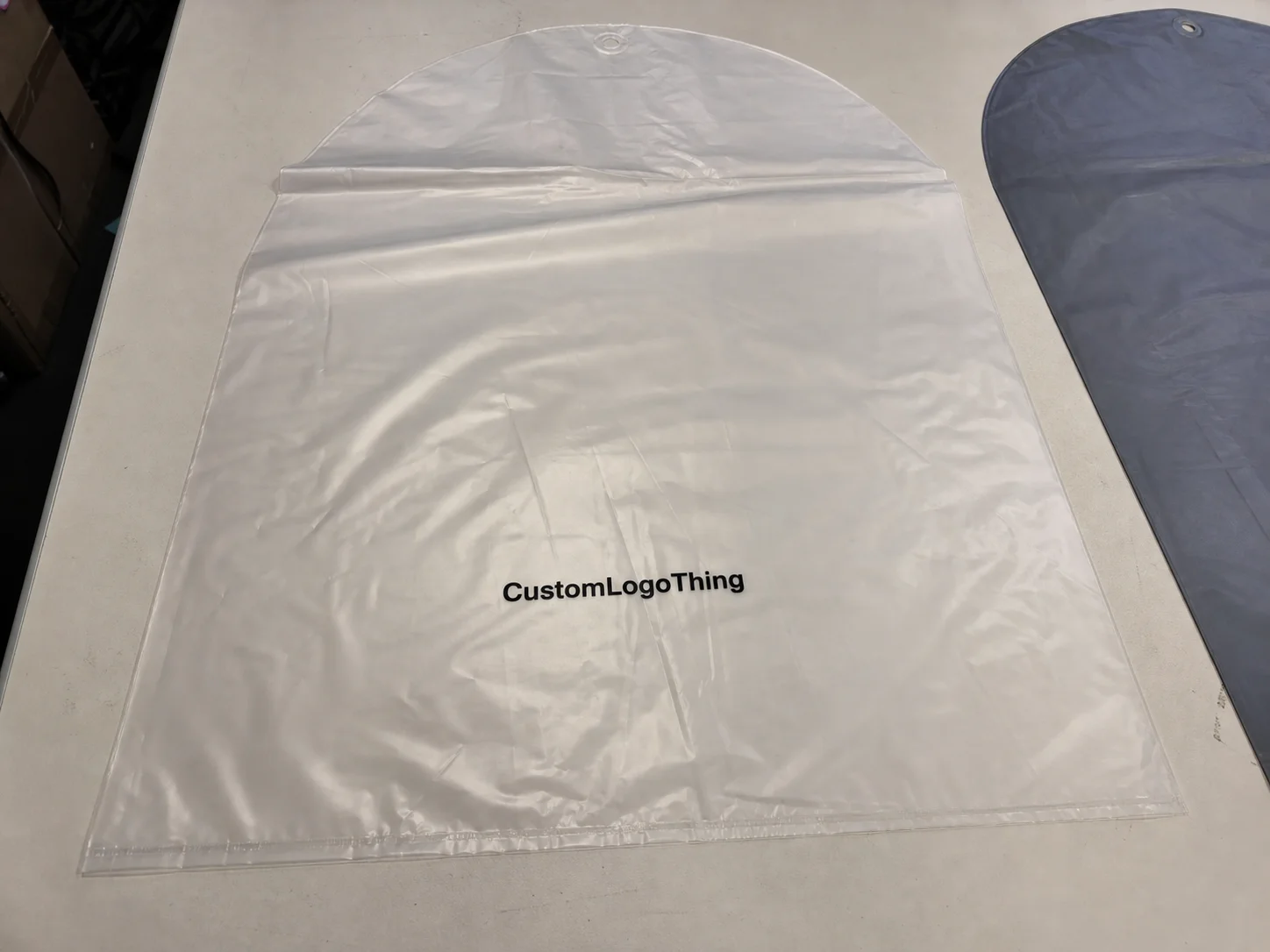
A custom garment bag can cost less than the hangtag on the same pair of leggings, yet it may be the first branded surface a gym member, retail buyer, warehouse packer, or fulfillment team handles after purchase. Buyers researching Custom Plastic Garment Bags unit cost for fitness need more than a quick per-piece number. The useful quote is built from material, finished size, film gauge, print coverage, order quantity, closure style, and packing method.
That is where many early fitness apparel orders get messy. The bag looks simple: clear film, printed logo, adhesive flap, cartons on a pallet. In production, small choices decide whether the bag supports the workflow or slows every packing table. A good bag keeps moisture and dust away after sewing or decoration, presents folded tees and leggings cleanly, helps warehouse teams sort SKUs, and protects retail-ready apparel during storage, wholesale transfer, event staging, or back-room handling.
Unit cost is not just the price of one plastic sleeve. It is the cost of a bag that fits the folded garment correctly, opens without fighting the packer, carries the logo in the right position, and avoids rework caused by weak adhesive, undersized width, poor venting, or film that tears at the seal. A two-cent savings can vanish quickly if packers lose several seconds per item or have to replace bags because hoodies split the side seam.
Custom Logo Things approaches the quote from construction first, then price. Your garment stack, sales channel, artwork file, fulfillment workflow, and budget target all matter before final pricing can be locked. A generic 10 x 13 inch bag may work for a lightweight tee, while a brushed fleece hoodie may need a larger opening, heavier LDPE film, or a resealable closure for returns. The right specification gives the quote a firmer foundation and reduces changes after proof approval.
Practical rule: if the bag slows packing, hides the barcode, wrinkles the garment, or weakens the first branded impression, the lowest unit price is not the lowest operating cost.
Plastic Garment Bag Styles That Fit Fitness Apparel
Fitness apparel does not pack like one product family. A compression bra, cotton gym tee, ribbed legging, zip hoodie, team warmup jacket, and event uniform kit each create a different stack height and handling issue. Bag style should match the product before suppliers are asked to compete on price.
Flat poly garment bags are the simplest option for folded apparel. They are often used for tees, leggings, shorts, and sports bras where the product is folded, inserted, sealed, and placed into a master carton or shipping mailer. Common finished sizes may sit around 9 x 12 inches, 10 x 13 inches, or 12 x 15 inches, but the correct size depends on the fold board, garment thickness, and how much room the packer needs to insert the item cleanly.
Self-seal bags add speed and consistency for e-commerce and warehouse packing. A peel-and-seal adhesive strip lets packers close the bag without tape, labels, or heat sealing. Resealable adhesive works better for returns-friendly fitness brands because the customer or fulfillment team can reopen and close the bag once or twice without destroying the package. Permanent adhesive usually costs less and works well for wholesale cartons or one-way shipment.
Hanger-style garment bags are built for retail display, showroom handling, uniforms, and apparel that needs to stay on hangers. These may include a hanger opening, reinforced header, vent holes, die-cut handle, or longer body length. They usually cost more than folded-apparel bags because they use more film, may require a stronger gauge, and often involve extra converting steps.
Larger garment covers fit warmups, jackets, staff apparel, and team gear. A zippered cover can support a premium reuse experience, but it is not always the right choice for basic fulfillment. If the product will be packed once, shipped once, and unbagged immediately, a simpler self-seal construction may protect the garment while keeping the unit cost under control.
- Peel-and-seal adhesive: fast packing, useful for standard fulfillment, usually cost-efficient.
- Resealable adhesive: practical for returns, exchanges, and subscription apparel packs.
- Zipper closure: stronger premium feel, higher material and converting cost.
- Open-top style: lower cost in some cases, but less secure during handling.
- Hang holes or reinforced headers: useful for retail racks, event pickup, or uniform issue.
Functional details deserve attention before the bag is quoted. Vent holes help trapped air escape during carton packing, which matters with compression apparel and puffy fleece. Suffocation warning print may be required depending on bag size, film thickness, destination, and sales channel rules. Barcode visibility matters if a UPC or SKU label must scan through the film. Each feature affects price, but each can also prevent a more expensive operational problem later.
Material, Gauge, Print, and Finish Specifications
Material choice changes the feel, clarity, strength, and price of the bag. LDPE, or low-density polyethylene, is common for garment bags because it feels soft, flexible, and forgiving during packing. It works well for folded activewear because packers can open it easily and the film is less brittle under repeated handling.
HDPE, or high-density polyethylene, has a crisper hand and can feel lighter at similar thickness levels. It may fit a project where the brand wants a firmer, more economical bag, though it can be noisier and less soft than LDPE. Some buyers ask about recycled-content or recyclable film. Those options depend on availability, performance requirements, print method, and local recycling realities, so they should be quoted as defined specifications rather than assumed benefits. For broader sustainability language, the EPA recycling guidance is a useful reference point for understanding claims and consumer disposal limits.
Gauge selection should be tied to handling. Lightweight tees, shorts, sports bras, and leggings may work with thinner film when the bag only protects folded goods inside a mailer or carton. Heavier hoodies, fleece joggers, jackets, staff uniforms, and items handled repeatedly during wholesale distribution often need stronger film to resist tearing at the mouth, side seams, and closure area. Many quotes move in practical increments, such as 1.5 mil, 2 mil, 2.5 mil, or 3 mil LDPE, but the best gauge depends on garment weight, bag size, and handling path.
Print is another major cost driver. A one-color logo print is usually the cleanest way to control budget while still supporting package branding. Two-color or three-color artwork improves retail presence but adds setup, registration control, and production complexity. Full-coverage designs can look strong for retail packaging, launch kits, or influencer apparel drops, yet more ink coverage often raises price and requires closer proof review.
Artwork affects production more than many buyers expect. A large logo placed near the seal can distort if the flap folds over it. Fine text may fill in on flexible film. White ink may be needed if the logo must show clearly over dark leggings or bright training gear. Pantone references help align expectations, but exact color matching on transparent or frosted film is not the same as printing on coated paperboard or custom printed boxes.
| Specification Choice | Best Use | Typical Cost Impact | Buyer Watch Point |
|---|---|---|---|
| 1-color logo on clear LDPE | Folded tees, leggings, basic gym merchandise | Lower | Check logo contrast over dark garments |
| 2-3 color print | Retail apparel, branded packaging programs | Medium | Confirm registration tolerance on flexible film |
| Frosted film | Premium activewear, boutique retail presentation | Medium | Test barcode visibility before volume orders |
| Heavy-gauge garment cover | Jackets, warmups, uniforms, hanger storage | Higher | Measure shoulder width and garment length carefully |
| Zipper closure | Reusable covers, premium kits, team gear | Higher | Confirm zipper strength and pack-out speed |
Finish choices include clear, tinted, frosted, matte-leaning, or glossy appearances depending on film type and production method. Clear film supports quick SKU checks. Frosted film can look more polished, but it may reduce scan reliability if the barcode sits under the bag. If a sales channel requires warning text, size labeling, hang holes, carton counts, or specific pack orientation, build those details into the first quote request.
Unit Cost, Pricing Variables, and MOQ Factors
The main cost variables are straightforward: bag width and height, film thickness, material type, print color count, ink coverage, closure style, order quantity, packing method, and shipping destination. The complication is that those variables interact. A larger bag in thinner film may cost less than a smaller bag in heavy film with a zipper, while a simple one-color print at 10,000 pieces may price far better than a small order using the same artwork because setup costs are spread across more units.
For planning, a simple one-color printed folded-apparel poly bag might land around $0.08 to $0.18 per unit at higher quantities. Smaller runs, thicker film, larger sizes, or added closures can move into the $0.18 to $0.35 range or higher. Large hanger covers, zippered garment bags, and heavy-gauge constructions can exceed that range because they use more resin, more converting time, and more carton space. These are planning ranges, not fixed pricing, because resin markets, freight, print method, and order details can shift the final number.
MOQ follows the same logic. A standard-size, one-color printed LDPE bag may have a more accessible minimum than a fully custom, multi-color, zippered garment cover. If the job needs a special film color, unusual size, reinforced header, or broad ink coverage, the production minimum can rise because setup time and material commitment rise too.
Higher quantities usually reduce the per-piece number because plate, proofing, setup, press preparation, and production handling are distributed across more bags. Material purchasing also gets more efficient at scale. A quote for 2,500 pieces might look very different from 5,000, 10,000, or 25,000 pieces, even with the same finished specification. For fitness brands preparing recurring replenishment, asking for multiple quantity tiers is one of the simplest ways to understand true unit cost.
Use this quote checklist before comparing prices:
- Finished bag width and height, measured after folding the garment
- Flap length, closure type, or open-top requirement
- Film type, gauge, clarity, and finish preference
- Order quantity tiers, such as 2,500, 5,000, and 10,000 pieces
- Vector logo file and number of print colors
- Ink coverage, logo placement, and orientation
- Suffocation warning text or channel compliance needs
- Carton pack count, master carton limits, and delivery destination
- Target delivery date and any event or launch deadline
Compare quotes by finished specification, not price alone. A low number may reflect thinner film, smaller dimensions, weaker adhesive, missing warning text, lower opacity, or carton packing that creates added labor on your side. For buyers building a broader product packaging program, it can help to review related options under Custom Packaging Products so garment bags, mailers, labels, and cartons are planned as one practical system.
Process and Timeline From Artwork to Delivery
A clean production process starts with the bag style and size. First, confirm the garment type, folded dimensions, stack thickness, and packing channel. Next, review the artwork and decide print location, color count, and whether the logo needs white backing or special placement. After that, the supplier prepares a digital proof showing size, orientation, print area, warning copy, and construction details.
Once the proof and specification are approved, production can be scheduled. The film is printed, converted into bags or covers, inspected, packed into cartons, and prepared for shipment. For many Custom Plastic Garment bag orders, the schedule can range from roughly 12 to 25 business days after proof approval, depending on complexity, quantity, material availability, and freight method. Sampling, special closures, full-coverage artwork, and nonstandard sizes can extend that window.
Buyers can protect the timeline by sending vector artwork early. AI, EPS, or production-ready PDF files reduce back-and-forth. Confirm garment dimensions before the proof stage, not after production is scheduled. Approve quantity tiers before the job is placed, because changing from 5,000 to 12,000 pieces after scheduling may affect production slotting, material planning, and carton counts.
Samples are useful when the garment is new, expensive, thick, or intended for retail presentation. A sample can test fit, adhesive strength, barcode scanning, and pack-out speed. A legging bag may look correct on paper, but if the folded product traps air and the adhesive lands too close to the garment edge, packers may struggle to close the flap consistently. That labor is a real cost, even if the bag itself is inexpensive.
For transport and handling questions, some buyers reference performance concepts from groups such as the International Safe Transit Association, especially if bags are part of a larger shipping pack that includes cartons, mailers, or retail bundles. A garment bag alone is not a shipping test solution, but it should fit the total packaging design so the apparel arrives clean, scannable, and presentable.
Custom Logo Things helps translate the buyer’s garment stack, artwork file, fulfillment workflow, and budget target into a production-ready specification. That technical step matters because Custom Plastic Garment Bags unit cost for fitness is only meaningful after the bag has been defined well enough to manufacture.
Common Quote Mistakes That Raise the Final Bag Price
Under-sizing is the mistake that causes the most avoidable trouble in garment bag planning. A bag that is too tight slows packing, wrinkles folded apparel, stresses adhesive closures, and can make a finished order look rushed. Allow enough width and height for the garment to slide in without forcing the corners, especially for fleece, ribbed fabrics, padded sports bras, or bulkier warmups.
Over-specifying creates the opposite problem. Not every order needs heavy-gauge film, four-color print, frosted material, resealable adhesive, and a premium closure. A simple 2 mil LDPE self-seal bag with a one-color logo may be the smartest choice for gym tees packed into e-commerce mailers. Buyers usually save more by matching the bag to the use case than by chasing the thinnest possible film or adding premium details that the customer will not notice.
Artwork issues can delay quotes and add cost. Low-resolution logos need cleanup. Missing Pantone references create color uncertainty. Large ink fields may push the print method or plate cost higher than expected. Fine reverse text can be risky on flexible plastic, especially if the bag shifts slightly during printing. Good prepress work catches these details before production, but unclear artwork always slows the quote.
Operational oversights matter too. A missing suffocation warning can create channel compliance problems. Poor barcode placement can slow receiving or fulfillment. Cartons packed too heavy may be awkward for warehouse teams. A permanent seal might be fine for wholesale cartons but wrong for a returns-heavy e-commerce model. None of these details sound dramatic on a spec sheet, yet each can raise the real cost of the project.
A detailed quote request reduces revisions and gives the supplier enough information to price the job accurately. That matters for seasonal fitness drops, gym merchandise, team event kits, subscription apparel packs, and wholesale launches where timing and consistency are part of the sale.
Next Steps to Request a Production-Ready Quote
Start with the folded garment. Measure the width, height, and thickness of the actual product stack, not the flat garment before folding. If you have several sizes, measure the largest common size first, then decide whether one bag can cover the full size range without looking loose on smaller garments.
Choose the bag style next. For folded leggings, tees, shorts, and bras, a self-seal poly bag is usually the practical starting point. For jackets, team gear, or retail hanger storage, review a garment cover with stronger film, hanger opening, or reinforced header. Decide whether the closure must be permanent, resealable, zippered, or open-top before asking for pricing.
Then estimate the first order quantity. Ask for two or three quantity breaks so you can see how pricing moves from MOQ to a higher production run. A buyer may find that moving from 5,000 to 10,000 bags lowers the unit price enough to justify holding extra inventory, especially if the same bag supports multiple colorways or recurring apparel styles.
Share how the bags will be used. E-commerce fulfillment, retail shelf presentation, wholesale delivery, team uniform distribution, event pickup, and gym merchandise kits all point to different material, gauge, closure, and packing recommendations. If the bag must work with a mailer, carton, barcode label, hangtag, or other branded packaging, include those details in the request.
A useful quote from Custom Logo Things should return the recommended size, material, gauge, finish, print method, color count, MOQ, unit pricing by tier, setup details if applicable, estimated lead time, and shipping assumptions. If your project also includes labels, mailers, inserts, or folding cartons, the team can align those items through Custom Packaging Products so the full package branding system feels consistent.
- Measure the folded garment and note the thickest item in the range.
- Select flat, self-seal, hanger-style, or larger cover construction.
- Choose permanent, resealable, zipper, or open-top closure.
- Prepare vector artwork and color references.
- Request MOQ plus at least two higher quantity tiers.
- Confirm warning text, barcode visibility, carton packing, and delivery deadline.
A clear specification is the fastest way to compare custom plastic garment bag pricing for fitness apparel with confidence. Once size, film, gauge, print, closure, and use case are defined, the quote becomes easier to understand, easier to compare, and far less likely to change after proof approval.
FAQ
What affects custom plastic garment bag unit cost for fitness apparel the most?
The largest cost drivers are bag dimensions, film gauge, order quantity, print color count, closure style, and whether the bag uses standard sizing or a custom construction. For fitness apparel, the folded thickness of leggings, hoodies, bras, tees, or warmups matters because a slightly larger or stronger bag may prevent packing delays and product distortion.
What MOQ should I expect for custom plastic garment bags for gym clothing?
MOQ depends on the bag style, print method, size, material, and customization level. Simple one-color printed poly garment bags usually have more flexible minimums than multi-color, heavy-gauge, zippered, or fully custom garment covers.
Can I get lower unit pricing by ordering multiple fitness garment bag sizes together?
Multiple sizes can sometimes help with total project planning, but each unique size, print layout, or construction may still require separate setup and production handling. The best approach is to quote the main size first, then add secondary sizes with clear quantities so pricing can be compared accurately.
What plastic thickness is best for custom garment bags for activewear?
Lightweight tees and leggings may work well in thinner LDPE or HDPE film, while hoodies, jackets, team uniforms, and repeated handling usually call for a stronger gauge. The right thickness should balance protection, clarity, packing speed, hand feel, and unit cost.
How do I prepare artwork for printed plastic garment bags?
Send vector artwork when possible, such as AI, EPS, or production-ready PDF files, and include brand color references if exact color matching is needed. Confirm logo placement, print size, number of colors, bag orientation, and any required warning text before proof approval.


