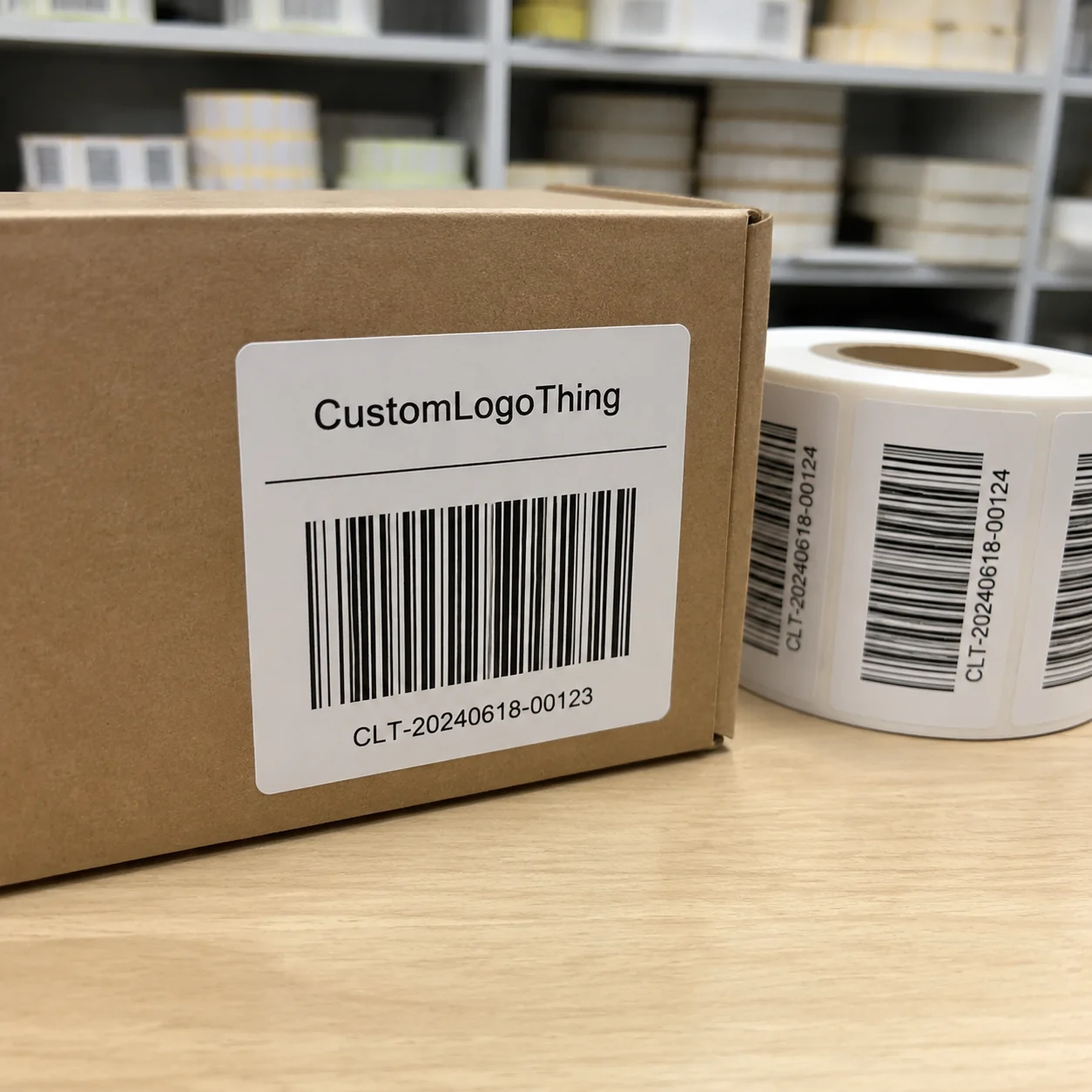
A Printed Clothing Labels Quote for hotel uniforms should begin with laundry conditions, not with logo art alone. The label that survives a mockup can still fail after heat, detergent, abrasion, and repeated folding in a linen room, which is why the useful questions are usually about fabric, finish, and wash cycle before anyone gets to the visual details.
Housekeeping shirts, spa robes, and food-and-beverage aprons do not face the same level of wear. One gets constant friction and frequent hot washes, another needs a softer hand feel against skin, and another sits somewhere between the two, with stains, heat, and repeated sorting all putting pressure on the label. A quote that treats all three as one spec tends to miss the real cost of replacement.
That is the part many buyers only learn after the first reorder. A cheap label is rarely cheap once a hotel adds the labor of relabeling, the time spent sorting inconsistent stock, and the frustration of brand colors drifting from one batch to the next. A clear spec protects the budget better than a lower unit price with hidden compromises.
Why Hotel Uniform Labels Fail After the First Wash
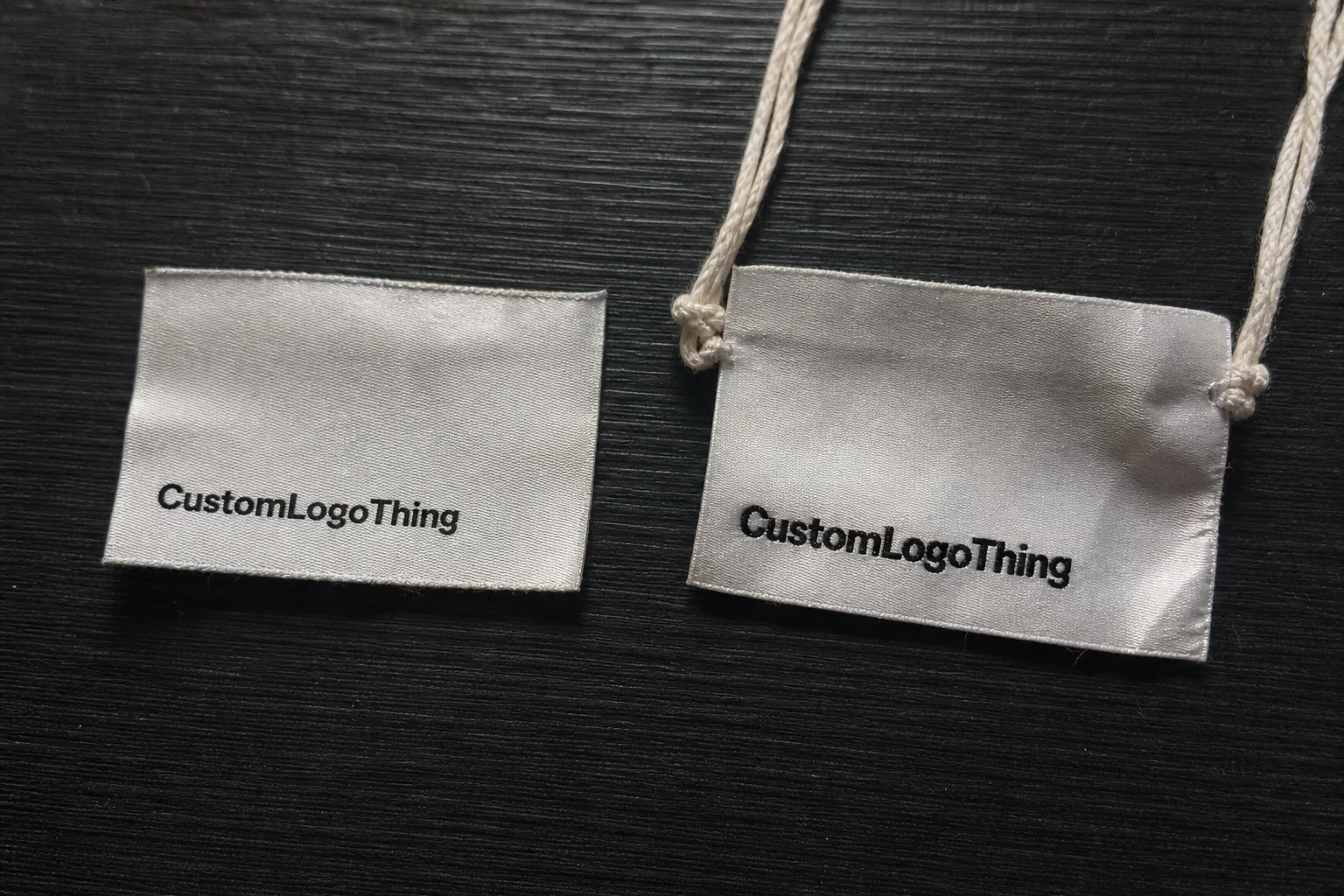
Most hotel label problems do not show up during approval. They show up after the garments have been through real laundry: hot water, detergent, bleach in some cases, high-speed extraction, tumbling, and folding under pressure. That is where ink can fade, woven edges can fray, heat-applied formats can lift at the corners, and softer trims can curl or become scratchy.
The failure is often a material mismatch rather than a design problem. A label that feels elegant on a sample card may be too thin for a collar that bends all day, while a glossy finish that looks polished in a proof can feel harsh once the coating breaks down. For hotel buyers, the useful question is not whether the logo looks correct. It is whether the label still looks clean and feels acceptable after the 10th, 20th, or 50th wash.
Wash chemistry matters more than many first-time buyers expect. Peroxide systems, chlorine bleach, and high heat do different kinds of damage, and not every construction handles them equally well. If the hotel uses a commercial laundry partner, the label spec should match the actual process rather than a generic “machine wash” assumption.
The cheapest label is the one you do not have to replace. A small increase in material quality or finishing accuracy usually costs less than a second production run, especially once garment handling and staff time are included.
Comfort is part of durability. Neck labels in particular can turn into a complaint if they are stiff, thick, or badly finished, even when the branding is correct. Side seam labels have more room to flex, but they still need a clean cut and stable print so they do not become a distraction during a long shift. A Printed Clothing Labels Quote for hotel use should reflect the garment placement as much as the artwork itself.
If you want a broader view of construction options before requesting pricing, our Custom Labels & Tags page is a useful comparison point for format and finish.
Choose the Right Label Style for Housekeeping, Spa, and F&B
Hotel uniforms are usually grouped together by purchasing teams, but they should not be treated as one wear environment. A housekeeping shirt is washed hard and often, a spa garment needs a softer feel and a more polished interior, and food-and-beverage uniforms sit between the two while dealing with heat, stains, and constant movement. If one label style is forced across all departments, somebody ends up compromising on either comfort or longevity.
The label options most buyers compare are straightforward:
- Printed satin labels for a soft hand feel and crisp branding on shirts, robes, and lighter uniforms.
- Woven labels for a more premium appearance and stronger perceived durability in frequent wash programs.
- Care-content labels where compliance text, fiber information, and laundering instructions matter most.
- Size tabs for quick stock-room sorting and fast issue in back-of-house workflows.
- Heat-applied labels for garments where stitching would add bulk or create an uncomfortable seam.
Printed satin usually wins when the priority is comfort and a clean interior finish. Woven labels usually win when the hotel wants a more substantial feel and does not mind a little extra structure. Heat-applied labels can be a practical choice for certain fabrics, but they still need to be matched to the garment and wash program. There is no universal construction that fixes the wrong application.
For spa robes and guest-facing items, the label often needs to disappear visually and physically. The hand feel matters as much as the branding. For housekeeping and kitchen garments, the label needs to survive more abrasion, more folding, and more laundry cycles, so the spec should be built around the hardest use case rather than the easiest one. That usually produces a more stable program across departments.
Sample the label on the actual fabric before approving production. Paper proofs can confirm placement and spelling, but they do not tell you whether a label catches on the skin, curls at the edge, or looks too shiny under strong indoor lighting. A sample on the real garment is slower, but it prevents avoidable corrections later.
Specs That Control Durability, Fit, and Brand Consistency
A useful printed clothing labels quote for hotel work depends on a spec sheet that is specific enough to price without guesswork. The core variables are simple, but each one affects performance, appearance, and cost.
- Width and height: smaller labels are cheaper, but very small text loses clarity quickly.
- Fold style: center fold, end fold, and straight cut affect both appearance and application speed.
- Surface finish: matte, satin, or coated surfaces change print clarity and skin feel.
- Print coverage: one-color copy is usually less expensive than full-coverage branding or multi-element artwork.
- Attachment method: sew-in, heat seal, and adhesive-backed versions each behave differently in production and wear.
Wash requirements should be written plainly. If the garments go through high heat, say so. If bleach is used, say that too. If the items are tumble dried or sent to dry cleaning, the supplier needs that detail before quoting. Without it, the price is based on assumptions, and assumptions are where reorders and rework begin.
Brand consistency is another quiet cost center. Hotels running multi-property programs should define PMS color references, logo placement, text hierarchy, and size sequence before proofing starts. If the label includes fiber content, country-of-origin text, or multilingual care copy, that text should be final before the run begins. Changing legal or compliance copy after approval usually means delay, and sometimes a full reproof.
Vector artwork helps keep the edges clean and the copy sharp. Low-resolution files often need redrawing, which adds time and opens the door to small but expensive errors. For a brand-led hotel program, that is not a place to save a few minutes during file prep.
There are also practical shipping and packaging details that affect the order after production is finished. If cartons are going into a distribution network that handles stock roughly, packaging should be clear and durable enough for quick sorting. If the order includes paper inserts or paper-based collateral, FSC-certified stock is worth considering for the print materials around the labels. The purpose is not to decorate the quote. It is to make sure the order arrives in usable condition.
Quality control should be built into the request as well. Ask whether the supplier checks cut accuracy, print registration, color consistency, and finish consistency across the run. If the label includes any very small text, ask for legibility checks at the intended viewing distance. For multi-department programs, it also helps to confirm that the same pantone, size order, and attachment method will be used on repeat runs unless you approve a change.
Pricing, MOQ, and Quote Ranges That Actually Matter
A printed clothing labels quote for hotel should break pricing into useful tiers instead of giving one line that looks attractive but hides the real cost structure. Material, label size, print coverage, finishing, and the number of SKUs all move the final number. If one hotel wants six department-specific versions rather than one shared spec, the unit price usually rises because setup is spread across smaller quantities.
Small runs cost more per piece. That is not a trick; it is fixed setup work. Artwork review, proofing, press or loom setup, trimming, and finishing take time whether the order is 500 pieces or 10,000. Once the volume increases, the unit price usually drops in a way that matters. Buyers should be looking for that breakpoint, not just the cheapest first line item.
The ranges below are typical for standard hotel label programs using common constructions, straightforward artwork, and normal finishing. Dark ink coverage, specialty surfaces, extra language lines, and tighter tolerances will move the cost.
| Label Type | Typical MOQ | Typical Unit Price at 1,000 | Typical Unit Price at 10,000 | Best Fit |
|---|---|---|---|---|
| Printed satin | 500-1,000 | $0.15-$0.32 | $0.07-$0.18 | Soft touch, guest-facing uniforms |
| Woven label | 1,000-3,000 | $0.20-$0.50 | $0.08-$0.22 | Higher perceived quality, frequent rewash |
| Heat-applied label | 500-1,000 | $0.18-$0.42 | $0.09-$0.24 | Clean interior finish, fast application |
| Care-content label | 500-1,000 | $0.12-$0.28 | $0.05-$0.15 | Compliance copy, housekeeping and back-of-house |
Those numbers are helpful, but only if freight, duty, sampling, and proofing are listed separately. A quote that looks low can become expensive once the hidden pieces are added back in. That matters a lot in hotel procurement, where budgets are often approved on the assumption that a quote includes the full job.
Ask for pricing at 500, 1,000, 5,000, and 10,000 units whenever the program might grow. That gives procurement a real view of the breakpoints. A hotel ordering 700 labels for one property and 8,000 for a wider rollout should not be comparing the same single quantity. The order structure changes the economics.
Minimums deserve attention too. If a supplier’s MOQ is 3,000 pieces and you only need 900, the unit price is irrelevant because the order size itself is wrong for the program. The most useful comparison is usually the smallest viable run and the next pricing tier above it. That is where the buying decision becomes real.
Production Steps, Lead Times, and Approval Flow
Production usually follows a familiar sequence: brief, artwork review, digital proof, sample or strike-off, production, quality control, packing, and shipping. Simple printed labels move faster. Woven labels, specialty finishes, and jobs with added compliance text move more slowly because each extra step adds another point where an error can creep in.
Lead time depends on how clean the file is and how quickly approvals move. If the artwork is final and the spec is standard, rush production may be possible. If the hotel brand team keeps adjusting the color or line weight after proofing, the schedule stops. That is a project control issue, not a manufacturing mystery.
Hotel orders often stall in three places: procurement wants the price locked, brand wants the logo correct, and legal wants the care text and origin details aligned. None of those reviews is unreasonable. The problem is usually the lack of a hard deadline for each stage. Without one, the proof becomes a parking lot.
Ask for a ship-by date, not a vague lead-time promise. Ask for transit time separately. If the order needs to cross regions, clear customs, or move through a central distribution warehouse before reaching each property, add a buffer. A quote that ignores transit is not really a delivery plan.
For simple printed label programs, 10 to 15 business days after proof approval is a common production window. Woven or specialty-finish orders usually need more time, especially if a strike-off or physical sample is required first. If a supplier promises a faster schedule, check whether they are counting only the production stage or including sampling, finishing, and freight. Those are not the same thing.
Quality checks should be explicit. Ask whether the finished labels are checked for print registration, trim consistency, color shift, edge seal, and count accuracy. If the order includes multiple sizes or departments, carton labeling should clearly show SKU, quantity, and destination so the warehouse can sort without reopening every box. Small process details like that save real labor later.
Why Procurement Teams Reorder the Same Label Spec
Procurement teams like repeatable specs because repeatability protects both cost and brand control. If the label construction, color, and finish stay stable, reorders become simpler and the approval chain gets shorter. A hotel that can carry one approved label spec across several properties has fewer internal decisions to make and fewer places where the brand can drift.
Reorders work best when the supplier keeps the same material, ink set, finishing method, and inspection process. If any of those pieces change without warning, color can shift and hand feel can change. That is why lot tracking matters. It gives the buyer a record when a later batch looks different from the first one.
Pack-out also matters more than many teams expect. Cartons should be labeled in a way that allows stock-room staff to sort by size, department, and SKU without opening every box. That sounds basic because it is basic, but it is also where a lot of avoidable labor is hidden. If the goods have to be opened, checked, and repacked, the low-price quote gets expensive quickly.
Hotels with regional properties benefit from a single approved base spec. The quantity can vary, and the language version can change, but the construction stays intact. That keeps uniforms consistent while reducing the number of custom decisions on every order. It also makes future reorders easier when managers change and nobody wants to start from zero again.
The best suppliers do more than print. They reduce corrections. Fewer wrong proofs. Fewer off-color batches. Fewer cartons that need to be re-sorted by hand. That is the actual value in a stable program, and it is the reason procurement teams often stick with one specification even when a new quote looks slightly cheaper on paper.
What to Send for a Fast, Accurate Printed Clothing Labels Quote for Hotel
If you want a clean printed clothing labels quote for hotel uniforms, send the full brief up front. A logo file alone is not enough, and it usually creates more follow-up than value. The quote becomes sharper when the supplier can price the actual production path rather than guessing at the missing pieces.
Include the following items in the request:
- Quantities by department, such as housekeeping, spa, front desk, or F&B.
- Label dimensions, fold style, and placement on the garment.
- Material preference, such as printed satin, woven, or heat-applied.
- Wash requirements, including heat, bleach, and tumble-dry conditions.
- Artwork files, logo versions, brand colors, and text copy.
- Delivery destination and target in-hand date.
If the label is new, ask for a digital proof or physical sample before production starts. That is normal procurement discipline, not overcaution. A small proof step is far cheaper than remaking thousands of labels because the text is too small, the finish is too stiff, or the placement does not sit well inside the garment.
If the program includes multiple departments or property locations, ask for tiered pricing, proof timing, sample cost, and lead time in one response. That keeps the comparison grounded in usable data instead of one attractive number that misses half the job. It also makes it easier for brand, procurement, and operations to review the same information without different versions of the truth.
When the brief is complete, the supplier can quote the real job rather than a simplified version of it. That usually means fewer revisions, fewer surprises, and a label spec that lasts long enough to justify the order. A printed clothing labels quote for hotel only becomes useful when it reflects the actual wash program, the garment mix, and the approval path from the start.
How do I get a printed clothing labels quote for hotel uniforms?
Send quantities by department, label size, attachment method, and wash requirements. Include artwork, brand colors, delivery location, and your target in-hand date. Ask for tiered pricing so you can compare 500, 1,000, and higher-volume options.
What MOQ should I expect for hotel clothing labels?
Printed satin and basic care labels usually start lower than woven or specialty-finish labels. MOQ changes with size, number of colors, and whether the order is split across multiple SKUs. Ask the supplier to quote the smallest viable run and the next pricing breakpoint together.
Which label material holds up best in hotel laundry?
Polyester-based printed labels usually hold up better than softer decorative materials in repeated wash programs. If the laundry cycle includes high heat or bleach, the label should be tested against that exact process. The best material is the one matched to the real laundry conditions, not the one that looks prettiest in a sample.
Can you match existing hotel brand colors on a reorder?
Yes, but the supplier needs the original spec, PMS references, or a clean sample to compare against. Reorder consistency depends on keeping the same material, ink set, and finishing method. A proof step is usually wise if color accuracy matters to the brand team.
How long does production take after I approve the proof?
Simple label jobs move faster than woven or specialty-finish orders. Lead time depends on proof approval speed, production complexity, and shipping method. Ask for a ship-by date and a transit estimate separately so the timeline is clear.