Buyer Fit Snapshot
| Best fit | Printed Mailers with CMYK Printing projects where brand print, material claims, artwork control, MOQ, and repeat-order consistency need to be specified before quoting. |
|---|---|
| Quote inputs | Share finished size, material target, print colors, finish, packing count, annual reorder estimate, ship-to region, and any compliance wording. |
| Proofing check | Approve dieline scale, logo placement, barcode or warning zones, color tolerance, closure strength, and carton packing before bulk production. |
| Main risk | Vague material claims, crowded artwork, missing packing details, or unclear freight terms can make a low unit price expensive after revisions. |
Fast answer: Printed Mailers with CMYK Printing: Cost, Quality, Steps should be specified like a repeatable production item. The safest quote records material, print method, finish, artwork proof, packing count, and reorder notes in one written spec.
Production checks before approval
Compare the actual filled-product size with the drawing, then confirm tolerance on folds, seals, hang holes, label areas, and retail display edges. Reserve space for logos, QR codes, warning copy, and material claims before decorative graphics fill the panel.
Quote comparison points
Review material grade, print process, finish, sampling route, tooling charges, carton quantity, and freight assumptions side by side. A quote is only useful when the supplier can repeat the same color, closure quality, and packing count on the next order.
Printed mailers with CMYK printing can make an unboxing feel deliberate before a customer ever reaches the product, but the real story starts long before the parcel leaves the dock. A design that looks vivid on a monitor can print warmer, flatter, or darker on film, kraft, or coated stock. That shift is not a defect. It is the reason printed mailers with CMYK printing deserve a close review before anyone approves a quote.
Brands like them for a simple reason: logos, patterns, product photography, campaign graphics, and short-form messaging all live on the outer shell of the package. Production teams like them for a different reason: the system can carry rich color without requiring a separate ink for every visual element. Printed mailers with CMYK printing turn packaging into a useful brand surface instead of a plain shipping layer, and that matters most when the mailer has to do some of the selling before the box is even opened.
If you are sourcing through Custom Packaging Products or comparing options in Manufacturing Capabilities, the smartest move is to understand how the print method behaves before you compare pricing. A little technical clarity up front makes color control easier, keeps the budget honest, and cuts down on proofing surprises later.
Printed mailers with CMYK printing: what buyers notice first
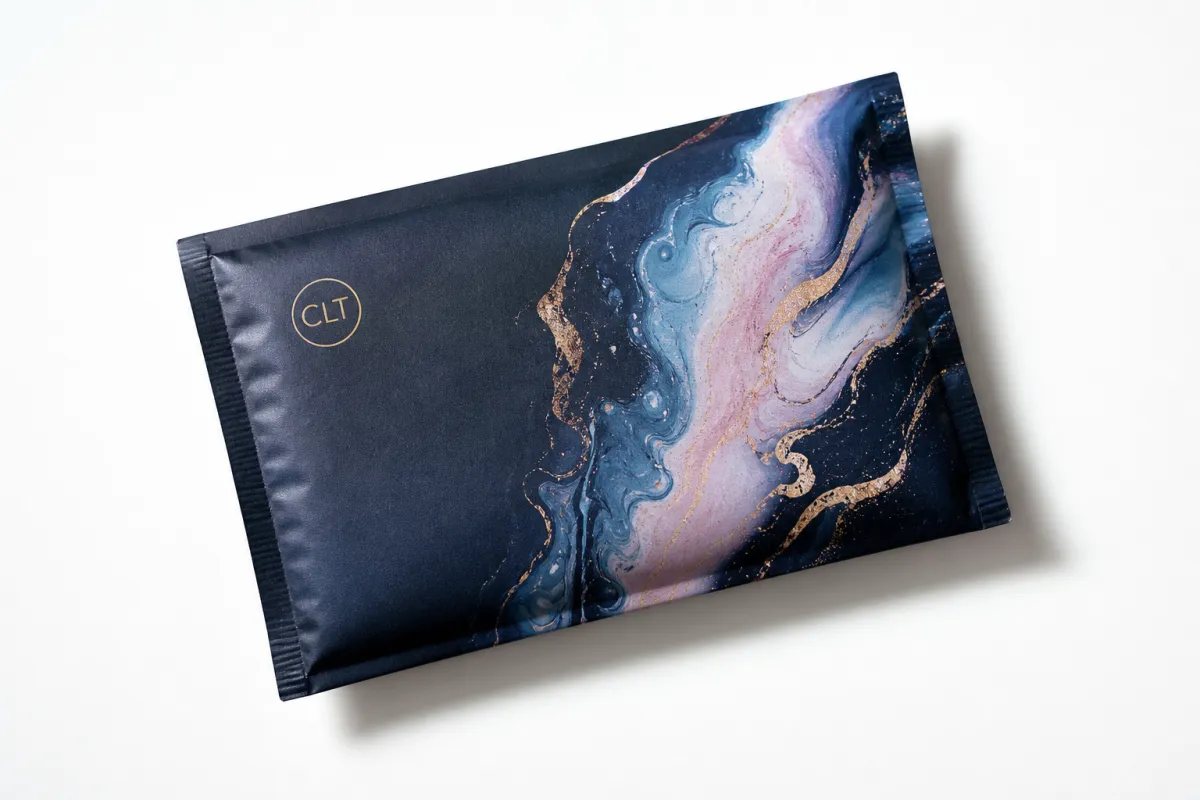
The first thing buyers notice usually has nothing to do with the press. It is the gap between expectation and reality: the same artwork behaves differently on screen and on a physical mailer. On a monitor, a logo can look sharp and saturated. On a package, printed mailers with CMYK printing can read slightly warmer, less electric, or deeper in the shadows depending on the material, coating, and ink load. That variation is normal. It is also the first clue that the substrate matters more than most teams expect.
In practical terms, these are mailers printed with four-color process inks so they can reproduce logos, gradients, illustrations, textures, and photography without building a separate setup for each color. Printed mailers with CMYK printing work especially well for ecommerce brands, subscription boxes, sample kits, product launches, and promotional programs where the outside of the package has to carry part of the brand story. If the package needs to feel like a presentation piece instead of a plain carrier, CMYK usually deserves a serious look.
Buyers often split into two groups. One wants a restrained mailer with a logo, a small pattern, and not much else. The other wants the mailer to behave almost like a storefront panel, with layered graphics and enough visual energy to make the shipment feel intentional. Printed mailers with CMYK printing usually fit the second group better, especially when the design uses multiple colors, gradients, or image work that would be expensive to rebuild as spot colors.
CMYK is still a process system, not a perfect color clone. It can produce excellent full-color art, but exact Pantone-style matching still depends on control, test output, and substrate choice. If a brand color has to be exact across packaging, inserts, and labels, a spot color, a hybrid plan, or a physical proof may be a better route. Printed mailers with CMYK printing can come very close, yet close and identical are not the same thing in production.
The better question is not, “Can it print?” The better question is, “How will it look on this material, at this quantity, with this finish?” That question shifts the conversation from abstract approval to production reality. Printed mailers with CMYK printing reward that mindset, especially when the package sits close to the customer experience or supports a rebrand.
A mailer is more than a shipping shell. It is a print surface, a handling surface, and a first impression at the same time, which is why the artwork has to be judged on the real substrate instead of a bright monitor alone.
How printed mailers with CMYK printing work on press
CMYK stands for cyan, magenta, yellow, and black. Those four process colors are combined in fine dot patterns to build the final image. Arranged correctly, the dots make solid fields, smooth gradients, believable shadows, realistic skin tones, simulated metallic effects, and photographic detail that gives printed mailers with CMYK printing a more finished feel than a single-color package can usually achieve. The idea sounds simple. The discipline behind it is not.
Artwork usually gets separated before press, which means the file is broken into the four channels the press can reproduce. That is where RGB files create trouble. RGB is built for light on a screen, while CMYK is built for ink on a surface. A bright orange or electric blue can look striking in design software and then fall back into a narrower range once converted for production. Rich black builds, transparency settings, overprints, and tiny type all need prepress attention because those details can change the result more than most teams realize. Printed mailers with CMYK printing are only as good as the file setup that feeds the press.
The print technology matters too. Some printed mailers with CMYK printing are produced digitally, which suits shorter runs, fast changeovers, and variable artwork. Others are produced with flexographic presses, which can make more sense at higher quantities and are common on film-based packaging. Offset still has a place in some paper-based structures and insert pieces. A buyer does not need to memorize every machine detail, but it helps to remember that CMYK is a color system, not one single print method.
Substrate selection changes the visual result in a big way. A bright white film or coated sheet usually keeps artwork crisp and vivid. Kraft stock pushes the palette warmer and softer. Soft-touch finishes can reduce contrast a little while adding a premium hand feel. Gloss coatings deepen color and add punch. Uncoated surfaces feel more natural and less reflective, but they rarely deliver the same intensity as a coated sheet. With printed mailers with CMYK printing, the same ink build can look like two different designs depending on the surface underneath.
Proofing and samples matter more than people think
A digital proof is useful, yet it never tells the whole story. A real sample on the intended material shows whether the black is dense enough, whether the gray drifts blue, and whether a brand red turns too orange on the selected film or paper. Printed mailers with CMYK printing benefit from that physical check because the package is a tactile object, not just an image on a screen.
I have seen a sample save a job from a very expensive mistake. The mockup looked clean, but the matte stock absorbed the dark blue enough to make the logo feel muddy under warehouse lighting. A quick substrate change fixed it. That kind of correction is a lot cheaper before the run starts, obviously, and a lot less dramatic than discovering the issue after 8,000 units are stacked in cartons.
For a more technical reference on packaging test and handling standards, groups such as ISTA provide shipping test frameworks that help teams think beyond print alone. If the program also involves recycled content claims or responsible sourcing, FSC is worth reviewing as part of the material conversation. Printed mailers with CMYK printing can look excellent and still fail the wrong shipping test if the structure is not chosen well.
Printed mailers with CMYK printing cost, pricing, and MOQ
Price starts with the obvious variables: size, material, ink coverage, finish, and quantity. The less visible costs arrive next. Proofing, press setup, converting, waste allowance, and any special handling for white ink, lamination, or custom sealing features can move a quote more than buyers expect. Printed mailers with CMYK printing are rarely priced on ink alone; they are priced on the whole path from file prep to packed shipment.
Setup work affects smaller orders the most because the fixed cost is spread over fewer pieces. A 1,000-piece run may require nearly the same prepress attention as a 5,000-piece run, but the cost is divided by a much smaller number of units. That is why printed mailers with CMYK printing can look expensive at low volume and much more efficient once the order grows. The per-piece price usually drops as quantity increases, while the upfront spend rises.
MOQ, or minimum order quantity, depends on the production method and the mailer construction. Digital printing can sometimes support lower minimums, while flexographic printing often fits higher volumes better because its setup economics are different. If the product needs a high-tack seal, a custom size, or extra coating layers, the MOQ can shift again. Asking about MOQ early prevents a design team from building a beautiful package that cannot be ordered at the intended volume. Printed mailers with CMYK printing should be discussed alongside the minimum quantity, not after the artwork is already finished.
A practical way to think about unit cost is simple. Smaller orders carry a heavier share of fixed costs, so each mailer costs more. Larger orders bring the unit price down, but inventory risk grows and cash gets tied up. For many brands, the right answer is not the lowest quote on paper. It is the quote that balances unit price, lead time, freight, and how much stock the warehouse can actually absorb. Printed mailers with CMYK printing are a planning decision as much as a purchasing one.
| Order Size | Typical Unit Price Range | Best Fit | Watch Outs |
|---|---|---|---|
| 1,000 units | $0.42-$0.85 each | Pilot launches, seasonal tests, small ecommerce drops | Setup cost is spread across fewer pieces; proofing matters more |
| 5,000 units | $0.18-$0.32 each | Growing brands, recurring promotions, subscription mailers | Color consistency and stock forecasting become more important |
| 10,000 units | $0.11-$0.24 each | Established programs, national campaigns, steady replenishment | Storage, freight, and cash flow need more planning |
The table is a planning frame, not a fixed rate card, because thickness, coverage, and finishing can move the number quickly. Heavy ink coverage, full flood prints, soft-touch lamination, specialty sealing, or multiple print passes can raise the quote. Printed mailers with CMYK printing also need a freight plan, since a low product price can stop looking attractive once shipping or warehouse handling enters the comparison.
When you ask for a quote, the most useful details are usually the simplest: exact dimensions, material spec, finish, print coverage, quantity, ship-to location, and whether proofing is included. If you already know the target timeline, add that too. If you are comparing Custom Poly Mailers against a paper-based option, ask both vendors to quote on the same assumptions so the numbers are actually comparable. Printed mailers with CMYK printing only make sense as a value comparison when the specs match.
Printed mailers with CMYK printing process and timeline
A clean production schedule usually moves through the same sequence: brief, dieline, artwork check, proof, approval, print, converting or finishing, packing, and shipment. Delays tend to show up at the handoff points. Printed mailers with CMYK printing move fastest when the dieline is already approved, the artwork is press-ready, and the sign-off chain is short. The print run itself is often not the slowest step; the waiting between steps usually is.
For many jobs, the proof stage becomes the critical path. If the proof comes back with a layout correction, a bleed problem, a file conversion issue, or a material swap, the schedule changes immediately. That is why printed mailers with CMYK printing are easier to manage when the brand team and the packaging team agree on the final spec before any files are sent. A small correction on day one is cheap. A correction after the press has started is not.
Typical turnaround is often about 10-15 business days from proof approval for a straightforward order, though larger quantities or more complex finishes can take longer. Rush jobs are possible when the files are already clean and the substrate is in stock, but a rush order with unresolved file issues is where teams run into trouble. Printed mailers with CMYK printing are very manageable on a tight schedule if the prep work is disciplined.
Three factors usually stretch the timeline the most. First, material availability. Second, finishing complexity, especially if the job needs extra print finishing or a special coating step. Third, color-critical approvals, because someone often wants one more review if the brand color is sensitive. Freight distance matters too, especially if the order has to travel far after packing. Printed mailers with CMYK printing are not just a print schedule; they are a supply chain schedule.
If you want the order to stay on track, keep the checklist simple and strict:
- Send the final dieline and final artwork files together.
- Confirm substrate, quantity, and finish before proofing starts.
- Review the proof quickly and return one clear approval or revision list.
- Lock shipping details before production begins.
- Ask whether overage, freight, and packaging for transit are included in the quote.
That approach sounds plain, but plain is what protects schedule. Printed mailers with CMYK printing move best when there is very little ambiguity left in the job ticket by the time the press is ready.
Key material and design factors that change the result
Material choice affects both appearance and performance. Bright white poly usually delivers the cleanest color and the sharpest line detail because the surface keeps process inks vivid. Kraft materials add warmth and a more natural feel, which can be beautiful but will shift the palette. Coated stocks improve image clarity, while recycled-content materials may create a softer, less saturated look that still fits the brand. Printed mailers with CMYK printing are not just about the artwork; they are about how the artwork behaves on the chosen surface.
Finish changes how people read quality with their eyes and hands. Matte surfaces tend to feel restrained and modern. Gloss surfaces read brighter and more reflective, which can help saturated artwork stand out. Soft-touch finishes create a muted, premium feel, though they can soften contrast a little. Uncoated materials feel honest and practical, but they rarely produce the same depth as a coated sheet. If a buyer wants printed mailers with CMYK printing to feel elevated, the finish often does as much work as the artwork itself.
Design choices can help the print or fight it. Small type needs enough contrast and enough size to survive production, especially on textured or recycled stock. Large dark backgrounds can look dramatic, but they demand more ink and tighter control. Barcodes need safe placement so they do not get clipped by folds, seals, or trim. Photos need resolution that holds up to the selected print method, and critical branding should stay well inside safe margins. Printed mailers with CMYK printing reward clean file discipline more than flashy improvisation.
Functional performance deserves equal attention. A mailer that tears too easily can damage the customer experience before the package is even opened. Seal integrity matters if the order will pass through automated sorting or repeated handling. Moisture exposure matters on long routes, summer shipping lanes, and in busy warehouse environments. If the package will be stacked high, packed tightly, or shipped far, the material and closure method need to support that use case. Printed mailers with CMYK printing still have to work as real packaging, not only as a marketing surface.
Sourcing raises its own questions. Recycled content claims should be supported properly, and if the program needs chain-of-custody documentation, buyers should ask early. Food-adjacent, retail, or regulated uses may require different compliance checks depending on the application. For a deeper look at environmental claims and responsible sourcing, the EPA recycling resources and FSC guidance are useful starting points. The best mailer balances visual impact, handling performance, and documented material intent. Printed mailers with CMYK printing can do that well if the spec is built carefully.
Common mistakes when ordering printed mailers with CMYK printing
The most common file-prep mistake is still the most basic one: the art was built in RGB, the bleed was ignored, or a logo sat too close to the edge where trim and sealing can clip it. These errors are easy to miss on a screen and expensive to fix after approval. Printed mailers with CMYK printing need the same production discipline as any packaging format, which means respecting the dieline, the safe zone, and the way the package folds in real life.
Color expectation causes the next problem. Many teams assume a bright Pantone shade will translate exactly through CMYK without any test prints or substrate review. That is rarely how it works. Some colors translate beautifully. Others shift enough to matter, especially reds, deep blues, and highly saturated brand tones. Printed mailers with CMYK printing can get very close, but only if the team accepts that process color is a controlled approximation, not an identical material. If the brand color is sacred, a spot color may be the better decision.
Proof approval is another place where issues hide. A small shade change on a proof can seem harmless until it appears across thousands of units. A black that reads weak on proof often reads even weaker on the finished run if the stock is absorbent or the finish is matte. Shadows can go muddy. Small reverse type can disappear. Once the job is underway, those problems become harder to correct. That is why printed mailers with CMYK printing deserve a proof review from someone who understands both the art and the production impact.
Planning mistakes are just as common. Buyers underestimate MOQ, leave freight out of the budget, or choose a finish that looks great in a mockup but scuffs too easily in transit. Sometimes the cheapest quote excludes artwork support, proofing, or enough overage to cover spoilage and packing loss. In those cases, the low quote is an illusion. Printed mailers with CMYK printing need a full comparison, not a partial one.
The cheapest order is not the best order if it leaves no room for proofing, no room for error, and no room for the realities of production.
One more mistake deserves a mention: not asking how the order will be packed and shipped after production. If the mailers arrive bent, scuffed, or compressed, the print quality becomes almost irrelevant. Printed mailers with CMYK printing should be specified with the same care as the shipping plan, because the package still has to arrive ready to perform.
Expert tips and next steps for printed mailers with CMYK printing
If the goal is a smoother buying process, start with a short list of non-negotiables. Lock the dimensions, confirm the substrate, decide whether you need matte, gloss, or soft-touch, and verify the print method before the quote goes out. Printed mailers with CMYK printing are easiest to source when the spec is clear enough that the vendor is answering one exact question instead of guessing at a moving target.
A sample-first approach is often the smartest path when color matters. A physical sample on the intended material tells a much more honest story than a laptop screen ever can. It shows contrast, finish, opacity, and how the process colors behave under real light. For new packaging programs, printed mailers with CMYK printing often benefit from a sample or pilot run before the full rollout, especially if the brand has never seen its artwork on that substrate before.
Compare quotes carefully and make sure the assumptions match. Two quotes can look similar on price while hiding different material thicknesses, different finishing allowances, different proofing steps, or different freight terms. Ask each supplier to spell out whether the price includes artwork checks, sample approval, overage, packing method, and shipping destination. Printed mailers with CMYK printing are only easy to compare when the input variables are the same.
A small pilot run is smart for seasonal packaging, a rebrand, or a new ecommerce offer. It gives the team a chance to inspect how the mailer behaves in real shipping conditions, how the print holds up after packing, and whether the customer-facing side feels right in hand. Printed mailers with CMYK printing can look excellent in a proof and still need one practical adjustment after a real-world test, and that is a normal part of good packaging development.
Here is a simple buyer checklist that keeps the process grounded:
- Send the dieline, final artwork, and brand color references together.
- Ask for the exact substrate and finish in writing.
- Confirm MOQ, setup charges, and freight terms before approval.
- Request a physical sample if color or finish is important.
- Approach the first run as a controlled test if the program is new.
If you are reviewing a new mailer program with your packaging partner, ask for the same assumptions in every quote and compare the production details line by line. That discipline protects margin, schedule, and brand consistency. Printed mailers with CMYK printing can be a very clean solution for ecommerce and subscription packaging, as long as the art, material, and production method are aligned from the start.
For teams that want a broader view of packaging options, Custom Packaging Products can help frame where mailers fit in the larger shipping strategy. For teams that need capability context, Manufacturing Capabilities is a useful place to check process fit before asking for a sample or quote. If you want printed mailers with CMYK printing to look good, ship well, and stay inside budget, the smartest move is to treat the specification as a production tool, not just a design choice.
Printed mailers with CMYK printing work best when the buyer respects the limits of process color, chooses the right substrate, and keeps the approval path tight. The result is a package that looks deliberate in the mailbox, feels credible in the hand, and survives the actual work of shipping.
Before approving a full run, lock three things in writing: the substrate, the finish, and the physical proof. That single step catches most of the color drift and handling surprises that turn a good concept into a costly reprint, and it is gonna save a lot of back-and-forth later.
Are printed mailers with CMYK printing good for short runs?
Yes, especially when the order needs full-color graphics but not a huge volume. Process printing can avoid the cost of a custom spot color setup, and printed mailers with CMYK printing often make the most sense for pilot programs, niche product drops, and seasonal campaigns. The tradeoff is that smaller runs usually carry a higher unit cost, so it helps to ask about MOQ, proofing, and setup charges before the artwork is finalized.
How close can CMYK get to my brand colors on printed mailers?
CMYK can get very close for many brand shades, but the final result depends on the substrate, ink coverage, and the color build used in the file. Printed mailers with CMYK printing are usually strongest on bright white, smooth materials, while kraft or recycled surfaces can warm the tone and soften the contrast. If the brand color is critical, a physical proof or a spot color plan may be the safer route.
What material shows CMYK art best on printed mailers?
Bright white, smooth materials usually give the cleanest color and the sharpest detail because they let the process inks stay vivid and consistent. Printed mailers with CMYK printing can still look very good on kraft or recycled surfaces, but the image will usually read warmer, less saturated, and a bit more natural. That is not a flaw; it is just the character of the substrate showing through.
How long does production usually take for printed mailers?
The schedule depends on proofing, material availability, quantity, and the print method, but the approval stage often determines whether the job stays on track. Printed mailers with CMYK printing can move fairly quickly when the dieline is approved and the files are press-ready, yet delays appear fast if the artwork still needs cleanup or the finish has not been locked down.
What should I send to get an accurate quote for printed mailers with CMYK printing?
Send the size, quantity, material preference, finish, print coverage, shipping destination, and the current artwork file or dieline. If you already know them, include your target timeline, storage needs, and whether you need help with proofing or color matching. The more complete the spec, the easier it is to price printed mailers with CMYK printing accurately the first time.


