Buyer Fit Snapshot
| Best fit | Printed Paper Mailers Price for Sustainable Brands projects where brand print, material claims, artwork control, MOQ, and repeat-order consistency need to be specified before quoting. |
|---|---|
| Quote inputs | Share finished size, material target, print colors, finish, packing count, annual reorder estimate, ship-to region, and any compliance wording. |
| Proofing check | Approve dieline scale, logo placement, barcode or warning zones, color tolerance, closure strength, and carton packing before bulk production. |
| Main risk | Vague material claims, crowded artwork, missing packing details, or unclear freight terms can make a low unit price expensive after revisions. |
Fast answer: Printed Paper Mailers Price for Sustainable Brands: Film, Print, MOQ, and Carton Packing should be specified like a repeatable production item. The safest quote records material, print method, finish, artwork proof, packing count, and reorder notes in one written spec.
Production checks before approval
Compare the actual filled-product size with the drawing, then confirm tolerance on folds, seals, hang holes, label areas, and retail display edges. Reserve space for logos, QR codes, warning copy, and material claims before decorative graphics fill the panel.
Quote comparison points
Review material grade, print process, finish, sampling route, tooling charges, carton quantity, and freight assumptions side by side. A quote is only useful when the supplier can repeat the same color, closure quality, and packing count on the next order.
For brands trying to control shipping costs without flattening the customer experience, a printed paper mailers price guide is more than a budgeting tool. It reveals where packaging spend hides, which is usually not where first-time buyers expect. A custom paper mailer can replace separate labels, inserts, and some of the labor tied to multi-piece packing, so the lowest unit price on a stock mailer rarely tells the full story.
The best purchase usually sits where material cost, pack-out speed, damage risk, and brand impact overlap. That is the lens used here: realistic pricing ranges, MOQ thresholds that show up in actual quotes, material choices with consequences, and the variables that shift the final number. If you are comparing options across Custom Packaging Products or weighing a move from plastic to paper, these details should make the budget conversation much clearer.
Why Printed Paper Mailers Often Beat Stock Options
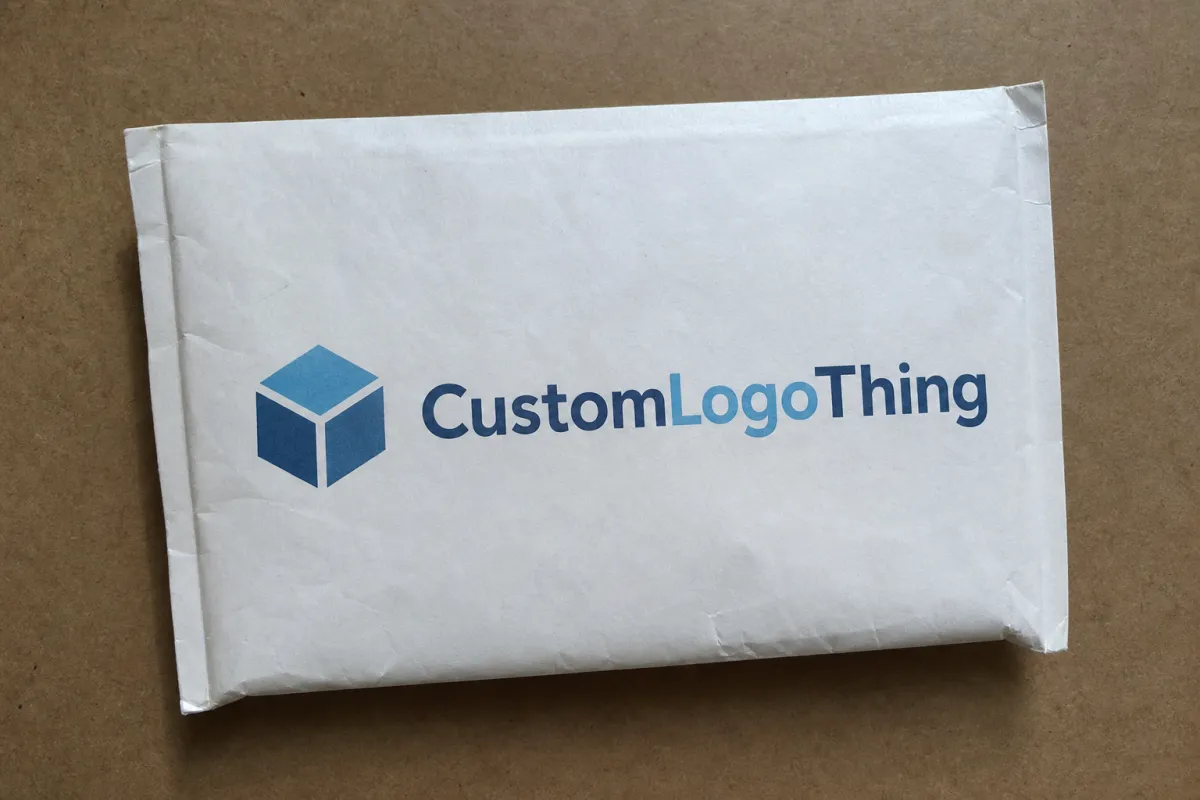
Stock mailers can look cheaper on paper. Sometimes they are. The invoice, though, is only one layer of the cost. A plain mailer can still leave you paying for secondary labels, brand stickers, extra inserts, void fill, and the labor to apply each of them. Add those pieces together and a custom-printed paper mailer can end up closer to the real budget than the first quote suggested.
That matters because packaging is doing three jobs at once. It protects the product, carries the brand, and gives the customer a signal before the parcel is opened. A printed paper mailer rolls those functions into one component. For apparel, accessories, subscription items, and small non-fragile goods, that consolidation often simplifies the operation more than it raises the cost.
There is also a sustainability angle that buyers now have to explain clearly to finance teams. Paper-based mailers can support recyclable packaging goals, and many brands ask for FSC-certified paper or recycled content to match procurement standards. The EPA's Sustainable Materials Management resources help frame waste-reduction tradeoffs, while the FSC explains chain-of-custody and responsible sourcing for paper products at fsc.org and broader materials thinking at epa.gov.
The comparison that matters is not paper mailer versus nothing. It is paper mailer versus the full current pack-out: label stock, branded tape, sticker application, insert handling, and damage replacement. A branded mailer can reduce SKUs in the packing area. That sounds minor until a team measures labor by the hour and sees how often a few extra seconds per order turns into real money.
Practical takeaway: compare a printed paper mailer against the complete pack-out cost, not the mailer price alone. Labor, rework, and packaging touches often decide the winner.
If you are also comparing formats, put the paper mailer beside a pouch or a poly alternative and inspect the differences line by line. A Custom Poly Mailers quote may run lower for certain lightweight shipments, yet paper can win on presentation, recyclability messaging, and fewer pack-out steps. Product weight, surface sensitivity, and the shipping environment decide the outcome more often than preference does.
Product Details: What Printed Paper Mailers Actually Include
Printed paper mailers are lightweight shipping mailers made from paper-based substrates for e-commerce, apparel, subscription kits, cosmetics, and other small goods. They are usually specified for products that do not need the crush resistance of a corrugated box, yet still need a clean branded exterior and enough stiffness to survive normal parcel handling.
The construction choices matter more than many first-time buyers expect. A typical custom paper mailer might use kraft paper, recycled paper content, or a blended paper stock with a reinforcing layer for strength. Many versions include self-seal closures, tear strips, and reinforced seams to reduce failure during transit. Some also include water-based coatings or liners if the shipping lane has light moisture exposure, although that can affect recyclability claims depending on the build and local recovery stream.
Print methods vary by artwork complexity and quantity. A one-color logo can be efficient for simple branding and low-contrast designs. Spot color adds clarity when a brand uses a strict identity palette. Full-wrap branding increases visual impact but also raises ink coverage, setup time, and proofing scrutiny. If the artwork contains fine lines, small type, or gradient-heavy graphics, the production team usually needs tighter file control to keep the result clean.
Where paper mailers fit best
They are a strong fit for:
- Apparel and soft goods that do not need rigid crush protection.
- Subscriptions, influencer kits, and direct-to-consumer orders where presentation matters.
- Flat or moderately flexible items such as books, accessories, and folded textiles.
- Brands trying to reduce mixed-material packaging and simplify consumer disposal.
They are not always the right choice for glass, heavy metal items, sharp-edged products, or anything vulnerable to puncture or heavy compression. If the contents can shift too much or need structural protection, a carton may be the better packaging format. That is not a branding issue; it is an engineering one.
A useful way to think about the product is this: the mailer is both a shipping container and a marketing surface. That dual role is what makes customization valuable. A blank shipping sleeve can move the parcel, but a printed paper mailer can also carry order themes, recycling instructions, QR codes, or a short brand statement without adding another component to the pack-out.
For teams that have only used plain packaging, the first sample often changes the conversation. A clothing brand moving from poly to paper may discover that a lighter paper build is enough once product folding is tightened. A cosmetics brand, on the other hand, may find that the outer mailer is only one part of the protection system and that an internal insert is still required. The right answer depends on the shipment, not the trend.
Specifications Buyers Should Compare Before They Quote
Before requesting a quote, procurement teams should lock down the spec sheet. That one step keeps apples-to-oranges pricing out of the process and makes supplier answers easier to compare. The most important fields are dimensions, paper weight, closure style, print coverage, and sustainability requirements such as recycled content or FSC certification. If one supplier is quoting a 9 x 12 mailer and another is quoting an 11 x 14 mailer, the numbers are not directly comparable.
Size is usually the first cost driver. Oversizing increases paper use, freight weight, and storage volume. Undersizing may force packers to fight the product into the mailer, which slows throughput and raises damage risk. The best fit leaves enough room for efficient insertion but not so much extra space that the package becomes loose and inefficient.
Basis weight or GSM is the second major variable. Heavier paper typically improves tear resistance and handling confidence, but it also raises cost. For some product categories, a moderate GSM with a reinforced seam can outperform a heavier unreinforced build. The thickest option is not automatically the smartest one.
Print coverage changes both appearance and pricing. A small logo in one location is simpler than a full-bleed print across multiple panels. Full coverage may also require additional production control for color consistency, especially when a brand uses a custom Pantone match. If your design is mostly white space with a clean logo, the production path is usually easier and more economical than a complex illustration that wraps every side.
Seal style affects labor and customer experience. A self-seal adhesive strip is standard for many e-commerce applications because it speeds pack-out. Tear strips can improve openability. Some teams ask for dual adhesive features, but that can add cost and may not be necessary unless the shipping profile or return use case demands it.
Paper sourcing matters when the brand needs compliance language. Recycled content, FSC-certified paper, and water-based inks are common request points. Buyers should ask suppliers how those claims are documented, because sustainability statements need to be defensible, not decorative.
For technical review, line thickness, safe zones, and edge bleed deserve real attention. Small details near seams, folds, or adhesive areas can disappear or distort if they sit too close to an edge. Fine reversed text can fill in if ink coverage is too heavy. That is why art review matters as much as the substrate itself.
Quick quote checklist
- Final flat dimensions and target product dimensions.
- Paper type, GSM, and whether recycled or FSC-certified content is required.
- Closure style, tear strip preference, and any tamper features.
- Print method, number of colors, and whether the design is one-side or full-wrap.
- Quantity, reorder cadence, and expected monthly usage.
- Destination ZIP or delivery location for freight calculations.
Buyers who send all six items up front usually get cleaner pricing and fewer revisions. That is especially useful for brands that want a realistic budget before committing to a pilot order or a larger conversion. It also helps suppliers tell you where the quote is sensitive, which is often more useful than a polished number with no context.
Printed Paper Mailers Price Guide: What Actually Moves the Number
The printed paper mailers price guide starts with one simple truth: unit price is shaped by how many pieces you buy, how much ink you print, and how much finishing the mailer requires. Size, paper grade, print coverage, number of sides printed, and shipping destination are the main cost levers. The quote can shift quickly if any of those variables changes.
For low quantities, setup cost carries more weight because press time, file prep, and proofing are spread across fewer units. As volume rises, the unit price usually falls. That is why a run of 1,000 mailers can look expensive on a per-piece basis while a 10,000-piece order looks far more efficient. The exact break point depends on substrate and print complexity, but the pattern holds.
Below is a practical comparison to help buyers frame conversations with suppliers. These numbers are broad planning ranges, not fixed offers. Final pricing depends on dimensions, artwork, paper stock, coating, and freight.
| Order Profile | Typical Use Case | Indicative Unit Price Range | Notes |
|---|---|---|---|
| Small pilot run, 1,000-2,500 units | New launches, limited drops, regional testing | $0.55-$1.10 per unit | Setup and proofing carry more weight; best for testing artwork and fit. |
| Mid-volume run, 5,000-10,000 units | Growing DTC brands, seasonal replenishment | $0.28-$0.60 per unit | Often the sweet spot for balancing cost, branding, and storage. |
| Higher-volume run, 20,000+ units | Established programs, stable demand | $0.18-$0.42 per unit | Better economics, but artwork and forecasting need to be stable. |
| Complex print or specialty finish | High brand impact, premium launches | +$0.05-$0.20 per unit above base | Full coverage, custom coatings, or special inks add cost quickly. |
These ranges help buyers avoid false comparisons. If one supplier quotes a low base price but excludes proofing, freight, or finishing, that quote can be more expensive than it first appears. A serious printed paper mailers price guide should separate unit price from setup charges, tooling, freight, and any rush fees. If those elements are blended together, the real landed cost gets cloudy.
MOQ is another place where pricing can mislead. Lower minimums are available in many cases, but the unit cost usually rises because fixed setup expenses are spread across fewer pieces. That does not make lower MOQs bad. It makes them useful for pilots, artwork validation, and market tests. The mistake is treating pilot pricing as if it were production pricing.
For practical budgeting, many brands use two reference points: a test order and a production reprint. The test order confirms fit, color, and handling. The production reprint confirms whether the spec scales efficiently at the expected monthly run rate. This two-step approach often saves more money than chasing the cheapest first quote.
Another variable that buyers often underestimate is procurement timing. Prices can move with paper markets, resin costs for liners or adhesives, and freight capacity. A quote issued in one month may not hold forever if raw material pricing changes or if the order is delayed long enough to require revalidation. That does not mean suppliers are being vague. It means packaging is still tied to moving inputs.
What usually raises the quote
- Larger dimensions or non-standard sizes.
- Heavier paper or higher recycled-content requirements.
- Full-bleed artwork, more print colors, or print on multiple panels.
- Special closures, tear strips, or reinforced features.
- Compressed lead times or expedited freight.
One more detail buyers often miss: landing cost. A per-unit quote can look attractive until freight, warehousing, and damage risk are added. If your current packaging causes more rewraps, more returns, or more shipping exceptions, the comparison is incomplete. The better question is not “What is the cheapest mailer?” but “What is the lowest-cost system for the order profile we actually ship?”
That distinction matters in real operations. A merchant shipping 300 orders a week can absorb a slightly higher mailer price if the print reduces handling steps. A larger brand shipping into multiple fulfillment centers may care more about carton density, pallet configuration, and freight class than a few cents on the mailer itself. The right answer changes with scale.
Process and Timeline: From Artwork to Delivery
A clean production process keeps packaging on schedule. The first step is the brief: dimensions, quantity, paper target, print needs, and destination. Once that is settled, the supplier confirms the dieline or the custom size spec so the artwork can be built against the actual construction. Skipping that step is where many jobs start drifting.
After the size is locked, artwork prep begins. Good files are built at the right resolution, with correct color values and safe zones around folds, seams, and adhesive areas. Low-resolution logos, missing fonts, and image-heavy files without proper setup can slow approval. The file may still be usable, but the revision cycle gets longer.
Proofing is where the project either stays efficient or slides. A digital proof checks layout and content; a physical sample may be useful if the project uses a specific paper feel, unusual print coverage, or a demanding brand palette. Once the proof is approved, manufacturing moves forward. If a buyer changes the art after sign-off, the schedule changes with it. That pattern shows up across the packaging sector, not just paper mailers.
A realistic timeline depends on complexity:
- Simple stock-size, low-color jobs: often around 10-15 business days after approval.
- Custom sizes or moderate print coverage: often 12-18 business days after approval.
- Complex builds, specialty papers, or large orders: can stretch beyond that depending on factory capacity and freight routing.
Those are planning ranges, not promises. The important point is that approval speed matters more than many buyers expect. If the internal decision-maker is slow to review proofs, production cannot begin. That is why a single sign-off owner, a complete file handoff, and a clear ship-to address often shorten the total project more than any supplier promise does.
If the shipment is going into a fulfillment center, verify labeling and receiving rules before the order starts. A packaging project can be delayed by something as small as an incorrect pallet requirement or a missing appointment booking reference. For Brands That Ship into multiple nodes, consistency matters. Reorders should match the same spec unless there is a deliberate change request.
For compliance-minded teams, it is also worth checking whether the mailer needs any test standards or transport validation. Not every paper mailer needs formal drop testing, but the shipping lane, product fragility, and parcel weight should guide the decision. Industry resources from ISTA and packaging groups such as packaging.org can help frame that conversation if the shipment category is sensitive or high-value.
One practical rule helps here: if the mailer is expected to replace a box, test it like a box. If it is only replacing a soft pack or an unprinted sleeve, the test standard can be lighter. That is not a universal rule, but it keeps teams from over-testing simple jobs or under-testing risky ones.
Why Choose Custom Logo Things for Printed Paper Mailers
Custom Logo Things earns the conversation by staying close to the practical side of packaging instead of inflating the pitch. That matters because a good quote is not just a number; it is a recommendation that fits the product, the shipper's budget, and the brand's operational reality. The wrong spec can waste money in the warehouse. The right one can reduce labor and improve presentation at the same time.
For buyers, the value is in the guidance. A packaging partner should be able to tell you whether a lighter paper grade is enough, whether a full-wrap design is worth the added cost, and whether your current dimensions are oversized for the product. That kind of feedback is often what keeps a project from becoming overbuilt.
Printed mailers also need production discipline. Repeat orders should match the approved spec closely, or the brand will see color drift, closure inconsistency, or fit issues from one batch to the next. Reliable communication during proofing and production is not a luxury. It is how brands avoid surprise shortages and keep fulfillment teams on schedule.
Custom Logo Things also sits in a useful middle ground between sustainability goals and commercial reality. Many brands want paper-based packaging, but they still have to control cost, protect merchandise, and keep order fulfillment fast. A well-chosen paper mailer can support that balance. It does not need to be the most elaborate package to deliver the brand message. It needs to fit the operation.
The same logic applies across other packaging categories. Whether a team is reviewing branded paper mailers, cartons, or Custom Poly Mailers, the best decision usually comes from comparing actual shipping behavior, not abstract preference. That is why detailed quoting, clear specs, and production transparency matter so much.
There is also a procurement benefit. A clear quote structure helps finance teams see what they are paying for: material, print, setup, and freight. It also helps operations teams plan inventory levels around the actual replenishment rhythm. That reduces emergency buys, which are expensive in any packaging category.
In practice, the strongest packaging partners are the ones that ask uncomfortable questions early. Do you really need full coverage? Is the product dense enough for this mailer? Will the customer reuse the package or discard it immediately? Those questions can feel small during sourcing, but they prevent expensive mistakes later.
Next Steps: Get an Accurate Printed Paper Mailers Quote
If you want a quote that is useful on day one, start with the details that move pricing the most: size, quantity, paper type, print coverage, coating or liner needs, and delivery timing. The more complete the brief, the fewer revisions the quote will need. A supplier can price a concept, but it will not be a reliable budget until the spec is clear.
Send the logo files, product dimensions, monthly volume estimate, and any sustainability requirements such as recycled content or FSC certification. If the product is fragile, include that too. Fragility affects construction, which affects cost, which affects whether the mailer is even the right format in the first place.
For a clean decision path, ask for one test quote against your current packaging spec, then compare the landed cost with your present mailer or carton system. If the numbers make sense, move to a sample or proof before approving production. That sequence protects both the brand and the budget.
Used well, a printed paper mailers price guide is not about chasing the cheapest option. It is about choosing the spec that fits the product, the brand, and the packing line with the fewest hidden costs. The clearest action is also the simplest: request one apples-to-apples landed-cost quote that includes freight, proofing, and the exact dimensions you ship today. If that number is lower than your current total pack-out cost, you have a real case for switching; if it is not, you still have a cleaner baseline for the next round.
FAQ
What affects printed paper mailers price the most?
Size, paper grade, and print coverage usually move the price more than anything else. MOQ also matters because setup costs are spread across fewer or more units, and shipping or rush timing can change the landed cost enough to affect the final decision.
What is a realistic MOQ for printed paper mailers?
MOQ depends on print method, size, and substrate, but custom runs often start higher than stock mailers. Lower MOQs are possible, yet the unit price is usually higher because setup and press time are spread across fewer pieces. If you need repeated replenishment, ask for both a pilot run and a reprint quote.
How do I compare printed paper mailers quotes fairly?
Compare unit cost, setup charges, freight, and proofing fees on the same spec sheet. Make sure each supplier is quoting the same size, paper weight, print coverage, and closure style. Check whether the quote includes samples, overages, or any packaging assembly.
Can printed paper mailers work for fragile products?
Yes, but only if the product dimensions and protection level match the mailer construction. Heavier or fragile items may need inserts, reinforcement, or a different packaging format. Test ship a small batch before committing to a full order.
How long does production usually take after approval?
Simple orders generally move faster than custom sizes or complex print coverage. Approval speed and file readiness have a bigger impact on turnaround than many buyers expect. Ask for a written timeline that includes proofing, production, and freight transit.
Is a paper mailer always cheaper than a poly mailer?
No. Poly mailers can be less expensive in some specs, especially for lightweight, low-decoration shipments. Paper mailers can still win on presentation, sustainability goals, and labor reduction, so the right choice depends on the full shipping system, not a single line item.