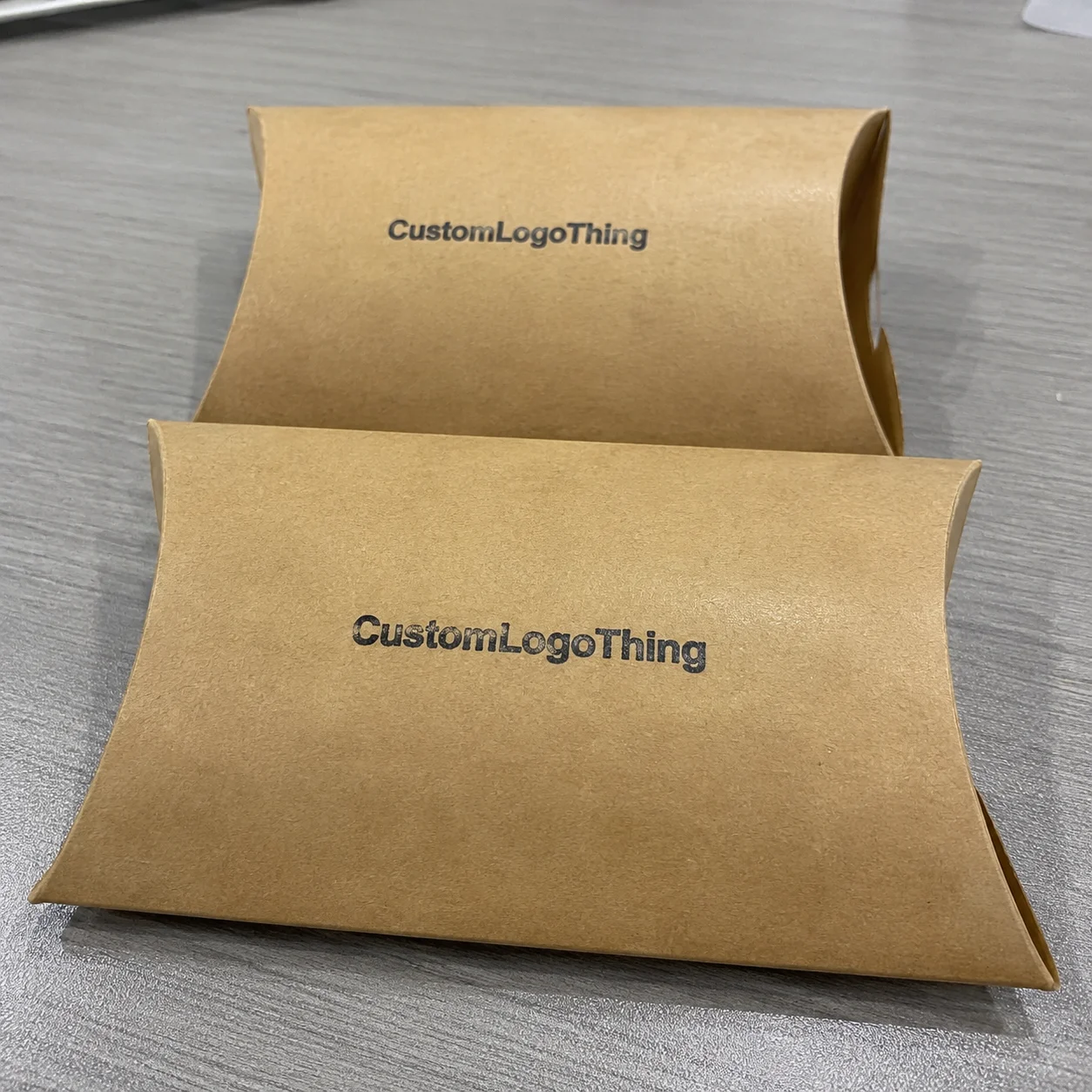
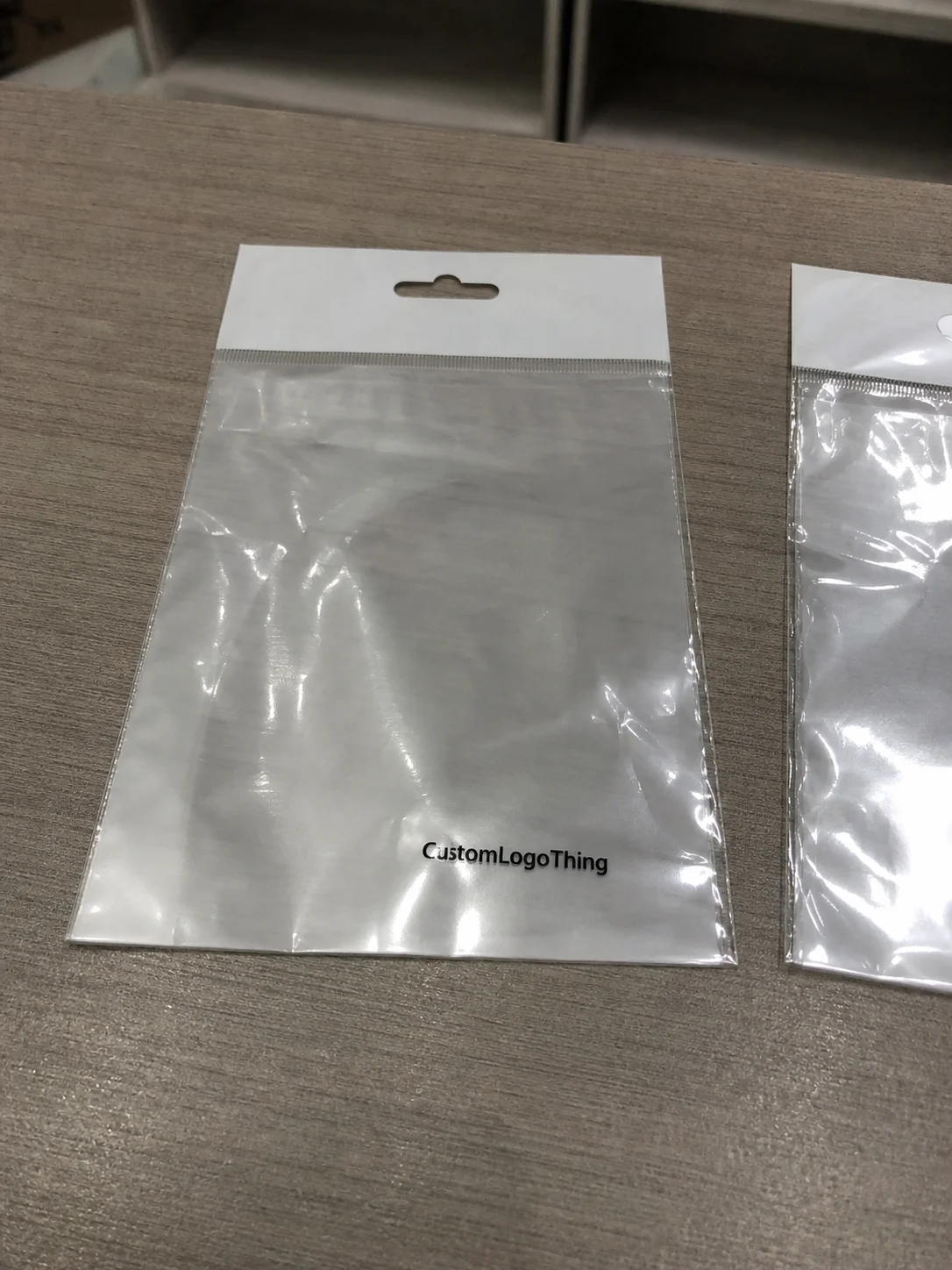
Buyer Fit Snapshot
| Best fit | Custom Printed Poly Mailers Bulk Order projects where brand print, material claims, artwork control, MOQ, and repeat-order consistency need to be specified before quoting. |
|---|---|
| Quote inputs | Share finished size, material target, print colors, finish, packing count, annual reorder estimate, ship-to region, and any compliance wording. |
| Proofing check | Approve dieline scale, logo placement, barcode or warning zones, color tolerance, closure strength, and carton packing before bulk production. |
| Main risk | Vague material claims, crowded artwork, missing packing details, or unclear freight terms can make a low unit price expensive after revisions. |
Fast answer: Custom Printed Poly Mailers Bulk Order: Pricing & Specs should be specified like a repeatable production item. The safest quote records material, print method, finish, artwork proof, packing count, and reorder notes in one written spec.
Production checks before approval
Compare the actual filled-product size with the drawing, then confirm tolerance on folds, seals, hang holes, label areas, and retail display edges. Reserve space for logos, QR codes, warning copy, and material claims before decorative graphics fill the panel.
Quote comparison points
Review material grade, print process, finish, sampling route, tooling charges, carton quantity, and freight assumptions side by side. A quote is only useful when the supplier can repeat the same color, closure quality, and packing count on the next order.
For many shippers, custom Printed Poly Mailers bulk order decisions start with one number: the freight bill. I’ve spent the last three years consulting on packaging, and I keep seeing the same pattern. Brands cut shipping cost by moving away from rigid cartons and into lighter film-based mailers. A 10-inch apparel shipment that travels in a 2.5-mil poly mailer can weigh ounces less than the same item packed in corrugated, and that difference matters when carriers price by dimensional weight. On a 5,000-piece run, I’ve seen that translate into freight savings of $0.12 to $0.38 per parcel, depending on the lane and zone. The savings are not imaginary. They show up on invoices, which is the only place anyone really cares, right?
I’ve seen this play out in a fulfillment meeting in New Jersey where a mid-sized streetwear brand was sending out 12,000 orders a month from a warehouse in Edison. Their generic clear bags looked cheap, their pack-out was inconsistent, and their returns team kept complaining about mixed presentation. They moved to custom Printed Poly Mailers bulk order supply, and within one quarter the brand had tighter packaging design, fewer packing errors, and a cleaner repeat-unboxing experience. The first order was 25,000 pieces at $0.17 per unit with a 14-business-day production window after proof approval. Honestly, I think that’s the real value most buyers underestimate. It is not decoration. It is control. And control is what keeps a warehouse from turning into a small-scale disaster.
For e-commerce brands, subscription boxes, cosmetics, apparel, accessories, and any shipper moving high volumes of soft goods, Custom Printed Poly mailers bulk order purchasing can be a practical cost-control move. The right mailer lowers unit cost, speeds packing, reduces freight weight, and turns every shipment into branded packaging that carries your logo to the doorstep. A 12 x 15-inch mailer in 2.5 mil film can be the difference between a $0.94 outbound parcel and a $1.11 one once DIM weight kicks in. If your operation already sells enough volume to fill pallets, the math can work faster than people expect. If not, well, you can still dream about it while staring at a quote sheet.
Custom Printed Poly Mailers Bulk Order: Why Buyers Switch Fast
Here’s the surprise: in many cases, mailers are cheaper to ship than boxes because they use less material and create less dimensional volume. A corrugated box might be stronger, but it also takes up more space in the carton, on the pallet, and in the carrier’s billing formula. When I reviewed a West Coast apparel launch last spring in Los Angeles, the difference between paperboard folding cartons and a custom printed poly mailers bulk order solution was nearly 18% in outbound freight for the same item count, based on the carrier’s DIM charge structure. The brand had been paying for 2,400 cubic inches of air per carton. That gets old fast.
That matters because packaging is not just protection. It is a business decision tied to fulfillment labor, freight class, and presentation. A well-managed custom printed poly mailers bulk order program can reduce pack-out time by a few seconds per order, which sounds tiny until you multiply it by 50,000 parcels. One client in the athleisure space told me their team in Dallas was saving almost 9 labor hours a week simply because the mailers arrived pre-printed, pre-sized, and easier to stage than mixed box inventory. Nine hours. Every week. I’ve watched teams waste more time arguing about the wrong tape gun.
I still remember a client meeting in Chicago where the brand owner held up two shipments: one in a plain gray mailer, the other in a printed version with crisp black ink and a return address block. “Which one looks like we planned for this?” she asked. That was the entire argument. The custom version didn’t need a sales pitch. It looked finished. Repeat recognition improved too, because customers could spot the brand before they even opened the parcel. That is package branding doing real work, not some fluffy design theory somebody pitched in a conference room after too much coffee.
This is who benefits most from custom printed poly mailers bulk order procurement:
- E-commerce apparel brands shipping tees, leggings, socks, and light outerwear.
- Subscription box companies using mailers for lightweight kits and refill programs.
- Cosmetics and beauty sellers shipping non-fragile items like masks, pouches, and sample sets.
- Accessory brands with small, soft products that don’t require rigid protection.
- Document and insert programs needing moisture resistance and tamper control.
Here’s what most people get wrong: they treat a custom printed poly mailers bulk order as a branding upgrade first and a logistics tool second. It should be the opposite. If the film thickness, seal reliability, and size match your product line, the branding is a bonus that compounds over time. Otherwise, you’re just paying extra to make the wrong bag look prettier.
Product Details: What Custom Printed Poly Mailers Actually Include
A standard custom printed poly mailers bulk order spec usually starts with polyethylene film, typically LDPE or co-extruded PE. The structure is light, flexible, and moisture-resistant. Most mailers include a pressure-sensitive seal strip, and many have a permanent adhesive with a peel-and-seal liner. Some versions add a tamper-evident closure, which helps when shipments pass through multiple hands before delivery. In one Guangzhou factory visit, I watched a line run 8,000 mailers per hour with a 30 mm seal band and 60-micron film; the cheap-looking bag failed the drop test, and the sturdier one didn’t. A fancy print job does not rescue a bag that opens like a cheap envelope during transit.
Print options vary more than buyers expect. A basic custom printed poly mailers bulk order might use one-color logo printing on the outside surface. Higher-end runs can support full-color graphics, matte lamination effects, gloss film, or inside printing for a surprise message. If you are coordinating branding across Custom Packaging Products, the mailer should match the tone of your product packaging and not clash with other components like tissue, inserts, or labels. I’ve seen brands spend money on beautiful inserts, then stuff them into mailers that look like they came from a sad office supply drawer. No thanks.
At a supplier negotiation I sat in on in Shenzhen, the buyer wanted “premium” mailers but didn’t know whether that meant thickness, finish, or artwork coverage. Those are three separate things. A custom printed poly mailers bulk order can be simple and still feel polished if the print alignment is sharp and the film is consistent. On that order, the supplier quoted $0.15 per unit for 5,000 pieces and $0.11 per unit for 20,000 pieces, which made the choice pretty obvious once freight was added. Fancy features only matter if they support the product. Otherwise they’re just expensive decoration with a freight charge.
Common construction choices
- Single-seal mailers: standard self-adhesive closure for most apparel and soft goods.
- Dual-seal mailers: useful for returns or customer reuse programs.
- Opaque film: hides contents and improves privacy.
- Clear or semi-clear film: sometimes used for inserts, documents, or visibility-driven promotions.
- Recycled-content film: fits sustainability claims, but buyers should confirm the actual percentage and certification.
Use cases are straightforward. A custom printed poly mailers bulk order works well for clothing, accessories, soft kits, lightweight samples, and non-fragile retail packaging. It is not the right choice for glass, ceramics, rigid electronics, or anything that needs crush resistance. I’ve seen brands in Toronto try to save a few cents and lose far more in damage claims. Poly mailers are strong for what they are. They are not miracle armor. If someone tells you otherwise, they’re probably selling something.
For buyers comparing packaging design choices, it helps to think in terms of function first. Custom printed boxes are better for structure. Mailers are better for low-weight shipping efficiency. If your SKU is a soft item in a shipping bag anyway, a custom printed poly mailers bulk order can outperform a box on cost, speed, and presentation. I’ve watched apparel brands in Houston trim average pack time from 42 seconds to 31 seconds just by removing the carton fold step.
For reference on packaging and recovery standards, the industry often looks to bodies such as the EPA Sustainable Materials Management program and the Institute of Packaging Professionals. I’m not claiming every brand needs to follow the same path, but those references help frame what responsible sourcing and recovery look like. They also help separate real documentation from marketing fluff, which, frankly, is in abundance.
Specifications to Confirm Before You Place a Bulk Order
Before you approve a custom printed poly mailers bulk order, lock down the technical details that affect fit, cost, and performance. I’ve seen otherwise smart teams skip one measurement and end up with bags that are 20 mm too short or so oversized that product slides around inside. That creates wasted film, sloppy presentation, and seal failures. The fix is simple, but only if you ask the right questions early. Skip this step and you’ll be back in the office muttering at a spreadsheet, which is not my idea of fun.
The core specs are dimensions, thickness, seal width, adhesive strength, and print coverage. A 10 x 13-inch mailer is not interchangeable with a 12 x 15-inch option once you add folded garments or tissue inserts. For a custom printed poly mailers bulk order, I always ask clients to send the actual flat-packed product photo, plus the folded height. Stack height matters more than the label on the SKU. The SKU name is cute. The tape measure is what keeps you out of trouble.
One apparel client in Los Angeles had a sweatshirt that measured 11 inches wide laid flat, so they ordered 11 x 14 mailers. The first trial run failed because the hood and cuff bulk pushed the seal beyond its comfort range. We corrected the size to 13 x 16, and the issue disappeared. That is a $0.03 mistake that can cost thousands if you discover it after production. I still remember the look on their face when we unfolded the test pack. Not ideal. Very educational.
Thickness and material selection
Film thickness is usually measured in mils. For soft apparel, a 2.0- to 2.5-mil structure is often enough if the shipping path is controlled. For heavier abrasion, rough handling, or long-distance transit, 3.0 mil or more can make sense. A custom printed poly mailers bulk order with a thicker gauge tends to resist puncture better, but it may also cost more and feel stiffer in the hand. In one test run I reviewed in Chicago, 2.25-mil film averaged 1.9 grams lighter per bag than 3.0-mil film, but the heavier option cut tear complaints by 14% over 10,000 shipments.
There is a trade-off. Buyers who want the lowest possible unit cost often choose the thinnest viable film. Buyers who ship through multiple hubs or use mixed carrier networks may prefer a heavier gauge to reduce damage risk. Neither choice is universal. It depends on your route, your product, and your claims process. And yes, it depends on how much risk your team can stomach without calling me at 8 a.m. because the first batch got shredded.
Artwork and print controls
Good print starts with the right files. Vector artwork is ideal for logos because it keeps edges crisp at any size. If your custom printed poly mailers bulk order includes detailed graphics, ask for high-resolution artwork, ideally with Pantone color references. A visible tolerance of a few millimeters is normal in flexible-film print, especially on wider runs, so exact perfection is not always realistic. That’s not a defect. It’s a material reality.
Ask for bleed area guidance too. If the printer needs 3 mm bleed on all sides, give them 3 mm. A clean proof reduces disputes later. I’ve watched more than one buyer blame the press when the issue began with a cropped logo file uploaded from a marketing deck. That meeting was painful. The kind of painful that makes everyone stare at the ceiling for a second and pretend they suddenly care about the HVAC system.
My practical advice: request either a digital proof or production sample before the full run. In a custom printed poly mailers bulk order, that single step can save an expensive reprint. If your supplier cannot explain the proof stage clearly, keep asking until they can. A transparent spec sheet is a better sign than a polished sales script. If you want a real benchmark, ask for a proof turnaround in 24 to 48 hours and a production lead time of 12 to 15 business days after proof approval.
| Option | Best For | Typical Cost Impact | Notes |
|---|---|---|---|
| 1-color logo print | Basic branded packaging and high-volume apparel | Lowest setup and unit cost | Best for clean identity and fast replenishment |
| Full-coverage custom artwork | Retail packaging with stronger visual impact | Higher print and proofing cost | Useful when package branding is a major part of the customer experience |
| Recycled-content film | Sustainability-focused brands | Often modestly higher unit cost | Ask for verified content claims and supplier documentation |
| Dual-seal or return-ready style | Apparel and return-heavy categories | Moderate increase | Can reduce repackaging on reverse logistics |
Pricing and MOQ for Custom Printed Poly Mailer Bulk Order
Pricing for a custom printed poly mailers bulk order comes down to a handful of variables: quantity, size, film thickness, number of print colors, finish, and shipping destination. If you want a simple answer, there isn’t one. Two orders that look similar on paper can land very differently once you add artwork complexity or a special film blend. Suppliers love a vague quote. Buyers, not so much. A 10,000-piece order going to Savannah, Georgia will not price the same as a 10,000-piece order landing in Rotterdam, even before duties and palletizing.
In real buying terms, MOQ matters because setup costs are spread across the run. A small order of 1,000 bags may be priced far higher per unit than a 10,000-piece run. That is normal. When I reviewed quotes for a beauty brand in Miami last quarter, a single-color custom printed poly mailers bulk order at 5,000 pieces came in at roughly $0.18 per unit before freight, while a 20,000-piece order of the same size dropped to $0.12 per unit because the setup fee was diluted across the larger volume. The same supplier quoted a $65 plate charge and a $180 proofing fee. That’s the part people forget until the invoice arrives.
That kind of spread explains why so many buyers move from test runs to true bulk once demand is stable. The lowest unit cost is not always the cheapest total decision, but larger volume usually wins if your reordering pattern is predictable. If you ship through an established warehouse in Illinois or Nevada, a custom printed poly mailers bulk order can be more cost-efficient than buying plain stock mailers and adding labels later. Labels peel. Ink smears. The “cheap” option sometimes turns into a recurring annoyance.
What drives cost the most
- Quantity: larger runs lower the unit price, often sharply.
- Size: bigger bags use more film and more print area.
- Print colors: one-color is usually cheaper than multi-color.
- Film grade: thicker or recycled-content film may add cost.
- Finish: matte, gloss, or specialty textures can change pricing.
- Shipping lane: freight from Asia, domestic production, or regional distribution affects landed cost.
For a custom printed poly mailers bulk order, always ask about setup fees, plate charges, proofing, freight, and any rush fee. Hidden costs are where margins disappear. A quote that looks best on unit price can become the most expensive once the cartons, pallets, and delivery charges are added. I’ve seen buyers celebrate a $0.02 savings and then absorb a $480 freight surcharge without blinking. That is backwards. That is the kind of math that makes me reach for a stronger coffee.
Here’s a practical way to compare quotes: calculate total landed cost per usable mailer, not just the bag price. That means the unit rate, printing setup, packaging of the mailers themselves, freight to your warehouse, and expected waste. If a supplier offers a custom printed poly mailers bulk order at $0.16 each but charges a large setup fee, compare it against a $0.19 unit with lower freight and no extra art charges. The second quote can win easily.
Another detail that gets missed: MOQ can apply per size, per design, or per film type. If you want two bag sizes and two colorways, your minimum may effectively double. Ask that question upfront. It saves time and prevents awkward reorder conversations later.
In my experience, the best buying teams don’t chase the cheapest number. They ask for a clean spec, a clear production schedule, and a total landed cost summary. That discipline matters whether you are sourcing Custom Poly Mailers or adding them into a larger Wholesale Programs strategy.
How much do custom printed poly mailers bulk order quotes usually cost?
The honest answer: it depends on size, quantity, film thickness, print colors, and freight. A custom printed poly mailers bulk order for 5,000 pieces can land around $0.15 to $0.20 per unit before freight for a simple one-color job, while larger volumes can push unit cost lower. Add setup, plate charges, and shipping, and the total changes fast. That’s why landed cost matters more than the first number on the quote.
Process and Timeline for a Custom Printed Poly Mailers Bulk Order
The workflow for a custom printed poly mailers bulk order is usually straightforward, but the timeline lives or dies on proof approval. Here is the sequence I see most often: quote request, artwork submission, proof review, approval, production, quality check, and shipment. If the buyer responds to the proof in a day, the schedule stays on track. If revisions take a week, the project slips just as quickly. And yes, someone always says, “We thought the file was final.” It rarely is.
One brand I worked with in Atlanta delayed artwork sign-off three times because internal marketing and operations were reviewing different file versions. The supplier was ready. The buyer was not. That is more common than people admit. A custom printed poly mailers bulk order can move quickly only when the decision path is clear. Their order was 8,000 pieces with a promised ship date of 12 business days from proof approval, and the delay added six more days before the press even started.
What should you prepare before you request a quote? Keep these items ready:
- Final logo or artwork files in vector format if possible.
- Exact mailer size or your shipped product dimensions.
- Target quantity for the first run and expected reorder volume.
- Pantone or color reference numbers.
- Your delivery deadline and warehouse location.
- Any special notes on recycled content, return seal, or opacity.
Lead times vary by order complexity. A simple custom printed poly mailers bulk order with one-color printing may move faster than a full-coverage design with special film, but production still depends on machine scheduling and material availability. Larger runs often need longer time because print registration and curing checks take more attention. If a supplier promises a giant run in an unrealistically short window, ask what gets skipped. Something usually gets skipped. Sometimes it’s quality. Sometimes it’s just honesty.
For quality assurance, ask what happens after printing. Do they inspect seal strength, print alignment, and carton packing? Do they test film consistency from roll to roll? A responsible supplier should be able to describe those checks without hesitation. If your shipment needs performance validation, ask whether they follow recognized methods such as ISTA distribution testing standards. The ISTA site is a useful reference point for transport simulation and packaging performance, especially when damage prevention matters.
Milestone updates are worth requesting during a custom printed poly mailers bulk order. I tell buyers to ask for a proof approval date, a production start date, and a ship date range. That gives warehouse teams enough visibility to plan intake, shelf space, and launch campaigns. Missing one checkpoint can turn a well-priced order into an inventory headache.
For many domestic buyers, the sweet spot is a supplier in Shenzhen or Dongguan for the print run, then ocean freight to Long Beach or Savannah if the schedule allows. If the launch is urgent, some teams choose air freight from Hong Kong, but that can add $1.80 to $3.50 per kilogram very quickly. Speed costs money. Shockingly.
Why Choose Us for Custom Printed Poly Mailer Bulk Order
When buyers ask what matters most in a custom printed poly mailers bulk order, I give a plain answer: consistency. Not flashy promises. Not inflated claims. Consistency in print, seal, thickness, and communication. Custom Logo Things is positioned around that reality. The point is to get the mailers right the first time and keep them right on the next reorder, whether the production is in Guangdong, Ho Chi Minh City, or a domestic line in Ohio.
In a factory-floor visit I made to a packaging line handling flexible film in Dongguan, the supervisor showed me how small print drift could turn a clean logo into a frustrating mess over a 30,000-piece run. It was only a few millimeters, but in branded packaging that is enough to make a premium product look cheap. That is why quality control matters in custom printed poly mailers bulk order buying. Alignment, adhesive performance, and material consistency are not optional details. They are the product. That line was running 2.5-mil co-extruded PE with a 35 mm seal flap, and the difference between the good and bad batch was obvious from three feet away.
We also know buyers need practical help, not vague reassurance. If your team is comparing a custom printed poly mailers bulk order against custom printed boxes or other product packaging options, we can talk through the trade-offs in plain language. Sometimes mailers are the right choice. Sometimes they are not. A supplier that tells you “yes” to everything is not protecting your margin. It is protecting their own. I’d rather hear a blunt no than a polished lie dressed up with free shipping.
What strong supplier support looks like
- Artwork review before production begins.
- Spec confirmation so size and film match the shipped product.
- Clear communication on MOQ, setup fees, and freight.
- Quality checks on print, seal, and film consistency.
- Flexibility for different industries without overcomplicating the order.
A dependable custom printed poly mailers bulk order supplier lowers the odds of waste, rework, and late shipments. That matters because delays can ripple into customer service, launch calendars, and warehouse labor. I’ve seen a single bad print batch force a brand to relabel 8,000 units by hand in a facility outside Atlanta. That is the kind of mistake that looks small in a quote and painful in real life. Nobody wants a room full of people fixing packaging with a ruler and a prayer.
If sustainability documentation is part of your vendor scorecard, ask for proof of claims. FSC certification is relevant for paper components, and broader sourcing claims should be checked against supplier documentation. For those evaluating material recovery or environmental claims, the FSC site is a credible starting point for understanding chain-of-custody standards. Even when you’re buying film-based mailers, the documentation culture around packaging design matters.
Honestly, I think buyers should treat custom printed poly mailers bulk order sourcing the same way they treat freight contracts: compare facts, ask for proof, and keep the focus on operating cost. The right supplier gives you that clarity. If they can quote in dollars per unit, spell out a 12-15 business day production window, and name the factory region, you’re already ahead of half the market.
Next Steps for Ordering Custom Printed Poly Mailers in Bulk
If you are ready to move forward with a custom printed poly mailers bulk order, keep the process tight. First, confirm your exact size based on the product plus folding room, tissue, or inserts. Second, choose the film thickness that matches handling conditions. Third, gather artwork and color references. Fourth, decide how many pieces you actually need for the first run, not the dream volume. I know, dreaming is fun. Paying for dead inventory is not. I’ve watched brands order 50,000 pieces when 8,000 would have covered their first two launch cycles.
Then compare at least three quotes on the same basis: unit price, MOQ, and total landed cost. A custom printed poly mailers bulk order should never be judged on the bag rate alone. One supplier may offer a lower per-unit price but higher setup charges, while another gives you a slightly higher unit price with lower overall cost because freight and proofing are cleaner. The difference can be significant on a five-figure order. A quote at $0.15 per unit for 5,000 pieces can beat a $0.13 quote once the second supplier adds a $260 plate fee and $180 domestic drayage charge.
Ask for a proof and a timeline before you approve payment. If your launch depends on the mailers arriving by a fixed date, build a little buffer. No one regrets receiving inventory early. People regret getting it late. I’ve watched brands lose two weeks of sales because packaging was still in transit while marketing had already gone live. That’s the kind of timing mistake that makes everyone suddenly very interested in their inbox.
If you are testing a new packaging design, start with one core SKU. A focused custom printed poly mailers bulk order lets you validate the print, the seal, and the customer response before you expand to every size. After that, it is easier to scale into a second SKU or switch to a more complex program with custom printed boxes, inserts, or broader retail packaging.
If you want to keep the buying process simple, use one internal checklist: size, thickness, quantity, artwork, timeline, freight. That five-point filter removes most of the noise. And if you need packaging support across multiple formats, review the options in Custom Packaging Products alongside your mailer plan. The best custom printed poly mailers bulk order is the one that fits the product, budget, and shipping workflow without creating hidden problems later.
Callout from a buyer I worked with:
“We stopped treating mailers as an afterthought. Once we matched the size, print, and freight lane correctly, our Packaging Cost Per order dropped by nearly 11%, and the brand looked more consistent out of the box.”
That is the real win. Not hype. Not excess. Just a well-executed custom printed poly mailers bulk order that supports the economics of shipping and the look of the brand at the same time.
FAQs
What is the typical MOQ for a custom printed poly mailers bulk order?
MOQ depends on print complexity, size, and film type. A simple single-color custom printed poly mailers bulk order usually has a lower minimum than full-coverage artwork or specialty finishes. Ask whether the MOQ applies per design, per size, or per material spec, because that changes the real buying threshold. A 5,000-piece minimum is common for basic runs in Guangdong, while more complex artwork can push that to 10,000 pieces. Nobody enjoys finding that out after the quote is already on your desk.
How do I choose the right size for custom printed poly mailers bulk order?
Measure the product plus any folding, tissue, or inserts, then leave room for a clean seal. For a custom printed poly mailers bulk order, stack height matters more than flat item size. If possible, send product photos to the supplier so they can recommend a size based on the actual shipped form. A photo beats guesswork almost every time, especially when a hoodie needs a 13 x 16-inch bag instead of an 11 x 14-inch one.
Are custom printed poly mailers bulk order options waterproof?
Poly mailers resist moisture better than paper packaging and are suitable for typical shipping exposure. A custom printed poly mailers bulk order is not meant for full submersion, though, and seal quality matters as much as the film itself. If water exposure is a concern, ask for adhesive and film details before approval. A 2.5-mil PE mailer can handle rain on the porch; it will not survive a dunk test in a sink.
How long does a custom printed poly mailers bulk order usually take?
Lead time includes proofing, production, and freight. A custom printed poly mailers bulk order typically takes 12-15 business days from proof approval for standard one-color runs, while larger or highly customized runs take longer. Ask for milestone dates so your warehouse and launch team can plan inventory with realistic timing. Fast is great. Predictable is better.
What artwork format is best for custom printed poly mailers bulk order designs?
Vector files are preferred because they keep logos crisp at any size. High-resolution files work well for detailed graphics, and Pantone colors help keep output consistent across a custom printed poly mailers bulk order. If your file was exported from a marketing presentation, have it checked before production. Those files have a way of looking fine right up until print day.