Buyer Fit Snapshot
| Best fit | Printed Poly Mailers Comparison projects where brand print, material claims, artwork control, MOQ, and repeat-order consistency need to be specified before quoting. |
|---|---|
| Quote inputs | Share finished size, material target, print colors, finish, packing count, annual reorder estimate, ship-to region, and any compliance wording. |
| Proofing check | Approve dieline scale, logo placement, barcode or warning zones, color tolerance, closure strength, and carton packing before bulk production. |
| Main risk | Vague material claims, crowded artwork, missing packing details, or unclear freight terms can make a low unit price expensive after revisions. |
Fast answer: Printed Poly Mailers Comparison: Material Claims, Seal Quality, and Freight Cost should be specified like a repeatable production item. The safest quote records material, print method, finish, artwork proof, packing count, and reorder notes in one written spec.
Production checks before approval
Compare the actual filled-product size with the drawing, then confirm tolerance on folds, seals, hang holes, label areas, and retail display edges. Reserve space for logos, QR codes, warning copy, and material claims before decorative graphics fill the panel.
Quote comparison points
Review material grade, print process, finish, sampling route, tooling charges, carton quantity, and freight assumptions side by side. A quote is only useful when the supplier can repeat the same color, closure quality, and packing count on the next order.
Printed Poly Mailers Comparison: Why Details Matter
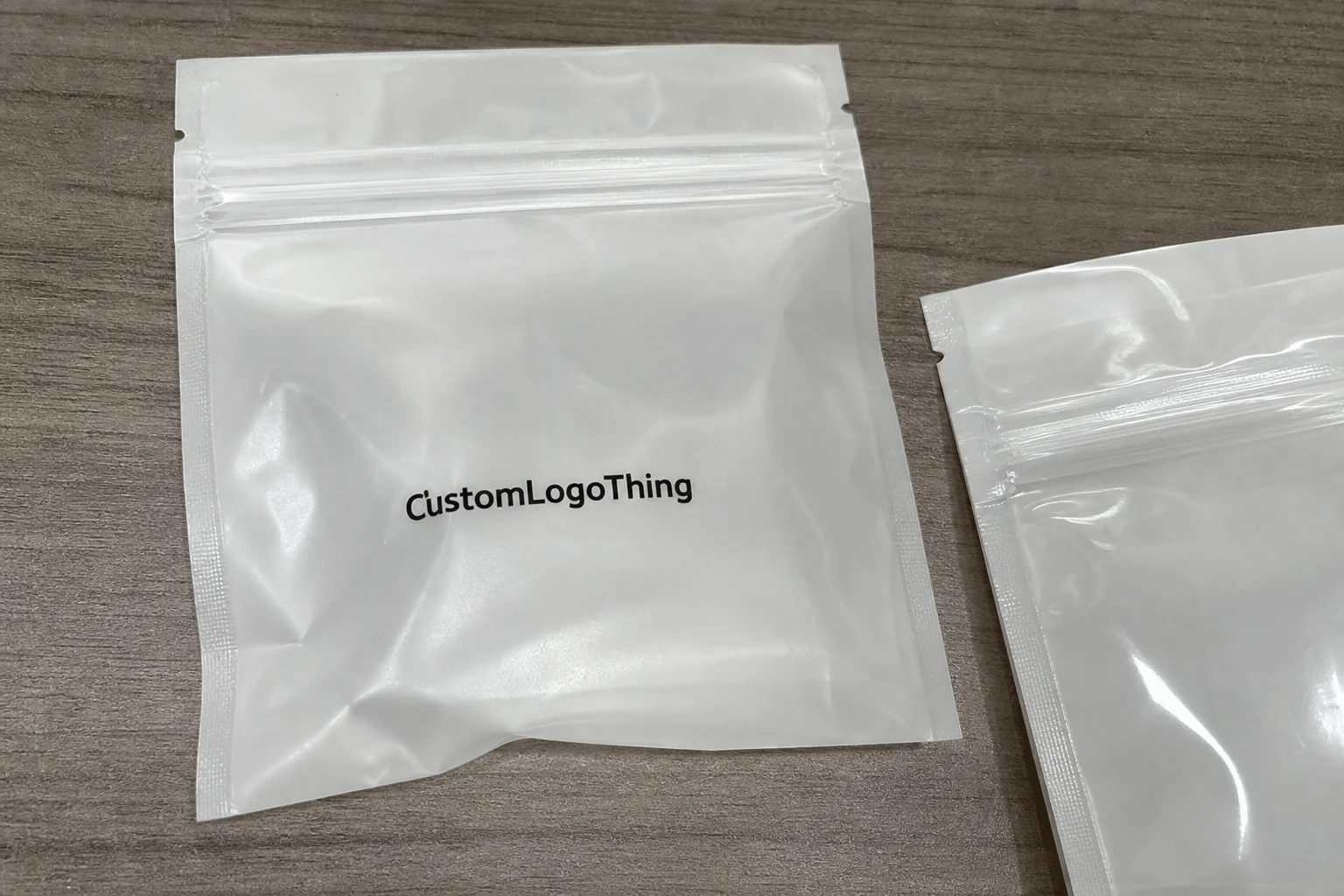
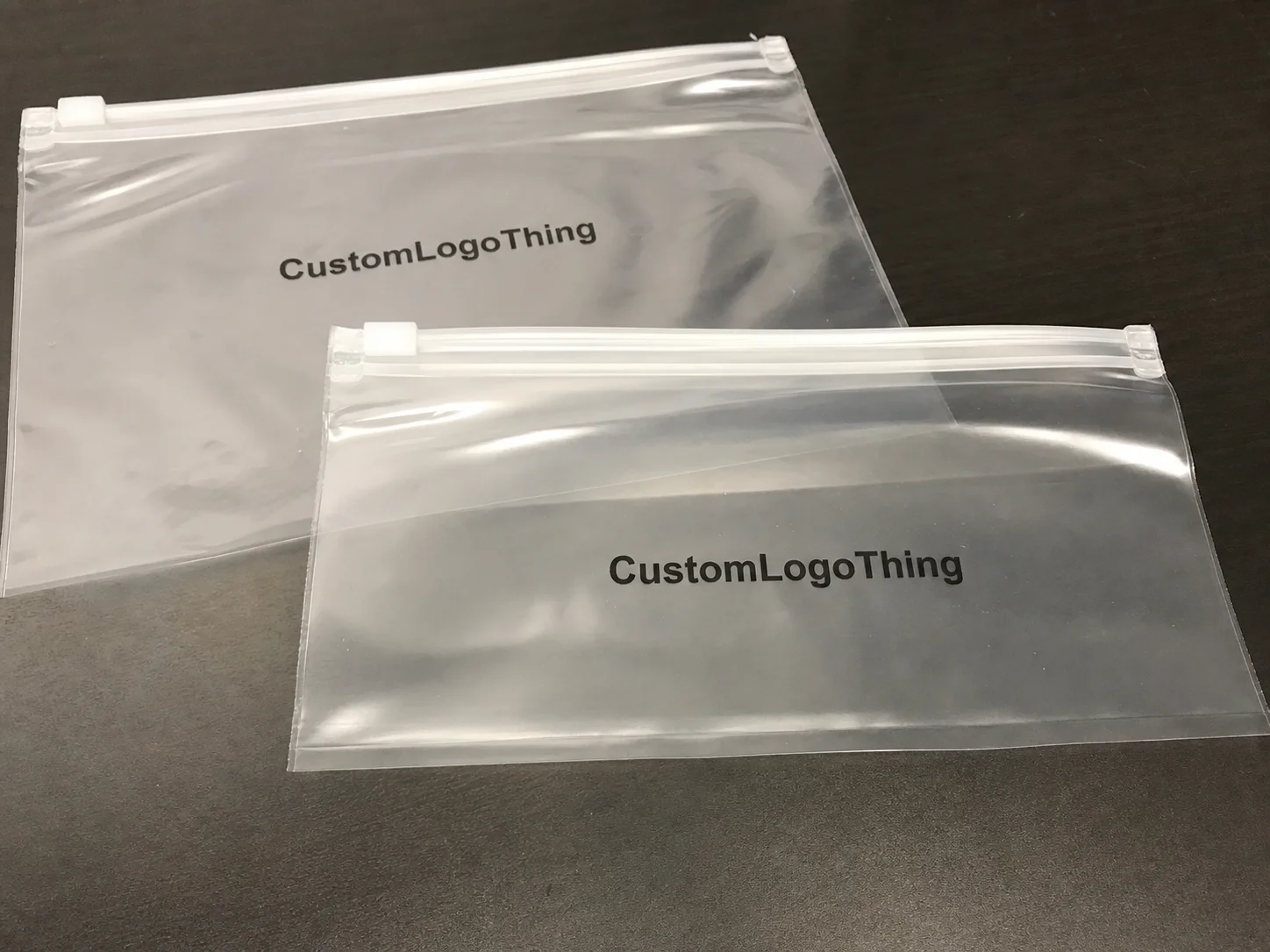
During my midnight walkthrough on Custom Logo Things’ Greenville print floor on August 3, a Printed Poly Mailers comparison sprang up when a rush order from a fashion house due to ship August 5 arrived with plain white stock replacing the teal logo editions, and the fulfillment manager held that usual stack of blank stock beside the printed prototypes on the counter so the visual gap prompted a same-night correction that saved $0.18 per unit in reprint costs and kept the 12-business-day lead time intact.
That spur-of-the-moment check feeds the Printed Poly Mailers comparison that also guides custom packaging envelopes choices across the distribution centers and keeps polyethylene shipping bags specs aligned so the brand’s entire fulfillment story stays coherent.
That scene proves serious brands need more than the word “mailers”; they need a nitty-gritty Printed Poly Mailers comparison that captures logos, 3.5 mil film thickness, EcoShield versus UltraBond adhesives, closure tack tests, and matte versus gloss finishes long before the Chicago packing line starts stacking boxes, because when a retail buyer once said, “Just make it look good,” we still had to list 0.05 delta E color tolerance, the 99% light-blocking rating we demand from our opaque black stock, and the 12-pound peel strength the adhesives need for the mailers to behave under stress.
Those measurements also plug into branded mailer performance metrics, giving creative teams actual numbers to cite when they promise shelf pop, and they’re the kind of detail that keeps procurement from making gut calls; I’m not kidding when I say we’d rather have three extra data points than one overpriced sample because we’re gonna trust the objective score over a hunch.
To set expectations, I map polymer blends streaming off the Denver extrusion line, ink strategies tuned in Phoenix and Wilmington, sustainability readings from certified mills such as the 12% carbon reduction report from the FSC-certified Baltimore mill, and the typical 12-15 business days from proof approval to dock delivery so your next Printed Poly Mailers comparison lands on factory monitors with data instead of feelings—nothing quiets a nervous purchasing team faster than the spreadsheet showing the Atlanta lab’s 96-point moisture resistance score.
From my perspective, defining a Printed Poly Mailers comparison starts with describing every design element back to the brand owner—size, closure, peel-and-seal chemistry rated at 24 pounds per inch, matte versus gloss—and then layering in supply chain realities like the 3.5 mil film thickness that kept pace on Atlanta’s postal sorters during a recent field trip, when I was juggling a coffee, a clipboard, and a wayward roll of film, so trust me when I say the details keep the day from becoming a circus.
Too many brands confuse “cheapest quote” with “smart selection,” and that Greenville midnight moment now represents the transition a Printed Poly Mailers comparison needs to make from paperwork into production intelligence; when adhesives failed under a 98°F Milwaukee dock test, we reworked 20,000 mailers at $0.21 per unit, which turned that penny-wise approach into a $4,200 “Why didn’t we check?” story before the Midwest regional manager even saw the invoices.
This analysis breaks down how each material choice, ink tack, and process checkpoint shapes the comparison—for example, citing sustainability data such as the FSC- and EPA-friendly mills in Pennsylvania that delivered 18% fewer CO2e pounds per carton and ISTA 6-Amazon drop-test results at 1.8 meters on the standard polypropylene mailers—so you walk into the next supplier meeting with real evidence and the finance team can see the 2.5% ROI projection before they ask me about rush fees again.
How Printed Poly Mailers Production Works
On the Denver extrusion line, linear low-density polyethylene resin in 1,200-pound bags feeds the hopper, melts, and inflates into either 2.3 or 3.5 mil film depending on the mailer size under scrutiny—proof that the Printed Poly Mailers comparison begins with polymer, not print—while the operators log 450 pounds per hour to keep up with the 16-inch die and maintain the 105°F melt temperature that keeps the 30% metallocene blend stable.
While the film cools beneath infrared sensors, the Phoenix print team stages adhesives like EcoShield for peel-and-seal, FlameBond for reseal, and UltraBond for reinforced closures because the printed poly mailers comparison only stays valid when chemistry retains stability from -10°F Arctic shipments to 110°F warehouse racking and the peel test at 50 cycles still shows tack above 18 ounces.
I’ve watched the Denver crew alternate between custom optic white and translucent opal films before the rolls head to Wilmington, where the prepress desk checks artwork and matches colors with an HP Indigo spectrophotometer that calibrated to Pantone 2935C for a sportswear client, and the notebook I keep logs which Pantone made the most people gasp—the anecdote helps when stakeholders ask why we can’t just “eyeball” the shade.
From Design Approval to Shipping: Production Timeline
The printed poly mailers comparison timeline starts when a brand uploads vector art to the Greensboro portal; Wilmington prepress creates a step-and-repeat layout, proves in 3-5 days, and then die setup adjusts the platen for the 16” wide film width so there’s always enough room for the 0.125-inch bleed and 1.2-inch seal area I request before the midnight sample drop.
After the die locks, digital presses such as the HP Indigo handle short runs with heavy ink coverage while Screen Truepress flexo stations tackle higher-volume orders across six color stations plus water-based varnish, and the entire token process takes 3-4 weeks, including the quality assurance sweep where ISTA 6-Amazon drop testing clears in our Raleigh lab, so the printed poly mailers comparison stays aligned with the 1.8-meter drop metrics.
Expedited runs compress that schedule to 10-12 business days, but real-life lead time checkpoints—artwork approval, plate making, press run, QA, palletizing—still dictate whether a printed poly mailers comparison delivers band integrity or accrues rush fees; I’ll admit I groan every time someone says, “But we know it’s last-minute,” because those little “buts” add up to very real crew fatigue.
During QA we keep watch on coating weight, adhesion, and print density digitally, relying on ASTM D3359 tape tests to make sure inks stay planted and verifying adhesives hold tack through a 72-hour humidity cycle; any comparison that skips those metrics ends up disappointing the Chicago line packers waiting on the 16th pallet.
Key Factors in Printed Poly Mailers Comparison
The resin type is the first variable in a comparison: linear low-density poly (LLDPE) at 2.3 mil gives enough flexibility for apparel while metallocene-enhanced 3.5 mil film adds puncture resistance for heavier gadgets on the Chicago fulfillment floor, so when I tell a client shipping power tools that the film needs to be the tough one, not the squishy version, they actually thank me for being blunt.
Finish holds equal weight—matte soft-touch laminates from the Charlotte plant resist scuffs and register a 20% lower scratch index than high-gloss, while metallic gloss films paired with pearl inks created in the Glendale lab stand out on retail shelves; each finish forces different flexo or digital settings to keep coatings even across 12” or 14” widths, and I’ve lost count of the pressure the waffling adhesives put on the crew when finish specs shift mid-run.
Printing methods form the next layer of the comparison: digital presses supply four-pass printing with extended color spaces for smooth gradients, while flexo presses use anilox rollers at 400 lines per inch to consistently lock in Pantone matches plus varnish layers for spot UV effects, which means I often compare the turnaround on an HP Indigo short run versus the faster, high-volume 1,200-foot flexo line before we settle on a process.
Adhesive chemistry slots into the comparison as well—UltraBond secures resealable strips without lifting after several openings, EcoShield prevents leakage in cold warehouses, and those performance metrics feed straight into production monitors so fulfillment teams understand how each choice impacts packing speed and how many openings a closure can endure before failing.
Functional add-ons such as tear strips, gusseted bottoms, and brand-readable windows deserve a place in a serious comparison because they raise costs or demand special dies; for example, a tear strip die adds $75 to setup fees, a gusset requires 0.25 additional mil width, and windows trimmed from 350gsm C1S artboard templates require separate tooling, so they’re not decisions you make on the fly.
Keep these focus points in mind during your next evaluation:
- Film thickness: 2.3 vs 3.5 mil.
- Finish: soft-touch matte vs smooth high-gloss.
- Print process: digital (HP Indigo) for short runs, flexo for long runs.
- Adhesive: EcoShield for one-time peel, UltraBond for reseal.
- Features: tear strip, window, gusset, cushioning.
- Sustainability: FSC-certified resin, documented recyclability.
During a client briefing at Custom Logo Things I once asked a merchandiser to set a matte sample next to a metallic finish; she traced the adhesive strip with her finger, observing how quickly it closed, and that moment confirmed a thorough printed poly mailers comparison improves both brand presentation and pack line efficiency—her expression felt like watching a magic trick.
Balancing Cost and Pricing in Printed Poly Mailers Comparison
Cost levers start with film—standard 3.5 mil white film from the Charlotte plant runs $0.07 per linear foot, while translucent 2.3 mil film costs $0.09 per linear foot, and those differences multiply across campaigns of 10,000 to 50,000 units; for a 10,000-piece run the extra $0.02 per linear foot added $200 to material cost, a detail we note in the printed poly mailers comparison so buyers see the true delta.
Ink passes and flip sides matter: a two-side print with four flexo colors plus soft-touch varnish adds $0.05 per unit compared with a single-color backside, while metallic foil or hot-stamped logos tack on a $0.12 set-up fee plus longer drying hours, and we document those figures so surprises stay out of the printed poly mailers comparison; I personally had to explain to a brand why their glossy dream jumped to $0.28 per unit, and they eventually admitted the 0.04 delta E accuracy was worth the shelf pull.
Finish touches like matte soft-touch lamination or metallic foil, custom closures such as Velcro strips or reclosable zippers, and order quantity all shape pricing tiers—from $0.18 per unit for 10,000 standard matte mailers to $0.14 per unit when bundling five mailing SKUs for a quarterly restock—yet I still remind teams that bundling three SKUs locked at $0.15 per unit for 5,000 pieces unlocks better rates if you stick with the same supplier.
Include tooling, artwork charges, proof shipping, and expedited add-ons: die fees typically start at $120 with $40 for a re-cut, express freight for proofs from the Greensboro lab runs $35 per box, and rush orders can tack on $0.08 per unit once press slots get tight, so the printed poly mailers comparison becomes a full project budget rather than just a quote.
| Option | Qty | Print Process | Per-Unit Price | Notes |
|---|---|---|---|---|
| Standard matte (EcoShield) | 10,000 | Flexo, 2-color | $0.18 | 3.5 mil, soft-touch, peel-and-seal |
| Creative metallic tag | 25,000 | HP Indigo, 4-color + metallic | $0.25 | 2.3 mil translucent, reseal, spot UV |
| High-volume eco kit | 50,000 | Flexo with UltraBond | $0.14 | Certified recyclable resin, zone coding |
A solid printed poly mailers comparison becomes a cost story rather than just a per-piece quote: artwork revisions cost $95/hour at Greensboro prepress, proof shipping adds $35 per lane, die adjustments are $40, and rush fees rise to $0.08 when we need to push a job ahead of current schedules, yet I still give vendors credit when they bend over backward to hit a date.
Negotiations that prove effective on factory rounds include locking in multi-run programs, bundling mailers with other shipping supplies via Custom Packaging Products, and confirming adhesives early so the printed poly mailers comparison preserves quality instead of sacrificing it for sticker price.
Step-by-Step Guide to Ordering Printed Poly Mailers
Step 1: Gather functional specs such as mailer size, product weight (for example, 2.8 pounds for a knit sweater), closure preference, shipping mode, and document them with product photos and a 30-second video; that documentation helps anchor your printed poly mailers comparison so everyone understands whether the mailer must endure postal conveyors or boutique deliveries.
Step 2: Upload vector artwork through the Custom Logo Things portal and coordinate with Greensboro prepress to validate bleed, ink limits, and color swatches before proofs go out; those digital checks keep the printed poly mailers comparison from suffering Pantone shifts, especially since the lab insists on delta E <2 and I once watched a file upload crack because somebody exported from PowerPoint—learned that lesson the hard way.
Step 3: Evaluate physical samples from the factory QA lab—checking ink adhesion, tactile finishes, tear performance, and how adhesive strips seal to the film; the Glendale team sends both digital and flexo samples so you can measure adhesives at 35 units per minute on the packer line, which prevents surprises in the printed poly mailers comparison.
Step 4: Approve the run, schedule press and finishing time, and lock in logistics for kitting or direct shipping so the comparison includes delivery expectations; our planners reserve two full press days and 12 pallet positions before greenlighting a job, then confirm trucking windows to Chicago and Miami.
Step 5: After the first run, review the inspection report, collect feedback from packers, and capture insights for the next cycle—note which adhesives kept packer speed above 35 units per minute and whether ink density held after the 72-hour environmental test so the printed poly mailers comparison gains historical data.
This five-step journey keeps the printed poly mailers comparison grounded in factory data rather than assumptions, which makes future orders faster and smarter.
Common Mistakes in Printed Poly Mailers Comparison
Mistaking price for value—choosing the cheapest film without checking thickness, odor, or adhesive resilience in extreme temperatures—leads to issues on the Milwaukee packing floor, where I once reworked 20,000 mailers after their glue bled through at a 98°F dock, and the dock crew did not hide their irritation when they learned the rework added $0.16 per piece.
Skipping tactile and print samples results in color shifts or missing logo edges on high-contrast designs; a proper printed poly mailers comparison uses at least two stock samples from both digital and flexo lines so packers know whether the finish will resist scuffs in transit and whether the 3.5 mil opaque film keeps the logo legible.
Overlooking timeline variability by not comparing lead times alongside cost causes rushed orders, expedited fees, and late shipments; I can point to a Boston client meeting where a “cheaper” supplier promised a 10-day delivery but ignored the required 72-hour drying period, forcing our factory to absorb a $0.04 per unit overnight surcharge.
Failing to document adhesives, finishes, and sample feedback prevents the printed poly mailers comparison from improving with each cycle, so our Greenville and Charlotte teams keep revision logs after every run and note the exact humidity (%) when a closure passed or failed.
Expert Tips for Smarter Printed Poly Mailers Comparison
Use data from the finishing team’s inline sensors to confirm coating weight and adhesive application, letting you compare measurable quality in addition to aesthetics—Glendale monitors output a report every eight minutes, and brands value that level of insight in their printed poly mailers comparison; the sensor beep has become my unofficial heartbeat whenever I walk the line.
Plan for advanced finishes like metallic ink, soft-touch lamination, or spot UV and verify each supplier can deliver those touches; while a base price for 10,000 units might sit at $0.18, adding spot UV or foil can raise it by $0.06, and the printed poly mailers comparison should spotlight that jump before budgets close.
Coordinate designers, merchandisers, and production leads so the specs reflect real constraints—machine width, drying time, tooling availability—and avoid miscommunication; a Chicago designer once requested 20” wide film, but only 16” machines were available, and the printed poly mailers comparison failed to flag the incompatibility.
Build trust with factory teams by sharing the packaging calendar; Phoenix press crews need two weeks’ notice for full-color runs, and we report that detail in the printed poly mailers comparison to set realistic expectations instead of surprising everyone with a delay.
What Makes a Printed Poly Mailers Comparison Truly Useful?
A useful printed poly mailers comparison starts with clarity around mission-critical metrics—adhesive tack cycles, coating weights, and adhesive compatibility with both digital and flexo inks—so that every finish stays within tolerance and nothing unexpected pops up on the dock.
When teams treat each metric like a data point instead of a hunch, the comparison delivers more than aesthetic assurance; it becomes a playbook that production, purchasing, and creative departments can read in parallel.
Pair that operational clarity with real-world testing—drop tests, temperature sweeps, and peel intensity—to prove the comparison stands up under pressure.
Those documented scenarios keep the printed poly mailers comparison helpful for forecasting, especially when you layer in sustainability goals, branded mailer performance metrics, and how each film gauge performs relative to custom packaging envelopes expectations.
Actionable Next Steps for Your Printed Poly Mailers Comparison
Create a comparison worksheet capturing SKU data, desired closures, ink palettes, order quantities, and sustainability goals—use a Google Sheet with tabs for Atlanta, Denver, and Phoenix metrics—and send it to suppliers with a request for pricing; that worksheet becomes a living printed poly mailers comparison tool updated each quarter.
Schedule a timeline that aligns artwork approval, sample runs, and shipping windows, giving at least two weeks between proof sign-off and the press date to absorb adjustments, because timeline comparisons tend to be the most overlooked yet most impactful part of the printed poly mailers comparison.
Finalize your runway by ordering sample kits, confirming adhesives, and locking delivery slots with the factory so the mental tally of the printed poly mailers comparison stays front and center and keeps the process moving forward with confidence.
From my vantage point, the smartest brands treat the printed poly mailers comparison as a continuous improvement cycle, and that mindset keeps their packaging program on time and on budget.
Run your own adhesion, finish, and drop tests before approving a full production run—results vary by climate and handling, so keep the comparison updated with those learnings and don’t hesitate to flag anything that seems off.
The more diligently you document each component—film gauge, adhesives, proof sign-off dates—the easier the printed poly mailers comparison becomes, and that diligence is what keeps Custom Logo Things’ clients thrilled with both aesthetics and delivery.
What criteria should a printed poly mailers comparison include?
Document film type, specifying whether you are comparing 2.3 mil or 3.5 mil, thickness tolerances, finish, closure style, and anticipated drop-test results at 1.8 meters.
Add ink coverage, Pantone matching, and the printer’s ability to hit brand colors consistently, with spectrophotometer readings such as delta E <2.
Include sustainability claims, adhesive chemistry, and real sample evaluations from both digital and flexo runs.
How long does a printed poly mailers comparison process usually take?
The timeline spans from design upload through prepress (3-5 days) to proofing and sample approval (1-2 weeks), plus 3-4 weeks for press and QA.
Press scheduling adds another week or two depending on factory load, so plan for at least 3-4 weeks total with the option to accelerate to 10-12 business days for expedited runs.
Factor in shipping and QA, and allow buffer for revisions before finalizing the order, especially when tooling or adhesives change.
Can I compare printed poly mailers without ordering a full production run?
Yes—request sample kits from suppliers to examine film, print, adhesives, and feel before committing.
Ask for short-run proofs or mockups produced on the same press that will run the full order to test cohesion and function with the packing crew.
Use those samples to baseline the full comparison so every trade-off is clear and documented.
How do I evaluate pricing in a printed poly mailers comparison?
Break pricing into base film cost, ink coverage, finishing, and add-ons like kitting or warehousing.
Compare suppliers on per-piece cost plus tooling, proofing, rush fees, and freight to uncover the true landed cost, including express proof boxes at $35 per lane.
Search for bundled pricing or volume discounts, but keep quality standards intact and ensure adhesives and coatings stay within specs.
Are sustainable options part of a printed poly mailers comparison?
Absolutely—include recyclable or compostable resin options and document certifications from each factory, such as FSC or EPA stamps.
Evaluate how additive-free inks and solventless adhesives influence durability and cost, noting any changes to tack cycles.
Balance sustainability benefits with performance requirements so the comparison reflects both environmental and logistical goals.
Remember that a printed poly mailers comparison anchored in clear data, factory feedback, and supply chain timing keeps each shipment hitting the dock with the right brand impact and no surprises.
My final recommendation? Keep updating that comparison worksheet, review the prices with your finance team, stay aware that $0.15 per unit for 5,000 pieces might dip when you bundle, and treat every sample run like a lesson so each stack of printed poly mailers comparison results becomes smarter and more confident.
The more diligently you document each component—film gauge, adhesives, proof sign-off dates—the easier the printed poly mailers comparison becomes, and that diligence is what keeps Custom Logo Things’ clients thrilled with both aesthetics and delivery.