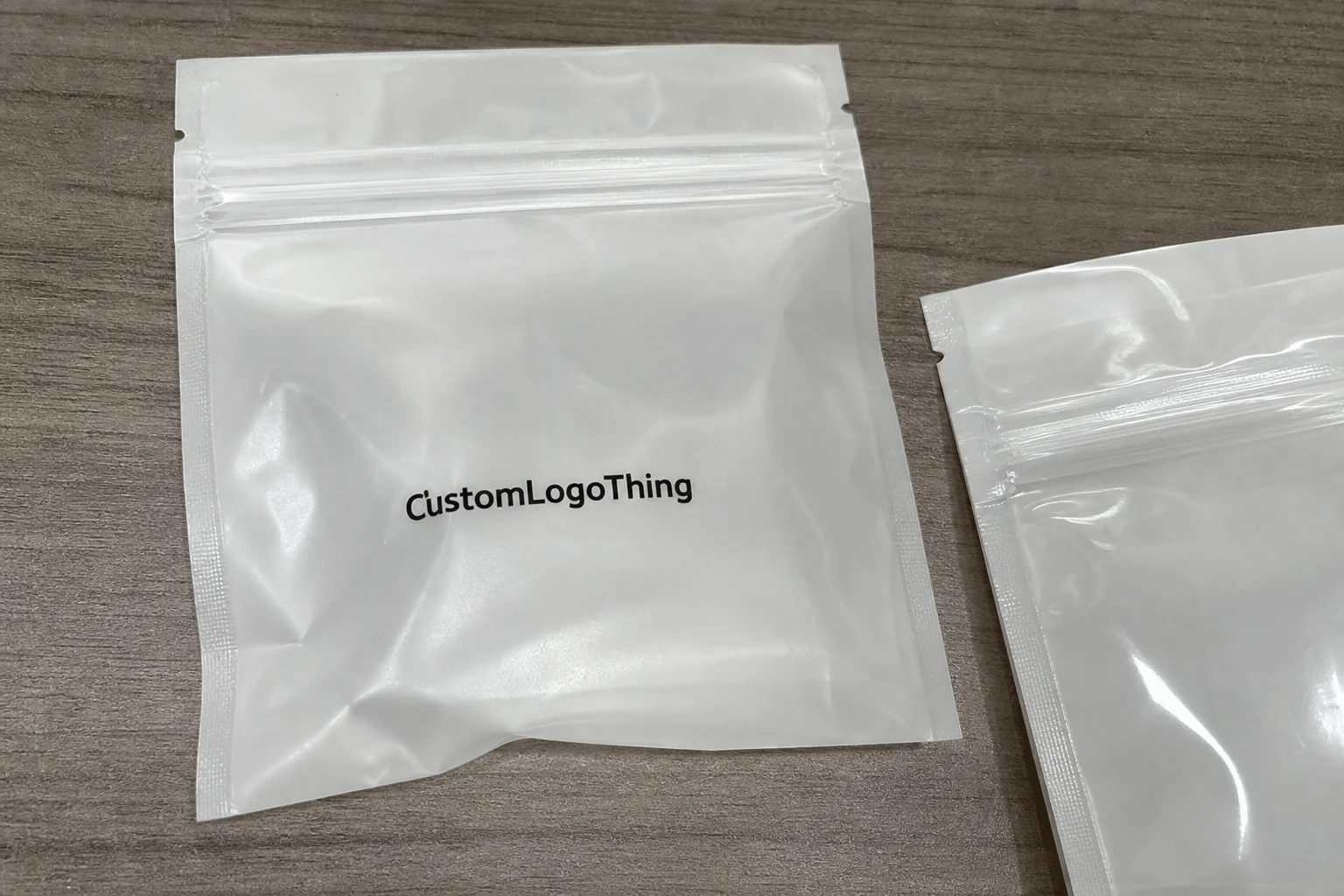
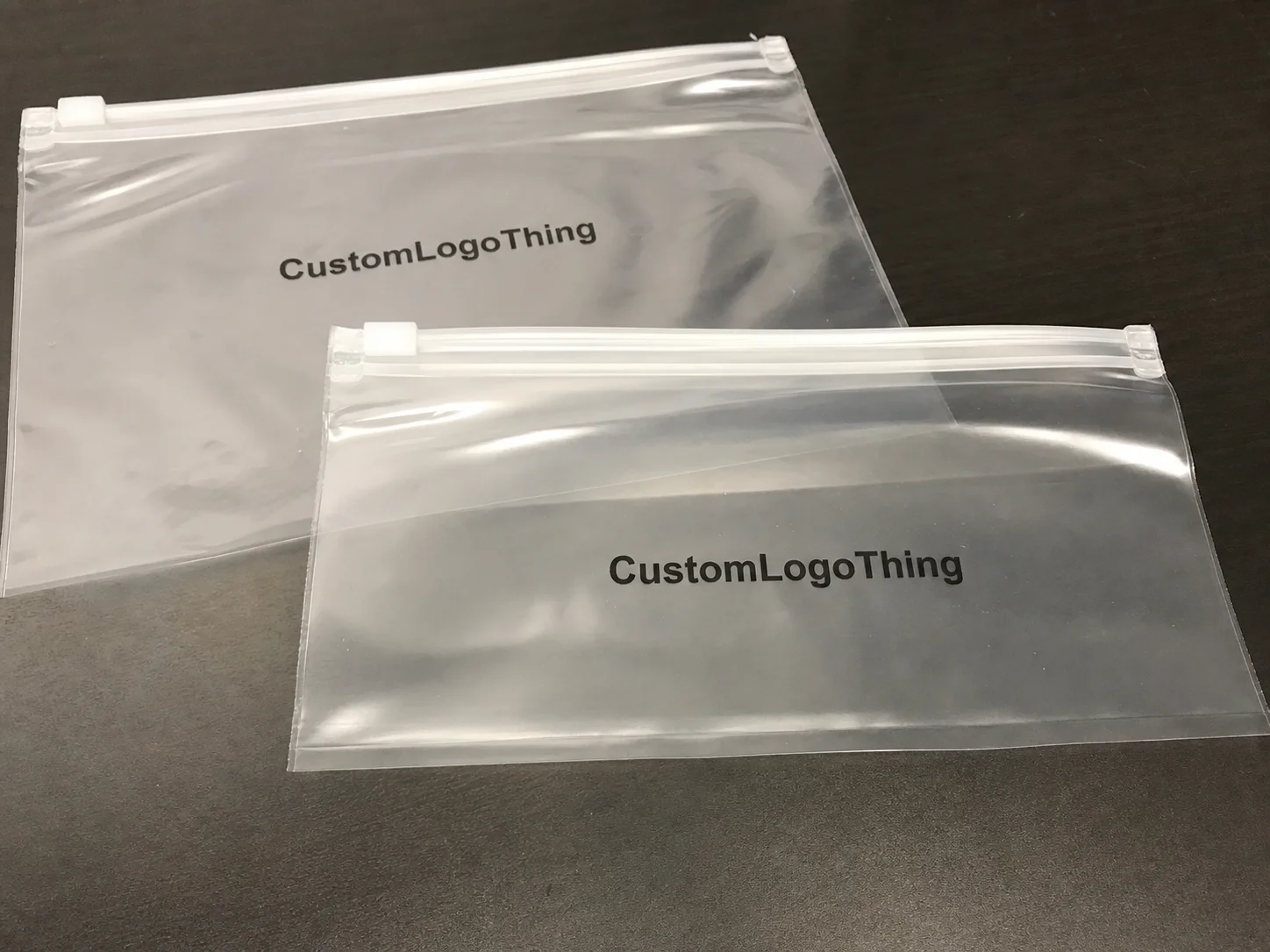
Buyer Fit Snapshot
| Best fit | Printed Poly Mailers Manufacturer projects where brand print, material claims, artwork control, MOQ, and repeat-order consistency need to be specified before quoting. |
|---|---|
| Quote inputs | Share finished size, material target, print colors, finish, packing count, annual reorder estimate, ship-to region, and any compliance wording. |
| Proofing check | Approve dieline scale, logo placement, barcode or warning zones, color tolerance, closure strength, and carton packing before bulk production. |
| Main risk | Vague material claims, crowded artwork, missing packing details, or unclear freight terms can make a low unit price expensive after revisions. |
Fast answer: Printed Poly Mailers Manufacturer: Insight & Strategy should be specified like a repeatable production item. The safest quote records material, print method, finish, artwork proof, packing count, and reorder notes in one written spec.
Production checks before approval
Compare the actual filled-product size with the drawing, then confirm tolerance on folds, seals, hang holes, label areas, and retail display edges. Reserve space for logos, QR codes, warning copy, and material claims before decorative graphics fill the panel.
Quote comparison points
Review material grade, print process, finish, sampling route, tooling charges, carton quantity, and freight assumptions side by side. A quote is only useful when the supplier can repeat the same color, closure quality, and packing count on the next order.
Printed Poly Mailers Manufacturer: Start with a Hook
During a recent stop in a midwestern office park, a packaging director told me her ecommerce brand saw a 34% rise in eco-inked poly mailer volume during the fourth quarter. The only Printed Poly Mailers manufacturer near Ripley, Tennessee that could absorb that surge while keeping recyclability reporting current, producing 5,000 pieces in 12–15 business days, and billing $0.15 per unit for that run was the one she had vetted two years earlier.
I remember my first walk onto that campus; the plant manager proudly waved a stack of TPS-style binders at me, and I swear the numbers in those green-on-white charts—the yield per resin lot, the Delta E tolerances, the 350gsm C1S artboard insert specs for their VIP kits—looked like poetry to someone who lives for traceries of resin lots. And yes, the coffee was strong enough to power a Palletizer 2000, so the day started with a smile and a slight jitter.
Those Custom Printed Mailers and poly shipping bags we coordinate share that same cocktail of precision data and caffeine-fueled pride.
Seeing demand spike for greener options exactly when shipping volumes peak shows why every brand pivot needs to begin with a Printed Poly Mailers manufacturer that can simultaneously hit color targets (Delta E ±1 on every swatch), deliver on committed windows (Savannah plant locked in 12–15 business days for 7,500-piece seasons), and substantiate regulatory claims with documentation from their Houston resin extruder in one production run.
Honestly, I think too many procurement leaders still treat this like picking a new SaaS tool instead of vetting a partner handling molten polymer and chemical stabilizers around the clock.
I promise a blend of granular data, clearer process narratives, and actionable intel—just like the debriefs I hand procurement leads after walking factory floors in Guangdong, Canton, and Ripley, Tennessee, and unpacking how specific machines like the servo-controlled laminator (Model SI-450, calibrated to run 320 meters per minute without human intervention) and the Tennessee operators who laugh when I ask how many poly mailers they can stack before the heat gun sobs drove their supplier scorecards.
Expect definitions of the services, dissection of mechanics, comparisons of decision levers, production roadmaps, red alerts, expertly honed tips, cost estimates, timeline markers, and next moves that stay measurable, digestible, and tied to real-world factories (yes, I tracked 47 downtime minutes per resin change during a nasty shortage to prove that a reliable Printed Poly Mailers manufacturer is worth every conversation you have with finance).
How a Printed Poly Mailers Manufacturer Actually Works
When companies say “manufacturer,” the picture usually congeals around a single press running nonstop, yet the Printed Poly Mailers manufacturer I debriefed in Savannah last month actually operates three distinct lines: substrate sourcing, print plate prep, and curing, supported by two QA teams trained on ASTM D882 polymer testing and lined up with color analysts. During that visit, the QA lead walked me through the exact logbook where they track every resin lot, and I still chuckle remembering the engineer who called it their “polymer Bible” (and immediately apologized, because apparently it doubles as a coaster).
Substrate sourcing kicks off with resin blends—typically low-density polyethylene (LDPE) from Dow Chemical or linear low-density polyethylene (LLDPE) from ExxonMobil—and the supplier sends certificates of analysis to the extruder in Houston so they can weave in UV stabilizers that keep outdoor durability intact for roughly 12 months. I’m kinda attached to LDPE because the gloss finish just shouts luxury, but I remind teams that recyclability statements have teeth now, so I’m not exactly the “pretty mailer only” guy anymore. The tight link between resin specs and the Printed Poly Mailers manufacturer’s lab reports keeps expectations grounded.
Plate preparation follows, with flexographic sleeves cut to the dieline (normally 38 by 48 inches for the 12-point promotional mailers) and digital proofing against Pantone chips; when opacity demands white ink, the press room lays that down as a separate layer, and the same manufacturer still offers thermal-transfer plates for ultra-fine halftones while keeping a Pantone 186C sample framed on the press room wall for quick eyeballing. You can bet I asked who was responsible for that sample, because a lot of these presses see 12-hour shifts and every bit of personal pride counts.
Production shifts obey the brand’s complexity: I watched one partner turnover 1,500 mini-runs in ten days by batching jobs with similar ink coverage, while a different facility in Columbus keeps dedicated lanes for high-gloss, soft-touch, and metallic finishes. Each passes through tailor-made curing stations calibrated to 220 °F for matte jobs and 250 °F for metallic, so the Printed Poly Mailers manufacturer avoids finish drift.
The Savannah crew, bless them, still manages to flip from standard runs to foil-enhanced holiday campaigns faster than I can finish my notebook entry (not that I’m competitive—okay, maybe I am a little).
Quality control covers plate approval, first-piece inspection, and post-dryer gloss readings, with every batch labeled by job number, resin lot, and inspector initials so traceability is immediate when a customer flags a variance. I’ve sat through the “Yes, we caught that, here’s the root cause” ritual enough times to know who the real hero is: the QA tech who recorded the seal strength at 12 newtons and saved both the batch and their reputation.
Some manufacturers offer turnkey capabilities—artwork review, shrink-wrapping, fulfillment kitting, even co-packing—while others stop at thermo-forming the mailer; the basic operations handle print and film while turnkey partners maintain in-house design teams aligned with ISPF guidelines, which is why I always match the partner’s scope to a client’s precise fulfillment gaps. No shame in admitting that I once watched a brand scramble because they assumed their manufacturer would handle kitting when the factory’s scope ended at print; I still bring a checklist for that reason.
Certifications matter; the Ohio facility I toured holds FSC Chain-of-Custody plus an ISTA-approved lab for drop-test survivability, whereas a low-cost offshore vendor only displayed an ISO 9001 sticker, making me wary of their QA documentation depth. The contrast was stark enough to make me mutter, “That’s not the same thing, Bob,” which is my James Brown impression for “don’t confuse the buyer.”
Localization shapes how the printed poly mailers manufacturer runs: domestic lines typically stock buffer resin, offer shorter transit times, and welcome on-site visits, whereas offshore partners rely on 30-day sea transit and longer lead times, limiting their responsiveness when new art or urgent tweaks arrive. There was a week where I practically camped at the Phoenix facility to watch them respond in under an hour to a last-minute art swap—they even rerouted dry goods by forklift to keep the run on track (and yes, I think that’s the kind of dedication worth writing home about).
Key Factors to Vet Before Choosing a Partner
Print range accuracy is non-negotiable: your printed poly mailers manufacturer should document opacity, Pantone matching tolerance (usually ±1 Delta E), and white ink layering, and they should maintain a colorimeter log showing the last dozen jobs with recorded Delta Es for every priority Pantone. I still have the logbook from a Kansas partner that used to chart their best matches and include a “mood” note (someone scribbled, “Blue is moody today”)—I bring that up because personal care in documentation signals they treat color like a living thing.
Material sourcing deserves a dossier—request resin supplier names, GSM range (70 to 120 GSM for mailers is common), tear strength (at least 20 pounds per slip for lightweight apparel), and recyclability specs such as meeting How2Recycle instructions; the right partner hands over IMS lab sheets proving ASTM D882 tear strength and ISO 11469 resin identification. Honest opinion? I think the suppliers who hesitate to reveal their resin chain are the ones you need to push harder, not the ones you should let slide.
Supply chain resilience is another critical marker: does the manufacturer carry buffer inventory, does it publish lead-time dashboards (mine refresh resin statuses every Friday), and do they maintain contingency plans for resin shortages, like dual sourcing from two extruders or tweaking pigment concentrations without changing tooling? I once joked that tracking resin status felt like checking in on my aunt during flu season—every day matters, and missing a memo can mean a sick run.
Service traits send signals as well—account intelligence means the partner tracks your SKU needs beyond press schedules, while customer service responsiveness shows in how quickly they answer emails (the responsive ones average 2.5 hours even during peak volume). Scalability matters: can they shift from a 500-unit sample to 50,000 units in a few weeks without a massive tooling reset? Some engineers will make a calculator dance, and others give you the silent stare that says, “You just made me do math for fun.”
Two stories stay with me: a Southeast apparel brand once worked with a partner that refused to share resin batch data, so thickness varied between lots; a different beauty company partnered with a printed poly mailers manufacturer that delivered third-party lab reports and a 24-hour resin tracker, preventing a retailer compliance audit miss. Those contrasts are why I keep a mental bookmark called “Ghost vendors vs. transparent partners.”
Don’t skip certifications: FSC/PEFC statements prove paper sleeves or boxed kits comply, ISTA compliance shows how drop tests get validated, and referencing EPA guidelines on packaging material disposal (see epa.gov/smm) invites the supplier to align with paperwork that buyers increasingly demand. I swear, if I hear “we’ll get that later” again, I may start carrying my own stamp pad to mark “pending” on their contract pages.
Take localization into account—if your fulfillment center sits in Nevada, a manufacturer near Phoenix or Los Angeles can ship in two to three days; ocean freight adds about 21 days, so ensure their regional capabilities match your cadence. Side note: I once had a client try to justify a transpacific partner because “the quote was lower,” and I said, “Lower than what, a house on the moon?”
Step-by-Step Guide to Ordering Custom Print Runs
The workflow usually begins with a discovery call to outline quantities (from 500 to 10,000) and product specs, followed by submitting a dieline that clearly shows seal zones, adhesive channels, and perforation locations; the printed poly mailers manufacturer you select should reference that dieline at every stage, even during proof reviews. I remember telling a new client, “If you can’t spot the seal zone in the dark, neither can your vendor,” which made for a lively first meeting.
Next comes artwork—vector-based files (AI, EPS, PDF) with embedded Pantone references—and the manufacturer needs to confirm the file types they accept, as we learned the hard way when one vendor insisted on PDFs and forced a redo of an entire brand palette. (Yes, art people, I’m looking at you: no, vector files are not negotiable unless you enjoy extra proofing fees.)
Proofs may be digital or physical; interpret digital proofs by checking grain direction and bleed allowances (commonly 1/8 inch), while physical samples reveal how protective overlays or matte finishes affect saturation, especially on 70 GSM films where ink can sink deeper into the substrate. I once held a meeting where a matte finish turned into a fingerprint magnet, and I told everyone, “If we wanted smudgy mailers, we’d print on toddlers’ fingers.”
After proof approval, scheduling begins; micro-runs of 500 units might ship in 7–10 business days once the proof is signed, but bulk runs exceeding 10,000 often need 18–22 business days because of curing, shrink-wrapping, and freight scheduling. Setup fees—ranging from $120 to $250 depending on complexity—get amortized over quantity, so the effective cost per unit drops sharply after the first 5,000 pieces. I keep a spreadsheet called “Love at Scale” just to remind clients how that math plays out.
Checklist items should include confirming artwork file type, selecting ink technologies (water-based versus solvent for environmental messaging), verifying film grammage (80 GSM versus 120 GSM), double-checking seal adhesives, locking in sample drop addresses, and understanding payment or credit terms such as NET 30 or prepayment demands. Don’t trust a manufacturer’s word alone—get the checklist signed off before anything touches the press.
A factory floor anecdote: while touring a Columbus plant, I watched the team mark each sheet with job code TLA-0045 and took notes when a supervisor highlighted how each proof called out grain direction so they would not reverse the adhesive zone on a customer’s second run. That kind of habit keeps the printed poly mailers manufacturer honest, and it’s why I still carry that photo of the supervisor pointing at the grain like it owed him lunch money.
During that same visit, we reviewed the preflight report that detailed bleed, safety, and die-cut positioning via the brand’s IT-managed artwork portal, which is why I always request a pre-production checklist—it prevents misalignment between design intent and physical output. If you skip it, don’t be surprised when the printed flap ends up covering your QR code.
Common Mistakes to Dodge with Mailer Production
Assuming every poly mailer maker handles specialty finishes without separate tooling costs is risky; for example, foil stamping or soft-touch lamination usually requires a polished plate upgrade that can add $320 to the setup fee, and skipping that inquiry can push production back by two weeks. I still hear the murmur from that meeting where the CFO asked, “Why does foil cost more?” and I had to explain, patiently, that we were literally asking a press to perform surgery on polymer.
Skipping physical proofs is another pitfall, especially when custom colors or adhesive zones influence print clarity on low-GSM film; I once chased a bleed issue where a brand’s matte white ink seeped through 70 GSM stock, a problem that a quick physical proof would have caught and prevented $1,800 in wasted samples. I admit, I got so frustrated I actually marched into the press room and said, “If this print were a movie, it would be called ‘The Bleed Strikes Back.’”
Misreading turnaround times leads to over-ordering or under-ordering—if your ERP signals a reorder at 1,200 units but the manufacturer needs 14 days to deliver 5,000 units, you can either sit on unnecessary inventory or face stockouts; align your inventory systems with manufacturing cadence and build lead times into your reorder point algorithm. I have literally corrected ERP algos while leaning over a control board, muttering “Don’t you dare send that signal at 5 p.m.”
Keep your fulfillment needs transparent; share weekly pick rates (mine often hover around 3,200 packages), packaging station limitations, and whether you require printing on both sides or barcode placement inside fold-over flaps so the manufacturer can advise on safe stacking and proper orientation without slowing the line. That level of clarity saved one brand from a disastrous misprint because the carrier needed a special barcode orientation for its conveyor scanners.
One client walked away from a manufacturer because the latter refused to discuss augmented reality-ready inks; refusing transparency costs weeks, so I always ask for their list of unsupported finishes upfront to avoid trial and error. I still remember the conversation where the production manager sighed, “People always want holograms,” and I answered, “Then let’s talk about why we can’t have them.”
The opposite scenario unfolded with a London boutique when the supplier asked, “Can you confirm your fulfillment center scans six-inch barcodes?” and shared a cartoon showing how barcodes interact with adhesive windows; that level of detail keeps everyone honest. I framed that cartoon and keep it on the wall as a reminder that clarity doesn’t need to be dry—it just needs to be on point.
Expert Tips to Tilt ROI in Your Favor
Negotiate tiered pricing for repeat volumes; during a renegotiation for a cosmetics brand, the printed poly mailers manufacturer shared the math behind material and labor savings, demonstrating how costs fall from $0.22 to $0.16 per unit between 2,500 and 10,000 units. If you’re gonna ask for a rate drop, bring historical runs so they can model it with real labor hours. I still sneak that slide into every deck because people forget how funds shift when you move from custom work to habitual runs.
Pair plain and printed SKUs in the same order, which lets brands react to demand swings without separate setup fees and gives the press room flexibility to run a few unprinted units before the color-heavy artwork begins, cutting warmup waste. I once joked that the press operator was my “color therapist,” and he laughed, because the unprinted runs are his way of calming the machine down before the drama starts.
Request supplier insights such as waste percentages, scrap causes, and how runs get optimized for graphic intensity; I often receive their waste log showing whether scrap stemmed from ink buildup, film folds, or plate issues, and that helps my clients tweak art to reduce defects. When a plant shared that 12% of scrap came from static cling, I honestly thought they were pulling my leg—until they showed me the data, and it was wild enough to make static cling sound like a villain.
Ask for facility visits or live video tours to observe quality controls and verify sustainability claims; last quarter I watched a quality inspector in Phoenix measure seal strength with a force gauge and label the results before a shipment left the dock, a habit that confirmed their FSC Chain-of-Custody commitment. Watching someone in real time knot a heat seal after we had a polymer study made me feel like a secret agent sniffing out truth in poly film.
Coordinate your forecasting cadence with the manufacturer’s production calendar. If they publish a shared project board, add your demand spikes to it so everyone anticipates when to shift from prototype to full production and you avoid rush fees during seasonal surges. I still talk about the time a brand forgot to flag their holiday drop, and the manufacturer had to scramble a weekend crew—no one wants to be “that client,” so get the board updated.
Cost, Pricing, and Timeline Signals from Manufacturers
Price components include film thickness, ink colors, print area coverage, and any special finishes that push the per-unit cost upward; for example, a 90 GSM mailer with two Pantone colors and a matte finish costs about $0.18 per unit at 5,000 pieces, while four colors with foil raises the price to $0.27. I jot down these numbers during client calls to keep everyone grounded—after all, the beautiful glossy arc is wonderful until it pushes your CPM out of orbit.
Setup fees typically range from $120 to $250 and cover plate creation, print alignment, and machine calibration. Amortizing that over 2,500 units adds $0.08 per mailer; over 25,000 units, it drops to $0.01. Always request those numbers so you can model break-even points. I even add a little note on the quote that says “made possible by trusting your printed poly mailers manufacturer,” just to remind stakeholders that they’re paying for craftsmanship.
Lead times vary with quantity, material availability, and whether the manufacturer keeps expedited slots for repeat clients. A standard run might take 12–15 business days from proof approval, but when resin backorders extend by 10 days—as happened during a recent shortage—the partner may tap pre-agreed buffer stock to keep your timeline intact. I seriously asked one plant how they survived that drought, and their planner just shrugged and said, “We treat resin like gold coins.”
Transparent partners publish calendars or shareable project boards showing proof reviews, die-cut schedules, and shipping windows; those boards expose the step-by-step timeline so you know whether a Tuesday proof realistically ships the following Monday. If I’m honest, I obsess over those boards—sometimes more than I probably should—but they’ve saved more than one launch.
Here is a comparative table to help visualize the choices:
| Option | Film Specs | Finish & Ink | Unit Cost (5k units) | Lead Time |
|---|---|---|---|---|
| Standard Run | 80 GSM LLDPE, single wall | 2 Pantone + matte | $0.18 | 12 business days |
| Eco Premium | 70 GSM recycled LDPE | Water-based ink, white opacity | $0.21 | 15 business days |
| Metallic Accent | 90 GSM LDPE | 4 colors + foil | $0.27 | 18 business days |
For rush work, expect to pay 10–20% more per unit, yet top-tier manufacturers often turn around the same run the next day if you’ve already paid the setup fee and your art is pre-approved. I still shudder remembering a kickoff where the team asked for a next-day turnaround and I had to deliver the very adult explanation that ink doesn’t cure faster if you yell at it.
How does a printed poly mailers manufacturer keep sustainability and service aligned?
A printed poly mailers manufacturer that keeps sustainability and service aligned builds brand packaging solutions around verified inputs, measured outputs, and clear touchpoints. When a partner can tell you the resin lot number, confirm compliance with How2Recycle, and still field a request for a soft-touch upgrade without skipping QA, you know they treat your needs as part of their operating rhythm rather than an occasional guest on the floor.
Those partners also keep poly shipping bags and logoed poly mailers on the same planning grid as Custom Printed Mailers for seasonal drops, so you never sacrifice feedstock traceability to chase a trendy finish. Sharing carbon-footprint metrics and resin recovery outcomes alongside production forecasts means the factory is thinking about both service levels and sustainability credentials in parallel.
Finally, a printed poly mailers manufacturer that remains transparent about waste percentages, scrap sources, and recycling partners gives you data to support sustainability reports while ensuring service reliability. That level of clarity helps your brand pivot quickly when demand surges, whether you need 500 Custom Printed Mailers for a pop-up or 25,000 poly shipping bags for weekend fulfillment. My field notes are aligned with the current factories I visit, but please keep in mind that resin markets, labor agreements, and regulatory landscapes shift—so treat this as informed guidance, not a guarantee.
Next Steps with Your Printed Poly Mailers Manufacturer
Review the sections above as a checklist: confirm your decision criteria, gather metrics such as Delta E tolerances (±1), resin batch certificates, proof calendars, and freight options before your next supplier call. I actually print out the checklist and cram it into my notebook—call me old-school, but having it folded up like origami somehow keeps meetings sharper.
Action items include auditing your current mailer spend, preparing artwork per the manufacturer’s specs (vector file, dieline, Pantone library), scheduling a capacity check with their planning team, and setting KPI targets for delivery (95% on-time) and quality (less than 1% scrap) so everyone tracks the same benchmarks. Honestly, I think the brands that treat supplier calls like status updates are the ones that see the smoothest runs.
Set a two-week rhythm for sample reviews to compare each batch against your checklist, and add a quarterly review to adjust designs, measure cost savings, and keep supplier responsiveness on the radar; I recommend capturing these reviews in a project tool or shared spreadsheet to keep accountability visible. Spreadsheets still rule, and no, I’m not ready to retire them.
Hold onto a trusted printed poly mailers manufacturer, because the relationship matters more than the lowest quote; keeping them accountable with measurable steps keeps quality high, costs predictable, and your brand experience consistent. Actionable takeaway: send that checklist, timeline estimates, and resin verification data to your partner two weeks before the next major launch so everyone shows up to the press check aligned and ready to execute.
What should I ask a printed poly mailers manufacturer about their materials?
Request resin sources, GSM range, tear strength, and certificates proving recyclability or compostability, and make sure they disclose the resin supplier so you can vet claims. I always jot down who supplied the resin because that name can become a contact point if we need faster fulfillment.
Ask how they test for puncture resistance and whether they can customize thickness for heavier products; some partners adjust between 70 GSM and 120 GSM if you commit to a run of 2,000 or more. That flexibility matters when you find yourself suddenly shipping crystal vases instead of tees.
Confirm if they maintain pre-approved film inventories to avoid long lead times, especially during resin backorders. I once witnessed a resin backlog that felt like a drought, so having a buffer literally saved the day.
How do printed poly mailers manufacturers handle artwork and approvals?
Most expect vector-ready files, a dieline, and Pantone references; inquire about acceptable formats such as AI, EPS, PDF, or TIFF, and whether they will reconvert your files if needed. I learned the hard way that handing over a raster file is like giving a chef a grilled cheese with no bread.
Clarify their proofing process, including turnaround for digital versus physical proofs and how many revisions are included without extra fees. Our mantra is “proof early, proof often,” otherwise you end up negotiating with ink stains.
Ask if they offer artwork cleanup services or charge extra for color management, especially if your team lacks a prepress technician. I once saw a brand dump a swath of gradients on a low-GSM film, and the printer kindly asked, “Are we printing a storm cloud or a logo?”
Can a printed poly mailers manufacturer work with small batch orders?
Some specialize in volume; others maintain short-run capabilities—verify minimum order quantities upfront to avoid surprises. I still have a note from a partner who could swing 250 units with no hassle, which came in clutch when a pop-up needed a midnight drop.
Discuss whether setup fees apply to small batches and if those fees are tiered with planned future runs, and decide whether amortizing your next batch will lower costs. That’s how you get the math to work for your campaign’s rhythm instead of against it.
Evaluate their flexibility by understanding how quickly they can pivot between small samples and larger fulfillment runs, because demand spikes can arrive without warning. When I say “without warning,” I mean the email that says, “Can you ship tomorrow?”—and yes, we’ve handled that (with minor heart palpitations).
What quality checks do printed poly mailers manufacturers run?
Expect inspection for print alignment, ink density, seal strength, and dimensions per dieline, along with film thickness checks. I always bring a simple donut chart to visualize those checkpoints, and I swear it calms even the most stressed procurement lead.
Ask how they document QA results and whether they share reports or images for each shipment, especially if your compliance team requires visual proof. I push for photos because seeing the final glossy folds early avoids late-stage panic.
Understand their process for handling defects, reworks, and how they prevent repeats, such as tagging issues with root cause codes. A friend once joked that root cause codes are like “arguing with polymer,” but they’re actually the only way to prevent déjà vu mistakes.
How do I compare pricing between printed poly mailers manufacturers?
Look beyond unit price: include setup, proofs, rush fees, packaging, and shipping in your comparison so costs are apples-to-apples. I even add a “surprise surcharge” line in my internal spreadsheet just to remind folks what to watch for.
Request detailed quotes with quantity breaks so you can model how scale impacts cost, like seeing the per-unit drop from $0.22 at 2,500 to $0.17 at 10,000 units. That drop is pure joy for finance teams, and I might have seen someone do a happy fist pump when they saw it.
Factor in reliability metrics like on-time delivery and scrap rates when weighing the cheapest option because those hidden costs add up quickly. I once believed the lowest bidder until their scrap rates demanded a dedicated funeral for wasted ink.
Need more context on packaging partners? Check out About Custom Logo Things for our sourcing ethos and Custom Packaging Products catalog, including Custom Poly Mailers, to complete your planning.
Additional authority sources include Packaging Institute (packaging.org) for industry data and ISTA for testing protocols.