Buyer Fit Snapshot
| Best fit | Printed Poly Mailers Wholesale projects where brand print, material claims, artwork control, MOQ, and repeat-order consistency need to be specified before quoting. |
|---|---|
| Quote inputs | Share finished size, material target, print colors, finish, packing count, annual reorder estimate, ship-to region, and any compliance wording. |
| Proofing check | Approve dieline scale, logo placement, barcode or warning zones, color tolerance, closure strength, and carton packing before bulk production. |
| Main risk | Vague material claims, crowded artwork, missing packing details, or unclear freight terms can make a low unit price expensive after revisions. |
Fast answer: Printed Poly Mailers Wholesale: Pricing, Specs, MOQ should be specified like a repeatable production item. The safest quote records material, print method, finish, artwork proof, packing count, and reorder notes in one written spec.
Production checks before approval
Compare the actual filled-product size with the drawing, then confirm tolerance on folds, seals, hang holes, label areas, and retail display edges. Reserve space for logos, QR codes, warning copy, and material claims before decorative graphics fill the panel.
Quote comparison points
Review material grade, print process, finish, sampling route, tooling charges, carton quantity, and freight assumptions side by side. A quote is only useful when the supplier can repeat the same color, closure quality, and packing count on the next order.
If you buy Printed Poly Mailers wholesale, the package is doing sales work before your customer even touches the product. I learned that the hard way, standing on a Shenzhen packing line in Longhua District, watching a buyer from a Los Angeles DTC apparel brand toss plain gray mailers into the reject pile and keep the printed ones. Same product. Same shipping weight. Totally different reaction. That little strip of branded film changed the perceived value, and yes, the reorder rate moved with it after the first 5,000-piece run.
I still remember the exact look on that buyer’s face. Not excitement. More like, “Oh. So that’s why my team keeps begging for a better mailer.” Honestly, packaging gets underestimated because it feels too ordinary to matter. It’s a bag. It’s not glamorous. But the minute it hits a customer’s doorstep in Austin, Toronto, or Manchester, it starts working. Or failing. Which, let’s be honest, is the part nobody wants to admit in a sales meeting with a $32,000 quarterly budget.
That is why Printed Poly Mailers wholesale keeps winning for brands that ship soft goods. You get lower cost per shipment than boxes, better presentation than plain mailers, and a cleaner brand impression than a random kraft carton with a sticker slapped on it. If your order profile is mostly folded apparel, swimwear, socks, beauty kits, supplements, or subscription refills, printed mailers usually make more sense than overbuilding the package. I’ve seen brands waste $0.40 to $1.20 more per order on heavier packaging when a branded poly mailer would have done the job for $0.14 to $0.38, especially on 2,000 to 10,000 unit runs.
And yes, I’ve watched people argue for twenty minutes about a “premium feel” while their margins quietly bled out in the background. Fun times. If you’re shipping lightweight products, a well-made printed mailer often gives you the best mix of cost control and brand visibility. It’s not fancy. It’s effective. Those are not the same thing, even if some teams pretend they are. A 2-color logo on a 0.06 mm film bag will beat a beautiful but overpriced box every time if the order is a 180-gram T-shirt going from Dongguan to Chicago.
Honestly, the buyers who do best with Printed Poly Mailers wholesale are the ones who care about three things: shipping friction, a polished unboxing moment, and predictable unit cost. Not glitter. Not buzzwords. Just a package that seals fast, prints clean, and lands in the warehouse without drama. If the supplier can quote you $0.16 per unit for 5,000 pieces and deliver in 12 to 15 business days from proof approval, you’re looking at a real operational tool, not a marketing fantasy.
For shoppers, the difference is immediate. A plain mailer says, “We shipped it.” A branded mailer says, “We run a real brand.” That small shift matters in apparel, skincare, wellness, and subscription orders where the outer package is part of the customer’s first impression. I’ve sat in client meetings where the marketing team had spent $18,000 on a campaign and then tried to save 2 cents on the shipping bag. That math is backwards. I said it then, and I’ll say it again now because apparently the universe enjoys repeating itself. A 1-color print on a 10 x 13 inch mailer for $0.15 per unit is a lot easier to defend than a $1.10 rigid carton for a hoodie.
Printed Poly Mailers Wholesale: Why Buyers Keep Reordering
printed poly mailers wholesale keeps getting reordered for one simple reason: the economics work. The package is light, the storage footprint is small, and the print turns a functional shipping item into a brand asset. A 2,000-piece order of custom mailers can often be stored on one pallet in a Guangzhou warehouse, while the same quantity of boxes eats up far more warehouse space and freight. If your team ships 300 to 5,000 parcels a week, that difference shows up in labor, storage, and carrier spend within the first month.
I remember a supplement client in San Diego who switched from plain white mailers to branded printed poly mailers wholesale in a 2-color design with a matte finish. Their fulfillment manager told me the biggest win was not “looking fancy.” It was speed. The mailers were the right size, the seal strip was consistent, and the branding made customer service messages easier because every parcel looked like it came from the same operation. Fewer “Did you send this?” emails. That is a real cost line, not a vanity metric. They saved about 11 minutes per 100 orders just by reducing packing confusion and replacements.
There’s also a practical branding angle. A printed mailer keeps your logo visible during transit, at the doorstep, and in social posts when customers film their haul. Plain poly mailers disappear into the background. Boxes can be great, but they usually cost more, need more void fill, and take longer to pack. printed poly mailers wholesale gives you a middle path: better than plain, cheaper than rigid packaging, and fast enough for fulfillment teams that hate bottlenecks. On a 12 x 15 inch mailer, you can print a logo, return address block, and QR code without turning the bag into a billboard nobody asked for.
Where does it make the most sense? Apparel is the obvious answer. So are beauty products, accessories, supplements, books, and lightweight subscription items. If your product is fragile, bulky, or needs crush protection, then a mailer is the wrong tool. I’ve told clients that directly, even when it meant losing the order. A good packaging partner does not push mailers into bad applications just to book a PO. That’s how you end up with damaged goods and a very annoyed customer, which is not exactly a branding win. A 300-gram candle in a soft mailer is not “minimalist.” It’s a refund waiting to happen.
For brands comparing printed mailers with plain poly mailers and boxes, the logic is simple. Plain poly mailers are cheaper, but they do nothing for brand recall. Boxes look premium, but the extra freight and labor add up fast. printed poly mailers wholesale gives you visible branding, lower carton cost, and a package that is easy for staff to handle. That is why reorder rates stay high once a buyer gets the size and print spec right. I’ve watched a brand in Brooklyn reorder the same 8 x 10 inch mailer four times in 18 months because the bag fit their accessories and held up through UPS, USPS, and a warehouse conveyor that had zero mercy.
“The first time we ordered printed poly mailers wholesale, I expected a packaging item. What we got was a customer touchpoint.” That came from a founder I worked with in Los Angeles after their third reorder.
One more thing. Buyers often think the outer mailer is too small to matter. Wrong. I’ve watched retail teams obsess over hangtags and tissue paper while ignoring the thing that gets thrown onto the porch. The mailer gets seen by the carrier, the neighbor, the customer, and sometimes the social audience. That is a lot of impressions for a piece of film that can cost under $0.30 a unit on a decent run. I mean, if your logo is going to travel farther than some employees do in a year, maybe it deserves a little attention. A 15,000-piece reorder from a factory in Dongguan is usually cheaper than one round of “brand awareness” ads anyway.
Printed Poly Mailers Wholesale Product Details
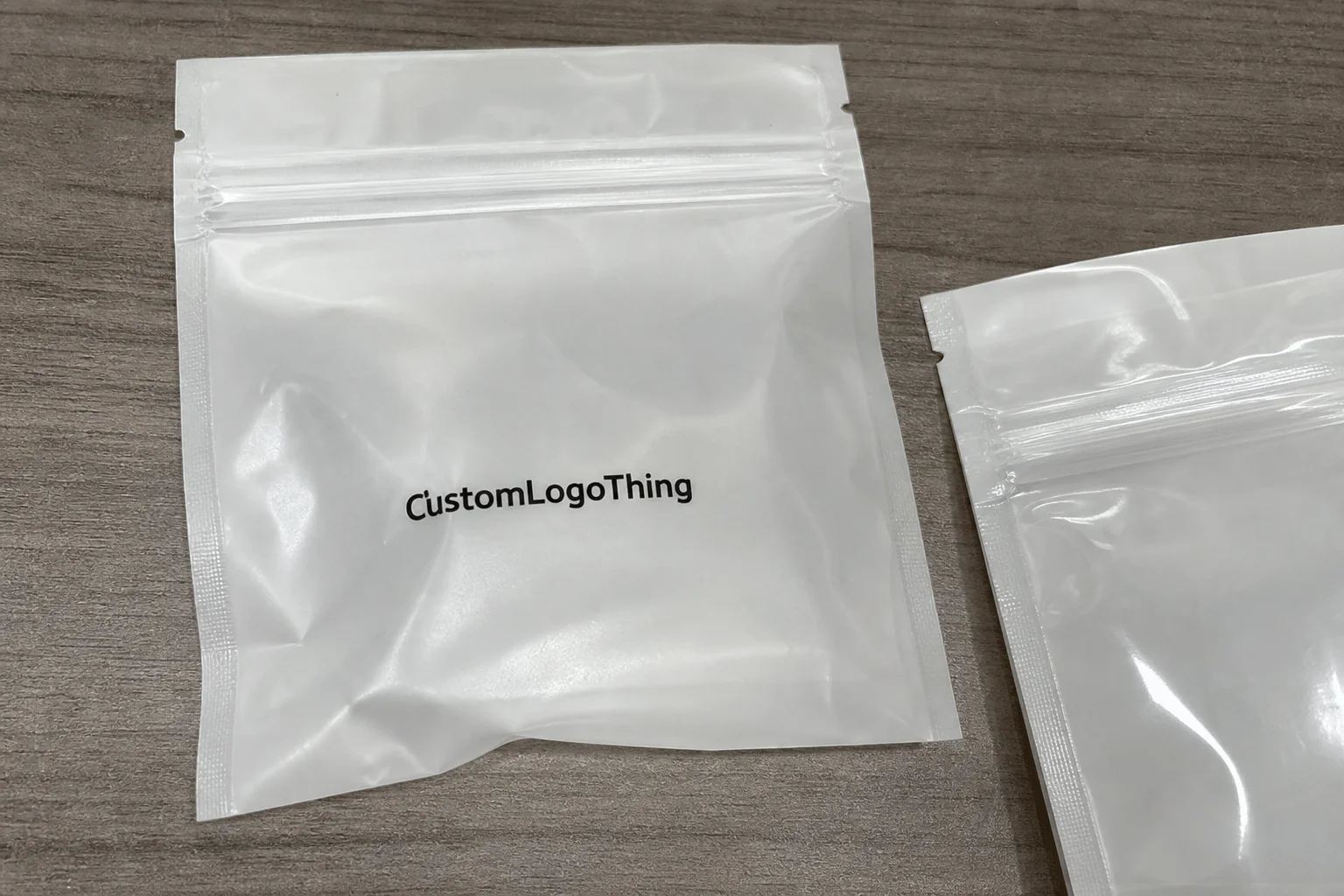
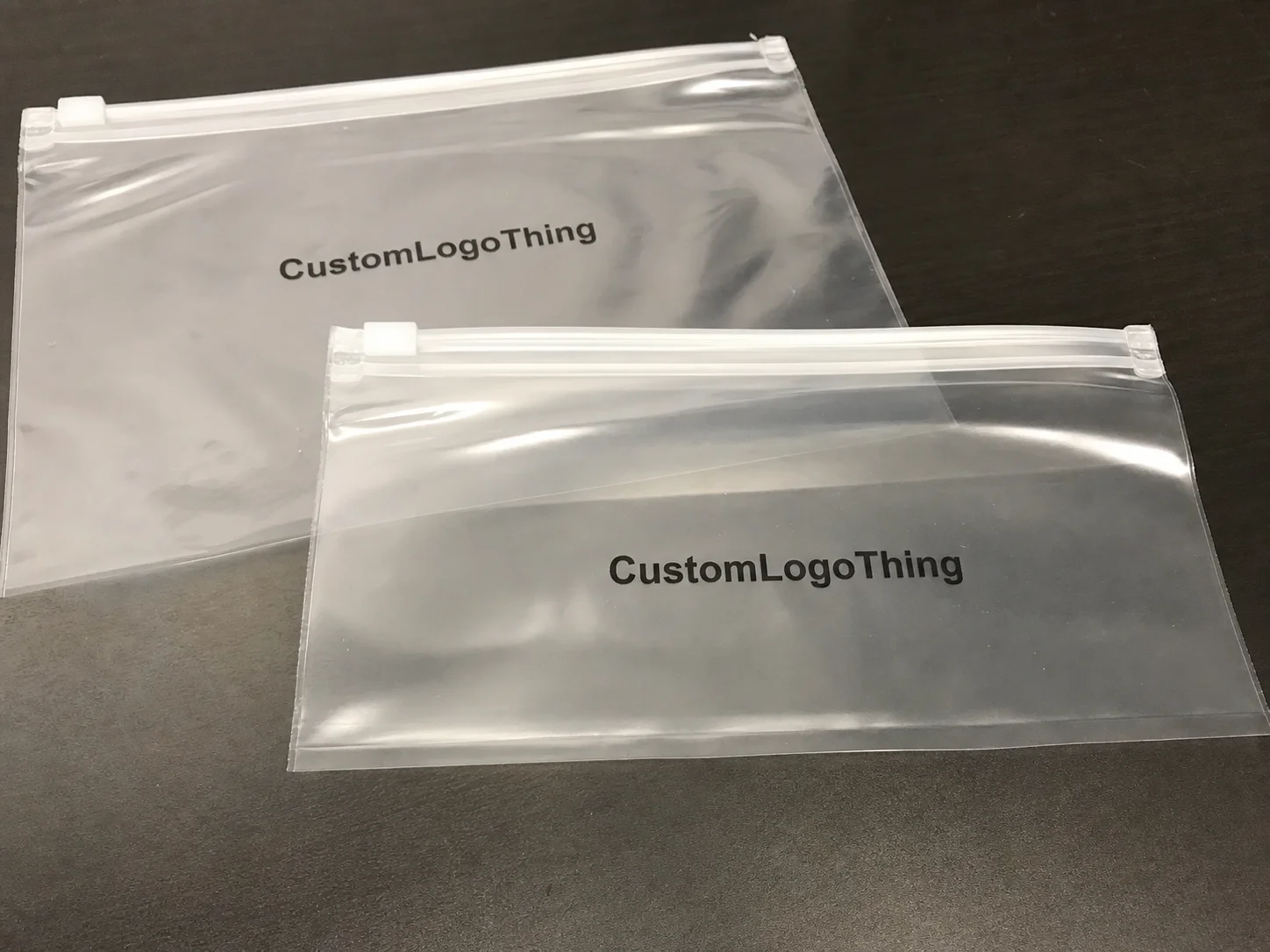
printed poly mailers wholesale comes in several styles, and the right one depends on what you ship. Standard poly mailers are the workhorse. They’re lightweight, flexible, and ideal for non-fragile goods. Bubble-lined mailers add a thin layer of cushioning for items that need a little extra protection without moving all the way to a carton. Tamper-evident seals are common when the buyer wants visible closure integrity. And then there are fully custom-printed exteriors, which can carry a logo, brand pattern, care message, return instructions, or a promotion. A 10 x 13 inch poly mailer with a 3.2 mil film is a very different animal from a 12 x 16 inch bubble mailer with a 4 mm bubble layer.
For print, most brands choose one-color or two-color layouts because they are cost efficient and clean. Full-color work is possible, but it is not always the smartest spend unless your design really needs gradients, photography, or a heavy visual system. Matte finishes feel more premium and photograph well. Gloss finishes often read brighter and are easier to wipe clean. Opaque film is useful when the contents should not show through. If you’re shipping undergarments, skincare kits, or retailer returns, opacity matters more than people think. A 60-micron opaque gray bag can protect privacy better than a prettier translucent one that broadcasts what’s inside.
I visited a facility in Dongguan where a buyer had approved a beautiful mockup with a giant logo centered on the bag. On press, the artwork looked crowded because they had ignored the seam margin and edge bleed. The fix was not complicated, but it cost them 4 extra days and a revised proof. That is why factory proofing matters. A digital mockup is not a production sheet. It is a promise with missing math. And missing math has a way of becoming everybody’s problem, fast. I’ve seen the same mistake in Ho Chi Minh City, where a 12 mm bleed decision turned into a 3-hour press pause.
Use cases are pretty clear once you’ve done a few of these jobs. Apparel brands use printed poly mailers wholesale for t-shirts, leggings, sweaters, and accessories. Beauty and wellness companies use them for kits, refill packs, and light SKU bundles. Subscription brands use them because the shape is flexible enough for mixed orders. For any shipment that is flat, light, and not crush-sensitive, the mailer is usually the cheapest branded option that still looks intentional. A 9 x 12 inch mailer can carry a folded tee and insert card for around $0.14 to $0.22 per unit on a 5,000-piece order, depending on print and thickness.
Design decisions matter too. Keep the logo readable at arm’s length. Don’t cram six lines of copy onto a 12-inch bag and expect it to look premium. Leave breathing room around the edge. If you want QR codes, place them where scanners won’t hit a fold or seam. And if you want to use bold background color, remember that darker inks cost more to match consistently. I’ve seen brands lose a clean look because they tried to fit every marketing idea onto a 0.06 mm film pouch. The bag is not a billboard. It’s a shipping tool with opinions. A simple one-color logo with a 15 mm quiet zone usually prints cleaner than a crowded layout with three slogans and a coupon code.
| Option | Typical Use | Pros | Tradeoffs |
|---|---|---|---|
| Standard poly mailer | Apparel, soft goods | Lowest cost, light weight, fast packing | Less protection, less premium feel |
| Bubble-lined mailer | Small items with mild protection needs | Better cushioning, still compact | More material, higher unit cost |
| Tamper-evident mailer | Retail, wellness, returns | Clear closure security, professional look | Not a replacement for true security packaging |
| Full-print custom mailer | Brand-led DTC shipments | Strong brand visibility, flexible graphics | Setup and print control matter more |
For buyers wanting broader packaging support, we also make it easier to coordinate with Custom Packaging Products and our Custom Poly Mailers program, so the outer shipper and the rest of the packout do not look like they were sourced by three different people in a rush. I’ve seen that mess before, and it looks exactly as bad as it sounds.
And yes, a real sample is different from a screen proof. The sample will show the film feel, seal quality, and print behavior under light. A mockup only shows layout. If you care about Pantone matching, opacity, or how the adhesive strip closes after a 25-degree warehouse morning in Xiamen, sample it. I’ve watched too many teams sign off on pixels and then complain about film stretch. That is not a printing problem. That is a buying problem. Ask for a physical sample before you approve 8,000 pieces.
Printed Poly Mailers Wholesale Specifications
When you buy printed poly mailers wholesale, the spec sheet is where the real value gets decided. Film thickness is usually described in microns or mils, depending on supplier and region. Thicker film improves puncture resistance and feel, but it can also add material cost. Too thin, and the mailer tears in transit or splits at the seal. I’ve seen a 45-micron bag fail on a warehouse conveyor in Shenzhen because the corner caught on a rough carton edge. The replacement cost was not the issue. The reshipment labor was. The angry email from operations? That came free with the pain.
The most common size ranges depend on the product, but many brands order sizes that fit folded shirts, hoodies, leggings, cosmetics bundles, and book-sized items. Don’t choose size based on what looks “standard” in a catalog. Measure the packed item with folding room, closure allowance, and some air removal. A 10 x 13 inch bag may fit a shirt laid flat, but a 12 x 15 inch size can save packing time if the garment has sleeves or inserts. The smallest fit that still closes cleanly is usually the best value. For example, a 2.5 cm flap allowance and a 15 mm adhesive strip can make the difference between a clean seal and a return pile.
Seal strength matters more than people realize. Adhesive strips should close once and stay closed in normal transit. If you want return-friendly packaging, ask for a second seal strip or perforation option. Some clients also request tear strips, custom warning text, or recycled content. Those choices can be useful, but only when they match the route and product. A recycled-content mailer that feels too soft for a heavy order is not a win. A 30 percent recycled film that still holds a 900-gram sweatshirt is a much better conversation.
Water resistance is another reason brands choose printed poly mailers wholesale. Poly film handles moisture better than paper-based shipping wraps. That does not make it waterproof in a submarine sense, but it does protect against rain, dock splash, and damp handling far better than untreated paper. If your fulfillment center ships through wet weather in Seattle or your carriers leave parcels in exposed drop points in Melbourne, this spec matters. I always tell buyers to ask what the mailer can survive, not just what the catalog says. A 3.0 mil bag with a tight side seal can handle far more than a thin paper alternative during a monsoon week.
Puncture resistance is tied to film thickness, seal quality, and item shape. Sharp edges, zipper pulls, and hard corners can punch through thinner film during sortation. If your products have any rigid component, ask for a sample test. ASTM and ISTA testing standards are useful references for shipment durability, especially if your supply chain has repeated handling points. If you want to read the testing language directly, ISTA has a solid overview of transit test methods, and the Packaging Machinery Manufacturers Institute is a useful source for packaging system context. A 1.2 kg bundled item should never go into a thin 40-micron mailer unless you enjoy damage claims.
Customization details should be confirmed before production starts. Ask about adhesive strip type, perforation location, recycled percentage, opaque versus translucent film, and whether custom warning text or return instructions can be printed on the back. If you need odor control, anti-static properties, or freezer-safe performance, say that upfront. Those requirements can change the material formula. Nobody wants to discover that after the order is rolling through production, which is basically packaging’s version of stepping on a Lego. Also ask if the supplier can match a specific Pantone, like 186 C or 294 C, because “close enough” is not a specification.
- Film thickness: confirm microns or mils, not just “strong film”
- Opacity: important for privacy and brand presentation
- Seal style: single strip, double strip, or tamper-evident closure
- Print method: one-color, two-color, or full-color exterior branding
- Size tolerance: ask for acceptable variance before approving
- Recycled content: verify percentage and performance expectations
One of the smartest questions you can ask is simple: “What is the failure point?” That gets better answers than “Is this good quality?” Suppliers know how to answer specs. They do not always know how to answer vague feelings. And frankly, neither do most buyers until they’ve had a few shipments go sideways. Ask whether the failure point is seal peel, corner tear, print abrasion, or stretch distortion, and you’ll get a real answer from the factory in Guangdong instead of a sales slogan.
For packaging buyers who care about environmental claims, check the material source and ask for documentation. If you are making sustainability statements, align them with recognized guidance. The EPA recycling guidance is a practical reference point for understanding material claims and local recycling realities. I’ve seen brands get burned by overstating recyclability on a bag that was technically recyclable in theory but not accepted locally in most markets. That sort of claim invites complaints. And social media. Which is just complaints with better lighting. If a supplier says “100% recyclable,” ask where, by whom, and under what collection system.
Printed Poly Mailers Wholesale Pricing and MOQ
printed poly mailers wholesale pricing depends on four big levers: material thickness, print complexity, order quantity, and freight. If somebody offers you a price without asking these questions, they are either guessing or hiding something. A simple one-color bag in a standard size will almost always be cheaper than a full-color custom design with a thicker film and special finish. MOQ follows the same logic. The more specialized the job, the higher the minimums usually climb. A 10 x 14 inch mailer in 2.8 mil film with one-color print is a very different quote from a 14 x 19 inch bag with matte lamination and double-side printing.
For practical budgeting, a standard custom run might land somewhere around $0.12 to $0.28 per unit at larger quantities for basic printed film, while more complex specs can move higher. Small orders can run much more because setup gets spread over fewer bags. That is the part people dislike hearing. The press doesn’t care that your startup is precious. The press still needs setup, plates, calibration, and waste allowance. I’ve had people stare at the quote like the numbers personally insulted them. They didn’t. Physics did. For example, 5,000 pieces of a one-color 10 x 13 inch mailer might price at $0.15 per unit, while 10,000 pieces could drop closer to $0.11 to $0.13 depending on film and freight.
I negotiated a run for a fashion client in New York who wanted a 3-color print, matte finish, and extra-thick film because they were tired of corner punctures. The unit cost came in at a fair level, but the real savings came from reducing returns and re-shipping. That’s the thing buyers miss. Paying $0.03 more per bag to avoid $4.80 in damaged-order handling is not a hard decision unless you only look at the quote line. printed poly mailers wholesale should be judged by landed value, not ego. Their final landed cost on a 7,500-piece run was still lower than the box-and-tissue setup they used before.
MOQ varies by supplier and print method. Simple print jobs often start lower than full custom runs. Some factories will support smaller trial quantities on stock-size mailers, especially if you only need one or two colors. Higher quantities usually bring the best unit price, but don’t overbuy size variants you haven’t tested. I’ve seen brands lock themselves into 30,000 pieces of the wrong size because the price looked good on paper. Then they spent six months using packing inserts just to make the bag work. Expensive lesson. The kind you remember every time a pallet arrives in your Dallas warehouse.
| Order Level | Typical Unit Price Range | Typical MOQ Behavior | Best For |
|---|---|---|---|
| Trial order | $0.22–$0.45 | Lower minimums, more setup cost per unit | New brands, design testing |
| Mid-size order | $0.14–$0.28 | Better price balance, moderate minimums | Growing DTC brands |
| Large wholesale order | $0.08–$0.18 | Lower unit cost, stronger commitment | Stable SKU volume, repeat buyers |
These are directional numbers, not a universal promise. A thicker film, special ink, extra colors, or custom sizing can move the quote. Freight can move it too. Ocean shipping may lower the unit cost, but it adds transit time and sometimes customs delays. Air freight gets you speed, but your CFO will feel it. That is why I always ask buyers to compare landed cost, not just factory price. The quote that looks cheapest sometimes turns into the most expensive pallet on arrival. A bag at $0.13 FOB Ningbo can become $0.19 or more landed if the carton count, consolidation, and import fees are ignored.
What upgrades are worth paying for? Better seal adhesive, better opacity, and the film thickness needed for your actual product. What upgrades are often unnecessary? Fancy print effects that nobody notices after the parcel sits on a doorstep for 11 minutes. I say that with love. I’ve been in too many sample reviews where the buyer wanted six effects and a hero story, but the product was a $14 t-shirt going out in a single mailer. A 2-color print with sharp registration usually beats a flashy gradient with poor legibility.
If your brand is planning a broader packaging rollout, the Wholesale Programs page can help you line up volume buys across multiple package types instead of piecemeal ordering. That matters when you want consistent terms, tighter planning, and fewer headaches from juggling separate suppliers. It also helps if you are ordering 3,000 poly mailers, 2,000 labels, and 1,500 inserts from different cities and hoping someone else sorts the logistics.
One more thing: ask about plate charges, setup charges, and artwork adjustment fees. Those are not “extras” in the shady sense. They are part of the actual cost structure. A transparent supplier will separate them cleanly. A vague one will bury them and call it “factory service,” which is a polite way of saying they’d rather you not read the quote. On a typical run, plate and setup fees might be $80 to $250 depending on color count and print size, and that can matter a lot on orders under 2,000 pieces.
Printed Poly Mailers Wholesale Process and Timeline
The order process for printed poly mailers wholesale is usually straightforward if the buyer is prepared. It starts with a quote request, then artwork review, then a digital proof or sample approval, followed by production, quality control, packing, and shipment. If you skip the proof stage, you are not saving time. You are borrowing trouble. A clean order from proof to shipment is usually easier than dealing with a rushed reprint in Dongguan or Ningbo after someone discovers the logo is 8 mm too low.
A realistic sample timeline might be 5 to 10 business days depending on artwork and material availability. Bulk production often runs 12 to 20 business days after proof approval for standard jobs, though complex print or high-volume orders can take longer. Add shipping time on top of that. Domestic freight may be a few days. International freight can take longer depending on port congestion, customs, and carrier choice. I’ve had buyers call on day 7 expecting a dock delivery from a factory that had not even finished curing the print. I wish I were joking. I am not. A realistic customer-facing answer is usually 12 to 15 business days from proof approval for a standard 5,000-piece order, then another 3 to 7 days for regional trucking.
Where do delays happen? Usually in three places: artwork corrections, color approval, and late spec changes. The fastest way to slow the job down is to decide, after proof approval, that you actually want a different size or a different back-print message. That resets the workflow. It also resets everyone’s patience. Factory teams are not mystical. They need a final file, a final spec, and a final shipping plan. Changing from a 10 x 13 inch bag to a 12 x 15 inch bag after the proof is approved means a new layout, new plates, and new sanity checks.
Here is the checklist I want buyers to have ready before they request printed poly mailers wholesale pricing:
- Final bag size in inches or millimeters
- Target quantity by SKU or total run
- Artwork file in vector format
- Print color count and finish preference
- Film thickness target or product weight
- Closure style and any special features
- Ship-to address and freight preference
- Target delivery date, not just “ASAP”
That list saves money because it reduces back-and-forth. Every email thread adds time. Every unclear spec adds risk. And every surprise revision adds waste. If you want a faster timeline, prepare the job like a professional buyer, not a hopeful shopper. If your team can send the final AI or PDF file, a Pantone reference, and the delivery zip code on the same day, you’ll usually move faster than brands that need five internal approvals to choose black ink.
I’ve seen one brand shave 6 days off their schedule simply by sending final dielines, confirming a Pantone match, and approving the proof in the same afternoon. The opposite is also true. One cosmetic startup lost 9 days because their team kept debating whether the logo should be 3 mm larger. That kind of decision is not creative. It is expensive procrastination. It also makes procurement people stare into the middle distance like they’ve just seen a storm coming. A 24-hour delay in proof approval can become a 2-week problem if the factory queue is already full.
Faster timelines almost always cost more. If a supplier says they can rush the job, expect either a premium fee, schedule displacement, or both. That is normal. Planning ahead is cheaper and calmer. Revolutionary? No. Just how production works. A rush fee of 10 percent to 20 percent is common when you ask for a 7-day turnaround on a run that normally takes 15 business days. The math is annoying, but it’s honest.
Why Choose Us for Printed Poly Mailers Wholesale
Custom Logo Things is built for buyers who want real packaging support, not fuzzy promises and a quote that changes three times. We work directly with manufacturing partners in Shenzhen, Dongguan, and Yiwu, which helps keep pricing clearer and communication tighter. With printed poly mailers wholesale, that matters because the difference between a good run and a mess is usually in the details: color consistency, artwork setup, closure quality, and the honesty of the timeline. If you need 8,000 pieces with a 2-color print and a matte finish, you want a team that can explain why the unit price is $0.17, not just say “it’s fine.”
I’ve spent enough time on factory floors to know that the cheapest supplier is not always the cheapest outcome. A reseller with no production visibility can sell you a bag and disappear when the print shifts or the size tolerance slips. Direct sourcing gives you better control over those issues. It also makes it easier to ask real questions and get real answers, which is refreshing if you have ever dealt with packaging middlemen who answer every technical question with “should be fine.” Translation: they have no idea, but they want the PO anyway. I’ve heard that exact line in a warehouse in Foshan at 6:40 a.m., and no, it was not reassuring.
We help buyers review artwork, confirm spec choices, and avoid expensive over-ordering. If you need help deciding whether a 10 x 14 inch mailer is enough or whether you really need a 12 x 15 inch bag, we will tell you straight. Same with print method. Same with finish. Same with freight. If the upgrade does not pay for itself, I’ll say so. That may not sound glamorous, but it saves money. A buyer in London once cut 4,000 units from an order after we showed them the actual fold dimensions; that decision saved them about $620 before freight.
Quality control also matters. We do sample approval, production checks, and packing review so the finished product matches the agreed spec. That does not mean every order is magic. It means problems are caught before they become customer complaints. I’d rather spend 20 minutes reviewing a proof than 2 weeks fixing a shipment that arrived with crooked logos and weak adhesive. Been there. Not fun. Nobody is nostalgic for that kind of email chain. A proper QC step catches print drift, seal failure, and incorrect carton counts before the boxes leave the factory in Guangzhou.
Our process is practical. Clear quote. Clear sample. Clear timeline. No theater. Buyers shipping under pressure need packaging that shows up on time and performs as expected. That is what printed poly mailers wholesale should do. If it cannot handle the route, the stack, and the warehouse team, the branding does not matter. A mailer that looks good but fails at the seam is not premium. It’s expensive trash in a prettier color.
Next Steps for Ordering Printed Poly Mailers Wholesale
If you are ready to order printed poly mailers wholesale, start with the basics: size, quantity, artwork, and target ship date. Give those four things to the supplier first. If you have them ready, the quote gets sharper and the timeline gets more realistic. If you do not, expect a lot of guesswork dressed up as customer service. A request with a 10 x 13 inch bag, 5,000 pieces, 1-color black print, and delivery to New Jersey will always get you a better answer than “we need packaging soon.”
When comparing quotes, check the actual material spec, the print method, the MOQ, and the freight terms. A quote for $0.15/unit is not helpful if it leaves out packaging, export fees, or freight to your warehouse. A quote for $0.19/unit may be better if it includes cleaner print control, a stronger seal strip, and a shorter delivery schedule. That is why landed cost wins. If the factory in Qingdao can land the order in 14 business days and the cheaper quote in Ningbo lands in 26, the lower quote may cost you a launch window.
Request a sample or digital proof before bulk production. I know some teams want to move fast and skip it. Don’t. The sample catches mistakes that cost far more in production than they do on a PDF. If your logo color is slightly off or the back-print text is too close to the edge, you want to know before 10,000 bags are printed. A $35 sample can save a $2,100 reprint. That’s not theory. That’s arithmetic.
Here is the quick checklist I use with buyers:
- Final dimensions and product fit
- Artwork file in vector format
- Print colors and finish preference
- Quantity target and backup quantity
- Desired thickness and seal style
- Freight destination and delivery window
- Sample approval before production
That list keeps the process moving and reduces mistakes. It also makes it easier for us to give you a quote that reflects reality instead of optimism. If you want a packaging partner that speaks plainly and ships cleanly, that is the point of working with a team that knows what happens on the floor, not just in the sales email. A good printed poly mailers wholesale quote should include the spec, the price, the timeline, and the factory location without making you play detective.
Buyers who handle printed poly mailers wholesale well usually do one thing consistently: they provide clear specs up front. That is the difference between a smooth reorder and a messy scramble. Give the supplier the size, the artwork, the quantity, and the target ship date, and you’ll get a much better result. Simple. Not flashy. Effective. And if the supplier is honest, you’ll know whether your order belongs in Shenzhen, Dongguan, or a regional stock program before you waste a week on vague promises.
FAQ
What is the typical MOQ for printed poly mailers wholesale?
MOQ usually depends on print method, size, and material thickness. Simple one- or two-color runs often have lower minimums than full-color custom orders. Buyers can reduce unit cost by increasing quantity, especially on standard sizes. A common starting point is 1,000 to 3,000 pieces for simple specs and 5,000 pieces for better pricing.
How much do printed poly mailers wholesale cost?
Price depends on size, thickness, print colors, and order volume. Freight and setup charges can change the landed cost, so compare full quotes. Higher quantities usually lower the per-piece price significantly. For example, a 5,000-piece order may land around $0.15 to $0.22 per unit for a basic 1-color mailer, while larger runs can fall lower.
How long does production take for printed poly mailers wholesale?
Timeline depends on proof approval, order size, and production queue. Artwork delays are the most common reason orders move slower. Shipping method also affects when the order arrives at your facility. A standard timeline is typically 12 to 15 business days from proof approval, plus transit time from the factory to your warehouse.
Can I order printed poly mailers wholesale with my own logo?
Yes, custom logo printing is standard for wholesale orders. You will usually need vector artwork for the cleanest print result. Proof approval is important before production begins. Most suppliers can print one-color, two-color, or full-color logos depending on the film and budget.
What size should I choose for printed poly mailers wholesale?
Choose the smallest size that fits your product and closure needs. Measure your packed item, not just the product itself. Ask for a sample or size recommendation if you are unsure. A 10 x 13 inch mailer works for many folded shirts, while a 12 x 15 inch bag gives more room for sweaters, inserts, or bulkier folded items.