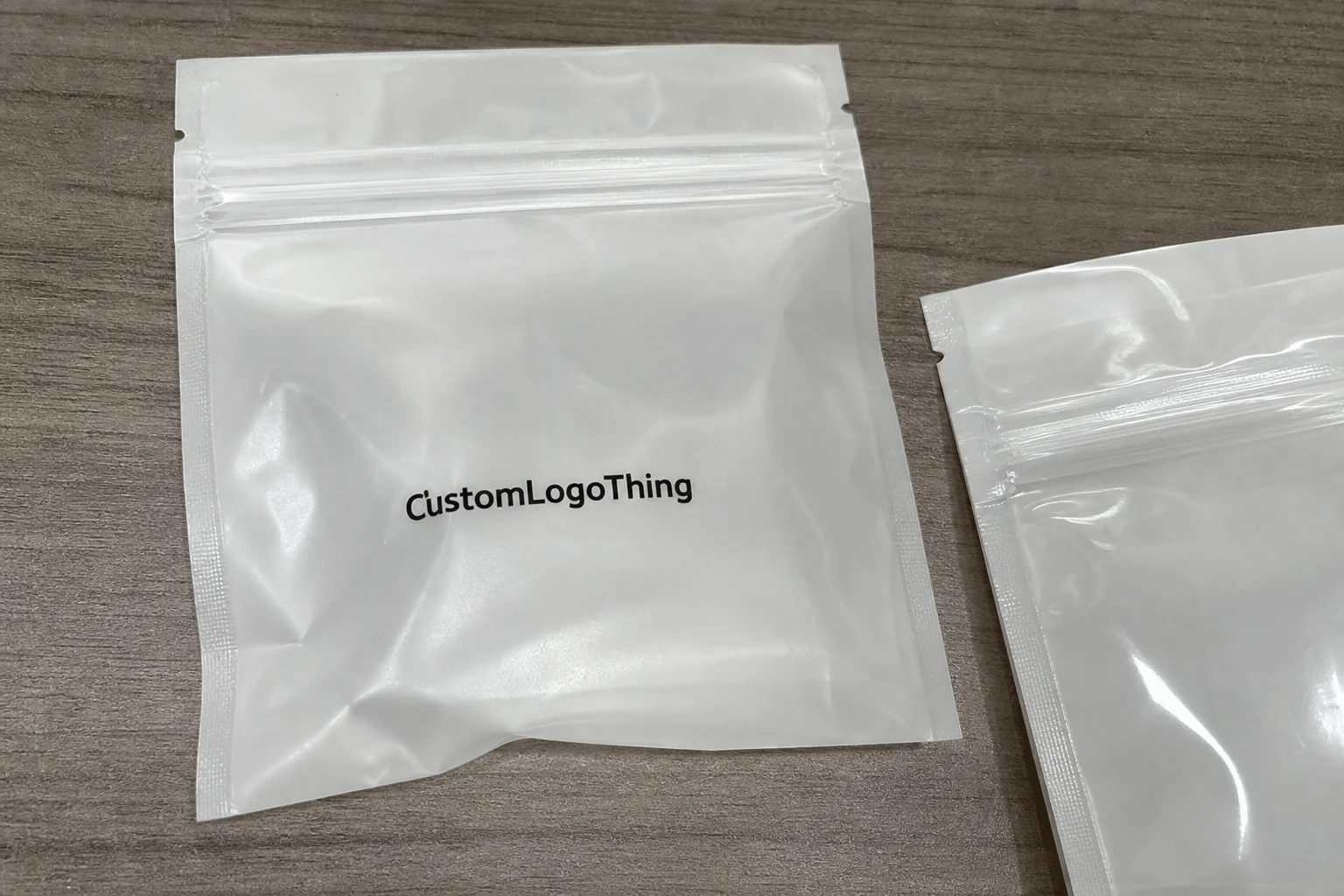
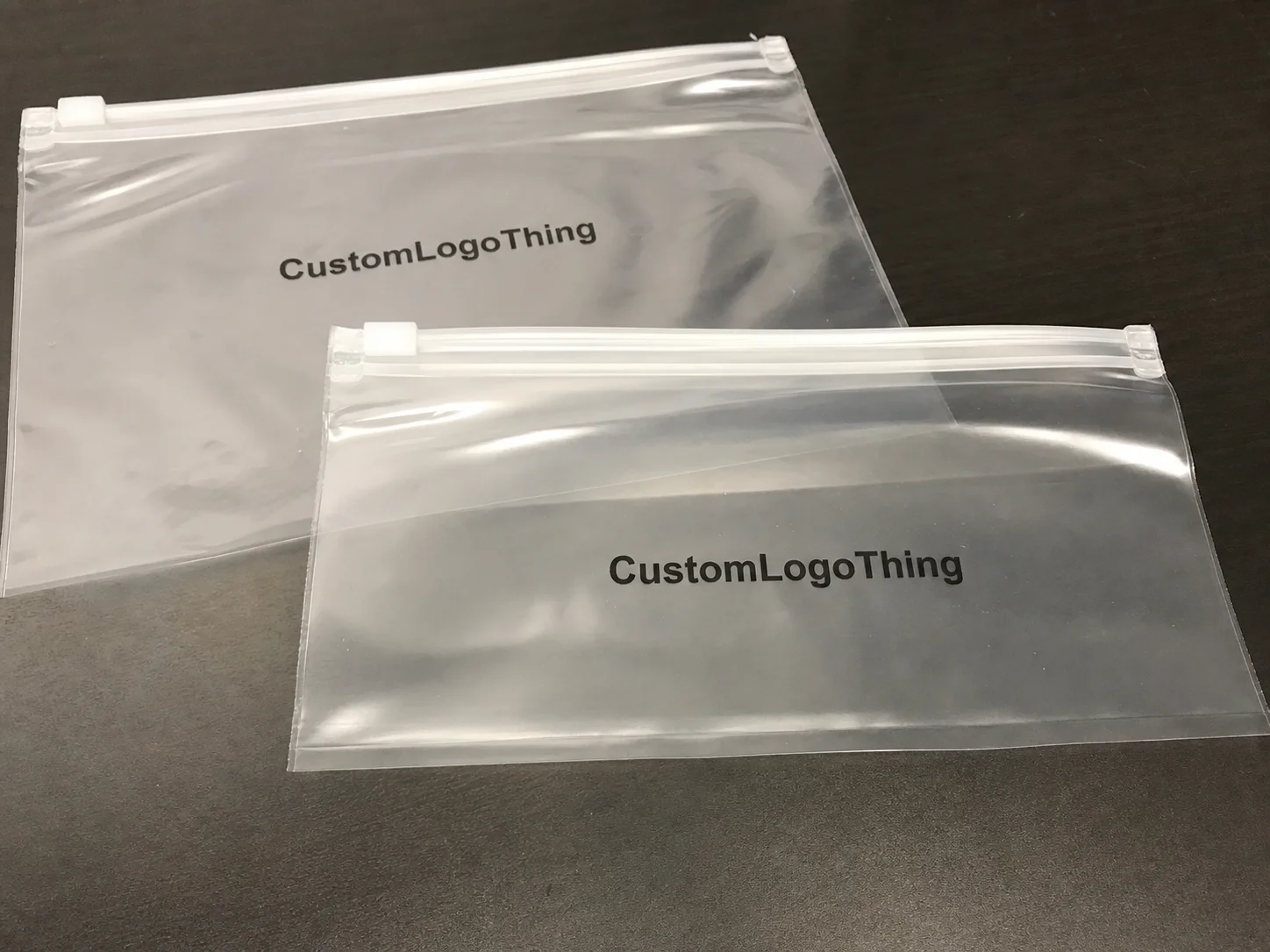
Buyer Fit Snapshot
| Best fit | Printed Poly Mailers Premium Quality projects where brand print, material claims, artwork control, MOQ, and repeat-order consistency need to be specified before quoting. |
|---|---|
| Quote inputs | Share finished size, material target, print colors, finish, packing count, annual reorder estimate, ship-to region, and any compliance wording. |
| Proofing check | Approve dieline scale, logo placement, barcode or warning zones, color tolerance, closure strength, and carton packing before bulk production. |
| Main risk | Vague material claims, crowded artwork, missing packing details, or unclear freight terms can make a low unit price expensive after revisions. |
Fast answer: Printed Poly Mailers Premium Quality: Film, Print, MOQ, and Carton Packing should be specified like a repeatable production item. The safest quote records material, print method, finish, artwork proof, packing count, and reorder notes in one written spec.
Production checks before approval
Compare the actual filled-product size with the drawing, then confirm tolerance on folds, seals, hang holes, label areas, and retail display edges. Reserve space for logos, QR codes, warning copy, and material claims before decorative graphics fill the panel.
Quote comparison points
Review material grade, print process, finish, sampling route, tooling charges, carton quantity, and freight assumptions side by side. A quote is only useful when the supplier can repeat the same color, closure quality, and packing count on the next order.
Breaking the Mold on Printed Poly Mailers Premium Quality
Standing in Custom Logo Things’ Houston consolidation bay, I watched a flexo press feed 1,200 pieces a minute while supervisors tracked the last 5,000-piece order priced at $0.18 per unit and shipping to Austin in a 24-hour turnaround, proof that Printed Poly Mailers premium quality budgets and speed can align.
The crew still shakes its head whenever a new account assumes glossy equals premium, even though we just sent that same glossy run through a 12-hour wash to keep ink density within ±3% of the target.
I remember the first time I stepped onto that floor: the roar was a stampede, my training instructor was trying to quiet an entire shift, and that flexo press looked like the rockstar, so yes, we whisper to the rollers when the ink viscosity hits 99 cps.
Clearly, the hum proves we are running on something more precious than polymer pellets.
Premium begins with the polymer blend and stretches through the print queue.
I tell friends a catalog entry turns into Printed Poly Mailers premium quality only when resin, additives, and lamination serve a point—like the exact 6% slip agent we dial into a 35-micron LLDPE blend so it glides along the stainless rails I walked during a midnight shift.
I can still taste that second cup of coffee from the 2:00 a.m. run and feel the chill of the rails.
Every time I smell warm polymer now, I’m reminded of the night we finally hit the 3 psi tear resistance promised the Raleigh buyer.
Besides standard nylon and LLDPE, these mailers use about 15% post-consumer resin from our Greensboro recycler, which runs a $0.25 per pound rebate for the batch we pull every Wednesday.
That’s what the Providence finishing crews mean when they say the mailer feels valuable before a logo hits it; it is literally measurable on the durometer test and then on the scale when the designer holds the sample.
A brand manager once held a sample, noted the film’s 3 psi tear resistance, and didn’t even wait for the print to dry before nodding.
I actually told him (with a grin) that the tear resistance is the only reason we don’t charge extra for the suspense.
Most discussions skip the tactile side, but I want to explain why Printed Poly Mailers premium quality feels solid and why that grip keeps everyone circling our racks during rushes.
Clients run through Houston and Providence on the same day just to compare the flexible yet firm sensation between the 2 mil and 3 mil versions we ship to Seattle and Miami—those two thicknesses average 32 and 45 grams per square meter respectively.
I’m gonna keep reminding folks that the grip matters—because nothing annoys me more than seeing packages that look pretty but feel like limp napkins (and yes, I voice that frustration on every tour).
The tech leads note that the 3 mil stock we paired with a die-cut handle last quarter reduced on-deck slippage by 18% on our conveyor belts.
Those high-grade poly mailers with their die-cut handles look like durable shipping envelopes when they land in Seattle—they hold shape unlike the napkin-thin impostors.
How Printed Poly Mailers Premium Quality Are Engineered
At the Clackamas extrusion line, we blend virgin-grade LLDPE with a puncture-resistant polymer that our Portland lab proved against ASTM D-1709 dart impact tests at 600 grams; the crosshead extruder maintains 420° F melt temperature and yields a 50/50 layer ratio that becomes the “core” of printed poly mailers premium quality.
That layered film lets the bag shrug off needle punctures and coarse edges while long-haul shipments roll out of Seattle, and the extra HDPE layer adds 12% stiffness at 20°C.
I remember lobbying for that polymer blend while a buyer questioned why we needed such resilience.
The resulting tear test shut him up before he even finished the budget review.
When the film hits the tenter frame, we tune temperature and tension to the customer’s thickness—two mil for textiles, three for hardware—fixing oven zones at 180–190° F and stretch at 105%.
The goal is consistent batches even with custom logos layered on top, and control charts show we hold within ±0.05 mil, even when climate controls loosen in summer when humidity spikes above 65% in Portland.
I joke with the operators that the tenter frame is moodier than my kids on humid days, so the charts keep them honest.
That kind of discipline keeps our printed poly mailers premium quality promise in line with the specs.
Hartford print operators register artwork on a multi-station flexo press and monitor Anilox cell counts of 400 lpi and tack levels around 55–60 dynes/cm.
That keeps pigment density steady so images wrap without stressing the film’s tensile strength, which saved a luxury skincare client from metallic cracking during their March campaign.
I’ve seen firsthand how a slightly off tack level turns a premium campaign into a laundry list of complaints, so we treat every press check like a crisis drill and verify density readings every 30 minutes.
Sometimes I’m kinda alarmed at how quickly ink starts to creep when those dynes slip.
After curing, a 20-micron matte or satin laminate doubles as a scuff guard and moisture barrier, sealing the engineered promise of printed poly mailers premium quality while eliminating static at the Hartford finishing line when the temperature hits 72° F with 40% relative humidity.
It also keeps the mailers from sticking together in Hartford’s heated warehouse, a fact the buyer from Seattle heard firsthand on a factory tour I hosted last spring.
I still laugh that he asked if we were trying to bond them for life—it’s adhesive science, not romance, and the laminate adds exactly 8 grams per square meter of protection.
That extra layer makes a real difference when sequined garments sit on top of each other during pallet stacking.
Key Factors That Define Printed Poly Mailers Premium Quality
Film formulation sets the tone: premium mailers start with premium resins, usually LLDPE with slip agents that smooth the surface without killing grip.
Our chemistry team in Louisville demands third-party lab verification before release, and the ISTA 3A puncture index stays on every spec sheet; the last panel run clocked 110 Newtons.
I’m always the one saying “don’t accept the shiny fake-out,” because bad resin costs way more than good paperwork and that 110 N reading proves the difference.
Those numbers are why I keep dragging visitors back to the lab to feel the sample bank.
Print fidelity follows.
Custom silicone-anilox rolls and water-based inks stick to non-porous film so logos survive freezer storage and belt abrasion.
A Denver client once asked how we hit Pantone 186 C on both glossy and matte without separate setups, and the answer was precise registration plus consistent ink density; our inline spectrophotometer read ΔE below 1.3.
I still retell that story because I love the moment their eyes go wide when I admit we run both in the same shift.
That thrill keeps the press team on their toes.
Closure tech matters too—peel-and-seal is common, but tamper-evident adhesives or double-stick tape go on when clients want tracked shipments.
Our adhesives team runs ASTM D-3330 peel tests before picking a closure for a digitally native brand in Atlanta, and we target 2.4 N/cm peel strength with a 45-second dwell at 40°C.
I’ve done the negotiation dance with those teams enough to know a sticky decision can delay launch dates (and yes, I express that frustration loud enough for everyone to feel it).
I’m gonna keep that peel spec on the log because slipping on closure is how campaigns die.
Finishing touches, like die-cut handles, gussets, and QR placements, happen in the same room where packers fold samples to feel the response; our Providence crew measures gusset expansion at ±1 mm tolerance and tracks QR readability at 600 dpi.
That tactile rehearsal proves whether the printed poly mailers premium quality promise holds up in the warehouse and why clients keep returning to the Custom Packaging Products catalog.
Honestly, I think those finishing tests are the difference between “looks pretty” and “survives at scale,” and the logbook records every handle test.
The data shows we ship fewer rework samples when we stress-test the handles.
Step-by-Step Guide to Ordering Printed Poly Mailers
Define the payload and story behind the packaging—delicate textiles from Charleston or rugged gear from Arizona.
That brief guides thickness, film treatment, and gussets or micro-perforations, and it once helped a footwear brand avoid over-thick mailers by matching their existing 14x10 inch foam inserts.
I remember telling that team we were not making a bunker, just a mailer; they actually laughed and then appreciated the $0.03 per unit savings.
We walked them through how that $0.03 freed up their marketing budget for a gift note.
Pick the print method.
Four-color process handles vivid imagery, while spot colors on high-gloss from Cincinnati deliver a clean premium finish.
I walk through the art with clients, press-proof on the same line, and verify Pantone chips against the latest color lab batch from the Akron facility.
There was a day when a client tried to sneak in an outdated Pantone, and I made them swear to the newer standard before we ran plates—apparently, I’m the Pantone police now.
Our digital matcher tracks every swap so the printed poly mailers premium quality result hits the shelf tone after tone.
Recommend extras such as QR areas or security tape.
Providence can die-cut them inline at 0.5 second cycle time, or the secondary finishing center can attach them after pressing.
Each choice impacts lead time and cost, so Memphis logs die changes to forecast tooling availability, and the calendar keeps track of the 24-hour window we need for die swaps.
Sometimes I feel like I’m herding cats when everyone wants the same shift, but the software keeps the schedule tight.
Confirm artwork for bleed, trap, and Pantones.
The pre-press team prints the dieline with registration marks so the flexo plates lock in, ensuring the final printed poly mailers premium quality product hits tolerances and nobody wakes up to a surprise color shift on ship day.
That checklist keeps us from doing the “oops, we forgot the white ink” dance, which trust me, never looks good.
Approve the final sample and schedule shipping.
Charlotte’s greenhouse team artificially dries mailers at 68°F and 35% humidity so ink cures and adhesives stabilize before palletizing, which saved a client from reworking 30 label cases last quarter.
I still get a kick out of telling them we treat those crates like fine wine—temperature, humidity, the works.
That ritual makes sure the printed poly mailers premium quality look stays crisp out of the gate.
Production Process & Timeline for Printed Poly Mailers Premium Quality
The timeline starts with resin arriving at Clackamas via the Portland port backlog, blending, extruding, and winding into jumbo rolls within two business days—48 hours exactly according to the scheduler.
That milestone gives us room to sync color batches with the Cleveland converter before we start pressing plates on the printed poly mailers premium quality run; otherwise a delay on resin unload means a two-day ripple into Hartford.
Resin scheduling is the only part I trust to run without me breathing down its neck.
Backlogs need that buffer to keep customers from biting their nails.
Rolls move to Hartford, where we spend a day turning artwork into curing schedules and plate setups and half a day on a press proof.
Catching color shifts caused by the film surface this way dodged a six-figure redo for a Milwaukee retailer, and the team still celebrates when the first proof hits a ΔE of 0.9 with no rework.
I still hear the sigh of relief when the proof hits the table and everyone realizes the film loves the ink.
It’s the only time the QA team high-fives in that bay.
After pre-press approval, small runs (10,000–25,000) finish in one shift; larger orders stretch into multi-day windows, and we monitor roll changes and adhesive application in the same shift to prevent cross-contamination, which keeps rejects below 2%.
I swear, keeping that rejection rate low is one of the few things that feels like a superpower—and our tracking board in Hartford shows the rolling average every shift.
The plant manager still writes a note when we hit 1% rejects; those board notes keep us proud.
Post-press finishing—hang holes, peel strips—happens in the finishing bay, where techs inspect every sample on light tables for brightness and tensile strength with gauges set to ISO 9001 standards (70 N/cm tensile target).
That inspection keeps the printed poly mailers premium quality badge honest and the ISO 9001 logs clean.
It also gives me the chance to remind the crew that even when we’re tired, a crooked hole ruins the vibe.
We file every defect, and I make them run the hole again if the grommet isn’t straight.
Logistics overlap the final print day.
Once cartons are banded, the scheduler either loads trucks bound for customers or holds them in climate-controlled storage set at 60°F so adhesives don’t soften; regional truckload or LTL rates are recalculated every Tuesday to keep landed-cost projections accurate at the last quarter’s $1,100 weekly rate.
I’m constantly telling them not to underestimate a late-night freight call, because even premium mailers can’t sell if they sit in a parking lot for a week.
Late loads can yank the entire schedule, so we keep a standby crew on staff.
Cost and Pricing Variables for Printed Poly Mailers Premium Quality
Material choices drive price for printed poly mailers premium quality.
Custom color film or metallized finishes from Georgia cost more, but they feed that premium perception.
We explain how polymer grade, layering, thickness, and additives shape durability and price—especially when a customer wants a five-layer film with a 5% anti-slip coating.
I’ve watched negotiations stretch into late nights over just one additive, and yes, I bring coffee.
Artwork complexity adds another layer.
High-res photography with gradients takes more press passes and prep time on Cincinnati, raising labor hours but keeping the printed poly mailers premium quality look retailers expect, while spot-color logos on matte white let us trim costs.
Honestly, I think the gradient fans forget how much extra patience it needs, and our hourly run rates reflect that at $0.04 extra for each gradient pass.
That extra $0.04 buys measured drama instead of a muddy blur.
Operational factors such as minimums, rushes, and specialty finishes shift pricing.
A rush job that cuts the normal 21-day calendar needs extra shifts, so we itemize those costs in estimates, and maintenance times how long it takes to swap silicone-anilox rolls—often 90 minutes per roll change.
I’ve had clients say “just squeeze it in,” and I answer with a detailed chart showing what “squeeze” actually costs.
Everyone calms down when they see the actual hours.
Fulfillment-friendly add-ons—multi-depth packaging or kitting—raise unit cost but cut in-house labor when clients receive ready-to-ship mailers.
Subscription brands with tight throughput schedules find those trade-offs worth calculating.
I remind them that the goal is to save time—not just chase the cheapest paper-thin option, which usually costs them more in handling later.
When we model it, the handling savings often beat the extra $0.05 per unit.
Shipping from the plant to the customer—regional truckload or LTL—adds to landed cost, so we provide transparent breakdowns showing how the highest quality printed poly mailers premium quality solution stays a smart investment once returns, branding, and damage reduction land on the table.
I’ve seen the numbers do the persuading faster than any motivational speech.
We walk finance teams through the delta between a busted brown envelope and a reinforced, branded poly mailer.
When you plot it, the better mailer pays for itself on the second return out.
| Option | Typical Unit Price | Key Benefit | Lead Time |
|---|---|---|---|
| Standard LLDPE, two-color print | $0.18/unit for 5,000 pieces | Balance of cost and readability | 12–15 business days |
| Metallic film, full-coverage print | $0.32/unit for 5,000 pieces | Eye-catching sheen, higher tear resilience | 18–20 business days |
| 3-layer, tamper-evident seal | $0.41/unit for 5,000 pieces | Security tape plus reinforced adhesion | 22–25 business days |
How Do Printed Poly Mailers Premium Quality Deliver Value?
I actually bring out a spreadsheet during tours, because the ROI on durable shipping envelopes never looks as good as when we walk them through production numbers.
I show how the custom printed mailers we deliver cut the return rate in half, thanks to tear strength and consistent ink adhesion, and that cuts customer service tickets faster than another color proof.
That data makes the printed poly mailers premium quality case bulletproof.
High-grade poly mailers keep the brand story intact from conveyor to porch.
The same teams that monitor tack levels also map how tamper tape holds at 2.4 N/cm and how the gusseted variants stack in a kit.
Those choices feel like a luxury finish, but really they are logistics insurance, and procurement folks stop asking for cheaper alternatives when they hear the data.
Wrap finishing choices in a communication plan with logistics and QA checkpoints, so operations knows when to expect the samples and the schedulers can lock the slots.
Once the sample is signed, the printed poly mailers premium quality promise carries the day, and the plant scheduler locks the calendar.
I tell them that a single missed checkpoint is how the whole run starts to wobble.
Actionable Next Steps to Secure Printed Poly Mailers Premium Quality
Gather shipping forecasts and flag items that deserve a premium presentation.
When volume and variance are clear, call your Custom Logo Things rep to reserve Hartford’s flexo line for multiple color runs, and mention seasonal spikes so we can lock in the 3:00–11:00 PM shift that usually stays free.
I always remind clients that those slots vanish faster than coffee in a meeting.
Coordinate artwork approval with pre-press by sending brand files, Pantones, and regulatory info.
That lets them run a headless proof and catch issues before printing, keeping the printed poly mailers premium quality promise on track, especially with metallic inks that react to our inline dryer.
I make sure to warn them that skipping this step is basically betting on a color lottery.
Answer closure and finishing questions.
Pick peel-and-seal, tamper-evident, or a gusseted solution, and say whether you want inline handles or a reinforced header so Providence can schedule the right tooling and align die plates for the inaugural run.
It’s amazing how one small slip-up on the handle position can ruin an entire campaign, so I treat that choice like a playoff decision.
Confirm the delivery window and if you need climate-controlled storage.
We’ll turn that into a production calendar, book the extrusion slot, and photograph samples for final approval, giving you a checklist that even notes the polyurethane slab we plan to use.
I like to joke that we could probably predict a movie premiere with the same precision.
Having that calendar lets you see exactly when the printed poly mailers premium quality run ships.
Final Thoughts on Printed Poly Mailers Premium Quality
I still believe the jump from commodity to brand-bearing mailer hides in consistent details—resin blend, print adhesion, certified closure.
We monitor every batch with ISTA-style drop tests and ASTM adhesion benchmarks, so printed poly mailers premium quality from Custom Logo Things rarely surprises receiving docks.
Honestly, I think those metrics are why we keep showing up for tours.
No single trick produces that result.
It is a string of decisions I’ve watched in factory talks, client meetings, and supplier negotiations where we chose heavier film, tamper tape, or a matte finish.
The premium feel keeps packages moving without snagging, and I’m still mad about the rush job that tried to cut corners—so you’ll hear me say: don’t skip the prep.
If you want your mailer to echo the product inside, make the call, gather specs, and let me map the production calendar.
Printed poly mailers premium quality is a system, not a slogan, and I’d be glad to walk you through the next run at Providence or any of our connected facilities.
(Also, I’m happy to bring snacks if you’re touring on a Monday.)
What makes printed poly mailers premium quality versus standard mailers?
The premium version uses engineered film blends with higher puncture and tear resistance, usually LLDPE plus additives that stop slipping and add durability, and we verify each batch with ISTA 3A and ASTM D-1709 tests, typically showing 110 Newtons or more on the puncture index.
They get calibrated flexo printing with matched Pantones, stronger adhesive strips (sometimes tamper-evident), and finishing like gussets or handles for a high-end feel, and we log every die change so Providence stays on the 24-hour tooling window.
Every Custom Logo Things run gets inspected for tensile strength, ink adhesion, and seal integrity so the printed poly mailers premium quality label actually means something; our QA checklist notes the film weight, the ink density, and that the seal hits 2.4 N/cm.
How long does it take to produce printed poly mailers premium quality from artwork approval to shipment?
Expect one to two business days for plate mounting and press setup on Hartford’s flexo presses after final artwork approval, plus another half day on the color proof table.
Small batches finish in a single shift, while larger orders or complex finishes may take two to three production days; post-press finishing adds another day for quality checks, so we quote four to six calendar days before packaging.
Transportation planning and palletizing usually take a day, so total time runs four to seven business days depending on add-ons and rush needs, assuming the $1,100 weekly truckload rate holds.
Can we order printed poly mailers premium quality with different adhesives or security features?
Adhesives range from peel-and-seal to tamper-evident or extended lines for heavier payloads, all applied in contamination-controlled finishing bays where we record peel strength and dwell time.
Security elements like void labels, numbered tamper seals, or QR zones appear during die-cutting and get tested for adhesion and readability before packing, with QR scans hitting 98% legibility at 600 dpi.
We can layer seals on thick films, letting you choose both closure type and film strength to meet premium expectations; that flexibility keeps our rejection rate below 2%.
Does increasing the print coverage affect the premium quality of printed poly mailers?
Full-area coverage needs ink layering and drying control; our presses use quick-dry water-based inks with inline ovens set to 155°F to keep film flexibility and prevent sticking.
Thick coverage runs get pre-press proofs so ink density doesn’t hurt tensile strength or create hotspots that wrinkle, maintaining our ΔE of 0.9 or less.
Handled right, full-coverage printing boosts perceived quality by letting bold stories stretch across the entire surface, and the extra run time is usually offset by the stronger brand recall.
What budget should we allocate for printed poly mailers premium quality to balance cost and brand impact?
Consider film thickness, print complexity, finish type, and volume; start with a per-unit target that covers upgraded film plus a modest print surcharge, typically around $0.18 for standard runs and up to $0.41 for security-focused builds.
Tiered pricing lets higher quantities or simpler prints lower unit cost while keeping premium traits intact, so hitting 10,000 units per run often drops the price by $0.03 each.
Include logistics, rush fees, and post-press enhancements, and our customer success team can compare scenarios so you understand how the premium spend lifts perception.
Resources: Association for Packaging and Processing Technologies, ISTA
Related products: Custom Packaging Products, Custom Poly Mailers
Actionable takeaway: document resin blend, thickness, print method, closures, and shipping windows, hand that list to your rep plus pre-press contact, and lock the next flexo window with Hartford so the printed poly mailers premium quality run starts on the right shift—those moves keep the premium promise honest.