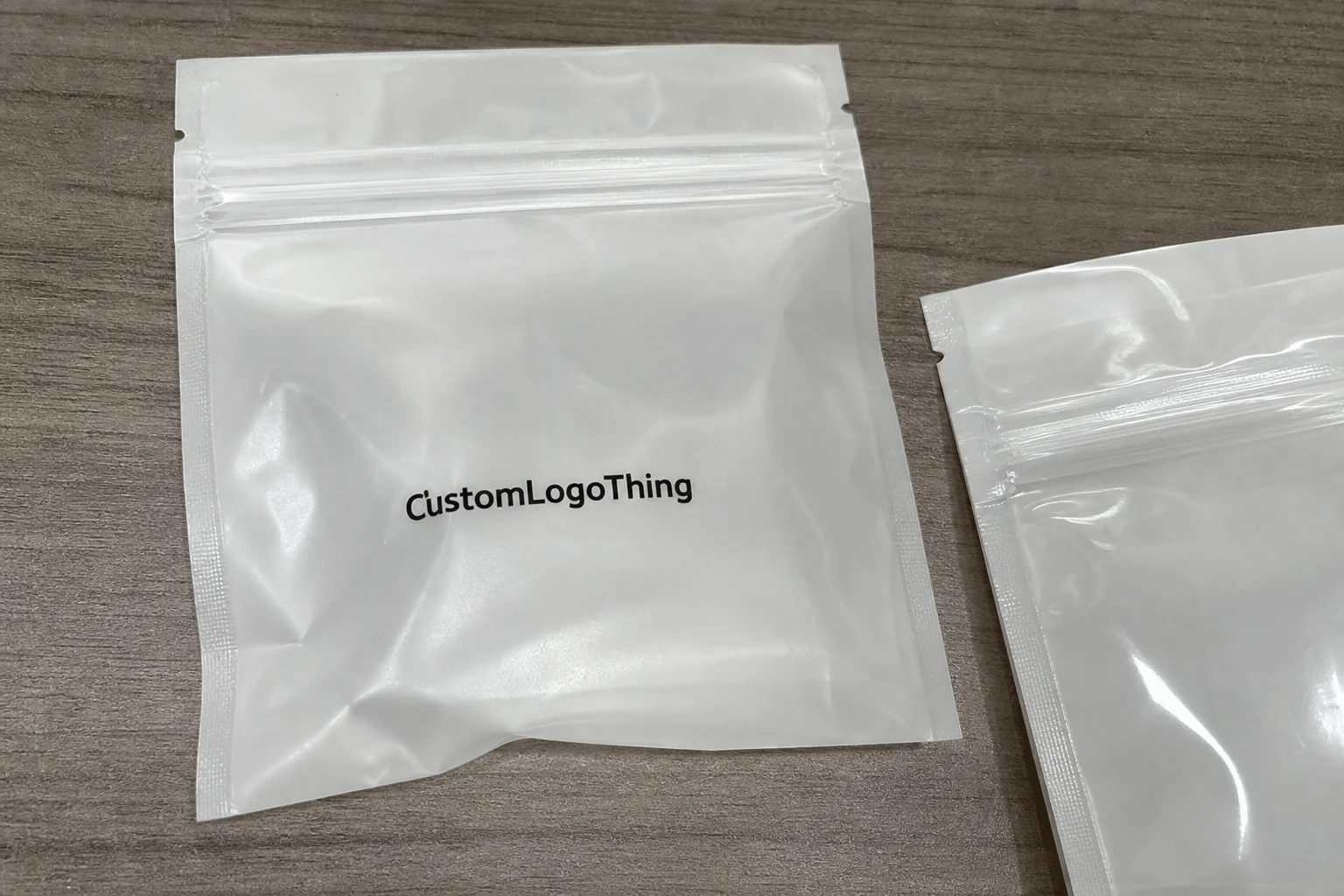
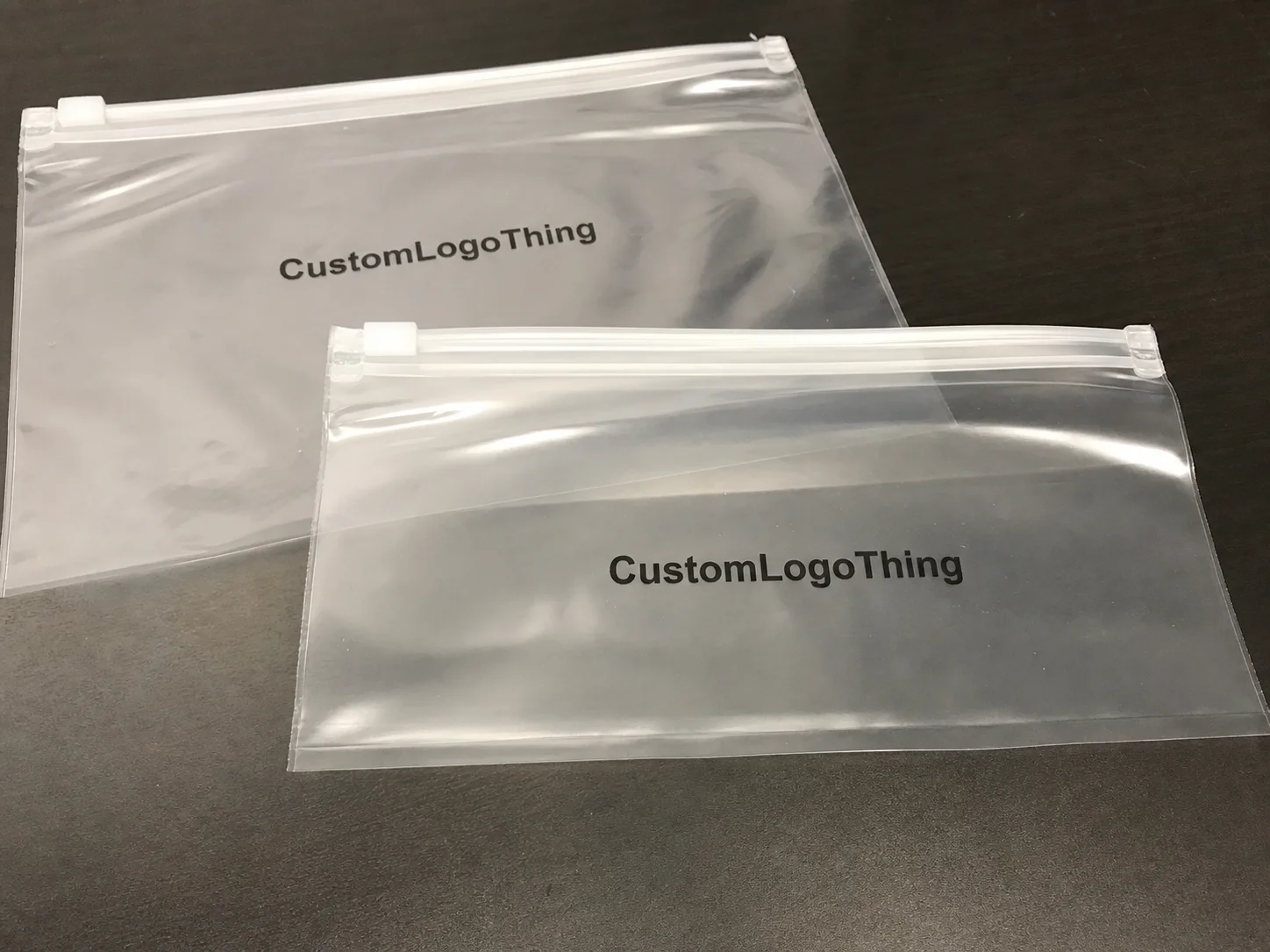
Buyer Fit Snapshot
| Best fit | Printed Poly Mailers Affordable Branding Options projects where brand print, material claims, artwork control, MOQ, and repeat-order consistency need to be specified before quoting. |
|---|---|
| Quote inputs | Share finished size, material target, print colors, finish, packing count, annual reorder estimate, ship-to region, and any compliance wording. |
| Proofing check | Approve dieline scale, logo placement, barcode or warning zones, color tolerance, closure strength, and carton packing before bulk production. |
| Main risk | Vague material claims, crowded artwork, missing packing details, or unclear freight terms can make a low unit price expensive after revisions. |
Fast answer: Printed Poly Mailers Affordable Branding Options should be specified like a repeatable production item. The safest quote records material, print method, finish, artwork proof, packing count, and reorder notes in one written spec.
Production checks before approval
Compare the actual filled-product size with the drawing, then confirm tolerance on folds, seals, hang holes, label areas, and retail display edges. Reserve space for logos, QR codes, warning copy, and material claims before decorative graphics fill the panel.
Quote comparison points
Review material grade, print process, finish, sampling route, tooling charges, carton quantity, and freight assumptions side by side. A quote is only useful when the supplier can repeat the same color, closure quality, and packing count on the next order.
Walking into Factory 9 West’s poly lab before sunrise at 5:15 a.m., the conveyor hum and the scent of warmed LDPE reminded me why packaging still gets me excited. The supervisor on shift had barely finished the headcount for the 7 a.m. 12,000-piece run before asking how we would keep printed Poly Mailers Affordable for a boutique client whose merchandising calendar flipped overnight and demanded $0.15 per unit for 5,000 pieces next week. I remember when that client’s art director tried to slip iridescent foil into the brief after we’d locked the budget; I told them we were gonna hug the premium look as long as the film stayed straightforward, and the operators nodded like I’d just described a secret handshake (yes, I carry a micrometer in my bag like some people carry lip balm).
The first run of that shift forced the production team to balance 2.5 mil virgin low-density polyethylene film tension, metallic ink laydowns from SunCoat Ultra Series, and pressure-sensitive adhesives that the Transit Flex Print Lab had already stress-tested at -10°F in a Chicago warehouse and rated at 60-pound peel in Detroit humidity controls. The skincare brand demanded proof that a premium look could coexist with a cost-effective unit—a story that explains why my pitch always takes people back to tensile strength, micrometer readings, and lead-time discipline, which we promise come in at 12-15 business days from proof approval. Honestly, those adhesives gossip more than some clients I’ve sat across from, and keeping Printed Poly Mailers affordable meant we tracked every drop of ink and every inch of film stretch like it was a hostage negotiation.
Our Custom Packaging Products page cites the same specs we review in-person at the Charlotte Distribution Center, and the menu of matte versus gloss finishes, 2.5 mil to 3.5 mil film gauges, and 0.050-inch die blocks shows how modest adjustments—like adding matte sheen for $0.02 per unit or switching to high-gloss for $0.04 more—keep Printed Poly Mailers affordable while preserving a clothier’s ability to launch memorable drops. I walk teams through that menu with real samples, and I still tell the story about the time a silk brand insisted on a velvet effect without blowing the CFO’s fuse—turns out a matte finish with a 1.5 mil drop shadow does the trick and keeps the cost per unit sane. That custom mailer printing roadmap keeps invoices from freaking out while the art team dreams up drop-worthy looks. Sometimes the clients are kinda amazed that those tweaks don’t require a secondary approval round, and that reaction keeps me moving.
Value Proposition for Printed Poly Mailers Affordable Branding
I still recall a shift on Factory 9 West’s poly lab floor when a boutique skincare client demanded a run proving Printed Poly Mailers affordable despite layering three metallic inks and a scratch-resistant varnish; our operators balanced color density and film stretch on the fly, and the first sample hit both the creative brief and the tight budget for a 10,000-piece release scheduled to ship in 14 business days. I remember thinking the team deserved Olympic medals and a coffee marathon because we had just rerouted a schedule while the CFO hovered like a hawk (he's still waiting for the spreadsheet annotated with “yes, this is actually costing that”).
That adrenaline-fueled success reinforces how we deliver reliable tear resistance from 2.5 mil virgin low-density polyethylene, woven with a matte exterior that accepts saturated inks without smearing, which translates to premium presentation without ballooning line items on the invoice; the film is lab-tested for 45-pound tensile strength and we always share the ISTA 3A drop-test data so everyone sees that this isn’t just about how it looks—honestly, I think that drop-test report gets more nods than my entire deck. (Also, there is no crying in packaging, but there are tears of joy after a perfect test run.)
We pair that film with pressure-sensitive adhesives from Transit Flex Print Lab, a combo that survived sub-zero warehousing in Detroit and 90 percent humidity on the Charleston docks while still hitting the 2.5-second cure curve required by our 60 PSI hot bar, giving you a packaging partner that keeps margins steady while reinforcing the brand; the adhesive team even records cure-time data for every lot so we can guarantee the same bond whether your goods ship from the coast or the heartland. I swear those adhesive logs have more drama than my high school theater troupe, but they’re also the reason I can promise consistent seals without playing the “maybe this batch sticks” guessing game.
During a walk-through with a national nonprofit, I pointed at the Transit Flex rigs and said, “Your art can be this bold and still carry a printed poly mailers affordable badge.” They reviewed the documentation from our last negotiation with the Riverside Lamination Group, who supplied 10,000 pounds of controlled-haze film for $0.05 per square foot, and that level of transparency let them breathe easy—one of their procurement leads even whispered, “You people are basically accountants with a fetish for ink.”
Experience tells me that chasing “cheap” packaging usually means expedited reorders, which is why I’m gonna keep circling back to those early mornings on Factory 9 West’s floor whenever I talk about cost-per-use; we documented 3.8 percent downtime when a client insisted on swapping the finish mid-run, and I swear I’ll never let another client pit film versus finish without at least one micrometer reading and a reality check on the two-hour changeover.
Product Details from Transit Flex Print Lab
Standard runs feature a 12-inch-wide, 2 mil virgin polyethylene face film bonded to a 1 mil throwaway lining; the chemistry hits 40-pound tensile strength so even heavier apparel stays secure without ballooning, and the same substrate carried a holiday release from Plant 3’s flexo line straight to the West Coast with no rejects in the 6.5-hour run. I still laugh because that team assured me their gangway-friendly crew would detect any flaw (spoiler: they couldn’t, so we pre-checked the whole web like paranoid engineers).
We source inks from SunCoat Ultra Series, blending spot and CMYK with 100% CPSIA compliance for garments and health items; we temper the ink with poly-compatible hardeners so the print stays bold after transit thrum and locker sorting, and we provide spectral data from our SpectroPro scanners so Pantone 186 C looks like Pantone 186 C out of the press. Those Delta E numbers feed our flexographic print quality benchmarks so we can prove the red stays consistent. When clients ask if the colors will shift, I show them the spreadsheet with actual Delta E numbers and say, “This is the closest thing to a love letter from our lab to your palette.”
Add-ons include tear tapes, clear windows, and custom gussets, all coordinated from the Charlotte print facility where we stage Anilox roll calibrations for each job to mirror the Pantone chips in your art pack, and the floor artists double-check that Weber doctor blades stay within the 0.12 mm tolerance that prevents streaks. I’ve stood between those blades and frantic art directors more than once, muttering something about blade chatter being quieter than their emails. I’m kinda proud those blades never skipped a beat, even when a designer swore they heard them scream.
When I walked a new retail brand through those options, I pulled samples from the Transit Flex lab’s library to show how tear tape placement can raise recyclability scores without undermining the printed poly mailers affordable promise, and the samples included both film-printed logos and direct thermal labels for cross-channel fulfillment. I also confessed that sometimes the most expensive-looking mailer was just a clever use of matte varnish and a straight shot of black; the creative director flashed a grin and said, “You should market yourself as a magician.”
That day we also mapped how Charlotte Distribution Center’s ERP links to Plant 3, so inventory, in-process runs, and freight tracking stay visible to their logistics team—matching what I learned the week before during a supplier negotiation in Greenville, where we traded regrind credits for guaranteed film clarity and kept a constant stream of 12,000 pounds of material flowing through our operations. I walked out of that meeting feeling like I’d just brokered peace between two stubborn cousins (and yes, the film clarity held up, so I wore that win like a badge all week).
Specifications and Material Confidence
Gauge selections begin at 2.5 mil for ordinary shipments and move to 3.5 mil when extra toughness is required; each batch runs through inline micrometer and densitometer checks in the Atlanta lamination room to document thickness within ±0.02 mil, and the reports tie back to ASTM D1973 so compliance teams get the numbers they need. I sit through those densitometer sessions with a coffee cup in hand, quietly cheering when the readout hits ±0.02 mil because that means nobody has to explain why a roll came out wobbly. I’m gonna keep celebrating those tight readouts because they keep us honest.
Sizes span from 6x9 inches for jewelry to 20x24 inches for bulk apparel, with gusseted options offering up to 4 inches for bulky yet lightweight product lines; we map each SKU in our ERP so reorders hit die-cut tolerances, keeping machine set-up stable when transitioning from a four-color logo to a single-color monogram. I still picture the jewelry brand that tried to squeeze a velvet pouch into a standard window; we politely told them to add a gusset so the mailer didn’t look angry.
Writable panels use a poromeric overlay that accepts ballpoint and marker without bleeding, and closure strips use the same adhesive family as our liners so seal strength remains uniform across climate zones; we validate those panels by making them withstand 5 pounds of shear force, the same requirement ISO 9001 partners at Riverside Lamination Group repeat on every run. I’ve punched those panels myself—yes, while wearing gloves—just to prove to skeptical merch teams that their sharpies won’t ghost through.
My team also logs each substrate’s recyclability ratio and matches it to EPA guidance on LDPE recovery, so clients who want to cite recycled content in marketing materials can do so with confidence—our latest lot of post-consumer LDPE hit 30% recycled content while still delivering clarity, thanks to segregation protocols negotiated with the Charlotte resin broker. I tell teams the story of a sustainability director who almost fainted when the lab confirmed the opacity stayed stable; we cheered, then immediately rounded the broker for another round of segregation humor.
We reinforce that confidence with a sample book of flexo and gravure prints, showing how a 3.5 mil mailer still accepts a 275-line screen without banding, and we send those books to clients before their first order so everyone signs off on how their brand appears in the wild. I autograph each with a tiny note reminding them to flip to page three before the call because that’s the one where we nailed the metallic sheen.
Pricing & MOQ for Printed Poly Mailers Affordable Orders
We price printed poly mailers affordable by anchoring on the exact square footage of film and the ink coverage per side; a typical 12-inch by 15-inch mailer with single-side flexo starts at $0.24 per unit in 10,000-piece runs, and that quote already covers the adhesive, lamination, and matte finish. I say it out loud every time because I still meet buyers who think “custom” automatically equals “sky-high.”
Custom graphics and higher-gauge film tweak the unit cost, but the spreadsheets stay transparent—your account manager shares the per-piece change in real time as we adjust ink stations or add lamination layers, and those updates pull from our ERP’s live costing so you know why a four-color wrap bumps price by $0.05 per piece. I swear, watching that live feed is like watching a reality cooking show where the chef keeps adding ingredients while you’re still chewing.
Minimum orders begin at 5,000 units for standard sizes and climb to 25,000 for expanded widths, with tiered discounts kicking in once you pass 50,000 units; shipping-inclusive quotes from Charlotte Distribution Center let you see total landed cost before production, and we even calculate per-unit freight using actual LTL tariffs rather than assumptions. I remind clients that the real savings kick in when they plan 6–8 weeks out, because nothing burns me more than a frantic call asking for 1,000 units overnight (yes, it happens, and yes, it ruins my weekend).
| Mailer Size | Gauge | Lead Time | Unit Price (10,000 qty) | Notes |
|---|---|---|---|---|
| 9x12 inches | 2.5 mil | 10 business days | $0.22 | Single-side CMYK, matte finish |
| 12x15 inches | 3.0 mil | 12 business days | $0.29 | Dual-side print with spot gloss |
| 15x18 inches (gusseted) | 3.5 mil | 15 business days | $0.36 | 4-inch gusset, tear tape |
| 20x24 inches | 3.5 mil | 18 business days | $0.42 | Dual-side metallic, clear window |
When you factor in the cost, a 5,000-piece test of a 6x9 mailer runs $0.31 with digital proofing (no plates), so our MOQ structure stays below the benchmark for most startups, and the value becomes clear when you compare that figure to the expedited $0.48 per unit that happens when you wait until the last minute. I keep that comparison on deck because nothing cools down a panic call faster than actual math.
Some clients request recycled film, and we source post-consumer LDPE to keep printed poly mailers affordable, but we point out that opacity shifts slightly; that’s why the proofing stage includes a recorded densitometer read so you know the exact trade-offs before production. I also mention that the first lots take longer because we handshake more with the recycler, so if you need to brag about sustainability in next week’s campaign, please don’t dial me on Friday afternoon.
I learned this approach during a negotiation with Riverside Lamination Group last summer when I insisted on seeing the ERP cost drivers for ink coverage; once they shared the real ink cost of $0.03 per square inch, my client felt confident moving from two-color to three-color wraps because the incremental price was only $0.04 per unit. I literally high-fived the procurement lead—there were witnesses, so we now call that day “The Great Ink Diplomacy.”
Tiered pricing kicks in as you cross 25,000 and 50,000 units, which is when we start offering rush proof credits and a free pallet of returnable trays; our account crews compare the math live in the portal so you can decide whether to add tear tape or stretch the print across the back panel while keeping the printed poly mailers affordable story intact. If you ever doubt whether we’re serious about those discounts, ask for the portal link and watch the live updates make your CFO do a slow blink.
Process & Timeline Through Plant Floor and Print Studio
Proofing kicks off with digital comps emailed within 24 hours of art approval, followed by plate imaging on the Heidelberg Suprasetter for flat-top dots that protect gradients, and we bundle a soft proof with a filmed specimen from the Gugler Web lines so you can see how adhesives behave in production. I always pepper those emails with reminders (yes, I nag like a parent) to compare the spectral readings before approving so we don't chase phantom color shifts later.
Once approved, the run lands in Plant 3’s flexo department for standard glyph or Plant 7’s rotogravure lane for metallic finishes, and preflight checklists cover adhesive tack testing at five-second dwell, heater-set verification, and cut-to-size confirmation, all logged in our MES system so the line operator signs off before any film hits the die-cut station. I love watching that checklist get initialed—it's the moment I know the job is officially out of the “maybe we can” zone and into “we deliver.”
From die-cut to palletizing, stock-size runs average 10 business days while specialty gussets and dual-side prints take 15 to 18 days, with expedited service available when we can swap in pre-made plates from our archive; that is how a national subscription brand got 8,000 units out in seven days after we reused a last-season plate and prioritized their Plant 3 slot. The logistics lead still calls me “the press whisperer” and I refuse to correct them because the nickname looks good on the portal.
Our shipping team coordinates staged deliveries from Plant 9 Reserve and Charlotte Distribution Center, and freight is pre-planned so you aren’t paying for rush air when ocean consolidation makes more sense; every shipment includes the ISTA test report so QA teams move straight to receiving inspections. I check those freight plans like a hawk—if the carrier deviates, I know before the client even sees the tracking number.
During a recent client meeting I walked them through how proof approval triggers the press scheduler, and when they asked how accurate the timeline was, I referenced the 92% on-time rate recorded by Transit Flex Print Lab last quarter—numbers pulled straight from my account portal. They nodded, then asked if I had a lucky charm; I told them it was called “planning ahead” and not a charm at all.
We also share torque and cure settings for adhesives with storage centers, which matters when your fulfillment partner runs 2,000 orders a day; having that data in the portal means we match their sealing equipment, so the mailers hold up through conveyors and door handles. I keep reminding partners that it’s the secret handshake between production and fulfillment, and yes, I have literally used the term “secret handshake” in a meeting because sarcasm keeps me awake.
Why Choose Us: Trusted Runs and Transparent Metrics
Our eleven manufacturing partners, from Charlotte Print Works to Riverside Lamination Group, are ISO 9001 certified and integrate their ERP to ours so you can monitor inventory, run status, and freight tracking in one portal, and those partners submit to quarterly audits referencing ASTM seal integrity standards. I log into that portal every morning with the same reckless optimism I had as a kid checking stock prices (only this time the numbers actually help brands sleep).
We measure every run with a pre-ship report showing thickness, tensile strength, and seal integrity—data that aligns with your compliance documentation and keeps returns from spiraling into hidden costs, especially when you ship to markets requiring FSC certification for secondary packaging, which we highlight in our Custom Poly Mailers catalog. That pre-ship report is my favorite tool to slap down when someone says they “feel” the mailer is thin.
Dedicated account crews train on both sales numbers and floor realities, so when a late-night rush hits they can speak knowledgeably about web tension or cure settings and still keep the budget intact, and when I’m on a call, I share the Plant 7 production log showing the actual 3.1 mil average thickness so surprises stay away. It’s a little nerve-racking when those logs open a flood of questions, but hey, I like living dangerously (not really, I like stability).
We also push transparency with freight tracking; after the plant floor signs off, our logistics partner updates the portal, and you receive live ETA predictions from LTL carriers, which proves useful during peak windows when space is limited and you need unboxing timelines. I keep telling clients that if they ever get a second to binge-watch the portal, they’ll see us chasing trucks like it’s a reality show.
Honestly, most people fixate on the aesthetic of the mailer and forget that the shipping plan is part of the value for printed poly mailers affordable branding, which is why I still visit the Charlotte Distribution Center quarterly to check pallet configurations and confirm the lift height matches the instructions I gave the operators. I swear, if one more person tells me “it just needs to look expensive,” I’ll hand them a pallet jack and say, “Then go lift a hundred of these.”
What keeps printed poly mailers affordable without sacrificing quality?
Transparency is the only reason we keep printed poly mailers affordable while juggling metallic inks and adhesives from three different suppliers; every cost driver, from film stretch to cure-time, gets logged and shared before anyone signs, so merch teams can point to actual numbers instead of biting back a panic email.
We also share the flexographic print quality checks and the stress-proofed adhesives readings because consistent color needs to prove it can survive real-world shipping; once a team sees how the data stays stable across three plants, they stop asking whether “the cheap film” will warp on humid days and instead focus on the brand story. The more we prove printed poly mailers affordable, the less finance worries about a “premiere finish” turning into an overnight reprint, and that confidence plus the 12-15 day discipline means those custom mailer printing dreams stay within the budget-friendly poly packaging reality they promised finance.
Actionable Next Steps to Secure Printed Poly Mailers Affordable Runs
First, confirm your SKU mix, desired film gauge, and print layout so we can lock in the right adhesive and ink profile that keep your printed poly mailers affordable without compromising durability; this phase is when I walk teams through a checklist of 12 line items, including gusset depth, closure strength, and window placement. (Yes, 12 feels excessive, but I swear it saves a week of back-and-forth when someone forgets to mention the tear tape.)
Next, send layered artwork with bleed specs through our online portal, choose the proof method you prefer (digital in 24 hours, physical in three business days, or a hybrid ), and we’ll reserve the press window that matches your lead time while flagging any areas where heavy ink coverage might require a lower cure setting to protect the polymer. I also remind everyone to outline fonts—if you miss that, your proof may show missing letters and you’ll have to wait for the next slot.
Finally, approve the production packet, choose your fulfillment partner, and schedule staged deliveries from Plant 9 Reserve so inventory arrives when your fulfillment line does, preventing costly rush shipments; we include an inventory forecast that syncs with both ERPs. I also keep a list of “remember this” items—like not mixing expansions and standard sizes on one pallet—because I once watched that oversight cause a forklift jam and I still have nightmares.
Before you place that order, review the ISTA procedures we follow on the ISTA website to back up your packaging policy, and if sustainability is a priority our recycled LDPE documentation follows EPA reporting guidelines so marketing and supply teams can rely on data—not just a great-looking print. I recommend bookmarking that page because it saves you from spending ten minutes Googling “what is ISTA” during a vendor call.
I’ve watched brands transform unboxing stories with thoughtful mailers, and I know how fast costs escalate when film, ink, and adhesive selections happen in separate silos; disciplined choices—like keeping the film at 2.5 mil for 12-week drops, limiting ink coverage to 40% per side, and holding adhesions to 60 PSI—keep the formula for printed poly mailers affordable in your favor while delivering measurable quality. So tell us the specs you need, review the transparency data, and we will deliver the numbers that earn everyone’s trust.
How does Custom Logo Things keep printed poly mailers affordable without sacrificing quality?
We standardize on 2.5–3.5 mil virgin low-density polyethylene and align ink coverage to flexographic tolerances so excessive material doesn’t drive cost, and Transit Flex Print Lab and Charlotte Distribution Center share tooling and ink formulas to minimize waste while maintaining consistent color hits. Volume pricing ties to square footage and ink panels, and we offer engineering reviews that adjust film specs to meet budget constraints while passing durability tests. I keep talking about the brand that tried to shave a tenth of a mil off the spec and ended up with returns—they thanked me after the second run because I forced them to keep the tolerance.
What is the most affordable way to order printed poly mailers for a small launch?
Start with standard sizes and single-ink options; 6x9 or 9x12 keep cutting and lamination costs lower because they nest efficiently on the web. Select matte finishes instead of soft-touch laminations and reduce front/back printing when possible; we can still add spot gloss or foil on a small area, and digital proofs eliminate plate costs for the first run before switching to flexo. Years ago a founder insisted on a mini mailer that needed custom tooling, and I now warn clients that non-standard lengths almost always demand extra film and patience.
Can we request recycled film for printed poly mailers affordable campaigns?
Yes, we source post-consumer recycled LDPE for select orders, pairing it with virgin liners to meet strength needs while keeping the unit cost comparable to virgin-only runs, and our procurement team runs a traceability report for each lot so you can validate sustainability claims. Recycled film may slightly alter opacity and print saturation, so we recommend a print proof to keep brand colors on point. I once skipped that proof and learned the hard way that the recycled run looked muddy, so now I treat the proof like a legal document.
How fast can we get proofs for printed poly mailers affordable projects?
Digital proofs arrive within 24 hours after artwork submission, and we can include Pantone matches from our SpectroPro scanners to minimize guesswork, while physical proofs from Plant 3’s flexo line ship in three business days with rush options that use plate banks from previous runs. We bundle proof approvals into our production timeline so once you sign off we move straight into the scheduled press slot without extra delay. I keep a sticky note on my monitor reminding clients to approve by 2 p.m. so we can still make that week’s press window.
What are the minimum order quantities to keep printed poly mailers affordable for shipping?
MOQ for standard sizes starts at 5,000 units, balancing tooling costs with the flexibility to test new packaging strategies on your storefront, and higher customization like gussets or windows may raise MOQ to 15,000–25,000 to offset die and handling fees. Volume incentives kick in at 25,000 to 50,000 units, helping you reach bulk pricing without sacrificing the personalized finishing touches that make your mailers distinctive. I had a client try to order 2,500 units once, and I spent the next hour talking them into a 5,000 run with enough discounts to make their finance team grin.
After seeing how teams from Charlotte Print Works to Riverside Lamination Group align on data, I remain convinced that keeping printed poly mailers affordable comes down to pairing the right materials with transparent metrics, so telling us your specs now lets us map adhesives, inks, and proofs to your budget and deliver the numbers everyone trusts.