Buyer Fit Snapshot
| Best fit | Printed Poly Mailers Supplier projects where brand print, material claims, artwork control, MOQ, and repeat-order consistency need to be specified before quoting. |
|---|---|
| Quote inputs | Share finished size, material target, print colors, finish, packing count, annual reorder estimate, ship-to region, and any compliance wording. |
| Proofing check | Approve dieline scale, logo placement, barcode or warning zones, color tolerance, closure strength, and carton packing before bulk production. |
| Main risk | Vague material claims, crowded artwork, missing packing details, or unclear freight terms can make a low unit price expensive after revisions. |
Fast answer: Printed Poly Mailers Supplier: Film, Print, MOQ, and Carton Packing should be specified like a repeatable production item. The safest quote records material, print method, finish, artwork proof, packing count, and reorder notes in one written spec.
Production checks before approval
Compare the actual filled-product size with the drawing, then confirm tolerance on folds, seals, hang holes, label areas, and retail display edges. Reserve space for logos, QR codes, warning copy, and material claims before decorative graphics fill the panel.
Quote comparison points
Review material grade, print process, finish, sampling route, tooling charges, carton quantity, and freight assumptions side by side. A quote is only useful when the supplier can repeat the same color, closure quality, and packing count on the next order.
The first thing a customer touches is often not the product. It is the mailer, and a well-specified Printed Poly Mailers supplier guide helps brands turn that first touch into a real brand moment instead of an afterthought. I have watched a $0.12 mailer create a premium first impression, and I have also watched a poorly printed one make a $90 order feel cheap before the customer even opened it. In a fulfillment center in Ontario, California, I once saw a buyer compare two nearly identical shipments side by side, and the difference in perceived quality came down to a 1-color logo with clean registration versus a muddy gray print that looked rushed off a worn plate.
Packaging buyers often treat poly mailers like a commodity until they compare two shipments side by side. Then the differences jump out: color accuracy, seal strength, opacity, stiffness, and how the mailer holds up after a courier tosses it into a van. The right Printed Poly Mailers supplier guide helps you sort the real variables from the fluff, which is exactly where stronger sourcing decisions begin. I have had more than one buyer tell me, with a very tired face, “I thought they were all basically the same.” They are not. Not even close, especially once you compare a 60-micron LDPE bag from Dongguan to an 80-micron coextruded mailer from a plant in Haiyan.
Printed Poly Mailers Supplier Guide: What They Are and Why They Matter
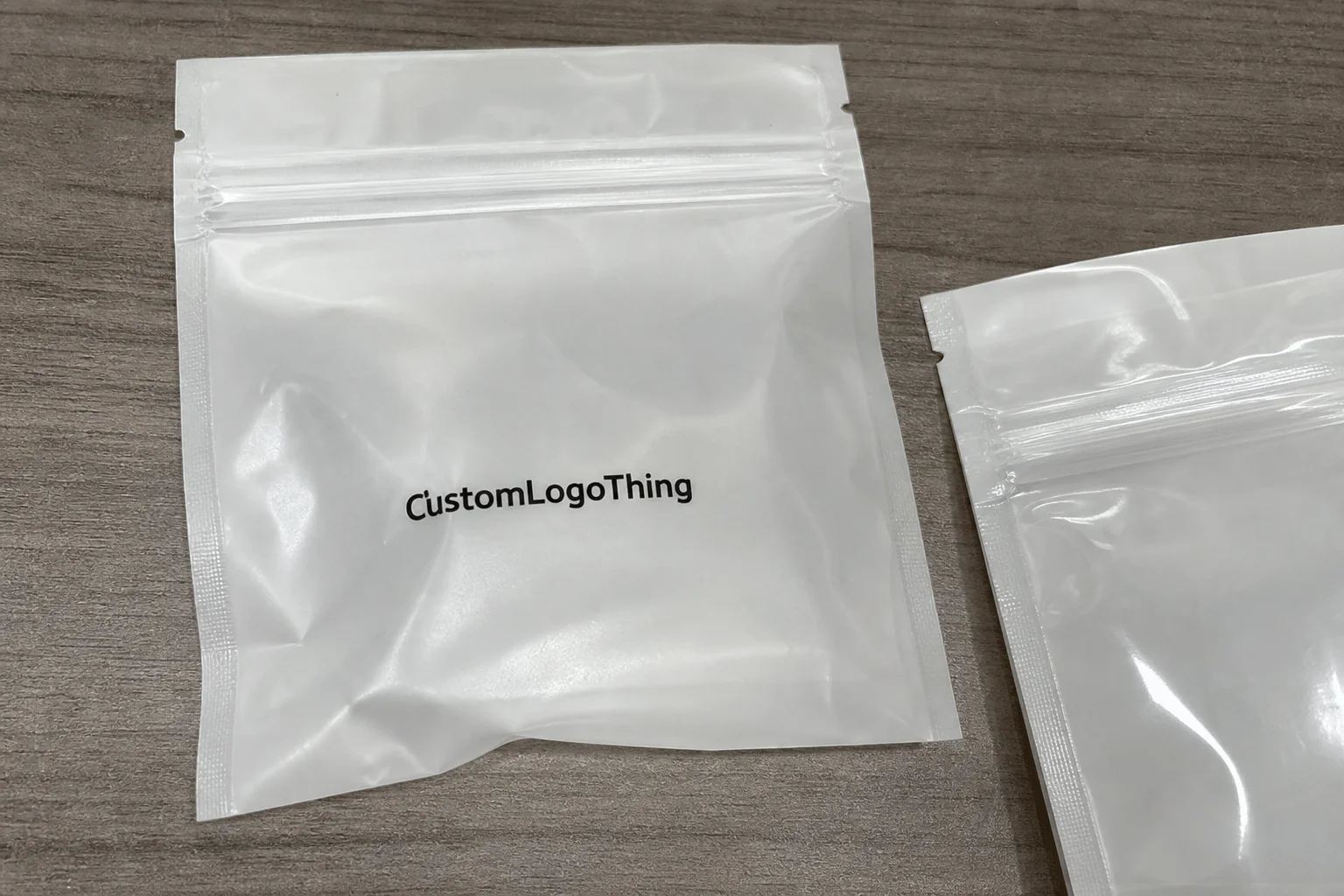
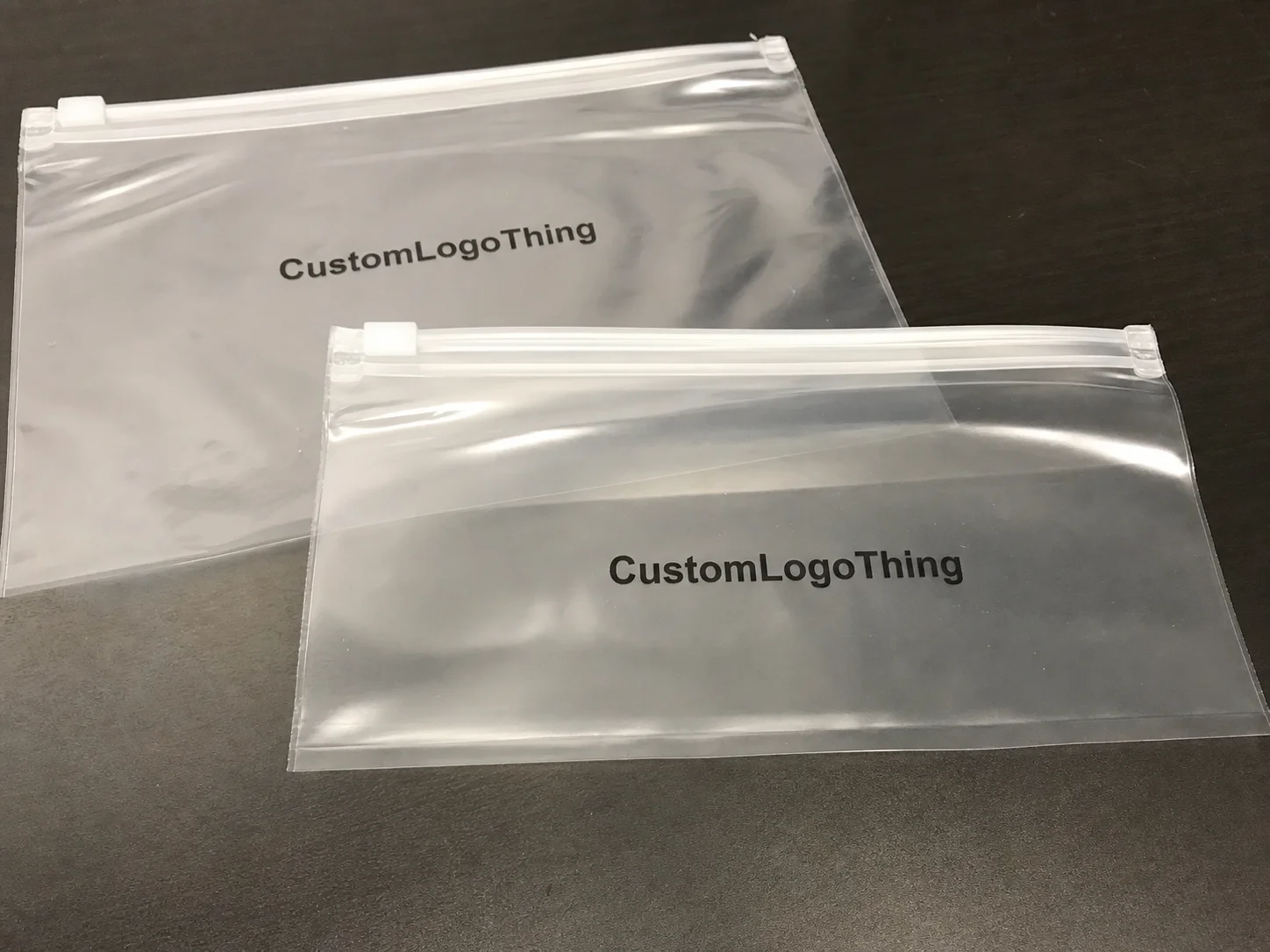
Printed Poly Mailers are lightweight polyethylene shipping envelopes customized with a logo, brand colors, messaging, or full-coverage graphics. They sit in a strange but useful place between packaging and marketing. A carton protects a product. A mailer does that too, but it also carries the brand identity in a way plain corrugate never can. I have always liked that about them; they work hard, but they also get to do a little showboating on the side, especially when a brand uses a matte white exterior with a glossy black logo printed in Shenzhen or Wenzhou.
Here is the part many people miss: a mailer is often the first physical brand touchpoint a customer sees. Not the product. Not the invoice. The outer pack. I remember a subscription apparel client in Los Angeles who spent three months refining a hoodie design, then approved a generic gray mailer in five minutes. Their repeat rate was decent, but their social posts were flat. When we switched to a full-bleed printed mailer with a bold inside message, their unboxing content changed overnight. Same hoodie. Same garment bag. Different perceived value. That is the kind of detail that makes me stubborn about packaging reviews, especially when a 12-inch by 15.5-inch format could have been tested in a single 1,000-piece pilot run before scaling to 25,000 units.
That is the practical reason brands care about a Printed Poly Mailers supplier guide. These mailers are common in direct-to-consumer shipping, subscription boxes, cosmetics, activewear, promotional kits, and smaller e-commerce stores that want branding without the cost and cube of a box. They are especially useful for soft goods, folded apparel, and items that do not need rigid crush protection. A 6-ounce T-shirt or a folded microfiber towel often ships well in a 2.5 mil to 3.0 mil poly mailer, while a rigid gift set may need a carton instead.
Plain poly mailers and printed versions can look similar at a glance, but the business impact is different. Plain mailers are efficient and anonymous. Printed mailers can reinforce a logo, add a return message, or make the package instantly recognizable on a porch. That recognition matters. A customer who sees your pattern across six orders starts associating the package with the product experience, not just the shipment. In markets like Brooklyn, Austin, and Toronto, that repeat visual cue can matter almost as much as a discount code, because the package becomes part of the brand memory.
Function still matters. Poly mailers are water resistant, light, and space-saving. A pallet of mailers occupies far less warehouse room than an equivalent number of cartons. That means lower storage costs and fewer handling headaches. A 20-foot container can carry far more mailers than rigid folding cartons, and warehouse managers in Chicago or Newark usually appreciate anything that reduces cube and keeps picking lanes clear. Honestly, I think that storage advantage is one reason poly mailers have stayed so popular even as brands push harder on presentation. Warehouses like anything that behaves itself and takes up less real estate.
A good printed Poly Mailers Supplier guide should frame supplier choice as a blend of print quality, material specs, service, and total cost. If you only compare unit price, you are not comparing suppliers. You are comparing fragments of a quote, and a quote without freight from Ningbo to Long Beach or without a plate fee for a 4-color flexo job in Guangdong is only half the story.
“The mailer is the billboard that arrives at the doorstep,” a brand manager told me during a sourcing review in Shenzhen. “We used to treat it like filler. Now we treat it like media spend.”
How Printed Poly Mailers Work: Materials, Printing, and Structure
At the simplest level, a mailer is polyethylene film, an adhesive closure, and usually a flap. Some versions include a tear strip, dual adhesive seal, or security closure. Most are made from low-density or linear low-density polyethylene blends because those films balance flexibility and durability well enough for parcel shipping. In many factories around Dongguan and Xiamen, the film is extruded in rolls first, then slit to width before printing and bag making on separate production lines.
Printing methods vary, and the method affects both price and appearance. Flexographic printing is common for larger runs because once the plates are made, per-unit economics improve. Digital printing suits lower quantities and faster artwork changes, especially if you need several versions. Gravure can deliver excellent consistency on very high-volume programs, but it comes with higher setup complexity and is not the first choice for every buyer. A reliable printed poly mailers supplier guide should explain these trade-offs clearly, not toss them at you like jargon confetti. For example, a 2-color flexo job might run efficiently at 10,000 pieces, while a digital proof batch of 500 pieces may cost more per unit but save two weeks of setup time.
Material choice deserves more scrutiny than buyers often give it. Virgin polyethylene usually gives a cleaner print base and more predictable performance. Recycled content can reduce environmental impact claims, but the actual percentage and source matter. Compostability claims need careful verification; not every “eco” mailer meets a recognized standard. Ask for documentation. If a supplier cannot provide it, treat the claim like marketing copy, not evidence. In practical sourcing terms, a 50% post-consumer recycled blend from a facility in Foshan should be documented differently from a 100% virgin film from a plant in Jiangsu, and the difference affects both appearance and durability.
Thickness, often expressed as gauge or microns depending on the market, changes the feel and durability. A thinner film may reduce weight and cost, but it can also feel flimsy and puncture more easily. A thicker film can improve security and stiffness, but some brands dislike the heavier hand feel. I once reviewed two samples for a beauty client: one at 60 microns, one at 80 microns. The thicker bag passed a drop test better, but the thinner one looked more elegant for the brand’s minimalist aesthetic. That is why a printed poly mailers supplier guide should never present thickness as one-size-fits-all. Packaging people love pretending there is one magic answer; there usually isn’t.
Artwork prep is where a lot of avoidable mistakes happen. You need the correct dieline, bleed allowances, and safe zones. Color matching also needs attention. A logo that looks perfect on screen can shift in print if the supplier uses a different ink system or substrate tone. If your brand depends on a specific red or a very dark black, ask for a physical proof or calibrated digital proof before production. I usually recommend requesting a press proof on the actual film, not just a PDF mockup, because a Pantone 186 C can read very differently on a glossy coextruded surface than on a matte film.
Functional add-ons can matter as much as decoration. Dual adhesive strips help with returns. Opaque black interior layers improve privacy. Tamper-evident seals can reduce theft concerns. Expanded gussets help when products are bulkier than expected. A strong printed poly mailers supplier guide should remind you that structure is part of branding too. For instance, a 10-inch gusset can make a folded sweatshirt fit without stress, while a second seal strip can turn a single-use outbound bag into a practical return pack.
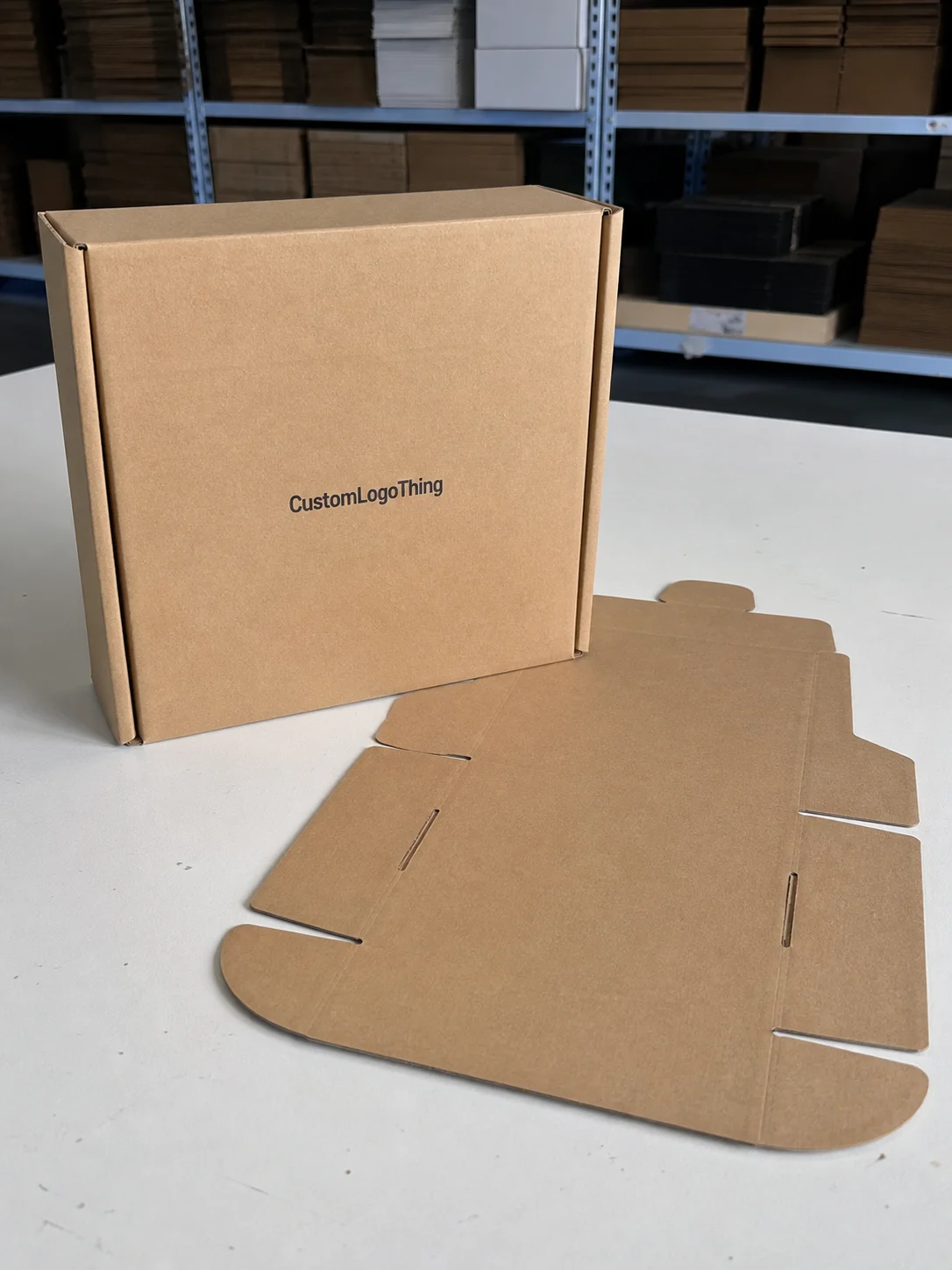
For buyers who want to compare broader packaging options, I often point them to Custom Packaging Products and to specific Custom Poly Mailers when they need a quicker spec review. Those pages help teams compare mailers against boxes and other shipping formats before they commit, especially when they are choosing between a 350gsm C1S artboard carton and a 2.75 mil printed mailer for the same SKU.
Key Factors When Comparing a Printed Poly Mailers Supplier Guide
Not all suppliers are equal, and the differences are usually visible in the sample set. A dependable printed poly mailers supplier guide should push you to compare the print clarity, seal strength, consistency across runs, and sample accuracy before you sign off on volume. I have seen suppliers send beautiful showroom samples that bore little resemblance to the actual production run. If the sample is soft-touch and the delivered lot feels thin and noisy, that gap is expensive, especially when the order moves from 500 samples to 25,000 production pieces.
Pricing should be read like a contract, not a headline. The unit price may look attractive at $0.18 per unit for 5,000 pieces, but that number can hide plate fees, freight, customs, repackaging, and handling. I have watched a buyer choose the lowest quoted unit cost, only to discover landed cost was 19% higher than the second supplier because of shipping and setup. A serious printed poly mailers supplier guide needs to separate visible cost from actual cost, and it should tell you whether that $0.18 assumes FOB Shenzhen, CIF Los Angeles, or delivered duty unpaid to a warehouse in Texas.
Minimum order quantities matter more than big brands admit. A smaller brand may need only 1,000 or 2,000 units to test a new design. A larger MOQ can reduce unit cost, but it also ties up cash and warehouse space. If a supplier insists on 20,000 units for a very custom size, ask whether they can quote a pilot run first. The best printed poly mailers supplier guide is practical about cash flow, because a startup in Miami or Nashville may not want to commit to 15,000 bags before the first promotion even ships.
Lead time should be broken into three parts: sampling time, production time, and shipping time. A supplier may quote 12 business days for production, but that tells you nothing about proof approval or ocean transit. For a domestic rush order, 12 days can be realistic. For a custom full-coverage program shipped internationally, it is only one slice of the timeline. That distinction saves a lot of frustration. I have lost count of how many “urgent” requests were actually delayed because someone forgot the word transit exists, or because a buyer approved artwork on Tuesday and expected cartons in Nevada the following Monday.
Customization depth is another divider. Some suppliers only offer a few stock sizes and standard colors. Others can vary dimensions, film thickness, print coverage, and finish. If you plan to launch new SKUs later, choose a supplier who can scale with you. I have seen brands outgrow a low-cost source simply because they needed a second size and a more complex inside print. A useful printed poly mailers supplier guide should ask about future SKU expansion, not just the current order. A supplier in Guangdong that can handle both a 10 x 13 inch pouch and a 14 x 19 inch shipping bag gives you far more room to grow than a vendor locked into one die size.
Compliance and sustainability claims need evidence. Ask for material documentation, recycled content percentages, and any relevant certifications. For environmental context, I often recommend reviewing the EPA’s packaging and waste guidance at epa.gov and checking recognized packaging standards through industry groups like packaging.org. If the supplier says the film is recyclable or recycled, You Need to Know in which stream and under what conditions. A claim that sounds good in a sales deck may mean something entirely different to a municipal facility in Portland, Oregon, than it does to a materials recovery plant in Ontario, Canada.
Customer service may sound soft, but it prevents hard losses. Clear proofing, fast replies, and annotated art comments can save a run. Once, during a supplier negotiation in Guangdong, a sales rep spotted that the barcode zone on a new mailer design would sit too close to the seal area. That one comment prevented a full reprint. I remember the buyer being annoyed by the extra review step. Two weeks later, he thanked the rep. A strong printed poly mailers supplier guide should make communication part of the scorecard, because a 24-hour response from a factory in Dongguan can be worth more than a 2-cent discount if it prevents a 12,000-piece mistake.
| Comparison Factor | Low-Information Supplier | Reliable Supplier |
|---|---|---|
| Quote detail | Single unit price only | Unit price, setup, freight, duties, and packaging listed separately |
| Sample quality | One generic sample | Production-like sample with size and print notes |
| Artwork review | Fast approval, little feedback | Marked proof with measurements and print guidance |
| MOQ | Rigid and unexplained | Clear rationale and options for pilot runs |
| Issue handling | Vague promises | Documented correction process and response timeline |
What Should You Ask Before Choosing a Printed Poly Mailers Supplier?
A printed poly mailers supplier guide should not just tell you what to compare; it should help you ask sharper questions before you commit. Start with the basics: what film structure are you quoting, what print method will you use, what is the exact MOQ, and what will the landed cost be once freight and duties are included? Those questions sound simple, but a surprisingly large number of buyers skip them and end up comparing incomplete numbers from different factories in Guangdong, Zhejiang, or Jiangsu.
Ask for the exact thickness in microns, not a vague statement like “standard strength.” A 60-micron mailer and an 80-micron mailer may both sound acceptable, but they behave differently in a packing line and they land differently in a customer’s hand. The same is true for closure style, adhesive strength, and whether the mailer includes a tear strip or dual-seal return strip. A strong printed poly mailers supplier guide should push you to verify the spec sheet, not just trust the sales quote.
Ask what happens if the proof needs revision. Some suppliers quote fast, then become slow once artwork changes. Others have a clean review process and can flag a barcode issue, bleed problem, or color shift before the plates are made. That kind of clarity matters a lot. A supplier who can explain why a logo should move 5 mm away from the seal line is usually worth more than one who only promises a low price.
Ask for photos of the production line or a sample from a recent run. I have found that factories willing to show their extrusion, slitting, and bag-making setup are often more transparent about quality control. In a printed poly mailers supplier guide, transparency is not a nice extra. It is a clue that the supplier understands how to manage the details that affect print consistency, seal performance, and packaging consistency across cartons.
Step-by-Step Process: From Quote to Delivery
Step 1 is scope. Before you request quotes, define the use case, product dimensions, branding goal, carrier requirements, and target budget. A printed poly mailer for a 6-ounce T-shirt is not the same as one for a boxed cosmetic kit. If you do not specify the product, the supplier will guess. Guessing is expensive, and it gets even more expensive if the package needs a 12-inch width for folded apparel or a 14-inch height for a sample kit with inserts.
Step 2 is artwork preparation. Gather the dieline, logo files, Pantone references if needed, and text placement notes. Put everything in the format the supplier wants, often AI, PDF, or layered PSD. If you send a flattened JPEG and expect accurate print, you are setting yourself up for corrections. A disciplined printed poly mailers supplier guide should treat artwork prep like a production step, not admin work. For a brand using PMS 286 C on a white film, I would ask for a PDF proof, a color callout, and a barcode placement note before the factory in Zhejiang starts plates or print setup.
Step 3 is sample evaluation. Ask for prototypes or samples and test them under real conditions. Put the product inside. Drop it from waist height. Check seal performance. Measure whether the print distorts when the mailer is filled. I once sat with a fulfillment manager in Chicago who discovered a 12-inch mailer looked fine empty but buckled at the corners once a folded sweatshirt went in. That saved them from ordering 30,000 units too small. A practical printed poly mailers supplier guide always favors real-world testing, and I would rather see a sample fail on a concrete floor in a warehouse than in front of a customer in Minneapolis.
Step 4 is quote comparison. Ask each supplier to separate material cost, print setup, freight, and any rush fees. If one supplier gives a low number but refuses line-item detail, that is a warning sign. The smartest buyers compare landed cost, not just ex-factory price. It is a little like comparing restaurant menus by the price of the entrée and forgetting the service charge and delivery fee. If one quote is $0.15 per unit for 5,000 pieces and another is $0.21 per unit for the same run, but the cheaper one adds $480 in freight from Shenzhen, the second quote may actually be the better deal.
Step 5 is proof approval. Check sizing, spelling, logo placement, barcode position, closure orientation, and color notes. One typo on a shipping mailer can repeat across thousands of pieces. I still remember a brand that approved “premium because of you” when the intended line was “premium made for you.” That extra word changed the tone completely. A thoughtful printed poly mailers supplier guide never rushes proofing, and I usually tell teams to spend at least one full business day reviewing the proof with operations, marketing, and fulfillment before signing off.
Step 6 is production and delivery planning. Confirm the timeline, the transit method, and how the cartons will be packaged for shipment. Ask for pallet counts if freight matters. Then set a reorder threshold. If your lead time is 18 days and you wait until stock is nearly gone, you are one delayed vessel or missed pickup away from a stockout. For a small brand using 700 mailers a week, a 3-week safety buffer is often more realistic than relying on hope and a calendar reminder.
Step 7 is incoming inspection. Compare the first shipment to the approved proof and your spec sheet. Check color consistency across cartons, seal integrity, and size tolerance. If there is a defect, document it quickly with photos and counts. Good suppliers want that feedback because it protects the next run. A solid printed poly mailers supplier guide does not end at delivery; it includes the first inspection too, and it should tell you to inspect at least one carton per pallet if the shipment crosses an ocean and lands in a warehouse in Savannah or Oakland.
Common Mistakes Buyers Make With Printed Poly Mailers
The biggest mistake is simple: choosing the lowest unit price without calculating freight, setup, and defect risk. I have seen purchasing teams save $0.03 per unit and then lose that benefit twice over in rework and air freight. A serious printed poly mailers supplier guide keeps the full landed cost in view, including whether a quote from Ningbo assumes ocean freight at $1,800 or air freight at $4,600, because the difference can wipe out the savings fast.
Another common error is ordering the wrong size. Too small, and the product bulges or tears the mailer. Too large, and the package looks sloppy and wastes material. In apparel, that extra empty space can make the shipment feel cheap even if the print is strong. The right size improves both protection and presentation. A 10 x 13 inch mailer might be perfect for a folded tee, while a 14 x 19 inch format may be needed for a hoodie with a polybag and insert card.
Thickness and seal quality get ignored more than they should. A flimsy film may be fine in a controlled test, but under peak-season handling it can fail. A weak adhesive seal can pop open when stacked, dropped, or handled by a conveyor. If your products travel through multiple sorting centers, treat seal strength as a critical specification. I usually ask for a closure test on 50 samples, especially if the factory in Haining is quoting a lighter 50-micron structure to save cost.
Artwork approval is another pressure point. Buyers sometimes approve proofs too quickly because they are under schedule pressure. That is when spelling mistakes, cutoff logos, and color shifts slip through. I have seen a misplaced website URL on a mailer run across 8,000 pieces before anyone noticed. A good printed poly mailers supplier guide should remind you that 20 minutes of proof review can save weeks of frustration. Plus, nobody enjoys explaining to leadership why the company URL is half hidden under the seal, especially after the shipment has already cleared customs in Long Beach and gone to the warehouse in Dallas.
Sustainability claims are frequently accepted too easily. “Recyclable” does not always mean curbside recyclable in every region. “Compostable” does not automatically mean accepted by local facilities. Ask for definitions, certificates, and test reports. If a supplier cannot back up the claim, do not build a sourcing story around it. A mailer that can be processed in one industrial facility in Europe may not be accepted by a municipal stream in California or Alberta.
Skipping sample testing is another trap. A supplier may have produced excellent mailers for another customer, but your artwork, size, and fill weight create a different outcome. Test your own spec. That is one of the most consistent lessons in any printed poly mailers supplier guide, and it is why I always ask teams to simulate real packing speed, not just static tabletop testing.
Finally, buyers underestimate reorder time. A brand that runs through inventory at the end of a promotion may need 3 to 5 weeks to recover if printing, freight, and customs are involved. That can force emergency shipping and higher costs. A reorder calendar is not optional; it is insurance, especially when the factory is in southern China and the goods still need to move through port congestion, trucking, and receiving appointments.
Cost, Pricing, and Timeline: What a Printed Poly Mailers Supplier Guide Should Reveal
Pricing for custom mailers has a predictable structure once you know where to look. Material cost is the base. Then come printing setup charges, plate fees if flexographic or gravure printing is used, packaging, freight, taxes, and duties. A supplier who quotes only the unit price is offering half the picture. A useful printed poly mailers supplier guide shows the full stack, including whether the film is 60 microns, 75 microns, or 90 microns and whether the price assumes carton packing of 500 pieces or 1,000 pieces per case.
Small orders usually cost more per unit because setup is spread across fewer pieces. Larger runs lower the per-unit price, but they also increase inventory exposure. I have seen a startup order 50,000 mailers to chase a cheaper unit rate, only to realize their brand changed the following quarter. They saved money on paper and lost flexibility in practice. That happens more than people admit, especially when the quote from a factory in Zhejiang looks attractive at $0.15 per unit for 5,000 pieces but the real inventory risk sits in the warehouse afterward.
Coverage also affects cost. A one-color logo on a white mailer typically costs less than a full-bleed, multi-color design with inside printing. More colors, more registration complexity, more checks. If your brand can live with a cleaner, minimal layout, you may improve economics without sacrificing recognition. If you need a vivid pattern, budget accordingly. I have seen full-coverage jobs with three outside colors and one inside message add 12% to 18% over a simple one-color design, depending on the print method and the factory’s plate setup.
Timeline should be discussed in layers. Some teams only ask, “How long will it take?” That is too blunt. A better question is: how long for sample review, how long for proof approval, how long for production, and how long for transit? For a first-time custom order, I would usually allow time for at least one revision cycle. A conservative printed poly mailers supplier guide builds in a buffer, because production rarely runs perfectly from the first email to the final pallet. In practical terms, a domestic stock-size reorder may take 7 to 10 business days, while a custom international run typically needs 12 to 15 business days from proof approval before shipping even begins.
To make the economics more visible, here is a simple comparison of common sourcing scenarios:
| Scenario | Typical Unit Cost Range | Lead Time Window | Best For |
|---|---|---|---|
| Plain reorder, stock size | $0.10 to $0.16 | 7 to 15 business days | Fast replenishment, low artwork complexity |
| Single-color printed run | $0.14 to $0.24 | 12 to 20 business days | Brands that want clean, affordable logo branding |
| Full-coverage custom design | $0.20 to $0.38 | 15 to 30 business days | Premium presentation, strong shelf and social impact |
| Low-MOQ digital prototype run | $0.28 to $0.55 | 8 to 18 business days | Testing artwork, launches, and smaller brands |
Those numbers are directional, not universal. Geography, film thickness, print method, and freight distance can move them quickly. A domestic order of 3,000 units will not behave like an overseas order of 30,000 units. The right printed poly mailers supplier guide makes room for that reality instead of pretending all quotes are comparable. If a supplier in Guangzhou can ship by air in 5 days but the freight adds $0.07 per unit, that may still be the right choice for a launch, while a sea shipment to Seattle may make more sense for replenishment.
One more thing: ask for two quotes. One optimized for speed. One optimized for cost. That forces the supplier to show the trade-offs instead of hiding them in a single number. It is a simple request, and it reveals a lot. If a supplier gets oddly defensive about that, I start to wonder what else is hiding in the fine print, whether that is a hidden plate charge, a carton spec change, or a transit assumption buried in the footer.
Expert Tips and Next Steps for Choosing the Right Supplier
Create a comparison sheet before you choose. I like to score sample quality, MOQ, quote transparency, production time, and communication speed on a 1-to-5 scale. Then I add notes about print feel, seal strength, and how closely the sample matched the proof. That turns a subjective sourcing exercise into something the whole team can review. A smart printed poly mailers supplier guide should help you decide, not just inform you. I also like to include factory location, because a plant in Dongguan, a plant in Ningbo, and a plant in Ho Chi Minh City will not move through freight the same way.
Prioritize suppliers who explain trade-offs. If one source says, “We can do it cheap, fast, and perfect,” I become suspicious immediately. Experience says you usually get two out of three, sometimes only one. A supplier who says, “We can get you a lower cost if we use a stock film and one-color print, or we can give you a more premium feel with thicker film and inside print,” is being useful. That kind of honesty is gold, and it is exactly the sort of detail you want from a factory rep in Guangdong or a sourcing team in Suzhou.
Use a pilot order whenever possible. Even 1,000 or 2,000 units can tell you whether the fit, print durability, and fulfillment workflow work in practice. One client in the Midwest ran a pilot of 1,500 mailers before a seasonal launch. The sample looked fine, but the pilot exposed a closure issue when the product was overfilled by packers on second shift. That small test saved a much larger mistake. I wish every buyer had a little more patience for pilot runs, but I also know budgets and deadlines do not always behave, especially when a campaign date is already locked and the warehouse in Ohio has only two receiving appointments left that week.
Document the final spec sheet carefully. Include dimensions, material thickness, print colors, adhesive type, closure orientation, and pack counts. If staff changes later, the spec sheet becomes your memory. Without it, reorder quality tends to drift. A well-run printed poly mailers supplier guide always ends up as a living sourcing record. I recommend keeping the spec in a shared folder with a final approved PDF, the Pantone callout, the shipping carton count, and the latest supplier quotation attached together.
Build a reorder trigger from lead time, not instinct. If your supplier needs 18 business days and your weekly usage is 700 units, your reorder point should reflect that math plus a safety buffer. Brands that rely on memory often discover they are out of stock exactly when campaigns hit. That is avoidable. A simple rule is to reorder when you have enough inventory to cover lead time plus 2 to 3 weeks of average usage, which gives room for a late vessel or a delayed truck pickup.
Here is the practical path I recommend: shortlist three suppliers, request samples, compare landed cost, and score them against the same checklist. If one supplier is cheaper but cannot explain its printing method or freight assumptions, I would not place the first order there. The right partner is usually the one that balances quality, timeline, and total landed cost with the fewest surprises. I have seen very good factories in Zhongshan, Quanzhou, and Ningbo win deals simply because they could explain their process clearly and put the answer in writing.
For teams building out a larger packaging program, it can also help to review adjacent formats through Custom Packaging Products and compare them with dedicated Custom Poly Mailers. Sometimes the best answer is still a box. Often, though, a printed mailer is the better fit because it saves weight, storage, and transit cost. A 350gsm C1S artboard carton can be a better option for fragile goods, but for soft apparel or folded merch, the printed mailer usually keeps the workflow leaner.
My final advice: treat the printed poly mailers supplier guide as a decision tool, not reading material. Ask for specs. Ask for proof details. Ask for landed cost. Ask for a sample that matches your real fill weight. Then compare the answers line by line, because that is where the real difference shows up. If the supplier cannot give you a clear spec, a realistic timeline, and a quote that actually adds up, the safest move is to keep looking and protect your launch before the boxes hit the dock.
FAQ
What should I ask in a printed poly mailers supplier guide comparison?
Ask about MOQ, sample availability, printing method, material thickness, lead time, and total landed cost. I would also request a line-by-line breakdown of setup fees, freight, and any extra charges before approval, because those items often change the real price by 10% to 25%. If the supplier is quoting from Shenzhen, Ningbo, or Guangzhou, ask whether the price includes export cartons and pallet wrapping.
How do I know if a printed poly mailers supplier is reliable?
Check sample consistency, proof accuracy, communication speed, and willingness to provide specs or test documentation. Reliable suppliers explain issues clearly and give realistic timelines instead of vague promises like “soon” or “very fast.” In practice, a dependable supplier can usually confirm a proof turnaround in 24 to 48 hours and production timing of 12 to 15 business days from proof approval for a standard custom order.
What is the biggest cost driver in printed poly mailers?
Order quantity, print coverage, and setup method are usually the biggest drivers. Freight and customs can also change the final cost more than buyers expect, especially on international shipments or heavy-lane deliveries. A 5,000-piece run at $0.15 per unit can look efficient until a $620 freight bill and a plate fee from a factory in Dongguan are added to the order.
How long does the printed poly mailers process usually take?
Time depends on artwork approval, sample review, production complexity, and shipping distance. A simple reorder moves faster than a fully customized first run with multiple proof rounds, so I always build a buffer into the schedule. For many suppliers, the production phase is typically 12 to 15 business days from proof approval, and ocean transit can add 10 to 30 more days depending on whether the shipment is going to Los Angeles, Savannah, or Vancouver.
What is the most common mistake when buying printed poly mailers?
Buying on price alone and ignoring fit, seal quality, and proof approval is the most common mistake. The second most common mistake is underestimating how long reorders take, which can create stockouts during busy shipping periods. I also see buyers forget to confirm material spec, such as whether the film is 60 microns or 80 microns, and that one detail can change both durability and the feel in the customer’s hand.