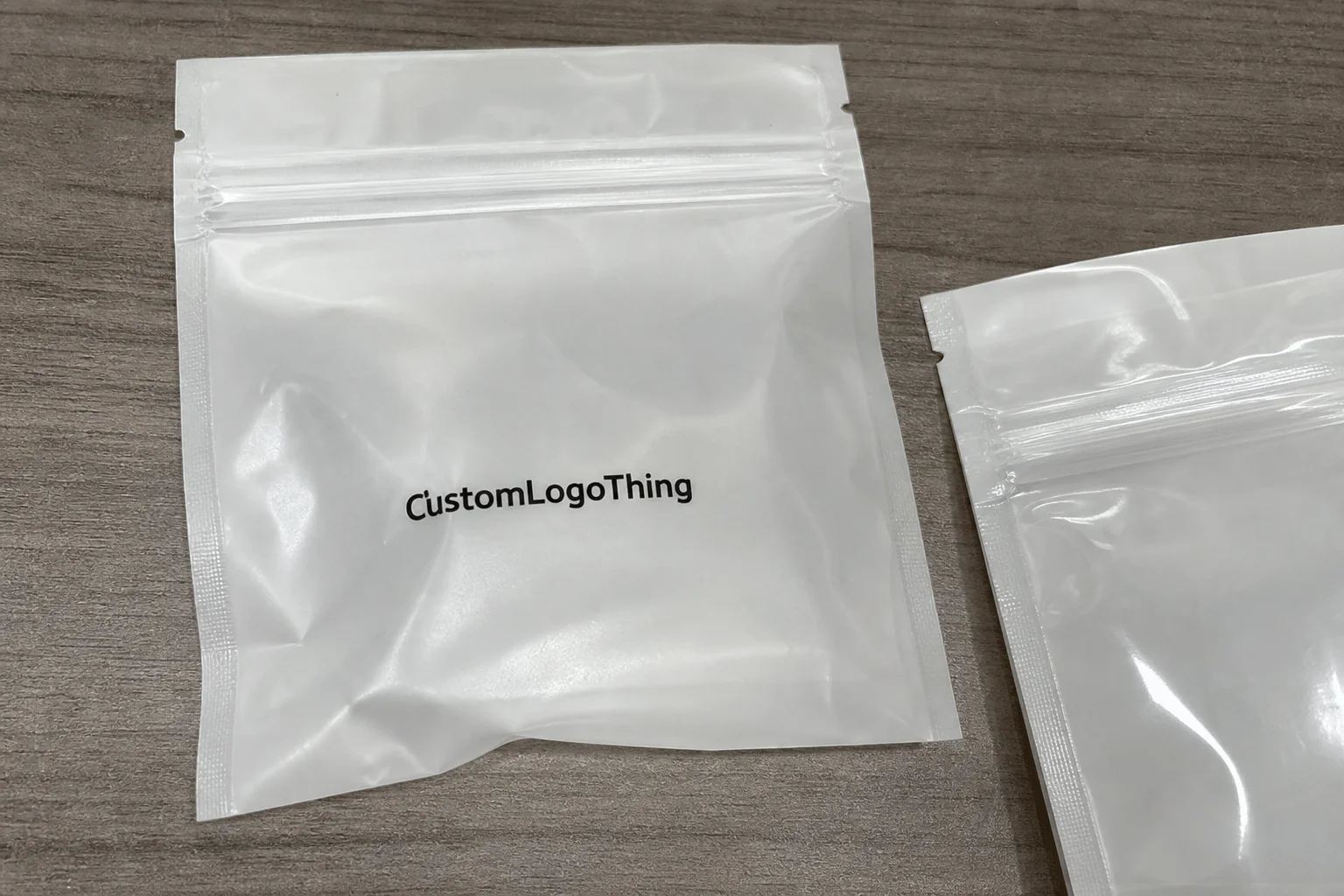
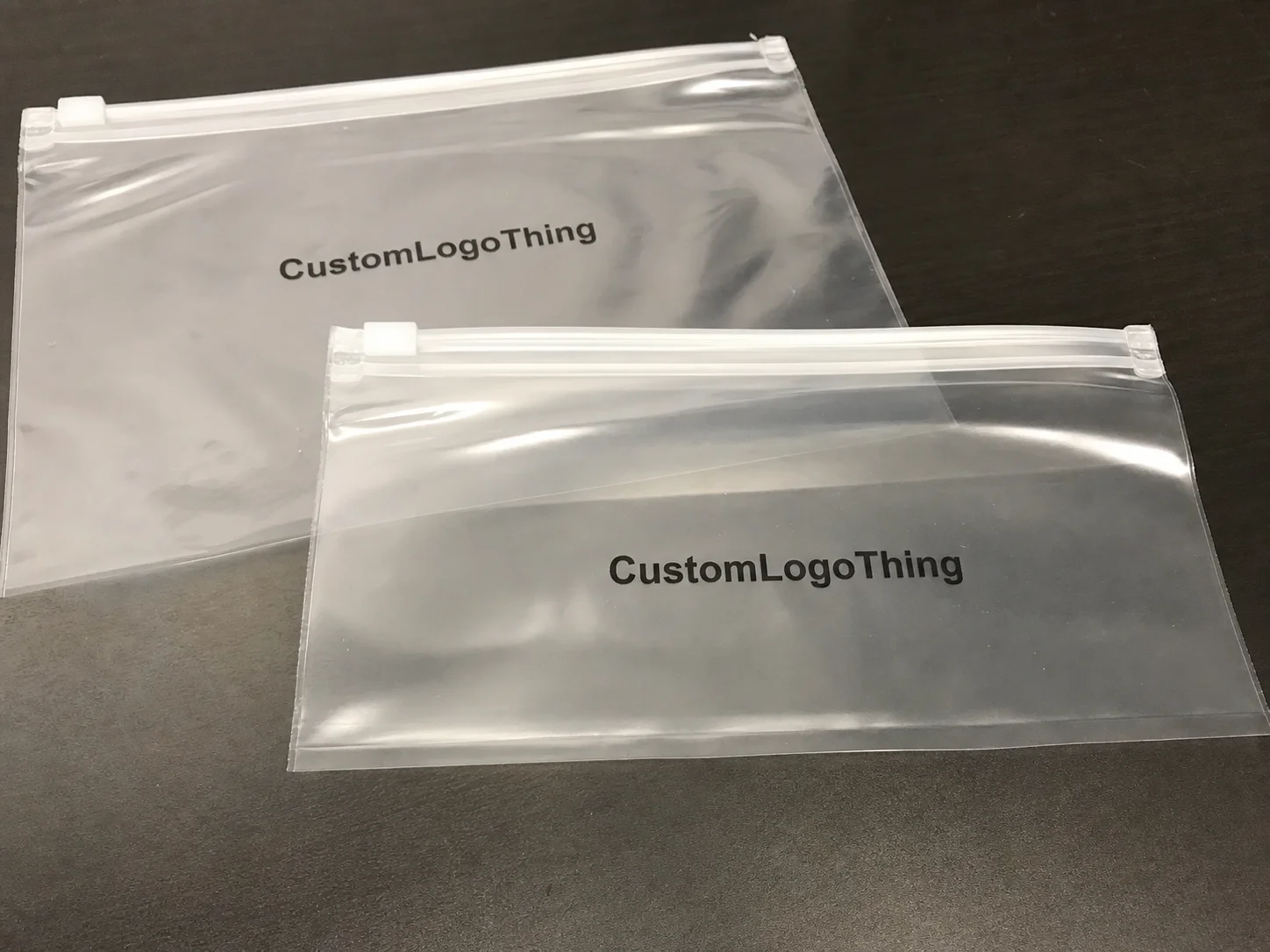
Buyer Fit Snapshot
| Best fit | Printed Poly Mailers Wholesale projects where brand print, material claims, artwork control, MOQ, and repeat-order consistency need to be specified before quoting. |
|---|---|
| Quote inputs | Share finished size, material target, print colors, finish, packing count, annual reorder estimate, ship-to region, and any compliance wording. |
| Proofing check | Approve dieline scale, logo placement, barcode or warning zones, color tolerance, closure strength, and carton packing before bulk production. |
| Main risk | Vague material claims, crowded artwork, missing packing details, or unclear freight terms can make a low unit price expensive after revisions. |
Fast answer: Printed Poly Mailers Wholesale: Specs, Pricing & Timing should be specified like a repeatable production item. The safest quote records material, print method, finish, artwork proof, packing count, and reorder notes in one written spec.
Production checks before approval
Compare the actual filled-product size with the drawing, then confirm tolerance on folds, seals, hang holes, label areas, and retail display edges. Reserve space for logos, QR codes, warning copy, and material claims before decorative graphics fill the panel.
Quote comparison points
Review material grade, print process, finish, sampling route, tooling charges, carton quantity, and freight assumptions side by side. A quote is only useful when the supplier can repeat the same color, closure quality, and packing count on the next order.
Switching to Printed Poly Mailers wholesale can do more than dress up a shipment; in the right fulfillment setup, it can cut corrugated spend, trim dimensional weight charges, and speed pack-out in one move. I’ve stood on enough packing lines to know that the cheapest-looking carton on paper is not always the cheapest outbound package once you add tape, void fill, storage racks, and labor, and that’s exactly why printed poly mailers wholesale keep showing up in serious apparel, cosmetics, and subscription operations.
What most buyers notice first is the branding. What they usually discover later is the operational gain: fewer SKUs to store, less cube consumed on the shelf, faster sealing at the bench, and a cleaner-looking doorstep presentation when the driver drops the parcel. In my experience, once artwork is approved and the specs are locked, Printed Poly Mailers wholesale often become a repeat item because they simplify daily shipping work without forcing a brand to look cheap or generic.
Why Printed Poly Mailers Wholesale Can Lower Shipping Costs Fast
I’ve watched brands move from small cartons to printed poly mailers wholesale and immediately reclaim space on the packing table. A stack of 12 x 15.5-inch mailers takes far less room than the equivalent volume of corrugated boxes, and when your warehouse is paying for every rack bay, every pallet position, and every extra motion at the line, that matters. One client in a Chicago 3PL told me the switch saved them nearly 18 inches of pack-station depth because their packers no longer needed four carton sizes, two rolls of void fill, and a separate tape dispenser for every lane.
There’s another practical side to it. Lightweight mailers reduce outbound package weight, and for many soft goods that do not need crush protection, that means the carrier bill looks better right away. Printed poly mailers wholesale are especially useful for folded apparel, socks, scarves, supplements in secondary packaging, beauty kits, and light accessories that hold shape inside a flexible outer layer. I’ve seen brands overpackage a $24 t-shirt in a rigid carton with air pillows, then wonder why shipping margins feel thin. Honestly, that’s money on the floor.
Plain stock mailers can work for pure utility, but once a brand wants consistent presentation and recognizable branding, custom printed film becomes the smarter buying path. With printed poly mailers wholesale, the artwork cost is spread over the full run, so unit economics improve as quantities climb. At 5,000 pieces, the design and setup cost are real; at 50,000 pieces, they become a much smaller part of the landed price. That is why wholesale buying tends to make sense as soon as your print file is stable and your SKU volume is predictable.
“We stopped treating mailers like disposable shipping supplies and started treating them like part of the brand experience. The pack line got faster, and the customer-facing presentation got cleaner.”
Operationally, the savings show up in a few places at once:
- Less storage space than corrugated cartons in multiple sizes.
- Faster pack-out because there is no box folding or tape application.
- Lower freight cube on outbound shipments for soft goods.
- Cleaner presentation with branded artwork at the doorstep.
- Fewer consumables such as tape and void fill.
That is why printed poly mailers wholesale are common in e-commerce programs that ship one or two SKUs per order and need a simple, repeatable packing motion. They are not the answer for every product, and I would never pretend they are. If you are shipping framed items, ceramic goods, or anything with sharp corners and crush sensitivity, a box is still the better call. But for soft, flexible products, the numbers usually favor mailers once the process is dialed in.
Printed Poly Mailers Wholesale: Materials, Construction, and Print Options
The first thing I check in any printed poly mailers wholesale quote is the film structure. Virgin LDPE is the most familiar option because it gives you predictable strength, good seal performance, and a clean finish for print. Recycled-content LDPE is increasingly common, and in the plants I’ve visited, it works well when the supplier controls the resin blend and extrusion process carefully. Co-extruded multilayer films are another smart choice because they let a converter balance toughness, opacity, and print surface behavior across separate layers rather than forcing one layer to do everything.
Film gauge matters more than a lot of buyers realize. A 2.5 mil mailer and a 3 mil mailer are not just numbers on a spec sheet; they behave differently on the packing bench, in the seal jaw, and inside a trailer with mixed freight. With printed poly mailers wholesale, thicker is not always the best answer. If the product is lightweight and the goal is cost control, overspecifying thickness can add expense without adding much real-world value. I’ve seen procurement teams ask for the thickest bag available, then discover they could have saved several cents per unit with a smarter gauge and a better cut size.
Construction details make a difference too. The best printed poly mailers wholesale products usually include a self-seal adhesive strip that closes with firm pressure, rounded corners to reduce snagging, and a fold-over or side-seam design that keeps the body of the bag stable during transit. Tamper-evident closures are useful in certain categories, especially cosmetics, supplements, and premium apparel, because customers can see whether the package has been opened. When I walked a line in a southern California fulfillment center, the lead packer told me the rounded corners reduced the number of snagged bags on the metal table edge by a noticeable margin over a three-month run. Small detail, real effect.
Print methods and finish choices
For large-volume printed poly mailers wholesale programs, flexographic printing is often the workhorse because it delivers efficient repeat runs and consistent brand colors once the plates are made. Gravure printing is used when the artwork calls for higher detail, richer coverage, or more refined tonal work, though the economics generally favor larger quantities. Digital printing is helpful for shorter runs, seasonal tests, and brands that want to start with smaller committed volumes before locking into a bigger order. The right method depends on quantity, color count, and how sensitive the artwork is to slight variation.
Customization options are broad, but they should be chosen with production reality in mind. Full-bleed exterior printing gives you maximum branding space, while one-color logos can keep the run economical. Two-sided artwork is common for brands that want a polished exterior and a useful back panel for shipping labels or handling instructions. Matte finishes create a softer feel, while glossy films often look more vibrant under warehouse lighting. Many buyers also ask for writable backs, which can help when carriers need to add routing labels or when in-house teams use a manual mark for internal sorting.
Sustainability choices that stay measurable
There is a real sustainability conversation around printed poly mailers wholesale, and I prefer to keep it grounded in materials and waste reduction rather than slogans. Recycled-content films can reduce virgin resin use, provided the supplier can document the content consistently. Source reduction is another measurable win: if a mailer replaces a box, tape, and void fill, the total packaging footprint may go down even though the outer layer is plastic. That calculation depends on the product, but it should be done honestly rather than assumed.
For readers who want to check recognized standards and industry guidance, I recommend the resources at The Packaging School and the U.S. Environmental Protection Agency. Both are useful starting points when evaluating materials, recovery pathways, and packaging reduction strategies.
Buyers should also ask whether the film is compatible with their internal disposal or recycling guidance, because not every municipal stream handles flexible film the same way. That is not a sales pitch; it is a practical question that should be answered before the first shipment goes out the door.
Printed Poly Mailers Wholesale Specifications Buyers Should Check
Before you approve any printed poly mailers wholesale order, get the spec sheet and read it line by line. The core items are size, film thickness, seal strength, print coverage, color count, and manufacturing tolerance. I would rather see a buyer spend ten extra minutes on the spec sheet than three weeks cleaning up a mismatch after 100,000 units arrive with the wrong mouth width or a logo that sits too low to clear a label placement zone.
Size is not just a nominal dimension. A bag sold as 10 x 13 inches may have a very different usable opening and gusset behavior depending on the seal construction and film cut. For apparel, common mailer sizes might range from 9 x 12 inches for thin accessories to 14 x 19 inches for bulkier folded garments. In printed poly mailers wholesale sourcing, the right dimensions should match the folded product, the packing method, and the amount of slack you need for insertion without overstuffing the seal line.
Thickness is usually measured in mils, and the right figure depends on the product weight and shipping environment. A 2 mil mailer can be perfectly adequate for a light tee shirt or a folded promotional kit. A 3 mil or 4 mil option may be better if the bag will face rough handling or if puncture resistance matters more than absolute cost. But I would not recommend chasing the thickest option automatically. With printed poly mailers wholesale, extra gauge can add cost faster than it adds value, especially if the contents are soft and the carrier network is reasonably controlled.
Performance criteria that protect the shipment
Ask for puncture resistance data, moisture protection details, and seal performance. A well-made mailer should keep rain, dust, and general abrasion away from the contents during normal parcel handling. In a busy Midwest fulfillment center I visited, a supervisor showed me a pallet of returns where the mailers that failed were almost always the ones with weak adhesive strips or inconsistent side seals, not the bags with a slightly lower print gloss. That tells you what matters in the real lane.
Label adhesion also matters. If your carrier label does not stay put through scuffing, temperature changes, and sorting conveyors, your operation pays for it in reprints and service issues. With printed poly mailers wholesale, I like to confirm whether the back panel accepts direct label application cleanly and whether the surface finish has any release characteristics that could reduce adhesion. That detail sounds minor until you are running thousands of parcels a day.
Procurement teams should request a pre-production proof or a written spec comparison across suppliers. I have seen more than one buyer compare two quotes that looked similar, only to find one supplier used a 2.2 mil film with lower print coverage and the other used a 3 mil co-extruded film with tighter tolerances. Those are not interchangeable products. When you buy printed poly mailers wholesale, you want to compare apples to apples, not bag artwork to bag artwork.
| Spec Area | Basic Mailer | Upgraded Wholesale Mailer | Why It Matters |
|---|---|---|---|
| Film structure | Single-layer LDPE | Co-extruded multilayer LDPE | Better balance of strength, opacity, and print surface |
| Thickness | 2.0 mil | 2.5–3.0 mil | Improves puncture resistance and transit durability |
| Closure | Standard peel-and-seal | Tamper-evident adhesive strip | Helps reduce opening risk and improves customer confidence |
| One-color logo | Full-bleed multi-color branding | Stronger shelf and doorstep presentation | |
| Tolerance | Loose cut variation | Tighter dimensional control | Better fit for fulfillment automation and packing consistency |
Printed Poly Mailers Wholesale Pricing, MOQ, and Unit Economics
Price for printed poly mailers wholesale is driven by more than bag size, though size is always part of the equation. Film gauge, resin choice, color count, number of printed sides, and total quantity all shape the final quote. If you add a second printed side, the press time goes up. If you move from a single-color logo to four-color process work, ink and setup complexity increase. If you choose recycled-content resin, the source material and conversion window may cost more than a standard virgin film program. Every one of those choices affects the unit number you get back.
MOQ changes with the print method. Flexographic production usually rewards larger runs because the plate and setup cost are spread across more units, which is why buyers chasing the lowest per-unit price often land there. Digital methods can support lower quantities, which is useful for test launches, new SKUs, or brands that are still refining their artwork. In many printed poly mailers wholesale programs, the right MOQ is not the lowest MOQ available; it is the MOQ that keeps your landed cost in line with your actual monthly ship volume.
Here is the hard truth that many teams learn after their first sourcing round: sticker price is only part of the story. Setup charges, plate charges, freight, palletizing, carton packing, and even customs handling can matter more than the bag line item itself. I worked with a beauty brand that was comparing two vendors on a $0.02 difference per unit, but one supplier had a lower freight quote and included pallet wrap plus export carton labeling. On 30,000 pieces, the supposedly “more expensive” supplier ended up cheaper by several hundred dollars. That is why printed poly mailers wholesale should always be evaluated on landed cost.
Practical pricing thresholds buyers should watch
In real quoting, you will usually see pricing step down as quantities rise. A run of 5,000 units may carry a much higher setup burden than 20,000 units, and the jump from 25,000 to 50,000 units can sometimes produce a meaningful unit drop if the press schedule is efficient. For printed poly mailers wholesale, I like to ask for at least three quantity breaks so the brand can see where the break-even point sits. That way the decision is based on facts, not guesswork.
Freight can surprise people too. Lightweight bags may be cheap to make, but if they are packed in inefficient cartons or shipped as partial pallets, the logistics cost can eat the savings. Ask whether the quote includes palletizing and carton configuration, because a well-packed load can protect both product and budget. I’ve seen one supplier in Shenzhen save a customer nearly 9% on landed cost just by changing the carton count per pallet and reducing wasted headspace inside the export carton.
Below is a simple comparison buyers can use as a starting framework. The numbers are illustrative, but they show how the economics often move in printed poly mailers wholesale sourcing.
| Order Volume | Typical Print Method | Relative Unit Cost | Best For |
|---|---|---|---|
| 3,000–5,000 | Digital | Higher | Tests, new launches, smaller brands |
| 10,000–25,000 | Digital or flexographic | Mid-range | Growing e-commerce programs with stable SKUs |
| 50,000+ | Flexographic | Lowest | High-volume repeat orders and national fulfillment |
One more pricing point that gets missed: custom packaging can change your internal labor cost, not just your supplier invoice. If printed mailers reduce packing time by even 4 to 6 seconds per order, that matters at scale. Over 10,000 shipments, those seconds turn into labor hours, and labor hours turn into real money. In that sense, printed poly mailers wholesale are not just a packaging purchase; they are a line-efficiency decision.
Printed Poly Mailers Wholesale Process and Timeline
The cleanest printed poly mailers wholesale orders follow a predictable sequence: quote review, artwork submission, dieline confirmation, proof approval, production, quality checks, packing, and freight booking. When that sequence stays tight, the order tends to move smoothly. When it gets interrupted, the delay usually starts with vague artwork or a last-minute change to the bag size after proofing has begun.
Artwork issues slow everything down. The most common problems I see are low-resolution logos, color references that are not tied to Pantone values, and artwork placed too close to the seal or edge trim. If your brand color matters, say so early. If your logo needs a specific clear zone around it, mark that clearly. In printed poly mailers wholesale work, a clean vector file and a detailed placement note can save days of back-and-forth. I once watched a customer lose nearly a week because their marketing team kept swapping between two logo versions while the production file was already in queue.
Timing depends on print method and quantity, but buyers should expect sample or proof review to happen before mass production starts. Digital proofs can move quickly. Flexographic jobs often take longer because plates need to be produced and checked. Once the run begins, factory-floor quality control should include ink adhesion checks, seal integrity testing, and random carton inspection before shipment. That is standard good practice, and if a supplier cannot explain those checks in plain language, I would ask more questions before placing a printed poly mailers wholesale order.
Typical communication milestones
Clear communication matters as much as machine time. Buyers Should Know when to expect proof delivery, production start, inspection completion, and dispatch confirmation. I like suppliers who send a simple milestone update with dates and responsible contacts, because that keeps procurement, operations, and logistics aligned. For printed poly mailers wholesale, a timeline without communication points is how small issues become late trucks.
Sample approval is often where the clock really starts. If you ask for a physical sample, allow enough time for shipping both ways, especially if the factory is overseas. If you are approving a digital mockup, make sure someone with authority reviews the dimensions, color, and label placement before signing off. A production line will not forgive an ambiguous approval later. It has to be clear before the first roll or carton is made.
In a factory I visited near Xiamen, the QC team used a simple but effective routine: pull five bags from different cartons, check seal strength by hand, inspect print alignment under bright light, and log the result against the batch number. It was not fancy. It worked. That kind of discipline is what keeps printed poly mailers wholesale shipments consistent from run to run.
Why Choose Custom Logo Things for Printed Poly Mailers Wholesale
Custom Logo Things is built for buyers who want packaging advice rooted in actual production behavior, not just a quote sheet. That matters because printed poly mailers wholesale can look simple from the outside and still hide a long list of decisions underneath: film gauge, closure strength, artwork placement, print method, carton count, and pallet build. When those details are handled poorly, the buyer pays for it later in rejects, reprints, or shipping headaches.
In my experience, the strongest supplier relationships start when the manufacturer asks the right questions before the order is placed. What product are you shipping? How is it folded? Will the mailer carry a direct carrier label or a branded sticker? Is the customer experience supposed to feel premium or purely utilitarian? Those answers help determine whether a 2.5 mil film is enough or whether a 3 mil co-extruded structure is the safer choice for printed poly mailers wholesale.
Custom Logo Things also helps keep the order process practical. That means clear pricing, straightforward specs, and responsive order management so the buyer knows where the job stands. I have sat across the table from procurement teams that were tired of vague quotes with hidden extras tucked into freight or carton charges, and I understand why. Transparency builds trust fast, especially when a company is buying printed poly mailers wholesale on repeat.
“The best packaging supplier is the one that tells you what not to buy.”
That line came from a packaging manager I worked with years ago, and I still think it holds up. Sometimes the right answer is not a heavier bag or a bigger print area; sometimes it is a better fit, a simpler artwork plan, and a more controlled order quantity. If your brand also needs related packaging formats, the team can help coordinate with Custom Packaging Products, compare options through Custom Poly Mailers, or plan volume purchasing through Wholesale Programs.
For brands that need to confirm transport testing or shipping durability expectations, I also suggest reviewing ISTA standards. Not every mailer needs formal certification, but understanding test methods is useful if your parcel network is rough or if you ship higher-value product inside flexible packaging. That kind of knowledge helps separate marketing talk from physical reality.
How to Place a Printed Poly Mailers Wholesale Order
The easiest way to place a strong printed poly mailers wholesale order is to come prepared. Start with your size list, estimated monthly volume, target ship date, and artwork files. If you know the product dimensions and folding method, include those too. The more precise your starting information, the faster the supplier can map the right structure and quote the correct run.
Before you choose a vendor, compare at least two or three specs side by side. Do not compare only price per bag. Compare total landed cost, print method, thickness, closure style, and freight assumptions. A quote that looks slightly higher on paper may be the better operational choice if it includes tighter tolerances, cleaner print, or more dependable palletizing. That is especially true for printed poly mailers wholesale, where a small difference in process quality can change the whole experience on the fulfillment floor.
Be ready to supply vector artwork, Pantone references if your colors are brand-critical, and notes about logo placement. If the supplier asks for a dieline, review it carefully. If you are changing mailer size or print method, request a sample or digital mockup before final approval. I learned the hard way years ago in a supplier meeting that a “small” artwork shift of 8 mm can become a major issue when the label window and seal strip sit in the same zone. The bag does not care that the change was supposed to be minor.
- Confirm bag size, film thickness, and print coverage.
- Send vector artwork and color references.
- Review the proof and mark any placement notes.
- Approve samples before mass production.
- Request a quoted timeline that includes inspection and freight.
If you are building a repeat purchasing plan, ask about replenishment timing, carton pack counts, and whether the supplier can hold your print file for the next reorder. That can shave days off the next cycle. For high-volume teams, printed poly mailers wholesale work best when the order process becomes routine rather than reinvented every time.
When the details are aligned, the result is straightforward: a lighter, cleaner, better-branded shipping format that holds up in real transit. If you are ready to quote printed poly mailers wholesale, gather the exact dimensions, monthly volume, desired finish, and artwork files first, then send them together so the first production run starts on solid ground. That is how you avoid surprises and get a mailer that fits both the product and the operation.
What is the minimum order for printed poly mailers wholesale?
Minimum order quantities depend on the print method, bag size, and film specification. Digital or shorter-run production may allow lower MOQ, while flexographic runs usually require larger quantities for better cost efficiency. Ask for the MOQ alongside setup charges so you can compare true entry cost for printed poly mailers wholesale.
How much do printed poly mailers wholesale usually cost per unit?
Unit cost depends on bag size, thickness, number of colors, print coverage, and total quantity. Freight, plates, and setup charges can affect the landed price more than the bag price alone. The best quote for printed poly mailers wholesale should show unit cost and landed cost side by side so you can make a clean comparison.
Are printed poly mailers wholesale suitable for apparel shipping?
Yes, they are widely used for folded apparel, accessories, and other soft goods. They work best when the product does not need rigid crush protection. Choose the Right width and thickness so you avoid overpacking, seal stress, or unnecessary material cost in your printed poly mailers wholesale program.
How long does production take for printed poly mailers wholesale?
Lead time depends on artwork approval, print method, order size, and the factory schedule. Proof approval and clear specifications are the biggest factors in keeping the job on track. Ask your supplier for a timeline that includes proofing, production, inspection, and freight so your printed poly mailers wholesale order stays predictable.
What artwork files are needed for printed poly mailers wholesale?
Vector files are preferred because they reproduce cleanly and scale accurately. Pantone or color references help align expectations for brand colors, and placement notes prevent confusion during proofing. Include the print area and any logo positioning preferences before you start the printed poly mailers wholesale proof process.