Buyer Fit Snapshot
| Best fit | Printed Pouch Packaging for Brands projects where brand print, material claims, artwork control, MOQ, and repeat-order consistency need to be specified before quoting. |
|---|---|
| Quote inputs | Share finished size, material target, print colors, finish, packing count, annual reorder estimate, ship-to region, and any compliance wording. |
| Proofing check | Approve dieline scale, logo placement, barcode or warning zones, color tolerance, closure strength, and carton packing before bulk production. |
| Main risk | Vague material claims, crowded artwork, missing packing details, or unclear freight terms can make a low unit price expensive after revisions. |
Fast answer: Printed Pouch Packaging for Brands: Design to Delivery should be specified like a repeatable production item. The safest quote records material, print method, finish, artwork proof, packing count, and reorder notes in one written spec.
Production checks before approval
Compare the actual filled-product size with the drawing, then confirm tolerance on folds, seals, hang holes, label areas, and retail display edges. Reserve space for logos, QR codes, warning copy, and material claims before decorative graphics fill the panel.
Quote comparison points
Review material grade, print process, finish, sampling route, tooling charges, carton quantity, and freight assumptions side by side. A quote is only useful when the supplier can repeat the same color, closure quality, and packing count on the next order.
Printed pouch packaging for brands is often the first real touchpoint a shopper has with a product, and that first moment can shift how the offer feels in the hand before anyone reads a line of copy. A pouch can read premium, restrained, technical, earthy, or bargain-bin cheap in a matter of seconds, and that reaction starts with the film choice, the print quality, and the way the structure sits on a shelf. From a packaging buyer’s point of view, printed pouch packaging for brands sits in a very practical sweet spot: it gives strong branding space, lower shipping weight than many rigid formats, and enough flexibility to support snacks, coffee, supplements, pet treats, beauty items, cleaning refills, and sample kits without forcing every launch into the same mold.
That is why printed pouch packaging for brands deserves more attention than it usually gets. The artwork matters, of course, but so do the barrier layers, the seal performance, the finish, the filling method, and the reorder plan. A beautiful design on the wrong structure can fail in transit, look muddy on press, or make a product feel less trustworthy than it should. A strong structure with weak packaging design can miss shelf impact entirely. The best results happen when package branding, material choice, and production method all move in the same direction.
For brands comparing flexible formats with custom printed boxes or other product packaging options, pouch structures are often the more efficient answer for launch speed and logistics. They can be shaped for retail packaging, e-commerce shipping, and club-store style presentation without adding unnecessary weight. That balance is exactly why printed pouch packaging for brands keeps showing up across categories that need strong shelf appeal and dependable product protection at the same time.
I've sat through enough press checks to know this much: a pouch is never just a bag with graphics on it. The same file can look polished on a monitor and then fall flat on press if the material, ink density, or finish does not support it. Once you see a dozen examples side by side, the differences stop being subtle real quick.
Why Printed Pouch Packaging for Brands Gets Noticed Fast
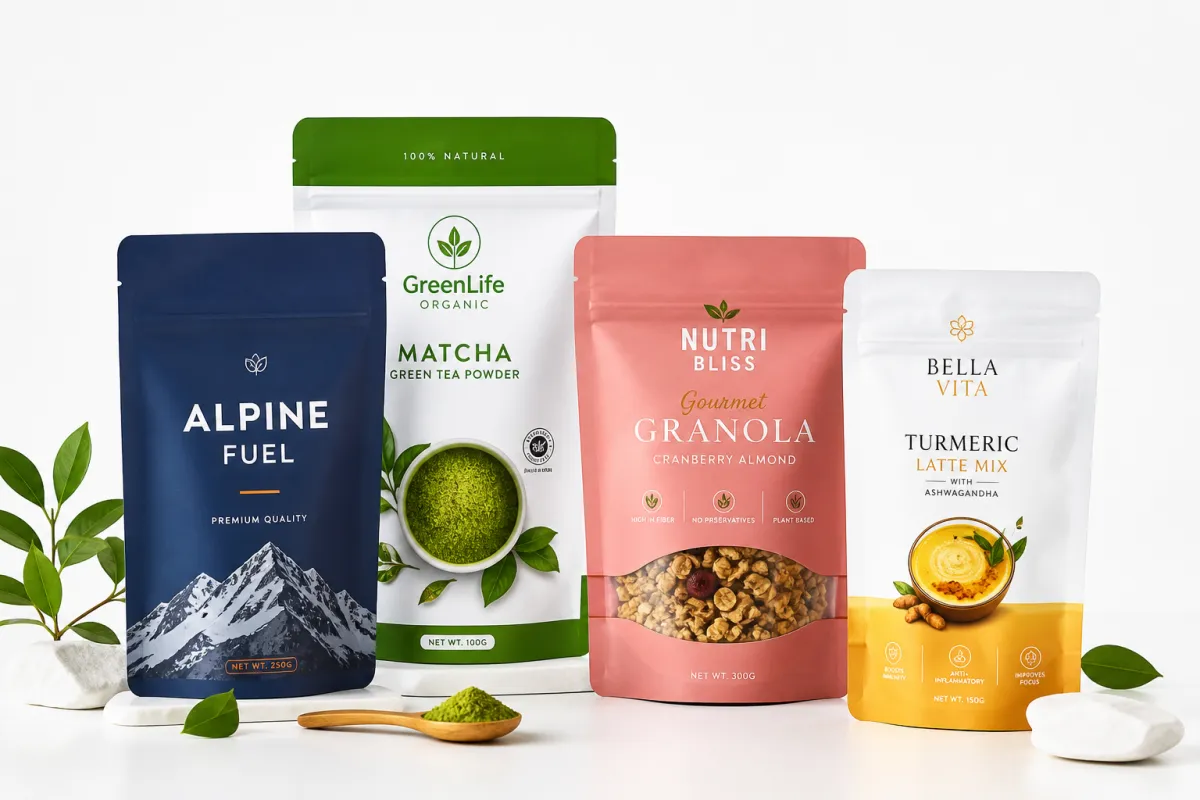
Walk into a store aisle or open a subscription box, and the pouch usually acts like a little billboard in the customer’s hand. Printed pouch packaging for brands works quickly because the shopper is not decoding an entire carton or peeling back a label panel; the surface is right there, the finish is tangible, and the message lands immediately. In practice, that is a powerful advantage for printed pouch packaging for brands, especially for products that need to communicate freshness, value, or expertise at a glance.
The tactile side matters more than many teams expect. A soft matte laminate can suggest calm, clean, and premium; a bright gloss finish can feel energetic and mass-market; a textured film can imply artisanal or natural. Printed pouch packaging for brands lets that material language become part of the offer itself, which is why buyers often compare it not only to jars and bottles, but also to retail packaging that must do more storytelling per square inch. The feel of the film can shift perception before a single bullet point is read.
Brands use printed pouch packaging for brands in a wide range of categories because the format solves several problems at once. Snacks need freshness and shelf visibility. Coffee needs aroma control and a strong front panel. Supplements need room for regulated copy and lot coding. Pet treats need durability and repeat purchase appeal. Beauty and personal care products need controlled aesthetics and clean hierarchy. Cleaning products often need refill efficiency. Even sample-size kits benefit from printed pouch packaging for brands because it offers more polish than a plain stock packet without the weight of rigid packaging.
There is also a practical retail side to it. Printed pouch packaging for brands usually weighs less than jars, tubs, and cartons, so shipping costs can stay lower, and the pack is often easier to store, palletize, and ship in mixed quantities. For brands launching in e-commerce, that can make a measurable difference. The same printed pouch packaging for brands that looks polished on a shelf can also fit neatly into a fulfillment system, which reduces some of the friction that often shows up when product packaging is designed only for display and not for transport.
One reason this format keeps growing is that it gives brands room to tell a fuller story than many rigid options allow. Front panel claims, a short brand origin statement, sustainability notes, flavor cues, QR codes, and regulatory copy can all coexist, provided the layout is disciplined. That does not mean the pack should be crowded. It means printed pouch packaging for brands rewards clear hierarchy and honest material choices. If the structure and artwork are aligned, the pouch does more than hold a product; it becomes part of the brand promise.
A pouch is often the first thing a shopper touches, and that touch can do as much selling as the artwork. If the structure feels flimsy or the finish feels off, the brand has already lost a little trust before the product is even opened.
How Printed Pouch Packaging for Brands Is Made
Printed pouch packaging for brands starts with a structure, not with a color palette. The pouch is typically built from multiple functional layers: a barrier layer to help protect the contents, a structural layer to provide stiffness or handling strength, a print layer for the artwork, and a protective coating or lamination that supports scuff resistance and finish. Depending on the product, that build might include PET, PE, BOPP, foil, metalized film, or a more specialized multi-layer laminate chosen for moisture, oxygen, light, or aroma protection. The right structure is never just cosmetic; it is part of the shelf-life strategy for printed pouch packaging for brands.
There are several ways to print the artwork, and the best method depends on quantity, color complexity, and lead time. Digital printing is often preferred for shorter runs, seasonal launches, and artwork that may change quickly. Flexographic printing is commonly chosen for larger volumes and solid unit economics. Gravure can be used for very high-volume work where consistent image quality and long run efficiency matter. Printed pouch packaging for brands can be made with any of these methods, but the economics and setup requirements change a lot from one process to another.
After printing, the web may be laminated if the structure calls for it, then slit into roll stock or sheet form before conversion. Conversion is the stage where the printed material is formed into pouches and sealed into the final shape. That is where features such as zippers, tear notches, spouts, euro slots, hang holes, and gussets enter the picture. In other words, printed pouch packaging for brands is not just a print job; it is a manufacturing sequence where each step affects the finished pack’s performance and appearance.
Barrier performance deserves serious attention. Oxygen control matters for coffee, snacks, powders, and many botanicals. Moisture resistance matters for dry mixes, confectionery, and supplements. Light protection matters for oils, sensitive actives, and products that degrade under exposure. Aroma retention matters for any product where smell is part of freshness or user experience. If a brand is evaluating printed pouch packaging for brands without checking these factors, it is easy to end up with a good-looking pack that does not preserve the product well enough.
Finishing is the last visible layer, and it can change the whole tone of the pack. Matte varnish can reduce glare and create a softer premium feel. Gloss can add punch to saturated colors. Soft-touch lamination brings a velvety feel, though it can add cost and scuff considerations. Spot gloss can highlight a logo or flavor marker. Metallic inks, foil-like effects, and transparent windows can all be used carefully, but each one should support the package story rather than distract from it. Printed pouch packaging for brands works best when the finish reinforces the message instead of competing with it.
Choosing the right print method
For a small launch or a test market, digital is often the easier route because it reduces setup burden and supports quicker artwork changes. For a larger line with stable demand, flexographic or gravure printing may bring better long-term unit economics. Printed pouch packaging for brands should not be selected on the basis of image quality alone; it should be matched to the likely run length, color tolerance, and reorder frequency.
Key Factors That Shape Printed Pouch Packaging for Brands
The product itself is the first filter. Powders need a different seal and flow behavior than liquids. Granola behaves differently from a sticky confection. Cosmetic formulas can be sensitive to oxygen, fragrance loss, or oil migration. Acidic, oily, or active-rich products may need stronger barrier properties and more careful seal integrity. Printed pouch packaging for brands has to match those realities, or the pack may perform beautifully on paper and poorly in use.
Brand position comes next. A premium skincare label may want a restrained palette, understated typography, and a matte finish with lots of breathing room. A bold snack brand may want higher contrast, bright color blocking, and a more playful layout. A wellness supplement brand may need clean, regulated copy with a clinical feel. Printed pouch packaging for brands does not have to look identical across categories, but it should feel coherent with the promise being made. That is where solid branding packaging work becomes visible to the shopper.
Technical constraints also shape the design. Fill method matters because some equipment handles powders, solids, and liquids differently. Heat sensitivity matters because some products do not tolerate aggressive sealing temperatures. Drop resistance matters for e-commerce, where packs may travel in boxes and hit corners. Shelf life targets matter because a pouch structure that works for a 30-day promotion may not be enough for a 9-month retail run. Some brands need a stand-up pouch, others need a lay-flat sachet, and some need a pouch that can survive shipment inside a larger kit. Printed pouch packaging for brands should be designed around the real use case, not a generic concept render.
Sustainability goals are now part of most packaging discussions, but they need a practical lens. Downgauged film can reduce material use, but only if performance stays acceptable. Recyclable structures may simplify disposal, although the local recovery system may vary. Post-consumer recycled content can support a brand story, but it may affect appearance, odor, or mechanical consistency. FSC-certified paper components can support responsible sourcing where paper elements are used; more information is available through FSC. Printed pouch packaging for brands should be evaluated against the product, the filling line, and the claimed sustainability story, not just against a trend line.
Artwork factors are just as important as material factors. Barcode contrast has to scan reliably. Nutritional panels and ingredient statements need room and proper hierarchy. Regulatory copy, net weight, lot coding, and multilingual text all consume space. Small typography can become unreadable once the pouch is formed and trimmed. Printed pouch packaging for brands rewards early preflight discipline because the artwork is not a poster; it is a machine-ready file that must survive printing, converting, filling, and handling.
One practical rule helps here: do not design for the empty mockup alone. Design for the filled pack. A pouch can look elegant when flat and awkward once it is full, rounded, and sealed. That is why a good packaging design workflow includes structure review before final artwork lock. Brands that treat printed pouch packaging for brands as both a graphic project and a production project usually end up with a better result.
Printed Pouch Packaging for Brands: Cost and Pricing Basics
Pricing gets clearer once it is broken into parts. The biggest cost drivers are material structure, print method, pouch size, quantity, and finishing complexity. Printed pouch packaging for brands can be surprisingly efficient at scale, but short runs, specialty coatings, and custom features can shift the economics quickly. A buyer who only looks at a single unit quote may miss the real picture, especially once freight, storage, and reorders are added into the equation.
Material choice is usually one of the most influential variables. A basic structure may keep costs lean, while foil, metalized film, high-barrier laminates, or dual-sided print can raise the price. Zippers, tear notches, spouts, clear windows, and custom shapes all add steps. Matte soft-touch finishes can also add cost. Printed pouch packaging for brands is often more affordable than rigid formats, but the details matter, and those details are exactly where quotes can diverge.
Minimum order quantity matters because setup costs and press time are spread across the run. Larger volumes usually reduce the per-unit cost. Smaller volumes cost more per pouch, but they reduce the risk of holding too much inventory before a product proves itself. That tradeoff is especially relevant for launch testing. A brand evaluating printed pouch packaging for brands should ask for quotes at several quantities, not just one, because the price curve can change enough to affect the launch plan.
There is also a difference between cosmetic upgrades and structural upgrades. Some choices make the pouch look more premium without dramatically changing the build. Others materially increase production cost. A rich printed background, well-placed spot gloss, and strong typography may elevate perceived value without much penalty. Adding a zipper, foil layer, matte lamination, and custom gusset artwork all at once can add cost more quickly. Printed pouch packaging for brands should be scoped so the money goes into the features that customers will actually notice and use.
For a practical pricing discussion, ask for total landed cost, not just the factory quote. Freight, palletizing, carton counts, and distribution center requirements can change the real cost per unit. If the packaging will be stored for a staged launch, warehousing may matter too. A quote for printed pouch packaging for brands should ideally show unit price at multiple quantities, notes on tooling or setup, and any surcharge tied to special finishes or multiple artwork versions.
| Print Option | Typical Fit | Approx. Unit Cost Range | Typical Lead Time | Notes |
|---|---|---|---|---|
| Digital printed pouch | Short runs, launches, versioned artwork | $0.35-$0.95 | 10-18 business days after approval | Best for fast changes and lower MOQ; unit cost stays higher |
| Flexographic printed pouch | Mid to large runs with stable artwork | $0.12-$0.32 | 3-6 weeks | Usually stronger unit economics once volume rises |
| Gravure printed pouch | Very large recurring programs | $0.10-$0.28 | 4-7 weeks | Setup is heavier, but repeat production can be efficient |
Those ranges are broad on purpose. A small matte stand-up pouch with a zipper and one-color artwork will not price like a large multi-panel pouch with high-barrier film, special varnish, and full-coverage graphics. Printed pouch packaging for brands should always be quoted against the exact dieline, structure, and order volume. For brands that want to compare pouch pricing against other Custom Packaging Products, the most helpful question is not “What is cheapest?” but “What gives the strongest shelf result at the lowest total landed cost?”
Here is the honest buyer’s view: the cheapest unit price is not always the smartest buy. A slightly better structure or a cleaner print process can reduce complaints, scrap, and repacks later. Printed pouch packaging for brands is a place where quality control often pays back quietly, because a pack that seals correctly and presents well can save far more than the difference between two quote lines.
Step-by-Step Timeline for Printed Pouch Packaging for Brands
A realistic timeline starts with the brief. The brand defines the product, the fill weight, the target shelf life, the sales channel, and the finish expectations. Then the supplier recommends a structure and confirms the pouch style. Printed pouch packaging for brands moves fastest when that opening brief is specific, because vague inputs tend to create back-and-forth later, and back-and-forth is where deadlines slip.
The next bottleneck is often the dieline. If the panel dimensions are off, if the safe zones are too tight, or if the zipper and seal areas were not accounted for, artwork revisions can become expensive. This is also the point where teams should validate legibility, barcode placement, and regulatory copy. Printed pouch packaging for brands is unforgiving when the flat design is built without the actual production dimensions in hand.
Proofing comes after that. Digital proofs are useful for layout and content review, but they are not a perfect substitute for the finished pack. Color-sensitive jobs may need a press check, a sample, or a signed approval against a target. If the pouch must match an existing line or other branded packaging, color consistency becomes even more important. Printed pouch packaging for brands often looks “close enough” on screen and completely different under production lighting, so proof discipline matters.
Production timing depends on the method and the complexity. Short digital runs may move in roughly 10-18 business days after final artwork approval. Larger flexographic jobs often need 3-6 weeks once everything is locked. Add more time for special finishes, laminated structures, custom components, or multiple SKU versions. If the product launch is tied to a fixed retail window, the calendar should include packing time, pallet build, transit, and inbound receiving. Printed pouch packaging for brands is easiest to manage when the launch date is built backward from the shelf date, not forward from the quote date.
Final logistics are easy to overlook, yet they can affect the rollout just as much as the print job itself. Carton counts need to be correct. Pallets may need stretch wrap or label placement for distribution centers. Some brands need split shipments for regional launches. Others need packaging held until product fill is complete. If the pouches will be tested in a shipping environment, the brand may want alignment with ISTA procedures so the package can be evaluated under real transit stress rather than assumed conditions. Printed pouch packaging for brands should fit the production line and the distribution plan, not just the art file.
A simple timeline to expect
- Brief and structure recommendation: 1-3 business days if the inputs are clear.
- Dieline and artwork fit: 2-5 business days, depending on revisions.
- Proof approval and color signoff: 1-4 business days.
- Production and converting: 10-30 business days based on method and complexity.
- Packing, freight, and receiving: 3-10 business days depending on distance and route.
That timeline is not fixed, and it should not be treated as one. It depends on how fast decisions are made, how complete the artwork is, and whether the chosen structure requires special handling. Still, these ranges give brands a practical way to plan printed pouch packaging for brands without guessing.
Common Mistakes Brands Make with Printed Pouch Packaging
The first mistake is designing before the structure is approved. A flat layout can look polished on screen and still fail once the pouch body, zipper, gusset, and seals are accounted for. Important copy can fall too close to the seal area, a logo can land in a bend, or a product name can become hard to read once the pouch is filled. Printed pouch packaging for brands needs structure-first thinking because the production geometry controls what the shopper actually sees.
The second mistake is overloading the front panel. Too many claims, badges, icons, and lifestyle lines can weaken the hierarchy. Shoppers usually do not read everything; they scan. If the name, benefit, and flavor or variant are buried under a wall of copy, shelf impact drops quickly. Printed pouch packaging for brands should make the priority elements obvious from arm’s length, not force the buyer to work for them.
Finish choice is another spot where brands get tripped up. A bright gloss pack can feel out of step for a clean-label supplement line. A very muted matte finish can make a high-energy snack brand feel too quiet. A metallic film might support a premium tech aesthetic, but it can clash with a natural or botanical story. Printed pouch packaging for brands should express the category and the promise honestly, otherwise the pack can create confusion before the product has a chance to deliver.
Testing gets underplanned more often than it should. Fill compatibility, seal integrity, drop resistance, and storage conditions all need real validation. Products can settle differently under vibration. Powders can interfere with seal strength. Oils can migrate into the seal area. Humidity can change how some films behave. For brands that have not done this work before, a package may look production-ready while still needing adjustment. Good printed pouch packaging for brands respects testing because test failures are cheaper than field failures.
Another common issue is thinking only about the first order and ignoring reorders. If the launch succeeds, the brand will likely need more pouches, and the reorder plan should already be part of the procurement strategy. Inventory that is too small can create stockouts. Inventory that is too large can sit in storage and tie up cash. That is why printed pouch packaging for brands should be quoted with both initial launch volume and likely reorder volume in mind. A good supplier will help compare those scenarios instead of focusing only on the first print run.
The strongest packaging programs are rarely the flashiest ones. They are the ones where the structure, artwork, fill method, and reorder plan all fit together without surprises.
For brands comparing pouches against custom printed boxes or other display-heavy formats, the lesson is simple: the best-looking package is not always the best-performing package. Printed pouch packaging for brands can give a more efficient balance of cost, space, and branding space, but only if the team respects the production details from the start. That mindset is especially useful in retail packaging, where a launch has to survive both shelf competition and supply chain reality.
Expert Tips for Better Printed Pouch Packaging for Brands
Design for the channel, not just the shelf. An e-commerce pack may need stronger corners, a cleaner front panel, and better drop resistance than a store-only pouch. Club-store packaging may need to communicate value at a bigger physical distance. Subscription-box packaging often has to make an impact the moment the lid opens. Printed pouch packaging for brands performs better when the team thinks through the actual handling conditions instead of assuming every customer sees it the same way.
Protect the hierarchy ruthlessly. The logo, the product name, the key benefit, and the flavor or variant should be readable quickly. Everything else should support those signals. If the front panel is already strong, the rest of the storytelling can move to the back or side panels. That is a good use of space, and it keeps printed pouch packaging for brands from feeling crowded. A lot of brands accidentally weaken their own message by trying to say too much at once.
Ask for samples early. A substrate sample can tell you more than a spec sheet about the actual feel of the pack. Finish samples show whether matte, gloss, or soft-touch works with the brand language. Print samples reveal how dense colors, reverses, and small type really behave on the chosen film. For printed pouch packaging for brands, tactile judgment is often just as important as visual approval, and a quick sample review can prevent a bad surprise later.
Use a preflight checklist before anything goes to production. Verify bleed, safe zones, fonts, barcode contrast, overprint settings, regulatory copy, and color expectations. If the pouch has multiple SKUs, double-check every flavor or variant line. If the pack includes sustainability claims, make sure they are accurate and supportable. That level of care is not overkill; it is good packaging design discipline. It also makes printed pouch packaging for brands easier to move through prepress without costly delays.
One more tip: ask for a quote that separates the structure from the decoration if possible. That makes it easier to see where the budget goes and where value can be improved. In many cases, the smartest update is not a total redesign but a better structure, cleaner hierarchy, or more consistent finish. Printed pouch packaging for brands improves when the decision is made on evidence rather than on guesswork.
If you are comparing formats, gather a quote-ready brief before you make final decisions. Include product type, fill weight, target quantity, closure needs, artwork count, shelf-life goals, and any required certifications. Then compare substrates, request sample finishes, and review the numbers against your launch plan. That is the most dependable way to move printed pouch packaging for brands from concept to production without costly detours. You can also review relevant Case Studies to see how similar packaging decisions have been handled on real projects.
For teams focused on print consistency and responsible sourcing, it also helps to understand the standards behind the material discussion. The EPA recycling guidance can be useful context when planning end-of-life communication, but the actual pack structure still needs to be chosen for product safety, seal performance, and retail use. Printed pouch packaging for brands works best when sustainability claims are matched to the material reality, not treated as a decorative line item.
Practical next step: compare two or three structures, confirm the exact pouch dimensions, and build a spec sheet before you request pricing. That one move saves a lot of confusion later. It also gives your supplier enough detail to recommend the right printed pouch packaging for brands instead of guessing at the finish, barrier, or closure.
How does printed pouch packaging for brands compare with stock pouches?
Printed pouches give brands much more control over structure, finish, and visual identity, while stock pouches are faster to source but less distinctive. Printed pouch packaging for brands usually delivers stronger shelf presence and more consistent package branding, especially if the product needs exact colors, regulatory panels, or a more specific retail story. Stock options can still work for very small tests, but they usually limit storytelling and tend to look less premium.
What affects the cost of printed pouch packaging for brands the most?
The biggest cost drivers are print method, pouch size, material structure, quantity, and any special features such as zippers, windows, spouts, or matte coatings. Printed pouch packaging for brands also becomes more expensive per unit at smaller volumes because setup costs are spread across fewer pieces. Freight, pallet configuration, and storage should also be included when comparing quotes, since the cheapest unit price is not always the lowest total cost.
How long does the printed pouch packaging for brands process usually take?
Lead time depends on how ready the artwork is, how quickly proofs are approved, and whether the job is digital or a larger press run. The fastest printed pouch packaging for brands projects usually have final artwork, a simple structure, and no unusual finishing. More complex builds with custom barriers, lamination, or multiple approvals need more time, especially if the launch date is fixed and the packaging must arrive in staged shipments.
What materials are common in printed pouch packaging for brands?
Common structures include PET, PE, BOPP, foil, metalized films, and multi-layer laminations chosen for barrier and seal performance. The right choice depends on how sensitive the product is to moisture, oxygen, light, and aroma, plus the look and feel the brand wants to create. Printed pouch packaging for brands should be selected for performance and machine compatibility first, then for appearance and sustainability goals.
Can printed pouch packaging for brands be used for small launches?
Yes, especially when digital print or shorter production runs make it practical to test a new product without overcommitting to inventory. Small launches benefit from printed pouch packaging for brands because the pouch can still look polished at lower volumes, which helps the product feel legitimate from the start. The key is confirming minimum quantities, unit cost, and lead time before the launch plan is finalized so the brand does not get surprised later.
Printed pouch packaging for brands works best when the structure, artwork, cost model, and timeline are all planned together, because that is how a flexible pack becomes reliable product packaging instead of a last-minute compromise. If you compare materials, request samples, and build your brief with the real fill and shipping conditions in mind, printed pouch packaging for brands can give you the shelf appeal, protection, and efficiency most brands are looking for. The clearest takeaway is simple: lock the structure first, pressure-test the artwork against the filled pouch, and price the full landed cost before you commit to production.