Buyer Fit Snapshot
| Best fit | Printed Pouches Price Quote for Sustainable Packs projects where brand print, material claims, artwork control, MOQ, and repeat-order consistency need to be specified before quoting. |
|---|---|
| Quote inputs | Share finished size, material target, print colors, finish, packing count, annual reorder estimate, ship-to region, and any compliance wording. |
| Proofing check | Approve dieline scale, logo placement, barcode or warning zones, color tolerance, closure strength, and carton packing before bulk production. |
| Main risk | Vague material claims, crowded artwork, missing packing details, or unclear freight terms can make a low unit price expensive after revisions. |
Fast answer: Printed Pouches Price Quote for Sustainable Packs: Film, Print, MOQ, and Carton Packing should be specified like a repeatable production item. The safest quote records material, print method, finish, artwork proof, packing count, and reorder notes in one written spec.
Production checks before approval
Compare the actual filled-product size with the drawing, then confirm tolerance on folds, seals, hang holes, label areas, and retail display edges. Reserve space for logos, QR codes, warning copy, and material claims before decorative graphics fill the panel.
Quote comparison points
Review material grade, print process, finish, sampling route, tooling charges, carton quantity, and freight assumptions side by side. A quote is only useful when the supplier can repeat the same color, closure quality, and packing count on the next order.
Printed Pouches Price Quote Guide for Sustainable Packs
If you are asking for a printed pouches price quote, do not let the unit price fool you into thinking the job is simple. It rarely is. A pouch quote can look low on paper and still cost more once freight, setup, film choice, and line performance are added back in. The number that matters is the one that holds up after the product is filled, shipped, shelved, and opened by a real customer.
From a packaging buyer's point of view, the quote is only useful if it shows the full picture: film structure, closure style, print method, freight, tooling, proofing, and shelf-life target. Sustainable packaging does not behave like a sticker you can apply after the fact. Recycled content, mono-material structures, and barrier performance all affect cost in different ways, and they do not all trade off neatly. A good comparison starts with total packaging cost, not the cheapest sheet of film in the quote.
The product should drive the spec. Dry goods, powders, snacks, supplements, pet treats, sauces, and personal care refills all ask different things from a pouch. Some need moisture protection. Some need oxygen and aroma barrier. Some need a strong seal because the product is oily or sharp-edged. Some need a print finish that can hold up on a retail shelf without looking tired after one truck ride. The tighter the starting brief, the better the quote.
Below is a practical way to read a printed pouch quote, compare sustainable options, and give a supplier the information needed to price the job without guessing.
Why a printed pouches price quote can uncover real savings
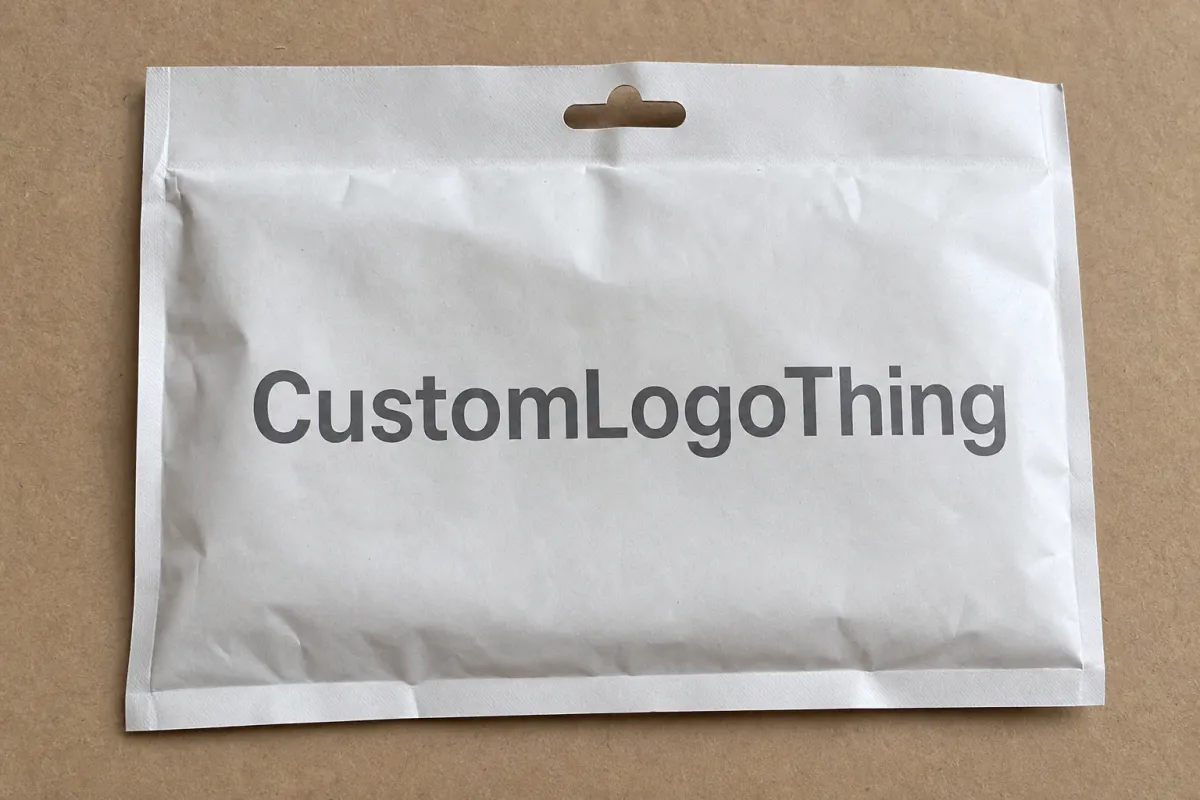
Switching from rigid packaging to flexible pouches Changes the Cost structure in ways that are easy to miss if you only compare decoration prices. A jar, bottle, or folding carton may look manageable in a spreadsheet, then quietly add weight, empty space, and pallet waste. A pouch usually ships flatter, stores tighter, and takes less room in warehousing and distribution. That is where savings begin to show up.
A printed pouches price quote should be read like a systems document, not a shopping receipt. One supplier may show a low per-unit price and then bury the real cost in freight, tooling, or a heavier-than-needed film. Another may quote a slightly higher unit cost but reduce the total spend with a better pouch size, lighter gauge, or closure choice that keeps the line running cleanly. The headline number is often the least useful number on the page.
A low quote only helps if the pouch protects the product, runs well on the filling line, and still looks shelf-ready after transit.
Retail behavior matters too. Pouches take up less shelf depth than many rigid formats, which can make facings easier to manage and improve case pack density. For brands working with retailer planograms, that is not trivia. If the pouch gives you cleaner shelf presentation, lower freight, and fewer damaged goods, total packaging spend can drop even when the decorated material itself is not the cheapest option.
Sustainability changes the math again. A recycled-content pouch, a mono-material structure, or a downgauged film can reduce environmental impact, but each choice carries a tradeoff. Some structures improve recyclability and give up barrier performance. Others use less material but need testing for puncture resistance, seal strength, or product migration. A useful printed pouches price quote should expose those tradeoffs instead of hiding them behind a single neat number.
The best buying decisions usually come from comparing a few paths side by side: the most economical structure, the most protective structure, and the most credible sustainable structure. Procurement gets clarity. Operations gets fewer surprises. Marketing gets a package that still matches the brand. That combination saves time later, which is usually where packaging programs get expensive.
Materials, barrier layers, and product formats
Pouch pricing starts with construction. The phrase "printed pouch" covers a wide range of film combinations, and each one behaves differently on press, on the filling line, and on the shelf. Vague material specs lead to vague quotes. No surprise there.
Common pouch constructions include kraft-look laminates, clear films, matte finishes, high-barrier structures, and recyclable mono-material options. A kraft-look pouch gives a natural visual tone, but it is usually a printed laminate rather than true paper-only packaging. Clear film shows the product, which works well for snacks, dry mixes, or colorful contents. Matte finishes create a softer retail feel, though they can scuff more easily during distribution. High-barrier structures fit products that need oxygen, moisture, light, or aroma protection. Mono-material pouches, usually built from PE or PP families, aim to support recycling pathways where collection systems exist and the application allows it.
Barrier is where buyers often miss the real spec. A dried herb, a supplement powder, and a pet treat can look similar in a catalog and behave nothing alike. Moisture-sensitive products need a strong water vapor barrier. Aroma-rich products need a structure that keeps scent in the pack. Oily products and items with sharp edges may need better seal performance and puncture resistance. Under-spec the barrier and the product starts degrading while the inventory still looks fine on a pallet.
Format matters just as much as film type. The most common pouch styles include:
- Stand-up pouches - good retail presence, room for a zipper, and a broad print face.
- Flat pouches - efficient for sample sizes, single-serve items, and lower material use.
- Gusseted pouches - useful when volume and shelf stability matter more than a rigid shape.
- Spouted pouches - suited to liquids, sauces, refills, and consumer convenience formats.
- Zipper pouches - practical for resealability, repeat use, and freshness retention.
The print result changes with material choice too. A high-opacity film can carry heavy color coverage without showing the inner layer, while a clear film may need white ink, knockouts, or careful negative space to keep graphics readable. A matte laminate changes how ink and light interact. It can make artwork feel more premium, but it can also flatten fine detail if the design is trying too hard. Flat proofs can be flattering. Store lighting is less generous.
For sustainable pouches, the material question usually comes down to three practical moves: reduce the amount of material used, choose a recyclable mono-material where the product can tolerate it, or add recycled content where the supply chain supports it. The right answer depends on shelf life, product fragility, and how the package moves through your distribution chain. A supplier should spell out those tradeoffs clearly, not wrap them in vague green language and hope nobody asks follow-up questions.
For additional technical context on transit and distribution expectations, packaging buyers often reference ISTA transit testing guidelines before approving a structure for shipping-heavy programs. If your pouch will travel through rough handling, that discipline saves headaches later.
Specification checklist for an accurate quote
The fastest way to turn a broad inquiry into a usable price is to send complete specifications. A supplier can only quote with confidence when the pouch dimensions, fill weight, product type, and functionality are clear. Leave those out and you get a range, not a real offer. Helpful for nobody.
Start with the physical spec. Share pouch width, height, gusset depth, and target fill weight. Add the product type, because a powder does not behave like a granola cluster, and an oily snack does not behave like a dry supplement capsule. Then define the closure and end use. Does the pouch need a zipper? A tear notch? A hang hole? A retail-ready finish? Or is the pack only for shipping?
Artwork details matter just as much. The number of print colors, front-and-back coverage, special effects, and reuse across multiple sizes all affect the quoted price. A design with a solid background across the full pouch usually prices differently from a minimal layout with clear film windows and limited ink coverage. If the same artwork will be adapted to several SKUs, the supplier should know that upfront so the print plan can be built around a shared platform.
Here is a practical checklist to gather before requesting pricing:
- Pouch size - width, height, gusset, and approximate fill weight.
- Product type - food, supplement, pet product, cosmetic, or other.
- Barrier need - moisture, oxygen, aroma, light, puncture resistance, or a combination.
- Closure style - zipper, heat seal, tear notch, spout, or no reclose feature.
- Artwork status - final file, draft concept, or no art file yet.
- Print detail - number of colors, white ink requirement, matte or gloss finish, and coverage level.
- Order plan - first run volume, expected repeats, and annual forecast if available.
- Line compatibility - manual fill, semi-automatic, or full production line.
Functional features deserve their own line on the request. Window panels, valves, custom-shaped die cuts, child-resistant closures, and reinforced hang holes can all change the quote quickly. So can special seal widths or unusual bottom geometry. If a feature is nice to have rather than required, say that. It gives the supplier room to offer a lower-cost alternative without mind-reading.
It also helps to explain how the pouch will move through the supply chain. A mail-order refill pouch may need different abuse resistance than a display bag going straight to a retailer. If the pouch must sit on a pallet, survive club-store handling, or pass through a third-party warehouse, that should be visible before pricing starts. A quote built on the wrong assumption still looks tidy. It just is not useful.
The clearest quote requests usually sound simple: size, product, fill weight, barrier target, quantity, artwork status, and the sales channel the pouch has to survive.
Printed pouches pricing, MOQ, and unit cost
Printed pouch pricing comes from a small set of drivers, but each one can move the number more than buyers expect. Pouch size, film structure, print method, color count, finish, and order quantity all shape the final quote. Add a zipper, spout, window, or specialty matte effect, and the number shifts again.
MOQ, or minimum order quantity, is one of the biggest levers. Smaller runs usually carry a higher unit price because setup, prepress, and production time are spread across fewer pieces. Larger orders lower the per-piece cost because the fixed expenses are diluted over more units. That does not mean the largest run is the smartest move. It means the right quantity is the one that matches your forecast, storage space, and cash flow.
There is also a difference between quoted price and landed cost. A clean quote should tell you whether freight is included, whether the price covers proofing or setup, and whether there are extra charges for plates, cylinders, or color matching. Some suppliers keep more service in the headline number. Others keep the unit price lean and add the extras later. Same quote, different headache. Buyers should ask for the same assumptions on every option they compare.
Sustainable materials do not always cost more. Sometimes a downgauged structure or a better-engineered mono-material pouch lowers material use and improves total value. In other cases, a specialty compostable or high-barrier recyclable structure costs more because supply is tighter or performance demands are harsher. The material label alone does not tell you whether the pouch is economical. The real question is whether the structure gives the needed shelf life at the lowest practical total cost.
For illustration only, here is how pricing often compares on mid-volume programs. These are broad ranges, not promises, and the final number changes with size, artwork coverage, closure style, and market conditions:
| Option | Typical unit range | Best fit | Main tradeoff |
|---|---|---|---|
| Printed flat pouch | $0.12-$0.24 each | Samples, single-serve goods, light-duty packs | Less shelf presence and lower capacity |
| Printed stand-up pouch with zipper | $0.18-$0.38 each | Retail snacks, dry goods, supplements, pet treats | More material and more setup than flat formats |
| High-barrier recyclable mono-material pouch | $0.22-$0.52 each | Brands balancing shelf life and recyclability goals | Barrier and seal performance must be verified carefully |
| Printed spouted pouch | $0.30-$0.85 each | Liquids, sauces, refills, and convenience packs | Hardware and assembly add cost |
Those ranges move quickly with quantity. A run of 3,000 pieces can price very differently from a run of 25,000, even if the pouch looks almost identical. Some programs also unlock better pricing once the supplier can optimize print sheets, material yield, or freight packing. That is why tiered pricing bands beat a single number every time. A quote at 5,000 units, 10,000 units, and 25,000 units shows the curve and makes the next decision less guessy.
One more thing buyers should not ignore: hidden inefficiency. A cheaper pouch that fails on the filling line, tears in distribution, or drives returns is not cheaper. If the product leaks, loses freshness, or prints badly, the real cost shows up later in waste, credits, and damaged shelf confidence. That is exactly why a printed pouches price quote should be checked through a quality lens, not just a purchasing lens.
Process, timeline, and lead time from quote to shipment
A good quoting process has structure, and structure saves time. The usual path runs from quote review to spec confirmation, artwork intake, proofing, production approval, manufacturing, quality checks, and shipping. If any step is fuzzy, the timeline stretches. First orders feel that pain the most because the buyer is still learning how the package, product, and filling operation fit together.
In many programs, a standard construction moves faster than a fully custom structure. A pouch built from an established film family and a familiar closure style usually needs less engineering time. A custom barrier stack, a special finish, or a new shape can add review because the supplier may need to confirm material availability, print compatibility, and performance expectations before production starts.
Artwork complexity is another schedule trap. Clean, ready-to-print files move faster than artwork that still needs layout work, dieline adjustment, or color correction. If the design includes white ink, metallic effects, or dense ink coverage, proofing can take longer because the printed look has to be checked against the substrate. Buyers often think the clock starts when the purchase order is approved. Usually, it starts after artwork and specifications are locked.
A practical timeline for a straightforward printed pouch program often looks like this:
- Initial quote request and review.
- Specification confirmation and clarifying questions.
- Artwork submission or file correction.
- Digital proof review and approval.
- Production scheduling and material allocation.
- Manufacturing, inspection, and packing.
- Freight booking and shipment.
For many standard jobs, production lead time can land somewhere around 12-20 business days after proof approval, while more custom or specialized structures may take 20-35 business days or more. That range depends on material sourcing, print method, order volume, and how quickly feedback moves between buyer and supplier. Busy seasons stretch those timelines further, especially when approvals sit untouched in an inbox for three days like the project is supposed to wait politely.
If the pouch has to survive a tougher distribution path, ask whether the package should be checked against ISTA transit testing guidelines or a similar distribution test plan. For food and consumer goods, that kind of discipline helps reveal whether a structure can handle vibration, compression, drop risk, and pallet movement before a full order ships.
Approval milestones should be explicit. A buyer should know exactly when dimensions must be final, when the proof will arrive, what level of change can still be made, and what date the production slot is being held. That clarity matters more for replenishment orders than many teams realize, because one missed approval can push the job behind the next scheduling window.
Why choose us for sustainable printed pouches
At Custom Logo Things, the value is practical packaging guidance, not padded language. A buyer asking for sustainable printed pouches should get more than a quote number. The right conversation explains which structure fits the product, which closure is worth paying for, and where the pack can be simplified without sacrificing shelf life or fill-line performance.
That matters because sustainable packaging only works when it fits the product. A recyclable mono-material pouch can be an excellent choice for the right application, but it still has to deliver the right barrier and seal performance. A lighter-weight film can reduce material use, but it has to survive shipping, stacking, and consumer handling. A paper-based look can support brand positioning, but the graphics, coating, and structural layers still need to be chosen with real production in mind.
What buyers usually want from a supplier is straightforward:
- Clear material guidance - so the packaging choice matches the product, not the other way around.
- Responsive quoting - so procurement can compare options without chasing incomplete details.
- Reliable print consistency - so branding stays sharp across repeat runs.
- Structure fit - so the pouch works on the filling line and in the warehouse.
- Transparent tradeoffs - so sustainability claims are tied to real construction choices.
Paper-based components, if they are part of the program, should also be handled with documentation discipline. Where certification matters, ask for the right sourcing records and chain-of-custody support through groups such as FSC. If the pack is meant to support an environmental claim, the paperwork should be as clear as the artwork. Good intentions do not carry compliance by themselves.
Responsive communication makes a real difference too. Buyers often need a quick answer on MOQ, a suggestion for a lower-cost closure, or a second quote that compares a premium sustainable structure against a more economical one. A supplier who can explain those choices clearly helps customers avoid overbuying, under-specifying, or paying for features the product does not need.
That is the kind of support many brands need when launching a new snack line, refreshing a supplement pouch, or replacing a rigid pack with a flexible format. The goal is not to sell the most expensive pouch. The goal is to fit the product, the budget, and the sustainability target with as little guesswork as possible.
Next steps to request your printed pouches price quote
If you are ready to compare options, keep the request simple and complete. The best quote requests do not try to sound clever. They give the supplier enough technical detail to price the pouch accurately and suggest a better structure if one exists.
Use this checklist before you send the request:
- Confirm pouch dimensions and fill weight.
- State the product type and shelf-life target.
- Choose the preferred pouch format.
- List closure needs such as zipper, spout, or tear notch.
- Share artwork files or note that the art is still in draft form.
- Identify the sustainability preference, such as recyclable mono-material, reduced gauge, or recycled content.
- Provide the target order quantity and any repeat-order forecast.
- Ask for freight, setup, and proofing to be shown separately if possible.
It also helps to ask for two pricing scenarios. One can be the most cost-efficient structure, and the other can be the best-performing sustainable option. That side-by-side view makes the tradeoff obvious and keeps the decision tied to facts instead of wishful thinking. In many cases, the price gap is smaller than buyers expect. In others, the gap is large enough that it makes sense to adjust the graphics, the format, or the closure before moving ahead.
When you compare quotes, keep the full package in mind: landed cost, barrier level, shelf appearance, lead time, and production risk. A quote that looks attractive on the first line can turn expensive once freight surprises, extra setup, or a structure that does not run well show up. The cleaner the request, the cleaner the answer.
If you want a direct conversation, send your specs through our Contact Us page and ask for a printed pouches price quote with at least two structure options. Include the product type, fill weight, target shelf life, and any sustainability target you need to hit. That is the fastest way to get pricing you can actually use.
FAQs
What do I need to request a printed pouches price quote?
Provide pouch dimensions, fill weight, product type, and preferred structure so the pricing is based on the right materials and size. Add artwork details, print colors, finish preferences, and any functional features like zippers, hang holes, or tear notches. Include target quantity and repeat-order expectations so the supplier can quote the best unit cost and MOQ structure. If you already know the shelf-life target, include that too. It can change the barrier recommendation quite a bit.
How does MOQ affect printed pouch pricing?
Lower quantities usually carry a higher unit cost because setup and production expenses are spread across fewer pieces. Higher volumes often reduce the per-pouch price and may unlock better material or freight efficiency. Ask for tiered pricing so you can compare the cost impact of different order sizes before committing. That usually gives you a more honest view than a single number ever will.
Are sustainable materials more expensive in a printed pouches price quote?
Not always; the price depends on the material type, barrier level, and how complex the construction is. Some recyclable or lighter-weight structures can lower total material use, while specialty compostable films may cost more. The best comparison is performance, shelf life, and landed cost rather than the material label alone. Also, a recyclable structure only helps if the local recovery stream can actually accept it.
How long does it take to get a quote and start production?
Simple requests can be quoted quickly if dimensions, quantity, and artwork details are complete. Custom structures, special finishes, or unclear specs usually add time because they require more review and proofing. Production lead time begins after artwork and specifications are approved, so fast feedback keeps the schedule moving. If your launch date is fixed, say so early. That changes how the job gets scheduled.
What usually changes the printed pouch unit cost the most?
Pouch size, film construction, print coverage, and order quantity are usually the biggest cost drivers. Extra features like zippers, valves, windows, and special finishes can raise the price if they add materials or setup steps. Freight, packaging format, and whether the order includes proofing or setup charges also affect the final cost. If you want the cleanest comparison, ask for a printed pouches price quote with the same assumptions across every option so the numbers line up properly.


