Buyer Fit Snapshot
| Best fit | Printed Recycled Book Mailers projects where brand print, material claims, artwork control, MOQ, and repeat-order consistency need to be specified before quoting. |
|---|---|
| Quote inputs | Share finished size, material target, print colors, finish, packing count, annual reorder estimate, ship-to region, and any compliance wording. |
| Proofing check | Approve dieline scale, logo placement, barcode or warning zones, color tolerance, closure strength, and carton packing before bulk production. |
| Main risk | Vague material claims, crowded artwork, missing packing details, or unclear freight terms can make a low unit price expensive after revisions. |
Fast answer: Printed Recycled Book Mailers: Film, Print, MOQ, and Carton Packing should be specified like a repeatable production item. The safest quote records material, print method, finish, artwork proof, packing count, and reorder notes in one written spec.
Production checks before approval
Compare the actual filled-product size with the drawing, then confirm tolerance on folds, seals, hang holes, label areas, and retail display edges. Reserve space for logos, QR codes, warning copy, and material claims before decorative graphics fill the panel.
Quote comparison points
Review material grade, print process, finish, sampling route, tooling charges, carton quantity, and freight assumptions side by side. A quote is only useful when the supplier can repeat the same color, closure quality, and packing count on the next order.
A book that lands bent, scuffed, or rattling inside a cavern of void fill does not read as premium. Printed recycled book mailers fix that problem with less bulk and less waste: they protect the book, carry the brand, and stop shipping from looking improvised.
Buyers notice the difference even before the customer does. The right mailer folds quickly, holds the book tight, and still looks intentional at the moment of unboxing. That is the practical job of printed recycled book mailers, and it is harder to do well than most people assume. I have seen elegant artwork ruined by a loose fit more than once, and the sad part is that the fix usually was not expensive. It was just overlooked.
Printed Recycled Book Mailers: What They Are and Why They Matter
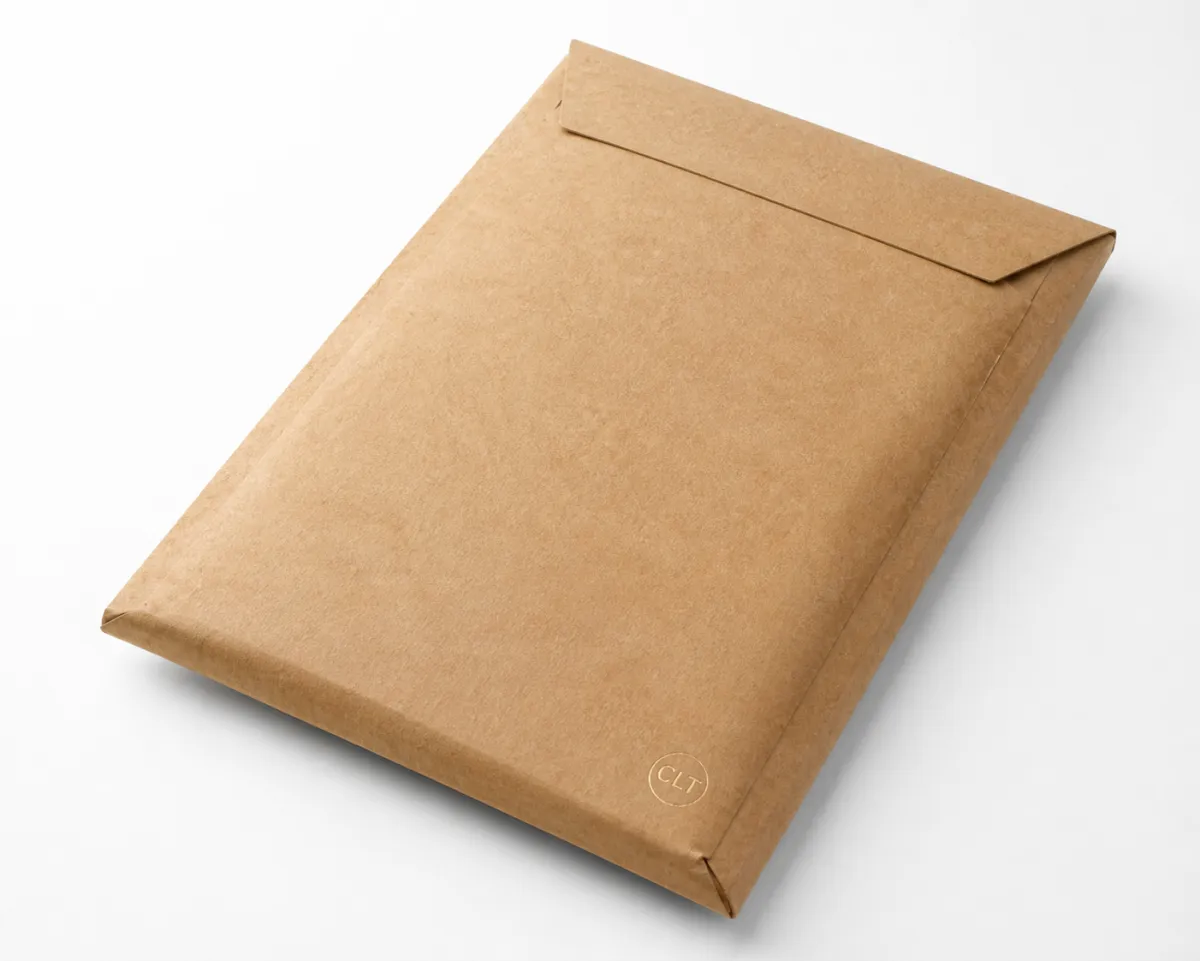
Printed recycled book mailers are paper-based mailers made with recycled content and custom printing on the outside, inside, or both. In plain terms, they are purpose-built sleeves or fold-over Mailers That Ship books without asking the carton to carry every responsibility. Most are made from recycled paperboard or corrugated board, then printed with branding, product details, or handling instructions.
Recycled does not mean weak. A sensible board grade, a disciplined fold geometry, and a size that matches the book can produce a mailer that feels polished and cuts waste at the same time. A well-made printed recycled book mailer often looks cleaner than an overstuffed box packed with shredded paper, and it usually weighs less too. Lower weight can translate into lower postage, depending on carrier rules and package dimensions, which matters fast when order counts climb.
These mailers fit neatly into single-book shipments, small bundles, hardcover releases, subscription programs, media kits, and branded store orders that need a tidy first impression. Publishers also use them to keep direct-to-reader orders visually consistent from title to title. A strong printed recycled book mailer does not beg for attention. It just makes the shipment feel thought through.
The limit is straightforward. These mailers are built for efficient protection and presentation, not for pretending they can survive anything. Oversized books, heavy hardcovers, and rough international routes all demand careful specification. A buyer who treats every recycled paper mailer as interchangeable tends to pay later in damage and replacement shipments. That is not a sustainability strategy. That is leakage. And it is usually avoidable with a better spec and a little less optimism.
A mailer that fits correctly saves money twice: first in materials, then in fewer returns.
Packaging decisions rarely live alone. If the product mix changes often, a paper mailer may sit inside a broader system that also includes Custom Packaging Products for other SKUs and Custom Poly Mailers for items that need moisture resistance or a different cost structure.
How Printed Recycled Book Mailers Work in Real Fulfillment
The structure is usually direct: recycled paperboard or corrugated board, score lines for folding, tuck flaps or self-seal closures, and optional tear strips. Some printed recycled book mailers include side folds or inserts that keep the spine from drifting. Others depend on a tight die-cut profile. The more the book moves, the worse the shipment performs. That sounds obvious. Warehouses still ignore it more often than they should.
Print can live in several places. Exterior branding is the common choice because it shows up on a shelf, in transit, and in unboxing videos. Interior print can carry return prompts, care instructions, social handles, or a short thank-you. On printed recycled book mailers, the inside is often wasted space. That leaves value on the table. A brief message under the flap can do real brand work without adding extra material, and it is a nice place to make the experience feel less transactional.
In fulfillment, these mailers usually arrive flat. That keeps warehouse space under control and helps the packing line move. A packer folds the mailer, inserts the book, seals it, applies the label, and sends it into the mailstream. The best printed recycled book mailers are fast to assemble with gloves on, predictable during busy shifts, and tight enough that the book does not rattle. Packing speed and structure are tied together more tightly than most teams realize. A design that slows a packer by only a few seconds can snowball into overtime by Friday.
Protection comes from stiffness plus fit. Tight dimensions reduce motion. Fold geometry absorbs handling abuse. Board that resists bending keeps corners intact when a parcel lands at the bottom of a gaylord or ends up under heavier cartons. Lightweight paperbacks may only need a simple mailer. Heavy hardcovers can break that same structure if the spec stays too thin.
The limits deserve respect. International shipments face more touches, longer transit windows, and humidity swings that can warp weaker stock. Unusual shapes call for custom dielines. Book sets with postcards, bookmarks, or inserts need internal space accounted for before production starts. Printed recycled book mailers are efficient, not magical. Paperboard still needs engineering, and if a supplier waves that away, I would be wary.
Printed Recycled Book Mailers Cost, MOQ, and Quote Factors
Unit cost for printed recycled book mailers usually comes down to five levers: size, board grade, print coverage, finishing, and tooling. A small one-color design on a standard size mailer can stay reasonably priced at scale. Add full-coverage art, custom sizing, or specialty finishing and the price moves. That is normal. Packaging pricing is never just "the mailer." It is a chain of choices that all leave a mark.
MOQ follows the same logic. Lower quantities often bring a higher per-unit cost because setup and press prep are spread across fewer pieces. Larger runs push the unit price down, sometimes sharply. For a buyer comparing printed recycled book mailers, the real question is not only which quote is cheapest. It is which quantity gives the best balance between inventory risk and print cost. Overstocking a custom size that only fits one SKU is a tidy way to create dead stock.
A practical quote range helps frame the conversation. For a standard recycled paperboard mailer with simple branding, a 5,000-piece run may land around $0.28-$0.55 per unit depending on size and print coverage. A more complex structure with heavier board, multiple colors, or custom tooling can move into the $0.60-$1.10 range at similar volume. Very short runs can sit much higher. If a quote looks unusually cheap, check what got left out. The missing cost often returns later as damage, rework, or freight.
| Option | Typical MOQ | Typical Unit Cost | Best For | Tradeoffs |
|---|---|---|---|---|
| Plain recycled stock | 1,000-3,000 | $0.22-$0.45 | Testing, internal use, low-branding needs | Less visual impact, minimal marketing value |
| One-color branded mailer | 2,500-5,000 | $0.28-$0.55 | Direct-to-consumer book orders, subscriptions | Moderate setup cost, limited design flexibility |
| Full-coverage printed mailer | 5,000+ | $0.45-$0.95 | Launches, retail-ready presentation | Higher ink usage, tighter proofing requirements |
| Custom structure with special finish | 10,000+ | $0.60-$1.10+ | Premium campaigns, high-volume programs | More tooling, longer lead time, higher risk if specs change |
When requesting a quote for printed recycled book mailers, send exact internal dimensions, the target book weight, print method, finish, packing format, and destination ZIP or country. Ask whether the price includes tooling, prepress, freight, and replacement of test samples. Vague input produces vague pricing. Packaging math hates ambiguity and punishes it in the invoice.
If sustainability claims matter to the brand, ask for the recycled content percentage and whether it is post-consumer or pre-consumer material. Confirm whether inks and coatings keep the mailer recyclable in the target market. The EPA has basic recycling guidance at epa.gov/recycle, and FSC details are available at fsc.org. One caution: FSC speaks to responsible sourcing and chain of custody, not a blanket promise about recycled content. For many teams, that distinction matters more than the slogan on the front panel.
Production Process and Lead Time for Printed Recycled Book Mailers
The production path for printed recycled book mailers is usually more predictable than people expect, as long as the brief is clean. It starts with a spec review, then dieline confirmation, artwork prep, proofing, sample approval, printing, converting, finishing, packing, and shipment. Nothing exotic there. Delays tend to come from the human side, not the machine side. A press operator can only print what has been approved, and a good plant is not gonna guess on your behalf.
Artwork approval causes many schedule slips. Missing dimensions do too, as do color expectations described in vague language or last-minute requests to change the structure after proofing. A brand may think it is saving time by "just tweaking" the fold, but that often restarts the clock. For printed recycled book mailers, structural changes are not tiny edits. They affect layout, tooling, and fit all at once.
Typical lead times break into three buckets. Standard sizes with simple print can often move quickly, especially if the supplier already has a compatible dieline. Custom sizes or heavier board grades add time. Specialty finishes, multi-pass print, or first-time tooling add more time again. A practical planning window for many custom runs is 12-20 business days after final approval, though complex orders can run longer. Samples may take 5-10 business days, and freight sits on top of that.
The sample-versus-production distinction matters. A proof or white sample tells you whether the size works, the fold closes, and the book fits. It does not mean the line is ready for 20,000 units. A finished printed sample is better, but even that is one data point. For printed recycled book mailers, the safest path is simple: approve the structure, test the sample, then lock production.
One planning rule saves a lot of trouble: work backward from launch, freight transit, and safety stock. If the books release on a fixed date and the packaging arrives late, the whole campaign gets squeezed. Ignoring freight windows and proof time is not optimism. It is margin donated to avoidable stress.
How to Specify the Right Printed Recycled Book Mailers
Size comes first. Measure the book height, width, and spine thickness, then add room for inserts, bookmarks, or wrapped extras. If the mailer is too loose, the book shifts and the corners take the hit. If it is too tight, packers struggle with the closure and the line slows down. The best printed recycled book mailers fit snugly without feeling forced.
Protection follows. Single-wall recycled paperboard works for many paperbacks and some light hardcovers. Reinforced board or stronger fold construction makes more sense for heavier titles, especially those traveling long distances. If the books are valuable or sensitive to handling, ask about corner protection and tamper-evident closure options. A closure that opens in transit is not a feature. It is a problem that keeps multiplying.
Branding should stay controlled, not loud for its own sake. A restrained logo, a clear message, and strong color contrast usually look better than a wall of graphics that turns muddy once the mailer folds. With printed recycled book mailers, the best design often uses the panel breaks as part of the composition. Let the structure do some of the visual work instead of fighting it. That is how the piece feels intentional rather than crowded.
Operational fit matters just as much as print. The mailer has to stack cleanly, store flat, assemble fast, and accept a shipping label without burying the key branding. If a team packs 300 orders a day, labor time matters. If a design adds even 4-5 seconds per unit, that becomes real money very quickly. A beautiful mailer that slows the line is an expensive brochure wearing a shipping label.
Sustainability specs deserve precision. Ask for recycled content percentage, whether the material is FSC-certified, whether the mailer is recyclable in the customer’s region, and whether any coatings affect end-of-life sorting. Strong sustainability language should survive questions from buyers, retailers, and regulators. "Eco-friendly" is too soft to carry the weight. Spec sheets are better than adjectives.
If the format is still undecided, compare the book mailer against other options in the packaging line. For some programs, printed recycled book mailers are exactly the right fit. For others, a more flexible wrapper or a different substrate performs better. That is why it helps to review your Custom Packaging Products mix before locking a single design across every book SKU.
Common Mistakes When Ordering Printed Recycled Book Mailers
The most common mistake is using the wrong dimensions and trying to patch the gap with void fill. That defeats the purpose of a mailer. If the book needs enough filler to stop movement, the mailer was probably sized badly. Printed recycled book mailers work best when the fit does the heavy lifting. Once the filler starts multiplying, the carton begins pretending to be something else.
Another mistake is choosing the cheapest board without testing crush resistance. A light paperback may be fine. A thick hardcover with a dust jacket is a different animal. If the route involves stacking, sorting, and being tossed around by multiple carriers, the board grade should reflect that. Damage quietly eats margin here. One broken shipment can erase the savings from a bargain quote.
Artwork goes wrong too. Overcomplicated graphics often look muddy after folding, especially on recycled stock with a natural texture. Fine lines, low-contrast type, and tiny legal text all carry risk. Keep the design readable. Printed recycled book mailers do not need a poster-sized logo to feel branded. They need clarity, hierarchy, and enough white space for the eye to land.
Skipping sample testing is another familiar blunder. A white sample can reveal a bad fit. A printed sample can expose color drift, sealing problems, or a fold that fights the book spine. If the mailer is going to a subscription audience or a high-value launch, test it with real books, real packers, and real transit conditions. Otherwise the project is running on guesses, and guesses are a poor packaging plan.
Boring details trip teams up too: storage footprint, packing speed, and label placement. A mailer that looks elegant on a screen may slow the line if the fold sequence is awkward. If the label covers the brand panel, the print investment loses value. Printed recycled book mailers should make the operation easier, not just prettier.
I once reviewed a launch where the brand had approved a lovely two-color mailer, then discovered the adhesive flap was just a little too short for their thickest special edition. The result was a daily battle at packing stations and a return rate that climbed for reasons nobody wanted to admit on a call. The structure was only off by a few millimeters, which is exactly why the issue slipped through. Tiny errors are the ones that usually cost the most.
Expert Tips and Next Steps for Smarter Rollout
Start with one or two best-selling SKUs instead of trying to force one mailer to cover everything. That keeps the spec tight and the test data useful. A paperback series and a thick hardcover usually need different structures. Printed recycled book mailers are much easier to roll out when each size has a clear job. One size that sort of works for everything usually works well for nothing.
Request samples, then test them the way they will actually be used. Let the packing team build them. Ship them through the normal carrier mix. Check corner crush, closure integrity, scuffing, and whether the customer can open the package without reaching for a knife and a bad mood. The best printed recycled book mailers hold up under ordinary abuse, not just under studio lighting.
Get at least two or three quotes using the same spec sheet. That means identical dimensions, board grade, print coverage, finish, and quantity. Otherwise the numbers are noise. One supplier may look cheaper because they quoted a thinner board. Another may move faster because they already have compatible tooling. Apples-to-apples pricing is the only comparison worth making.
I also recommend a short approval checklist before release:
- Exact internal dimensions confirmed against the real book SKU
- Recycled content percentage documented on the spec sheet
- Artwork proof checked for color, bleed, and fold alignment
- Sample tested with the actual product and closure method
- Packing speed reviewed by the fulfillment team
If the packaging strategy is still evolving, compare the mailer against other formats rather than treating it as a one-way decision. Some brands move from a paper mailer to a sturdier branded carton for premium launches. Others keep a paper mailer and reserve Custom Poly Mailers for weather-sensitive SKUs. There is no reward for staying loyal to the wrong format.
My practical advice stays simple: choose the SKU, confirm the spec, request samples, compare quotes, and only then place the order. That sequence protects margin and avoids reprints. Done well, printed recycled book mailers improve presentation, keep shipping lighter, and give the customer a cleaner first impression. Done casually, they become just another line item with a nice logo. Those are not the same thing.
Frequently Asked Questions
Are printed recycled book mailers strong enough for hardcover books?
Yes, if the board grade and dimensions match the book weight and size. Many printed recycled book mailers handle hardcovers well when the fit is tight and the board is reinforced. Heavier books usually need stronger material, better fold geometry, or extra corner protection. Test a shipped sample before you commit to volume.
What recycled content should I ask for in printed recycled book mailers?
Ask for the exact recycled content percentage and whether it is post-consumer or pre-consumer material. For printed recycled book mailers, that detail matters because "recycled" can mean very different things on different spec sheets. Also confirm whether inks, coatings, or laminations affect recyclability in your target market.
How do printed recycled book mailers affect shipping costs?
They can reduce shipping costs when the mailer fits closely and removes the need for extra void fill. Flat-shipped printed recycled book mailers also save warehouse space, which matters more than many teams expect. Poor sizing raises damage rates, and damage is where the real cost shows up.
What is the typical MOQ for printed recycled book mailers?
MOQ varies by supplier, size, and print complexity. Simple standard structures may allow lower runs, while custom sizes and full print usually need higher minimums. For printed recycled book mailers, ask for tiered pricing so you can see where the unit cost improves as quantity increases.
How long does it take to produce printed recycled book mailers?
Lead time depends on whether the structure is standard, how quickly artwork is approved, and whether samples are needed. First-time custom printed recycled book mailers usually take longer than repeat orders. Build in buffer time for proofing, freight, and any last-minute corrections so your launch is not held hostage by packaging.
Can printed recycled book mailers be recycled after use?
Often yes, but it depends on the inks, coatings, adhesives, and local recycling rules. Plain paper-based printed recycled book mailers are usually easier to recycle than heavily coated or laminated versions. If end-of-life matters to your brand, ask the supplier to spell out the exact material makeup and check the local acceptance rules before you print a big run.
If you are specifying printed recycled book mailers for a launch, the cleanest path is simple: match the mailer to the real book dimensions, verify recycled content and finish details, test one sample through your actual packing line, and only then place the production order. That sequence is not glamorous, but it is how you avoid bent corners, wasted inventory, and the expensive kind of surprise.