Buyer Fit Snapshot
| Best fit | Printed Tear Strip Cartons Wholesale for Shipping Teams projects where brand print, material claims, artwork control, MOQ, and repeat-order consistency need to be specified before quoting. |
|---|---|
| Quote inputs | Share finished size, material target, print colors, finish, packing count, annual reorder estimate, ship-to region, and any compliance wording. |
| Proofing check | Approve dieline scale, logo placement, barcode or warning zones, color tolerance, closure strength, and carton packing before bulk production. |
| Main risk | Vague material claims, crowded artwork, missing packing details, or unclear freight terms can make a low unit price expensive after revisions. |
Fast answer: Printed Tear Strip Cartons Wholesale for Shipping Teams should be specified like a repeatable production item. The safest quote records material, print method, finish, artwork proof, packing count, and reorder notes in one written spec.
Production checks before approval
Compare the actual filled-product size with the drawing, then confirm tolerance on folds, seals, hang holes, label areas, and retail display edges. Reserve space for logos, QR codes, warning copy, and material claims before decorative graphics fill the panel.
Quote comparison points
Review material grade, print process, finish, sampling route, tooling charges, carton quantity, and freight assumptions side by side. A quote is only useful when the supplier can repeat the same color, closure quality, and packing count on the next order.
printed tear strip cartons wholesale are not about making a box look clever. They are about removing the small failures that slow a packing line: extra tape, battered corners, awkward openings, and cartons that need a blade before anyone can inspect them. From a buyer's desk, that is where the real spend hides. Not in decoration. In fewer mistakes, faster handling, and a package that opens like it was planned instead of rescued.
I still remember a warehouse visit where a supervisor showed me a stack of returns that had been hacked open with utility knives. The cartons looked fine from six feet away, but every one of them had cost the team time, and a few had nicked the product inside. That is the kind of cost that rarely shows up in a packaging quote. printed tear strip cartons wholesale exist to cut that waste before it starts.
The opening experience causes more friction than the product itself in a surprising number of shipments. A carton that fights back slows the warehouse team, irritates the receiver, and leaves the brand carrying the blame. That is why printed tear strip cartons wholesale keep turning up in subscription boxes, replenishment kits, ecommerce shipments, retail-ready packs, and any operation that wants quick access without destroying the shipper. Buyers comparing suppliers usually need the same starting point: Wholesale Programs built around the actual pack-out, not a pretty drawing on a screen.
Here is the blunt version: a carton is a logistics tool first and a print surface second. If it saves 10 seconds per unit on a line moving 2,000 cartons a day, that is more than five and a half labor hours recovered across a single shift. If it cuts damage during inspection, that is money not leaking out through returns. If it opens the same way every time, nobody has to stand there with a box cutter and pretend the old system was fine.
Why printed tear strip cartons wholesale fix messy shipping
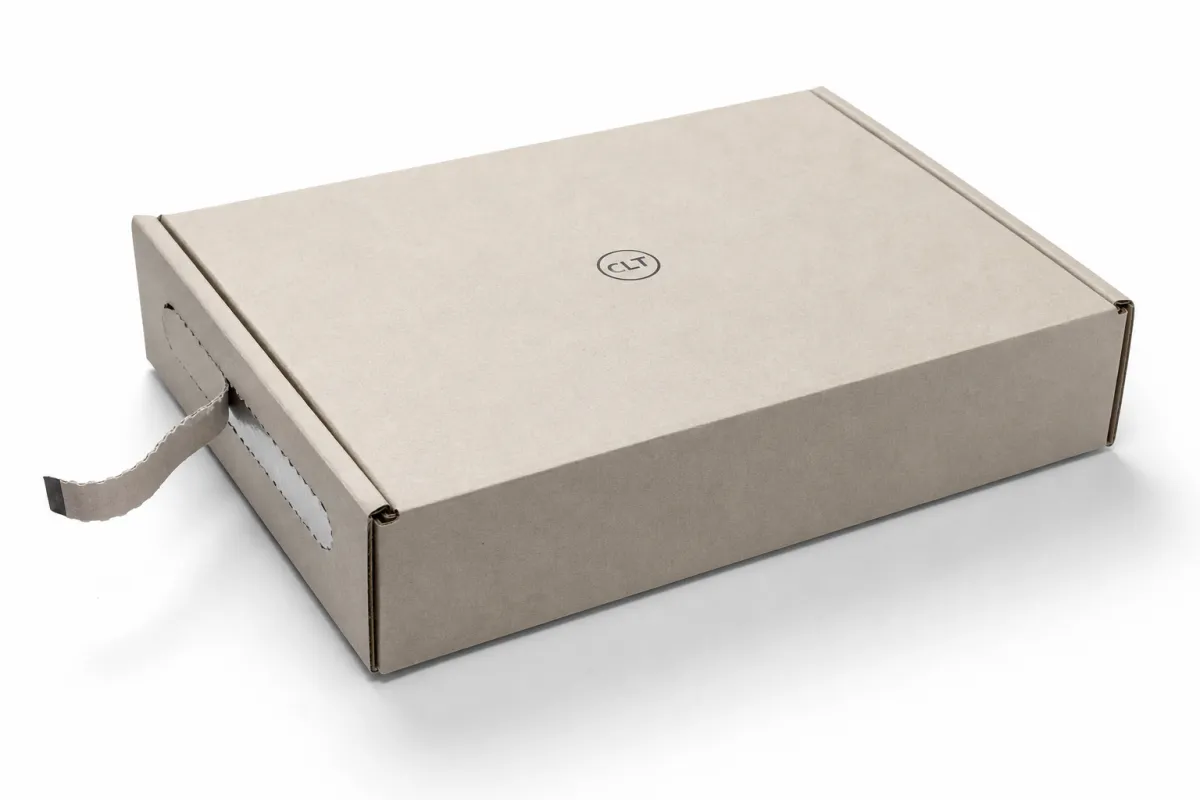
printed tear strip cartons wholesale fix a very ordinary problem: people hate wrestling with cartons. That sounds minor until you watch a receiving dock for an hour. The wrong box creates tiny delays everywhere. Tape has to be cut. Flaps get mangled. Sample cartons get destroyed just so someone can check the contents. Then the operation pays again to reclose the box, relabel it, or replace goods that should never have been damaged in the first place. The carton was supposed to contain work. Instead, it became work.
The value of a tear strip is simple. It gives fast, controlled opening without turning the package into shredded board. That matters for subscription shipments that need a tidy reveal, for replenishment kits that must be opened quickly, and for retail-ready packaging where the product needs to look organized the second the lid lifts. printed tear strip cartons wholesale also help when teams need to inspect contents at receiving. No one wants to spend five minutes prying open a sealed carton with a blade while the rest of the pallet waits for attention.
There is a safety side too. Fewer knives means fewer cut hands. Less tape means less waste. Less reboxing means less labor. Nothing about that is glamorous. It is just what happens when the carton matches the workflow instead of the slide deck. And yes, people notice when the process feels calmer. It is the sort of thing that sounds small until the dock is kinda backed up and everyone is staring at the same stubborn box.
If a carton needs a knife every time, you are paying for the box twice: once to ship it, and again to open it.
From an operations standpoint, printed tear strip cartons wholesale can do four jobs at once:
- speed up packing and receiving,
- keep the carton looking tidy after opening,
- reduce damage from forced opening,
- and make repeat access possible when the box is reused for checks or returns.
That is why the opening feature matters as much as the print. A decent logo means very little if the carton opens crooked, tears into the panel, or collapses under stack pressure. When the spec is right, printed tear strip cartons wholesale make shipping feel controlled instead of improvised.
If you need a technical benchmark for transit testing, ISTA is a useful standards source for parcel and distribution testing. Not every box needs a full test program, yet every box should be judged against the route it actually takes. A neat opening is nice. Surviving the courier is non-negotiable.
Printed tear strip cartons wholesale: product details that matter
printed tear strip cartons wholesale only work when the structure is built around the job. Three questions matter first: where does the strip sit, how does the carton open, and what keeps it secure before opening? That sounds basic because it is. Plenty of bad orders happen because someone asked for a tear strip without saying whether the carton should open once, open repeatedly, or deliver a retail-style reveal.
The strip can sit on the top panel, side panel, or along the opening seam. In corrugated shippers, it often appears as a tear tape running along the top closure. In folding cartons, it may be a perforated line with a pull tab. The choice matters. A tear strip that is too weak splits early. One that is too strong becomes a complaint generator. printed tear strip cartons wholesale should open where you planned, not wherever the board felt tired that day.
Print choices matter too. Outside print is what buyers see on the shelf, on the pallet, or at the front desk. Inside print can carry setup instructions, product warnings, QR codes, or a small brand cue that makes the opening feel deliberate. More ink coverage usually means more cost, and often more lead time, especially if the artwork uses tight registration or full bleed on corrugated. Utility-grade printed tear strip cartons wholesale do fine with one-color flexo. Retail-facing cartons often need higher-resolution print, a better coating, and tighter color control.
The carton styles most buyers ask for are fairly predictable:
- Mailer cartons for ecommerce and direct-to-consumer shipments.
- Folding cartons for lightweight retail or display packs.
- Corrugated shippers for parcel, warehouse, and subscription use.
- Retail-ready cartons that open fast and present cleanly on shelf or in-store.
printed tear strip cartons wholesale are especially useful in cosmetics, supplements, replacement parts, accessories, and curated kits. Those categories share one trait: the customer notices opening quality. If the carton arrives mangled, the product starts at a disadvantage. If the carton opens cleanly, the brand looks organized before anyone touches the item.
For fiber sourcing, some buyers now ask for FSC-certified board. That is sensible if brand policy or procurement rules call for it. If you need a certified material path, check FSC requirements early so the board spec and paperwork line up before production starts. Nobody enjoys finding out the certification request came after sample approval.
Specifications for printed tear strip cartons wholesale
printed tear strip cartons wholesale should start with a spec sheet, not a guess. The minimum inputs are straightforward: internal dimensions, board grade, flute type, print method, finish, tear-strip width, and closure style. Leave one of those vague and the quote gets fuzzy. Leave three of them vague and the next week disappears into clarification emails.
Board choice changes performance more than most buyers expect. A lighter board reduces shipping weight and can trim freight cost, but it may also feel flimsy if the carton carries meaningful stack load. Heavier board or stronger corrugated can improve crush resistance, but it adds cost and sometimes makes the tear strip harder to control. For many parcel jobs, 32 ECT is a common starting point for corrugated. For heavier or stack-sensitive shipments, 44 ECT or a stronger structure may fit better. The right answer depends on weight, route, and whether the carton rides on a pallet or moves one box at a time.
Here is where people miss details that become expensive later. The internal size has to account for product clearance, inserts, and any tear-strip mechanism that steals a little interior space. Label panels need room. Barcodes need a flat, scannable area. If the box runs through a packing line, the footprint should match the flow of the line, not just the size of the product. If the carton is hand-packed, think about how easily the operator can close it without fighting the flaps. printed tear strip cartons wholesale should make the worker faster, not more creative.
Use this as a practical checklist before requesting a quote:
- Internal carton dimensions in millimeters or inches.
- Packed product weight and any insert or void-fill requirement.
- Board grade and flute type, such as E-flute, B-flute, or C-flute for corrugated.
- Print method, like flexo, offset, or digital sample production.
- Surface finish, such as matte, gloss, or soft-touch where appropriate.
- Tear-strip width and pull direction.
- Barcode placement, Pantone targets, and any compliance copy.
For tear strips, width and pull behavior matter more than the marketing language around them. A strip that is too narrow can feel cheap and inconsistent. Too wide, and it can interfere with print or panel strength. printed tear strip cartons wholesale often use paper or film tear tape in the 8-12 mm range for corrugated applications, while lighter folding cartons may use a perforated tear line with a pull tab. The exact choice depends on the board and the opening experience you want.
Do not forget the boring details. Boring details are what keep production from drifting. If the artwork file is missing bleed, if the barcode sits too close to a seam, or if the tear strip does not align with the production method, the project slows down. A clean spec sheet costs less than a corrected proof. Every time.
For reusable or single-trip transit packaging, it also helps to define the stress profile. A carton built for short local delivery is not the same as one designed for long courier routes, stacked pallets, or cross-dock handling. That is where transit testing, crush testing, and practical route assumptions start to matter. If the shipment will see abuse, say so. printed tear strip cartons wholesale should be specified for the real route, not the friendly version of it.
Pricing, MOQ, and unit cost for printed tear strip cartons wholesale
printed tear strip cartons wholesale are priced the same way most custom packaging is priced: size, structure, print coverage, quantity, and setup. Nothing mystical. The carton gets cheaper per unit as quantity rises, but the first number you see is often warped by tooling, proofing, and freight. Buyers who compare only the carton price usually end up comparing apples to a truckload of oranges.
The main cost drivers are easy to list and annoying to ignore:
- carton dimensions and board usage,
- board thickness and flute type,
- number of print colors,
- finish or coating,
- tear-strip hardware or perforation complexity,
- new die line or tooling requirements,
- and any special quality or certification needs.
Here is a practical pricing table to keep the discussion honest. These are typical wholesale ranges, not promises. Exact pricing shifts with size, artwork, and shipment destination.
| Option | Typical MOQ | Typical unit price | Best fit | Main tradeoff |
|---|---|---|---|---|
| Plain corrugated shipper with tear tape | 500-1,000 pcs | $0.42-$0.95 | Warehouse packs, parts, subscription shipments | Lower branding impact |
| Printed mailer carton with tear strip | 1,000-3,000 pcs | $0.68-$1.45 | Ecommerce and direct-to-consumer | More print setup, tighter proofing |
| Full-color retail carton with tear feature | 3,000-5,000 pcs | $0.28-$0.65 | Shelf-ready kits, cosmetics, supplements | Needs stronger artwork control |
| Heavy-duty custom corrugated shipper | 1,000-5,000 pcs | $0.85-$1.80 | Higher weight, palletized, or courier abuse | Higher freight and board cost |
Those numbers make more sense once you include landed cost. A box that looks cheap at the factory can become expensive after freight, duty, and a slow second proof. printed tear strip cartons wholesale should be evaluated on the full delivery cost, not just the unit quote. If two suppliers quote different numbers but one includes better board, tighter print tolerance, and faster lead time, the lower sticker price may be the pricier option in disguise.
The MOQ conversation is also less simple than people want it to be. Repeat jobs can start lower, especially when the dieline is already approved. New structures, custom print, or specialized tear-strip placement usually push the minimum up. A pilot run can be smart if the carton will run on a packing line or if the opening feature does more than basic convenience. Better to spend a little on a test than to buy 10,000 cartons that open wrong.
Common cost traps show up fast:
- Over-specifying board strength without a load reason.
- Adding extra colors that do not improve the package function.
- Changing artwork after proof approval.
- Ordering a size that wastes board and increases shipping volume.
- Ignoring how tear-strip hardware affects production speed.
If you want a clean comparison, ask every supplier for the same data: internal size, board grade, print method, finish, tear-strip style, MOQ, sample Cost, and Shipping terms. That is the only fair way to compare printed tear strip cartons wholesale. Everything else is noise.
Useful buying rule: when a supplier cannot explain what drives the price, they probably do not control the process tightly enough to help you later.
Process, timeline, and lead time for printed tear strip cartons wholesale
printed tear strip cartons wholesale move through a standard workflow, but the details still matter. First comes the quote request. Then structure confirmation. Then dieline review. Then artwork proofing. Then sampling or pre-production approval. Only after that should bulk production start. If a supplier skips one of those steps, they are rarely saving time. They are borrowing trouble.
Timeline depends on whether you are reordering an existing spec or building something new. Repeat orders can move faster because the dieline, print layout, and tear-strip placement are already locked. Custom printed tear strip cartons wholesale with a new structure or a new branded opening feature need more time. That is normal. What slows things down is not the custom work itself. It is unclear dimensions, missing artwork, and late changes after the proof is already moving.
Typical lead times often look like this:
- Sample or proof stage: 3-7 business days for simple work, longer for new tooling.
- Production: 10-20 business days depending on print complexity and order size.
- Shipping: 3-10 business days domestically, longer if freight or consolidation is involved.
That is not a promise. It is a realistic working range. printed tear strip cartons wholesale can slip beyond those numbers if the artwork is late, the carton size is unusual, or the board spec has to be sourced specially. Freight schedules can also add time. A box may be finished on Friday and still not reach your dock until the next week because the pallet is booked on the wrong route. Packaging people love manufacturing. Freight keeps reminding us who is in charge.
You can shorten lead time in a few practical ways:
- Send a complete spec sheet the first time.
- Use editable artwork files with fonts outlined or packaged.
- Confirm Pantone references if color matters.
- Approve proofs quickly and consolidate feedback in one round.
- Decide early whether you need a sample before the full run.
One thing buyers underestimate is how the packing method affects the schedule. A carton intended for hand packing is not the same as one designed for a semi-automatic line. If the tear strip has to align with a machine or a specific fold sequence, say that before the die is cut. That is the sort of detail that can save an entire rework cycle. printed tear strip cartons wholesale should fit the operation, not ask the operation to adapt to the carton.
Lead time is also shaped by shipping method and destination. Air freight gets products moving faster but raises cost. Ocean freight can make sense for larger runs, but it adds planning time and more risk if the schedule is tight. If you are comparing suppliers, ask whether the quoted timeline includes production only or production plus delivery. Those are not the same thing. Not even close.
Practical callout: if a sample looks right but the tear strip catches, stutters, or leaves rough board edges, do not approve it just because the print looks nice. A pretty carton that opens badly is still a bad carton.
Why choose us for printed tear strip cartons wholesale
printed tear strip cartons wholesale should be judged on repeatability, not just appearance. The real value is consistency: the same print, the same crease, the same tear path, the same opening feel from one run to the next. If a supplier cannot keep that steady, the carton will create more problems than it solves. Packaging teams do not need surprises. They need boxes that behave the same way on shipment 1 and shipment 10,000.
What serious buyers usually want is straightforward support. Help with sizing. Help with proof review. Help with selecting a board that will not collapse in transit or make the tear strip feel flimsy. Help with matching the carton to how the customer actually packs and ships products. That is the difference between a vendor and a packaging partner. The first sells a box. The second helps keep the line moving.
Quality control matters a lot here. Tear-strip placement needs checking. Print registration needs checking. Box strength needs checking. If the tear feature is off by a few millimeters, the opening experience changes. If the print shifts, the branding looks sloppy. If the board spec is too light, the whole thing feels weak. printed tear strip cartons wholesale are not hard to make, but they do require discipline.
From a buying standpoint, these are the proof points worth asking about:
- sample availability before full production,
- reorder consistency on the same dieline,
- clear communication on proof changes,
- honest advice on board and print tradeoffs,
- and the ability to keep the same spec across repeat runs.
We also think it helps when the manufacturer understands shipping and logistics, not just print aesthetics. A carton has to survive transit, fit the line, and still look intentional when it opens. That is not a luxury request. That is the job. And buyers notice when the carton opens with a clean edge instead of a torn panic line.
For companies comparing wholesale packaging options, our Wholesale Programs are built for repeat ordering, clearer pricing conversations, and practical production support. If your internal team needs a broader packaging setup, you can also compare how the carton spec fits with your other custom packaging solutions before locking the size and print method.
Bottom line: printed tear strip cartons wholesale are worth it when the supplier understands production, not just presentation. That is how you get cartons that arrive, open, and reorder without drama.
Next steps to order printed tear strip cartons wholesale
printed tear strip cartons wholesale get much easier to buy once you stop guessing and start giving clean inputs. Measure the product. Confirm the internal carton size. Decide whether you need outside print only or print on the inside as well. Note the board preference. Gather artwork files. Those five steps cut most of the back-and-forth that slows quote requests and turns a simple order into a paperwork hobby.
If you are comparing suppliers, do it on the same inputs. Same material grade. Same print method. Same tear-strip style. Same MOQ. Same delivery window. Otherwise you are comparing entirely different packages and pretending the numbers mean the same thing. They do not. printed tear strip cartons wholesale can look similar on paper while performing very differently on the line.
Here is the approval sequence that keeps things moving:
- Spec confirmation.
- Artwork proof review.
- Sample or pilot approval if needed.
- Production run.
- Delivery scheduling and receiving prep.
If the carton will be used on a packing line or for customer-facing shipments, order a sample or short pilot run. One bad dimension can wreck throughput. One awkward tear path can slow down the whole team. That is why printed tear strip cartons wholesale are worth testing before volume, especially when the box has to do more than simply hold a product.
Final advice: request the quote with exact dimensions and the finish you actually want. Not a vague idea. Not "something nice." Exact dimensions, board, print, and tear-strip style. That is how you get a useful price instead of a guessing game dressed up as a quote. If repeat ordering matters, keep the approved proof and spec sheet on file so the next run matches the first one without a small production archaeology project.
printed tear strip cartons wholesale are a sensible buy when the box has to pack fast, open cleanly, and survive the route without drama. Give the supplier the right spec, compare the real landed cost, and the carton starts doing useful work instead of making everyone in the building slightly annoyed.
Actionable takeaway: before you request quotes, write down internal dimensions, board grade, tear-strip location, print method, and the exact opening behavior you want. Send those five details with your artwork, and you will get a far more useful answer from any supplier of printed tear strip cartons wholesale.
FAQ
What sizes are best for printed tear strip cartons wholesale?
Use the product dimensions plus clearance for inserts, void fill, and the opening mechanism. If the carton rides on a packing line, keep the footprint close to your current shipper so the change does not slow fulfillment. Ask for an internal size recommendation based on packed weight, not just product size. That matters more than people think when printed tear strip cartons wholesale have to fit real handling conditions.
Are printed tear strip cartons wholesale strong enough for parcel shipping?
Yes, if the board grade, flute, and closure style match the transit weight and stacking load. A tear strip should make opening easier, not weaken the spine or edge strength. For heavier shipments, ask for a crush-resistance check and confirm the box can survive palletizing and courier handling. Good printed tear strip cartons wholesale are built for the route, not for wishful thinking.
What MOQ should I expect for printed tear strip cartons wholesale?
MOQ depends on size, print complexity, and whether a new die line or tooling is needed. Repeat jobs can often start lower than fully custom, full-color cartons. If budget is tight, ask for a pilot run first so you can test fit and opening performance before committing to a larger order. That is usually the smartest way to buy printed tear strip cartons wholesale without tying up cash in the wrong spec.
How do printed tear strip cartons wholesale affect packing speed?
They cut down on tape application and reduce the time spent opening or inspecting cartons later. They also help when staff need fast, clean access without knives or scissors. The biggest gain shows up in high-volume packing, where a few seconds saved per carton adds up quickly. That is the whole point of printed tear strip cartons wholesale in an operations setting.
Can I reorder printed tear strip cartons wholesale without changing the print?
Yes, repeat orders are usually faster when the dieline, artwork, and material spec stay the same. Keep the approved proof and spec sheet on file so the next run matches the first one. If you want a new SKU or seasonal artwork, confirm whether the structure stays the same to avoid new setup costs. That is how printed tear strip cartons wholesale stay predictable instead of turning into a fresh project every time.


