Buyer Fit Snapshot
| Best fit | Custom Poly Mailers for Posters projects where brand print, material claims, artwork control, MOQ, and repeat-order consistency need to be specified before quoting. |
|---|---|
| Quote inputs | Share finished size, material target, print colors, finish, packing count, annual reorder estimate, ship-to region, and any compliance wording. |
| Proofing check | Approve dieline scale, logo placement, barcode or warning zones, color tolerance, closure strength, and carton packing before bulk production. |
| Main risk | Vague material claims, crowded artwork, missing packing details, or unclear freight terms can make a low unit price expensive after revisions. |
Fast answer: Custom Poly Mailers for Posters: Fit, Cost, and Shipping should be specified like a repeatable production item. The safest quote records material, print method, finish, artwork proof, packing count, and reorder notes in one written spec.
Production checks before approval
Compare the actual filled-product size with the drawing, then confirm tolerance on folds, seals, hang holes, label areas, and retail display edges. Reserve space for logos, QR codes, warning copy, and material claims before decorative graphics fill the panel.
Quote comparison points
Review material grade, print process, finish, sampling route, tooling charges, carton quantity, and freight assumptions side by side. A quote is only useful when the supplier can repeat the same color, closure quality, and packing count on the next order.
Custom Poly Mailers for Posters: Fit, Cost, and Shipping
Most posters do not fail because a box takes one dramatic hit. They fail in the quieter, uglier ways: a corner rubs against a rough interior wall, the sheet flexes in a sorter, the edge catches on a seam, the finish scuffs, the roll loosens, and the piece arrives looking tired before anyone has even opened it. That is why Custom Poly Mailers for posters can outperform bulkier packaging in real shipping conditions. They are light, compact, and shaped for flat or rolled formats that are easier for carriers to stack, sort, and move without piling on unnecessary bulk. For brands selling art prints, promotional posters, fan merch, or subscription drops, custom poly mailers for posters are usually less about “cheap shipping” and more about balancing presentation, protection, and cost with some discipline.
There is another layer to the decision that packaging buyers sometimes miss. A mailer is not only a shipping shell; it is part of the product experience. A well-sized, well-printed mailer changes the tone of delivery the moment the parcel lands on a desk or doorstep. That matters for retail packaging, and it matters even more when the poster is the thing people were waiting for. A poster has no hinge, no padding, no forgiving geometry. If the packaging looks careless, the product feels smaller. And yes, customers notice that stuff.
Custom Poly Mailers for Posters: What They Are and Why They Matter
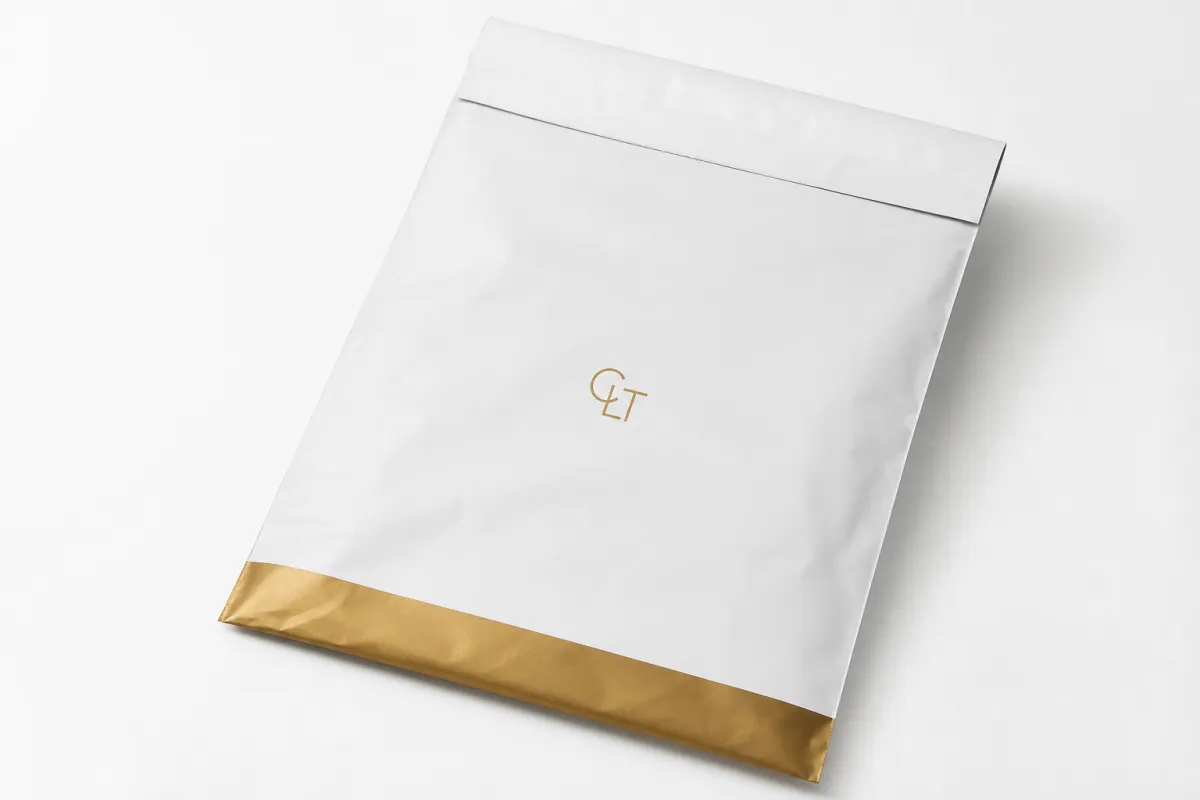
Custom Poly Mailers for posters are lightweight shipping pouches made from polyethylene film, printed with a brand’s artwork, logo, or campaign message, and sized for flat or rolled poster formats. In practice, they replace a generic envelope with packaging that looks intentional. They also use less material than many cartons, which helps keep parcel weight down and can reduce dimensional charge surprises on carrier invoices. That matters more than most teams expect. A few ounces sound trivial until they are multiplied across thousands of orders and a route map that spans several zones.
The bigger surprise is that posters are often damaged less by punctures than by motion. A print can survive one bump and still arrive ruined because the corners flexed, the sheet rubbed, or the outer layer scuffed against another parcel during handling. Custom Poly Mailers for posters help by controlling movement without adding the dead space a larger box creates. That is a different risk profile from custom printed boxes, where extra volume can become part of the problem instead of the solution.
They work especially well for art prints, event posters, limited-edition drops, mail-order promotions, and e-commerce orders where the opening moment matters as much as the freight bill. A branded mailer can turn a utilitarian shipping item into product packaging that carries the same visual language as the poster itself. For buyers comparing branded packaging options, that distinction is not cosmetic. It affects perceived value, unboxing sentiment, and the odds that the customer remembers the shipment as polished rather than merely functional.
There is also a practical reason they keep showing up in packaging programs: they simplify the workflow. A poster line that ships in one predictable format is easier to pack, easier to train, and easier to audit. Fulfillment teams tend to like anything that cuts decision fatigue. That is not glamorous, but it is real operations value.
- Lower weight: a poly mailer often weighs a fraction of a carton, which can keep shipping spend more predictable.
- Less void fill: there is usually no need for kraft paper, air pillows, or large inserts.
- Faster packing: operators can pack, seal, and label quickly when the format is consistent.
- Clearer branding: printed film makes the package recognizable before it is opened.
- Cleaner storage: stacks of flat mailers take less space than corrugated alternatives.
From a packaging buyer’s point of view, the question is not whether custom poly mailers for posters look good. It is whether they reduce total landed cost while protecting the item and supporting the brand. When they do both, they stop being a novelty and start acting like a packaging decision with measurable value.
If the package looks premium but arrives bent, the branding did not matter. Protection comes first, then presentation, then the invoice.
For companies building a packaging system rather than a one-off mailing solution, it helps to compare these mailers with other Custom Packaging Products. That context makes it easier to decide whether posters should ship in mailers, tubes, or another format based on value, distance, and handling risk. The right answer often depends less on aesthetics than on how the order moves through the supply chain.
How Custom Poly Mailers for Posters Work in Real Shipping
The structure is simple, but the details matter. Most custom poly mailers for posters use an outer polyethylene film, a peel-and-seal adhesive strip, and sometimes a co-extruded construction that improves tear resistance. Better versions may also include a thicker gauge or a dark inner layer for privacy. Standard film thickness often falls in the 2.5 to 3 mil range; heavier-duty versions can reach 4 mil or more, depending on the supplier and the intended use. That thickness difference sounds small on paper and feels much larger in a sorting network where friction, pressure, and stacking add up quickly.
There are two common ways to use custom poly mailers for posters. The first is for rolled posters, which are usually slipped into the mailer with a protective insert, tissue wrap, or inner sleeve. The second is for flat posters, often paired with a backing board or reinforced sheet so the piece stays stable. The best format depends on the poster’s size, finish, and value. A glossy art print may tolerate a rolled format better than a rigid flat shipment if the paper stock allows it. A signed or collectible poster may need stronger anti-bend protection no matter what the outer mailer looks like.
Fit is where many orders go wrong. Too much empty space creates movement, and movement creates rubbing, corner damage, and seal stress. Too-tight sizing creates a different problem: the poster may catch on the opening edge or force the adhesive seam to work harder than it should. Custom poly mailers for posters should fit the packed item, not just the sheet itself. If a poster rolls to a 2-inch diameter after adding a board or tissue, the mailer needs to account for that full bundle. Packaging that ignores the full package geometry tends to fail in exactly the places nobody wants to explain to a customer.
The operational side is straightforward, which is one reason fulfillment teams like this format. A single person can pack a repeatable poster order in seconds once the size is dialed in. The mailer is easy to label, easy to sort, and easy to batch for carrier pickup. In higher-volume operations, those seconds add up. Save 15 seconds per order across 5,000 orders and the labor impact becomes visible quickly. Small reductions in touch time can matter as much as a few cents on the material line. That is the part people often forget when they compare packaging only by unit cost.
Carrier behavior matters too. Packages are not handled gently because they are beautiful; they are handled according to machine logic, route density, and sorting pressure. If the package must pass through multiple hubs, a flexible but properly sized mailer often performs better than a loose carton. For transit testing references, many packaging teams look at guidance from ISTA because it provides a practical framework for handling, vibration, and distribution risks. That kind of testing can expose the weak point long before a customer does.
That is also why custom poly mailers for posters are popular for fan merch and campaign drops. People usually remember the visible branding first. They notice the color, the print, the logo placement, and the fact that the parcel did not arrive wrapped like a generic shipping commodity. A branded pack can be the difference between “arrived safely” and “felt like part of the product.” That emotional difference is hard to quantify, but it shows up in repeat orders, social posts, and fewer complaints about presentation. In other words, the package is doing brand work while it is doing logistics work.
Key Factors for Choosing Size, Material, and Print
When people compare custom poly mailers for posters, they often start with artwork. That is backward. Size comes first, then material, then print. If the mailer does not physically fit the packed poster, the design work is irrelevant. Measure the finished poster, the packed roll diameter if applicable, and any additional protection such as tissue, backing board, or corrugated sleeve. Then add enough room for easy insertion without leaving so much slack that the contents can slide.
Material choice usually falls into a few practical buckets. Standard polyethylene works for lower-cost jobs and shorter shipping lanes. Thicker film is better for larger posters, heavy paper stocks, or routes with rougher handling. Recycled-content options are useful when the brand wants a sustainability story, but they still need to perform. A greener package that arrives damaged is not an environmental win. It simply shifts the waste somewhere else and leaves the customer with a bad first impression. Packaging can be honest about that tradeoff, and it should be.
Opacity is another useful decision point. Opaque white mailers hide the contents and give strong contrast for print. Tinted or clear films can fit certain visual identities, but they can expose the contents or reduce artwork impact. For most custom poly mailers for posters, opacity improves both privacy and presentation. If the product is limited-edition, premium, or high-value, that privacy often matters to the end customer. Not every buyer wants a parcel advertising what is inside before the seal is even broken.
Print design should account for seams, seal zones, and shipping labels. One mistake is placing a logo too close to the edge where the adhesive strip closes, which can distort the design or make it look crowded. Another is using complex artwork in zones that will crease during packing. Good packaging design uses safe zones on purpose. That is true for custom printed boxes, and it is just as true for poly mailers. The artwork has to survive production, sealing, transit, and the occasional impatient opening.
Durability should be matched to the lane, not only to the poster. A local shipment with short carrier hops is different from a long-distance parcel that may get sorted several times. If the route includes humid weather, the film should offer moisture resistance. If the poster has a retail value that justifies it, the mailer should be chosen with some margin rather than minimum compliance. A thin spec that barely passes a desk test can become expensive once it meets a conveyor belt.
| Option | Typical Use | Material/Build | Best For |
|---|---|---|---|
| Standard opaque mailer | Budget-conscious poster orders | 2.5-3 mil polyethylene | Low-to-mid value prints, short shipping lanes |
| Heavy-duty mailer | Higher risk handling | 4 mil or co-extruded film | Larger posters, rougher carrier routes, heavier contents |
| Recycled-content mailer | Brand sustainability programs | Post-consumer or downgauged film | Brands balancing material reduction and brand story |
| Printed premium mailer | Launches and collectibles | Custom print on opaque film | Art drops, fan merch, and branded packaging moments |
If sustainability claims are part of the pitch, it helps to cross-check them against a real framework instead of relying on vague copy. Packaging buyers often reference EPA recycling guidance when they are deciding whether a film choice, insert, or printed component fits a broader waste-reduction strategy. That does not mean every mailer is recyclable in every market. It means the claim needs to match the local recycling stream and the actual material. Claims built on assumptions tend to age badly.
Print coverage is where the brand team usually gets excited, and with good reason. A bold logo on a clean white film can turn custom poly mailers for posters into strong package branding with minimal ink coverage. Full coverage artwork is possible, but it usually changes the price, the lead time, and the proofing burden. The more coverage you want, the more important it is to confirm color targets and safe zones before production starts. A rushed proof can undo an otherwise strong design.
One more practical point: if you are shipping internationally, ask whether the film, inks, and adhesive will hold up to temperature swings and longer dwell times. A package that behaves fine in a local lane can get weird in customs. The issue is not dramatic; it is usually subtle warping, label lift, or adhesive stress. Still annoying, though.
Production Steps, Turnaround, and Lead Time
Production for custom poly mailers for posters tends to follow a consistent path: brief, spec confirmation, dieline or artwork setup, proof approval, printing, curing or finishing, packing, and shipment. That sounds linear. In practice, it rarely is. A single artwork revision can move a schedule by days. A material substitution can shift it by more. And if the supplier is balancing a queue of several custom jobs, your order is competing with other production runs for press time and finishing slots. Packaging lead time is rarely just one clock; it is several clocks moving at different speeds.
The earliest decision point is usually the spec sheet. This is where the buyer confirms size, thickness, seal style, and print method. If the mailer will hold a rolled print, the packed diameter should be built into the spec, not guessed later. If the poster ships flat, the board thickness and insert choice need to be locked before the supplier quotes the job. This is where many custom poly mailers for posters projects pick up avoidable delay, because the buyer assumes the packaging vendor will fill in the blanks. The supplier can help, but it cannot read the product off the shelf.
Samples are worth the time, but they must be planned. A pre-production sample or mockup lets the team test fit, seal strength, and the final visual impression. That matters because a mailer can look fine on screen and fail in hand. A print that reads well in a digital proof may feel too busy once it is scaled to the actual pouch. A physically printed sample often exposes issues that renderings hide. The tradeoff is time: samples can add several days to a few weeks depending on whether the supplier is using stock materials or sourcing something new.
For standard runs, a common lead time is often 12-15 business days from proof approval, though that can stretch if the artwork is complex, the color match is strict, or the raw film is not immediately available. Rush orders are possible, but they usually narrow the choices. You may get fewer finishing options, less room for revisions, or a higher unit cost. Custom poly mailers for posters are best planned ahead of a release calendar, not after stock is already low. Waiting until the last box is packed is usually how people end up paying for urgency instead of buying value.
That timing issue is especially important for brands that launch art drops, seasonal promotions, or concert merch on fixed dates. Reorder planning should be based on sell-through data, not optimism. If a poster line moves 800 units per month and the production cycle takes three weeks, the reorder point should not sit at zero. It Should Include enough buffer for proof, freight, and a possible reprint if a design issue appears. The more visible the launch, the less forgiving the calendar becomes.
Custom poly mailers for posters also benefit from a simple operational handoff. When the packing team knows exactly how the poster should be folded, rolled, inserted, and sealed, lead time problems become easier to manage because the job is repeatable. That is one reason high-volume brands like using one standard pack format for a core collection and only introducing variants where the content truly demands it. Repetition is not boring in fulfillment; it is how the line stays fast.
And if you are wondering whether you can skip the sample stage because the art looks obvious on a monitor, the honest answer is: maybe, but you are kinda gambling with a production run. Digital proofs hide a lot.
Custom Poly Mailers for Posters: Cost, Pricing, MOQ, and Quote Basics
The biggest cost drivers for custom poly mailers for posters are easy to list and easy to underestimate: size, film thickness, print coverage, number of print sides, quantity, and any special finish or security feature. A plain one-color print on a stock-size mailer is obviously cheaper than a full-coverage design on a custom size. But the difference is not only in ink. It also changes setup, proofing, and sometimes the minimum order quantity. A quote that looks low can move quickly once those pieces are folded in.
MOQ matters because it shapes both unit cost and inventory risk. Smaller runs usually cost more per piece. Larger runs reduce the unit cost, but they also tie up cash and space. For a packaging buyer, that means the cheapest quote is not always the best decision. If the artwork changes often or the poster line is seasonal, a large run can leave you sitting on obsolete film. For stable programs, the economics can look very different. Packaging is one of the few places where a bargain can turn into storage overhead almost overnight.
Realistic pricing depends on the spec, but for a custom order of about 5,000 pieces, a simple printed mailer might land in the $0.18-$0.28 per unit range, while heavier print coverage, thicker film, or more complex construction can push higher. Larger runs often improve that number. At 20,000 pieces, some simple jobs may drop meaningfully, but freight, setup, and storage still need to be counted. In other words, unit price is only one line item in the story. The quote is useful; the landed cost is the number that matters.
There are also quiet costs that often sit outside the quoted price. Setup fees, plate charges, freight, sample runs, and art corrections can all change the real landed cost. If you compare suppliers without normalizing those items, the comparison is incomplete. Two quotes can look far apart when they are actually close once the add-ons are included. This is where commercial packaging decisions get messy in a hurry. Even small differences can disappear once the invoice gets tallied.
It helps to think like procurement and operations at the same time. Procurement wants a clean quote. Operations wants a mailer that opens fast, seals reliably, and does not cause rework. Those priorities are not enemies, but they are not identical either. A good purchasing decision respects both.
| Quote Element | Why It Matters | What to Confirm |
|---|---|---|
| Size | Affects material usage and fit | Packed dimensions, not just poster sheet size |
| Film thickness | Changes durability and price | Mil thickness, co-extrusion, recycled content |
| Print coverage | Impacts setup and ink cost | One side or two, spot color or full coverage |
| MOQ | Drives unit cost and inventory exposure | Minimums for standard and custom sizes |
| Freight | Can change landed cost substantially | Ship-to location, pallet count, surcharge risk |
When comparing custom poly mailers for posters, ask each supplier to quote the same specs. That means the same size, same film thickness, same seal style, same print coverage, and the same destination. Otherwise the comparison is noisy. It is surprisingly common for one quote to look cheaper simply because it assumes a thinner film or a smaller packed size. Apples-to-apples comparisons save time and prevent false confidence.
The best pricing question is not “Which supplier is cheapest?” It is “Which supplier delivers the lowest total landed cost with acceptable risk?” A mailer that costs a few cents more but cuts damage claims, returns, and customer complaints may be the better financial choice. In poster shipping, damage avoidance can protect both revenue and the brand’s perceived quality. That is especially true when Custom Poly Mailers are part of a broader branded packaging system that also includes inserts, stickers, or matched product packaging.
Common Mistakes When Ordering Poster Poly Mailers
The first mistake is measuring only the poster sheet. That sounds obvious until you see how often it happens. A poster rarely ships as a naked sheet. It may be rolled with tissue, paired with a board, or protected by a sleeve. If the packed form is not measured, custom poly mailers for posters can end up too tight by a margin that matters. A half-inch sounds small until it is the difference between a smooth insert and a bent corner. Packaging tolerances are not abstract when the customer opens the parcel.
The second mistake is choosing a film that is too thin for the route. Thin material can save a few cents, but rough carrier handling punishes weak packaging quickly. Larger posters are especially vulnerable because they flex more under pressure. A buyer might save on the unit cost and then spend the savings on replacements, refunds, or reputation repair. That is not a theoretical risk. It is a familiar operational pattern, and it shows up most clearly after the first damaged shipment thread hits customer service.
Artwork mistakes are common too. Designers sometimes place important branding too close to the seal or edges, which makes the final mailer look crowded or misaligned. Good package branding leaves breathing room. It also respects the fact that the actual pack job introduces slight variation. In high-volume runs, even a small placement error becomes visible because the pack line repeats it hundreds or thousands of times. A design that looks elegant in a mockup can feel cramped once it is welded into a production spec.
Timing is another place where people make avoidable errors. They approve the design and then realize they forgot freight time, proof cycles, or a seasonal production queue. The result is a rush charge that was never part of the original budget. A disciplined timeline for custom poly mailers for posters usually builds in a little slack for revision, sample review, and shipping delays. That slack is not waste. It is insurance against launch-day surprises and the kind of stress that distorts decision-making.
Another overlooked issue is testing with real staff. A mockup that looks fine in the office may be awkward in the fulfillment center. If the opening is too narrow, the team loses speed. If the seal strip is too aggressive, the workflow slows down. If the packaging is visually attractive but hard to pack, the operating cost rises quietly. The best packaging design is the one that supports both the customer and the people who actually touch the product every day. That human factor often gets ignored until the line starts backing up.
Finally, some teams forget to test real carrier routes. Custom poly mailers for posters should be evaluated against the actual distribution pattern, not just an idealized internal test. Short local routes, mixed parcel networks, and multi-zone shipments can behave very differently. The more valuable the poster, the more you should care about that difference. A package that survives a controlled desk test can still fail in a distribution hub with more vibration, compression, and handling cycles than expected.
Expert Tips and Next Steps for Custom Poly Mailers for Posters
If you are building a poster shipping program from scratch, start with one core size and one backup size. That sounds conservative, and it is. It is also practical. Too many SKUs create confusion in fulfillment, and too many sizes make inventory planning harder than it needs to be. For most brands, a tight range of custom poly mailers for posters is easier to manage than a wide catalog of similar-looking options. Restraint often beats variety in the warehouse.
Request printed samples or unprinted prototypes before committing to a full run. A sample lets you check the seal, the fit, the print readability, and the overall feel. It also gives the operations team a chance to weigh in. That perspective matters. The people packing the orders usually know very quickly whether the mailer is efficient or awkward. They will also spot the small friction points that spec sheets tend to hide.
When you plan inventory, use sell-through rate, seasonality, and lead time together. A release that spikes every quarter should not depend on a last-minute reorder. That is true whether the mailer is plain or fully branded. It is also where custom poly mailers for posters can support a more disciplined supply chain, because the format is predictable and the reorder cycle can be measured. Predictability is underrated in packaging until a launch goes sideways.
Here is a simple decision checklist worth using before asking for a quote:
- Final packed dimensions: poster size, roll diameter, board thickness, and any insert.
- Quantity needed: first order, expected repeat volume, and storage limits.
- Print requirements: one side or two, spot color or full coverage, logo placement.
- Shipping lanes: local, national, mixed carrier network, or heavier transit exposure.
- Budget ceiling: unit price target plus freight, setup, and sample allowance.
For sustainability-minded programs, ask whether the material choice supports your actual market and your actual recycling system. A recycled-content film may fit the brief, but so can right-sizing and downgauging if the mailer still protects the poster properly. In some cases, better fit reduces waste more than adding a claim to the packaging ever could. That is a useful reminder for anyone balancing branded packaging with operational reality. Material choices matter, but so does the size of the air you are shipping.
The last point is simple. Compare two or three suppliers using the same specs, then choose the one that best balances protection, branding, and total landed cost. If you are already evaluating custom poly mailers for posters alongside other packaging options, keep the question grounded: what protects the poster, supports the brand, and keeps the fulfillment line moving without drama? That answer is usually better than chasing the cheapest quote, and it is almost always better than buying packaging on instinct alone.
In practical terms, custom poly mailers for posters are not a small detail. They shape how the product arrives, how much the shipment costs, and how polished the brand feels from the outside in. Get the size right, choose the film carefully, test the packing motion, and the packaging starts doing real work for you instead of just filling space.
The clearest takeaway is this: build the mailer around the packed poster, not the poster art alone. That one shift avoids most fit problems, most handling issues, and a lot of unnecessary cost.
How do I size custom poly mailers for posters correctly?
Measure the packed form, not just the poster itself, because rolled posters, backing boards, and tissue can change the final dimensions. Leave enough room for easy insertion without excess space that lets the poster slide around during transit. Ask the supplier for a spec sheet or sample fit test before placing a full order.
Are custom poster poly mailers better than tubes?
Poly mailers are usually faster to pack and can cost less to ship because they are lighter and flatter than rigid tubes. Tubes may be better for very delicate fine art, but they can add cost, bulk, and packing time. The best choice depends on poster value, shipping distance, and how much crush protection you need.
What affects the price of custom poly mailers for posters the most?
Quantity, size, material thickness, and print coverage usually drive the biggest changes in unit cost. Setup fees, freight, and sample runs can raise the true cost even when the quoted unit price looks low. Bigger orders lower the per-unit price, but they also increase storage and inventory risk.
What is a realistic turnaround time for custom poster poly mailers?
Turnaround depends on proof approval, artwork revisions, material availability, and the supplier's production queue. Simple repeat orders move faster than first-time custom runs with new sizes or heavy print coverage. If you need them for a launch date, build in extra time for samples and freight.
Can custom poly mailers for posters be eco-friendly?
Yes, many suppliers offer recycled-content or downgauged film options that reduce material use. Eco-friendly choices should still meet the real shipping requirement, because damaged posters create waste too. Ask whether the mailer can be recycled in common film-stream programs in your target market.

