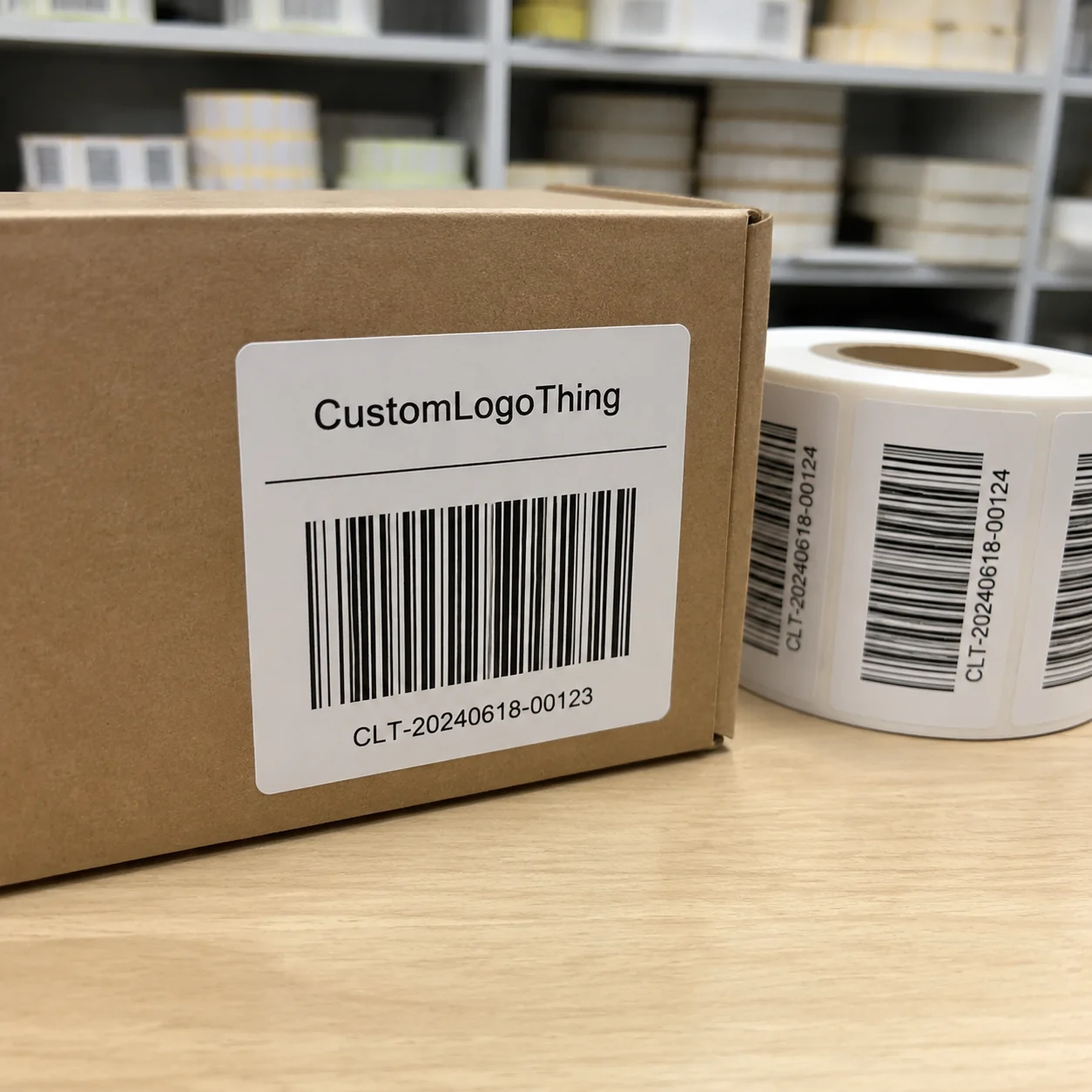
Getting a Printed Woven Labels Quote for hotel uniforms, robes, and room textiles is rarely just a matter of asking for a logo price. In hospitality, the label has to survive commercial laundering, pressing, folding, handling by housekeeping, and the constant abrasion that comes from being sewn into items that move through a property every day. A label that looks fine in a proof can still fail quickly if the weave is too loose, the finish is wrong for the fabric, or the attachment method was chosen for convenience instead of endurance.
That is why the most useful quote is the one that reflects the actual use case. A label for a guest robe does not need the same build as one for a housekeeping shirt, and neither should be priced as if it will live the same life as a packaging tag or a one-time event item. The real job of the quote is to make those differences visible before production starts.
Buyers who work across uniforms, spa textiles, and bedding usually learn that the cheapest first order is not always the lowest-cost option over time. Weak edges, muddy print, or labels that curl after washing create hidden work later, whether that means relabeling, extra inspections, or inconsistent presentation across rooms and departments.
Why hotel labels fail at the details level
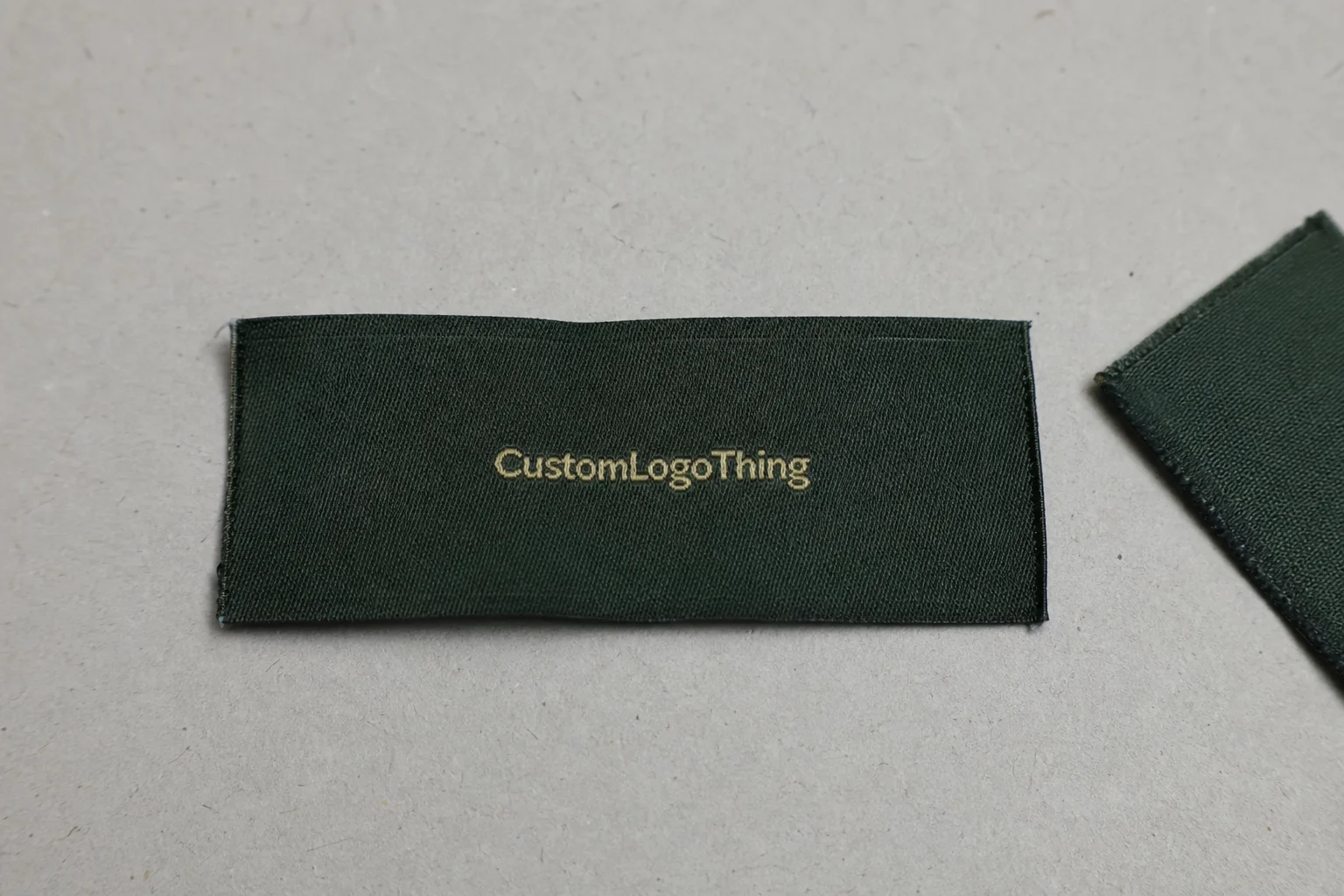
Hotel labels fail in fairly predictable ways. Edge fray is common when the cut method does not match the textile or wash cycle. Print can lose clarity when the weave is too open for fine text. Some labels feel scratchy against the skin, which becomes a real problem on robes, sleepwear, and uniform pieces worn for long shifts. Others curl after pressing or pull loose from lightweight fabric because the stitch path or backing choice was not suited to the garment.
A Printed Woven Labels Quote for hotel use should be built around those realities from the start. A supplier should ask about wash frequency, drying method, whether bleach or harsh detergents are used, and where the label will sit on the item. Those details affect everything from label width to edge finishing. A collar seam on a housekeeping shirt, for example, can tolerate a different construction than a label sewn into the soft inside of a spa robe or the hem of a fine linen pillowcase.
There is also a buyer-side cost that often gets overlooked: rework. A label that needs replacing after a few wash cycles is not just a materials problem. It can consume labor, slow room turnover, and create inconsistency across inventory. That is why a quote should explain the tradeoffs, not just the price per thousand pieces. A denser weave or cleaner finish may cost a little more up front, but it can reduce long-term handling costs in a property that launders at scale.
If the label will be laundered commercially, quote for the wash cycle first and the logo second.
For buyers comparing textile branding options across programs, Custom Labels & Tags is a useful place to compare constructions before locking artwork and quantity.
Printed woven label construction and finish options
Printed woven labels typically begin with a woven base that carries the brand identity through print, then receive a finish that keeps the edges tidy and makes the label easier to sew in or attach. The process sounds simple enough, but the final performance depends on how tightly the base is woven, how the print sits on that surface, and how the edges are treated after cutting. Those three decisions determine whether the label stays legible after the first laundry cycle or after dozens of them.
Buyers usually review a few finish paths. Cut-and-fold gives a neat presentation and works well when the label is inserted into a seam. Center fold is common for care and size information because it wraps cleanly around an edge. End fold is useful when the logo needs to sit flat against a garment line. Heat cut can help control fray on synthetic materials, although it is not the correct choice for every textile or every wash environment. Adhesive-backed options can be useful for samples, inventory sorting, or some packaging tasks, but they should not be treated as a substitute for sewn attachment on hotel textiles that need a long service life.
There is also a practical distinction between a true woven construction and a printed woven-look label. The woven-look version may be enough for lower-stress branding or short-run presentation items, especially when the label is meant to be seen more than touched or washed. A true woven label usually makes more sense for premium uniforms, robes, and guest textiles because the structure is better suited to repeated laundering and pressing. If the property wants a sharper edge, more stable shape, and less risk of curling, the fully woven option usually earns its place.
Production teams often recommend a true woven base when the label has to withstand industrial washing or repeated heat exposure. That is not always the least expensive route on paper, but it is often the better choice once replacement labor, complaint handling, and stock inconsistency are included in the calculation. For hotel buyers, that distinction matters more than whether the label looks acceptable in a proof image.
When the label is part of a larger branded set, it should be specified alongside other textile presentation items rather than treated as a one-off order. That keeps the look consistent across room textiles, staff garments, and amenity pieces, and it makes future reorders easier because the approved spec is already tied to the rest of the program.
Sizes, folds, backing, and attachment specs
Size is one of the easiest places to lose both money and performance. If the label is too small, the logo and any care text can become unreadable once seam allowance and folding are added. If it is too large, it can wrinkle, irritate the wearer, or create extra sewing time. Many hotel programs work best with clearly defined sizes from the start, such as compact interior branding labels for uniforms or larger faces when care copy, size information, or a property identifier has to fit legibly.
Fold style changes the look, the sewing method, and sometimes the price. A center fold hides raw edges and creates a tidy insertion point. A loop or hanging style may be useful for certain accessories, but it is not the right answer for every textile. Sew-in attachment remains the safest default for uniforms, bedding, and robes because it holds up under repeated wash cycles. Peel-and-stick backing can help with sample handling, temporary identification, or packaging workflows, but it should not be used as a replacement for sewn attachment on textiles that need long service life.
Thread density matters more than many buyers expect. A denser woven or printed construction usually gives cleaner logo edges and better legibility for small type. That becomes especially important when the design includes a care mark, a size callout, or a property name that must still be readable after folding and pressing. Contrast matters too. A pale logo on a pale textile can disappear once the label is sewn in and the garment starts going through laundry and finishing cycles.
Typical hotel use cases include:
- Interior garment labels for housekeeping shirts and jackets
- Exterior branding labels for robes, spa wear, and guest textiles
- Care and size labels combined into a single fold format
- Secondary identifiers for linen sets, towels, or accessory pouches
When a label has to carry more information, the layout should be simplified rather than crowded. A clean logo, one care line, and a legible size marker usually perform better than a busy layout packed with tiny text that becomes unreadable after the first hot wash. The limitation is not just aesthetic. Small type can break down in production if the weave count and print method are not matched carefully to the artwork.
For properties running several textile categories at once, standardizing the size and fold across similar items can save time. It reduces artwork variation, makes approval easier, and gives procurement a cleaner reorder path. That kind of consistency matters in housekeeping, spa, and guest room programs, where even small differences can complicate inventory and sewing instructions.
Pricing, MOQ, and unit cost factors
Any Printed Woven Labels Quote for hotel work should show what is driving the price. The main variables are usually artwork complexity, number of colors, size, finish style, backing choice, and total quantity. A quote that leaves those points vague makes comparison difficult and often leads to surprises later.
The basic rule is straightforward: higher quantity usually lowers the unit price because setup, proofing, and material waste are spread over more pieces. Smaller runs can make sense for boutique properties, pilot programs, or a seasonal refresh, but they nearly always carry a higher per-piece cost. That is not a penalty; it is simply how short-run textile production works.
For most buyers, the better question is not which label costs the least on the first invoice. It is which specification creates the lowest total cost over the life of the textile. A label that lasts through more wash cycles may cost a little more at the start, but if it avoids relabeling and replacement labor, it can be the better buy overall.
| Option | Typical use | Indicative unit range at 5,000 pcs | Durability notes |
|---|---|---|---|
| Basic printed woven label | Light-use branding, low-detail logos | $0.08-$0.16 | Good for simple graphics, moderate wash exposure |
| Denser woven base with cut-and-fold finish | Uniforms, robes, guest textiles | $0.12-$0.24 | Better edge control and cleaner sewn-in presentation |
| High-detail woven construction with care text | Premium hotel programs, repeated laundering | $0.18-$0.32 | Stronger legibility for fine type and multiple lines |
| Special backing or secondary attachment | Sample sets, inventory, temporary use | $0.20-$0.40 | Useful in controlled settings, not a substitute for sew-in in most textiles |
MOQ varies by construction, but many custom runs start around 500 to 1,000 pieces. Some specifications go higher depending on width, weave density, and finish. If a property needs several versions, grouping them into one production spec can lower the effective minimum and reduce setup charges. Chain groups and franchise systems usually benefit from standardizing one label style across multiple room categories instead of approving a different version for each textile line.
It helps to ask for pricing at two or three quantity levels. A quote at 1,000, 5,000, and 10,000 pieces usually shows the breakpoints clearly and makes the decision easier. Once those numbers are side by side, procurement can compare purchase price against long-term consistency instead of guessing where the savings actually begin.
For packaging teams that need to keep textile labeling aligned with outer packaging and replenishment materials, the label quote should sit inside the broader order plan rather than being treated as an isolated line. If you need a starting point for pricing discussion, Contact Us with the textile category and approximate run size.
Production steps, turnaround, and approval checkpoints
A clean order process usually follows the same path: quote request, artwork review, digital proof, sample or pre-production approval, production, finishing, inspection, and pack-out. The speed of the factory matters, but approval speed often matters more. If the buyer takes several days to approve the proof, that delay can affect the schedule as much as the production queue itself.
Turnaround depends on quantity and finish, but many hotel label jobs are completed in roughly 12 to 15 business days after proof approval when files are clean and the spec is stable. More detailed constructions, unusual sizes, or special packing requirements can extend that window. If an opening date or seasonal refresh is fixed, the bigger risk is usually artwork revision time, not the press run.
The most useful checkpoints are practical rather than ceremonial:
- Confirm exact dimensions and fold style before layout starts.
- Check logo placement against the seam allowance or attachment point.
- Verify care-copy spelling, language, and punctuation line by line.
- Approve color tolerance before bulk production starts.
- Confirm any barcode, size code, or property identifier before pack-out.
Industrial laundering and textile finishing expose weak decisions quickly, so the proof stage should not be treated as a formality. For programs that require transit protection or secondary packaging, some buyers also align the shipment spec with distribution testing references such as the ISTA procedures for transport performance. That becomes more relevant when the labels are packed with other branded materials or moved between multiple properties.
If the order includes paper or carton components alongside the labels, the buyer may also want to consider fiber-based sourcing references from the FSC program. That does not change the woven label itself, but it can matter for the broader branded package.
What hotel buyers should expect from a reliable label supplier
A reliable supplier does more than return a price. It asks the questions that determine whether the quote is accurate enough to use. What fabric is the label going onto? How often will the item be washed? Is the label visible to guests or only staff? Is the brand sensitive to texture, gloss, or edge softness? Those questions are not extra steps. They are part of basic production control.
Good service also means clear pricing language. Buyers should not have to guess whether proofing, tooling, packing, or a second revision is included. The quote should separate the unit price, any setup charge, and any special finishing cost so procurement can compare options without decoding the numbers. If the supplier is vague at this stage, the same vagueness usually shows up again at reorder time.
Repeat ordering is another sign of a well-managed label program. Chain properties and franchise groups need consistent specs, not just a one-time production run. A supplier that keeps the approved construction, size, and artwork format on file can make reorders faster and reduce approval friction across multiple properties. That matters when the same uniform or linen program is being rolled out in stages.
There is also a practical service standard that separates strong suppliers from average ones: they recommend the simplest construction that will still hold up. In textile branding, more features are not automatically better. A cleaner spec often gives better performance, fewer production surprises, and easier replenishment over time.
For hotel buyers comparing label options with other branded components, consistency is usually the best filter. The right label should fit the textile, the laundry process, and the presentation standard without creating extra work for housekeeping or procurement teams.
How to request the right quote and move to order
If you want an accurate printed woven labels quote for hotel uniforms or related textiles, send a complete spec package. The fastest way to slow a quote down is to leave out the dimensions, attachment method, or intended use. The fastest way to get a useful number back is to give enough context for the order to be priced correctly the first time.
Include these details:
- Logo file in vector format, if available
- Exact label dimensions
- Fold style or cut style
- Quantity and any quantity breaks you want quoted
- Where the label will be sewn or attached
- Care-copy, size, barcode, or language requirements
- Fabric type and wash conditions
It also helps to ask for a side-by-side comparison of options. One quote can show a basic woven construction, a denser finish for repeated laundering, and a premium version with better detail retention. That makes it easier to decide whether the goal is the lowest purchase price, the best durability, or a balance between the two.
For hotel buyers, standardizing the label across similar textile categories often creates the most practical result. One consistent spec for guest robes, spa items, and selected staff garments can reduce artwork changes, simplify inventory, and make reorders less chaotic. If you want a complete pricing conversation, send the artwork and specs through Contact Us and ask for a quote that separates finish, quantity, and lead time clearly.
When the spec is complete, the response is usually faster and the pricing is more reliable. That is the shortest route to a useful printed woven labels quote for hotel programs that need to balance appearance, durability, and cost without guesswork.
What affects a printed woven labels quote for hotel uniforms?
Artwork complexity, number of colors, size, fold style, and finish all affect the quote. Quantity matters too, because setup cost is spread across more pieces at higher volumes. If the label has to handle industrial laundering, the spec may move toward a higher-cost construction that lasts longer in service.
What is the usual MOQ for hotel woven labels?
MOQ depends on construction and size, but many custom runs start around 500 to 1,000 pieces. Some finishes run higher. If you need multiple versions, grouping them into one spec can reduce the effective minimum and simplify ordering.
Are printed woven labels durable enough for hotel laundering?
They can be, if the weave, print quality, and edge finish match the wash conditions. Commercial laundering, pressing, and chemical exposure should be factored into the spec from the start. If the item sees heavy wash cycles, ask for a construction intended for repeated use rather than a decorative-only label.
How long does hotel label production usually take?
Lead time depends on artwork approval, quantity, and finishing method. Many orders are ready in about 12 to 15 business days after proof approval when files are clean and the spec is final. Rush schedules may be possible, but they still depend on quick proof approval to stay on track.
What do you need to price my hotel label order accurately?
Provide the logo file, size, quantity, fold or cut style, and how the label will be attached. Include the textile type and whether the labels must withstand industrial laundry or only light washing. If you want a precise quote, add any care text, language requirements, or barcode needs up front.