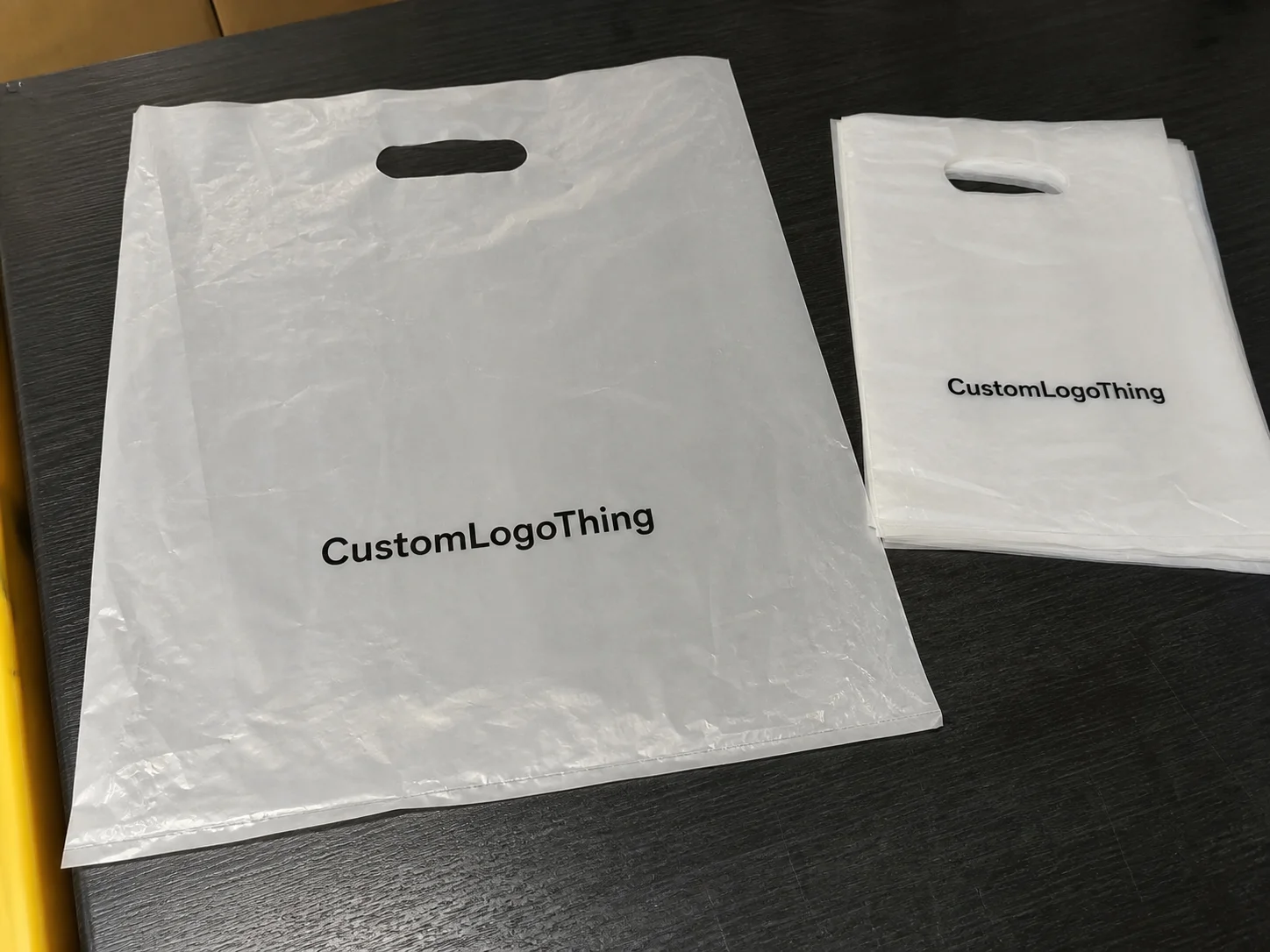
Most buyers learn the same lesson after a few reorders: the cheapest bag is often not the lowest-cost package. A useful Printed Zip Lock Bags unit cost guide should start with total usable cost, not just unit price. If the bag seals reliably, prints consistently, opens cleanly, and fits the product well, it can reduce labor, rejects, freight waste, and repacking.
The better question is simple: what does each usable packed unit actually cost? That includes bag price, labor, reject rate, freight density, and consistency from lot to lot. Saving a few cents on film means little if operators lose time handling a bag that sticks, splits, or arrives with variable dimensions.
Why printed zip lock bags can lower real packaging cost
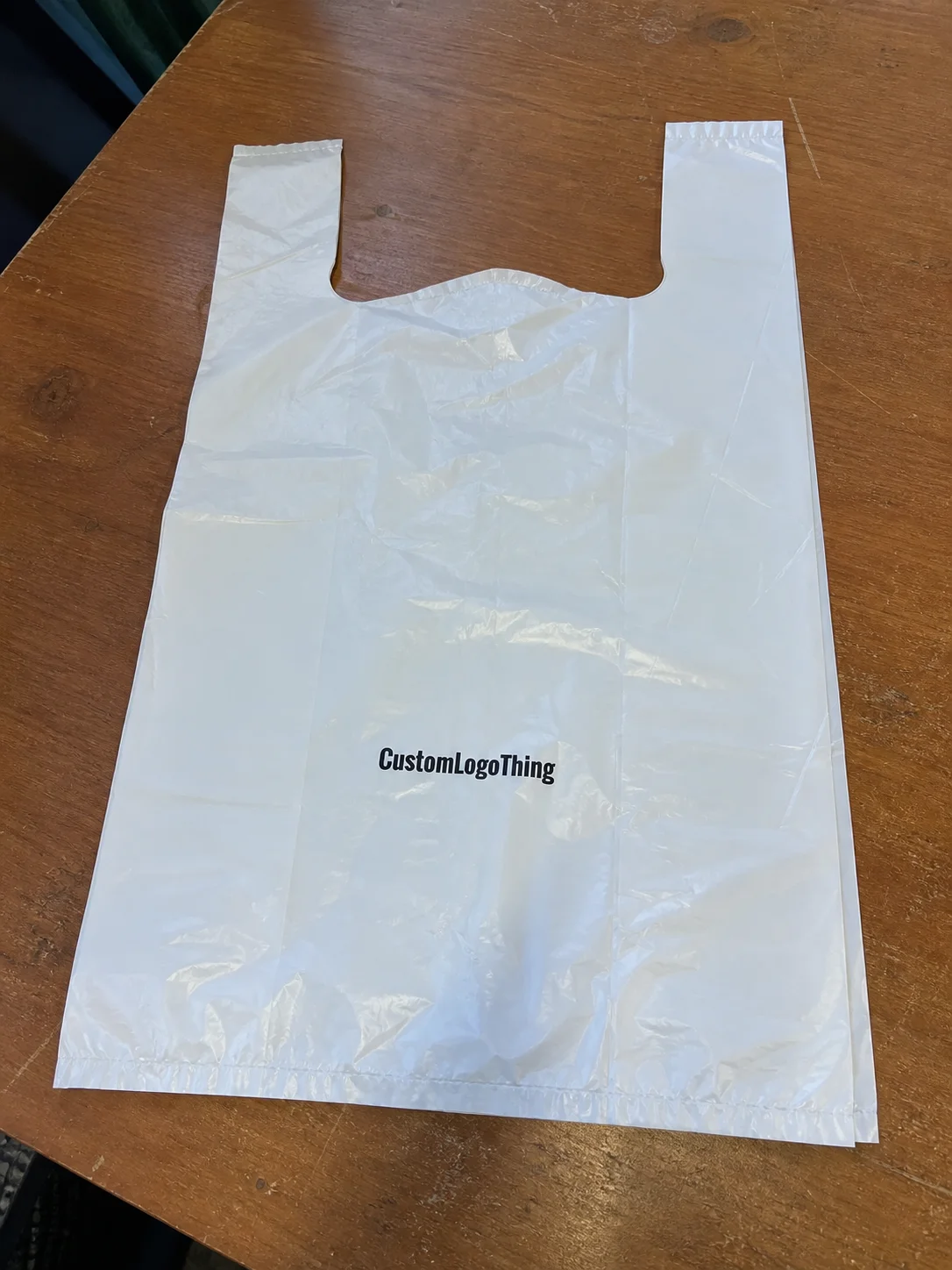
A printed zipper bag can lower total packaging cost because it combines functions. Branding, warnings, handling directions, and a resealable closure can all sit on one component. Removing a separate label step can save meaningful labor across 10,000 or 50,000 units.
That matters even more in high-SKU environments. When artwork is already on the bag, the packing team is not matching label rolls to bag sizes or correcting label placement issues. In regulated categories, you may still need lot or date coding, but the package already carries most of the communication load.
Resealability also adds value. Food refills, powders, sample cosmetics, and hardware assortments all benefit from a zipper that closes properly the first time and the fifth time. A bag that opens and closes easily reduces spills, keeps parts together, and is more likely to be used as intended.
Protection is where low-price decisions often fail. Thin film, weak side seals, pinholes, zipper misalignment, and split bottoms can turn a small material saving into product loss, line slowdown, and complaints. Moving from 2.5 mil to 3.0 or 3.5 mil raises piece price, but it may reduce damage enough to lower total program cost.
- fewer packaging components to buy and store
- less labor during pack-out
- more consistent artwork placement
- lower risk of label-to-bag mismatches
- cleaner presentation without a second application step
Good packaging economics come from reducing labor, rework, rejects, and product loss, not just from chasing the lowest bag price.
Material, closure, and print options that affect performance
Material choice drives both cost and behavior. For many general-use zipper bags, LDPE is the standard starting point. It is flexible, seals reliably, and suits a wide range of dry goods and non-food items.
HDPE is stiffer, noisier, and usually less clear. It can work for basic industrial or low-cost applications, but it is used less often for retail-ready printed bags where feel and appearance matter.
When barrier or shelf appearance matters more, laminated structures such as PET/PE or BOPP/PE become more relevant. These can improve gloss, stiffness, puncture resistance, moisture resistance, and print definition. If the product is aroma-sensitive, moisture-sensitive, or expected to stand upright with a more polished look, laminates often perform better than single-layer film. They also cost more.
Zipper choice matters too. A standard press-to-close zipper covers most applications at a practical cost. Slider zippers can feel more premium and may improve repeated opening, but they add hardware and assembly cost. Tear notches, tamper-evident features, hang holes, and bottom gussets should be added only when they solve a real merchandising or functional need.
Print method changes the economics quickly. Flexographic printing is usually more efficient for larger runs with stable artwork because setup cost can be spread over more units. Digital printing can suit lower quantities, faster design changes, and SKU-heavy programs. The tradeoff is familiar: lower setup burden, but less advantage once volume rises.
Coverage matters as much as color count. A one-color logo on one side is not comparable to full-coverage graphics with white underprint, matte varnish, and tight registration. Many quote gaps come from ink and finishing complexity rather than bag size alone.
- clear windows for product visibility
- frosted film for a softer premium look
- hang holes or euro slots for peg display
- bottom gussets for shelf stability
- matte or gloss finish based on brand style and scuff tolerance
The right structure depends on the product. A jewelry pouch does not need the same puncture resistance as a screw assortment, and a gummy refill does not need the same film feel as a cosmetic sample kit. Functional fit comes first.
Sustainability claims should be separated by material type. If cartons or inserts are part of the packaging system, certifications such as FSC may apply to those fiber-based materials. The plastic bag film should be specified and evaluated separately.
Specifications buyers should confirm before requesting a quote
Vague quote requests produce vague pricing. “Please quote custom zip bags” leaves too much open and invites suppliers to price different assumptions. A clear spec sheet narrows the range and makes quotes comparable.
Start with the physical details:
- width and height in inches or millimeters
- gusset depth, if applicable
- film thickness in mil or microns
- material structure, such as LDPE, HDPE, or PET/PE
- zipper type, standard or slider
- finish, including clear, frosted, matte, or gloss
- print colors and approximate coverage
- one-side or two-side printing
Tolerances matter more than many first-time buyers expect. If a filler uses a narrow funnel, opening width has to repeat. If operators hand-pack irregular parts, the bag body has to open easily. On semi-automatic lines, small variation in width or top margin can slow production.
Performance requirements should be based on the actual product. Seal strength, puncture resistance, tear resistance, and moisture protection affect whether the bag survives filling, shipping, and end use. Food and supplement projects also need food-contact suitability and whatever compliance documents the category requires.
Storage and transit conditions also matter. Film that performs well in a controlled warehouse may behave differently after summer heat exposure. Heavy products stress seals during stacking. Sharp-edged contents can turn a standard pouch into a reject source.
Artwork specs should be confirmed with the same discipline:
- vector artwork such as AI or editable PDF
- bleed and safe area requirements
- PMS references if color control matters
- whether white ink is needed behind transparent areas
- barcode placement and scan testing needs
- final copy approval for both panels
Better inputs do more than improve pricing. They shorten proofing, reduce revision loops, and make repeat orders easier because the approved build can be referenced instead of rebuilt from scattered emails.
If the package will face rough distribution, resources from ISTA can help buyers think through shipping hazards, even if the bag is only one part of the overall packaging system.
Printed zip lock bags unit cost guide and MOQ drivers
This is usually the section buyers check first. A practical Printed Zip Lock Bags unit cost guide should give ranges, but also explain why they move.
The main cost drivers are usually straightforward:
- bag size
- film thickness
- material structure
- number of print colors
- ink coverage and white underprint needs
- finish and added features
- order volume
- carton packing and freight efficiency
Larger bags use more film. Thicker gauges use more resin. More colors, tighter registration, matte coatings, windows, gussets, sliders, and specialty finishes all add converting complexity. Short custom runs cost more because file prep, setup, proofing, inspection, and pack-out do not shrink in proportion to quantity.
That is why 3,000 to 5,000 pieces often look expensive. Move the same structure to 20,000 or 50,000 units and cost per piece usually drops sharply. Digital printing can help at lower quantities, but higher volumes often favor conventional printing once artwork is stable.
| Typical Bag Scenario | MOQ Range | Estimated Unit Price | Main Cost Notes |
|---|---|---|---|
| Small LDPE bag, 1-color, one-side print, standard zipper | 5,000-10,000 | $0.12-$0.22 | Lower film use, simple print, basic closure |
| Medium LDPE bag, 2-4 colors, two-side print | 5,000-20,000 | $0.18-$0.34 | Common retail and kit format, moderate ink coverage |
| Laminated pouch with matte finish and clear window | 10,000-25,000 | $0.28-$0.52 | Higher material and converting cost |
| Slider zipper bag with premium finish | 10,000+ | $0.35-$0.65 | Added closure hardware and more assembly complexity |
These numbers are directional, not guaranteed. Resin markets move, ink coverage can swing quotes, and freight can erase a low ex-works price quickly. Still, the ranges are useful for budget screening.
MOQ logic is simple: lower minimums usually mean higher piece prices because setup, proofing, and inspection are spread across fewer units.
Good quotes should break out:
- unit bag price
- plate or cylinder costs, if applicable
- proof or sample fees
- freight
- duties or import-related charges, where relevant
- carton quantities and pack details
That makes comparison possible. One supplier may show a lower unit price but recover margin in freight or setup. The real comparison point is landed cost, not just the line labeled “bag price.” For budgeting, request at least three quantity breaks, often 5,000, 10,000, and 25,000 units.
What affects printed zip lock bags unit cost the most?
The biggest cost drivers are size, film thickness, material structure, print complexity, zipper type, and order volume. Larger dimensions and thicker film raise resin use, while more colors, heavy coverage, and premium finishes raise print and converting cost. Quantity then determines how efficiently setup is absorbed.
- Bag dimensions set baseline film usage.
- Material and thickness determine protection and resin cost.
- Printing method and artwork coverage affect setup, speed, and waste.
- Closure type and added features increase converting complexity.
- MOQ and annual demand determine how low the final unit cost can go.
That is why two bags that look similar can price very differently. A small gauge increase, white underprint, matte finish, or slider can change the economics quickly.
Process and timeline from artwork to shipment
Custom zipper bag orders usually follow a standard path: spec review, dieline confirmation, quotation, proofing, sampling if needed, production, inspection, packing, and shipment.
Most delays happen before production starts. Missing dimensions, low-resolution art, unclear copy approval, or late size changes can add days quickly. Color discussions also slow down when PMS references are vague or the design depends on transparent film, frosted film, or white underprint.
A PDF proof confirms layout, copy, and placement. It does not confirm zipper feel, film stiffness, seal strength, or exact press appearance. For tactile products or color-sensitive programs, a physical sample or pre-production sample is usually worth the extra time.
Lead times vary with complexity, but broad planning ranges are useful. Repeat orders with approved specs may run about 12 to 15 business days after final approval for straightforward structures. New sizes, laminated builds, sliders, or more detailed graphics can push production into the 18 to 25 business day range. Sampling and revisions add time.
Freight creates a second timeline. Domestic ground may take a few days. Air is faster and usually much more expensive. Ocean can improve economics on larger volumes, but door-to-door schedules can stretch by weeks once customs, port delays, and final-mile delivery are included.
Experienced buyers work backward from the required in-house date, not forward from the purchase order date.
Quality consistency on custom orders
Consistency is a cost issue, not just a cosmetic one. If one lot runs well and the next arrives with weak seals, zipper variation, or print drift, the cost shows up as downtime, sorting, repacking, and returns.
The most practical checks are:
- film thickness verification against spec
- zipper engagement testing across the full track
- seal inspection for uniformity and strength
- print registration and alignment review
- visual color comparison to the approved standard
- carton count and packing confirmation
Small variation in gauge can change bag feel and sometimes sealing behavior. Weak zipper engagement frustrates users immediately. Print drift may not stop function, but it hurts shelf consistency fast on front-facing retail items.
Reliable suppliers are usually direct about limitations. Exact color matching on every substrate is not always realistic, especially with transparent films, matte finishes, or white ink layers that affect perceived shade. Define acceptable tolerances early and document the approval path before production begins.
Pre-production approvals do much of the heavy lifting. Once the size, film structure, zipper style, finish, and artwork are formally approved, repeat orders become less risky and easier to manage. That record should live in a specification file, not in scattered email attachments.
Industry resources from groups such as PMMI can also help buyers think through line compatibility and process controls.
Next steps to quote, sample, and place your order
Accurate pricing starts with complete information. Gather dimensions, target quantity, product type, artwork files, preferred material, zipper style, finish requirements, and shipping destination before requesting a quote. If there is a target budget or a maximum acceptable unit cost, say so early.
It is often smarter to ask for two or three structured options instead of one fixed configuration:
- a standard LDPE version for value pricing
- a thicker or laminated version for stronger presentation or protection
- multiple quantity breaks for each option
That side-by-side view makes tradeoffs visible. If the thicker bag costs a few cents more but cuts damage or line issues, the decision becomes clearer.
If zipper feel, print finish, or seal performance matters, ask for a sample. A digital mockup helps with layout approval, but it will not show whether the zipper closes smoothly or whether the film feels underbuilt.
Before final approval, confirm the details that often surface too late:
- shipping destination and freight method
- production lead time from final approval
- carton quantity and storage footprint
- plate or file retention for reorders
- whether future orders carry repeat setup charges
- any allowable material substitutions
A good printed zip lock Bags Unit Cost guide is not just a pricing sheet. It helps buyers avoid bad assumptions and Choose the Right bag once—one that fits the product, survives the process, and does not create hidden cost after the invoice looks attractive.
FAQ
What affects printed zip lock bags unit cost the most?
Bag size, film thickness, material structure, print complexity, zipper type, and order quantity drive the biggest swings. Smaller runs also carry setup costs less efficiently, which is why piece prices often look high at low MOQs.
Can I get a lower MOQ without losing too much on unit cost?
Sometimes. Digital printing or a simplified structure can make lower MOQs more manageable, but the per-bag price usually rises because setup, proofing, and inspection are spread across fewer units. Ask for multiple quantity breaks before deciding.
Which material is best for printed zip lock bags?
LDPE is the common starting point for flexibility and general-purpose use. Laminated structures make more sense where stronger print quality, better moisture resistance, or higher puncture resistance is needed. The right choice depends on product weight, storage conditions, and shelf expectations.
How long does production usually take?
Repeat orders with settled specs are often faster than new custom projects. Straightforward runs may fall around 12 to 15 business days after approval, while new sizes, laminated bags, sliders, or sample approvals can push production closer to 18 to 25 business days, plus transit time.
What should I send to get an accurate quote?
Send dimensions, quantity, material preference, thickness, zipper type, print colors, artwork files, finish requirements, product type, and shipping destination. If the bag must meet a functional requirement such as puncture resistance, moisture protection, or food-contact suitability, include that too.