What a Private Label Custom Event Hats Supplier Actually Provides
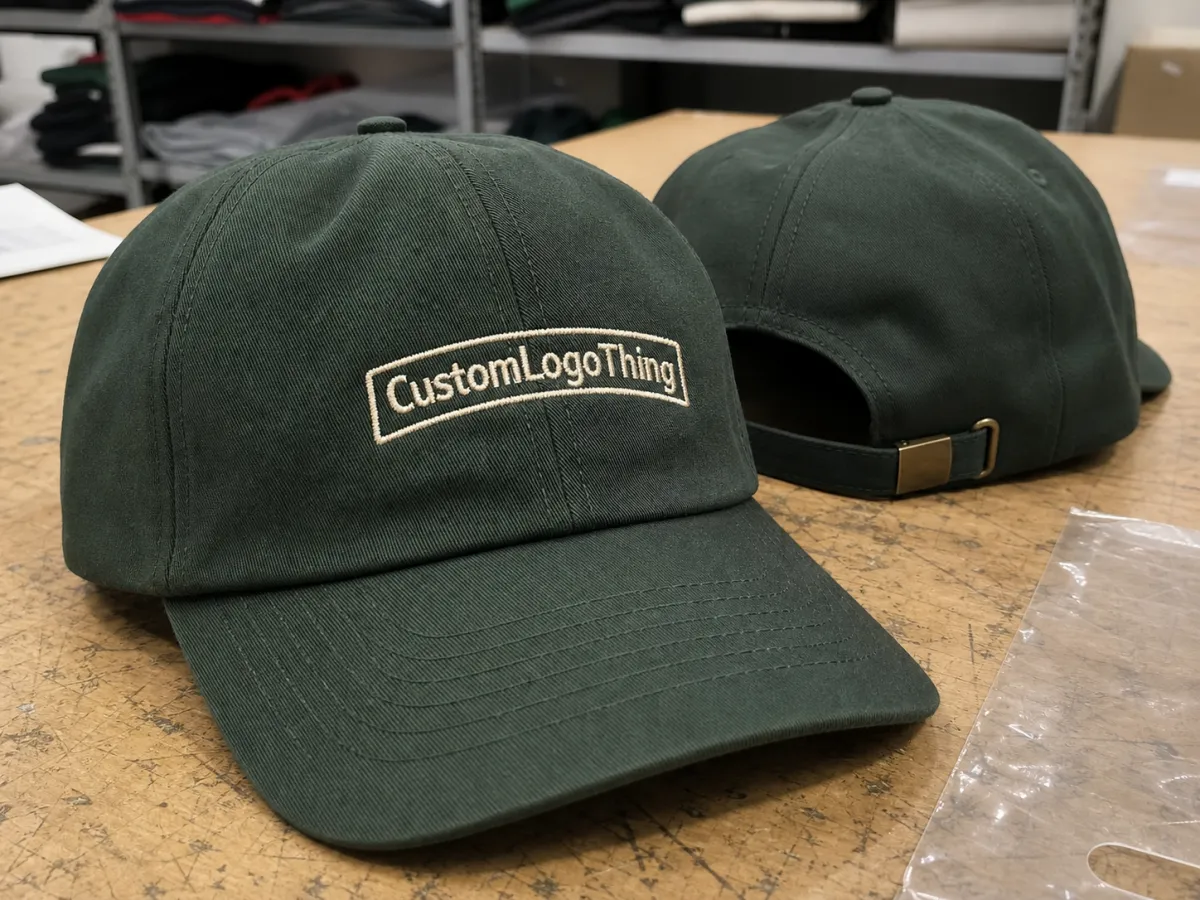
Event hats get judged fast. Three seconds, maybe less. A guest either puts the hat on, keeps it, photographs it, and packs it for home, or it gets abandoned under a banquet chair before the keynote starts.
That is why choosing a private label Custom Event Hats supplier is not just a logo-ordering decision. It is a fit decision. A material decision. A decoration, packing, timing, and quality-control decision too.
A supplier in this category helps a brand, agency, venue, merch team, or event organizer create hats under its own label. That might be a 500-piece conference cap run with one embroidered mark. It might be a 5,000-piece outdoor activation order with woven labels, sponsor versions, hang tags, carton sorting, and branded packaging by venue. Both are custom. They are not the same job.
Basic promotional cap ordering usually starts with a stock blank and adds a logo. True private label work goes further: woven neck or back labels, inside seam taping, sweatband printing, color-matched thread, Branded Hang Tags, retail-style bags, barcode stickers, or carton markings that connect with the rest of the event’s package branding. The difference shows up when the hat is handled. Cheap hats announce themselves. Quietly, but very clearly.
Common orders include conferences, golf outings, sports activations, festivals, charity events, employee summits, product launches, hospitality gifting, sponsor merchandise tables, and VIP kits. The style can be a structured baseball cap for a clean sponsor look, an unstructured dad hat for relaxed brand wear, a mesh trucker for warm weather, a snapback for streetwear energy, a bucket hat for resort or festival programs, or a beanie for cold-season events.
Buyers often chase the lowest unit price too early. Tempting. Also a great way to end up with a hat nobody wants to wear. The better question is whether the hat matches the real environment: sun, sweat, wind, hotel lighting, sponsor photography, freight handling, and several hours on a human head. A good supplier should help match the hat body, decoration method, label detail, order size, lead time, and quality tolerance before the purchase order goes anywhere near production.
How Private Label Event Hat Production Works From Concept to Carton
The production path sounds simple: brief, style selection, fabric and color decisions, artwork preparation, decoration setup, sample approval, bulk production, inspection, packing, and shipping. On paper, tidy. In production, every one of those steps can change the final hat.
A simple cap may pass through cutting, panel stitching, buckram forming, bill attachment, closure installation, embroidery or patch sewing, trimming, pressing, inspection, and carton packing before it reaches the event team. If custom labels, printed sweatbands, special hang tags, or individual bags are involved, those pieces need their own artwork, setup, approval, and production time.
The buyer’s brief does a lot of heavy lifting. It should include the event date, required in-hands date, audience, indoor or outdoor setting, brand colors, quantity, budget range, ship-to location, and sponsor or co-branding requirements. If the event team needs 300 hats for VIP bags and 2,000 hats for general handout, say that early. Packing and carton labeling may need to be different.
Artwork also changes once it leaves the screen. Vector files such as AI, EPS, or clean PDF artwork give the production team the best starting point. Embroidery requires digitizing, which converts the logo into stitch paths. Thread colors are matched to available thread libraries, not RGB or HEX values. Patches need border allowances. Heat transfers need size limits, pressure settings, and fabric compatibility checks. Fabric is not a monitor. Annoying, but true.
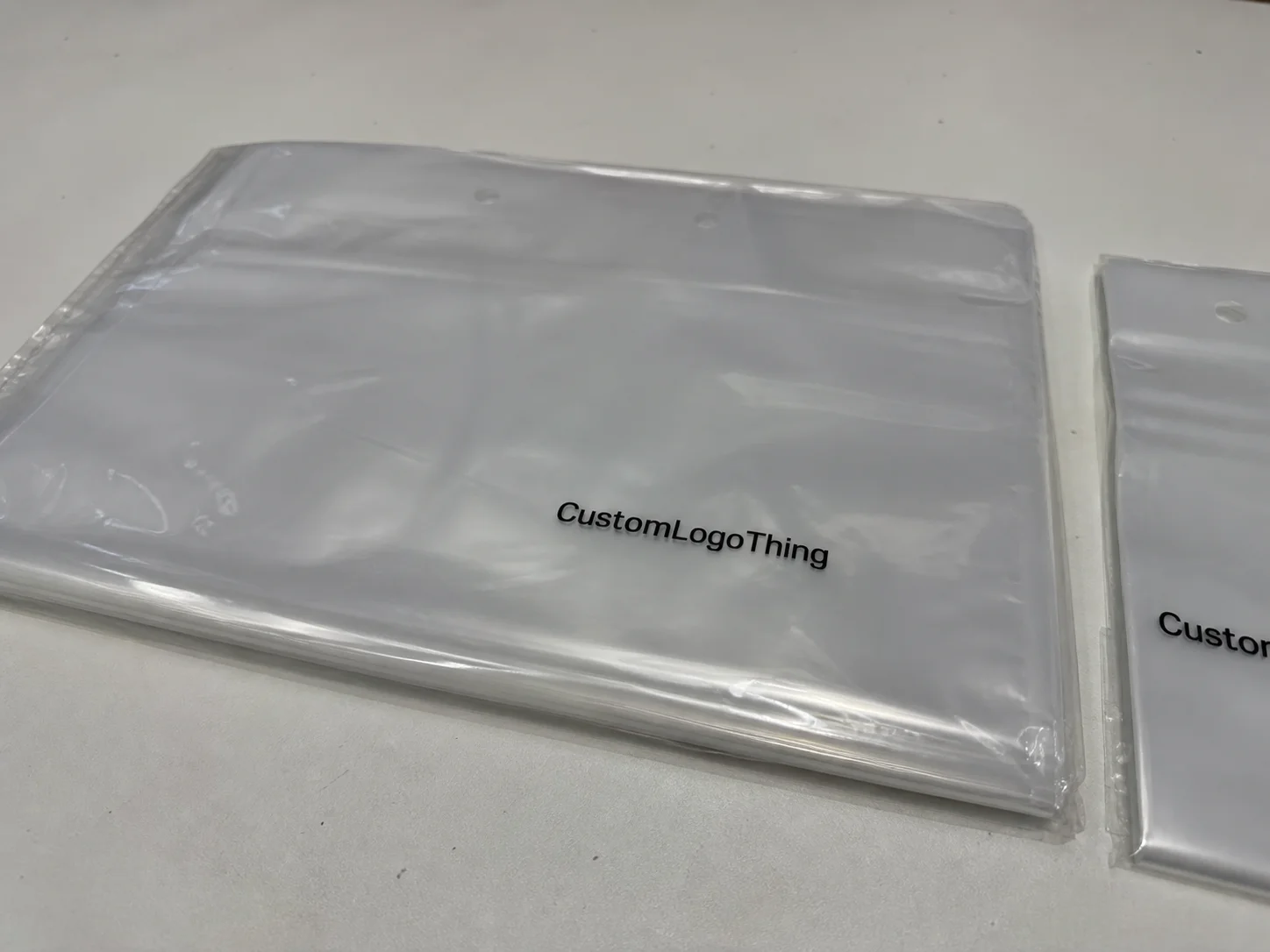
Private label details are added through separate production steps. A supplier may replace standard manufacturer labels with woven labels, print inside sweatbands, sew a side tab, attach branded hang tags, or pack each unit in a printed polybag or retail pouch. If you already use Custom Labels & Tags across other merchandise, aligning those trims with the hat program can make the order feel more deliberate.
Sampling matters because hats are three-dimensional, curved, and weirdly unforgiving. Dense embroidery can pucker a front panel. Patch edges can lift if the backing or sewing method is wrong. A crown can look fine on a table and feel too tall on the forehead. A pre-production sample, or at minimum detailed sample photos, helps confirm logo placement, bill curve, crown shape, stitch cleanliness, inside label position, and how the hat feels after more than five minutes of wear.
Hat Styles, Materials, and Decoration Choices That Affect the Final Look
Hat style sets the tone before the logo does. Structured caps hold their crown shape and work well for sponsors that want a crisp, camera-ready front panel. Unstructured cotton dad hats sit softer and lower, which suits lifestyle events, campus programs, and casual staff wear. Mesh-back truckers help with airflow at warm outdoor gatherings. Snapbacks carry a sharper streetwear feel. Bucket hats fit festivals, resorts, and summer campaigns where the hat is part of the outfit, not just a giveaway.
Materials change comfort, cost, and appearance. Cotton twill feels familiar and breathable, with a natural hand. Brushed cotton has a softer, worn-in finish. Polyester is useful for color consistency, moisture management, and performance styling. Nylon is lightweight and practical for outdoor or travel events. Wool-blend fabrics can look more premium, though they are a questionable choice for hot venues or low-budget mass distribution. Nobody needs a sweaty “premium” moment.
Construction details matter more than buyers expect. Five-panel caps offer a smooth front area that can suit patches and bold graphics. Six-panel caps have a center seam that can interrupt certain logo layouts. Low-profile crowns fit close to the head. Mid-profile crowns provide more front decoration space. Closures include plastic snapbacks, fabric straps with metal buckles, hook-and-loop tabs, elastic stretch fit, and fitted sizing. None is automatically best. Each fits a different audience, price point, and style direction.
| Hat Style | Best Event Use | Typical Decoration Fit | Buyer Watchout |
|---|---|---|---|
| Structured cap | Conferences, sponsor gifts, golf outings | Direct embroidery or woven patch | Check crown height before approving |
| Unstructured dad hat | Lifestyle launches, employee events | Small embroidery or soft woven label | Fine logos can wrinkle on soft panels |
| Trucker cap | Outdoor activations, warm venues | Patch, embroidery, PVC badge | Mesh color must match the front panel tone |
| Bucket hat | Festivals, resorts, fan merchandise | Embroidery, woven patch, sublimation | Decoration size is limited by soft curvature |
Decoration should follow the logo, not bully it into submission. Direct embroidery is durable and classic for bold marks. Woven patches handle small text and fine lines better than thread embroidery. PVC patches create raised, dimensional branding that works for high-energy events. Leather and faux leather patches feel more heritage or retail. Sublimation is best on polyester for all-over graphics. Heat transfer can reproduce sharp multicolor marks, but it must be tested against fabric texture, coating, and stretch.
Many logos need production adjustments. Gradients may become solid colors. Tiny sponsor text may need to grow. Thin outlines can disappear in thread. A mark designed for a phone screen rarely translates perfectly to fabric and curved crown panels. The best event hats usually show restraint: one strong front mark, maybe one small side or back detail, and private label touches inside the hat instead of filling every visible panel like a race car.
Pricing, MOQ, and Unit Cost Factors Buyers Should Understand
Pricing is built in layers. The hat body comes first: stock construction, custom construction, fabric, closure, and size range. Decoration adds cost through stitch count, patch size, patch colors, mold fees, debossing dies, transfer setup, or extra placements. Private label components add another layer: woven labels, printed sweatbands, hang tags, inner tape, individual bags, retail pouches, barcode stickers, or carton markings.
MOQ means minimum order quantity. It exists because production has setup time: fabric sourcing, machine scheduling, embroidery digitizing, label weaving, cutting, line changeovers, inspection, and carton preparation. Stock hats with one embroidered logo can often support lower quantities than fully custom caps with special fabric, custom closures, woven labels, and retail packaging.
Exact pricing depends on quantity, sourcing path, decoration, and freight. Still, buyers can think in tiers. A simple stock cap with one embroidery location carries the lowest setup burden. A custom hat with a woven patch, private label trim, and individual packaging sits higher. A multi-style program with sponsor variations, custom dyed fabric, retail pouches, and air freight is a different animal.
As a rough market reference, domestic stock-cap decoration may land in the lower single digits to low teens per unit depending on blank quality, quantity, and embroidery. More developed private label programs often move into the mid-teens or higher once patches, labels, upgraded materials, packaging, and freight are added. Small rush runs cost more per piece. Large offshore programs can reduce unit cost, but only when timelines, freight, and MOQs cooperate. Freight has a talent for ruining pretty spreadsheets.
| Cost Driver | Why It Changes Price | Practical Buyer Note |
|---|---|---|
| Embroidery stitch count | More stitches mean more machine time | Large filled logos can cost more and pucker fabric |
| Patch complexity | Colors, borders, molds, and backing add setup | Woven patches handle detail better than thick embroidery |
| Private label trim | Labels, tags, and taping require separate production | Confirm whether each trim has its own MOQ |
| Freight method | Carton volume and delivery speed affect landed cost | Rush air freight can erase savings from offshore production |
Hidden cost drivers catch buyers by surprise. Split shipments to multiple venues, individual polybagging, barcode labels, sponsor-specific versions, expedited freight, late artwork changes, and extra approval samples can all move the final number. If a supplier asks detailed questions, that is usually a good sign. Not a delay tactic. They are trying to quote the job that actually exists.
For a useful quote, send quantity, delivery ZIP or port, event date, hat style reference, logo files, decoration placement, label needs, packaging preference, and whether the budget is fixed or flexible. Ask for separate line items for the hat, decoration, private label components, setup, sample, freight, and optional upgrades. That structure makes tradeoffs visible instead of hiding them inside one blended unit price.
Process, Timeline, and Lead Time Planning Before an Event Date
Plan backward from the in-hands date, not the event date. Hats may need to arrive early for kitting, VIP bag assembly, sponsor sorting, staff distribution, venue freight receiving, or regional reshipment. If the event opens on a Thursday, receiving the hats on Wednesday afternoon is not a plan. It is a dare.
A normal schedule includes quote review, artwork cleanup, proofing, sample approval, production scheduling, bulk manufacturing, quality inspection, packing, transit, possible customs clearance, and final receiving. Some projects move quickly. Others need more time because custom labels, patches, dyed fabrics, or retail-style packaging are produced before they can be attached to the hat.
For planning purposes, simple stock-cap decoration may take one to three weeks after artwork approval, depending on capacity and shipping. Private label hat programs often need four to eight weeks or more, especially with custom labels, new patches, special materials, overseas production, or several versions. Tight schedules are possible, but they require fewer variables. Fancy plus rushed is where things get expensive.
The most common delay points are predictable: missing vector artwork, slow approval loops, color matching questions, decoration revisions, label production, public holidays, freight congestion, and late quantity changes. A private label Custom Event Hats supplier can protect the schedule only if approvals and specifications are locked before production begins.
Rush production can be realistic under the right conditions: in-stock hat style, one decoration location, approved artwork, standard packaging, domestic inventory, and a buyer who can approve proofs the same day. More complex work needs breathing room. Custom-dyed fabric, multiple sponsor logos, patches made from scratch, custom woven labels, custom printed boxes, or several hat styles across different colors all add coordination time.
Practical callout: if the hats are part of a larger branded packaging kit, confirm the kitting schedule before approving the ship method. The hat order may be on time and still miss the build window if cartons arrive after assembly closes.
Good communication rhythm is simple: confirm the order details in writing, approve digital proofs carefully, request sample photos when possible, lock the ship method before production ends, and ask for tracking or freight documents as soon as cartons leave. For broader packaging planning, groups such as ISTA provide useful context on transit testing, while FSC is a helpful reference if paper tags, hang cards, or fiber-based packaging materials are part of the program.
Common Buying Mistakes That Make Event Hats Look Cheap
The first mistake is choosing the lowest unit price before checking fit, crown shape, fabric hand feel, and decoration quality. A hat that feels flimsy, sits oddly at the temples, or has a bill that refuses to hold shape will not get worn after the event. That makes even a low-cost order expensive in practical terms.
Oversized logos are another common issue. On curved front panels, dense embroidery can pucker the fabric, feel heavy, and distort small letterforms. A logo that looks bold on a flat proof can look swollen once stitched at 12,000 or 15,000 stitches on a soft cotton crown. Smaller, cleaner, and better placed often wins.
Screen approvals mislead people. Thread cannot reproduce every gradient. Ultra-fine lines may break up. Tiny sponsor text may fill in. Metallic thread can look great in small areas and stiff in large fills. If the logo has multiple sponsors, consider a woven patch, printed insert card, or hang tag instead of forcing every mark onto the front panel.
Audience and setting matter. A heavy structured cap may feel wrong at a beach event. A flat-bill snapback may miss the tone at a conservative leadership summit. A dark cotton hat can show lint and absorb heat outdoors. A white hat can look sharp but may show handling marks during volunteer distribution.
Private label can also be overdone. Front embroidery, side embroidery, back embroidery, inside taping, hang tags, printed bags, and carton graphics can start fighting each other. Good packaging design has hierarchy. The hat should have one lead brand moment, a few supporting details, and a handout experience that feels organized rather than loud.
Logistics create plenty of last-minute pain. Order extras for staff, speakers, sponsors, replacements, and photography. Confirm freight receiving hours. Label cartons by event zone, sponsor, size, or recipient group if the order is split. A supplier can print carton marks, but only if the distribution plan is known before packing. Magic markers in a loading dock are not a distribution strategy.
Factory-Floor Tips for Better Fit, Finish, and Brand Presentation
Ask about crown height and structure before approving a style. Two hats can both be called baseball caps while fitting completely differently on the forehead and temples. A low-profile unstructured cap may feel relaxed and retail. A mid-profile structured cap may give the logo better posture. Both can be correct. They are just not interchangeable.
Match decoration to the logo. Embroidery suits bold marks with clear shapes. Woven patches are better for detail, small words, and sponsor lockups. PVC patches create dimensional event energy. Leather patches work best when the brand tone is understated, outdoorsy, or heritage-leaning. Heat transfer can be sharp, but it needs the right fabric surface and realistic wash expectations.
Check thread color under real lighting. Bright event halls, outdoor sun, and warm hotel lighting can make thread and fabric colors read differently. If brand color is strict, ask whether thread can be matched to a physical Pantone reference or thread chart. Also accept the part nobody loves: textile color matching has tolerances.
Photos should show the inside as well as the outside. Sweatband stitching, seam taping, label placement, loose thread trimming, and closure alignment say a lot about manufacturing discipline. A clean exterior with a messy interior is a warning sign, especially for private label projects where the buyer wants the item to feel like branded merchandise rather than a basic giveaway.
Think about the handout moment. Hats stacked loose in cartons may be fine for volunteer tables. VIP gifts may need individual bags, hang tags, tissue, size stickers, or coordinated Custom Packaging Products. If the hat ships with other product packaging, confirm whether it should arrive flat, nested, polybagged, or ready for kit assembly.
- Logo placement: centered, level, and consistent across the full run.
- Trim quality: clean thread trimming, smooth patch edges, accurate label placement.
- Hat shape: even bill curve, smooth crown panels, no crushed fronts.
- Function: working closures, correct sizes, comfortable sweatbands.
- Packing: correct carton counts, dry cartons, no odor, no compression damage.
Quality control should be specific. Check a production sample or photo set against the approved spec: style, color, crown profile, bill shape, decoration size, placement measurements, thread or patch color, label artwork, closure type, and packing method. For bulk orders, inspections often review appearance defects, loose threads, stains, broken closures, embroidery errors, carton counts, and random measurement checks. AQL standards may be used on larger orders, but even a smaller event run needs a written pass/fail expectation. Otherwise “looks fine” becomes the entire quality plan. Brave. Not smart.
Building a Hat Spec Suppliers Can Quote Accurately
A tight spec saves time. Gather logo files, choose one or two preferred hat references, define the audience, set the in-hands date, estimate quantity, decide which private label details are essential or optional, and identify the delivery location. If the event has sponsor approvals, put that in the brief too.
A concise supplier brief should cover event type, style direction, color palette, decoration placement, label needs, packaging needs, expected wear environment, budget sensitivity, and approval requirements. “We need 1,000 navy hats” is not enough. “We need 1,000 low-profile navy cotton caps for an outdoor alumni golf event, front woven patch, inside woven label, individual polybag, delivery to two ZIP codes, in hands three weeks before the event” gives a supplier something real to quote.
Ask targeted questions. What is the MOQ for this construction? Can you provide a pre-production sample? Which decoration method best suits this logo? What is the realistic lead time after proof approval? What quality checks happen before packing? Can the cartons be marked by sponsor or location? Does the woven label have a separate minimum?
Request itemized pricing for the hat, decoration, private label components, setup, sample, freight, and optional upgrades. That makes it easier to compare a standard sweatband against printed sweatband branding, or a basic polybag against a retail pouch. It also keeps the conversation grounded if the budget needs trimming without weakening the whole product.
Document approvals in one place: final artwork, thread colors, placement measurements, label artwork, packing instructions, ship-to details, carton marks, and required arrival date. The more complete the spec, the fewer assumptions end up on the production floor. A private label Custom Event Hats supplier can do its best work when the buyer provides a complete, practical spec before production starts.
FAQ
What should I ask a private label event hats supplier before ordering?
Ask about MOQ, available hat constructions, decoration options, sample process, lead time after approval, private label capabilities, quality checks, packing options, and freight timing. Provide your event date, delivery location, quantity, logo files, and budget range so the supplier can answer with realistic options instead of vague estimates.
How early should I start a custom event hat order?
Start early if you need custom labels, patches, special fabrics, retail-style packaging, or overseas production. Simple stock-cap decoration may move in one to three weeks after approval, while private label programs often need four to eight weeks or more. For a tight schedule, simplify the order: in-stock hat style, one decoration location, standard packaging, and fast artwork approval.
What is the best decoration method for private label custom hats?
Direct embroidery is durable and classic for bold logos. Woven patches are better for fine details and small text. PVC, leather, sublimated, and heat transfer decorations can work well when they match the event style, fabric, budget, and wear expectations.
Why do custom event hats have minimum order quantities?
MOQs cover production setup, machine scheduling, material sourcing, digitizing, label production, inspection, and packing labor. Lower quantities are often easier with stock hats and standard decoration. Fully private label construction usually requires higher volume because more components and setup steps are involved.
How can I keep private label event hats within budget?
Choose a proven hat body, limit decoration locations, avoid unnecessary rush freight, and decide which private label details matter most. Request itemized pricing so you can Compare Woven Labels, hang tags, custom packaging, extra logo placements, and upgraded materials without guessing where the money went.