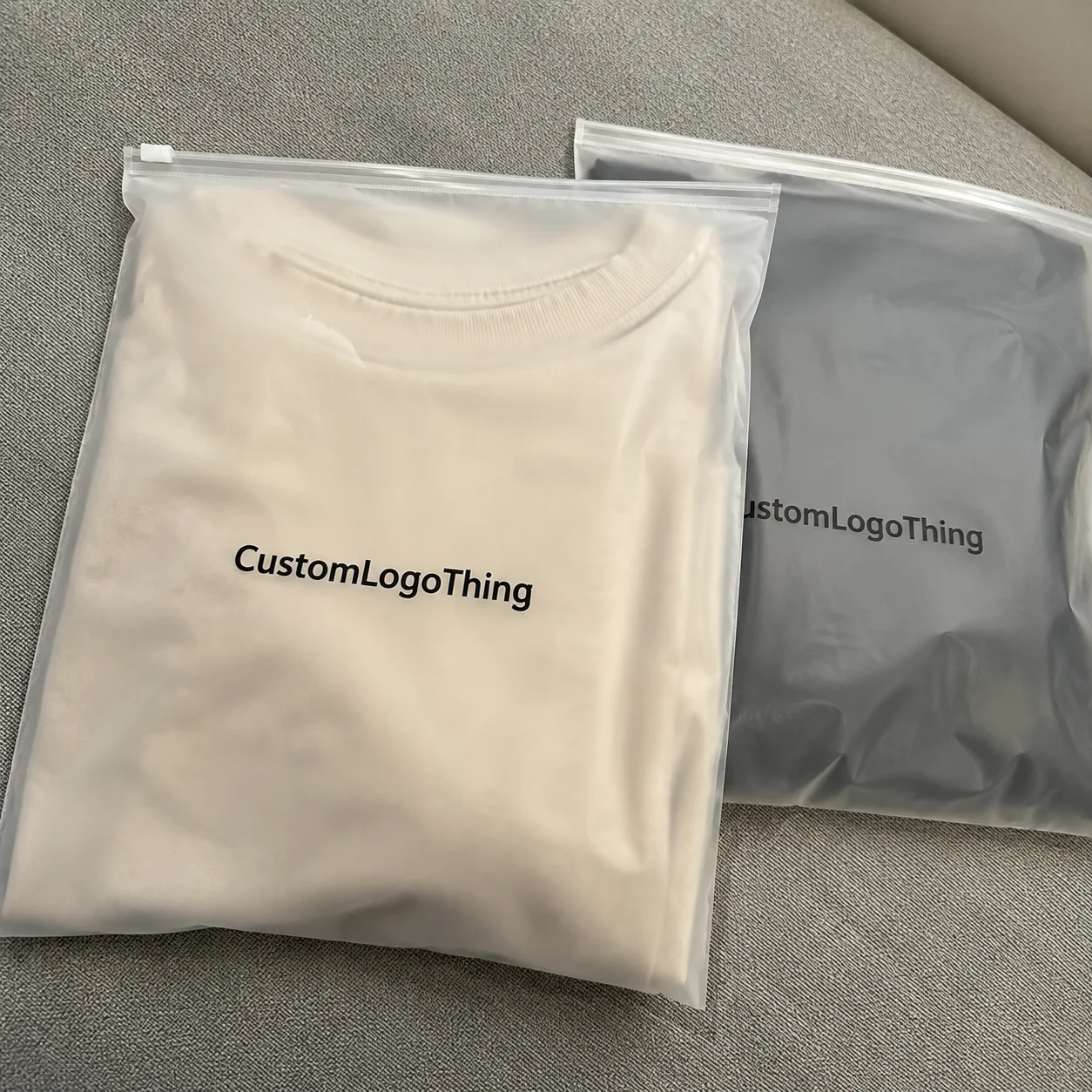
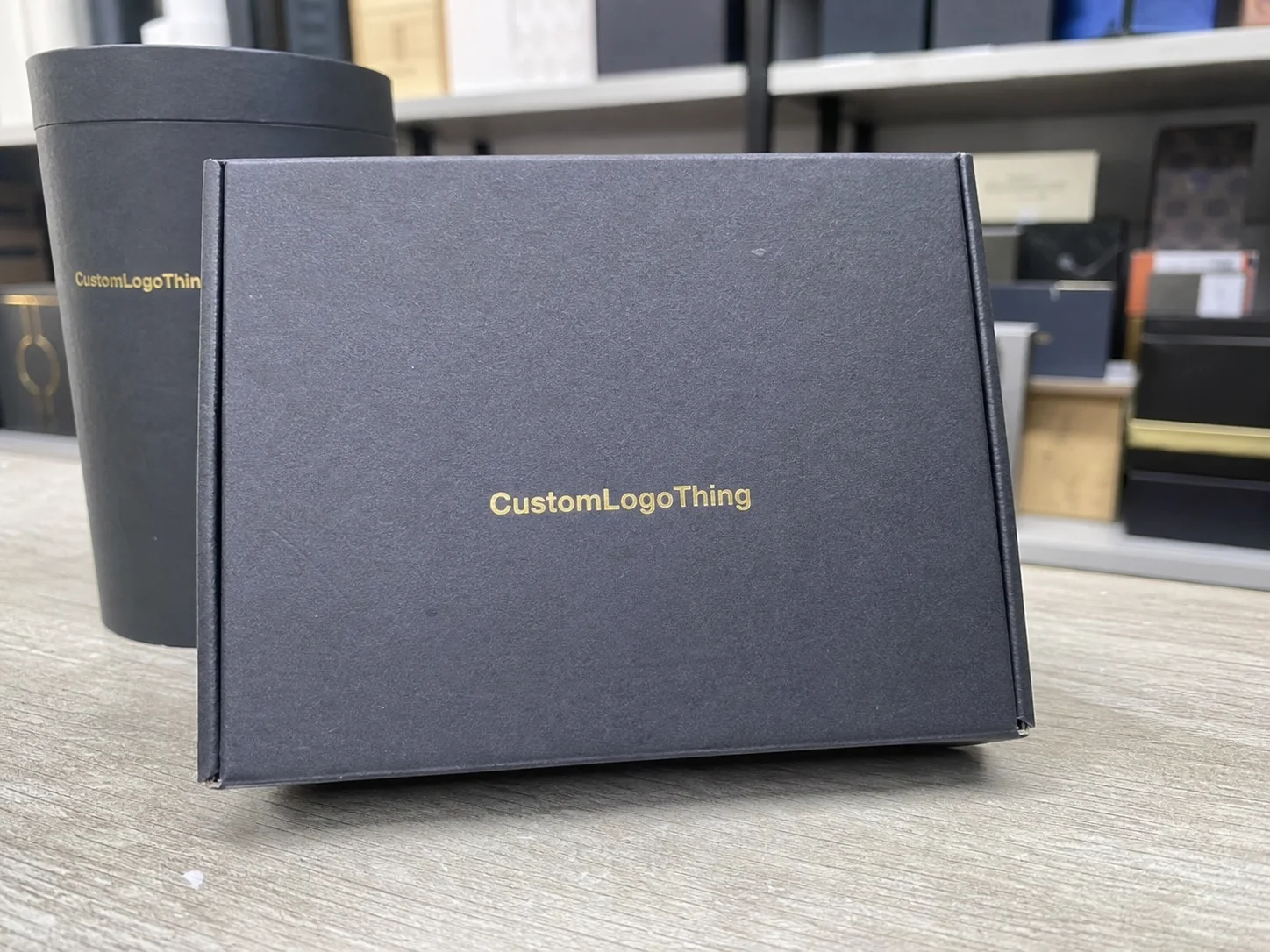
Buyer Fit Snapshot
| Best fit | Product Packaging Affordable projects where brand print, material claims, artwork control, MOQ, and repeat-order consistency need to be specified before quoting. |
|---|---|
| Quote inputs | Share finished size, material target, print colors, finish, packing count, annual reorder estimate, ship-to region, and any compliance wording. |
| Proofing check | Approve dieline scale, logo placement, barcode or warning zones, color tolerance, closure strength, and carton packing before bulk production. |
| Main risk | Vague material claims, crowded artwork, missing packing details, or unclear freight terms can make a low unit price expensive after revisions. |
Fast answer: Product Packaging Affordable: Material, Print, Proofing, and Reorder Risk should be specified like a repeatable production item. The safest quote records material, print method, finish, artwork proof, packing count, and reorder notes in one written spec.
Production checks before approval
Compare the actual filled-product size with the drawing, then confirm tolerance on folds, seals, hang holes, label areas, and retail display edges. Reserve space for logos, QR codes, warning copy, and material claims before decorative graphics fill the panel.
Quote comparison points
Review material grade, print process, finish, sampling route, tooling charges, carton quantity, and freight assumptions side by side. A quote is only useful when the supplier can repeat the same color, closure quality, and packing count on the next order.
Finding product packaging affordable without settling for a box that feels flimsy or looks off on the shelf is far more practical than most brands think, especially once you start comparing a standard folding carton at $0.18 per unit for 5,000 pieces against a rigid setup box that can run well over $1.20 per unit before inserts or specialty finishes. I remember one buyer telling me, with complete seriousness, that they wanted “luxury vibes” on a budget that barely covered standard folding cartons, and I had to bite my tongue so I wouldn’t laugh in the conference room. In my years walking corrugate lines in Dongguan, inspecting folding cartons in Shenzhen, and sitting across from buyers with a stack of revised quotes from Chicago to Newark, I’ve seen packaging budgets get blown up by one thing again and again: over-specifying the structure, the print, or the insert before anyone has really matched the package to the product. If you want product packaging affordable, the win is not stripping quality away; the win is choosing the right board, the right box style, and the right finish for the actual way that product ships, displays, and gets opened.
At Custom Logo Things, I’ve watched brands save real money by making one simple change, like moving from a rigid setup box to a well-designed folding carton, or trimming a gold foil callout that nobody could see once the item was shrink-wrapped and loaded into a display tray. Those decisions matter, and the math is usually plain enough to see on a quote sheet: for example, dropping a foil pass can shave $0.07 to $0.14 per unit on a 3,000-piece order, while switching from a fully custom insert to a scored paperboard cradle can cut another $0.05 to $0.09 per unit depending on the die complexity. Good product packaging affordable is about protecting margin, protecting the product, and keeping fulfillment clean, not about chasing the lowest possible number on a spreadsheet and hoping returns do not spike later. Honestly, I think too many teams fall in love with the sample room version of a package and forget that the warehouse in Louisville or Ontario, California is the one that has to live with it.
Why Affordable Packaging Is Not the Same as Cheap Packaging
Here’s what most people get wrong: they treat packaging cost like it lives only in the box itself. It does not. I’ve seen a cosmetics client in a New Jersey fulfillment center pay more in damage claims and repack labor than they ever would have paid for a slightly stronger mailer box, and the problem was not the product, it was the structure. A package can be product packaging affordable and still perform beautifully if it is sized properly, uses the right board grade, and avoids decoration that adds cost without adding sales value. A 350gsm C1S artboard carton with a clean tuck-end structure can often do the job at $0.16 to $0.28 per unit for 5,000 pieces, while a heavier rigid style may look nicer in a sample photo but add unnecessary freight and assembly labor.
Affordable packaging is really value engineering, and the details matter in ways buyers can measure. That means right-sizing the carton so you are not filling dead air with void fill, selecting a paperboard or corrugated grade that matches the product weight, and keeping print coverage efficient. If a candle weighs 12 ounces and ships in a standard parcel network, there is no reason to spec a heavy rigid box with a deep magnetic closure unless the brand story truly depends on that presentation. Most of the time, a well-made folding carton or E-flute mailer gets you much closer to product packaging affordable while still giving strong shelf presence and good unboxing value, especially when the outer dimensions stay within common carrier thresholds like 9 x 6 x 4 inches or 10 x 8 x 3 inches.
I remember a supplement brand in a client meeting where the original spec called for 24pt chipboard, soft-touch lamination, foil stamp, embossed logo, and a custom molded insert. Nice package, yes. Necessary? Not remotely. We reduced it to 18pt SBS, a single Pantone exterior, and an easy-fold insert, and the unit cost dropped from roughly $0.94 to $0.39 at 10,000 units, enough that their launch budget stretched to a second flavor. That is product packaging affordable done the right way: not weaker, just smarter, with a die-cut that converted cleanly on a standard folder-gluer in Suzhou instead of requiring a slower hand-assembly workflow.
“The cheapest box on paper is not always the cheapest packaging in the warehouse. Once you count labor, damage, and freight, the math changes fast.”
There is also a shipping side to this. Smaller outer dimensions can reduce dimensional weight, and that can Matter More Than the packaging material itself if your orders move through parcel carriers. In a Midwest distribution center I visited in Indianapolis, a brand was paying extra on nearly every shipment because the mailer was oversized by just under an inch in two directions. That sounds minor until you multiply it across 8,000 monthly orders and see an extra $0.62 to $1.15 per parcel in billable weight. Product packaging affordable should lower the total landed cost, not just the quote price from the box supplier.
Simple choices save money too. Switching from foil to a clean one-color print, using standard dielines where possible, or replacing a fully custom insert with a scored paperboard cradle can cut the budget without hurting the product experience. Honestly, I think the packaging industry sometimes overcomplicates this. If the package protects the item, presents the brand clearly, and holds together through shipping and display, that is a good package. If it creates returns, damage, or slow pack-out, it is not affordable no matter how low the initial quote looks, even if the quote was polished by a factory in Shenzhen or printed on a sharp-looking estimate from Shanghai.
Custom Packaging Product Options That Keep Costs Controlled
When brands ask me for product packaging affordable solutions, I usually start with format, because format drives a huge piece of the cost. Folding cartons are often the most economical custom option for lightweight products, especially cosmetics, supplements, soap bars, and small electronics accessories. They ship efficiently, print well, and can look premium with clean graphics and tight registration. For items that need more protection in transit, corrugated mailer boxes are still budget-friendly, especially in E-flute or B-flute constructions that balance strength and cost well. A 200# test E-flute mailer, for example, can often be produced at a noticeably lower price point than a multi-layer rigid mailer while still holding up in parcel delivery from a plant in Foshan to a warehouse in Atlanta.
Paperboard sleeves are another useful option when the inner product already has a primary container, like a jar, bottle, or clamshell. They add branding without forcing you into a full box build, and on a 3,000-piece run they can land around $0.12 to $0.22 per unit depending on board, ink count, and whether there is a window cutout. That is one reason sleeves keep showing up in retail packaging programs for seasonal promotions and limited runs. Tuck-end boxes, reverse tuck, straight tuck, and auto-bottom styles also keep the cost controlled because they convert efficiently on the line and do not require complex assembly, especially when the dieline is standardized and the glue flap stays within common production tolerances.
For subscription kits and ecommerce shipments, a simple corrugated mailer with one-color or two-color printing often gives the best balance of appearance and protection. I’ve seen apparel brands use lightweight rigid styles too, but only when the unboxing experience mattered enough to justify the extra cost, and that usually means a budget closer to $1.10 to $2.00 per unit at lower quantities. If you are chasing product packaging affordable, start with what the product truly needs, not what looks most impressive in a sample room. I’ve watched people fall in love with a magnetic closure box for a $14 item, and, well, the math usually does not send a thank-you note.
Material selection matters just as much as structure. SBS paperboard offers a clean printable surface and works well for custom printed boxes that need sharp graphics, especially in 16pt to 24pt calipers depending on the product weight. Kraft board has a natural look that suits sustainable branding and often works beautifully for craft goods, candles, and organic products, particularly when sourced from mills in North America or northern China with FSC documentation. E-flute corrugated is a strong choice when the package needs better crush resistance without becoming bulky, while B-flute offers a little more structure for heavier contents. Chipboard is commonly used in lightweight folded formats, and specialty wraps can be added to rigid packaging when the budget supports it, usually in the $0.35 to $0.90 range before hand assembly.
Finishing choices are where many budgets quietly drift upward. Aqueous coating is generally easier on cost than soft-touch lamination, and gloss or matte coatings are usually easier to justify than spot UV, heavy embossing, or multiple foil passes. That does not mean those premium finishes are wrong. It means you should use them where they help sell the product. If you are building product packaging affordable, the best finishing choice is often the one that gives clarity, durability, and clean shelf appearance without turning the spec into a luxury build that the product cannot support. In practical terms, a matte aqueous finish on a 350gsm C1S artboard carton can keep a project in the $0.20 to $0.45 per-unit range where soft-touch and foil might push it much higher.
- Folding cartons for cosmetics, supplements, and small retail goods, often produced in 12-15 business days after proof approval
- Corrugated mailer boxes for ecommerce, apparel, and subscription kits, commonly in E-flute or B-flute
- Paperboard sleeves for secondary branding on jars, bottles, and sleeves, with low setup cost for seasonal runs
- Tuck-end boxes for straightforward retail packaging with efficient assembly and fast converting
- Lightweight rigid styles for premium goods when presentation matters most, usually reserved for higher-margin SKUs
The best brands know when to spend and when to hold back. A candle in a glass vessel may deserve a stiffer carton or a corrugated shipper if breakage is a concern, while a lip balm or accessory set may only need a clean tuck box with a display-ready print treatment. That kind of matching keeps product packaging affordable and keeps the experience aligned with the item inside. Presentation and protection should work together, not fight each other, whether the package is packed in a Guangdong facility or cartonized in a Midwest fulfillment center.
Product Packaging Affordable: Specifications That Affect Price, Durability, and Shelf Appeal
If you want product packaging affordable, you have to look at specifications with a packaging engineer’s eye. Size is the first thing I check. A box that is only slightly too large can force more material usage, increase void fill, and raise freight charges. A box that is too tight can crush corners or slow pack-out. I’ve stood beside operators at a folding line in Guangdong while they trimmed and re-trimmed to hit a snug fit, and the difference between a clean die line and a sloppy one was obvious within seconds. Even a 2 mm change in width can alter how the board scores and how the product sits in the shipper.
Board caliper affects price and performance in a direct way. Thicker board may improve stiffness, but it also increases material cost and can create scoring issues if the design is not adjusted properly. Print coverage matters too. Full-bleed, rich ink coverage across large areas costs more than a restrained layout with smart use of white space. More colors mean more press complexity, especially if you are using Pantone inks instead of CMYK. If your package design allows it, simplifying to CMYK or even a single-color kraft aesthetic can keep product packaging affordable without making the box look plain, and it can trim production time by a full press pass on certain jobs.
Inserts deserve special attention. A custom molded tray, EVA foam, or die-cut insert can be excellent for premium electronics, glass bottles, and fragile items, but those choices carry cost, tooling, and lead time. A folded paperboard insert or corrugated partition often does the job just as well at a lower price. Honestly, I think many brands overbuy inserts because they like the idea of precision, not because the product actually needs that level of engineering. There is a strange kind of romance to a perfectly snug insert, but romance does not always belong on the production budget, especially when a paperboard divider can keep the project under $0.30 per unit instead of moving it toward $0.75 or higher.
Window cutouts, special coatings, and internal printing also affect the budget. A die-cut window adds appeal for retail packaging, but it can require extra finishing steps and sometimes a film overlay. Inside print creates a strong branded moment, yet it uses more ink and press time. Bleeds, trim tolerances, and file readiness also matter more than most people expect. If artwork arrives with missing fonts, incorrect resolution, or inconsistent color builds, the project slows down and the cost can rise through extra revisions. That is one reason prepared design files are part of product packaging affordable success, and why a clean PDF proof approved on the first round can keep a 12- to 15-business-day schedule intact.
Structural performance is not guesswork. In packaging plants, we check crush resistance, score quality, tuck tension, and insert fit because those details determine whether the box stands up on the line and survives the route to the customer. For products that ship through parcel networks, testing against methods aligned with ISTA shipping standards can prevent expensive surprises later. For paper sourcing, brands should also look for FSC-certified materials when sustainability claims matter to the customer and the retailer, especially when a chain buyer in Toronto or Los Angeles asks for documentation before approval.
Standardizing SKUs where possible is another smart move. If three product lines can share the same carton width and only vary in insert or print, you can simplify tooling and reduce inventory complexity. I’ve seen brands save both time and storage cost by building a family of packages around one or two core dielines instead of creating a different shape for every SKU. That is exactly how product packaging affordable becomes repeatable, not accidental, and why a single master carton size can improve pallet loading in warehouses from Dallas to Newark.
Here is the practical breakdown I use with buyers:
- Start with the product weight and fragility before talking finishes.
- Choose the smallest structure that still protects and displays well.
- Limit print complexity to what actually supports package branding.
- Match the insert to the item, not to an idealized presentation concept.
- Review shipping dimensions so parcel cost does not erase savings.
Pricing, MOQ, and What Actually Drives Your Unit Cost
Pricing for product packaging affordable depends on a handful of variables, and if you understand them early, you can make better decisions quickly. Material grade is one of the biggest drivers. A heavier board or specialty wrap costs more than a standard substrate, and the difference becomes more visible at lower quantities. Box style matters too, because a simple tuck box is faster to produce than a multi-panel rigid format with hand assembly or complex inserts. For example, a straight tuck end on 5,000 pieces can often stay near $0.17 to $0.30 per unit, while a hand-assembled rigid carton can climb several times higher depending on labor in the factory.
Quantity is where the economics shift. Minimum order quantity, or MOQ, spreads setup costs across more units, which usually brings down the per-unit number. That is why a run of 5,000 pieces often looks much better than 1,000 pieces on a cost-per-box basis. It is not because the supplier is hiding anything. It is basic setup math: plates, cutting dies, press make-ready, and conversion time all need to be amortized. If you are trying to make product packaging affordable, the most efficient quantities are often the ones that align with your sales forecast and warehouse space, not the smallest run possible. A 10,000-piece order can sometimes lower the unit cost by 20% to 35% compared with 3,000 pieces if the artwork and structure stay the same.
There are also fixed charges that should be on every buyer’s radar. Prototypes, structural samples, printed samples, plate charges, die charges, and freight can add up, especially if the project changes direction midway. I always tell clients to budget for those items up front so the quoting phase does not become a surprise. A well-planned quote for product packaging affordable should include the box itself, any tooling, test samples, and shipping assumptions in plain language, such as $65 for a sample set, $180 for a steel rule die on a standard carton, or 7 to 10 business days for a first physical prototype from proof approval.
To keep costs controlled, the smartest move is often balanced ordering. If you know your monthly sell-through, a quantity that covers a realistic production window can reduce replenishment pressure without creating storage headaches. Shared materials across product lines, standard dielines, and simpler coatings also help. For example, using the same SBS board across two SKUs and only changing the artwork keeps the program more efficient than re-engineering each package from scratch, and it can save both press setup time and pallet space in a warehouse in Nashville or Phoenix.
There are times when paying a little more makes sense. If a slightly stronger carton reduces damage claims, or if a cleaner folding design speeds line packing by several seconds per unit, the extra cents may save dollars in labor and returns. That is not theory. I watched a beauty brand in a Southern California fulfillment center cut pack-out time after changing a finicky insert to a one-piece fold. The box cost went up a touch, but labor fell enough that the full program became more product packaging affordable overall, especially once the team measured the difference across 25,000 monthly units.
Here is a practical budgeting checklist:
- Material grade: SBS, kraft, chipboard, corrugated
- Box style: tuck-end, mailer, sleeve, rigid, tray
- Quantity: 1,000, 3,000, 5,000, or higher depending on sell-through
- Finish level: coating, lamination, foil, embossing, spot UV
- Tooling: die line, plates, inserts, any specialty setup
- Freight: carton count, palletization, destination, and transit mode
One more honest point: not every program should chase the lowest per-unit price. If your packaging sits next to a premium competitor on a retail shelf, it may need stronger visual weight. If the package is purely ecommerce and the real value is in damage reduction and fast pick-and-pack, the lowest-cost structure that still performs may be the right answer. Good product packaging affordable planning is always tied to how the product actually sells and ships, whether the job is converted in Dongguan, printed in Guangzhou, or assembled in a U.S. facility near Cleveland.
From Dieline to Delivery: Process and Timeline
The cleanest packaging projects move through a simple sequence, and that sequence matters if you want product packaging affordable without delays. It starts with discovery: product dimensions, product weight, shipping method, display needs, and target quantity. Once those details are clear, a dieline is built or selected, and artwork can be fitted properly. If the brief is incomplete, revisions multiply. I have seen a two-day structural review turn into a two-week back-and-forth because nobody had confirmed whether the bottle height included the cap. That little missing detail cost more time than anyone wanted to admit, and it would have been avoided with a single measurement in millimeters.
After the dieline comes sampling. Structural samples show fit and fold behavior. Printed proofs show how the art will reproduce on the actual substrate. Pre-production approvals lock in the final spec before the production run. Each stage matters because it reduces risk. For brands buying product packaging affordable, samples are not a luxury; they are the insurance policy that prevents costly mistakes after a full order is in motion. A structural sample might take 3 to 5 business days, while a printed proof often lands within 5 to 7 business days depending on ink match and finishing complexity.
Lead time depends on complexity. A simple folding carton with standard coating can move much faster than a rigid box with specialty finish and custom insert. Straightforward runs can often be completed in 12-15 business days from proof approval, while more elaborate builds need extra time for sampling, curing, and final inspection, sometimes stretching to 20-30 business days if foil, embossing, or hand assembly is involved. I always caution buyers not to compress the timeline so tightly that the quality team has no room to check glue lines, color, or board score accuracy. Racing the schedule is how a lot of “affordable” packaging suddenly gets very expensive.
Quality control checkpoints should include color checks against the approved proof, glue-line inspection, score testing, and pack-out verification. That last step is one many brands skip. They approve a gorgeous flat sample, then discover at fulfillment that the box is awkward to fill or too tight around the product. A quick pack-out test can save a lot of money and stress, especially if the goal is truly product packaging affordable at scale. I’ve seen a one-minute pack-out check prevent a 4,000-unit rework in a warehouse outside Philadelphia.
Typical workflow:
- Discovery call and spec collection
- Dieline development or review
- Artwork placement and proofing
- Structural sample or printed sample approval
- Production run and inspection
- Cartonization, palletizing, and freight coordination
When the brief is clear, the process is smoother and the quote is more accurate. That is especially true for brands launching custom printed boxes for the first time. A few precise details, like a 250g jar, a retail peg hole, or a shipper master carton count, can save days of correction. If you want product packaging affordable and on time, bring the product facts early and keep the design goals realistic, because a clean specification sheet can save both labor and freight from the very beginning.
Why Custom Logo Things Is Built for Affordable Custom Packaging
Custom Logo Things is built around practical packaging, not inflated specs. That means the conversation starts with the product, the shipping method, and the budget, then moves into the structure that makes the most sense. In my experience, that approach produces better outcomes because it respects the realities of manufacturing. A package has to print cleanly, convert cleanly, ship cleanly, and support package branding without inflating cost for features the customer may never notice. That is the difference between a spec that looks nice in an email and one that actually performs in a factory in Ningbo or a fulfillment center in New Jersey.
We work with custom dielines, offset printing, corrugated converting, paperboard folding, and finish application, which gives us room to recommend the structure that fits the brief rather than forcing the brief into a single box template. That matters. If a client needs a simple retail carton, we do not push them toward rigid packaging just because it sounds more premium. If the item needs more compression resistance, we do not underspec it just to win a lower quote. That is how product packaging affordable should be handled, with structure, board, and finishing all pulled toward the actual product rather than toward an abstract ideal.
Working directly with a manufacturer also tightens pricing because there is less middleman markup and fewer translation errors between sales, design, and production. I have sat in negotiations where one missing board specification added days to the schedule and an avoidable cost to the quote. When the team handling the package understands paperboard, flute profiles, scoring, and print finishing, the project moves with fewer surprises, and a buyer can often get a clearer number by asking for a quote on 3,000, 5,000, and 10,000 pieces side by side.
Custom Logo Things also focuses on direct support from packaging people who have seen the line speeds, the glue failures, the freight damage, and the print issues that can show up after a job is approved. That practical background helps us recommend a board grade, a coating method, or a box style that keeps the package budget under control while still looking polished on shelf and in unboxing. The goal is not hype. The goal is product packaging affordable That Holds Up in the real supply chain, from a carton plant in Suzhou to a warehouse in Ohio to the customer’s front door.
“A good packaging partner should tell you when a premium spec is worth it and when it is just expensive decoration.”
There is also trust in process transparency. A buyer should know what the dieline includes, what the sample covers, which elements are standard, and which items cost extra. That kind of communication is what helps brands scale without reworking the packaging every order. Once a packaging system is dialed in, repeat orders become easier, inventory planning improves, and product packaging stays predictable. That predictability is part of what makes product packaging affordable over time, especially when the same 18pt SBS carton or E-flute mailer can be reordered month after month with minimal adjustment.
If you want to review formats and compare options, our Custom Packaging Products page is a useful place to start. It gives you a clearer picture of the kinds of boxes and materials that can be matched to your product, your budget, and your shipping method. Sometimes the right answer is simpler than the buyer expected, and sometimes it is as straightforward as choosing a $0.21 folding carton instead of a $1.05 rigid presentation box.
Next Steps to Get Affordable Packaging That Fits Your Product
If your goal is product packaging affordable, the fastest path is to prepare the right information before requesting a quote. Gather product dimensions, product weight, quantity, target budget, and any shipping or retail display requirements. If the product is fragile, note the breakage risk. If it is going to a shelf, note the retail constraints. A clear brief saves rounds of revisions and gives the quote team a better chance of recommending the right structure the first time, whether the job is a 1,000-piece pilot or a 20,000-piece replenishment run.
After that, choose the lowest-cost structure that still protects the item. Compare one or two finish options rather than designing six at once. A matte aqueous coating may be enough where spot UV would only add expense. A kraft look may fit the brand better than a full flood of ink. Good product packaging affordable work often comes from restraint, not from adding more features to a package that already does the job, and a simple choice can keep the per-unit cost under $0.30 instead of pushing the project toward premium territory.
It also helps to prepare artwork files or existing brand assets early. Final logos, color references, copy, and barcode details can speed the quote and sample process. If you are unsure whether you need folding cartons, corrugated mailers, or a rigid build, ask for a material or structural recommendation. A packaging team with actual production experience can usually tell you within a few questions whether the project should be paperboard, corrugated, or something more premium, and they can often tell you whether a standard dieline will save both time and money in production.
For brands balancing cost and presentation, I usually suggest this decision path: request a quote, review sample options, approve the dieline, and lock production. That sequence keeps the timeline on track and avoids a lot of the costly rework I’ve seen when people try to finalize art before the structure is settled. If the order is meant to be product packaging affordable, speed and clarity are part of the budget too, and the difference between a 7-day sample cycle and a 3-week revision loop can change the entire launch schedule.
A simple checklist helps:
- Product dimensions and weight
- Quantity target and reorder forecast
- Retail or ecommerce use case
- Preferred materials or finish level
- Artwork status and barcode requirements
- Desired ship date and delivery location
In the end, the best packaging decisions are the ones that make financial sense and still make the product look intentional. I have seen brands spend too much on packaging that looked impressive in a sample room and underperforming in real-world fulfillment, and I have seen brands save money with a tighter spec that looked cleaner and worked harder. That is the real promise of product packaging affordable: a package that protects the product, supports the brand, and fits the budget without making the customer feel shortchanged.
Product Packaging Affordable: decision table
| Decision area | Best fit | What to verify | Risk if skipped |
|---|---|---|---|
| Product fit | Protection, display, and unboxing consistency | Measurement, tolerance, material, and sample approval | A nice design fails because the product fit was guessed |
| Brand presentation | Logo visibility, finish, and customer perception | Print method, color target, texture, and proof review | Packaging protects the item but does not sell the brand |
| Operations | Packing speed, storage, shipping, and reorder control | Carton count, warehouse label, and repeat spec | The package is attractive but hard to pack or reorder |
FAQs
How can I make product packaging affordable without lowering quality?
Choose the Right structure for the product instead of defaulting to premium materials, then simplify finishes and print coverage where possible. Right-sizing the box can also reduce shipping cost and damage, which is often where the real savings show up. A 350gsm C1S artboard carton with aqueous coating, for example, can be a strong middle ground at roughly $0.18 to $0.35 per unit on a 5,000-piece order, which is a practical path to product packaging affordable.
What is the cheapest custom packaging option for small products?
Folding cartons and paperboard sleeves are often the lowest-cost custom options for lightweight products. If shipping protection is needed, Lightweight Corrugated Mailers can still stay budget-friendly at scale, especially when the design is kept efficient and the dimensions are tight. In many cases, a reverse tuck box printed in one or two colors can come in under $0.20 to $0.30 per unit at 5,000 pieces depending on the factory and freight destination.
How does MOQ affect affordable product packaging?
Higher quantities usually lower unit cost because setup, tooling, and press time are spread across more pieces. Very low quantities can still work, but the per-unit price is typically higher, especially if the order needs custom dies, plates, or specialty finishing. A 1,000-piece run may cost nearly twice as much per unit as a 5,000-piece run for the same box style, which is why MOQ matters so much in product packaging affordable planning.
Which packaging specs increase cost the most?
Specialty finishes, heavy board, complex inserts, multi-color printing, and custom structural features add the most expense. Unusual sizes and tight tolerances can also raise tooling and production costs, especially if the package needs repeated revisions before approval. Soft-touch lamination, foil stamping, embossing, and EVA foam inserts can move a carton from roughly $0.25 to well above $1.00 per unit depending on quantity and production region.
How long does affordable custom packaging usually take?
Simple packaging can move quickly once artwork and dimensions are approved, while more complex boxes need extra time for sampling and finishing. The fastest path is to provide complete specs, final artwork, and a clear quantity target upfront so the quote and production schedule stay realistic. In many cases, production typically takes 12-15 business days from proof approval for standard folding cartons, while more elaborate rigid packaging can take 20-30 business days.