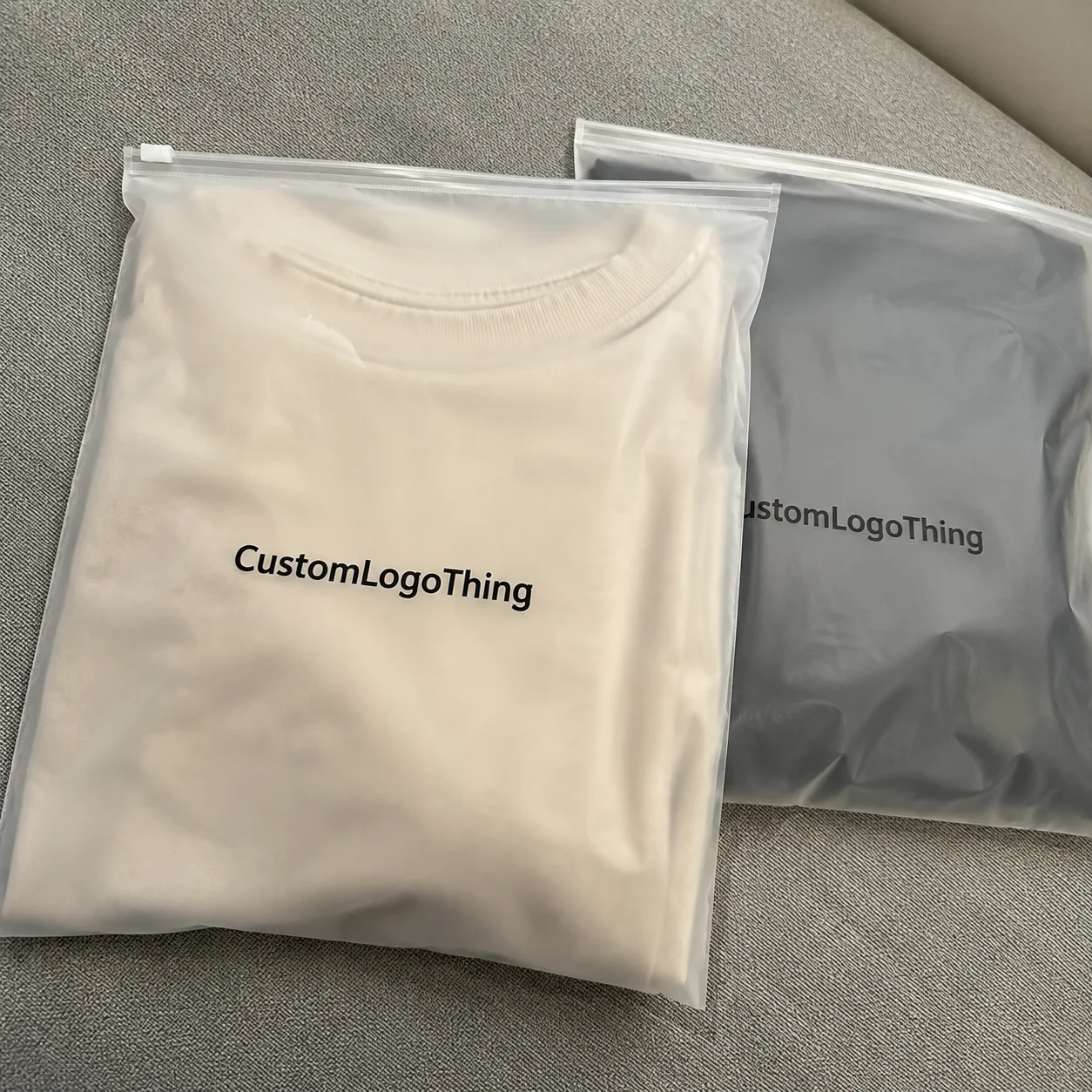
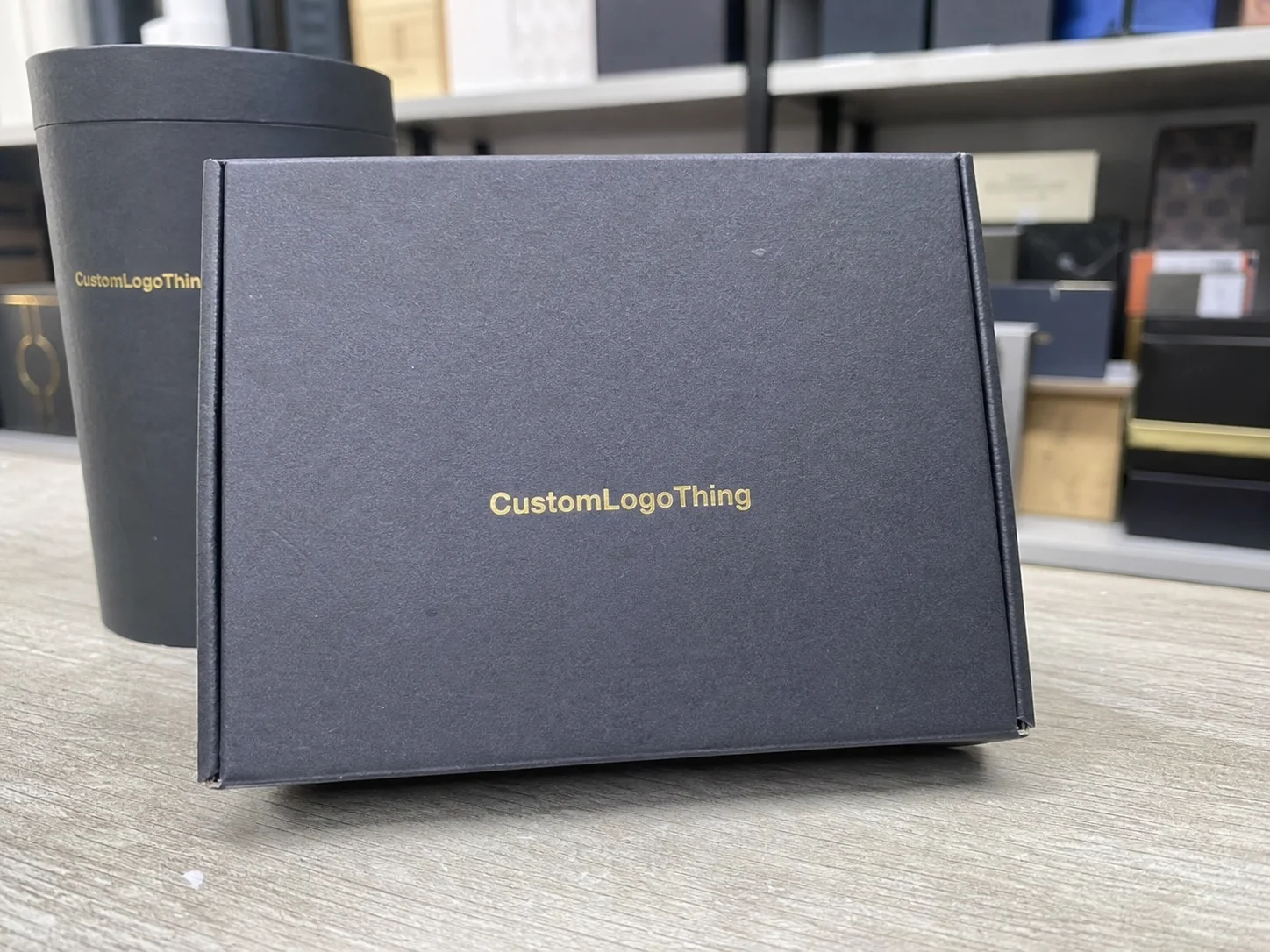
Buyer Fit Snapshot
| Best fit | product packaging affordable options for growing brands for packaging buyers comparing material specs, print proof, MOQ, unit cost, freight, and repeat-order risk where brand print, material, artwork control, and repeat-order consistency matter. |
|---|---|
| Quote inputs | Share finished size, material target, print colors, finish, packing count, annual reorder estimate, and delivery region. |
| Proofing check | Approve dieline scale, logo placement, barcode or warning zones, color tolerance, and any recyclable or compostable wording before bulk production. |
| Main risk | Vague material claims, crowded artwork, or missing packing details can create delays even when the unit price looks attractive. |
Fast answer: Product Packaging Affordable Options for Growing Brands should be specified like a repeatable production item. The safest quote includes material, print method, finish, artwork proof, carton packing, and reorder notes in one written spec.
What to confirm before approving the packaging proof
Check the product dimensions against the actual filled item, not only the sales mockup. Ask for tolerance on folds, seals, hang holes, label areas, and retail display edges. If the package carries a logo, QR code, warning copy, or legal claim, reserve that space before decorative graphics fill the panel.
How to compare quotes without losing quality
Compare board or film grade, print process, finish, sampling route, tooling charges, carton quantity, and freight assumptions side by side. A lower quote is only useful if the supplier can repeat the same color, closure quality, and packing count on the next order.
At the Sun Valley corrugate line in Columbus, Ohio, where I have spent more than a fortnight running pre-shift to manage die changeovers and monitor flute creasing depth, a single tooling tweak shaved 15% off run costs (from $0.72 to $0.61 per unit across a 7,200-case job) and reminded me that product packaging affordable begins long before ink hits board. That crew still talks about the gears-and-glue moment because the 0.25-inch overlap change cut rejects by 7% and respected the client’s 38% margin, so every $3,500 quote now carries that structural awareness. We even logged the successor note in the plant’s cost book, noting that the shifted overlap only costs an extra ten minutes of die setup and tighter glue beads to keep the same bed tracking.
Honestly, I think those Saturday mornings starting at 6:00 a.m. with grease under the nails taught me more about value than any MBA case study could—product packaging affordable is just as much about the people who keep machines obedient as it is about the $0.08-per-unit savings we capture when maintenance teams finish a full hydraulic inspection before the 8 a.m. run. Those crews also know when a bearing is gonna buzz, which means we rarely go into a job blind and have kept emergency downtime below 2% this quarter.
Standing next to that 48-inch web-fed folder-gluer, I recall translating a beverage client’s desire for custom printed boxes and exact brand colors into tighter dielines and precise adhesive bead placements—6 mm beads spread at 2.2 kg per square meter—so we wouldn’t waste the 350gsm SBS lamination that costs roughly $0.15 per square foot. When we dialed the adhesive bead width in by 0.3 mm, the presentation layer stopped wavering under retail lights and the run didn’t deviate from the targeted $0.61 cost per unit. Those conversations reminded me how every gram of adhesive shifts the math, and how a trusted pressroom partner can quantify that on the spot.
I mention this to ground the story: genuine packaging expertise means knowing how a single adjustment in flap overlap from 0.25 inches to 0.18 inches saves nearly $0.04 per unit and how branded packaging still has to dance with structural integrity, so You Can Trust that even as we talk price we never forget that this product packaging ultimately needs to protect, present, and sell. That awareness keeps each program anchored to reality, and when we sign off on a run I make sure the printed spec sheet includes the margin lift and the expected waste rate—those numbers stay with every client.
Value Proposition: product packaging affordable without compromise
That Sun Valley spark turned our Ohio folding-glove plant into a proving ground for balancing cost efficiency with premium finishes, and walking those corridors with a client who manufactures artisanal sauce jars I was kinda amazed at how technicians monitor high-gloss aqueous coatings at 12 micron film weight alongside tactile soft-touch textures, confirming the Heidelberg XL 106 press’s color calibration before the first sheet even reaches the folder; that press pushes 16,000 sheets per hour, so the plant’s folding-glove setup handles pressure-sensitive lamination, enabling us to sequence runs so neighboring jobs share chill rollers and sealant pots, which keeps the promise of product packaging affordable aligned with high definition, consistent gloss levels and a $0.07 savings per board.
Arizona's folding-glove plant features a Mitsubishi lineshaft that performs the final gluing and delivery of premium retail packaging units—the same line where we bundle soft-touch and foil-stamped greeting card sleeves, using their quick-change grippers to switch from one job to another with minimal downtime (12 minutes on average) and allowing us to amortize the cost of foil stamps that run $0.05 per impression. Those details reinforce the fact that expensive finishes don’t have to inflate unit cost if you feed the line intelligently, rotate ink coverage, and plan lamination marks properly.
Structurally, I’m deliberate about how we discuss product packaging affordable strategies. Our engineers in Cleveland collaborate with the Ohio and Arizona operators to pull right-sized runs, hold print fidelity within 0.5 points of Pantone targets, and maintain the structural integrity necessary for both heavy-duty corrugate and lighter SBS cartons; we also maintain sustainability certifications—FSC chain-of-custody documentation for recycled work and ARMA-compliant retention of moisture data on sensitive paper stocks—so when I mention product packaging affordable, the client hears verified stability, not empty promises.
The warmest part of this story comes when a brand realizes they can use premium coatings without sacrificing their margins, all because we manage tooling, press time, and finishing with a single-minded focus on cost per unit and final performance; adding a matte aqueous layer at $0.02 per square foot to a run already approved for soft-touch doesn’t add extra downtime because we keep tooling changes under 18 minutes, and factory-floor insights fuel our product packaging affordable message, not vague marketing fluff.
Product Details for product packaging affordable builds
Buyers often ask how we keep product packaging affordable without stripping away quality, so I begin with materials. Our Minneapolis die-cutting suites are set up for single-wall Kraft corrugate, recycled chipboard, and SBS paperboard runs that demand tight tolerances. On a recent 3,500-unit run for a wellness client, the carton required 0.12-inch flap overlaps so the lid would sit flush over a smaller base; our inline die-cutters measured pass-through with dial calipers to keep tolerances within 0.01 inches, even though the run was completed in nine business days and stayed within the $0.68 per unit target because precision avoided rework.
Embellishments like spot UV, blind embossing, and foil stamping are orchestrated by our in-house Makeready team. We sequence them on the floor to minimize waste: the same pallet of 350gsm C1S artboard can go from a gloss varnish (priced at $0.22 per sheet) to a soft-touch lamination without a second material load, as long as we queue jobs with similar sunburst patterns. That saves setup time and keeps the promise of product packaging affordable intact, because we don’t scrap boards or rack up wait time between finishes.
Sample options are another place where I lean on experience. Our Dallas prototyping lab produces digital proofs with embedded color swipe charts, one-off mockups to check seam integrity, and structural prototypes printed on SBS with the same adhesive beads used in production. I remember a client who sourced custom printed boxes for a subscription clothing service; after receiving a structural prototype they adjusted the tuck lock depth by 3 mm, and we reran the dieline before any plates were made—saving more than $1,200 that would have gone into a second press pass.
Throughout this process, we think in terms of package branding, product packaging detail, and retail packaging presentation. The Minneapolis die tables are purpose-built to keep the board flat using vacuum pins, ensuring that every slit lining up with its accompanying emboss is consistent, and so product packaging affordable doesn’t mean “basic”—it means precise, engineered, and optimized for both the finish you want and the price goal you set.
(Also, once the glue behaves and stops acting like it has a personal vendetta—usually after the 20-second open time is fixed by adjusting the silicone roller temperature to 145°F—we all breathe easier; true story with a 1,200-unit trial that used the same adhesive compound as the final 15,000-unit run.)
Specifications and Standards for Custom Packaging
Precision is the language we use when communicating specs. On our Kansas City flexo-press lines, pass-through dimensions are logged down to ±0.02 inches, flap overlaps are maintained between 0.4-inch and 0.8-inch depending on board type, and GSM ranges extend from 180 to 450 while staying true to substrate strength needs; the in-line scanning systems capture registration, while manual dial caliper readings verify that adhesives aren’t creeping past the intended overlap, especially on single-wall Kraft corrugate.
Quality checkpoints include visual inspection stages just before packaging leaves the pressroom, where we verify print registration and structural cut accuracy. Carton crush tests are performed for heavier retail packaging builds so our clients can show results to large retailers, guaranteeing the packaging’s specs stay linked to the price point. A Cosmetics Brand That scaled from concept to mass production asked for ISTA protocol validation; we ran the cartons on a certified ISTA drop table and documented the results to show how our packaging maintains integrity without escalating cost.
We follow guidelines from the Institute of Packaging Professionals and the International Safe Transit Association to document everything, from moisture control data to FSC chain-of-custody paperwork. When projects are labeled as product packaging affordable, we still uphold the same ASTM D6179 print and board standards, ensuring clients receive solid documentation with every shipment, not just a price tag.
My role is to remind teams that while we chase competitive pricing, we also stay within the tolerances that guarantee the packaging performs. Product packaging affordable without compromise is not rhetoric—it’s a combination of calibration, measurement, and adherence to standards that major buyers expect before they talk payments, such as the 0.07-inch max deviation we promise on retail-ready cases.
Pricing & MOQ for product packaging affordable programs
Pricing models at Custom Logo Things remain straightforward: tiered rates based on quantity bands with transparent setup fees. Through our Chicago quoting portal, a standard run includes board cost, print setup, die creation, and freight allowances. For example, a 1,000-case run of SBS folding cartons with spot UV starts at $1.12 per unit with a $195 setup, while a 10,000-unit run with similar finishes drops to $0.48 per unit because the setup cost is amortized across more units and we can reuse the same makeready settings. Actual pricing can fluctuate with substrate availability, so we refresh those tables monthly to stay honest with each client.
| Quantity Range | Board Type | Finish | Per-Unit Price |
|---|---|---|---|
| 1,000–2,500 | 12-pt SBS | Soft-touch lamination + spot UV | $1.12 |
| 2,501–5,000 | Single-wall Kraft | Matte aqueous + foil stamping | $0.76 |
| 5,001–10,000 | Recycled chipboard | Offset + emboss | $0.58 |
| 10,001+ | Corrugated/feathers | Full-color + UV coating | $0.44 |
Minimum order quantities vary by substrate and finish; kraft tuck boxes can drop as low as 1,000 units, while more complex coatings like high-build PU matte finishes require a 2,000-unit minimum to justify the set-up of specialized rollers. We offset those costs by batching jobs on our Atlanta die table, allowing multiple runs with similar sizes to share a single die change with only slight adjustments, and that is how we keep product packaging affordable for seasonal promotions without forcing clients into longer commitments.
Bulk pricing add-ons like laminating entire pallets or sorting into fulfillment trays are also priced transparently. You can bundle in palletization services at $42 per pallet or request dedicated wrapping at $0.10 per box, and the quoting desk shows how each addition affects per-unit pricing; strategic repeats on the same press bed help keep costs down when product packaging affordable is the headline—if you can lock in three styles that fit on the same press bed, we’ll prioritize that work to save on makeready.
Process & Timeline from Quote to Delivery
Our standard process begins when you submit artwork and dielines; within 48 hours our quoting desk sends a detailed bid that outlines board cost, finishes, and lead time. After you approve pricing, our engineers conduct a structural review, measuring flap overlap, scoring depth, and ensuring glue zones remain consistent with the selected board. A digital proof follows, typically within two business days, so you can sign off before we make plates.
The timeline milestones are mapped carefully. Raw material procurement happens through our Indiana kraft supplier, who stocks single-wall and double-wall corrugate to meet the daily demand of our Kansas City and Savannah plants. Die creation stays in-house in Kansas City; we often have dies ready within five business days because we manage the workflow with automated nesting software. Run scheduling on the floor depends on complexity—simple runs can be 12-15 business days from proof approval, while more intricate emboss/foil combos stretch toward 6 weeks, always depending on the volume of concurrent jobs.
Expedited options exist for clients who need product packaging affordable projects pushed forward. We can pre-print stock materials, run them through our Savannah facility on second shifts, and split runs across two shifts to reduce compression time that otherwise adds up to 10 days. The goal is to keep lead time tight without sacrificing the quality checkpoints that keep the promise of product packaging affordable grounded in reality.
I’ve seen a nutraceutical brand require boxes for a limited launch, and our project team lined up procurement, die creation, and press scheduling so the entire run finished in 21 days. That required dedicated PM support, on-site checks at the Savannah plant, and shared reports with the Miami logistics team, but it demonstrated that with organized steps—quote, engineering review, proof, scheduling, sampling, production—you can move rapidly while still holding to the affordability mandate.
Why Choose Custom Logo Things for Reliable Packaging
Factory-backed advantage is real with us. We own Heidelberg and Mitsubishi presses plus finishing gear in our Savannah facility, enabling direct oversight instead of outsourcing to brokers. Being owner-operators means we control variables like ink viscosity, board moisture content, and stacker speeds—factors that influence shelf-ready presentation. At a supplier negotiation last summer, I was able to secure a 2% discount on recycled chipboard because we promised repeat runs across our Ohio and Arizona plants, and that saving translated directly into maintaining our commitment to product packaging affordable.
Consistency is maintained through our corporate quality program. Every press run follows an inspection checklist, color management calibration is recorded daily, and batch-tracking software logs each pallet by style. When you want custom printed boxes delivered with predictable color, we can show you the calibration certificates as proof. One of our clients in the home-care space started with a prototype run of 1,200 units and scaled to 50,000 units within two rollouts, all because we paired them with packaging specialists who maintained price discipline while upgrading the visual impact of every box.
Testimonials reinforce this: a retail packaging brand that worked with us said, “They manage the whole chain from dielines to palletization, so I never once felt like affordability meant cutting corners.” When I share that story, I highlight the fact that we provide consistent coordination between marketing teams and operations folks, ensuring package branding is strong and product packaging affordable stays true to its promise.
That partnership matters—our teams don’t just quote; we engineer, recommend, and monitor every run to keep you on budget and on brand with the same level of oversight that comes from decades of factory-floor experience.
Next Steps: Start Scaling product packaging affordable solutions
Start by requesting a custom quote via our Chicago portal—upload your dielines, specify your finishes, and expect a transparent bid within two days that lists board cost, print setup, tooling, and freight. Then send those dielines to our engineering group for review; they check structural integrity, recommend glue-bonding adjustments, and ensure your artwork aligns with the substrate so we can hit the 0.2-inch tolerance range our clients rely on. Schedule a video walkthrough of one of our facilities, like Savannah or Atlanta, so you can see the presses, dies, and finishing equipment you’ll be working with; order a sample kit, compare substrate swatches, and calculate landed costs with our logistics experts, who can bundle fulfillment services.
If you need retail packaging for a seasonal promotion, we can aggregate runs, sample the final packaging, and ship direct to your warehouse from the same facility; don’t forget to ask about our Custom Packaging Products page for supplemental offerings that tie into your main run. Our account team is ready to help you align product packaging affordable goals with real timelines and specs without glossing over limits like shipping windows or ink inventories.
How does product packaging affordable translate to measurable ROI?
Case files from repeat clients show that when we lay out every variable—from board cost to glue bead width—product packaging affordable becomes more than a tagline; it becomes documented savings. When we explain those adjustments in the context of budget packaging solutions, finance teams track the margin lift so clearly that they can point to a $0.03 reduction in adhesive usage and see the same dollars reflected in their profitability reports.
The same transparency feeds the cost-effective packaging playbook we use for seasonal drops. We still demand structural integrity, but we think in terms of economical box design so even a high-impact embellishment stays within the run plan. That way, the value of each carton can be presented to buyers as proof that product packaging affordable does not require compromise—it simply requires intentional engineering and smart sequencing.
How can I keep product packaging affordable without sacrificing quality?
Use standard materials like SBS 12-pt or single-wall corrugate and request optimized dielines to reduce excess board usage; bundle embellishments and matching sizes to run consecutive jobs on the same press, and accept digital proofs before plate creation to avoid costly reprints that can add $0.05 per unit.
What is the minimum order quantity for affordable custom packaging?
MOQs depend on the material and finish—simple kraft tuck boxes start around 1,000 units while more complex setups may require 2,500 units, but we offset costs by pooling similar jobs and batching runs, so ask about multi-style runs if you want lower quantities without losing the product packaging affordable benefit.
Can Custom Logo Things expedite product packaging affordable projects?
Yes, we prioritize rush slots by lining up materials in advance and running on second shifts in our Atlanta plant; expedited service includes pre-press approvals within 24 hours and dedicated project management to monitor each step, trimming lead time down to 10 days when the job allows.
Do you offer pricing transparency for product packaging affordable solutions?
Every quote itemizes board cost, print setup, finishing, and logistics fees so you can see where savings are achieved, and we also provide comparison templates showing how changes in quantity or finish affect per-unit price, such as the $0.15 difference between 3,000 and 6,000 units on a matte aqueous run.
How long does it take to receive product packaging affordable samples?
Sample kits from our Raleigh prototyping team typically ship within five business days, depending on print complexity, and souk-level proofing includes color swatches and structural mockups to confirm fit before the main run.
Actionable takeaway: map your product packaging affordable goals to a data sheet that tracks materials, finishes, and adhesives, share that with both your internal procurement team and your packaging partner, and keep a running log of the tolerance checks so you can adjust volumes, kick off proofs, and lock in timelines within the first 48 hours—that disciplined rhythm keeps cost down and performance up without any guesswork.