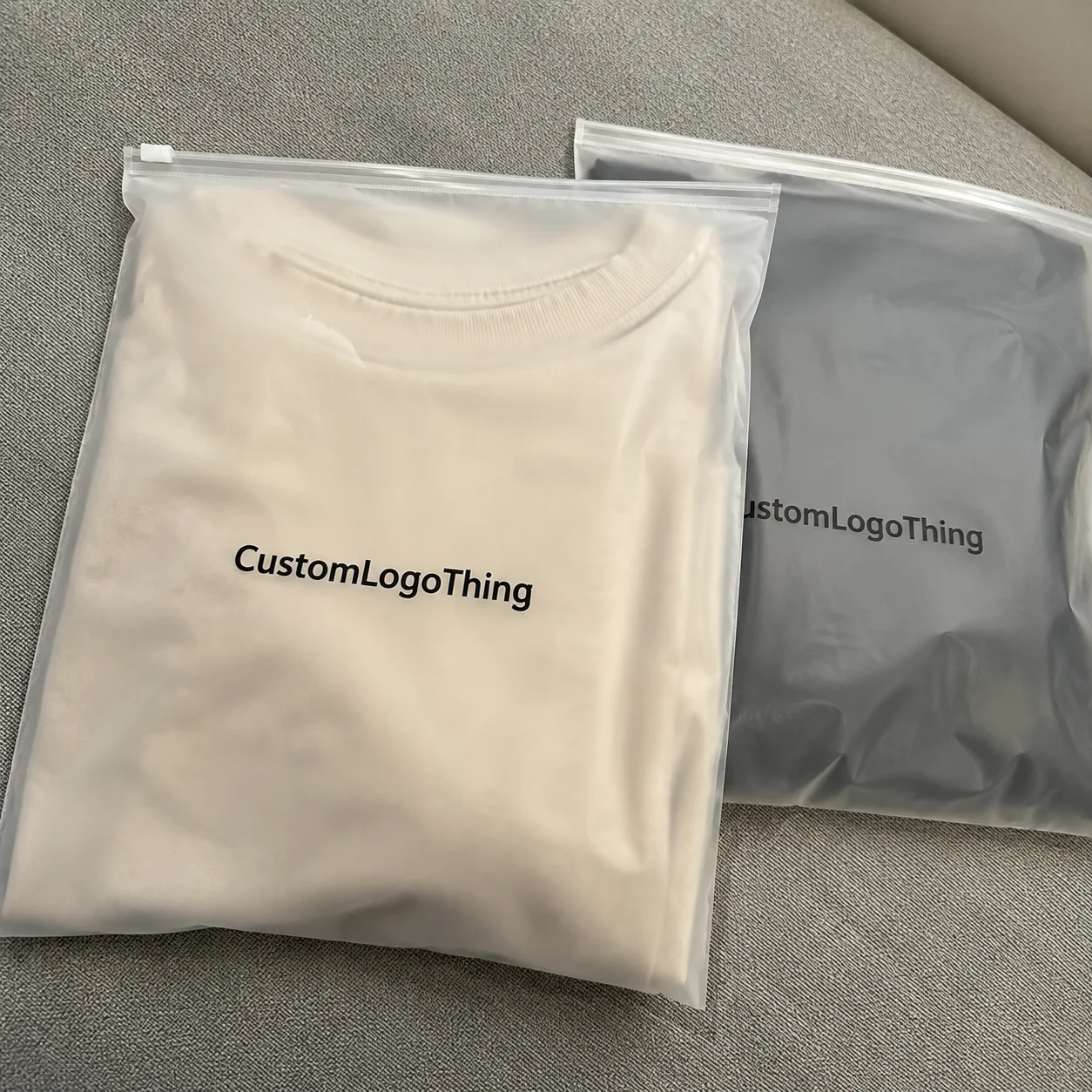
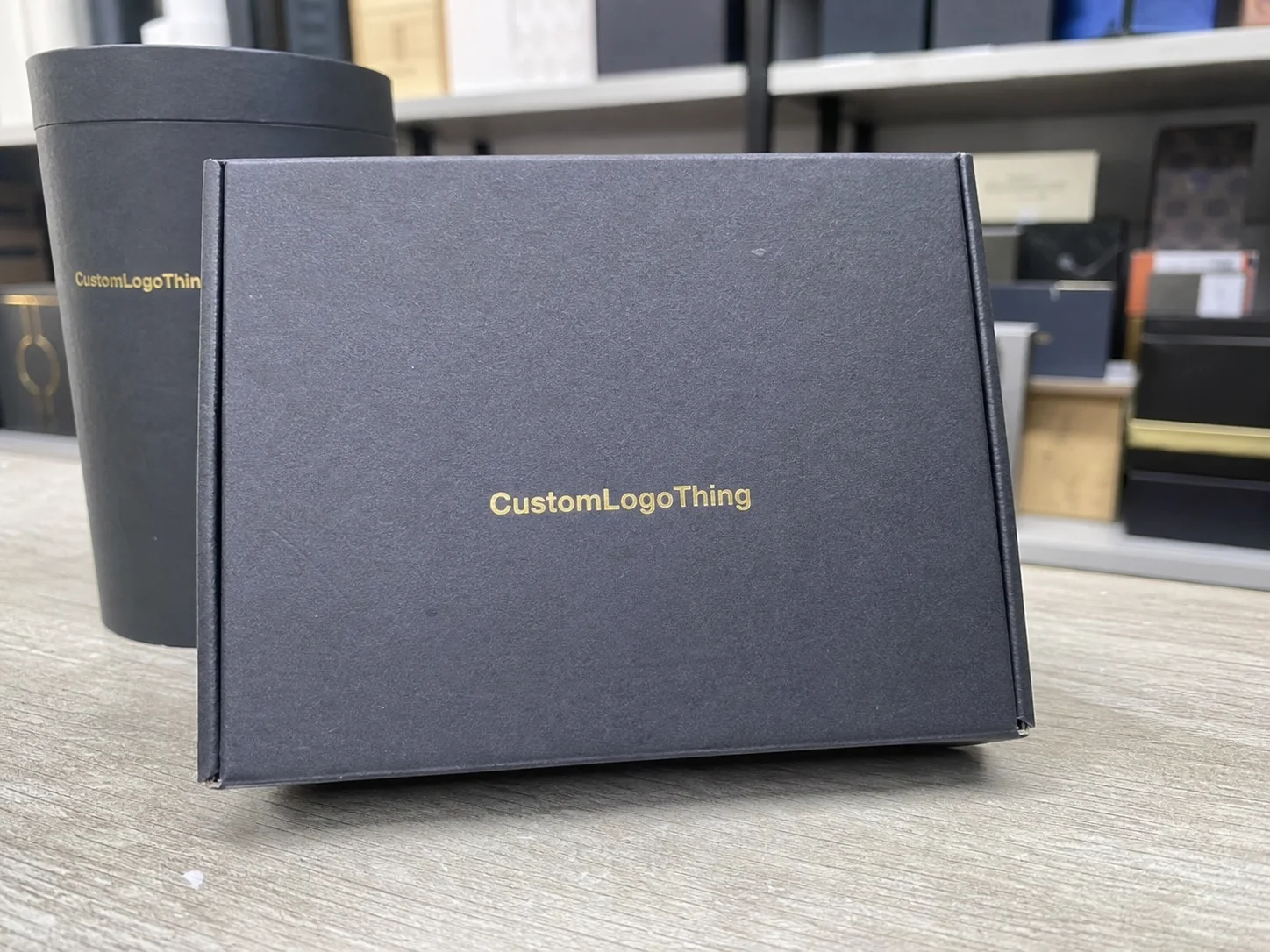
Buyer Fit Snapshot
| Best fit | affordable product packaging for packaging buyers who need material clarity, print proof, packing fit, cost control, and repeat-order reliability where brand print, material, artwork control, and repeat-order consistency matter. |
|---|---|
| Quote inputs | Share finished size, material target, print colors, finish, packing count, annual reorder estimate, and delivery region. |
| Proofing check | Approve dieline scale, logo placement, barcode or warning zones, color tolerance, and any recyclable or compostable wording before bulk production. |
| Main risk | Vague material claims, crowded artwork, or missing packing details can create delays even when the unit price looks attractive. |
Fast answer: Affordable Product Packaging: Material, Print, MOQ, and Quality Checks should be specified like a repeatable production item. The safest quote includes material, print method, finish, artwork proof, carton packing, and reorder notes in one written spec.
What to confirm before approving the packaging proof
Check the product dimensions against the actual filled item, not only the sales mockup. Ask for tolerance on folds, seals, hang holes, label areas, and retail display edges. If the package carries a logo, QR code, warning copy, or legal claim, reserve that space before decorative graphics fill the panel.
How to compare quotes without losing quality
Compare board or film grade, print process, finish, sampling route, tooling charges, carton quantity, and freight assumptions side by side. A lower quote is only useful if the supplier can repeat the same color, closure quality, and packing count on the next order.
Product packaging affordable is rarely about chasing the lowest box price on a spreadsheet; it is about choosing the right structure, the right board grade, and a production plan that avoids waste, reprints, and freight surprises. I’ve stood on carton lines where a buyer saved two cents a unit on material, then lost three times that amount dealing with crushed corners, slow pack-out, and a pallet of returns that never should have left the dock. That kind of mistake is common enough that I’d rather call it out early than dress it up later.
That is why I talk about product packaging affordable as a value equation, not a bargain hunt. If your packaging fits the product, prints cleanly, stacks efficiently, and ships without drama, you get a lower total cost and a better customer experience. That is the real win for branded packaging, whether you sell cosmetics, supplements, apparel, or direct-to-consumer goods.
The Hidden Cost of Cheap Packaging—and the Smarter Affordable Fix
The quote sheet is usually where packaging trouble starts, because a buyer sees a low unit price and assumes the job is done. On a folding carton line I visited in Dongguan, a customer had spec’d a very thin board for a skincare serum, and the carton looked fine coming off the press, but once the cases hit the warehouse and the bundles were strapped for export, the corners started scuffing and the print rubbed at the edges. The reprint, the freight back, and the labor to rework the order erased the savings immediately. That is why product packaging affordable has to be engineered, not stripped down.
The smarter fix usually starts with standard sizing, efficient die lines, and a print method that matches the order volume. A lot of savings come from avoiding unusual board calipers, oversized blank areas, and too many spot effects. For many brands, one-color print on kraft, a clean two-color layout on SBS, or a simplified sleeve can keep product packaging affordable without making the product look generic. I’ve seen supplements and apparel brands move from overbuilt custom boxes to well-designed custom printed boxes with sharper margins simply by trimming design complexity.
Affordable Custom Packaging becomes much easier when the supplier understands tooling reuse, freight optimization, and the way cartons are actually packed on a floor. A structure that nests well in a shipper can save cubic volume, and a dieline built around standard board sheets can reduce waste. Those details matter in real factories, not just in renderings. Product packaging affordable works best when production constraints are part of the design brief from day one.
“I’d rather quote a slightly stronger carton that passes a drop test than a thin one that causes a Monday morning claims meeting.” That is the kind of sentence I’ve heard from a plant manager in Shenzhen, and frankly, he was right.
Affordable Custom Packaging Formats That Still Look Premium
If the goal is product packaging affordable, format choice drives a lot of the budget. Folding cartons are often the best value for retail packaging because they use relatively little board, print efficiently, and ship flat. For a serum bottle, supplement jar, or small electronics accessory, a well-designed folding carton can deliver strong package branding at a reasonable cost, especially when the artwork is disciplined and the board size is standard.
Corrugated mailers are another practical option, especially for e-commerce. E-flute and B-flute structures give better crush resistance than paperboard alone, and they work well for direct-to-consumer shipping where protection matters more than shelf presence. I’ve seen brands use a simple kraft mailer with a one-color logo and a printed interior message, and the customer perception was still premium because the box opened cleanly and arrived intact. That is product packaging affordable done with purpose.
Rigid-style mailers and sleeve wraps can be useful too, depending on the product. Sleeves are excellent for bundling stock items, rebranding existing cartons, or creating a seasonal look without paying for a fully custom structure. Paper bags and simple inserts are often the lowest-cost route for apparel, gift sets, and event kits, especially when the design stays clean. In many cases, product packaging affordable comes down to choosing the format that does the job with the fewest unnecessary layers.
Material selection also changes the equation. SBS paperboard gives a smooth surface for sharp graphics, C1S or C2S coated boards work well when you want strong print detail, and kraft creates a natural look that pairs well with minimalist branded packaging. For finishes, I usually advise clients to keep it controlled: aqueous coating for scuff resistance, matte lamination for a softer feel, or spot UV on one focal element like a logo or product name. Too much finishing can push product packaging affordable out of reach faster than most people expect.
From a production standpoint, the most cost-effective formats usually share one trait: they are simple to run on standard equipment. A folding carton made from 300–350 gsm SBS, a mailer with a straightforward RSC-style structure, or a sleeve using a standard cut path can all keep product packaging affordable while still looking polished on shelf or in the unboxing experience.
For buyers comparing options, our Custom Packaging Products page is a useful starting point because it helps narrow the format before the quote conversation gets too broad.
Packaging Specifications That Control Cost Without Hurting Performance
Packaging specs are where product packaging affordable is won or lost. Dimensions are the first lever, because every extra millimeter of width, depth, or height can increase board usage, shipping cubic volume, and pallet inefficiency. I’ve watched a warehouse in California save a full truckload over a quarter just by reducing the carton height by 6 mm, which allowed them to fit more units per case and more cases per pallet. That is not glamorous, but it is real money.
Board caliper matters too. A thicker board is not automatically better; it has to match the product weight, the shipping method, and the display requirement. A 350 gsm artboard may be perfect for a lightweight cosmetic bottle, while a heavier bottle or a fragile accessory might need corrugated support or a different insert. Product packaging affordable should mean choosing the lightest material that still passes handling and protection needs, not defaulting to the most expensive stock.
Print coverage also changes cost. Full-bleed artwork with heavy ink coverage can raise press time and drying complexity, especially on coated stocks. A cleaner design with one or two spot colors often keeps product packaging affordable and looks more premium than an overworked layout. I’ve seen a supplement brand cut its carton cost by revising from six colors and foil to two colors plus a small spot UV logo, and the final shelf impact actually improved because the design breathed better.
Buyers should ask for these items on every quote:
- Exact internal dimensions, not just outer size
- Product weight and fragility level
- Artwork format, preferably editable source files
- Finish preference, including matte, gloss, or uncoated
- Quantity tiers for comparison
- Pack-out method and insert requirements
Standard structural templates help too. When a carton can be built from an existing dieline, tooling charges drop and setup becomes faster. Gang-run optimization, where multiple orders share press sheets, can also improve pricing for product packaging affordable runs, especially if the artwork is compatible with common sheet sizes. For buyers, that means asking whether the supplier can reuse existing cutting tools or adapt a standard structure rather than building a new one from scratch.
If you want to verify handling standards, organizations like ISTA publish packaging test methods that are widely used for transit performance, and the EPA offers practical guidance on materials and waste reduction that can inform smarter material choices. Those references are useful when product packaging affordable still has to perform under real shipping conditions.
Product Packaging Affordable Pricing, MOQ, and What Impacts Your Quote
Pricing changes quickly with quantity bands, and that is one reason product packaging affordable needs a quote strategy, not a guess. A run of 1,000 digitally printed cartons will price very differently from 10,000 offset printed cartons, and the break point depends on artwork, board grade, and finishing. If a buyer only asks for one quantity, they may miss the price tier that actually makes the order economical.
For common custom packaging, digital printing can support lower MOQs, sometimes in the low hundreds, depending on structure and finish. Offset printing often starts to make more sense at higher volumes because setup costs are spread across more units. Specialty finishes like foil stamping, embossing, and soft-touch lamination usually raise the minimum order because the press, plates, and finishing steps require additional setup. Product packaging affordable is possible in each case, but the supplier needs to match the method to the run size.
Sample fees, plate charges, die charges, and freight all affect total landed cost. I always tell clients to separate unit price from landed cost, because a carton that looks inexpensive can become expensive if the die charge is high or the freight density is poor. On one apparel project, the carton itself was only a modest expense, but the oversized shipper added unnecessary pallet space, and the freight landed cost climbed by nearly 14%. Product packaging affordable only stays affordable when those hidden costs are visible before approval.
The best ways to reduce cost are usually practical, not flashy:
- Consolidate SKUs into shared sizes where possible
- Reduce the number of ink colors
- Choose a standard format over a custom structure
- Trim empty void space to reduce shipping volume
- Plan repeat orders around forecasted demand
One client in supplements came to us with eight carton sizes for four bottle shapes, and after a packaging review we reduced that to four sizes with only minor inserts. The quote improved, the warehouse got simpler, and product packaging affordable stopped being a moving target. That kind of rationalization is often the fastest savings available, and it does not require sacrificing brand presentation.
For companies looking at sustainable materials, FSC-certified board is often worth discussing. The Forest Stewardship Council provides certification standards that many retailers recognize, and that can help align product packaging affordable with customer expectations around responsible sourcing.
From Artwork to Delivery: Process and Timeline for Custom Orders
The typical workflow starts with a quote, then moves to dieline confirmation, artwork setup, proofing, sampling, production, finishing, QC, and shipping. Product packaging affordable depends on how smoothly each step moves, because delays at the proof stage often ripple through the entire schedule. If the art file arrives with missing bleed, wrong fonts, or low-resolution logos, the production calendar stalls while revisions are made.
Digital print usually offers the shortest lead time, especially for smaller orders and quick revisions. Offset print takes longer because plates, registration, and press setup need more preparation, but it is efficient for larger runs. Corrugated production may involve additional steps for flute selection, lamination, or die cutting, and that can extend timing. In practical terms, I’ve seen simple digital packaging ship in 10–12 business days from proof approval, while more complex offset or corrugated work can stretch to 18–25 business days depending on finishing and freight.
Approval speed matters more than most buyers expect. A late structural change after proof approval can trigger a new die or a new sample, and that adds time and cost immediately. I remember a retail packaging job for an electronics accessory where the buyer changed the insert depth after the cartons were already approved; the entire schedule slipped a week because the revised fit had to be checked against the product again. Product packaging affordable becomes far less affordable when the project keeps restarting.
Before placing an order, ask for a clear calendar with checkpoints:
- Dieline approval date
- Artwork proof review date
- Sample or prototype date
- Production start date
- QC inspection window
- Shipping method and transit estimate
Also confirm whether the quote includes ocean freight, air freight, or domestic forwarding, because shipping can swing total cost in a big way. A clear schedule and a clear freight plan are part of product packaging affordable, not extras added later.
Why Choose a Custom Packaging Manufacturer That Knows the Floor
There is a big difference between a salesperson reading from a catalog and a manufacturer that understands how a line actually runs. When a team knows board grades, print registration, folding tolerance, glue application, and line efficiency, product packaging affordable becomes more realistic because fewer things go wrong after approval. That expertise also reduces rejects, which is one of the fastest ways to protect margin.
In-house support for dielines, structural design, and material recommendations matters because the best choice is not always obvious from a mockup. I’ve seen a customer request a rigid look for a low-margin apparel insert, and after reviewing the actual pack-out and retail channel, a sleeve plus insert solved the job at a lower cost with nearly the same presentation. That kind of advice only comes from factory-side experience, not guesswork.
Quality control should include color checks, carton fit tests, and, for corrugated work, compression or transit testing where appropriate. It is easier to catch issues on a run sheet than in a customer complaint. A practical manufacturer will tell you when a certain finish, board, or structure is not the best fit for product packaging affordable, and that honesty is worth more than a polished sales pitch.
At Custom Logo Things, the goal is straightforward: keep branding strong, keep production sane, and keep the budget under control. That is the balance that makes product packaging affordable work for real businesses, not just design decks.
Next Steps to Order Product Packaging Affordable
If you want product packaging affordable, start with the basics: measure your product carefully, define your target budget, choose a packaging format, and gather logo or artwork files. Those four items can save days in the quoting process and prevent back-and-forth that slows everything down. I’ve watched simple omissions like missing product weight or unclear internal dimensions add a full week to a project.
Request two or three quote options with different materials or finishes. That comparison tells you where the real value sits, not just where the lowest unit price sits. Sometimes the best option is a slightly better board with a simpler finish, because the pack-out is easier and the damage rate stays low. Product packaging affordable should be judged against total value, not just the sticker number.
Ask for a sample or prototype whenever the structure is new, confirm MOQ and lead time in writing, and verify freight estimates before approving the order. Those steps create fewer surprises and a cleaner handoff to production. If you already know your dimensions, quantity, and brand assets, send them over and we can shape a practical recommendation into a costed plan for product packaging affordable that fits your product and your timeline.
One final thought from the floor: the best packaging jobs are the ones that disappear into the workflow because they are sized right, printed cleanly, and built for the product they protect. That is what product packaging affordable should mean, and it is also the clearest sign that the budget was spent well rather than spent fast.
FAQs
What makes product Packaging Affordable Without looking low-end?
Use a standard structure with a custom printed exterior instead of building a fully custom shape. Choose cost-efficient materials like SBS, kraft, or E-flute and keep special finishes focused on one area, such as the logo or product name.
How can I lower Custom Packaging Costs quickly?
Reduce artwork complexity, consolidate SKUs, and select a standard size that fits your product with minimal void space. Request quotes at multiple quantities so you can see where the best unit-cost break happens for product packaging affordable.
What is the minimum order quantity for affordable product packaging?
MOQ depends on material, print method, and structure, with digital runs often allowing smaller quantities than offset production. Ask for tiered quotes because the best MOQ for your budget may not be the lowest possible quantity.
How long does affordable custom packaging usually take to produce?
Lead time depends on proof approval, sample needs, print method, and finishing, with artwork delays being the biggest cause of slowdowns. A clear schedule should include dieline approval, proof review, production, QC, and shipping milestones.
What information should I send for an accurate packaging quote?
Send product dimensions, weight, desired packaging style, quantity, printing preference, and your logo or artwork files. Include any shipping or retail display requirements so the quote reflects real-world use, not just the box itself.