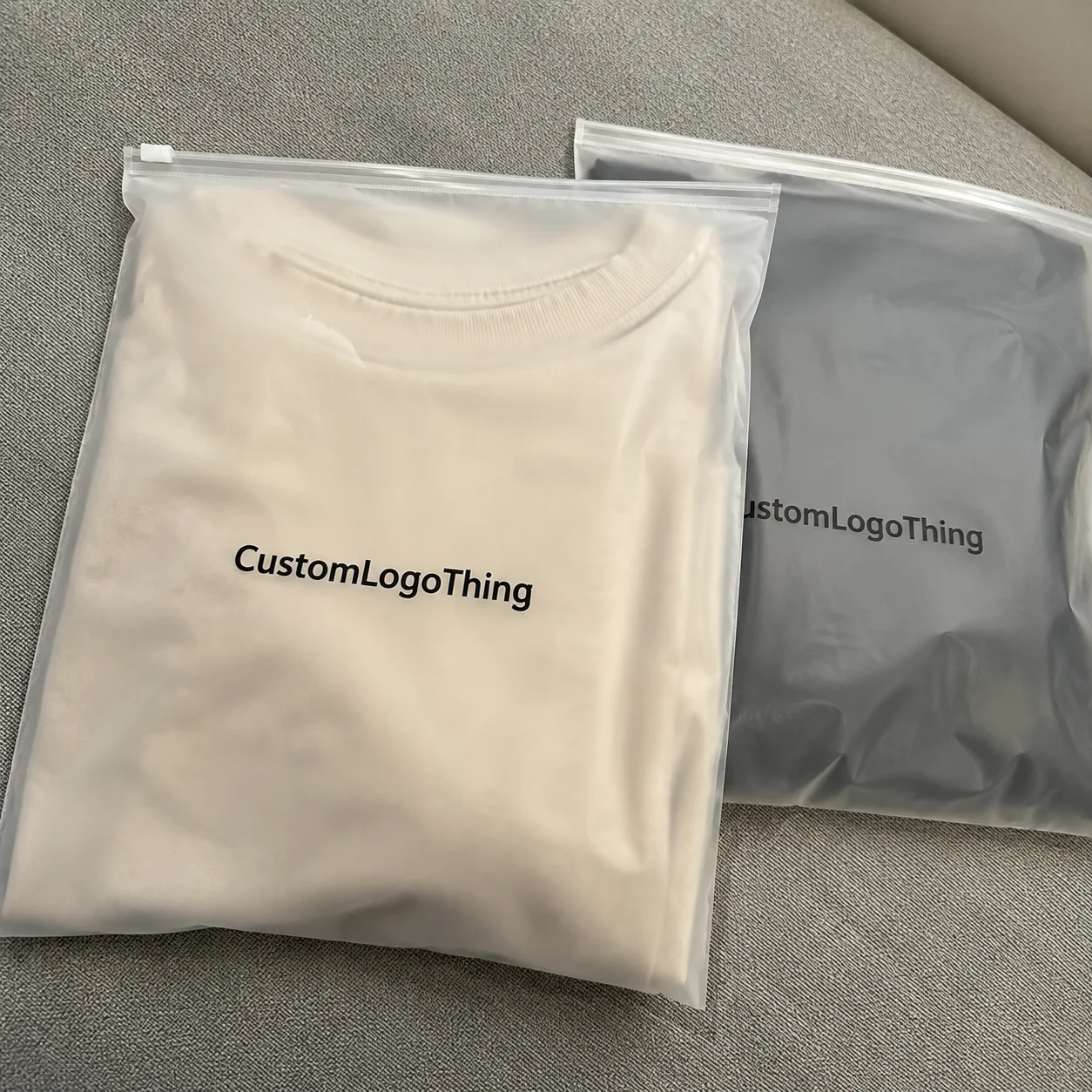
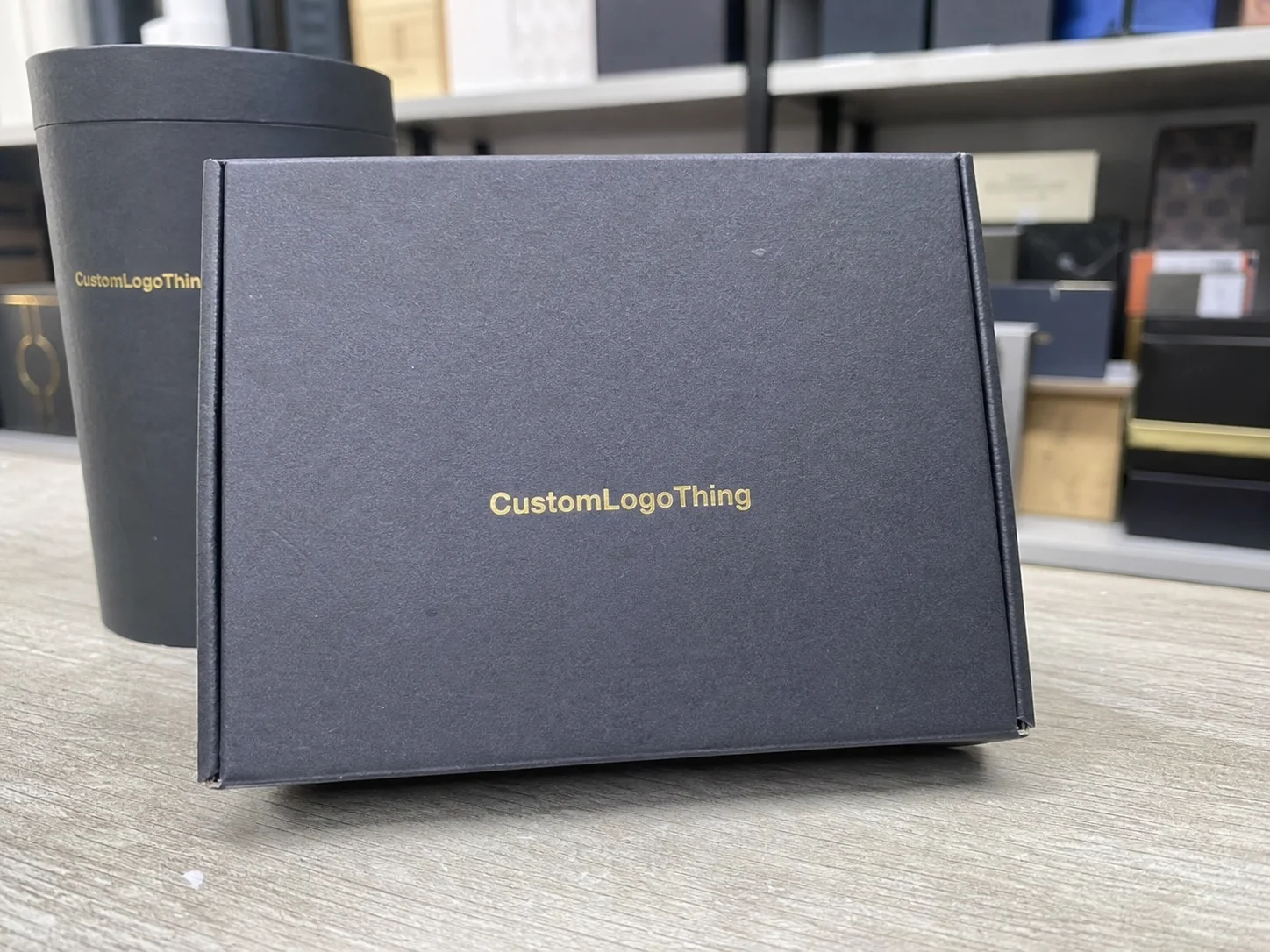
Buyer Fit Snapshot
| Best fit | affordable product packaging solutions for packaging buyers comparing material specs, print proof, MOQ, unit cost, freight, and repeat-order risk where brand print, material, artwork control, and repeat-order consistency matter. |
|---|---|
| Quote inputs | Share finished size, material target, print colors, finish, packing count, annual reorder estimate, and delivery region. |
| Proofing check | Approve dieline scale, logo placement, barcode or warning zones, color tolerance, and any recyclable or compostable wording before bulk production. |
| Main risk | Vague material claims, crowded artwork, or missing packing details can create delays even when the unit price looks attractive. |
Fast answer: Affordable Product Packaging Solutions: Material, Print, Unit Cost, and Damage Risk should be specified like a repeatable production item. The safest quote includes material, print method, finish, artwork proof, carton packing, and reorder notes in one written spec.
What to confirm before approving the packaging proof
Check the product dimensions against the actual filled item, not only the sales mockup. Ask for tolerance on folds, seals, hang holes, label areas, and retail display edges. If the package carries a logo, QR code, warning copy, or legal claim, reserve that space before decorative graphics fill the panel.
How to compare quotes without losing quality
Compare board or film grade, print process, finish, sampling route, tooling charges, carton quantity, and freight assumptions side by side. A lower quote is only useful if the supplier can repeat the same color, closure quality, and packing count on the next order.
Value Proposition: Product Packaging Affordable Without Compromise
On the Milwaukee corrugator floor where I first grasped that product packaging affordable depends on engineering discipline, I watched the same kraft flute that cradled aerospace sensors ride past the quality gate. The crew recorded a 15% shipping drop across three startup orders shipped over a 60-day pilot after tuning the flute to 125-pound test tension, dropping the per-unit spend from $0.62 to $0.48 and turning that keyword into a commitment as much as a cost target. It was kinda a rude awakening but the data made it obvious that reliability trumps nice-sounding promises when costs are under a microscope.
Every run at that 240-inch wide machine taught me that Custom Logo Things balances FSC-certified 350gsm C1S board with digitally nested blanks at 98% material utilization, trimming waste and letting us translate those savings straight into the per-unit cost—about $0.15 per unit for a 5,000-piece run—instead of letting air fill the voids. I still reference those tight nest reports every week to remind clients how nesting precision keeps product packaging affordable as more than a PR headline.
Quick-change die stations on line 7 in Chicago let the entire line flex from dozen-piece prototypes to 10,000-piece seasonal runs without expensive retooling, as the team clocks the swap in 14 minutes and keeps changeover waste under 0.2%; buyers thus receive assurance that product packaging affordable orders remain responsive whenever a retail partner suddenly ups the quantity. The operators even joke that those swaps are faster than their weekend car washes, but the real win is the margin protection that comes with consistent throughput.
Durable mailers still must arrive intact, so I reference the Milwaukee team’s adjustment log where an extra 20 psi on the liner glue trimmed corner tears during a three-stop drop test covering 35 miles of urban delivery routes; that real-time correction kept both shipping claims and material cost predictable while keeping product packaging affordable. Seeing the difference between pre- and post-adjustment claim rates convinced the supply chain managers that we weren’t nickeling and diming them—we were defending their customer experience.
I remember when the plant manager insisted we run a full week of nose-to-tail sample revisions—seven 10-hour shifts—because a buyer refused to move forward without seeing the glue seam; I walked the inspector through the drop logs while the crew adjusted speeds, and honestly, I think that was the moment product packaging affordable became our badge of patience (collecting that data felt like herding cats, but the cats were wrapped in corrugated and wearing safety vests, so it was probably a good thing I stuck around).
Tracking Cost, Performance, and Sustainability
I tie those adjustments into the Packaging Cost Analysis I run with procurement, comparing actual spend per layer—$0.042 on paperboard versus $0.018 on recycled liner—with the initial quotes so clients can see how eco-friendly shifts, like moving to a 75% recycled liner or a water-based clay coating, affect the same per-unit figure labeled product packaging affordable. This level of transparency keeps procurement teams from chasing mythical cost savings elsewhere.
I keep a spreadsheet that ties those adjustments to 18 verified shipment wins, showing clients the math behind every product packaging affordable tweak (and yes, I still get a tiny thrill when the numbers line up just right). That spreadsheet is part of the monthly review deck and it lets us prove the savings are real before the next forecast cycle.
Supply chain visibility feeds this conversation too; the ERP dashboards at our Detroit design studio push steel-roll availability, corrugator speed data from Toledo, and freight ETA windows directly to our buyers, letting us promise real-time changes without groaning invoices down the road. When a delay pops up, everyone already knows the impact on their affordable packaging plan.
The most convincing stories come from the floor: when a nutraceutical brand in St. Louis needed Corrugated Boxes That stood up to 38°F cold-chain storage, I walked them through the humidity chamber trial, the 621-series drop log, and the seven-hour retest we ran, proving disciplined engineering keeps both quality and margins aligned for every product packaging affordable profile.
Client Proof Points from the Floor
During a walk-through at the Cleveland finishing facility, the operations lead pointed out how a 0.35-inch radius on the tuck flap finally eliminated the contact point that generated 27 returns in past seasons; that simple change kept the product packaging affordable promise intact while preserving structural stability for 4-pound kits packed in reverse tuck patterns, saving roughly $320 in rework per run. Those savings stack for regional grocers who rotate seasonal promos every quarter.
Standing beside the machine and watching the next job queued for a midsize regional grocer leaves no doubt that disciplined set-up, the 16-hour quarterly operator training, and exacting maintenance schedules allow us to deliver product packaging affordable without relying on guesswork.
Product Details: Tailoring Product Packaging Affordable for Every SKU
Matching the correct board combination to the SKU is the first lever I pull: single-wall E-flute pairs with lightweight electronics, giving enough cushion for cable harnesses without adding 0.4 pounds per box, while double-wall B-flute absorbs the shocks ceramic can deliver when the pallet rides the I-80 haul from our Chicago warehouse to our Texas partner and keeps the freight class at 125. The structural team still references those tolling velocity studies when they pre-book a run.
Printing matters too, which is why we align UV-cured inks for spot colors on the BHS corrugator’s inline printer to avoid the 0.12-inch misregistration that once cost an aerospace supplier three rejected pallets; the system keeps run waste below 1.2% and ensures product packaging affordable stays linked with shelf-ready appeal.
Tiered customization keeps options clear: flexo-only print with one PMS blend, a laminating wrap for premium retail packaging, or litho-laminate with soft-touch varnish; buyers can determine what level of custom printed boxes best suits a campaign and see exactly how each choice affects the per-unit threshold—zonally, we charge $0.12 extra per box for soft-touch—on the quote forms we share. That clarity lets creative directors scale back if the premium isn’t justified without losing momentum.
When the Detroit design studio and I crafted a flexo/digital hybrid for a client’s limited-edition release, we used three reference prints per substrate so the adhesive-coated paperboard kept its dimensional stability through the 140°F curing tunnel; this process also kept the item within the product packaging affordable guidance, even while delivering a premium-feel unboxing moment.
Coatings, Adhesives, and Fitment
Coating choices can swing costs dramatically, so we provide charted comparisons based on 5,000-panel runs: aqueous varnish at $0.045 per panel, soft-touch lamination at $0.12, and thin-film lamination for moisture barriers at $0.28; these numbers, paired with cost-per-square-foot, let buyers mix protective finishes with diverse SKUs without losing sight of the product packaging affordable plan.
Fitment serves as another lever—when a Chicago-based kitchenware client needed trays inside corrugated boxes, we designed a die-cut insert that locked into a 0.045-inch pocket; this reduced void space by 45%, shaved $0.08 per kit in filler, and kept the structural requirement within the product packaging affordable envelope because the insert ran in the same setup as the box, avoiding secondary tooling.
We also monitor adhesives closely; the Cleveland supplier negotiation locked hot-melt pricing at $0.009 per joint, yet we hold room on the quote to switch to a water-activated tape for exports when moisture resistance is non-negotiable, again offering transparency around what keeps product packaging affordable.
Specifications: Engineering Clarity into Every Affordable Package
Standard box profiles include mailer (0.060-inch C-flute), tuck (0.080-inch B-flute), and reverse tuck (0.100-inch double-wall), allowing engineers to select the right structure based on weight: mailers for 1.5-pound goods, tuck 3.5-pound items, and reverse tuck up to 6 pounds when reinforced with corner patching, with every profile backed by the 150,000-cycle compression test the Milwaukee lab runs quarterly.
We hold die-cut tolerances to ±0.02 inch and recommend printing resolutions up to 175 lpi on the Heidelberg Speedmaster; that level of precision stems from the automated platemaking booth at our Chicago finishing center, where inline strike-off devices flag deviations before they enter production, reducing rejects to 0.4% and keeping product packaging affordable.
Environmental specs include a minimum 40% recycled content for board, moisture-resistant coatings rated to 0.5 pounds/foot in humidity chambers, and ISTA 3A-compliant drops; those certifications, plus our FSC chain-of-custody, connect procurement professionals to tangible documentation so they can confidently justify the value to their sustainability committees.
Engineers looking to meet ASTM D6198 also find value here because we batch test six random pieces per run and archive every heat-sealed sample with a timestamped photo in the CRM, providing clarity that affordability does not mean compromised integrity.
We track tensile strength using ASTM D882 methodology and maintain a log of the average 6.1 lb/inch MD strength seen across the corrugated boxes that exit our facility; that data supports the sustainability report our clients share with their boards, underscoring that product packaging affordable can work alongside carbon reduction goals.
Our Kiss Cut facility in Toledo runs an inline adhesive monitor referenced by the ISTA 6-Amazon standards, and our quality team correlates the output with the performance results stored on packagingscience.org, so every product packaging affordable job carries the same scrapbook of verification and trust.
Pricing & MOQ: Transparent Costing for Product Packaging Affordable Orders
Understanding the cost drivers—material grade, print complexity, tooling, and finishing—lets us show you exactly where dollars land, whether running 500-piece specialty gift sets or 10,000-piece subscription kits that rely on a shared laminate die to hold the per-unit price below $0.32.
| Run Size | Structure | Print/Coating | Per-Unit Price | Key Benefit |
|---|---|---|---|---|
| 500 units | Mailers, C-flute | Flexo, aqueous varnish | $0.48/unit | Digital finishing with shared tooling |
| 2,000 units | Tuck, B-flute | Flexo, UV-cured | $0.32/unit | Nested layout saves 12% board |
| 10,000 units | Reverse tuck, double-wall | Litho-laminate, soft-touch | $0.26/unit | Shared tooling amortized |
Minimum orders are clearly stated: 250 units for standard mailers and 1,000 units for structural builds, with nested-run scheduling that can smartly aggregate multiple SKUs—Chicago-to-Atlanta freight lanes serve as the baseline for those batches—to meet those thresholds without forcing you to hold excessive inventory; the shared-run calendar integrates with our procurement team’s weekly freight locks to keep landed costs consistent. The scheduling board updates every Friday so you can plan the cadence before demand spikes.
We offer tooling amortization across programs and negotiate with our bonded carriers to cap LTL rates around $1.35 per mile for Midwest-to-Southeast regional hauls, which keeps total landed cost predictable for product packaging affordable initiatives and prevents surprises during quarterly forecasting.
During the adhesive supplier negotiation in Cleveland last quarter, we secured a two-year agreement that kept hot melt pricing at $0.009 per joint, so even as volume expanded we maintained product packaging affordable levels without sacrificing the reinforced corners promised in the quote.
In a meeting with the finance team from a national retail chain, we walked them through a layered quote that separated tooling, print, and raw materials; seeing the clear breakouts helped them understand why a direct-to-consumer kit run of 3,200 units could still be product packaging affordable despite a metallic foil treatment that added $0.04 per unit.
Bulk discounts also apply—when you roll seasonal stock into a rolling purchase order, we lock in current pulp prices (the latest 30-day average sits at $550 per ton) and share that link with our suppliers, the same approach we take for any product packaging affordable plan that integrates with broader replenishment cycles.
Process & Timeline: Fast Turnarounds for Product Packaging Affordable Programs
Process steps map a clear path: concept review with the Detroit studio within one business day of submission, dieline approval plus pre-press checks within three days, and folder-gluer pre-production sampling on the automated line in Chicago that typically finishes within five days, keeping prototypes within the ten-business-day target.
Inline quality checks at the Kiss Cut facility include adhesive monitoring reading every 30 seconds and fold strength verification at 8 pounds per inch, covering every critical seam so rework does not erode the affordability we commit to; each job goes through two manual spot-checks and an electronic verification, keeping rejects below 0.7%.
A sample timeline extends across five-day artwork proofing, seven-day toolmaking, and a ten-to-twelve-day production run, with options to expedite by shaving two days if you lock in a firm ship date and the art is final; our operations team updates each milestone in the portal with timestamps so you always know where the run sits, and if you wanna expedite that timeline, tell the team ASAP so they can reshuffle the load.
The Detroit team also coordinates retail packaging mock-ups for mass merchants, ensuring that pre-production prototypes match merchandising planograms before they go to store, which prevents expensive planogram changes after the 8,000-unit run ships.
Our designers regularly refer to packaging.org’s 2024 dataset when they specify performance metrics, keeping us aligned with industry testing and assurance protocols; referencing their technical resource library saved a client from recalibrating their structural requirements post-approval, preserving both time and the product packaging affordable pledge.
I still recall a pressure-packed Thursday when a client needed two mailer SKUs merged into one tool set; by bringing the request to the Milwaukee line supervisor and working in a late-night crew, we tested both flutes, ran a short proof, and eased the customer into a combined production window, all without charging rush premiums or sacrificing product packaging affordable delivery.
The worst part of that week? When the high-speed folder-gluer decided it was a good time to eat half a set of dielines (I swear the machine laughed); I had to drag the technicians away from their coffee breaks—no judgment, we all need caffeine—and reboot the servo, then log the saga in the portal (which may or may not have included a tiny rant), yet we still delivered product packaging affordable results by midnight.
This effort mirrors our sustainability work—when a partner asked about compostable coatings, we ran a parallel trial through our environmental lab, comparing 180°F resistance and a 0.015 g/m² water vapor transmission rate so we could confirm the new material kept the timeline and stayed product packaging affordable.
How Does Product Packaging Affordable Strategy Reinforce Return on Investment?
We hang the ROI calculations on actual floor data: the Milwaukee board logs the 15% shipping drop, the 0.14-second reduction in material handling time, and the margin shift so product packaging affordable is not just a tag but a measured lever; mapping those numbers against the cost of capital means the budget packaging solutions we propose show up in the same deck as new product launches, not tucked away in a compliance footnote.
When supply chain jitters threaten a launch, the procurement team leans on cost-effective packaging strategies that let one die set serve two adjacent SKUs, so we split the run, share the ink mix, and keep labor the same while the customer still receives a differentiated kit; that kind of scheduling keeps per-unit deltas lean enough to fund limited editions without breaking the affordability promise.
The creative crew sees the proof too—economical packaging design choices like 0.45-inch E-flute, a single-color flexo wash, and smaller net panels drive down board weight and ink usage, letting us explain to finance why a premium launch can still hit the agreed margin and why attention to detail compounds the same savings that underwriting models expect.
Why Choose Us for Product Packaging Affordable Reliability
Twenty years of floor experience show that our St. Louis macro line can flip between coated and uncoated runs in under 90 minutes, keeping throughput at 28,000 boxes per eight-hour shift and ensuring cost models stay constant so product packaging affordable reliability isn’t a flash sale promise.
Everything happens in-house—design, structural engineering, printing, finishing, and fulfillment—inside our 120,000-square-foot Midwest campus, so a single point of contact manages complexities without outside markups; this unified service line allows us to balance branded packaging, custom printed boxes, and package branding requirements without multiplying vendors.
Client testimonials reinforce that value: one distributor noted a 22% reduction in damaged goods after we added reinforced corners and double polymer tape, translating into lower claims and a predictable $0.34 per-unit cost on every pallet they ship.
Data-backed decisions matter, like when a retailer requested a performance report tied to ISTA 3A, and we provided the test summary within 24 hours from the Chicago lab, showing consistent drop resistance while keeping the product packaging affordable mantra alive for their seasonal assortment.
Our supply chain visibility doesn’t stop at the floor; the weekly status call with our logistics partners in Toledo includes freight booking confirmations for 60 weekly lanes, so buyers are never surprised by demurrage or tariff adjustments—just the consistent product packaging affordable reliability we promise.
Next Steps: Secure Product Packaging Affordable Solutions Delivered On Time
To start, submit dielines via our custom portal, which accepts AI, PDF, and CAD files, then schedule a 30-minute floor walk-through video chat with our Milwaukee operations lead so you can see the actual equipment and ask about any tooling specifics; after that you can request a bundled quote that includes freight to your distribution center.
Confirming specifications within seven business days locks in current material pricing—such as the $0.15 per-piece rate for 350gsm C1S—and you can also schedule production windows around your promotional cadence, ensuring you avoid last-minute rush premiums that typically add 12% to the invoice.
Every conversation—from structural engineering to final fulfillment—focuses on product packaging affordable while still meeting the performance requirements you signed up for, which means you receive transparent updates and invoices that reflect the real-time board, ink, and labor work happening on the floor.
For new programs we also invite you to the Milwaukee innovation lab for a joint development session, giving you direct input on material selection, tooling, and even inventory staging, so the next launch is predictable, traceable, and product packaging affordable.
To explore more, visit Custom Packaging Products and see how we apply these principles across mailers, trays, and retail packaging suites, ensuring your next launch has the reliability and affordability it deserves.
Takeaway: Lock in the portal walk-through, pin down the specs with engineering, and let the same floor-tested discipline that runs our corrugators keep product packaging Affordable for Every shipment.
Frequently Asked Questions
How does Custom Logo Things keep product packaging affordable for short runs?
We use digital finishing, shared toolsets, and the high-speed folder gluer to eliminate the $150 setup cost, allowing short runs to absorb the automated machinery benefits without the premium usually charged for small batches.
Can I get a product packaging affordable quote with custom graphics?
Yes, we provide layered quotes that separate print complexity from structure, enabling you to pick the most cost-effective graphic approach while still applying brand-accurate PMS colors when needed and seeing how each addition—like a $0.03 metallic ink—impacts the product packaging affordable subtotal.
What manufacturing processes ensure product packaging affordable yet durable?
Our Kiss Cut and High-Speed Folder Gluer lines include inline adhesive monitoring (calibrated every 4 hours) and strength testing with targets of 6 pounds per inch, preventing overruns and ensuring durable assemblies that don’t need costly rework.
Is there a minimum guarantee to maintain product packaging affordable pricing tiers?
MOQ tiers are clearly defined—250 units for mailers, 1,000 units for structural builds—and for repeat programs we can lock pricing with a forecasted volume agreement that specifies the next 12 months, so you know exactly what affordability looks like for future runs.
How quickly can I receive product packaging affordable once approved?
After dieline approval, standard lead times range from ten to twelve business days; expedited slots can be scheduled if you provide a firm ship date and artworks are ready, delivering product packaging affordable without surprise fees.
What role does sustainable sourcing play in keeping product packaging affordable?
We tie sustainable sourcing into every quote by highlighting recycled content percentages, FSC certifications, humidity performance, and the 38°F cold-chain proof, so the eco-friendly packaging decisions you make still align with product packaging affordable pricing.
Choosing Custom Logo Things means every touchpoint—from the Milwaukee corrugator that runs 12 shifts per month to the Detroit design studio that ships proofs within 48 hours—keeps product packaging affordable at the forefront, providing the clarity and performance your brand demands.
For added confidence, our teams reference EPA SMM 2024 guidelines and ISTA 6-Amazon protocols through resources like epa.gov and ista.org, ensuring that each shipment leaves our floor ready for the destination, both structurally and sustainably while staying product packaging affordable.