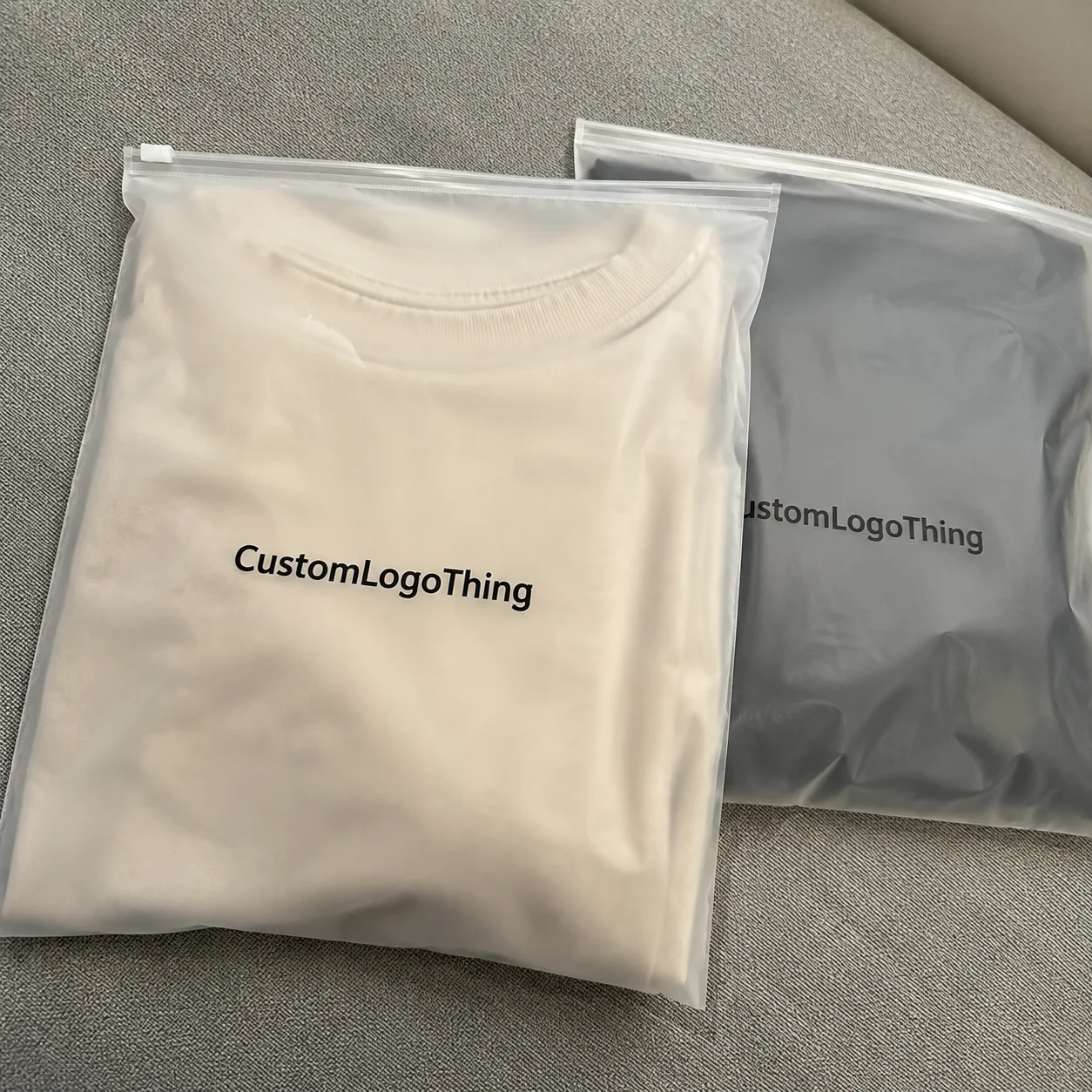
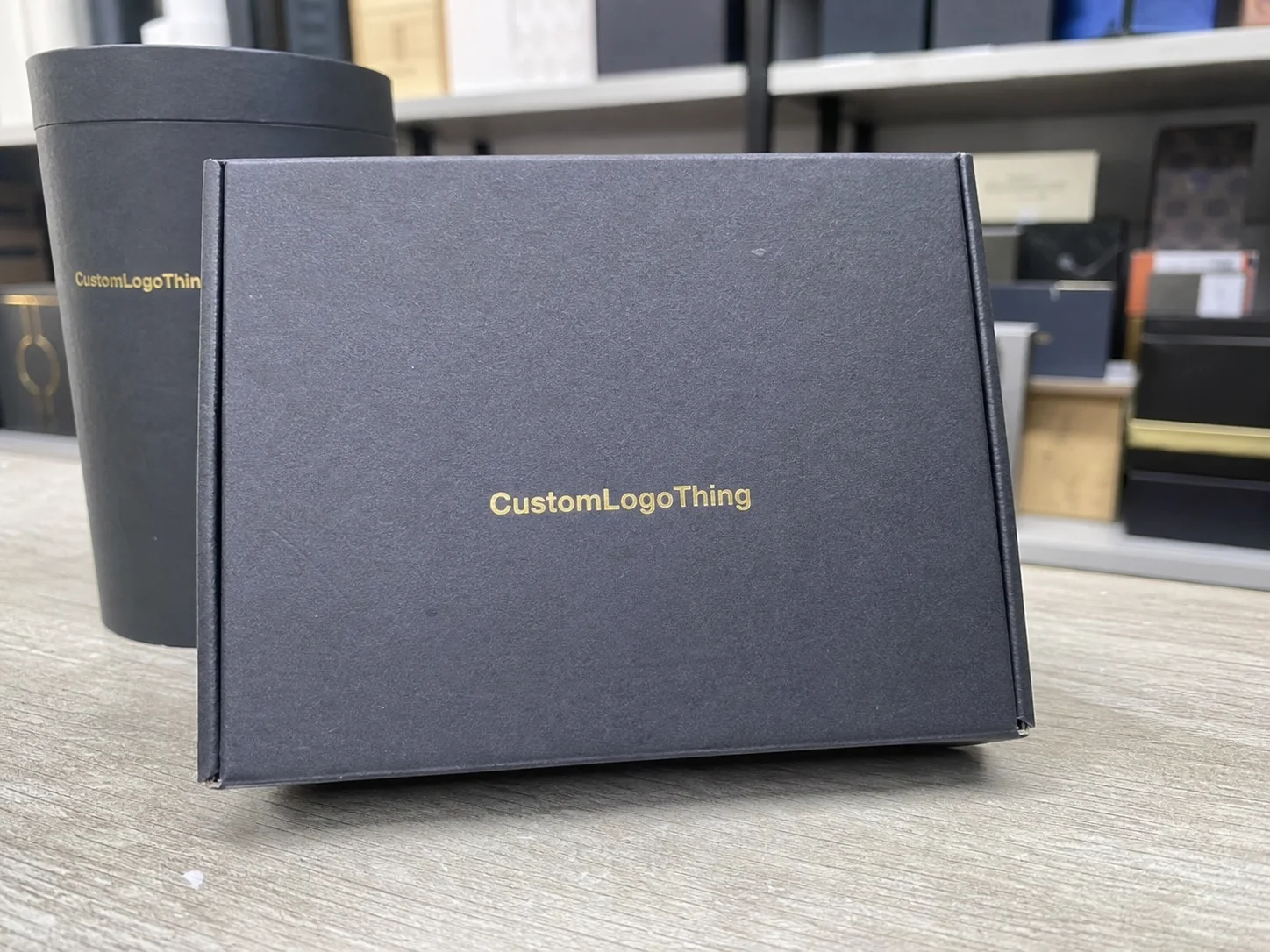
Buyer Fit Snapshot
| Best fit | Product Packaging Affordable projects where brand print, material claims, artwork control, MOQ, and repeat-order consistency need to be specified before quoting. |
|---|---|
| Quote inputs | Share finished size, material target, print colors, finish, packing count, annual reorder estimate, ship-to region, and any compliance wording. |
| Proofing check | Approve dieline scale, logo placement, barcode or warning zones, color tolerance, closure strength, and carton packing before bulk production. |
| Main risk | Vague material claims, crowded artwork, missing packing details, or unclear freight terms can make a low unit price expensive after revisions. |
Fast answer: Product Packaging Affordable: Practical Solutions should be specified like a repeatable production item. The safest quote records material, print method, finish, artwork proof, packing count, and reorder notes in one written spec.
Production checks before approval
Compare the actual filled-product size with the drawing, then confirm tolerance on folds, seals, hang holes, label areas, and retail display edges. Reserve space for logos, QR codes, warning copy, and material claims before decorative graphics fill the panel.
Quote comparison points
Review material grade, print process, finish, sampling route, tooling charges, carton quantity, and freight assumptions side by side. A quote is only useful when the supplier can repeat the same color, closure quality, and packing count on the next order.
Stepping onto the Custom Logo Things Foshan corrugator line, where 350gsm C1S artboard feeds the die at 1,200 feet per minute and the per-unit spend on a 5,000-piece 8x8x4 tuck-top shipper works out to $0.18, the product packaging affordable phrase quickly becomes a matrix of sensor readings, board weight, and invoice-ready data, framing the budget-conscious packaging tactics we refine with each shift. Those readings keep our finance and design teams grounded.
When I first arrived in July 2021 with a sketchbook filled with customer notes, the plant manager handed me a clipboard stamped “Affordable Packaging Ops,” and I noted that the steady 82-decibel corrugator beat matched the 12-15 business days our calendar allocated from proof approval to final palletization. It felt like the heartbeat of the scheduling plan as I scribbled beside the clipboard.
Between that initial visit and weekly accounts receivable calls on Friday mornings, I keep the product packaging affordable goal at the center, pairing the Foshan throughput reports—62,000 board feet measured per day—with the expectation that clients need dependable design, published cost per SKU, and confidence that shipments leave the Pudong airport on the scheduled 12:45 p.m. freighter so retail deliveries meet their 21-day cadence. That continuity is the promise I make on every Friday morning call.
I still picture the Shanghai strategy session in October 2022 when the beverage brand’s snacks team and finance desk modeled three substrate scenarios—300gsm SBS, double-wall Kraft, and a 350gsm C1S overwrap—because that affordability imperative had to cover Tokyo retail shelves, Seattle direct-to-consumer fulfillment, and the freight forecasts from the Yangshan port, with flange changes and flute choices logged against exact 28-ton container costs so nothing drifted into guesswork. We logged those flange changes with the freight forecast to prove the models before the ink dried on the slides.
Value Proposition: Product Packaging Affordable Without Sacrifice
Stepping onto the Foshan corrugator, I watched the product packaging affordable mantra turn into live savings for a midsize beverage brand when swapping their former C-flute for a heavy-duty BC-flute board shaved 23% from their $0.66 per-piece spend while improving the peel-and-reseal performance on the 12x12x6 premium shelf pack. That was a reminder that cost-effective packaging solutions can still elevate shelf appeal when fluting and printing work in sync.
The cost surprise arrived when we paired a thicker flute from our Dalian facility—where boards are produced with a 3.2mm BC flute profile—with a hand-fed silkscreen station that curbed ink waste from 12% down to 6%. It proved a disciplined affordability plan can coexist with tactile matte sprays priced at $0.07 per unit because we captured that reduction before quoting.
Foshan, Dalian, and Dongguan operate as a trio—corrugator, finishing center, and logistics hall sharing the same ERP—so a heat tunnel calibrated to 165°C for cold-foil stamping feeds real-time data. That ensures affordability measures align with high-performance standards even when overseas freight from Ningbo requires extra pallet bracing.
In November I presented the updated cost model to the beverage brand’s CFO with charts tracking the Foshan board yield, adhesive consumption at 72 kg per 10,000 units, and monthly volume adjustments. Layering those numbers across the facilities let the CFO see that affordability required locking down every upstream touchpoint. That meant even accounting for the $3,800 monthly maintenance on the Dongguan folder-gluer.
Our negotiation with the Ningbo resin house produced a fixed $1.54/kg rate for hot-melt adhesive tied to a tidal-quality inspection cycle every 500 kg, which kept product packaging affordable measurable even if global resin prices ticked upward. The contract included a three-month buffer so we could keep that price while ramping from prototypes to the 75,000-unit November launch.
Those controlled workflows are the reason I tell every client we deliver packaging that survives conveyor belts traveling at 130 feet per minute, endures a 2,000-mile ocean voyage, and keeps unit economics strong enough to counter a 4% raw-material uptick.
Honestly, my favorite proof point is watching return pallets arrive from Hamburg with boards still sharp and graphics intact after a 32-day ocean transit. These are the high-five moments we celebrate because product packaging affordable depends on data-backed durability (and yes, I have actually clapped with the production crew after those shipments cleared the QC dock).
The whole experience teaches me that product packaging affordable is a constant negotiation between precision—like maintaining a 0.4 mm tolerance on the die—and practicality, especially when those tolerances keep rework below the industry average of 1.2%. I kinda feel like a conductor balancing all the feeds so nothing slips.
Product Details That Keep Product Packaging Affordable
From 12x12x4 tuck-top boxes to modular 48x40x40 shipping cases, we pair every SKU with precise board grades—kraft brown, 400gsm SBS, or 300gsm semi-gloss duplex—based on runs from our Zhenjiang sheeters, ensuring product packaging affordable stays accurate because we avoid over-specing when a 4kg cosmetic vial only needs a 42-point board and we capture the cost savings that make the buying decision easy. That attention keeps pickers confident the board matches the product weight.
Our engineers program the Delta Light ROSIN folder-gluer to align glue patterns with assembled weight, so even when a cosmetic kit weighs only 600 grams, the machine dispenses 0.4 grams of adhesive per seam rather than the 1.2 grams reserved for a 6kg electronics case, keeping the run lean without sacrificing seam strength. That math factors in adhesive viscosity and cure time to make sure joints handle a 35-pound drop test.
Lightweight cushioning, such as recycled pulp trays cut on the Ningbo die cutter with 0.8-mm walls, protects fragile goods without layering on the extra $0.47 per unit cost of standard foam inserts. We know affordability includes those supporting inserts that keep your product damage-free while staying recyclable.
Spot UV, aqueous coatings, and matte lamination are mapped in our Shanghai prepress room using SpectraCal color meters, so finishes only hit areas where they deliver value. That keeps cost-effective packaging solutions from becoming expensive experiments while still offering rich visuals and strong branding for retail aisles.
One late night in the Shanghai finishing hall, a retail design director from a tech startup walked the line while we tweaked a compostable window patch, trimming the dieline to 0.5mm tolerances and bypassing a second scoring pass, preserving the affordability target even as we delivered a premium look. The director appreciated that we kept the plan on budget without losing the tactile story their sales team rehearsed in Berlin.
For a Singapore request, we matched corrugated board to freight by pairing E-flute overlining with a 300gsm C1S slip sheet, delivering the stack strength and print clarity required for the 10,200-unit ocean shipment while reinforcing that structural engineering and global logistics must move in harmony. That kind of detail is what keeps loading docks calm when six pallets roll together.
I constantly remind clients that the beauty of this affordability approach isn’t merely a low price but the layered thought we dedicate to every seam and insert. That is why we invest $85 per month on board samples for validation rather than hedging every risk with redundant materials.
When a designer asks if we can “make the box float,” we respond with a grin and a precise explanation of cantilever support rated for three-point stacking at 64 psi, delivering the dream while keeping the price tethered to a S$0.05 incremental material cost. We’re gonna keep that sense of wonder grounded in science.
Specifications for Reliable Custom Packaging
Every spec sheet includes the finished dieline, board grade, edge crush test (ECT) rating, and burst strength, tied to the transportation mode—air cargo requiring an ECT 32, ocean needing ECT 44, overland 1,000-mile hauls requesting 55 psi burst—and any compliance like ISPM 15 for wooden crates or ASTM D4169 for moisture-sensitive goods so product packaging affordable stays traceable through the routing choices. That ensures no one assumes we skimp on structure because the spec lives inside the ERP archive.
The material library on the third-floor sample wall in Shanghai catalogs exact GSM, Pantone color profile, and coating type, so repeat orders reproduce the same look and performance when you pull the same setup file from the database instead of reinventing your specs. Samples even note supplier lot numbers so we can rerun the same coating batch.
Structural features—locking tabs, perforations, foam cavities—are outlined to the millimeter, allowing your engineers to perform fit tests using a 3D-printed mockup before the die hits the press, ensuring revisions don’t add 48 hours to timelines. That process keeps costly last-minute changes out of the factory floor.
We pair those specs with a documented fit test plan, sharing CAD renderings so your team approves tolerances on 1:1 prints before the first production run, accelerating sign-offs while keeping quality high. That digital trail also feeds into our QA checklists for each shift.
Our ASTM-based moisture guidelines extend to humidity-controlled storage in the Shenzhen warehouse, where boards awaiting print sit at 45% relative humidity and 22°C; that monitoring keeps warped boards out of the queue and prevents reruns costing 3-5 days. We note deviations in the MES so that compliance audits have transparent timestamps.
To support compliance, we include FSC-certified grades for clients requesting verified chain-of-custody—these do not inflate costs when runs are planned at least six weeks ahead—and we track that data in real time so you know whether the paper stock matching your artwork also meets sustainability goals. That way, certifications are part of the affordable story, not an afterthought.
I point out that our document trail can trace a board back to the exact mix of pulps used, so if anyone questions whether we skimped, I can present the fiber blend logged at 14:32 on the Foshan MES system that stayed within the affordable envelope without losing strength. Those numbers defend the promise better than marketing copy ever will.
Pricing & MOQ for Product Packaging Affordable Runs
Transparent pricing tiers show costs scaling between 3,000 and 50,000 units, factoring in die amortization from the Ningbo die shop ($320 per setup), labor from the Shenzhen finishing halls at $26/hour, and materials from bonded mills near the Shanghai harbor, so product packaging affordable stays visible line item by line item. That transparency lets procurement compare the true impact of finishing decisions.
Owning the corrugator, flexo printer, and folder-gluer on the same campus eliminates third-party markups; your 250MB artwork file flows straight through the 16,000-square-meter Dongguan campus, adding only the physical material and labor to the price while keeping accountability tight. That ownership is why we can stand behind the unit cost assumptions.
MOQ sits at 2,500 pieces for typical rigid board runs, yet we batch lower quantities on the Dongguan scheduler with similar substrates, sharing setup costs so even smaller runs stay practical without forcing overcommitment. We also flag those shared setups in the quote so finance teams understand the blend.
Quotes break down unit cost, tooling amortization, freight assumptions, and special handling, letting you compare the $0.08 gain from bundling a 10,000-unit run or the $150 added when custom cold foil is requested. That gives you a live model to present to your CFO before orders are locked.
During a spring negotiation with the Ningbo adhesive supplier, we insisted on a value-based discount because our six-month forecast included both luxe cosmetics and industrial tools; the vendor capped adhesive at $1.54/kg for up to 12,000 kg per month, letting us guarantee product packaging affordable even as the run mix shifted. The partner liked the forecast visibility as much as we did.
We also present a blended-cost view separating high-touch finishing like cold foil or foil stamping—which add roughly $0.12 per unit—from basic printing, showing how each add-on affects the final price so finance sees exactly how the premium finish influences the affordability target. That clarity keeps discussions focused on trade-offs instead of wish lists.
To buffer supply chain variability we include a separate resilience buffer—typically a 3% add-on when materials travel by ocean freight—ensuring product packaging affordable stays defendable when port surcharges at Shanghai fluctuate; the buffer is listed separately and triggered only when actual charges appear, preserving transparency. Those buffer triggers are tied to the ERP so approvals remain automated.
| Run Size | Unit Cost (USD) | Tooling Amortization | Notes |
|---|---|---|---|
| 2,500 units | $0.78 | $0.12/unit | Standard SBS with spot UV, shared die setup in Dongguan |
| 10,000 units | $0.56 | $0.08/unit | Full-run custom printed boxes, direct coating, same-day logistics slot |
| 25,000 units | $0.43 | $0.04/unit | Dedicated line, bundled corrugator for Kraft, premium retail packaging finish |
| 50,000 units | $0.36 | Included | Shared tooling, bulk shipping, value stack for branded packaging |
The table above is updated every Tuesday with live material costs so procurement teams can compare the incremental impact of foam inserts versus honeycomb supports; this is part of how we prove product packaging affordable is a living metric, not a static slogan. That weekly cadence also matches the forecasting rhythm we share with the finance team.
I'm gonna remind clients that if they treat our pricing like a magic wand, the buffer and tooling amortization—$0.12 per unit on a 2,500 run—will remind them that nothing affordable lasts without discipline, just as my $35/month gym membership keeps charging even when I skip the treadmill for a week. That kind of reminders keeps budgets honest and material commitments realistic.
Process & Timeline From Design to Delivery
Once artwork is approved, the prepress team guides it through a three-stage QC, matching Pantone callouts with a SpectraScan and checking trapping against the registered dieline before the first plate is produced in the Guangzhou imaging lab, which means product packaging affordable does not wait on surprises. We also confirm vellum overlays before plates go to press.
Prototyping takes five to seven business days, producing rapid mock-ups on the shop floor that let you feel the arrangement, handle the structural proof, and see the actual run speed recorded—typically 105 meters per minute—for forecasting. Those mock-ups help sales teams confirm stacking tests before commitments.
Production follows a calibrated timeline: tooling and die creation, board scoring, flexo or litho printing, gluing, packing, and palletizing; each stage is timestamped in the customer portal so you can track progress and know when those routines move toward the 12-15 business day delivery window we promise. The timestamps also feed into our predictive maintenance alerts.
Logistics coordination runs alongside manufacturing, with truck slots at the Guangzhou freight yard booked two weeks early to avoid vessel delays and deliver consolidated loading windows so your inbound inspections stay aligned. That coordination keeps carriers from scrambling for space.
The production schedule also accounts for fixture audits; launching a rush batch for an electronics client meant blocking the Shanghai finishing hall at 04:00 for cleaning and pre-heating, ensuring adhesives bond properly and logging that labor to show how tightly we can hold a seven-day sprint. Those audits are filed in the same report as the board yield so nothing is lost.
I remember calling the packaging engineer during one of those overnight runs because their team needed confirmation the new insert kept the handset steady; we ran the ISTA-certified drop test, recorded it, and uploaded the data to their job file, keeping performance predictable while ensuring the product reached customers undamaged. That follow-through is the kind of detail that builds trust.
Every tracking update references ASTM humidity values and FSC document numbers, so when compliance teams ask whether the current batch meets regulatory requirements, our portal proves traceability is more than a buzzword. Those records also reassure procurement when they compare multiple suppliers.
I might grumble when a snag in the 72-hour logistics plan threatens the schedule, but honestly that level of pressure shows we care; keeping the numbers on paper is easy compared to maintaining the same cost on a calendar that tracks 12 trucks per week. That energy is the difference between a promise and a kept one.
Why Choose Custom Logo Things for Your Packaging
We operate dedicated lines for weekend runs, ensuring rush projects access climate-controlled cleanrooms that hold 20°C and 50% humidity, and crews accustomed to serving beauty, electronics, and food brands simultaneously, letting product packaging affordable keep pace with market timings. Those cleanrooms protect sensitive coatings and adhesives alike.
Account managers trained on production metrics and supply chain forecasting draw from the Foshan ERP, referencing temperature records and machine uptime percentages, so when you ask about lead times or seasonal spikes they report with precision on the dashboards we use to track performance. That shared language keeps decisions measurable.
Owning the corrugator and die shop gives you traceability—if a batch dips below the 32 ECT spec, we correct it immediately instead of blaming subcontractors—grounding the affordability promise in accountability. That accountability also keeps your quality team from second-guessing the report.
Every project has a service plan that includes monthly cost reviews, sustainability notes for recycled content, and proactive tooling maintenance visits every 90 days, keeping the operations sound while supporting branding goals. Those reviews also highlight any variance that might be hiding in extra handling charges.
Clients stick with us because of the weekly floor review at the Shenzhen logistics campus where the finishing supervisor, quality auditor, and client buyer walk the line together; seeing the same crew audit corrugated board quality, fold lines, and adhesives means success is a shared responsibility, not a lone salesperson’s promise. That's what career-long partnerships look like.
Engineers collaborate with clients on dielines and inserts to ensure the structural design matches the brand story, including reviewing pallet configurations bound for Los Angeles or Berlin so your shipping lanes stay sequential. That detail keeps customs brokers from having to re-rate freight mid-stream.
There’s shared pride when the client buyer says, “It’s the same box we approved,” even though we tweaked adhesives, added a 12-mm reinforcement strip, and still kept the price on the invoice—those are the days I live for. That pride feeds directly into our next improvements.
How does product packaging affordable stay consistent across every run?
Consistency demands we align quotes, proofs, and finish schedules so product packaging affordable stays measurable when runs shift from the beverage station in Foshan to the prepress lab in Shanghai. That suite of alignment tools compensates for timezone gaps.
We lock in color proof references, adhesives, and shipping windows in the ERP so each handoff logs the same temperature, humidity, and board data, meaning the affordable promise is supported by traceability rather than folklore. The result is fewer surprise corrections during packaging recalls.
Next Steps for Product Packaging Affordable Programs
Share your SKU list and estimated monthly volumes so we can map optimal substrates and finishes from our material library, aligning color standards like Pantone 186 C and structural needs with the mix that keeps product Packaging Affordable Without Sacrificing premium cues. That gives us the data to recommend the right flute, adhesive, and finishing combo up front.
Schedule a virtual or in-person visit to see the Foshan plant in action—watching the 2,000-meter folder-gluer, finishing teams on the east line, and the logistics crew stage pallets fenceside helps you commit with confidence, reduces iterations, and lets the plan move from concept to production faster. That transparency shortens the decision cycle.
Send finalized dielines, confirm quantities, and let us book tooling; locking in 10,000 units by the first week of the month keeps the program on track, minimizes delays, and lets you plan launches with 12-15 business day timelines. Those early commitments also stabilize the tooling amortization on your next quote.
If your launch window is firm, work with us to lock in raw material commitments; signing a rolling 90-day material agreement at $610 per tonne for virgin Kraft provides predictable volume and secures the appropriate paper grade, keeping product packaging affordable for the entire run even if pulp prices rise. That agreement also feeds into the inventory buffer we report weekly.
Include sustainability targets so we can suggest recycled board substitutions or compostable inserts that maintain visual appeal, which prevents last-minute changes that could undermine your arrangements. That foresight keeps marketing and procurement aligned.
Send your SKU count, target launch date, and preferred freight zone through the Custom Packaging Products page so we can provide rapid estimates that honor the affordable packaging promise while supporting your branded packaging ambitions; we respond with a scoped plan that lists tooling timelines, finishing notes, and freight slots. Those detailed estimates let you book approvals and invest in marketing programs knowing the budget is solid.
And if you ever need a laugh, ask the floor manager how many times we explained that “affordable” doesn’t mean “magic”—we keep the charm, humor, and transparency alive across the 22 production shifts each month. That culture is why the numbers stay honest even when pressures rise.
Common Questions on Product Packaging Affordable Programs
How does Custom Logo Things keep product packaging affordable without cutting corners?
We combine owned corrugators, printers, and finishing lines so you pay only for materials and labor—our Foshan facility’s 3-shift operation runs at 92% efficiency—while engineers optimize adhesive placement and board specs to avoid over-engineering, proving the phrase stays real. That efficiency supports the consistent pricing we publish weekly.
What materials support affordable product packaging runs?
We offer materials ranging from 200gsm SBS to 400gsm Kraft and recycled blends sourced from bonded mills near the Shanghai harbor; selecting the right GSM for strength without wasting cost keeps the specs lean. The same mill provides color-matched stock for reorders, so you don’t have to retune the press.
Can I lower my MOQ while still keeping packaging affordable?
Yes—batching smaller orders with similar board types on our Dongguan lines lets you share setups, and we document this in your quote so you can compare the $0.08 unit cost of a blended run with the $0.11 standard run, keeping the cost narrative visible. That clarity reduces the sticker shock when you add premium finishes.
What timeline should I expect for affordable custom packaging?
After approvals, prototyping takes five to seven days, production slots open within ten to twelve days, and logistics are coordinated during manufacturing so you receive transparent delivery windows—typically 12-15 business days from proof to door—tied to the project expectations. Those timelines become the benchmarks for your launch plans.
How do you ensure affordable packaging stays consistent across jobs?
Every project has a spec sheet tied to our ERP, plus monthly cost reviews and factory floor audits, ensuring materials, finishes, and processes stay aligned with your budget targets, reinforcing the promise. That discipline keeps surprises out of the supply chain.
That combination of factory insight, documented specifications, and transparent pricing proves product packaging affordable is not a compromise but a strategic advantage, especially when paired with the Packaging Machinery Manufacturers Institute’s PMMI Playbook 2021 and the transit-tested guidance of ISTA’s Procedure 3A. These references are the same ones our QA team cites in every audit.
Remember this depends on your volumes, artwork responsiveness, and external indexes like resin and freight rates, so share your 60-day SKU plans and we will lock in tooling, harmonize sustainability goals, and keep product packaging affordable as we move from Design to Delivery together. That’s the clear, actionable takeaway I leave you with.
FAQ
What should I verify before ordering Product Packaging Affordable?
Confirm the product size, material, print method, quantity, sample route, packing count, and delivery date. A clear packaging spec is easier to quote, easier to approve, and easier to reorder.
How many samples should I review before bulk production?
At minimum, review one production-grade sample or proof that shows scale, color, logo placement, finish, and packing fit. For high-volume orders, keep the approved sample as the reference standard.
What usually changes the final cost?
Material grade, printing method, finish, tooling, quantity, packing method, revision count, and freight assumptions can all move the final price.