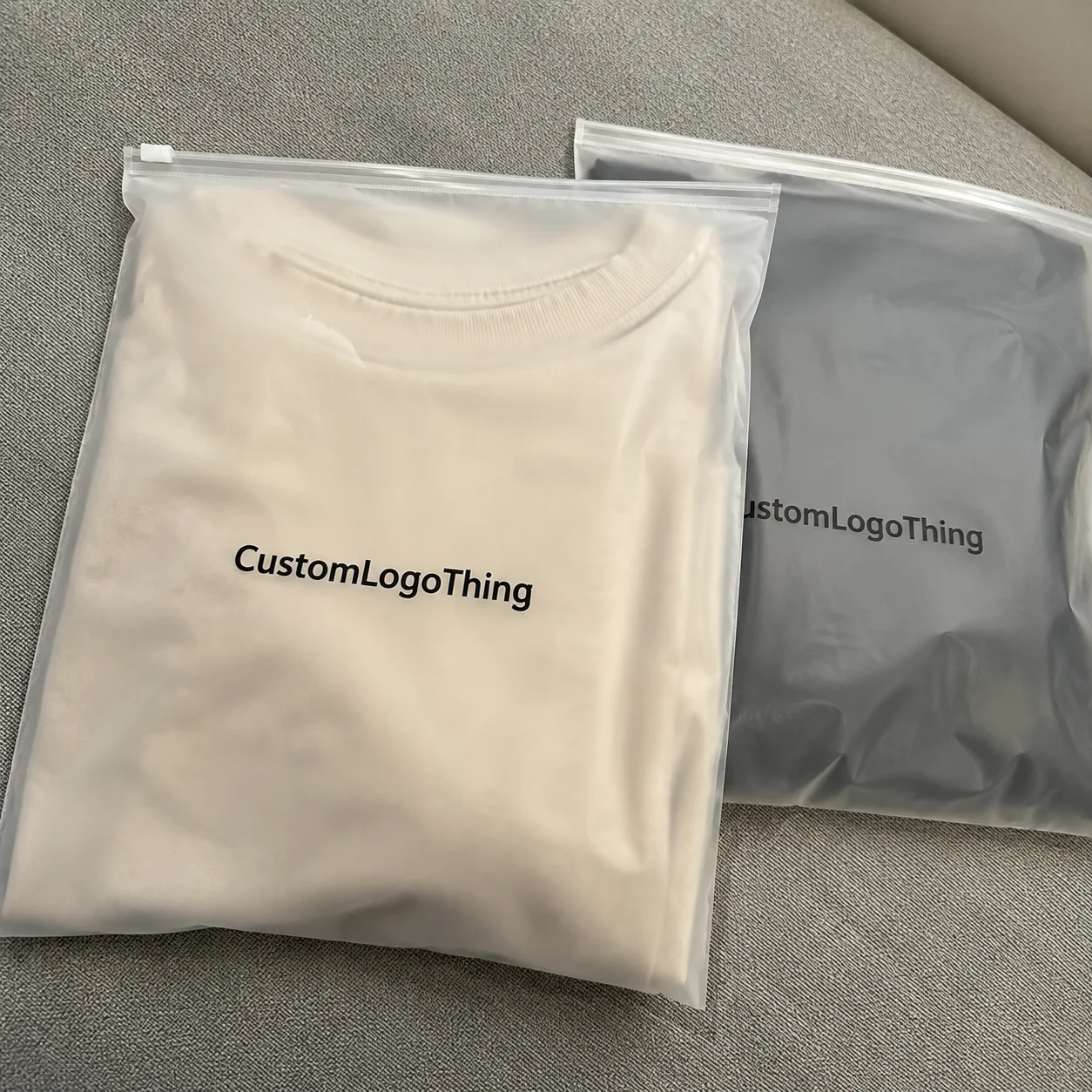
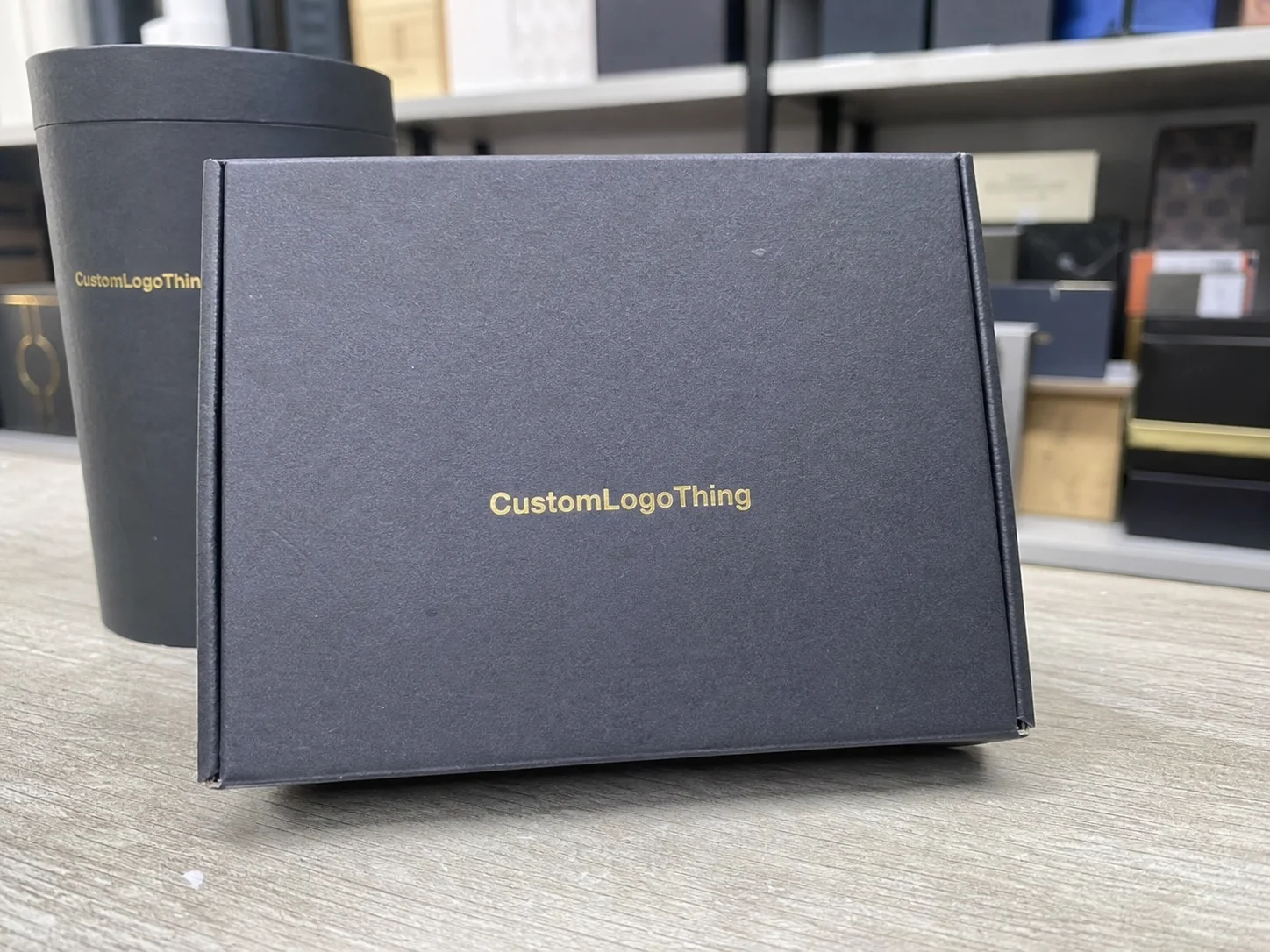
Buyer Fit Snapshot
| Best fit | product packaging practices what for packaging buyers comparing material specs, print proof, MOQ, unit cost, freight, and repeat-order risk where brand print, material, artwork control, and repeat-order consistency matter. |
|---|---|
| Quote inputs | Share finished size, material target, print colors, finish, packing count, annual reorder estimate, and delivery region. |
| Proofing check | Approve dieline scale, logo placement, barcode or warning zones, color tolerance, and any recyclable or compostable wording before bulk production. |
| Main risk | Vague material claims, crowded artwork, or missing packing details can create delays even when the unit price looks attractive. |
Fast answer: Product Packaging Practices What: Material, Print, MOQ, and Cost should be specified like a repeatable production item. The safest quote includes material, print method, finish, artwork proof, carton packing, and reorder notes in one written spec.
What to confirm before approving the packaging proof
Check the product dimensions against the actual filled item, not only the sales mockup. Ask for tolerance on folds, seals, hang holes, label areas, and retail display edges. If the package carries a logo, QR code, warning copy, or legal claim, reserve that space before decorative graphics fill the panel.
How to compare quotes without losing quality
Compare board or film grade, print process, finish, sampling route, tooling charges, carton quantity, and freight assumptions side by side. A lower quote is only useful if the supplier can repeat the same color, closure quality, and packing count on the next order.
“The prettiest pack on the sample table is not always the one that survives the UPS belt.” I remember saying almost exactly that after a long day on a corrugated line in Shenzhen’s Bao’an district, where a matte-finish mailer with gorgeous print came back from vibration testing with corner crush, scuffed ink, and a product that had shifted just enough to look sloppy when the customer opened it. I was annoyed, honestly. The sample had looked so good in the conference room that everyone nodded like we’d already won, and then the box met reality on a two-hour road test and reality won by a mile. That experience still shapes how I think about product Packaging Best Practices, because the real job is not to impress a designer for ten seconds; it is to protect the product, hold up in production, and still make the brand look like it knows what it is doing.
A lot of brands get led astray by mockups. A rigid box with soft-touch lamination and foil looks fantastic under studio lights, but if the product inside rattles, the magnet closure pops open in transit, or the insert was sized from a “close enough” drawing, the packaging has already failed. I’ve had clients fall in love with a box because it felt “premium” in the hand, and then act surprised when the factory in Dongguan started asking basic, boring questions like, “How much clearance do we have around the cap?” and “What happens when the freight forwarder stacks twelve cartons high for 48 hours?” Those questions are not glamorous, but they are the ones that save money. Good product Packaging Best Practices are practical before they are pretty, and the best programs I have seen on factory floors always start with protection, fit, shipping abuse, and assembly speed, then layer branding only where it adds value.
That is the lens I am using here. If you are buying Packaging for Retail, e-commerce, cosmetics, electronics accessories, subscription kits, or gift products, this is for you. I am not writing from a design-only point of view; I am writing from Factory Floors in Shenzhen, supplier meetings in Guangzhou, press checks in Wenzhou, and those awkward moments when a client discovers too late that a beautiful carton can also be a very expensive failure. I still remember one launch in Suzhou where the artwork team insisted the insert cavity “looked fine” even though the bottle could wobble inside it like a loose tooth. It did not “look fine” after the first 1,200-unit shipment. The strongest product Packaging Best Practices are the ones that survive production, not just a PDF presentation.
Quick Answer: What Product Packaging Best Practices Really Matter
The short answer is simple: product Packaging Best Practices begin with selecting the right substrate, protecting the product first, designing for shipping abuse, and balancing branding with manufacturability. If the structure cannot pass a 30-inch drop test, resist crush in a corrugate stack, and hold up through vibration and handling, the rest does not matter much. I have seen brands spend an extra $0.22 per unit on premium finishes and then lose $7 to $14 per order in returns because the insert let the item move inside the box. That is one of those moments where everyone gets quiet in the meeting room and suddenly becomes very interested in the word “fit.”
The most expensive-looking packaging is not always the best-performing one, and the cheapest material often ends up costing more after damage, rework, and replacement shipments. That is one of the most overlooked product Packaging Best Practices. A $0.38 corrugated mailer that passes a realistic shipping test can beat a $1.90 rigid box if the rigid pack needs hand assembly, extra inserts, and a second outer shipper anyway. I have been in enough cost reviews in Shenzhen and Ningbo to know that a low unit price can be a beautiful lie. Good packaging economics are never just about the unit price on the quote; they include labor, freight, spoilage, and how many times a pack has to be touched before it reaches the customer.
There is also a big difference between packaging that photographs well and packaging that survives the distribution chain. A pack that looks clean on a white studio sweep may still fail under 200 lb burst-strength corrugate compression, fail ASTM D4169-style distribution assumptions, or scuff badly after three touchpoints in a fulfillment center. The product Packaging Best Practices that actually work are the ones that account for truck vibration, pallet stacking, warehouse humidity, and the fact that some line workers are moving fast on a Monday morning with tape guns and no patience for fiddly structures. I say that with affection, by the way, because I have been that exhausted person with a roll of tape and a deadline breathing down my neck.
Here is what I will cover: a practical comparison of common packaging options, honest notes on materials and finishes, real pricing drivers, and the process I would use if I were buying for a launch with a hard deadline. This is commercial advice, not decorative theory. If you need packaging that performs in production, product packaging best practices should make your decision easier, not prettier, and the right answer should show up in board grade, insert fit, transit testing, and pack-out time.
“If it cannot survive one bad drop and one rushed pack-out shift, it is not ready.” That is what an operations manager told me in Dongguan after we reran a cosmetic kit with a looser insert and found a 6% damage rate in outbound cartons.
Top Packaging Options Compared: Boxes, Inserts, Mailers, and Wraps
Let me break down the main packaging formats the way buyers actually compare them: by function, cost, and how much trouble they create on the line. I have watched each of these move through different plants, from small folding carton shops in Guangzhou to higher-volume corrugate plants near Shanghai and Ningbo, and the pattern is always the same: the best choice depends on the product’s weight, fragility, and channel. That is why product packaging best practices are never one-size-fits-all, and why a $0.12 board difference can matter just as much as a fancy finish.
- Rigid boxes: Best for premium presentation, gift sets, luxury cosmetics, and high-perceived-value items. They feel substantial, but they usually require tighter hand-finishing, stronger glue control, and more careful insert work. A typical 2-piece rigid set with wrap and tray can add 18 to 35 seconds of labor per unit on a manual line.
- Folding cartons: Ideal for retail packaging, lightweight consumer goods, and products that need strong print quality at reasonable volume. They are efficient, stack well, and are easy to customize with custom printed boxes, embossing, foil, or spot UV. A 350gsm C1S artboard carton often gives a strong balance of print quality and foldability.
- Corrugated mailers: Great for e-commerce shipments, subscription kits, and direct-to-consumer orders where shipping strength matters more than shelf display. E-flute often prints better; B-flute often gives more structural insurance. For many brands, an E-flute mailer in the $0.32 to $0.68 range is easier to justify than a rigid box plus outer shipper.
- Paperboard sleeves: Useful for branding, bundling, and secondary packaging. They are attractive and relatively inexpensive, but they do not carry much structural load on their own. A sleeve in 300gsm SBS may cost only $0.07 to $0.14 per unit at 10,000 pieces, yet it still needs a stable base pack.
- Molded pulp inserts: Strong choice for holding fragile parts, glass items, electronics accessories, and sustainable packaging programs. They manage immobilization well, though the look is more utilitarian than luxury. Depending on cavity complexity, molded pulp tooling can run from roughly $600 to $2,500 before per-unit costs are added.
- Foam inserts: Still useful for certain fragile components, test kits, and high-shock applications. They protect very well, but buyers increasingly ask about recyclability and fiber-based alternatives. A precision die-cut PE foam insert can be the right answer for a $400 device, even if it is not the prettiest answer.
- Protective wraps: Tissue, paper wrap, bubble, and molded paper cushioning work as fillers and surface protection, but they should not be treated as the primary structural answer for fragile products. Tissue paper in the 17gsm to 22gsm range is great for surface presentation, not for impact absorption.
In factory production, die-cut corrugate is usually more forgiving than a rigid box program. If the CAD line is clean and the glue windows are right, a corrugated mailer can run with fewer surprises, faster pack-out, and fewer hand-finish errors. Rigid box work, by contrast, often needs better corner wrapping, more consistent chipboard caliper, and tighter tolerances around magnet placement, lid fit, and insert alignment. I have seen a beautiful rigid box turn into a production headache because the hinge stayed just a touch too stiff after wrapping, which sounds minor until a whole shift in a Shenzhen packaging plant is trying to close 5,000 units without mangling the corners. That is why many brands love rigid packaging in a concept meeting and then feel the pain of it in production. Product packaging best practices mean respecting those differences before the order is placed.
For branding, folding cartons and rigid boxes are the easiest to customize with high-impact visuals. Foil stamping, embossing, matte lamination, and spot UV all behave well when the artwork and substrate are chosen carefully. Corrugated can also be customized, especially with kraft or white top liners, but the print conversation changes a bit because flute structure affects detail, scuff resistance, and edge quality. If the goal is package branding that looks premium without crushing your margin, folding cartons and E-flute mailers are usually the most efficient starting points. That said, I am always suspicious when someone says “premium” and means “we added three finishes and hoped for the best.”
One client in the beauty space asked me for “luxury without the luxury price,” and we solved it with a 350gsm SBS folding carton, a 0.8 mm paperboard insert, and a soft-touch aqueous coating instead of a fully rigid structure. The order was 8,000 units, the factory was in Dongguan, and the landed cost came in around $0.62 per set before freight. It looked far more expensive than it was, and more important, it packed quickly on a semi-manual line at roughly 11 to 13 seconds per unit. That sort of balance sits right in the middle of product packaging best practices.
Detailed Reviews: Material Performance, Branding, and Real-World Use
Materials matter because they behave differently in the real world, and real-world handling is rarely gentle. I have seen kraft paperboard swell in humid storage in coastal Guangdong, SBS cardstock show beautiful print but scuff under rough pack-out, and rigid chipboard hold its shape like a champ while the wrapped paper corners picked up tiny nicks that ruined the premium feel. If you are serious about product packaging best practices, you have to think beyond the first sample. Samples are polite. Production is not.
Kraft paperboard is a smart choice when you want a natural look, moderate strength, and lower material weight. It prints well with simpler graphics, especially black, one-color, or earthy brand palettes. It can be excellent for eco-minded retail packaging, but uncoated kraft will show rub marks sooner than coated stocks, and fine artwork can lose sharpness. I usually like kraft for brands that want honesty in the look and can live with a less polished surface. Honestly, I respect that. Not every package needs to look like it came from a perfume house in Paris, especially if the pack is shipping from a factory in Ningbo to a warehouse in Ohio.
SBS cardstock gives cleaner print, brighter whites, and stronger visual pop for custom printed boxes. It is the stock I reach for when a brand wants crisp photography, high-color fidelity, or a polished retail shelf presence. The downside is that certain finishes can show scuffs faster, and if the coating is too slick or the folding score is off by even a small amount, you start seeing cracking on edges. On one seasonal gift project, a supplier in our network had a 2.5% corner cracking issue because the score pressure was too aggressive for the chosen laminate; that little detail turned into a lot of rework, and a lot of very tired people standing around a table in Guangzhou squinting at corners like that would somehow help.
E-flute corrugated is often the sweet spot for e-commerce and premium mailers. It gives a smoother print surface than heavier corrugate and still protects well enough for most direct-to-consumer shipments. B-flute corrugated has more structure and better crush performance, which matters for heavier items or outer cartons that will be stacked. If the pack is likely to travel through rough fulfillment centers or sit under weight on pallets for 24 to 72 hours, B-flute gives extra insurance. That is one of the most practical product packaging best practices I can share: pick flute based on the abuse your box will see, not on what looks nicest in the mockup.
Rigid chipboard is the premium lane. It feels substantial, carries strong perceived value, and supports luxury branding very well. It is common in cosmetic gift sets, fragrance packaging, and electronics presentation kits. The material itself is not usually the issue; the issue is execution. Wrapped corners, lid fit, hinge tolerance, and insert alignment all need attention. On a rigid box line I visited in Shenzhen, a 1.5 mm chipboard lid had a beautiful wrap, but the magnet strip was drifting by 1.2 mm across a batch of 3,000 units, and that was enough to cause closure inconsistency. Small deviations become big headaches fast, especially when the line is moving at 1,000 to 1,500 pieces per shift.
Molded pulp is one of my favorite materials for the right application. It protects well, it can support sustainability claims more credibly than some plastic alternatives, and it immobilizes parts better than loose-fill in many cases. I have seen molded pulp perform nicely in accessory kits, glassware, and small electronics packs because it cradles the item and reduces movement. The tradeoff is appearance; unless the rest of the pack is carefully designed, it may feel more functional than luxurious. Still, for many buyers, molded pulp hits the right combination of performance and sustainability, and in many cases it can be sourced from plants in Jiangsu or Vietnam with per-unit pricing that stays competitive at 5,000 to 20,000 units.
Foam inserts remain strong for high-shock or very fragile products, especially where a precise cavity is essential. They are often easy to spec and can be forgiving for odd shapes. The downside is environmental perception, and in some markets, buyers increasingly ask for paper-based alternatives. If foam is the only material that reliably protects a product worth hundreds of dollars, I would rather use foam and avoid returns than pretend a weaker insert is good enough. That honesty is part of product packaging best practices too, because a saved $0.09 insert can easily become a $12 return.
Moisture sensitivity deserves more attention than it gets. Paper-based packaging can warp, curl, or lose rigidity if it sits in a damp warehouse or moves through monsoon-season freight. I have seen coated cartons arrive looking fine, then pick up edge swelling after three days in a coastal storage room with poor climate control near Guangzhou. If the shipping lane is humid, think about coating choice, board thickness, and how much time the product will spend in transit. The material spec should match the environment, not a brochure claim, and if the route includes a port like Yantian or Ningbo, you should plan for that humidity window from the start.
Scuff resistance is another real-world issue. Spot UV and foil can add visual drama, but some finishes mark easily if cartons rub inside master cases or on fast-moving conveyor belts. Soft-touch lamination feels wonderful in the hand, though it can show oils and abrasion if the pack is handled a lot. I love soft-touch for premium retail packaging, but I do not recommend it blindly for high-volume fulfillment unless the handling conditions are known and tested. That is exactly why product packaging best practices always include a physical test, not just a design review, and why a sample should be rubbed, stacked, and shaken before anyone approves a run.
For authority, I lean on standards rather than guesswork. Packaging qualification often draws from ISTA for transport testing, ASTM methods for material and performance assessment, and the Forest Stewardship Council at fsc.org for responsible fiber sourcing. If a supplier cannot speak clearly about test assumptions or material traceability, I slow the order down. That is not me being fussy; that is me trying to avoid expensive surprises, especially on launches with a 12- to 15-business-day manufacturing window after proof approval.
Price Comparison: What Packaging Costs and Why
Pricing is where a lot of buyers get their first reality check. Two packages that look similar can differ by 30% to 70% in landed cost once materials, finishes, tooling, labor, and freight are included. I have seen plain kraft folding cartons quote at $0.18 per unit for 5,000 pieces, while a rigid box with a custom insert, foil stamp, and magnetic closure lands closer to $1.45 to $2.30 per unit depending on size and finish complexity. That spread is normal. Product packaging best practices demand that you understand why the spread exists, because “why” is where you find the hidden traps.
The biggest cost drivers are straightforward: board grade, print method, finish selection, tooling, insert complexity, and order volume. Digital print can be economical for short runs, but offset or flexo becomes more efficient as volume rises. Die-cutting and plating add setup costs. Specialty finishes such as foil, embossing, debossing, and multi-pass coatings add both material expense and machine time. If you add a custom molded tray, a window patch, and a hand-applied wrap, labor begins to matter as much as the substrate. I have had buyers fixate on a foil stamp and completely forget that every additional hand step slows the line. The box may look elegant; the production schedule will not care, especially in a plant where hourly labor in southern China runs on tight takt times and shift changes are measured in minutes.
Unit cost drops with scale, but setup costs do not disappear. A folding carton run might need a die plate at $180 to $450, depending on the supplier, while more complex tooling for rigid packaging can go much higher if custom fitments or unusual shapes are involved. I have negotiated programs where a buyer wanted to save $0.04 per unit by changing the board thickness, only to create a carton that had to be packed into an outer shipper with extra void fill. That “saving” disappeared in freight and labor. I almost laughed when the final spreadsheet came back, because the numbers had walked all the way around and returned to the same problem wearing a fake mustache.
Hidden costs are where margins quietly leak. Dimensional weight can punish oversized packaging, especially for e-commerce shipments. Assembly time matters, too; if a box takes 18 seconds to assemble instead of 7, and you are building 12,000 units, that difference is real labor money. Spoilage from misprints, crooked wraps, or poor die cuts also shows up later. Then there are replacement shipments, customer service calls, and the less visible cost of brand damage when a premium order arrives crushed. These are not abstract concerns; they are the operational side of product packaging best practices.
Here is a practical way to think about spend:
- Protect the product first. If the item is fragile or high-value, budget for structure before decoration.
- Choose the lightest material that still passes transit requirements. Extra weight can raise freight and handling costs.
- Spend on branding where customers can actually see and feel it. A printed outer mailer may matter more than a fancy insert nobody notices.
- Keep assembly simple. Fast pack-out reduces labor and inconsistency.
- Run one short production trial. The first 500 or 1,000 units teach you more than the renderings ever will.
If you are comparing suppliers, ask for landed cost, not just ex-factory cost. Freight, insurance, cartons per pallet, and assembly labor can change the picture dramatically. I once reviewed two quotes that looked almost identical until one supplier bundled 16% more freight because the box was 12 mm wider in one dimension. That single dimension change raised the dimensional weight enough to matter. Good product packaging best practices always include logistics math, because freight is where “just a little bigger” turns into “why is this bill so high?”
How to Choose the Right Packaging: Timeline, Process, and Production Fit
The selection process should start with the product, not the logo. Measure the item in its fullest form, including closures, cables, droppers, caps, and any accessories that ship with it. I prefer to see exact dimensions in millimeters, plus a weight in grams and a note on fragility. A 142 mm bottle with a 36 mm cap and a 290 g filled weight tells me far more than “standard size.” From there, product packaging best practices become a specification exercise, which is much less romantic and much more useful.
Next, define the shipping environment. Is the pack going Direct to Consumer through parcel carriers, sitting on retail shelves, or going in a master carton to a distributor? Each path changes the packaging strategy. A retail display carton can prioritize print and shelf blocking, while a shipper needs compression resistance and drop performance. A subscription kit often needs easy assembly and compact storage, because the fulfillment team may be building thousands of units a month. If you forget to ask how the pack will actually move, you end up designing for a fantasy lane that does not exist, whether that lane is a boutique in Tokyo or a warehouse in New Jersey.
Here is a practical timeline I would use for a custom packaging program:
- Day 1 to 3: Brief, product measurements, and packaging goal definition.
- Day 4 to 8: Dieline development and structural recommendations.
- Day 9 to 14: Physical samples or prototype mockups, especially for inserts or unusual closures.
- Day 15 to 20: Artwork proofing, fit revisions, and finish confirmation.
- Day 21 to 30: Production approval and start of manufacturing.
- Final shipment: Usually 12 to 15 business days from proof approval for simpler folding carton programs, longer for rigid boxes or hand-assembled sets.
That timeline depends on complexity, of course. A plain folding carton with no insert can move faster than a rigid box with magnetic closure, ribbon pull, and two custom trays. I have seen projects stall because the artwork team changed bleed margins three times, or because the insert fit was 1.8 mm too tight after the final product sample arrived. In real manufacturing environments, product packaging best practices include enough time for those revisions. Rushing the process usually costs more than the delay would have, and somehow it always costs more on a Friday.
Order quantity matters as well. At 3,000 units, you may want to avoid very complex finishing because setup costs will be spread over fewer boxes. At 25,000 units, the economics change, and custom printing, embossing, or special die shapes begin to make sense. Brands often ask me whether they should “go premium” immediately. My answer is usually: only if the product price, customer expectation, and margin can support it. Otherwise, spend where it improves the customer experience the most, like on a stronger insert, a better coating, or a faster pack-out structure that saves 9 to 14 seconds per order.
Ask suppliers for samples, drop-test assumptions, and assembly-time estimates before you commit. A sample that fits on a desk does not guarantee production success. You want to know how the insert behaves after repeated opening, whether the lid stays aligned after 10 closures, and whether the outer carton still looks sharp after real shipping abuse. I have had clients sign off on a lovely sample, then call me two weeks later because the actual production board was 0.2 mm thinner and the product shifted just enough to cause noise. That is why product packaging best practices lean hard on validation.
One more practical detail: ask whether the pack will be assembled at the factory or at your fulfillment center. If the packaging ships flat, the assembly design must suit the labor environment at the destination. A structure that takes 25 seconds to build may be acceptable in a low-volume luxury workshop in Milan, but not in a fulfillment center packing 1,500 orders a day in Dallas or New Jersey. That is one of the places where branding and operations collide, and I have watched it create more than a few tense conversations over coffee that had gone cold an hour earlier.
Our Recommendation: Best Practices We’d Actually Use on a Factory Floor
If I were building a packaging program from scratch, I would start with protection, then simplicity, then brand expression. That order matters. The best all-around approach for most brands is to define the product’s shipping risk, choose a substrate that handles that risk cleanly, and only then add premium finishes where they truly improve perceived value. That is the core of product packaging best practices as I have seen them work in factories that ship tens of thousands of units a month from Guangdong to the US and Europe.
For cosmetics, I usually like a 350gsm SBS folding carton with a formed paperboard or molded pulp insert, unless the product is heavy glass or needs a luxury unboxing experience. For electronics accessories, E-flute corrugated mailers with a die-cut insert often beat rigid boxes on cost and durability. For gift items, a rigid box can be worth it if the perceived value is high enough and the assembly line can support the extra labor. For subscription products, keep the structure flat-pack friendly, easy to fold, and easy to load. Easy assembly is not a nice-to-have; it is one of the most overlooked product packaging best practices, and it can save 2 to 4 hours per 1,000 units at pack-out.
There are also times when molded pulp beats foam on both sustainability and performance. If the product shape is stable and the insert cavity can be designed properly, molded pulp can hold the item in place very effectively while satisfying buyers who want a fiber-based solution. I have seen it perform particularly well in small appliance accessories, bottles, and cosmetic sets. Foam still has a place, but I would rather use molded pulp when the product and budget allow it, especially if the brand wants a better story for retail buyers in California or the UK.
My factory-floor rule is simple: packaging should be easy to assemble, easy to ship, and hard to damage before it reaches the customer. If one of those three is missing, I keep working the structure. I have had clients ask for elaborate closures that looked brilliant in a presentation but added 14 seconds per pack and doubled the chance of error. That is not a good trade. The cleanest programs are the ones where the packaging line can work fast, the customer gets a strong first impression, and the product arrives in one piece. That is where product packaging best practices earn their keep.
Here are the concrete next steps I recommend:
- Measure the product in full, including accessories and closures.
- Define the shipping environment, from parcel to retail to pallet.
- Request sample structures and ask for material specs in writing.
- Compare landed cost, not just unit price.
- Test one short production run before scaling to the full order.
If you need a starting point for your sourcing, review our Custom Packaging Products and compare them against your product dimensions and target cost. I also recommend checking whether your packaging supplier can speak clearly about FSC fiber options, ISTA-style transit assumptions, and how their line handles glue, score, and finish quality. Those answers tell you a lot, especially if they can quote a real run such as $0.15 per unit for 5,000 pieces on a simple printed carton versus a more complex construction in a factory near Dongguan or Xiamen.
One of the best buyer conversations I ever had happened in a small office above a carton plant in Shenzhen, where the brand owner said, “I do not want pretty failures.” That line stuck with me. It captured exactly what good product packaging best practices should deliver: fewer surprises, fewer returns, cleaner pack-out, and a package that looks intentional instead of fragile.
Product Packaging Best Practices: decision table
| Decision area | Best fit | What to verify | Risk if skipped |
|---|---|---|---|
| Product fit | Protection, display, and unboxing consistency | Measurement, tolerance, material, and sample approval | A nice design fails because the product fit was guessed |
| Brand presentation | Logo visibility, finish, and customer perception | Print method, color target, texture, and proof review | Packaging protects the item but does not sell the brand |
| Operations | Packing speed, storage, shipping, and reorder control | Carton count, warehouse label, and repeat spec | The package is attractive but hard to pack or reorder |
FAQ: Product Packaging Best Practices Buyers Ask Most
What is the best material for fragile products? For fragile items, I usually start with a corrugated structure and a custom insert that immobilizes the product. Molded pulp works well for many shapes, while foam still makes sense for very high-shock applications. The best answer depends on the product weight, drop risk, and how much movement the item can tolerate inside the pack. That is one of the core product packaging best practices buyers should evaluate early, especially for glass, ceramic, or electronics shipped through parcel networks.
How can I reduce packaging cost without hurting quality? Reduce structural complexity before you cut material quality. Extra folds, custom inserts, and specialty finishes all add labor and waste. Choose the lightest substrate that still passes shipping and shelf requirements, and consolidate box sizes where possible to reduce tooling and inventory. A simpler pack often performs better and costs less in the long run, particularly when assembly labor in a plant in Guangdong is charged by the minute.
Which packaging type is best for e-commerce shipments? Corrugated mailers and shipping boxes usually win because they balance protection, weight, and cost. If the product can move during transit, add an insert or divider. Keep the branding strong, but avoid finishes that scratch easily during fulfillment, especially if the packs will rub in totes, cartons, or conveyor systems. That is practical product packaging best practices in action, and it is why an E-flute mailer often outperforms a rigid box once you add the outer shipper.
How long does custom packaging usually take to produce? It depends on the dieline, sampling, finish complexity, and approval speed. Simple folding cartons can move faster than rigid boxes with specialty inserts or heavy hand assembly. In many cases, I would budget 12 to 15 business days from proof approval for straightforward programs, then add more time if the structure is complex or the artwork team expects revisions. For larger launches, I prefer to build a 30-day window so a missed proof does not derail the ship date.
Is sustainable packaging always the best choice? Not if it sacrifices product safety or raises returns from damage. The best sustainable option is the one that uses the least material while still protecting the product and shipping efficiently. Paper-based solutions often work well, but they still need the right structure, coatings, and sizing. Sustainability and product packaging best practices should support each other, not fight each other, especially when the pack must travel through humid ports or long-distance freight lanes.
FAQ Schema-Ready Q&A
Question: What are the most important product packaging best practices for fragile items?
Answer: Prioritize corner protection, immobilization, and drop resistance before decorative finishes. Use custom inserts, dividers, or molded pulp so the product cannot shift during transit, and test the full pack with a real shipping simulation instead of a desk-level fit check. A carton that looks fine in Shanghai can still fail after one rough last-mile shipment in Chicago.
Question: How do I lower packaging costs without hurting quality?
Answer: Reduce structural complexity first because extra folds, inserts, and specialty finishes add labor and waste. Choose the lightest material that still passes shipping and shelf requirements, and consolidate sizes where possible to simplify tooling and inventory. For many brands, a $0.62 carton plus a well-designed insert beats a $1.20 rigid setup that takes twice as long to assemble.
Question: Which packaging type is best for e-commerce shipments?
Answer: Corrugated mailers and shipping boxes usually work best for protection and efficiency. Use inserts only when the product can move or break in transit, and keep branding strong without using finishes that scratch easily during fulfillment. E-flute works well for lighter packs, while B-flute is often better for heavier items or master cartons stacked in a warehouse.
Question: How long does custom packaging usually take to produce?
Answer: Timeline depends on dieline approval, sampling, revisions, and finishing complexity. Simple folding cartons move faster than rigid boxes with specialty inserts or heavy hand assembly, so build extra time for artwork revisions and fit testing before production starts. For straightforward runs, 12 to 15 business days from proof approval is a realistic target.
Question: Is sustainable packaging always the best choice?
Answer: Not if it sacrifices product safety or increases returns from damage. The best sustainable option is the one that uses the least material while still protecting the product and shipping efficiently, and paper-based solutions still need proper structure, coatings, and sizing. A recyclable carton that fails in transit is not a good environmental outcome.
My closing thought is plain: product packaging best practices are about discipline, not decoration. The right box, mailer, insert, or wrap should protect the product, fit the shipping lane, keep the pack-out team moving, and still make the brand look credible in the customer’s hands. If you get those fundamentals right, the branding has room to shine. If you skip them, no amount of foil or fancy lamination will save the order. And if a supplier tells you otherwise, well, I’ve got a few sample failures I can show you from factories in Shenzhen, Dongguan, and Guangzhou. Start with fit, prove the pack with a real test, and let the finish serve the structure instead of pretending it can rescue it.