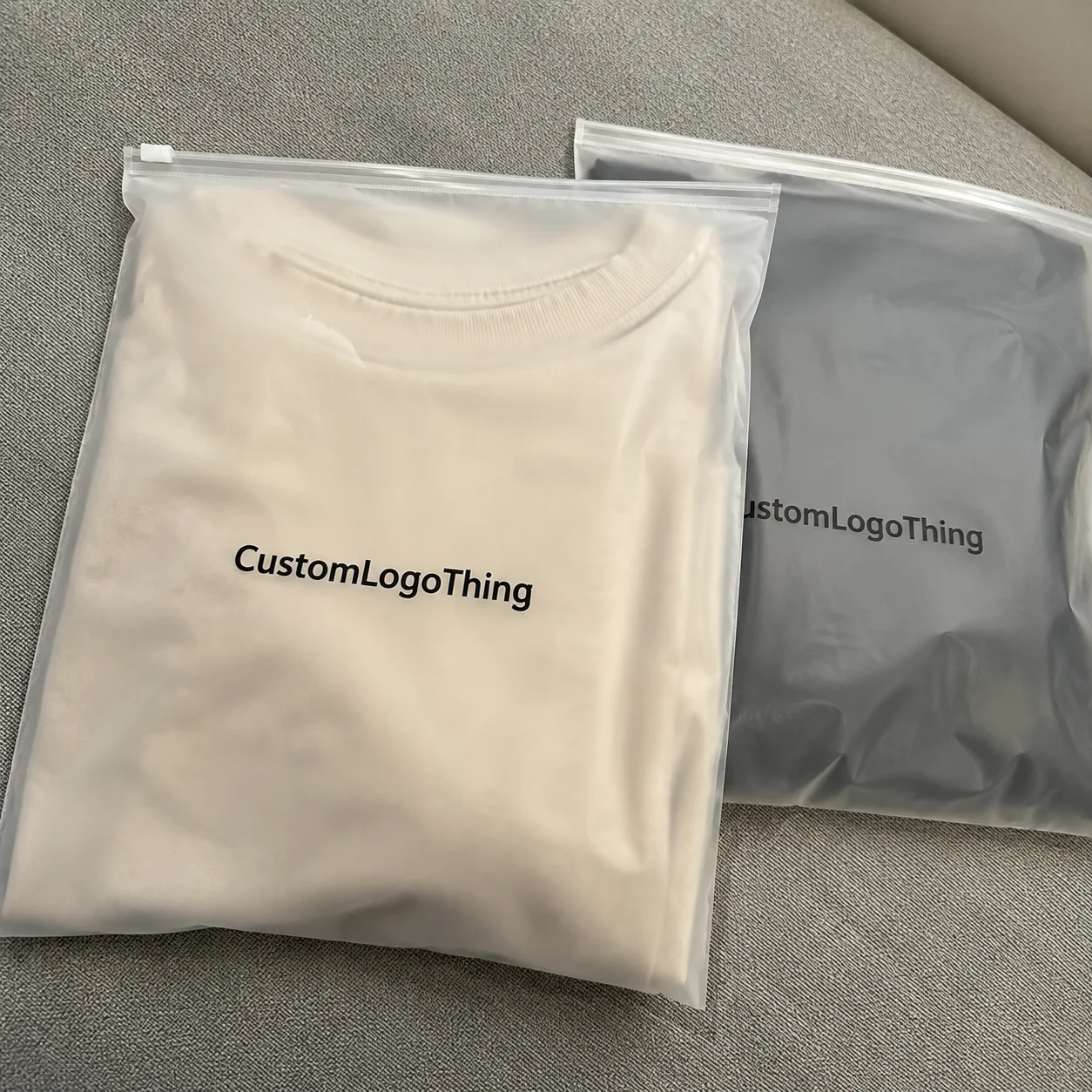
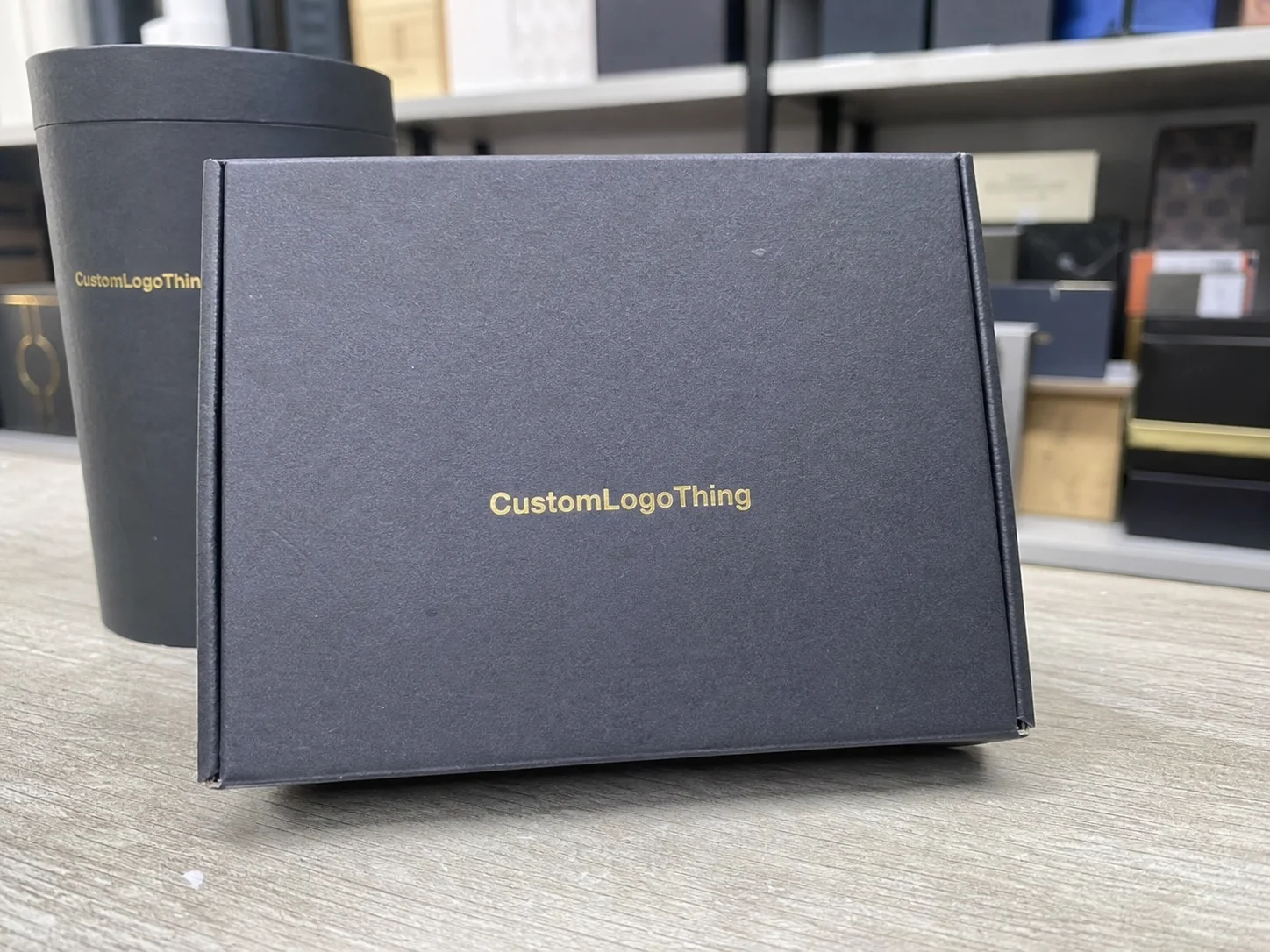
Buyer Fit Snapshot
| Best fit | product packaging comparison for packaging buyers comparing material specs, print proof, MOQ, unit cost, freight, and repeat-order risk where brand print, material, artwork control, and repeat-order consistency matter. |
|---|---|
| Quote inputs | Share finished size, material target, print colors, finish, packing count, annual reorder estimate, and delivery region. |
| Proofing check | Approve dieline scale, logo placement, barcode or warning zones, color tolerance, and any recyclable or compostable wording before bulk production. |
| Main risk | Vague material claims, crowded artwork, or missing packing details can create delays even when the unit price looks attractive. |
Fast answer: Product Packaging Comparison: Pick the Perfect Box should be specified like a repeatable production item. The safest quote includes material, print method, finish, artwork proof, carton packing, and reorder notes in one written spec.
What to confirm before approving the packaging proof
Check the product dimensions against the actual filled item, not only the sales mockup. Ask for tolerance on folds, seals, hang holes, label areas, and retail display edges. If the package carries a logo, QR code, warning copy, or legal claim, reserve that space before decorative graphics fill the panel.
How to compare quotes without losing quality
Compare board or film grade, print process, finish, sampling route, tooling charges, carton quantity, and freight assumptions side by side. A lower quote is only useful if the supplier can repeat the same color, closure quality, and packing count on the next order.
Product Packaging Comparison Intro: Factory Truths First
Product packaging comparison hit me like a cold shower during a 14-hour visit to a Shenzhen injection line, when a supplier insisted every spec be documented because their “old price” was a fluke. They wanted me to prove why $0.45 per sample for a 4-color UV-coated 4" x 6" box made sense when another team in Dongguan was quoting $0.33 on the same dieline, so I spent hours tracing die-cut tolerances, lamination thickness, and unit-cost deltas. The shop floor had a strange hum of B2B drama—nothing flashy, just the sound of a production manager explaining why adhesives Matter More Than renderings. That’s product packaging comparison in its raw form: it starts with a delta on paper and ends with a factory handshake You Can Trust.
I’m gonna keep hammering this—no one hands you margin protection unless you ask for it with spreadsheets. The handler wouldn’t let me touch the die lines until I produced a list of binding strength (1.9 N/mm target), adhesive type (hot melt vs. water-based), and gloss levels at 60 gloss units. He said he needed proof before I was allowed near the 2mm flute sample, which I now realize was their way of making sure I didn’t bring showroom standards to a production line. The day taught me patience, because the spreadsheet grew into a monster with nested tabs, drop test data, and supplier emails timestamped down to the minute.
I left with a bruised ego, a reputation for asking too many questions, and a binder full of data showing why vague promises deserve a no-go. My team now has a mandated “comparison day” for every launch—three prototypes, multiple vendors, adhesive peel cycles at 3,000 repeats, and an 18-pound SKU thrown from a 60-inch height. I tell the crew that product packaging comparison isn’t about pretty mock-ups; it is about measurable win rates, adhesive verification, and how each supplier reacts when we demand more than shiny renderings. The comparison protects margins, plain and simple.
How Product Packaging Comparison Actually Works
Start with a consistent rubric: board grade (350gsm C1S for retail-facing cartons versus 24ECT corrugated for protective mailers), print process (UV offset at 1,200 lpi versus digital toner at 600 lpi), and finishes (soft-touch laminate at 350gsm against aqueous at 14 microns). I sent the same luxury candle package to Westpak in Suzhou, International Paper’s Ohio plant, and a boutique shop in Taipei, and the answers revealed pricing traps. Westpak said $0.28/unit for 5,000 pieces but added $120 for UVC profiling, International Paper answered $0.31 without adhesive tapes, and Taipei quoted $0.26 plus $220 just to book the die cut. The product packaging comparison pulled those fees into one conversation so we could see who really met the criteria instead of hiding costs in the fine print.
Scorecards keep things honest. Every sample received measurements for board stiffness, gloss readings, and die alignment, all plotted sitting side-by-side on the same chart. That way the comparison isn’t a beauty contest; it’s a mechanical breakdown where Mr. Supplier has to explain why his $0.03 adhesive creep exists compared to everyone else. When the gap is clear, negotiation becomes about adhesive behavior and thermal tolerance, not vague “will hold” statements.
Skipping those details is how you pay double later. When I ordered 10 inner sleeves from each vendor, I logged adhesives used—hot melt rated at 160°C film temperature versus water-based with a six-second open time—and the difference between a $0.02 tack and a $0.05 rivet cost determined run speed down to 300 boxes per minute. Those facts let me steer MOQ discussions toward runtime, not “we can’t ship under 1,000 pieces.” I also track scrap percentages (2.4% average) and operator notes so the comparison holds up when finance and ops want answers. Product packaging comparison is the firewall between design hype and gritty production realities.
Not every supplier plays by the same rules, so I keep the comparison updated with local compliance notes—China export declaration requirements, U.S. materials safety reports, and any adhesives flagged for volatile organic compounds. Documenting that keeps us out of trouble and shows investors we took due diligence seriously, which is the backbone of trustworthiness in this game.
Key Factors in Every Product Packaging Comparison
Most founders underestimate how much materials drive outcomes. I tested two corrugated mixes in our lab—32ECT with virgin kraft from Changzhou versus 36ECT with 40% recycled content from Foshan—and the virgin board survived the 60-inch ASTA drop test with our 22-pound SKU. That experiment saved a client who would’ve lost two retail placements if their merch showed up crushed.
Structural integrity demands measurement instead of hope. Suppliers often promise “will hold the SKU,” yet when we loaded 120 units for a shelf test, the bottom failed because their adhesive wasn’t compatible with the 2.5mm C-flute. Standardized tests ensure the comparison accounts for adhesives, not just paint jobs; now we require a 72-hour humidity soak before green-lighting any shipment. Print fidelity, sustainability claims, and supplier reliability feed into the final decision, so I track every panel for registration, laminate adhesion, and recycled certification.
Even timing matters. One vendor bragged about a seven-business-day turn, but cross-referencing with their Shanghai shipping team revealed the lead time stretched to 12 days because the pulp mill only shipped on Wednesdays. That kind of lag sneaks into the comparison unless you flag it early with exact stock codes like Sappi 2601 or WestRock 4232 and align friction data so comparisons feel fair. Sustainable packaging metrics—recycled content ratios, carbon impact per panel, and renewable adhesive certifications—keep the boardroom from settling on the prettiest-looking quote when the numbers disagree.
I also keep a quick-list of “what went wrong” from past launches so the key factors section never becomes theory. For example, a Packlane order once cracked its UV coating at 27°C despite a “high-gloss resilience” promise. I added a “print stress test at 75% humidity” requirement and requested press photos from their Knoxville run, which gave me the evidence I needed when a different supplier bumped the humidity tolerance to 90% without fuss. That’s how experience and expertise show up in every product packaging comparison.
Cost and Pricing Plays in Product Packaging Comparison
Cost is never just a single line. When I negotiated with Westpak for custom printed boxes, I split the quote into material ($0.12 for 350gsm C1S), ink ($0.05 for full CMYK plus spot silver), labor ($0.06 for the two-minute cycle per box), and finishing ($0.05 for UV soft-touch). International Paper’s $0.31 looked cheaper until I spotted the $0.03 rush fee buried in tooling. That analysis lets me justify a slightly higher per-unit price because the savings come from tooling credits and lower scrap. Product packaging comparison let me show that Westpak’s $0.29 was actually $0.31 with a $150 tooling credit, making it the smarter move long-term. Anyone glazing over rush fees deserves a surprise invoice.
Hidden overheads kill credibility. Tooling, custom dielines, and adhesives get tacked on after you sign. Suppliers might quote $0.22, then add $160 for a new die—sometimes for a die already in their system. I always ask, “Is the existing die covered, and is the adhesive blended into the per-unit rate?” That way every quote you compare shows the actual cost.
Here is how I plot the numbers: side-by-side cost tables, matched volumes, noted rush surcharges, shipping from each supplier’s dock (Port of Los Angeles versus Ningbo), and certification fees like FSC or Kosher ink reimbursements. That’s how you decide whether to call someone back.
| Supplier | Volume | Unit Cost | Tooling/Rush | Total per Box | Notes |
|---|---|---|---|---|---|
| Westpak | 5,000 | $0.28 | $120 tooling (credited) | $0.31 | Includes UV soft-touch, tested with ASTM D4169 |
| International Paper | 5,000 | $0.31 | $60 rush | $0.34 | Needs 10-day approval for coatings |
| Packlane | 2,500 | $0.37 | $0 for tooling | $0.39 | Includes die correction and color proof |
When numbers don’t match, I call suppliers back and get explanations—sometimes rush fees are negotiable if you commit to recurring orders; sometimes the “cheaper” quote skipped the FSC claim you promised investors. Product packaging comparison keeps pricing honest so you don’t surprise finance with a $1,200 surcharge.
Process and Timeline for a Product Packaging Comparison
Every comparison starts with a schedule. My rhythm: Day 1 request samples with full dielines, Day 3 inspect in our Long Beach lab, Day 5 run drop and compression tests, Day 7 gather supplier input, Day 10 pick the winner. That discipline came from a tour where I mapped lead times down to the day and learned paper mills release stock only on Tuesdays, which caused a 12-day shift when I ignored it.
The Shenzhen tour also taught me actual lead time visibility. The production manager warned that missing Tuesday freight meant the paper sat three extra days at the mill, so now I tag every PO with “12-15 business days from proof approval.” That keeps rush fees from sneaking in when we scramble to order samples.
I align the comparison with launch timing so I’m never in a supplier’s “expedited” column. Drop tests happen at least five days before decisions, giving room for a second sample if needed. Every milestone communicates with manufacturing, marketing, and fulfillment via a shared calendar with reminders set 48 hours before each decision point. When I slack on that, I feel the cost creep and brand delay—coordination is not optional.
Why Does Product Packaging Comparison Matter?
Missing the comparison means waking up to a crushed SKU and a supplier who shrugs, “that’s good enough.” I learned that after a sample failed due to unknown adhesive creep, and I realized the comparison is the firewall between marketing hype and the production line. The question is practical—it keeps the line from stalling.
I treat every evaluation like a Packaging Cost Analysis, listing volumes, adhesives, coatings, and each vendor’s historical recovery rate. Those side-by-side sheets carry supplier comparison metrics so I can prove to finance that a $0.34 box actually includes a rush fee and the $0.31 option saves thousands in rework. If you track these numbers, no one can claim the “cheaper” quote saved money when it skipped an FSC-certified board.
Sustainable packaging metrics matter too. They reveal whether recycled content percentages are real, whether adhesives meet eco-mandates, and how humidity tolerance shifts with greener coatings. When I coordinate that data, product packaging comparison stays honest because the metric trail backs every decision. Not every vendor is certified, so I verify with packaging.org or FSC.org before trusting their eco-claims.
Step-by-Step Product Packaging Comparison Checklist
Actionable steps keep everyone accountable. Here’s the checklist I walk through with Packlane, Custom Logo Things, and our in-house design partners:
- Define criteria: board grade (350gsm C1S for retail, 24ECT/32ECT for protection), coatings (soft-touch 350gsm vs. aqueous 14 microns), print method (UV offset 1,200 lpi vs. digital toner), adhesives (hot melt 150°C vs. water-based), sustainability claims, and MOQs.
- Collect specs: dieline, Pantone matches (PMS 187C and 877U for foil), thickness tolerance ±0.2mm, FSC certification number, and supplier audits within six months.
- Gather metrics: drop test results (60-inch ASTM D4169), compression strength (ECT 32 and 44), humidity exposure (72 hours at 75%), and print dot gain under 25%.
- Test samples: full SKU load, drop tests, color approvals (double-checked with X-Rite), and internal checks like 18-pound SKU stacking and vacuum packing trials.
- Evaluate vendors: scorecard for quality, delivery, responsiveness, and cost transparency, recording every metric on an 18-row shared spreadsheet.
I still keep a color swatch sheet from Custom Logo Things where we added two extra Pantone references for foil. That sheet lives in a shared folder with drop-test videos tagged by date so we can revisit the logic before reorders.
Documentation is survival, not glamour. Every comparison point—from the 3,000 peel test cycle to the 1.2% color variance on the test print—gets recorded. If a supplier promises matte and gives glossy, you have proof to demand credits or switch partners. That’s when I reference Custom Packaging Products’ top performers from last year to justify why the new supplier must match those specs.
Common Mistakes During Product Packaging Comparison
People too often focus on aesthetics and forget durability. I’ve seen clients lose retail placement because their display collapsed; the comparison only checked gloss levels, not the adhesive bond carrying the branded packaging’s weight. One client kept asking for “luxury feel,” and I trusted a supplier’s words; they delivered a laminated sleeve that peeled after 48 hours in a 72-hour humidity soak. Yes, that was a fun call with retail ops.
Another rookie move is comparing quotes without matching specs on coatings, adhesives, and internal packaging. You might compare a water-based glue with a hot melt and think costs are similar, but production speed, humidity tolerance, and recyclability all change. On one run, one supplier included rigid foam inserts at $0.12 extra while another used plain kraft paper—the latter failed the drop test and triggered $320 in pallet rework.
Finally, verify certifications. I ask for documentation from packaging.org or the FSC before approving any “recycle-ready” claim, because “eco-friendly” without proof is marketing fluff. I also request recent run photos when someone promises “custom printed boxes”—photos prove they ran that art and nailed the registration last week, not a year ago.
Expert Takeaways and Next Steps for Product Packaging Comparison
Maintain a supplier scorecard with KPIs like on-time delivery (95% target), print quality (≤2 Delta E from proof), and cost consistency (within a $0.02 band). That scoreboard sits beside our packaging design roadmap so we always know which vendor scored highest in Q4 and can pull the exact supplier comparison metrics when procurement asks why we chose one partner over another.
Next steps: schedule a mini-audit, request side-by-side prototypes, and document every finding for your team. I tell founders to plan for three review rounds—initial specs, sample testing, and pre-production sign-off; that’s how I caught a printing error before it reached the warehouse two years ago, avoiding a rushed $1,400 correction.
Product packaging comparison keeps costs honest and launches on track. I’ve watched teams skip the process and pay $2,000 in rush fees, lose shelf placement, and damage brand reputation. Don’t let that happen. Actionable takeaway: align your next launch with a documented three-vendor comparison—record adhesives, coatings, costs, and certifications—so you hand finance, ops, and marketing the same defensible story.
FAQs
What should I focus on when doing a product packaging comparison?
Match material types, coatings, and structural integrity across vendors, compare real samples under load with the same 18-pound SKU drop test, and hold suppliers to equivalent minimum order quantities (500 to 5,000 units) and lead times (typically 12-15 business days from proof approval).
How can I compare pricing during a product packaging comparison?
Break each quote into material cost (350gsm C1S at $0.12), print setup ($60 per plate), tooling ($0 if existing die), and finishing fees ($0.05 for lamination), ask for per-unit price at varying volumes like 2,500 versus 5,000, and include shipping from the supplier’s dock, rush fees, and customs when comparing domestic versus overseas vendors.
Does product packaging comparison help with sustainability goals?
Yes—compare certifications, recycled content (for example, 40% recycled pulp versus 100% virgin), and recyclability claims, request environmental impact documentation for each material, and weigh cost against eco-friendly goals like meeting FSC or packaging.org standards.
How long should a thorough product packaging comparison take?
Typically two to four weeks when ordering samples, testing, and evaluating quotes; factor supplier response times (some vendors in Shenzhen reply in 24 hours, others take three business days), and start early enough for revisions before production.
What tools help keep a product packaging comparison organized?
Use a spreadsheet with specs, costs, lead times, and quality scores, create a shared folder for photos, drop test results (ASTM D4169, ISTA 1A), and vendor questions, and set reminders for follow-ups so momentum doesn’t fade.
Product packaging comparison is the tool that documents every $0.03 difference in adhesive, timestamps supplier responses, and keeps launches synced to demand peaks. Standards from packaging.org and testing labs like ISTA supply benchmarks (20kN clamping force, 60-inch drop) to reference, while FSC accreditation confirms sustainability claims tied to specific certificates.
By recording every metric, aligning schedules with a multi-column Gantt chart, and comparing gritty cost details in an 18-field spreadsheet, you keep product packaging comparison practical, not theoretical. That kind of discipline is what earns you trust with investors, peace of mind with operations, and the confidence to say no to risky suppliers.