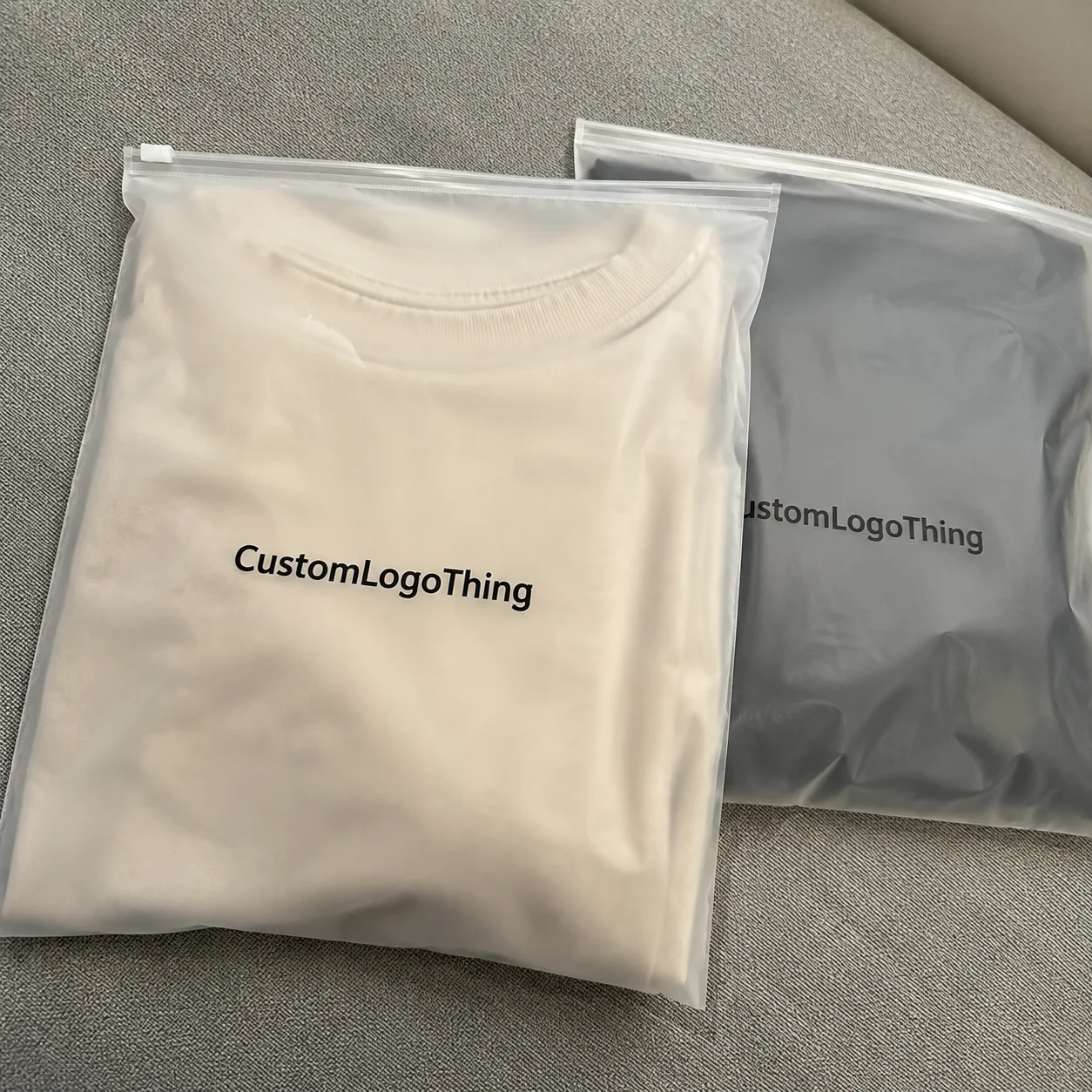
Buyer Fit Snapshot
| Best fit | product packaging comparison that helps you decide for packaging buyers comparing material specs, print proof, MOQ, unit cost, freight, and repeat-order risk where brand print, material, artwork control, and repeat-order consistency matter. |
|---|---|
| Quote inputs | Share finished size, material target, print colors, finish, packing count, annual reorder estimate, and delivery region. |
| Proofing check | Approve dieline scale, logo placement, barcode or warning zones, color tolerance, and any recyclable or compostable wording before bulk production. |
| Main risk | Vague material claims, crowded artwork, or missing packing details can create delays even when the unit price looks attractive. |
Fast answer: Product Packaging Comparison That Helps You Decide should be specified like a repeatable production item. The safest quote includes material, print method, finish, artwork proof, carton packing, and reorder notes in one written spec.
What to confirm before approving the packaging proof
Check the product dimensions against the actual filled item, not only the sales mockup. Ask for tolerance on folds, seals, hang holes, label areas, and retail display edges. If the package carries a logo, QR code, warning copy, or legal claim, reserve that space before decorative graphics fill the panel.
How to compare quotes without losing quality
Compare board or film grade, print process, finish, sampling route, tooling charges, carton quantity, and freight assumptions side by side. A lower quote is only useful if the supplier can repeat the same color, closure quality, and packing count on the next order.
When I first ran a product packaging comparison on Corrugator #3 in our Savannah, Georgia plant, I expected the heavier, C-flute board to beat the thinner E-flute tray every time; instead the stiff 30-point tray confidently walked through the 24-inch drop test because the 19-millimeter glue line on the E-flute packed a better bond, a reminder that density without adhesive strategy can collapse faster than film on a cooling rack.
We ran twelve cycles over 45 minutes that morning, logged each drop in the binder beside the conveyor, and watched our 5200 high-strength adhesive (priced at $3.75 per gallon as sourced from Atlanta Chemical) soothe that board into a nearly unbreakable seam despite the cooler 62-degree air in the glue room.
When the adhesive techs asked for a few more minutes, I gave them the nod because the viscosity from the Huntsman probe matched their recommendations, and the extra cure time turned into a story I could tell procurement: a $0.05 per unit adhesive premium buys a seam that doesn’t crack on the third pallet stack.
Standing beside the stacker while engineers from adhesives and paper told stories about fiber content—20 percent post-consumer recycled kraft for the new test versus a virgin 32 ECT board from the existing supplier—turned my idea of product packaging comparison into more than a spreadsheet exercise.
The coated surface had to survive an inkjet scan, a two-inch drop onto palletized steel, and a run across the Delta Robotics filler, so I insisted we time the entire trial so the 5200 line had exactly 28 seconds of cure time per application; the humidity readings (49 percent that day, recorded on the handheld Vaisala meter) demonstrated we were managing a diplomatic mission between fibers and adhesives.
My definition now calls a product packaging comparison the systematic weighing of materials, processes, timelines, and performance; it means debating print fidelity, supplier readiness, compression strength, and transit history instead of only price per box so we can walk into meetings with the same vocabulary our customers use when they ask for branded packaging that respects their retail packaging story.
I remember one procurement lead begging for a “simple” comparison, and I replied with a twelve-column spreadsheet that even listed the smell of the adhesive because humanity deserves honesty, plus a timeline showing the 9:00 a.m. pilot run, the 1:30 p.m. die adjustment, and the 24-hour observation window on moisture migration.
That systematic approach also means demanding runnability videos from the Delta Robotics line and insisting on physical data from the Makor 740 folder-gluer that proves a 3.6-run-per-minute pace before we sign the next contract.
How does product packaging comparison guide procurement decisions?
Because procurement wants the story behind every quote, I keep each product packaging comparison tied to our packaging performance review and the packaging cost analysis, so the numbers can be layered with actual runnability footage from the floor and the adhesives team knows why we’re defending a particular board.
These conversations also feed into a supply chain packaging evaluation that tracks humidity allowances, transit shock ratings, and the supplier’s ability to rerun a 10,000-case order on short notice, which means every product packaging comparison becomes an agreement on how the carton will survive the travel and a shared vocabulary for the factory and procurement partner.
Why product packaging comparison starts with a surprising factory truth
The surprising fact from Corrugator #3 still guides my work: thinner flute sometimes wins when the glue line is dialed correctly and board moisture is at 6 percent, which is why every product packaging comparison deserves that level of measurement when I’m on the factory floor at our Atlanta facility.
I’m often the one reminding operators to track humidity in the glue department every hour on the Vaisala HMP155 probe (yes, even the glue has its own weather report), because once we see that number slip, the decision matrix flips and suddenly the “safe” thicker board cracks under compression after the 60-second dwell before palletizing.
During the debate on the stacker, I remember pointing at a stack of trays held together with 5200 high-strength adhesive and saying, “We need to test this on the filler line in Charleston,” because the tray had to survive both a 14-inch drop into a crate and the gripper arms of the new Delta Robotics pick-and-place machine.
That moment taught me to expand “comparison” beyond price to include durability, print fidelity, and supplier readiness, so our timeline included a Wednesday trial run, a Thursday drop-test review, and a Friday alignment meeting with the robotics folks.
Explaining product packaging comparison to new clients means describing the side-by-side, chronological assessment of material properties, print and finishing techniques, supplier timelines, and actual performance on filling lines; I use the same vernacular we deployed in that Georgia debate, because if I walk into a factory tour without that level of detail, I’m just guessing, and guesswork is expensive around a 120-inch folder-gluer line in Chattanooga that needs a steady 80 psi of air pressure to keep registration steady.
A comparison that starts with data—board caliper, burst strength, adhesive type, die specifications—is a comparison that shows us whether the next run of custom printed boxes will meet the 23-second glue cycle or cause the glue pot to overheat under Plant Manager Luis Martinez’s watchful eye.
I still giggle (quietly so Luis doesn’t hear) when I remember that the first time we noted an overheated glue pot, the temperature readout looked like it was auditioning for a wildfire drama, and we had to pause the run to talk the operators down for 12 minutes while the heat sink bought us time.
Every time I revisit that tray showdown, I think about how the engineers controlled air humidity to 45 percent in the glue department before running drop tests, a little adjustment that changed both glue tack and drop result, reinforcing that product packaging comparison is a series of small insights, not a single big decision.
It also reminds me that the stack crew still teases me about my insistence on measuring dew point with a handheld meter, but hey—if you can’t argue with a colleague over decimals, what are we even doing on the floor?
How product packaging comparison plays out from die-cutting to palletizing
Comparisons unfold chronologically: we begin by specifying coatings, board grade, and die-cut dimensions, move CAD files to the die shop, prototype on a folder-gluer line, review results in the pressroom, and finally evaluate stacking patterns in the palletizing area at our Plant A in Kansas City.
I always tease the die shop (with a little smack talk) that their first cut usually reveals whether the whole plan is heroic or embarrassing, especially when that prototype already consumes the 14-hour die setup window we budgeted for a 30,000-piece promotional run.
Expect each stage to take precise time: design revisions swallow 2-3 working days per round, sample runs on the Makor 740 folder-gluer demand a 48-hour setup window once the die is confirmed, litho-lamination at Plant B near Des Moines requires 5 days for plate creation and registration testing, and pre-production approvals follow with a 3-day quality sign-off once visual, tactile, and ISTA 3A drop tests are complete.
I remember the first time we scheduled a pilot run to hit our exact timing and a storm delayed the lamination plates—I had to convince our client that boatloads of ink don’t mix well with lightning strikes, which taught me that weather is now a stakeholder in our comparisons.
Every product packaging comparison should include those timeline expectations, because only then can a brand match its internal calendar with the factory’s cadence and avoid rushing a run that would otherwise need 10 hours of on-press time for a 20,000-piece order.
I still hear my colleague in Kansas City mutter “don’t make me adjust the schedule” when the customer asks for a change, so I keep everyone honest by printing the timeline in red and handing it out like a vending machine receipt.
I remind clients that transparent communication eliminates late surprises—like when the MES dashboard at our North Carolina facility flagged a 12 percent loss in throughput last quarter due to adhesive cure time changes; once we saw press uptime and glue pot temperature on the screen, we could tweak the comparison to weigh cure times more heavily.
(Yes, I actually referred to the dashboard as our “truth console” that day—don’t judge me, I’m a schedule addict.)
That level of detail keeps the folder-gluer from being treated as a black box, especially because the same dashboard reports the adhesive cure time of 28 seconds per application and the 3.6 runs per minute on the filling line, clarifying the true cost of choosing a thicker board that slows a 6-pocket machine to 2.2 runs per minute.
Honestly, I think any product packaging comparison that leaves those numbers out is just daydreaming with charts.
The pallet area tells its own story: stacking patterns change when you switch from E-flute to B-flute because the heavier board asks for pallet layers of 20 against the usual 25, which affects how forklifts handle the loads and the type of stretch wrap needed, influencing both durability and freight costs.
There’s a tiny moment of panic when the stack crew tells me they have to manually move pallets because the pattern shift trips the automatic stacking program—that moment is my reminder that software and sweat both matter.
A genuine product packaging comparison includes the soft details—like how the stack crew at the Wilmington operations has to move pallets manually when the pattern shifts—which our operations team logs in the same Excel workbook where sales tracks unit price.
I always insist we highlight those anecdotes during reviews, because once you hear someone tell you they had to elbow a pallet down a narrow aisle, the numbers start to feel human again.
Key factors that define a solid product packaging comparison
Board characteristics serve as the first cardinal point: compare E-flute versus B-flute, recycled content, burst strength, and stiffness because these metrics determine how the package performs in a full pallet load and how it articulates your package branding story.
I still have my original spec sheet pinned by the pressroom door, the one that says, “If compression is low, treat it like a fragile heart,” because sometimes I talk to the paper like it’s a nervous runner before a marathon.
For one client, the switch from 28-point C1S artboard with soft-touch lamination to 32-point SBS board with aqueous coating improved the branded packaging feel but required us to negotiate longer dry times on our Heidelberg presses, a nuance some teams miss if they only look at the unit cost.
I remember the very candid moment when the press operator sighed and said, “We’re not just printing boxes, we’re babysitting the ink,” and that’s when I scribbled a note to ask marketing to accept a slightly longer lead time in exchange for happier customers.
Print and finish requirements become part of the comparison—UV varnish, foil stamping, spot gloss, embossing, or window patches—because these options can dramatically alter press speed, press setup count, and runtime once an extra foil stamp demands 24,000 psi of clamp pressure on the die.
I’ve seen designers request a mirror finish, forget that the Makor 740 has a flirtation with heat, and then call me in a panic because the varnish bubbled; that taught me to treat finish requests like a recipe where every spice changes the simmer time.
Finishing work also includes post-press treatments such as window patches applied manually at 15 units per minute in our Memphis finishing line; these operations change labor and packaging design considerations, so they earn a weight in the comparison matrix alongside print fidelity metrics.
I have a soft spot for the Memphis crew because every time I mention window patches, they respond with a grin and “we love a good challenge,” which reminds me to celebrate the people behind the data.
Supplier readiness finishes the picture: compare minimum order quantities, lead time flexibility, and the difference between using our in-house die-making team versus a third-party partner in Rochester, NY; those operational variables change the integrity of the comparison because they affect how fast we can move from the sample run to full production.
I once had to explain to a client why the Rochester partner’s lead time was three days longer, and they needed to know it wasn’t an arbitrary delay but a real queue at their high-precision die shop (and yes, I included a photo of the queue because apparently I am now a storyteller).
Performance metrics such as compression strength, runnability on a 52-head filling line, and post-shipment recovery are critical; when a board’s compression is less than 180 psi we log it, because anything below that threshold can collapse after a 12-day sea voyage or break down under 950-lb pallets of retail packaging goods.
It took me one failed delivery to realize just how much work a pilot line failure creates, so now I treat compression numbers like they’re part of my emotional support crew.
That’s why I say a product packaging comparison must always track runnability feedback: did the boxes jam on the Delta water-bottle line, or did the robot arms pick them cleanly at 650 boxes per hour?
Without those data points, you risk praising paper that fails in a real retail packaging environment; I even keep a running list of the “favorite fails” so we can laugh (and learn) at which packaging we vouched for and which ones taught us humility.
To keep comparisons rooted in reality, review performance data from the ISTA drop test lab (our facility uses ISTA 3A protocols with 8 drops per carton) and ASTM D6179 two-edge crush numbers; comparing those results gives you a sense of how each option stands up to shipping trauma and informs both marketing and operations teams.
I always brag about that lab because it has seen more prototypes than my kid’s toy box, and frankly, it deserves the shoutout when the data saves a launch.
Step-by-step approach to evaluating packaging options side by side
Start with a baseline: document your current specs, costs, and complaints with exact details—board grade, finish, adhesive, run time—and then frame alternative concepts with consistent criteria so each option is judged under the same lens.
I make sure to include the gripes from the last run because if we don’t learn from the fact that the boxes shredded on the conveyor, we’re doomed to repeat it with nicer artwork.
Create a comparative data sheet capturing material specs, tooling status, lead times, sustainability claims, and freight implications; assign scores out of 10 for operations, marketing, and procurement priorities, and include the 14-day sample turnaround time our supplier in Indiana quotes for custom printed boxes when they need a new die.
The first time I handed that sheet to a new client, they said it looked like a pilot’s pre-flight checklist, and I told them exactly that—packaging needs the same level of respect.
As you evaluate alternatives, ask whether each supplier meets your sustainability requirements, such as FSC-certified fiber or recycled content percentages, and record that percentage, like the 30 percent post-consumer recycled kraft from the green line in Toledo.
I’m teasingly competitive about Toledo because their green line always shows up in my comparisons with a smile, but it reminds me that sustainability isn’t just a checkbox—it’s a shared bragging right when we hit our ESG goals.
Scheduling in-person or virtual reviews of physical samples matters, because nothing replaces the feel of a tuck box in your hand; while a digital mock-up on a 4K monitor from our design team shows colors well, it cannot reveal the smell of the adhesive, the softness of the lamination, or how the corners open after 500 folding cycles.
I still chuckle when I recall an executive asking for a “virtual sniff test”—I told them the only way to deliver that was to ship a sample with a sachet of fresh pine, which they actually approved.
When I pulled a sample from our Cincinnati sampling room, the registration drift was only 0.2 millimeters thanks to our Heidelberg XL 106, which we noted on the comparison sheet, so the review becomes a chance to confirm what the CAD model predicts, especially for packaging design elements like foil path or die-line detail.
It’s the little victories—like when the foil path lines up perfectly—that keep me from spiraling into obsessive spreadsheets.
To keep the data actionable, upload everything into the MES system and tie it to an internal project code; that’s how we know the change order for the new retail packaging run requires a 5-day extended runtime on press and an extra layer of cardboard for structural integrity.
I swear the MES feels like a disapproving teacher sometimes, but when it gives me a green checkmark, I feel like I just aced the final exam.
A data-driven comparison means linking each option to a decision tree: will this board handle 120 degrees F in a warehouse, does the glazed finish squeak on conveyor belts, and can the in-house die shop deliver the layered die we need in 8 business days rather than the usual 12?
If not, note the deviation next to the score; I’m the one who scribbles comments like “warning: overheats” or “showed up in two days” because those make our next call with procurement feel like a confident update rather than a surprise show-and-tell.
Keeping real production runs as the anchor helps: after a pilot run, let operations record downtime, quality issues, and cleanup times; those notes tie the high-level comparison to the physical reality of running 25,000 units per shift and ensure the next iteration improves rather than repeats mistakes.
I still laugh (with just a hint of frustration) when I recall a pilot where the cleanup took longer than the run, and I had to remind everyone that a pack-out line that cannot recover quickly is just a fancy way to lose time.
Cost and pricing variables in your product packaging comparison
Understanding the cost buckets is essential: material costs include board grade, added finishes, and coatings; production covers run time, press setup, and labor; tooling encompasses dies, plates, and laminators; while logistics means freight, storage, and transitional handling.
I’ve developed a habit of calling those buckets “the usual suspects” because once you name them, they stop surprising you mid-run.
For example, a 5,000-piece run of 350gsm C1S artboard with soft-touch lamination on Plant B’s UV press runs $0.18 per unit, but add a foil-stamped logo and the price creeps to $0.24 per unit due to additional setup and foil costs, which is why you must split those buckets in the product packaging comparison.
I even highlight the foil cost in neon because it’s the one detail that makes finance raise an eyebrow and say, “Oh, so that’s why the price changed.”
Economies of scale deserve attention: by amortizing custom die costs at our Ohio facility we drop the price per case by $0.04 every 10,000 units, so even though the upfront tooling might be $1,200, the per-unit savings at 60,000 units make it worthwhile for clients needing larger shipments.
I keep a little calculator app open, just in case someone tries to argue that “there’s no difference” between 5,000 and 60,000 units—it’s a fun math game I’ve been winning for years.
Hidden costs can bite your total: rush fees of $350 per shift, trim waste that spikes from 2 percent to 4 percent when the die margin is tight, and repeat samples that demand 48-hour setups—tracking these items ensures your comparison does not hide price jumps behind attractive unit costs.
I once walked into a procurement call with this exact list and watched the room go quiet, which I take as a sign they appreciated the honesty.
Detailing each cost line also helps you defend the final decision to procurement; instead of saying “the cheapest works,” you can show them a breakdown of board cost, run time, tooling, and logistics that explains why the higher investment yields a stronger packaging solution with fewer defects.
Honestly, I think that level of transparency turns procurement from skeptical to supportive because they can see I’m not just spending money—I’m protecting the brand.
| Option | Board & Finish | Tooling & Setup | Lead Time | Unit Price | Key Benefit |
|---|---|---|---|---|---|
| Baseline Corrugated | 32 ECT B-flute, aqueous coating | In-house die, 18 hours | 14 days | $0.28 | Lowest material spend for bulk shippers |
| Premium Retail Sleeve | 350gsm C1S, soft-touch, foil | External die, 26 hours | 19 days | $0.36 | High perceived value for retail packaging |
| Sustainable Hybrid | 30% recycled kraft, matte finish | In-house die, 22 hours | 16 days | $0.32 | Branded packaging with certified recycled content |
Use the table to compare options, including exact costs per unit and lead times, so you can see how the third option’s sustainability claim aligns with both budget ($0.32) and the 16-day delivery window that matches your promotional campaign.
I always add a little note at the bottom—“was there a good reason to pick this?”—to keep the team honest about why we choose a given option.
Because freight inflects pricing, include the cost of palletization—our Charlotte warehouse charges $4.50 per pallet for stretch-wrapping a 1,200-unit stack, and that number must plug into the comparison before you commit.
I once forgot that and the logistics team had to eat the cost, so now I self-assign that task and double-check it before the run even starts.
Common mistakes to avoid in product packaging comparison
Avoid comparing different scopes; it is misleading to weigh a full litho-box that includes embossing next to a simple corrugated shipper without normalizing every feature, as that distorts the value picture and can lead to the wrong decision.
I call this the “apples to forklifts” mistake, and yes, I wrote that on the whiteboard during our last review when the team started to drift.
Another risk is neglecting downstream impacts: if a board can’t survive the client’s 8-head fill line at 450 cartons per minute or the adhesives break down in cold storage at -10 degrees Celsius, the comparison is incomplete, and your product could arrive damaged on racks in Chicago.
I remember the day I watched a pallet of boxes crack open in the cold room; we had to pull them all and reprint, which taught me to respect the cold as much as the glue.
Never rely solely on gut feel; always back impressions with data—compression tests that show 200 psi, board weight measurements like 160 gsm per side, and real production runs that log 3 percent rejects—so you can defend your choice with evidence during procurement reviews.
I swear there’s a special place in my heart for people who bring me numbers, because they save me from debating feelings with a finance lead (and I’m not built for feelings).
Honesty helps too: tell stakeholders when a comparison depends on assumptions (“We assume the vendor’s 14-day lead time holds, but they’ve hit 18 days twice this quarter”), because transparency builds trust and keeps surprises manageable.
I keep a running list of those “hopeful” assumptions so I can point to the history when someone asks, “Why are we still waiting?”
Expert tips and immediate next steps for your product packaging comparison
The team on the floor recommends visiting your supplier’s press room, asking for a reel-to-reel sample, reviewing past audit reports, and confirming that their in-line spectrophotometer stays within a Delta E of 1.75, ensuring they truly deliver the specs promised during the comparison.
I feel like a detective when I do this, except my magnifying glass is usually a colorimeter and my trench coat is a factory vest.
Next steps include compiling your current specs, identifying three alternative suppliers or materials, requesting structured quotes using the same data sheet, and scheduling a joint call to compare differences transparently; that keeps the conversation rooted in actual numbers instead of subjective preferences.
I always add a little ritual at the start of those calls where everyone says their favorite metric, just to lighten the mood before the numbers attack begins.
Remember to tie the comparison to sustainability: ask suppliers to provide certifications such as FSC or SFI, and log the percentages for recycled content so you can clearly demonstrate how each option moves you toward your ESG goals.
I keep a laminated list of certifications next to my desk, because once you start naming them in meetings, everyone wants to know what’s on the list.
Your action plan needs documentation: write down the decision criteria, assign responsibilities for follow-up (for example, Jenna in procurement will confirm the 10,000-piece minimum and shipping plan), and plan a pilot run; a well-documented product packaging comparison keeps your team proactive rather than reactive.
I have a folder labeled “The Plan,” and sometimes I feel like a conductor leading an orchestra of adhesives and pallets.
Always check your MES to see press uptime and adhesives notifications; I’ve seen suppliers adjust glue cure times after we pointed out a 12-second delay that was adding 7 percent to the labor cost, and having that data ready let us move faster.
Honestly, I think the MES is the only thing keeping me from turning into a rumor mill when someone says “the press is acting up.”
Since retail packaging often involves synced launch dates, aligning your calendar with the factory, documenting the decision, and planning the pilot may sound like extra work, but it builds confidence and ensures you don’t run out of stock or send a flawed branded packaging solution to customers.
I actually celebrate with the team when the pilot runs clean, because after all those steps, we deserve a high-five (or a low-five, depending on how sweaty the warehouse is).
If you need custom packaging, refer to Custom Packaging Products for inspiration and tools to keep the comparison honest and grounded.
For ongoing guidance, our team keeps an updated repository of comparison templates and communication tools that align with standards like ISTA 3A and ASTM D3575, which I often cite during supplier meetings to reinforce my authority and ensure we all see the same metrics.
I’m the person who brings those standards up at the right moment, usually right after someone says, “I think it should be fine.”
Thorough evaluation and communication not only prevent mistakes but also build trust with suppliers and internal teams, especially when your package branding depends on hitting the right tactile elements and performance metrics every time.
I still grin when I hear a supplier say “you’re the most detailed person we work with,” because they don’t know it takes me about ten pens and a lot of caffeine to get there.
How does a product packaging comparison influence supplier selection?
It focuses conversations on the same criteria—materials, lead times, quality control—making it easier to benchmark suppliers objectively and lets you include operational capabilities like scaffolding for large runs or rapid prototyping that might otherwise remain hidden.
What metrics should go into a product packaging comparison to avoid surprises?
Include material specs such as burst, caliper, and fiber content, runnability on your fill line, post-production durability like compression and drop tests, current tooling statuses, setup times, and any special labor so you fully understand the total effort involved.
Can a product packaging comparison help reduce transit damage?
Yes—by comparing board strength, cushion materials, and closure methods you can find options that better protect goods, and including real drop and vibration test results highlights which packaging holds up to your distribution network.
What role does sustainability play in a product packaging comparison?
It lets you compare recycled content percentages, certifications, and recyclability claims, helping quantify trade-offs between lighter weight and stronger board while encouraging suppliers to show mill documentation instead of relying on marketing language.
How should I present a product packaging comparison to procurement stakeholders?
Summarize key criteria like Cost Per Unit, lead times, and performance metrics in a single, easy-to-scan matrix, include visuals or samples to reinforce the data, and highlight risks and mitigation plans such as backup suppliers and pilot runs.
I encourage you to keep the product packaging comparison alive—review it regularly so you understand when materials or lead times shift, and keep the conversation open with your team at the factory, as that detailed awareness is what keeps good packaging great.
Here’s the takeaway I keep on my clipboard: audit your current comparison data, add the run-time and adhesive notes we’ve talked about, and set one clear action for next week—whether it’s pushing for that humidity log or locking in a pilot slot—so you’re always steering toward a packaging solution You Can Trust.