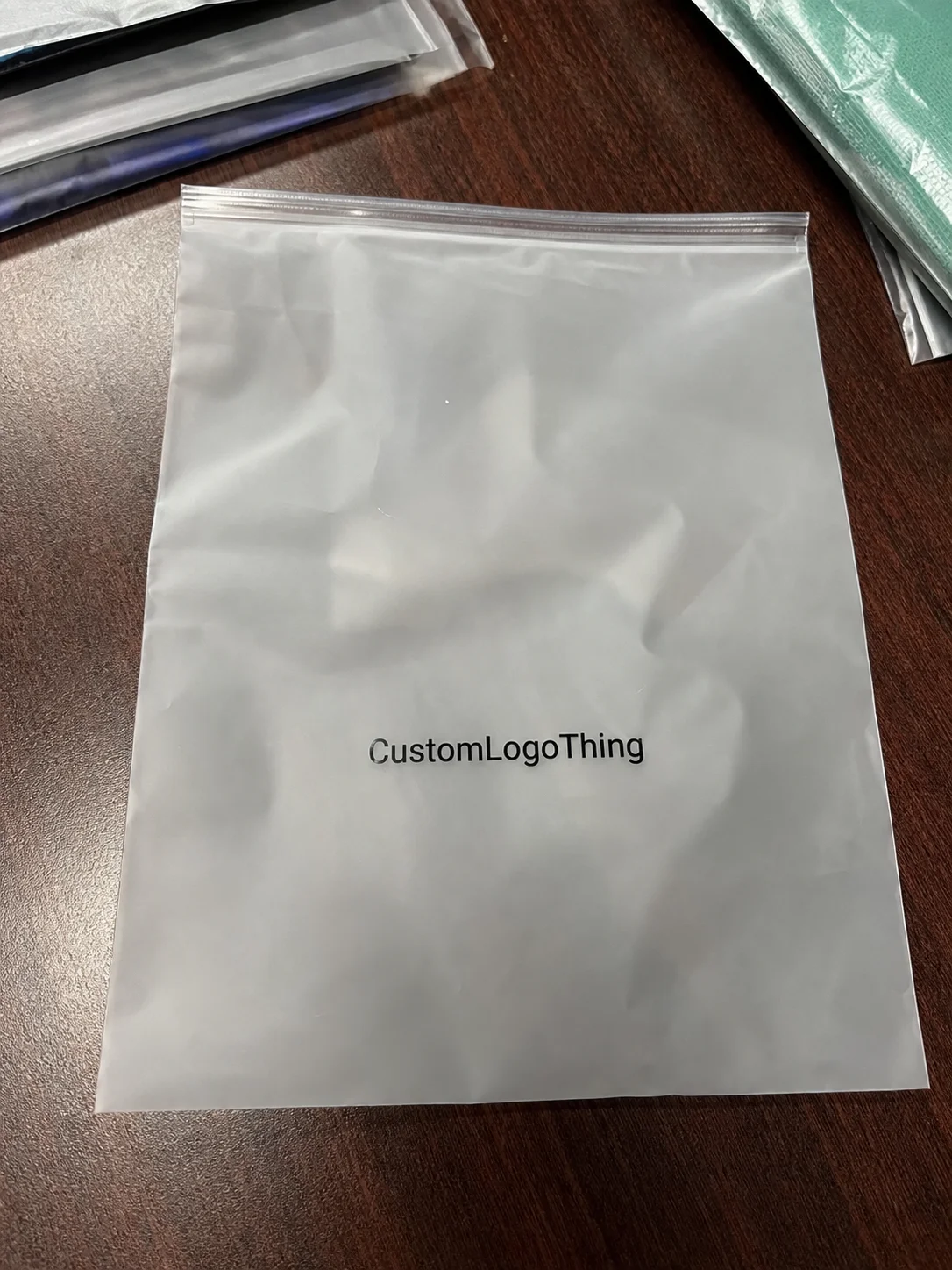
Buyer Fit Snapshot
| Best fit | Product Packaging Design for Better Brand Impact projects where brand print, material claims, artwork control, MOQ, and repeat-order consistency need to be specified before quoting. |
|---|---|
| Quote inputs | Share finished size, material target, print colors, finish, packing count, annual reorder estimate, ship-to region, and any compliance wording. |
| Proofing check | Approve dieline scale, logo placement, barcode or warning zones, color tolerance, closure strength, and carton packing before bulk production. |
| Main risk | Vague material claims, crowded artwork, missing packing details, or unclear freight terms can make a low unit price expensive after revisions. |
Fast answer: Product Packaging Design for Better Brand Impact: Material, Print, Proofing, and Reorder Risk should be specified like a repeatable production item. The safest quote records material, print method, finish, artwork proof, packing count, and reorder notes in one written spec.
Production checks before approval
Compare the actual filled-product size with the drawing, then confirm tolerance on folds, seals, hang holes, label areas, and retail display edges. Reserve space for logos, QR codes, warning copy, and material claims before decorative graphics fill the panel.
Quote comparison points
Review material grade, print process, finish, sampling route, tooling charges, carton quantity, and freight assumptions side by side. A quote is only useful when the supplier can repeat the same color, closure quality, and packing count on the next order.
I’ve spent enough time on factory floors to know this: product Packaging Design Tips are not just about making a box look nice. I remember standing beside a folding carton line outside Shenzhen while a client changed a single side panel by 4 mm on a 350gsm C1S artboard carton, and that tiny adjustment improved pallet stacking, cut carton crush by about 18%, and made the product look cleaner on shelf because the front face finally lined up with the retail tray. That’s the kind of detail people miss when they treat packaging like decoration, and in a plant running 12,000 cartons a shift, that kind of miss turns into wasted board, skewed stacks, and a very long afternoon.
Good product Packaging Design Tips help you build packaging that protects the product, tells the brand story, moves efficiently through shipping, and still earns attention in a crowded retail aisle. I’ve seen brands spend $0.42 more per unit on a premium finish and gain nothing because the structure was awkward, and I’ve also seen a plain kraft mailer outperform a glossy box because it matched the customer and survived a 900-mile UPS route better. Honestly, I think that’s why packaging work is so interesting: the visual, the structural, and the practical all have to pull in the same direction, or the whole thing starts wobbling like a cart with one bad wheel.
At Custom Logo Things, the best product Packaging Design Tips usually start with a simple question: what must this package do before anyone ever sees it on shelf? Sometimes it needs to protect a 250 ml glass bottle during a 700-mile truck ride from Dongguan to Los Angeles. Sometimes it needs to create a premium unboxing moment for a skincare set packed in a two-piece rigid box with 1200gsm chipboard. Sometimes it needs to keep freight under control on a 1,200-unit run, where every extra cubic inch can add $60 to $140 in shipping. The best packaging solutions usually answer all three, and if they can do that without making production grumpy, even better.
Why Product Packaging Design Tips Matter More Than You Think
Packaging design is the combination of structure, graphics, materials, print methods, and user experience working together so the product arrives safely and looks intentional. That sounds simple, but I’ve watched teams overlook one of those pieces and lose the benefit of the others. A beautiful box with weak board caliper can collapse under warehouse handling. A sturdy shipper with poor graphics can make a premium product feel cheap. The strongest product Packaging Design Tips respect both sides of the equation, because a package has to do its job before it gets to be admired like an art object, and a line running at 28 cartons per minute will expose weak spots faster than any design review ever could.
Packaging is more than decoration because it affects four practical outcomes at once: protection, shelf visibility, shipping efficiency, and brand perception. If a package slides easily into a carton pack pattern, your line speed improves by 10 to 15 minutes per shift. If the front panel uses strong contrast and a clean typographic hierarchy, shoppers understand the product in three seconds or less. If the finish resists scuffing, your retail packaging keeps its value longer, especially under fluorescent lighting in stores from Chicago to Manchester. Those are not cosmetic details; they are business details, and they have a sneaky habit of showing up in finance meetings whether anyone wants them there or not.
There’s also a useful distinction that often gets lost in early meetings. Primary packaging is the material touching the product, like a bottle, pouch, jar, or sachet. Secondary packaging holds the primary unit, such as a carton, sleeve, or presentation box. Transit packaging is the outer shipping layer, like corrugated master cartons, pallet wrap, and corner boards. Good product packaging design tips help you make better decisions at each layer instead of trying to force one box to do every job, which is a little like asking one person to be the designer, engineer, warehouse manager, and customer service rep all at once.
“The prettiest box in the room means very little if the pallet collapses in receiving.” That’s something a plant manager told me during a carton audit in Jiangsu, and he was right.
Set expectations clearly before you begin. These product packaging design tips are meant for brand owners, startups, product managers, and operations teams that need packaging to look good and perform under real conditions. Whether you are ordering Custom Packaging Products, building branded packaging for a subscription line, or refining a new retail launch, the same basic rules apply: define the product, design for the channel, then finish for the customer, ideally with a quoting window that reflects the actual specs instead of a hopeful guess pulled from a spreadsheet at 4:30 p.m.
How Product Packaging Design Works From Concept to Shelf
The packaging process usually starts with a brief. That brief should include product dimensions, weight, fragility, sales channel, target price point, quantity, and any compliance rules. From there, the structural team creates a dieline, which is the flat pattern that becomes the box. Graphic designers then build the artwork around that dieline, while prepress technicians check bleed, trim, fonts, image resolution, and color separations. The process works best when everyone sees the same objective and the same measurements, because otherwise you end up with ten people staring at one carton and somehow still disagreeing about where the logo should sit, even though the flute direction and glue flap location are sitting there in black and white.
In a typical project, I’ve seen structural engineers mock up three carton styles before the brand team even reviews color. That is not wasted time. A straight tuck, auto-lock bottom, or two-piece rigid set-up all changes how the product feels in hand, how it sits on shelf, and how fast it can be assembled. A straight tuck carton made from 300gsm C1S artboard might be ideal for a lightweight supplement box, while an auto-lock bottom can save 20 to 30 seconds per assembly on a 5,000-piece run. Good product packaging design tips always start with structure before styling, because a lovely graphic can’t rescue a box that folds badly or ships poorly.
The production side matters just as much. Operators on the pressroom floor care about ink density, registration, coating consistency, and whether the board behaves properly through the converting line. If the box uses an emboss, foil stamp, or spot UV layer, the finishing team needs enough tolerances to keep the image aligned. I once watched a job stall for six hours because the foil line sat 1.5 mm off the logo edge in a plant outside Suzhou. That sounds tiny on paper, but on a premium carton it reads as a defect, and nobody in the room is ever excited to explain that to a client. (Trust me, they are not thrilled either.)
Packaging must also be tested. Fit testing checks whether the product sits correctly in the insert or cavity. Drop testing and vibration testing evaluate shipping durability, and standards like ISTA protocols are widely used to simulate transit conditions. For material and performance reference, I also keep an eye on guidance from the International Safe Transit Association and the EPA when sustainability claims need to be carefully worded. On a cosmetics line in Guangdong, one 30-inch drop test was enough to show that a paperboard cradle needed to be 1.2 mm deeper, and that single revision saved an entire 8,000-unit batch from rim chipping.
Here’s a practical timeline overview. Sampling and structural revisions often take 5-10 business days. Material sourcing can take another 3-7 business days if you need specialty board or a particular coating. Proofing, approvals, and finishing setup may add 4-8 business days. On a normal custom run, I tell clients to expect more delay from revisions than from actual box production, and most factories in Shenzhen or Ningbo will quote a full production cycle of 12-15 business days from proof approval for standard folding cartons. That’s a lesson I learned the hard way after a buyer changed panel copy five times on a 3,000-piece order, and by the final round I was staring at the mockup like it had personally offended me.
What Are the Best Product Packaging Design Tips for Better Packaging?
The best product packaging design tips begin with the product’s real job: protect the item, communicate the brand, and fit the channel without creating waste or confusion. If you want packaging that performs well in retail, e-commerce, or subscription fulfillment, start by defining the structure, then move into materials, graphics, and finishing. The strongest packages are not usually the most ornate ones; they are the ones that hold up under handling, read clearly at a glance, and still feel right in the customer’s hands.
One of the most useful product packaging design tips is to design for the place where the package will fail first. For a fragile skincare bottle, that may be the corner crush in transit. For a food carton, it may be moisture exposure in a warehouse. For a gift box, it may be the opening experience. Once you know the weakest point, you can Choose the Right board grade, insert style, coating, or closure to support it. That approach keeps the design process grounded in reality instead of in pretty mockups that collapse the moment a fulfillment team starts working through a stack of 2,000 units.
Another practical point is to keep the front panel focused. The box does not need to say everything. It needs to say the right thing quickly. One product name, one clear benefit, one visual identity, and one hierarchy of information are usually enough for most retail packaging. If the surface gets crowded with claims, icons, and oversized badges, shoppers work harder to understand it, and many simply move on. Smart product packaging design tips often sound simple because they are: clarity, structure, and restraint usually outperform visual noise.
Key Factors That Shape Great Packaging Design
Material choice is usually the first major decision. Kraft board gives a natural, earthy signal and works well for brands that want an honest, durable look. SBS board, or solid bleached sulfate, feels cleaner and brighter, which makes it a common choice for cosmetics, supplements, and premium retail packaging. Corrugated board offers better shipping strength, while rigid chipboard supports premium presentation and heavier products. Molded pulp has become more common for inserts because it can reduce plastic use while holding fragile items in place. I’ve seen all of them work beautifully when matched correctly, and all of them fail when chosen just because they “look nice,” which is one of those decisions that always seems charming right up until someone drops a shipment in the receiving bay.
Brand alignment comes next. Color, typography, logo placement, and imagery should signal the right category at a glance. If your product is a high-end grooming set, the package probably should not look like a hardware accessory. If you are selling natural food products, muted tones and texture can support trust, but the typography still needs enough clarity to read at arm’s length. Good product packaging design tips treat package branding as a promise, not a paint job, and that promise needs to survive the messy parts of distribution too, whether the box is opening in a boutique in Milan or a fulfillment center in Dallas.
Functionality is where too many concepts fall apart. Easy-opening tabs matter on consumer cartons. Reclose features matter for foods, supplements, and multi-use products. Stackability matters for warehouse efficiency and shelf stability. Tamper evidence matters for health and beauty products. Product protection matters everywhere. One cosmetics client I worked with wanted a sleeve-style carton with no insert, because it looked elegant in renderings. In the sample room, the glass jar slid just enough to chip the inner rim during a 30-inch drop test. We added a paperboard cradle at $0.09 per unit on a 10,000-piece run, and the failure disappeared. The elegant rendering survived; the product did not, until we fixed it.
Printing and finishing are where a design starts to feel real. Offset printing is still the go-to for consistency and clean detail on larger volumes. Digital printing can be ideal for short runs, versioning, or fast prototyping. Foil stamping adds metallic emphasis, embossing creates tactile depth, spot UV highlights a logo or pattern, and soft-touch lamination gives a velvety feel that customers notice immediately. But every extra finish adds cost, setup, and potential scuff risk. One of the smartest product packaging design tips I can give you is to ask whether the finish improves comprehension, not just appearance. If it only exists to look expensive, it may be doing a very expensive impression of usefulness, especially once a carton is handled eight times between Guangzhou and the customer doorstep.
Compliance and sustainability shape the design too. Ingredient panels, barcode space, recycling symbols, warning copy, and regional labeling rules all take up room. If the product claims recyclability, those claims should be supported by the actual material structure. The FSC certification system is also worth considering if you want responsibly sourced paperboard in your branded packaging. I’ve seen approvals delayed because a brand promised a green story on the box but hadn’t yet confirmed the substrate and adhesive system, and that kind of scramble is exactly as pleasant as it sounds, especially when a regulatory reviewer asks for substrate specs down to the exact paper mill lot number.
Step-by-Step Product Packaging Design Tips to Follow
Step 1: Define the product clearly. Start with exact dimensions, weight, fragility, and shipping method. A 180 ml glass bottle needs different support than a 24-count tea bag carton. A face serum sold through Shopify may need stronger mailer protection than a candle displayed in retail packaging. Before any artwork begins, write down the product facts and the handling risks. That one habit saves a lot of revision later, and it saves a lot of forehead rubbing too, particularly when the product is traveling in an 18x12x8 inch shipper with 2 inches of void fill on each side.
Step 2: Build a packaging brief that people can actually use. I like briefs that include audience, brand tone, budget, quantity, target unit price, and the desired unboxing experience. If the product should feel clinical, that changes the color system and typography. If it should feel playful, that changes imagery and maybe even the carton opening style. If the launch volume is 2,500 units, that affects whether you should choose digital or offset print. Strong product packaging design tips always start from the brief, not the mood board, because mood boards are great at inspiring people and terrible at telling a factory what to do, especially a factory in Ningbo that needs the die line, Pantone references, and finishing callouts before quoting within 24 hours.
Step 3: Develop structural dielines and mockups. A flat dieline tells only part of the story. I always recommend both 2D and 3D mockups because some packaging problems show up only when the box is folded. For example, one folding carton may close properly on screen but rub on the inner flap once the board has been scored and creased. Another may look compact in a render but appear too narrow on shelf next to a competing 250 ml bottle. Structural review is where packaging design becomes engineering, and yes, it is the part where everyone suddenly discovers they care very deeply about millimeters, especially when the tolerance stack-up leaves only 0.8 mm before the tuck flap starts bowing.
Step 4: Choose materials and finishes based on function first. That sounds obvious, but it gets ignored constantly. If the product ships in a damp distribution environment, a heavier board and a moisture-resistant coating may Matter More Than a metallic foil. If the package needs to be displayed under bright retail lighting, a matte or soft-touch surface can prevent glare, while a spot UV accent keeps the logo visible. I tell clients to choose the package that performs first, then refine the visuals around that choice. Otherwise you’re dressing up a structure that may not be able to carry the weight, and a gorgeous box that fails in humidity will not impress a warehouse manager in Atlanta or a buyer in Rotterdam.
Step 5: Review physical samples before full production. This is where real product packaging design tips separate from theory. Check how the insert holds the product. Check how the folds line up. Check whether the print registration holds on small type. Check whether the carton opens too tightly or too loosely. One buyer I worked with signed off a proof from a screen capture, then discovered the back panel nutrition text wrapped too close to the fold line. We had to rework the artwork, and the delay cost them nine business days. A printed sample would have prevented it, which is one of those situations where the cheapest step would have been the smartest one.
If the project is complex, ask for a preproduction sample or a short prototype run. For high-end custom printed boxes, that step is usually worth the extra time. It costs less to correct a 100-piece sample than to correct 12,000 finished cartons, especially when the correction involves a foil die or an insert cut line. I’ve seen teams save entire launch schedules by catching a closure issue in the sample room instead of at the packing table, and I’ve also seen people try to “fix it in post” with shipping tape. That is not a plan; that is a cry for help.
Packaging Cost and Pricing Factors You Should Plan For
Packaging cost depends on several variables at once. Material grade is the biggest one, because a 350gsm C1S board costs differently than a premium rigid chipboard or a flute corrugated insert. Size affects yield, because a larger dieline means fewer boxes per sheet. Print coverage matters too, especially if you want full-wrap color instead of a mostly blank kraft surface. Number of colors, finishing complexity, and die-cut detail all push pricing in different directions, whether the job is being produced in Dongguan, Xiamen, or a converter outside Ho Chi Minh City.
Small runs almost always have higher unit prices because setup costs get spread across fewer pieces. A 5,000-unit job might price at $0.18 per unit for a simple fold-and-glue carton, while a 1,000-unit version of the same item could land much higher once tooling, proofing, and waste are included. If you want foil, embossing, custom inserts, or a rigid two-piece presentation box, the budget climbs again. A rigid box with a matte lamination and one-color foil hit can easily add $0.65 to $1.20 per unit, and a printed insert may add another $0.07 to $0.14 per unit. That does not mean premium packaging is wrong; it just means the economics need to be clear before approval, not after everyone is already emotionally attached to the sample.
There are smart ways to reduce cost without weakening the design. Standard box sizes help a lot because they reduce die complexity and waste. Smaller print coverage can still look polished if the layout is disciplined. Using one or two finishes instead of four usually keeps the package cleaner and cheaper. Designing carton layouts that nest efficiently on the sheet can also improve yield. These are practical product packaging design tips, not aesthetic compromises, and they are usually the difference between a project that works and one that keeps nibbling at margin, especially on runs under 3,000 units where setup costs can dominate the total.
Do not judge cost by box price alone. Compare unit price, tooling, freight, assembly time, and damage risk together. I’ve watched teams choose the lowest box price only to spend more on freight because the carton was oversized, and more on returns because the structure failed in transit. Packaging economics should include the full path from production to customer use, even if that makes the spreadsheet look a little less cheerful for a minute. A carton that saves $0.03 per unit but adds 6% more damage in a warehouse outside Louisville is not a savings; it is a delayed expense with a nicer font.
When clients ask me where money is best spent, I usually say: protect the product first, clarify the front panel second, and add premium finishes only where they strengthen the story. That order keeps branded packaging honest and helps you avoid the common trap of paying for looks that never improve sales, especially if the product is already competing in a category where the shelf decision happens in four seconds or less.
Common Product Packaging Design Mistakes to Avoid
One of the biggest mistakes is overdesigning the box. A package can look impressive in a render and still be expensive, slow to assemble, or prone to crushing. I’ve seen rigid packaging concepts with five-part inserts, magnetic closures, and layered coatings that looked incredible but made no sense for a mid-price consumer product. Fancy does not always mean effective. Good product packaging design tips usually prioritize fit and function before embellishment, because a box that is gorgeous and impossible to use is basically a very expensive inconvenience, especially when your assembly line needs 45 seconds per unit and the design demands 90.
Another mistake is designing only for the shelf and forgetting the shipping journey. E-commerce and retail packaging have different stress points. A carton may look great under store lighting but arrive with dented corners after vibration, stacking pressure, and temperature swings in transit. If your product is fragile, shipping testing matters even if the final customer never sees the master carton. A polished box that fails in shipping is not a premium experience, and customers are not known for being generous about that kind of surprise. A shipment out of Shenzhen to Toronto, for example, can face three handoffs and 1,200 miles of rough handling before the first customer opens it.
Scuff-prone finishes create problems too, especially on packages that pass through fulfillment centers, warehouses, and returns channels. High-gloss dark coatings can show fingerprints and abrasions quickly. Soft-touch films feel luxurious, but they also need careful handling because some are more vulnerable to marking than people expect. That’s why sample testing under real handling conditions is so valuable. Screen images do not show scuff patterns; factory handling does, and a 72-hour rub test in a warehouse in Dongguan will tell you more than a dozen design mockups ever will.
Weak hierarchy is another common issue. If the front panel includes too much text, too many badges, and low contrast, shoppers cannot process the message in seconds. I’ve stood in retail aisles with buyers and watched them rotate a carton away after just one glance because the key selling point was buried under a paragraph. Keep the front panel focused. Let the side and back panels carry the supporting details. Your package is not a novel, and the shelf definitely does not have time to read one, especially when the nearest competitor is using 18-point type and a single clean claim.
Finally, many teams skip prototype testing. They approve artwork before checking fit, board caliper, closure strength, and print registration. That is a costly shortcut. Once the press is running, every change becomes more expensive and more disruptive. Strong product packaging design tips always include at least one physical verification step, and usually more than one if the product has inserts, windows, or mixed materials. A 100-piece prototype run in Guangzhou is usually far cheaper than a 10,000-unit reprint, and it gives you real proof instead of optimistic guesses.
Expert Product Packaging Design Tips for Better Results
Start with the unboxing moment and work backward. If the opening experience should feel premium, you need to plan the sequence: outer shipper, retail carton, inner wrap, product reveal, and insert placement. If the goal is speed and simplicity, then a friction-fitted carton with minimal waste may be smarter. Either way, the experience should feel intentional. One of the strongest product packaging design tips I can share is that good unboxing is usually a result of disciplined structure, not extra decoration, and that discipline often shows up in small details like a 1.5 mm reveal or a 0.25-inch thumb notch.
Use one strong focal point on the front panel. That might be the logo, the product name, a clear benefit statement, or a texture treatment that creates immediate recognition. Then move supporting details to side panels, back copy, or inserts. I’ve seen packaging designs fail because everything competed for attention. When every message is loud, none of them land. It’s like being in a room where five people are trying to start five different conversations at the same time, and the customer is trying to decide in ten seconds whether to pick your box or the one next to it.
Think in production terms. Fewer changes after sampling usually means cleaner output, less waste, and faster turnaround. If the design team keeps updating the artwork after the proof stage, the schedule stretches and the risk of inconsistency rises. I once worked with a beauty brand that changed its tagline three times after prepress. The final cartons still shipped, but the team burned through two extra review cycles and a lot of patience. Keep the final approval as close to the sample as possible, because “one more tiny tweak” has a sneaky way of becoming a three-day headache, especially when the printer in Shenzhen has already booked press time for a 30,000-piece run.
Build packaging systems, not isolated boxes. Retail cartons, shipper cartons, inserts, display trays, and labels should feel visually connected. That consistency helps package branding stay coherent across channels. A customer might first see the product online, then at retail, then in a fulfillment box. If each package looks unrelated, the brand feels fragmented. Good systems make the product line easier to recognize and easier to manage, and that matters whether your packaging is going through a California 3PL or a regional distributor in Birmingham.
Plan the final approval around real samples under real lighting. Factory fluorescence, warehouse LEDs, and retail spot lighting can all change how color reads. Screen rendering can also exaggerate saturation. I always ask clients to review samples in the kind of light their customers will actually see. That is one of the most practical product packaging design tips I know, because a box that looks perfect on a monitor can read very differently on a shelf in Osaka, and a warm gray that looks elegant on screen can turn flat under 4,000K warehouse lights.
Here’s one more practical point: if your packaging needs to do several jobs, do not force every job onto one surface. A front panel should sell. The back should explain. The insert should protect. The master carton should move efficiently. Packaging works better when each layer has a specific role, and that’s true whether you are building simple custom printed boxes or a full branded packaging system for national distribution with a 15-day production window and a 500-piece test order.
I remember a contract cosmetics project where the buyer wanted all the brand story, ingredients, barcode, usage claims, and recycling copy on the front face. We moved the instructions to the back, gave the logo more breathing room, and added a clean side-panel icon system. Sales feedback improved because the box finally read at a glance. Sometimes the smartest product packaging design tips are really just about subtraction, which is annoying because subtraction is much less glamorous than adding foil and watching everyone nod enthusiastically. Still, a cleaner front panel can improve conversion by a few points, and that is a number worth caring about.
And if you are still deciding what direction to take, use Custom Packaging Products as a reference point for format options, material choices, and finishing combinations that can match your budget and performance targets, whether you need 2,000 mailers, 10,000 folding cartons, or a short-run sample set from a converter in Guangdong.
Product Packaging Design Tips for Better Brand Impact: decision table
| Decision area | Best fit | What to verify | Risk if skipped |
|---|---|---|---|
| Product fit | Protection, display, and unboxing consistency | Measurement, tolerance, material, and sample approval | A nice design fails because the product fit was guessed |
| Brand presentation | Logo visibility, finish, and customer perception | Print method, color target, texture, and proof review | Packaging protects the item but does not sell the brand |
| Operations | Packing speed, storage, shipping, and reorder control | Carton count, warehouse label, and repeat spec | The package is attractive but hard to pack or reorder |
FAQs
What are the best product packaging design tips for small brands?
Focus on one clear message, one strong visual, and a packaging format that protects the product without unnecessary complexity. Use standard box sizes and practical materials first, then add selective finishing only where it improves shelf appeal. For example, a 350gsm C1S folding carton with a single matte varnish can often outperform a flashy rigid box on a 2,500-piece launch because it keeps costs down and still looks intentional. Test a physical sample before ordering large quantities so you can catch fit, print, and assembly issues early.
How do product packaging design tips help Reduce Packaging Costs?
They encourage smarter material choices, simpler structures, and artwork layouts that avoid expensive production steps. They also help brands compare the full package cost, including tooling, freight, damage rates, and assembly time. On a 5,000-piece order, that might mean choosing a standard dieline and saving $0.06 to $0.12 per unit by avoiding custom inserts or extra print passes. That makes it easier to design for manufacturing efficiency, which often lowers waste and rework.
What should I include in a packaging design brief?
Include product dimensions, weight, fragility, target customer, brand tone, sales channel, quantity, budget, and timeline. Add any compliance needs, recycling goals, and printing or finishing preferences so the design team can work accurately. Share reference packaging examples you like and dislike to speed up decision-making, and if possible include the exact substrate you want, such as 350gsm C1S artboard, 2 mm rigid board, or 170gsm kraft liner.
How long does the product packaging design process usually take?
Timelines depend on complexity, but the process often includes briefing, concept development, dieline creation, prototyping, proofing, and production scheduling. Sampling and revisions usually take the most time because fit and print quality need real-world verification. For standard folding cartons, a typical schedule is 12-15 business days from proof approval to production completion, while Custom Rigid Boxes or specialty finishes can stretch to 18-25 business days. Delays often come from artwork changes, material availability, or approval cycles rather than the actual box making.
Which packaging materials are best for product packaging design?
The best material depends on the product: corrugated board for shipping strength, SBS or kraft for retail cartons, and rigid board for premium presentation. If sustainability is a priority, consider recyclable paper-based options or molded pulp inserts where they fit the product needs. A skincare line shipped from a factory in Zhejiang might use 350gsm C1S artboard for the retail carton and E-flute corrugated mailers for transit, while a luxury candle set could use 1200gsm rigid board with a wrapped paper exterior. Choose materials based on performance first, then refine the look with print and finishing choices.
Strong product packaging design tips do more than improve appearance. They help you protect the product, control cost, support sustainability goals, and create retail packaging That Actually Sells. In my experience, the brands that win are usually the ones that respect the process from dieline to delivery, ask the right technical questions early, and stay honest about how the package will be handled in the real world. If you build packaging that performs first and communicates clearly second, the result is usually better brand impact, fewer surprises, and a lot fewer headaches on the factory floor, whether the run is 1,000 pieces in Ningbo or 50,000 pieces split across two production schedules. The most actionable next step is simple: before approving artwork, review one physical sample in real lighting, with the actual product inside, and check whether it protects, reads, and stacks the way you need it to. That one habit catches most expensive mistakes before they get baked into production.