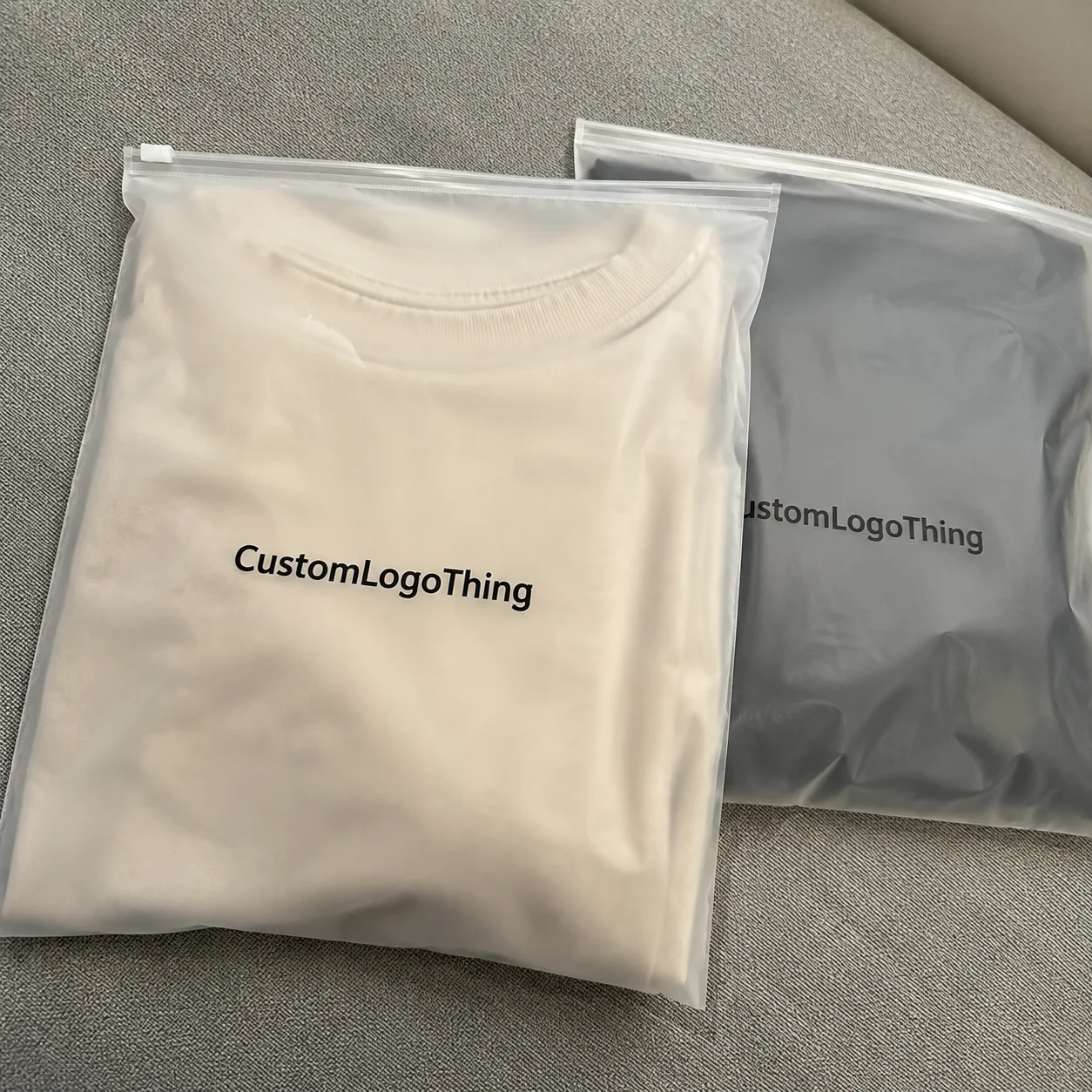
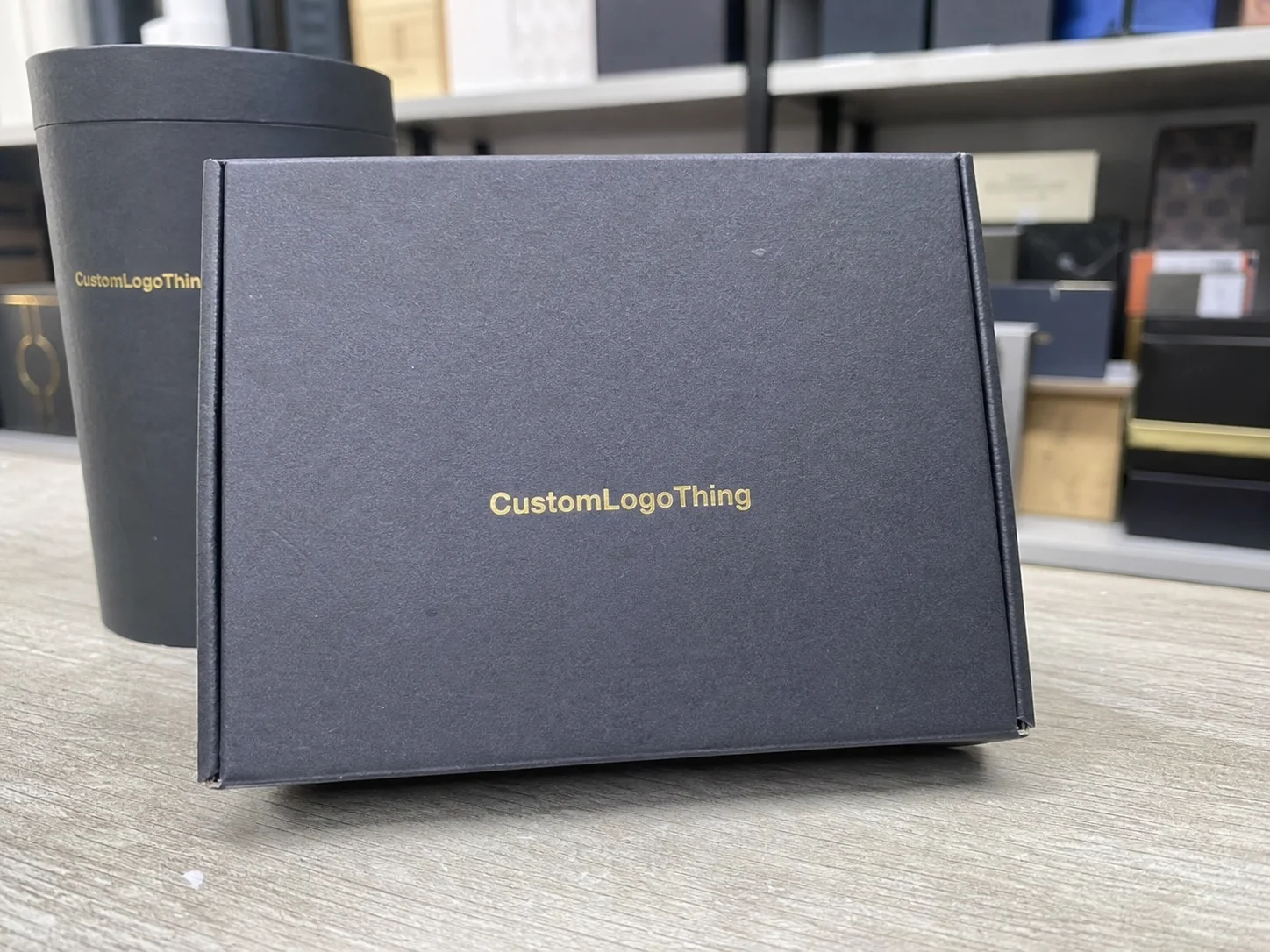
Buyer Fit Snapshot
| Best fit | product packaging for ecommerce for packaging buyers who need material clarity, print proof, packing fit, cost control, and repeat-order reliability where brand print, material, artwork control, and repeat-order consistency matter. |
|---|---|
| Quote inputs | Share finished size, material target, print colors, finish, packing count, annual reorder estimate, and delivery region. |
| Proofing check | Approve dieline scale, logo placement, barcode or warning zones, color tolerance, and any recyclable or compostable wording before bulk production. |
| Main risk | Vague material claims, crowded artwork, or missing packing details can create delays even when the unit price looks attractive. |
Fast answer: Product Packaging for Ecommerce: Material Claims, Proof, Cost, and Shipping Checks should be specified like a repeatable production item. The safest quote includes material, print method, finish, artwork proof, carton packing, and reorder notes in one written spec.
What to confirm before approving the packaging proof
Check the product dimensions against the actual filled item, not only the sales mockup. Ask for tolerance on folds, seals, hang holes, label areas, and retail display edges. If the package carries a logo, QR code, warning copy, or legal claim, reserve that space before decorative graphics fill the panel.
How to compare quotes without losing quality
Compare board or film grade, print process, finish, sampling route, tooling charges, carton quantity, and freight assumptions side by side. A lower quote is only useful if the supplier can repeat the same color, closure quality, and packing count on the next order.
Product Packaging for Ecommerce: Smart Customization Tips matters more than most brands realize, because the box, mailer, insert, and label are often carrying as much responsibility as the product itself once it leaves the warehouse. I’ve stood on corrugated converting floors where a brand team obsessed over a glossy mockup, then discovered the real winner was the plain-looking shipper that saved 18% on freight and cut damage claims in half. That’s the practical side of product packaging for ecommerce: it has to protect, present, and perform, all in one pass through the parcel network.
Plenty of companies still treat packaging like a final cosmetic step, and that’s where they get burned. Good product Packaging for Ecommerce is a system, not just a box, and once you start thinking that way, the decisions get much clearer. The right carton style, the right corrugated board, and the right insert design can change both customer perception and warehouse efficiency in ways that are easy to overlook until the shipping data starts speaking for itself.
Product Packaging for Ecommerce: What It Really Means
I remember a meeting with a skincare brand that expected the shipping carton to be “just a container,” but after we reviewed their return rate and customer photos, it became obvious the unboxing experience was part of their sales engine. That’s the surprising factory-floor truth: the best ecommerce brands often spend as much time designing the shipping experience as they do the product itself, especially when they sell repeat-order items like supplements, candles, and cosmetics.
Product Packaging for Ecommerce is the protective, branded system that moves a product safely from warehouse to customer while supporting unboxing, brand perception, and returns. In practical terms, it usually includes three layers. Primary packaging touches the product directly, like a jar, tube, bottle, pouch, or retail carton. Secondary packaging groups or presents that product, such as a folding carton, insert, tissue wrap, or Custom Printed Box. Shipping packaging is the outer layer that survives transit, often a corrugated mailer, shipper carton, or multi-depth box.
Those layers have to work together. If the primary pack is fragile, the secondary pack needs structure. If the outer shipper is oversized, freight cost climbs and the product shifts in transit. If the branding is inconsistent from box to label to insert, the customer feels that disconnect immediately. I’ve seen premium candle brands lose repeat buyers because the product arrived fine, but the inner presentation looked like three different vendors had handled the job. That kind of friction hurts package branding fast.
Common materials in product Packaging for Ecommerce include E-flute and B-flute corrugated mailers, folding cartons, paper inserts, kraft paper, tissue, molded inserts, and pressure-sensitive labels. For many programs, I’ll also recommend Custom Printed Boxes with one-color or two-color flexo print on kraft or white board, because that keeps costs controlled while still giving the brand a clean retail packaging feel. For materials and sustainability specs, the EPA recycling guidance and the FSC standards are both worth reviewing before finalizing a paper-based program.
“We thought we needed fancier printing,” one client told me after a transit trial, “but what we really needed was a tighter fit and a better insert.” That was a $0.14-per-unit lesson that saved them thousands in damaged returns.
How Product Packaging for Ecommerce Works in the Real World
The flow is usually more mechanical than people expect. An order is picked, the product is packed, the carton is sealed, it enters parcel transit, it gets sorted through conveyors and trucks, and then it lands on a doorstep where the customer opens it in seconds. That last moment matters because product packaging for ecommerce is judged both by performance and by presentation, often in the same breath.
When I visited a Midwest fulfillment center running about 22,000 orders a day, the biggest bottleneck wasn’t printing; it was hand assembly. Their box style looked elegant in a design presentation, but once the warehouse team had to fold, tuck, and tape it 9,000 times a shift, labor cost jumped and mispacks increased. That’s why dielines, closure methods, and insert design are chosen around the product dimensions, fragility, and fulfillment method, not just the branding mood board.
Testing matters here. Good product packaging for ecommerce should be checked for fit, drop resistance, compression, and vibration. In parcel networks, packages see repeated impacts, edge drops, conveyor drops, stacking pressure, and the kind of vibration that shakes loose a weak insert. I usually push clients toward practical tests inspired by ISTA procedures, because standards like ISTA 3A give you a smarter baseline than “it looked fine on the table.” Corrugated mailers in E-flute can be excellent for lightweight goods, while B-flute gives more cushion and better crush resistance for heavier or more delicate items.
Factories matter too. A corrugated converting line will affect box tolerances, a flexographic print station affects registration and ink coverage, and die-cutting equipment influences how cleanly the tabs and scores close. I’ve seen a 1/16-inch scoring issue turn into a warehouse headache because a carton that looked perfect in CAD started springing open at the tuck flap. Small tooling details can shape the whole customer experience in product packaging for ecommerce.
Direct-to-consumer shipping and marketplace fulfillment also play differently. A DTC brand can often use a more premium unboxing sequence, while a marketplace seller may prioritize carton efficiency, packing speed, and standardized dimensions for fee control. In both cases, product packaging for ecommerce has to earn its place by reducing damage, keeping labor tight, and preserving brand consistency from the first scan to the final unbox.
Key Factors That Shape Product Packaging Choices
The first three questions I ask are always the same: how much does it weigh, how big is it, and how fragile is it? A 3-ounce cosmetic jar, a 2.8-pound kitchen tool, and a 14-pound equipment accessory do not belong in the same product packaging for ecommerce playbook, even if the customer sees them as “just products.” Temperature sensitivity matters too. Chocolate, skincare, candles, and adhesives may need protection from heat or cold exposure depending on the lane and season.
Brand goals come next. Some companies want a premium unboxing with soft-touch lamination, foil, or a rigid look. Others want eco-forward simplicity with kraft paper, minimal ink, and recyclable inserts. A few just need budget-first practicality, and that’s fine. I’d rather see a simple, well-built mailer than an overdesigned carton that collapses under real shipping pressure. Good product packaging for ecommerce matches the brand promise without pretending every product needs luxury finishes.
Cost is never just the unit price. There’s material cost, print coverage, tooling, sample revisions, freight, and storage footprint. A carton quoted at $0.18/unit for 5,000 pieces can end up much higher if it requires a complex insert, a custom window, or multiple proof rounds. A smarter right-sized format can reduce dimensional weight and save enough on shipping to offset a slightly higher box cost. That tradeoff is one of the most common discussions I have in product packaging for ecommerce projects.
Sustainability tradeoffs deserve a straight answer, not marketing fluff. Recyclable board, reduced void fill, and right-sizing usually help, but “eco-friendly” is not automatic just because a box is brown. If you ship a large carton half full of kraft paper, that is still wasted material and wasted cube. The better path is often a recyclable corrugated structure designed to fit the product closely. That’s where The Packaging School / PMMI resources and industry guidance can help brands compare board grades, right-sizing approaches, and recovery rates.
Operationally, warehouse labor can make or break the whole decision. If a carton takes 40 seconds to assemble, tape, and fill, it may cost more in labor than in board. With high SKU counts, even a 5-second change in pack time matters. That is why product packaging for ecommerce should be designed with the people on the pack line in mind, not just the customer at the front door.
Step-by-Step Process and Timeline for Custom Ecommerce Packaging
The cleanest projects begin with a discovery call and a product review. We look at dimensions, weight, fragility, fulfillment method, and branding goals, then move into dieline development and structural engineering. Once the structure is drafted, artwork is prepared, proofs are checked, samples are built, and then production starts. That sounds orderly, but in real life, product packaging for ecommerce usually moves fastest when the brand already has final product specs and print-ready files.
A straightforward mailer can move quickly. If dimensions are locked, the artwork is simple, and the material is standard corrugated, a project may reach production in 12 to 15 business days from proof approval, depending on scheduling and stock availability. A more complex system with inserts, specialty coatings, or multiple SKUs can take 4 to 6 weeks, sometimes longer if the client keeps changing product size after sampling. I’ve watched a “simple” project stretch from 10 days to 5 weeks because the brand changed bottle height by 11 millimeters after the first fit sample. That kind of change ripples through product packaging for ecommerce fast.
Here’s the sequence I like brands to follow:
- Discovery and product review — confirm size, weight, and shipping method.
- Structural design — build the dieline, box style, and insert layout.
- Artwork prep — set print files, colors, barcode placement, and legal text.
- Sample and proof — review a physical sample and a print proof.
- Transit test — validate fit, closure, and packaging performance.
- Production — run the approved quantity and inspect first-off samples.
- Delivery and pilot — launch a small batch before scaling fully.
Delays usually show up in three places: artwork revisions, material shortages, and late dimension changes. If you want product packaging for ecommerce to stay on schedule, bring your product specs, shipping weights, target quantity, and fulfillment method to the first conversation. Also provide branding files in vector format, because rebuilding a logo from a low-resolution image can cost a week by itself.
A simple system with a single mailer, one insert, and one color print is usually faster than a full retail-ready setup with specialty finishes and multiple inner components. That’s not because the simpler job is less serious; it’s because every added detail creates another chance for approval delays or production variation. In product packaging for ecommerce, speed usually follows clarity.
Common Mistakes Brands Make With Ecommerce Packaging
The first mistake I see is choosing a box that looks beautiful in a render but was never tested with the actual product inside. A carton can pass the “design review” and still fail in transit because the item shifts 2 inches inside a gap that nobody measured. That is a painful way to learn that product packaging for ecommerce has to be engineered, not just styled.
The second mistake is going too large. Oversized packaging increases dimensional weight, needs more void fill, and lets the product move around during shipment. One beauty brand I worked with moved from a 9x6x4 mailer to a 10x8x4 box just to fit a label placement they liked, and their parcel cost jumped on every order. After we rebuilt the pack, they saved about $0.41 per shipment and reduced product bounce inside the carton. That’s the kind of change that makes a real difference in product packaging for ecommerce.
Another common problem is ignoring the unboxing flow. If the customer has to fight through two layers of tape, a loose insert, and a product wrap that tears awkwardly, the experience feels messy. Even a good-looking box can feel cheap if the sequence is clumsy. I’d rather see simple, intentional branded packaging than decorative elements that get in the customer’s way.
Some brands spend too much on finishes before the structure is right. Foil, embossing, matte varnish, and specialty coatings can be lovely, but if the box crushes or the insert fails, the finish is just expensive decoration. I’ve seen clients approve a premium look, only to rework the entire system after 300 test shipments revealed the product was rattling inside. Solve protection first, then polish the presentation in product packaging for ecommerce.
Finally, warehouse reality gets ignored more often than it should. If the packaging requires too much folding, taping, or stuffing, the team will slow down or improvise. That creates inconsistent presentation and higher error rates. Good product packaging for ecommerce should be easy to store, quick to assemble, and repeatable across shifts.
Expert Tips for Better Product Packaging for Ecommerce
Start with the product, not the artwork. Lock the dimensions, weight, and protection needs first, then build the visual system around that structure. That’s the cleanest route to dependable product packaging for ecommerce, and it usually saves money because you avoid redesigning the box after the samples are already in motion.
Use right-sized corrugated mailers or cartons wherever you can. A tighter fit reduces freight waste, improves presentation, and usually cuts down on the amount of filler needed. For small and medium products, a well-specified E-flute mailer can feel premium while staying efficient, and a B-flute shipper can deliver more crush resistance where it matters. If you need to compare options, browse Custom Packaging Products to see how different structures support different shipping needs.
Balance branding with printability. Heavy ink coverage on rough kraft board will not look the same as a laminated carton, and that is not a defect; it is a material reality. I often recommend one- or two-color flexo on corrugated for many ecommerce programs because it gives clean package branding without pushing the budget too hard. For premium lines, custom printed boxes with controlled finishing can still be worth it, especially when the unboxing moment is part of the brand promise.
Ask for physical samples and transit-tested prototypes before you commit. A rendering can hide everything from score cracking to closure weakness. A live sample tells you how the insert fits, how the label sits, and whether the customer can open it without frustration. In product packaging for ecommerce, the sample is where the truth shows up.
Think in systems. The outer shipper, inner insert, product wrap, and labeling should work as one experience. If the shipper protects but the insert is sloppy, the customer notices. If the label is clear but the box is too big, the carrier charges more. The system matters more than any single component, and that is the core of smart product packaging for ecommerce.
What is the best product packaging for ecommerce?
The best product packaging for ecommerce depends on the product’s weight, fragility, size, and shipping method. For many brands, a right-sized corrugated mailer or shipper with a well-designed insert is the strongest starting point because it balances protection, cost, and warehouse efficiency. If brand presentation is part of the buying experience, a custom printed outer box or mailer can add polish without sacrificing performance.
What to Do Next Before You Order Packaging
Before you place an order, create a packaging brief with product dimensions, shipping weight, fragility notes, monthly volume, target budget, and fulfillment method. That one document can save you several back-and-forth rounds, especially if you are comparing two or three structures for product packaging for ecommerce. Add your branding files, required barcodes, and any compliance text so the quote is based on reality, not guesswork.
Then request a sample or prototype and run it through the full process: packing, sealing, shipping, delivery, and unboxing. I always tell clients to have at least two people open the sample, because one person’s “easy open” is another person’s wrestling match. Compare at least two material or construction options by cost, protection, and labor time, because the cheapest carton is not always the cheapest system once labor and freight are counted.
Prepare artwork before quoting if you can. A final logo, print colors, and panel copy help the factory quote accurately and prevent delays later. Set up a pilot run, even if it is small, so you can validate fit and gather customer feedback before a full rollout. That is the safest way to scale product packaging for ecommerce without discovering problems after 10,000 units are already in motion.
One last thought from the factory floor: the best packaging decisions usually feel a little boring on paper and excellent in practice. If your product packaging for ecommerce protects the product, keeps shipping costs under control, and gives the customer a clean, confident unboxing, you’ve done the job well. Fancy is optional. Fit, durability, and consistency are not.
For brands ready to build a smarter packaging system, the next step is simple: review your current shipper, test a sample, and make the numbers do the talking. That approach has saved my clients from expensive mistakes more times than I can count, and it keeps product packaging for ecommerce aligned with both the warehouse and the customer.
Frequently Asked Questions
What is product packaging for ecommerce in simple terms?
It is the packaging system that protects a product during shipping while also supporting branding, unboxing, and returns. It usually includes the box or mailer, inserts, wraps, labels, and any outer shipping protection.
How much does product packaging for ecommerce usually cost?
Cost depends on size, material, print coverage, quantity, and whether tooling or inserts are needed. Simple corrugated mailers are usually less expensive than fully custom printed boxes with specialty finishes or complex inserts.
How long does custom ecommerce packaging take to produce?
Timeline depends on sampling, artwork readiness, material availability, and production complexity. Straightforward projects can move faster, while custom structural designs with multiple proofs and finishing steps take longer.
What packaging material is best for ecommerce shipping?
Corrugated board is often the best all-around choice because it balances protection, printability, and cost. The best grade and flute type depend on product weight, fragility, and how the parcel will be handled in transit.
How do I reduce shipping costs with ecommerce packaging?
Use right-sized packaging to reduce dimensional weight, void fill, and unnecessary material usage. Choose structures that pack quickly and protect the product without adding excess size or complexity.