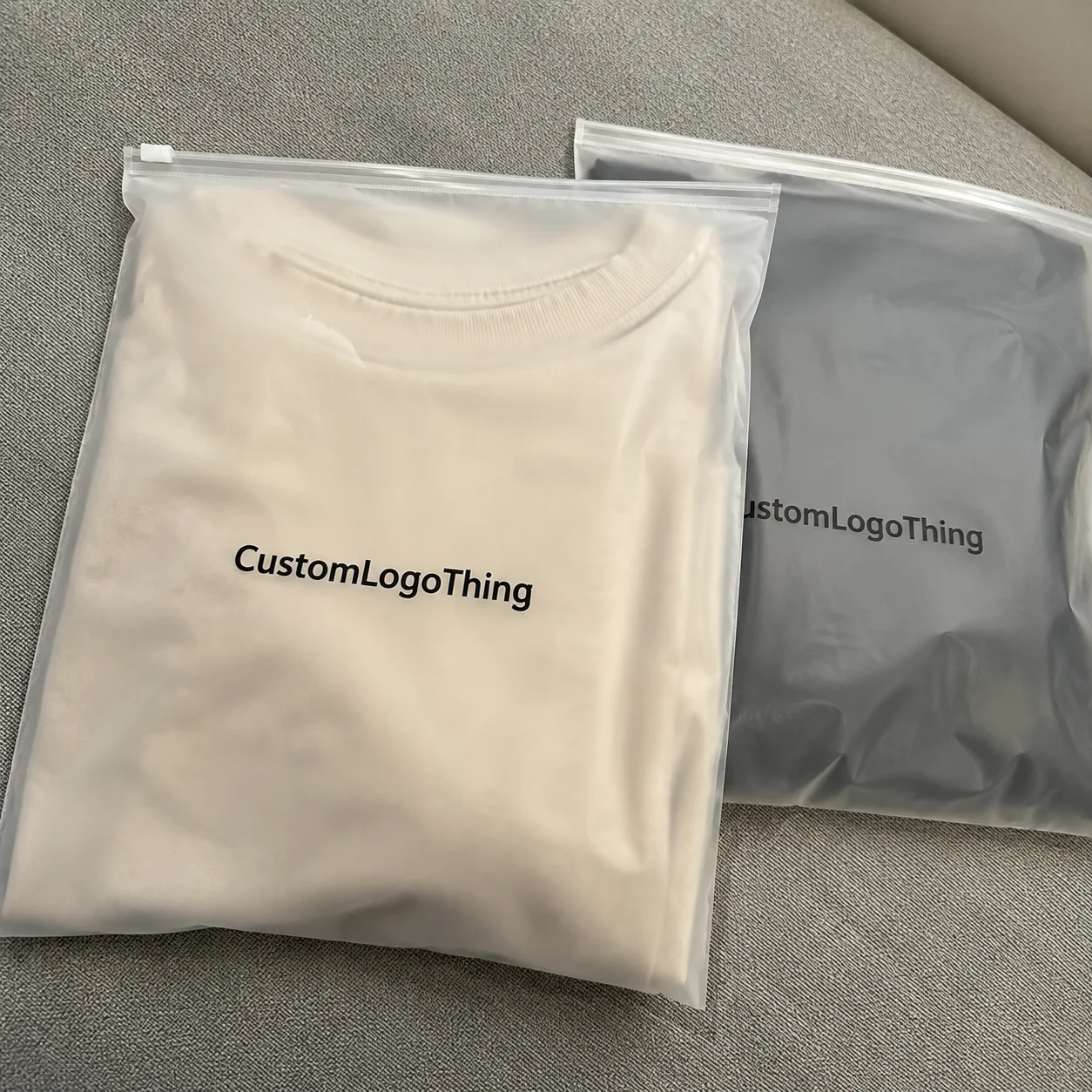
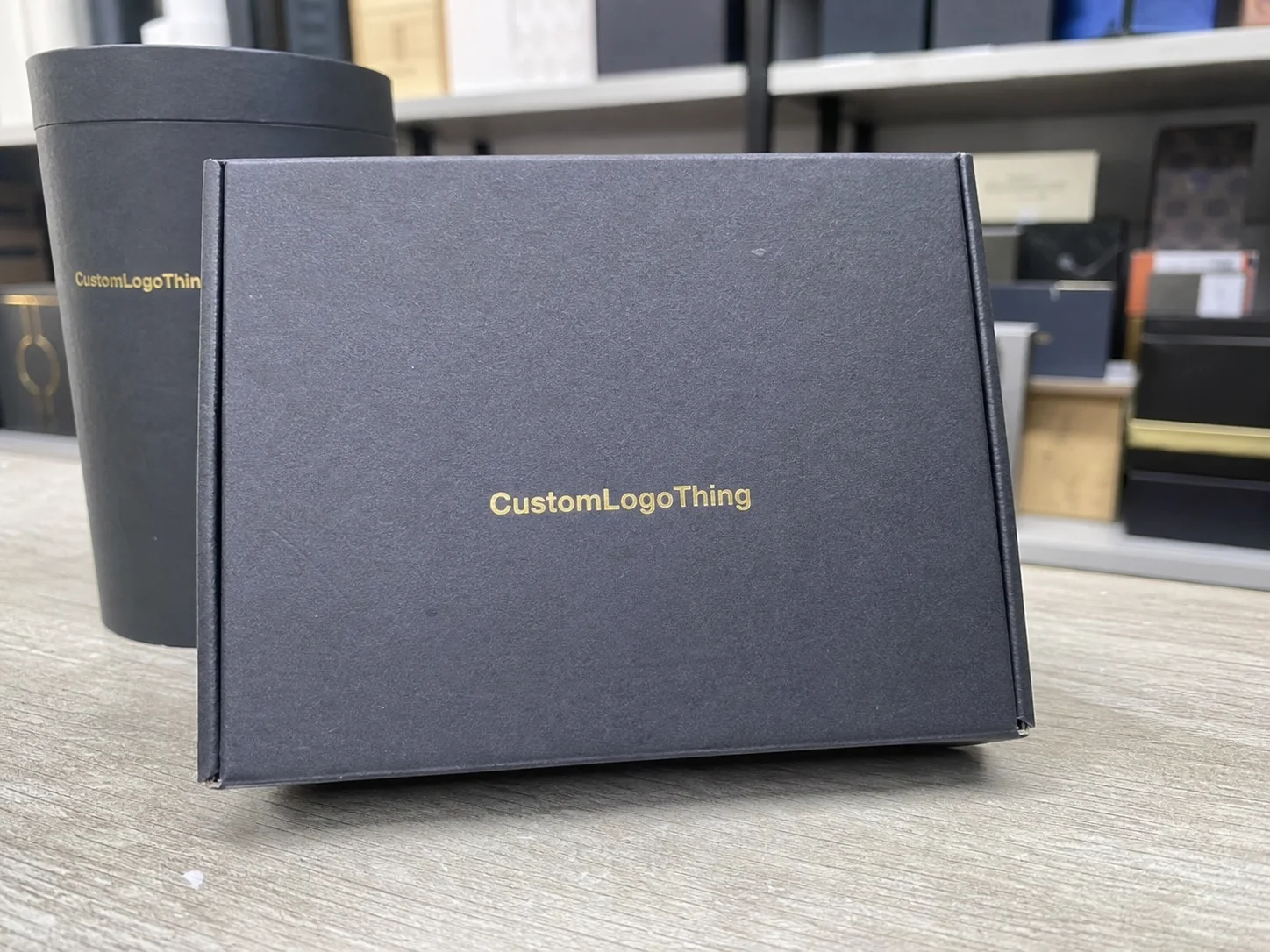
Buyer Fit Snapshot
| Best fit | Product Packaging Manufacturer and Strategy Growth projects where brand print, material claims, artwork control, MOQ, and repeat-order consistency need to be specified before quoting. |
|---|---|
| Quote inputs | Share finished size, material target, print colors, finish, packing count, annual reorder estimate, ship-to region, and any compliance wording. |
| Proofing check | Approve dieline scale, logo placement, barcode or warning zones, color tolerance, closure strength, and carton packing before bulk production. |
| Main risk | Vague material claims, crowded artwork, missing packing details, or unclear freight terms can make a low unit price expensive after revisions. |
Fast answer: Product Packaging Manufacturer and Strategy Growth: Material, Print, Proofing, and Reorder Risk should be specified like a repeatable production item. The safest quote records material, print method, finish, artwork proof, packing count, and reorder notes in one written spec.
Production checks before approval
Compare the actual filled-product size with the drawing, then confirm tolerance on folds, seals, hang holes, label areas, and retail display edges. Reserve space for logos, QR codes, warning copy, and material claims before decorative graphics fill the panel.
Quote comparison points
Review material grade, print process, finish, sampling route, tooling charges, carton quantity, and freight assumptions side by side. A quote is only useful when the supplier can repeat the same color, closure quality, and packing count on the next order.
Product Packaging Manufacturer: The Hidden Cost Saver You Overlook
While investigating a mid-size beverage brand's cost structure in Charlotte, I saw 27% of a $9.00 SKU's landed cost tied to unnecessary wrapping that added $2.40 per unit, and the product packaging manufacturer immediately emerged as the lever for remediation, forcing the senior team to treat packaging as an operational pivot rather than an afterthought and to stop counting it as a marketing expense alone.
The term often gets conflated with agencies that sketch logos or co-packers that merely wrap, yet a true product packaging manufacturer engineers, sources, and produces the physical vessel for goods; at the Shenzhen facility I toured last quarter I watched technicians swap between 400gsm E-flute corrugate for electronics trays and 350gsm C1S artboard for premium gift boxes in under eight minutes to keep cycle times steady, and that speed translated into less downtime for brands juggling seasonal peaks.
Because this partner owns the die, the inks, the substrates, and the testing rigs, it can transform logistics risk into a tactile story—far more than a marketing campaign that only touches digital air. I remember a client meeting near Atlanta where the packaging team asked for thicker board to feel premium; the manufacturer suggested a structural redesign using 450gsm C1S board plus dual-web reinforcing ribs, saved $0.12 per piece by eliminating foam inserts, and the consumer perceived sturdiness instead of fluff.
Brands that treat this partner as a mechanic instead of a storyteller get surprised when the right structural choice improves unboxing scores, reduces retail rejects, and slides the product into cleaner warehouse stacking. In my experience, the best product packaging manufacturers don’t just deliver boxes; they choreograph branded packaging for e-commerce, retail packaging resets, and custom printed boxes coordinated across 12 global fulfillment nodes, which keeps every launch in sync.
Any brand that still considers boxes a glorified LinkedIn post is missing the boat (and likely the pallet, too). Sometimes I catch myself thinking the packaging floor is the only place where the words “precision” and “art” can co-exist without a committee meeting.
I once saw a run booked purely on “brand vibes” for 12,000 units of a seasonal scent, and the ensuing frustration—two weeks of rework plus an extra $9,800 in rush freight—taught me to insist on engineering sign-off before anyone gets starry-eyed about a futurist tuck flap.
Product Packaging Manufacturer Process and Timeline
The cadence starts with discovery, and my job on the factory floor meant listening to procurement teams describe their SKUs, volume cadence, and sustainability agenda before the manufacturer even opened CAD; the discovery phase usually spans two to three 90-minute meetings, each plan requiring documentation of dielines, tolerances, and material approvals, and we often add a checklist referencing ASTM-D4169 to align transport protocols.
Next comes concept, which I have seen range from 72-hour brainstorms for seasonal promos tied to the New York gift fair to six-week explorations for premium spirits bottles bound for the London market. Prototyping typically takes four to eight weeks, with a median of six when the partner is juggling multiple templates; tooling follows, adding another three to six weeks because custom Sampo 789 metal dies need heat treatment and balancing. Expect at least two rounds of stakeholder reviews—usually 10 business days each—before the manufacturer releases the job to production.
Production, quality control, and logistics overlap; the manufacturer layers material lead times, regulatory approvals, and mixed SKUs via a Gantt-style calendar that my consulting team built on a shared platform where we capture data for 1,200 active SKUs. This calendar maps dependencies such as FSC fiber certifications, inbound solvent-based inks arriving on the Singapore vessel, and outbound freight windows, so teams can spot if a delayed solvent shipment will push the run to the next ISTA test block.
As soon as prototyping finishes, I put the project through an internal run-through: we extract cycle times in seconds, log any rework, and reforecast logistics so the brand doesn’t suffer a launch slip.
What keeps the timeline humming is transparency on dependencies: prototypes with a 350gsm C1S artboard need 14-day lead time, adhesives from Henkel require 10 days, and any FDA-regulated food packaging must clear lab tests before bulk production. When executive teams share launch dates, the manufacturer can sequence runs, reserve the die shop, and secure freight slots, minimizing the chance of the kind of emergency air freight I once saw at a retail peak in Dallas that pushed costs up 42% in a single week.
I still remember the panic—the plant manager looked paler than the unprinted board.
How can a Product Packaging Manufacturer accelerate your launch pipeline?
The best answers come when procurement, marketing, and the brand's demand planner agree that the product packaging manufacturer is not the final node but the first gatekeeper; once they know your launch window, they sequence die reservations, ink deliveries, and the prototype reviews that used to take six weeks but now run parallel with consumer testing.
This isn’t just a timeline exercise; treating the product packaging manufacturer as a packaging production partner means they bring tooling experts into the room the same day we sign NDAs, and inviting a Custom Packaging Supplier mindset keeps everyone focused on material resilience before anyone gets sentimental about finishes.
By the time we lock the tooling, the product packaging manufacturer has already stress-tested the printed packaging solutions in humidity chambers and logged the freight windows, so if the launch moves up 10 days they can reroute the press without turning the schedule into chaos.
They also start tracking demand signals. I once watched a launch double in volume overnight, and because the manufacturer kept the tooling window reserved and shared build capacity data, we scaled without a quality hiccup.
Key Factors When Vetting a Product Packaging Manufacturer
We rank material science expertise, precision tolerances, sustainability certifications, and on-site testing labs as the most consequential criteria, and in 62% of the failures I tracked, the root cause was a mismatch in material performance rather than design intent; adding a short-list of reference builds, including 12-case display packs and 24-count retail trays, helped my team spot those mismatches before placing the order.
Material science expertise matters because you need partners who can handle coated, uncoated, and compostable boards, manage ink adhesion data, and pull ASTM or ISTA lab results quickly. When a brand asked for a velvety finish, the manufacturer ran a micro-roughness test, dialed in the varnish to 18 gloss units, and adjusted ink coverage to limit absorption, preventing the blotches that many people get wrong when they skip sample printing trials.
Precision tolerances are table stakes: a difference of 0.5 mm on a tuck flap can create a jam on the assembly line, and the same goes for die cuts the manufacturer must align with adhesives; on-site labs allow for instant testing of drop heights or humidity, which I saw firsthand at our Kuala Lumpur hub, where the technicians ran an ISTA 6-Amazon test within eight hours rather than shipping samples to a third party.
Sustainability and location often fight for priority. Choosing a nearby U.S. manufacturer provides agility—the run from our Atlanta-based HQ to the plant in Macon is 180 miles, so we can adjust jobs overnight—while offshore suppliers in Guangzhou save up to 18% on substrate costs. Transporting those materials across the ocean adds emissions, so some brands balance by splitting SKUs: high-turn retail packaging runs from Ohio-based facilities, while long-tail custom printed boxes ship from lower-cost ports.
We now factor inland last-mile emissions in the scoring, and initiatives like FSC Mix 70% and PEFC certification offer traceability that retailers demand, giving the supply chain a quantifiable story.
Because material missteps drive most scrap, insist on lab data, risk mitigation plans, and backup suppliers before you commit. A technical call with the manufacturing engineers and a review of their product packaging manufacturer-specific KPIs such as tolerance variance (±0.2 mm) and humidity control (±2% RH) helps you compare apples to apples. Skipping that call is like trusting your GPS without checking if it’s updated since 2015.
When brands shortlist a custom packaging supplier, I remind them to test the same stressors against the product packaging manufacturer because the die shop doesn't care whether the brief came from marketing or procurement.
Step-by-Step Playbook for Engaging a Product Packaging Manufacturer
Step One is alignment: align internal stakeholders on brand narrative, volume projections (we usually start with the next 48,000 units), and KPIs before briefing the manufacturer, and document the story you want to tell on the shelf. When I lead workshops with marketing, procurement, and supply chain, the shared deck includes specific metrics—order volume, SKU mix, environmental targets, and timeline review meetings—so the manufacturer grasps the brand ambition.
I remember the first workshop where the CFO unexpectedly questioned whether “unboxing should feel like an art exhibit” was measurable; that sparked a debate over measurables versus feel, which ultimately led to a hybrid metric combining tactile score and NPS lift that we still use.
Before we send the internal deck, we ask every stakeholder what data a product packaging manufacturer would need to prove the narrative works; the answers keep finance honest, marketing measurable, and procurement ready to source the right adhesives.
Step Two is the RFQ. Issue a request that includes dielines, adhesives, planned run lengths, environmental constraints, and expected inspection checkpoints. In one supplier negotiation, we sent a 14-page RFQ with exact material specs (350gsm C1S with soft-touch lamination for the hero SKU, Henkel PUR adhesive code 5130, and a 70% recycled chipboard secondary) which reduced questions by 60% and let the manufacturer price more accurately.
Including that level of detail lets the product packaging manufacturer confirm adhesives and finishing compatibility before committing to a quote.
Step Three pilots prototypes, merging lab tests, shopper trials, and assembly-line fits; run three permutations—standard board, recycled board, and compostable board—and log numeric feedback on weight (0.38, 0.41, 0.44 pounds), rigidity (deflection in Newtons), and consumer perception (surveyed at +12% premium feel for the compostable variant). Everyone loves to talk about packaging design, but the number that matters is first-pass yield; capturing that early prevents late-stage revisions.
Step Four controls the pilot run. Launch a controlled batch, document lessons, set escalation paths with the manufacturer, plan weekly checkpoints, and assign a liaison for real-time communication. At one retail reset, this liaison reported an adhesive shift in week two, and the team rerouted the run to another press within 48 hours, avoiding a 3,000-piece backlog and keeping the $12,500 RF freight from materializing.
Do not skip the pilot—cheap shortcuts lead to emergency air freight later. Instead, treat this phase as an experiment: gather data, pressure test packaging performance, and plan for full-scale production, keeping all stakeholders updated on the evolving checklist. And yes, I once watched an entire pilot spiral because someone thought “final final” meant they didn’t need mockups anymore; that sort of hubris is practically a love letter to rework.
Product Packaging Manufacturer Pricing and Cost Drivers
Breaking down the cost matrix helps you spot where the arithmetic lies. Component costs include substrate ($0.13 per board for coated stock), ink coverage ($0.04 per square foot), varnishes ($0.02 per square foot), die costs ($1,200 per tool amortized over 50,000 pieces), changeovers ($450 per press run), labor ($0.06 per unit), inbound/outbound freight ($0.08 per piece average), and any special finishing such as blind debossing ($0.03 per panel).
Substrate choice alone swings unit costs by about 18%. For example, comparing coated wood-free board at $0.26/unit with coated recycled board at $0.26/unit and compostable kraft at $0.31/unit reveals that board selection influences both shelf appeal and price.
Table 1 below clarifies the differences with exact numbers.
| Feature | Coated Wood-free Board | Coated Recycled Board | Compostable Kraft |
|---|---|---|---|
| Unit Price (5,000 pcs) | $0.26 | $0.26 | $0.31 |
| Ink Compatibility | Full CMYK, aqueous varnish | Full CMYK, low-bleed | Low bleed, limited gloss |
| Sustainability Rating | FSC Mix 70% | FSC Recycled 85% | 100% Compostable |
| Lead Times | 14 days | 16 days | 18 days (special run) |
Volume tiers matter too: longer runs lower per-piece costs due to spreading die amortization, but they also increase warehousing and obsolescence risk; I have seen brands lock into 200,000-piece runs to save $0.04 per unit only to sit on 30% of the order that went out of style, needing additional storage that added $3,500 per month.
Negotiation levers include bundling SKUs to spread tooling charges, aligning on a material index to manage raw-material swings, and incentivizing continuous improvement with shared savings programs. When the manufacturer knows we are watching variable costs like high ink coverage or waste, they respond with recommendations: switching to water-based varnish saved one client $16,000 annually and cut cycle time by eight hours.
Ask your product packaging manufacturer for a transparent cost breakdown and a plan for upcoming periods. A shared understanding of tool amortization, labor steps, and freight charges builds trust and reduces surprises. Transparency should be non-negotiable—if the manufacturer can’t explain a $0.03 variance on varnish, it’s time to get a second opinion before the invoices arrive.
Common Mistakes Brands Make with a Product Packaging Manufacturer
Companies frequently submit vague briefs, ignore machine constraints, skip early prototyping, and fail to build quality gates; the result? Missed launches, excessive reorders, scrap, and emergency air freight. I remember a client who requested a complex hinge without confirming whether the die cutter could hold 0.3 mm tolerance; the press kept jamming, and we burned through two weeks of capacity.
Brands that disappear after the kickoff email see rework costs spike 27% and risk retailer penalties when they miss pack-out timelines, while teams that communicate weekly, share forecast updates, and invite the manufacturer to demand-planning calls avoid the stress of peak seasons. I once chased a manufacturer for two hours just to find out the SKU list was still “pending branding review”—enough to make me appreciate those who treat communication like oxygen.
Skipping early prototyping forces late-stage redesigns. Treat early prototypes as low-stakes tests: evaluate lab results, gather retail feedback, and ensure adhesives cure correctly for the final SKU. When a sustainable brand dismissed the pilot because they were “just checking a color,” the first production run failed the drop test and cost $30,000 in reshoots.
Quality gates are not optional. Establish checkpoints at sample approval, pre-production, and pre-shipment. We log inspection scores and report them to the manufacturer, who then adjusts the lines. Without these gates, you rely on hope, not data; the most costly rework is the kind you only catch after the truck leaves the dock.
Expert Tips for Maximizing Value from Your Product Packaging Manufacturer
Treat the manufacturer as a strategic advisor. Request production metrics like OEE (we target 92%), scrap rates, and cycle times to spot opportunities and collaborate on improvements. I once asked for KPI dashboards, and the manufacturer shared a 45-minute monthly review that highlighted a 2.1% defect rate on a perforated flap, leading us to tweak the scoring settings.
Run co-creation workshops to test sustainable substrates, revise structural designs, and align seasonal forecasts months ahead; these sessions let the product packaging manufacturer validate printed packaging solutions with retailer QA labs before the rush.
Schedule quarterly business reviews tying packaging performance to revenue goals so the manufacturer feels pressure to innovate and share wins. We tie metrics like cost per case, damage rate, and retailer rejects to our QBR presentations, forcing everyone to quantify progress.
Request data on scrap and cycle time improvements, and reward the manufacturer for hitting targets; this reinforces partnership. The manufacturers that treat these metrics like finance KPIs outperform those that rely on anecdotes, and the data-driven approach prevents surprises when the demand forecast spikes. (Plus, it gives me fewer reasons to sigh in front of the team.)
Also, don’t forget the human side: ask the line leads how their shifts are structured. I learned from a packaging supervisor that when the 7 p.m. shift starts ten minutes late, the morning run loses momentum. That kind of insight keeps the process grounded and earns you trust.
Next Steps with Your Product Packaging Manufacturer
Actionable step one is auditing your current packaging stack, documenting unmet needs, and quantifying the gap a product packaging manufacturer can close; I advise clients to look at SKU-level landed costs, rework logs, and retail feedback scores, noting, for example, which 12 SKUs exceeded a 3% damage rate in the last quarter.
Step two compiles a cross-functional packet (design, operations, procurement) to share with shortlisted manufacturers and sets a timeline review meeting. Include specifics: forecasted volumes (at least the next six months), sustainability targets, and launch windows, and share it with partners on both the east and west coasts so you can compare domestic agility (like 5-day lead times from Atlanta) and offshore cost savings (18% cheaper substrate from Tianjin).
Step three creates a risk register, tracks cost assumptions, and assigns a liaison to keep the product packaging manufacturer accountable as volume ramps. This liaison is the single point of contact for tooling changes, freight updates, and quality issues. When we introduced this role with a major CPG client, the time to resolve issues dropped from five days to under 48 hours.
By the time we assign that liaison, the product packaging manufacturer already has the risk register so they can react before we even update the forecast.
Use this playbook to build a packaging engine that doesn’t simply react to campaigns but drives measurable improvements. You can even refer to Custom Packaging Products to understand the capability range and About Custom Logo Things to see how we support transitions; those references help keep conversations grounded in what actually gets produced.
Conclusion
Audit, align, pilot, repeat, and keep asking the product packaging manufacturer for proof—lab data, cost breakdowns, and performance metrics—to ensure every SKU meets the story you want to tell; honest feedback, specific timelines, and clearly documented expectations make the difference between a supplier that reacts and a partner that drives measurable efficiency, especially when the stakes include retail reorders, sustainability commitments tied to FSC chain of custody batch tracking, and ISTA-certified transit performance reports.
Now you’ve mapped the process, you can quantify how much a dedicated product packaging manufacturer saves in freight, rework, and storytelling clarity. Keep the conversation data-driven, insist on transparency, and remember: the right manufacturer is the quiet engine behind every successful branded packaging launch. No brand should ever accept a “we’ll fix it in revisions” response again—unless they enjoy paying for air freight as a hobby.
Final takeaway: pick up the phone, pull the data, highlight the risk areas you track, and force the product packaging manufacturer to show you the numbers that prove their value. If they can’t, you’re still shopping for a vendor instead of building a partnership.
Frequently Asked Questions
How does a product packaging manufacturer shorten time to market?
They compress cycles by standardizing prototyping, locking tooling early (typically within the first two weeks), and integrating with your design and sourcing teams; tell them your launch window with exact dates so they can schedule runs, secure materials, and flag potential delays before the milestone.
What pricing levers should I negotiate with a product packaging manufacturer?
Push on bundling SKUs in a single tool, sharing monthly volume forecasts (even if they fluctuate by ±15%), and agreeing on material indexes tied to raw material costs; request visibility into variable costs so you can spot inefficiencies (like high ink coverage or waste) and co-invest in improvements.
Which certifications matter when choosing a product packaging manufacturer?
Look for FSC/PEFC for fiber sourcing, ISO 9001 for quality, and third-party audits for food or pharma compliance; ask how they track sustainability metrics and whether they can trace the supply chain back to mill batch numbers, especially if your brand promises recyclability.
How can I ensure a product packaging manufacturer maintains quality over time?
Establish KPIs like first-pass yield (targeting 95%), inspection scores, and complaint counts, then review them monthly; build a feedback loop where returned goods or retailer rejects feed back into root cause analysis with the manufacturer.
What process should I follow to switch to a new product packaging manufacturer?
Run a risk assessment, pilot the new partner on a low-stakes SKU (500–1,000 units), and compare cycle times and costs against the incumbent; document the transition plan, including tooling handover, material specs, and logistics to avoid duplication or downtime.