Buyer Fit Snapshot
| Best fit | Product Packaging Manufacturer Insights and Strategy projects where brand print, material claims, artwork control, MOQ, and repeat-order consistency need to be specified before quoting. |
|---|---|
| Quote inputs | Share finished size, material target, print colors, finish, packing count, annual reorder estimate, ship-to region, and any compliance wording. |
| Proofing check | Approve dieline scale, logo placement, barcode or warning zones, color tolerance, closure strength, and carton packing before bulk production. |
| Main risk | Vague material claims, crowded artwork, missing packing details, or unclear freight terms can make a low unit price expensive after revisions. |
Fast answer: Product Packaging Manufacturer Insights and Strategy should be specified like a repeatable production item. The safest quote records material, print method, finish, artwork proof, packing count, and reorder notes in one written spec.
Production checks before approval
Compare the actual filled-product size with the drawing, then confirm tolerance on folds, seals, hang holes, label areas, and retail display edges. Reserve space for logos, QR codes, warning copy, and material claims before decorative graphics fill the panel.
Quote comparison points
Review material grade, print process, finish, sampling route, tooling charges, carton quantity, and freight assumptions side by side. A quote is only useful when the supplier can repeat the same color, closure quality, and packing count on the next order.
Why a product packaging manufacturer matters—factory-floor moments that surprise
Product packaging manufacturer partnerships have saved launches, bent schedules, and sometimes literally moved mountains of paperboard before dawn, as I learned during a midnight run at the Custom Logo Things Corrugated Center in Chicago when a logistics partner stalled on a component for a consumer electronics drop. The High-Output Sleeve Division crew was still aligning 36-inch corrugated flutes on the Komori Lithography Press at 3:12 a.m., yet they spliced in a half-ton coil of unbleached kraft, rerouted a FedEx priority dock slip, and dialed in humidity so the glue set evenly; that night underscored why the right product packaging manufacturer is part scientist, part supply-chain therapist, and part brand storyteller.
Beyond those moonlit heroics, a dependable manufacturer translates a brand’s packaging design brief into measurable reality: the aerospace-grade foil pattern we printed for a Chicago cosmetics line, the structural draft our engineers sketched for a vector-display kit, and the custom printed boxes emerging from the Martinsville, Indiana prototyping lab all relied on constant dialogue between operators and brand managers—plus weekly measurement reviews covering adhesive tack, color density, and fold integrity. In practice, that can mean a 350gsm SBS carton with matte AQ coating, a 16-point CCNB sleeve, or a PET window patch with hot-melt adhesive tuned for a 24-hour cure window. I’m kinda grateful for those weekly reviews, because yes, the smell of activated glue can double as a seasonal scent reminder that someone out there actually prefers matte finishes over glossy every time.
The floor operators at the Sleeve Division, who handle everything from artwork screenings to ensuring dielines match press capability, often collaborate with packaging designers during weekly reviews, so product packaging remains aligned with both run speed and retail shelf presentation while keeping regulatory margins tidy. I still marvel when a designer tweaks a barcode placement mid-week and the press crew absorbs it without missing a beat; it’s proof that communication (and a well-worn shared checklist) keeps these massive machines humming.
I’m gonna walk you through the full process, explain cost expectations, and share actionable next steps for building a resilient relationship with a product packaging manufacturer, drawing on real stories from the Chicago corrugated campus and the Martinsville finishing center, pricing numbers, and process checkpoints that help guide your own branded packaging decisions—after all, once you’ve seen a press operator dance a jig to keep a machine from jamming, you start to believe every launch deserves that same level of care.
How a product packaging manufacturer operates from intake through shipping
The intake conversation starts with a creative briefing—often a 45-minute call where we capture everything from the desired tactile finish to volume expectations for seasonal retail packaging before inviting clients to the virtual room where dieline engineering happens in CAD with precise inputs like 0.75-inch bleed allowances, 2.5° folding tolerances, and preferred varnish types. I still chuckle when a general manager insists on mentioning 18-point stock in the same breath as “can we rush this?” because the pressroom calendar has its own patience level.
Substrate selection follows, tying the brand’s sustainability goals into supplier capabilities and pulling from our network of certified recycled paper mills in Wisconsin for corrugated, along with a foil supplier in New Jersey that can deliver 99.8% solvent-free metallized film for premium product packaging; this materials list sets the stage for pre-press and tooling, including adhesives chosen for their cold-crack resistance or compostability declaration. In apparel and lifestyle packaging, the conversation often shifts to 100% organic cotton twill bags with GOTS certification, OEKO-TEX Standard 100 inks, or recycled-poly mailers made with GRS content, especially when buyers are sourcing through Guangzhou, Dhaka, Ho Chi Minh City, or Istanbul. Those materials now arrive with compliance data sheets and mood-setting charts—who knew sticky science could be so captivating?
Pre-press is where color matching takes center stage—our team calibrates the Komori Lithography Press using G7 targets, runs proofs on 350gsm C1S artboard with soft-touch lamination, and generates digital proofs the brand approves during a shared screen review; once cleared, the tooling department builds either a steel rule die for rigid boxes or a flexo plate for flexible pouches, each patterned with a precise 0.001-inch gap specification and verified against the press profile. On larger campaigns, we’ll output on a Heidelberg Speedmaster CD 102 or an HP Indigo 12000 for short-run variable-data work, then back it with a Creo plate burner and a Zünd digital cutter for exact fit checks. I still recall the day a new art director insisted on an iridescent foil overlay, which meant we reprinted proofs at least three times before the shine stopped looking like a disco ball (lesson learned: before you request novelty foil, bring the bandaids for the sun glare in the pressroom).
During the press runs, which on the Bobst Folder-Gluer line average 12,000 units per hour, operators monitor ink density meters, register marks, and adhesive-feeder temperatures while an inline inspection camera records every 500th board, capturing data that feeds into our ISO 9001 quality dashboard; finishing can include embossing, UV coating, or hand-applied shrink bands when the brief demands a premium unboxing moment. For certified garment or textile packaging, vendors in Dhaka may run with WRAP and BSCI audited labor programs, while a carton plant in Istanbul may pair BSCI social compliance with GRS-certified recycled board and 12-color flexo printing. I admit I sometimes nag for a second pair of eyes during complex bosses (guilty as charged), because there’s nothing worse than discovering a missing die-cut after 10,000 units.
Fulfillment is coordinated against a shared ERP portal where brand stakeholders receive updates on pick-and-pack timelines, pallet configuration notes, and carrier assignments; weekly production meetings with the shipping supervisor, plant manager, and the brand’s logistics lead keep everyone aligned so no batch leaves without a verified checklist, whether it is headed to Chicago retail distribution or a cross-country e-commerce hub. A typical export lot might ship on 40-foot high-cube containers, with 1,200 cartons per pallet and 28-32 pallets per load, and the dock team will verify carton compression, corner crush, and moisture content before the trailer seal goes on. Trust me, when the dock doors are humming and a pallet stack looks like a game of Tetris, that checklist feels like a safety net.
Behind the scenes, packaging engineers contribute structural cues, and sustainability advisors review substrate declarations pulled from the EPA’s materials database to ensure compostable claims match the supplied certifications. I’m still amazed how often a simple data slip turns into a compliance rabbit hole (frustrating, but also kind of thrilling in an engineer-y way).
That rhythm—from creative brief to fulfillment—allows a product packaging manufacturer to deliver consistent custom printed boxes, whether a brand needs shelf-ready retail packaging or e-commerce mailers; each handoff gains momentum as we learn the brand’s rhythms and quirks.
Key factors to weigh when choosing a product packaging manufacturer
Scalability and geography matter; the dual-factory setup of Custom Logo Things—our Chicago corrugated campus and the Martinsville, Indiana finishing center—provides redundancy and regional FedEx ground advantages, meaning we can shift a 120,000-piece run mid-stream and still hit a 7-day ship window for the Midwest and Eastern corridors while offering contingency for humidity-sensitive runs. If you’re sourcing apparel trims, you may compare Guangzhou for fast-access sampling, Dhaka for cut-and-sew packaging programs, Ho Chi Minh City for export-oriented folding cartons, and Istanbul for EU-adjacent short lead times and multi-language print. Honestly, those back-up plans deserve a medal every year because they involve moving massive rack systems without breaking a sweat.
Capacity is also about technology: our Illinois line invests in automated die-cutting systems that can perform two million cuts per shift with 0.002-inch repeatability, while the Indiana site retains legacy manual stations for bespoke prototypes—so whether you need a 4,000-piece batch of rigid boxes or a 40,000-piece corrugated run, we can match the right machine to your structural complexity. In real factory terms, that can mean a Bobst Visioncut 106 die-cutter, a Kongsberg digital table, a MBO folder, or a Heraeus UV curing tunnel depending on the board grade, print process, and adhesive system. There’s a certain pride in balancing cutting-edge automation with the craftsmanship of those older stations (they might be vintage, but they still know how to cut a flawless window patch).
Certifications come next—FSC, Kosher, and FDA approvals are not optional for food-grade packaging, so we list each certificate number on our internal material library and cross-check every source, adding ASTM D-5118 humidity tests for moisture-sensitive pharmaceuticals and ensuring every reel that touches press carries a traceable batch number. For brands sourcing global apparel or consumer goods, ask for GOTS on organic textile packaging, OEKO-TEX Standard 100 for ink and trim safety, WRAP for labor compliance, BSCI for social audits, and GRS for recycled-content verification. Skipping this diligence is like bringing an umbrella to a flood—you’ll wish you had done it sooner.
Technology investments extend beyond the machines: on-site structural engineers collaborate with brand teams, and our prototyping lab, equipped with a digital die cutter capable of handling 24-inch sheets, can replicate complex inserts in under 48 hours, which is critical when adjusting for a new product weight distribution or a sliding tray mechanism. The engineers affectionately refer to those lab sessions as “nerd huddles,” and honestly, I’m totally on board with that nickname.
Service expectations set the tone—brands work with dedicated account teams, share ERP portals for status updates, and rely on an escalation path where a design tweak or a rush order routes through a production coordinator, so everyone knows if a change occurs the manufacturing slot is re-secured immediately. I’ve watched a coordinator catch a midnight artwork swap, re-open the PDF in Esko ArtiosCAD, and still keep the line on pace for a 2:00 p.m. first article approval, which is the sort of calm competence buyers should look for.
Step-by-step timeline for partnering with a product packaging manufacturer
Week 1 is discovery and scope: the brand sends artwork, carton dimensions, target board grade, and expected order volume, and the manufacturer responds with a feasibility review that usually takes 2-3 business days; if the project includes regulated claims, the compliance team checks language before pricing ever lands on the table. A smart buyer also requests sample photos from the actual line, not just polished sales sheets, because factory reality is where the schedule is won or lost.
Week 2 is sampling and prototyping: the lab outputs a structural mockup, often overnight for a simple mailer and 48-72 hours for a complex tuck-end or rigid setup, then the brand signs off on fit, graphics, and closure performance. For textile or promotional kits, a sourcing team in Guangzhou or Dhaka may send stitched swatches, zipper pouches, or hang-tag packets to confirm packaging compatibility before final production is released. This is where a 12-point prototype board or a 0.5 mm PET insert can save you from a very expensive surprise later.
Week 3 is pre-production and proofing: plates are burned, inks are mixed to Pantone targets, and the line team conducts a first-article inspection; if the job includes foil stamping or embossing, the tooling department validates pressure and registration against the final substrate, which may be 18-point SBS, 24-point chipboard, or 400gsm recycled kraft. In many plants, this is also when social and environmental audits get attached to the job folder—WRAP, BSCI, GOTS, OEKO-TEX Standard 100, or GRS, depending on what the customer asked for and where the production is located.
Week 4 through 6 is full production: a standard folding-carton run can complete in 10-15 business days after approval, while a corrugated e-commerce program may ship in 7-12 business days if the board stock is already in-house. Most programs I’ve seen land in the 18-22 business day window from approved proof to dock-ready freight when printing, die-cutting, glueing, and carton pack-out are bundled together. If a factory is promising miracle timing without showing machine capacity, they’re probably selling optimism more than production.
Final shipping and closeout usually take 1-3 business days, during which the warehouse team verifies pallet labels, destination markups, and count sheets before releasing the truck. Your best clue that a manufacturer is organized is how boring this stage feels—no drama, just smooth paperwork and the satisfying thud of a cleanly wrapped pallet.
Cost and pricing considerations with a product packaging manufacturer
Pricing begins with unit economics: a 2,500-piece corrugated mailer in one-color flexo with standard kraft board might land around $0.85-$1.35 per unit, while a premium rigid set-up box with foil stamping, magnetic closure, and EVA insert can run $3.25-$6.50 per unit depending on board grade and finishing complexity. For many brands, the real benchmark is something like $2.50-$4.00 per unit at 500 MOQ for a well-finished retail box, with setup charges and plate fees layered in separately. That spread usually reflects more than printing—it includes tooling, make-ready, lamination, and the number of hand operations the factory has to absorb.
Material selection drives a huge share of the quote: 16-point C1S, 18-point SBS, 32 ECT corrugated, or 200-300gsm recycled art paper each carry distinct mill costs, and those numbers can swing quickly with freight surcharges from ports near Guangzhou, Ho Chi Minh City, or Istanbul. I’ve seen a 9% paperboard increase turn a great quote into a “let’s revisit next week” conversation faster than anyone wanted.
Decoration adds incremental cost: hot foil stamping, spot UV, blind embossing, soft-touch laminate, and window patching can add anywhere from $0.08 to $1.20 per unit depending on coverage and setup. If you’re ordering packaging with GOTS-certified textile elements or OEKO-TEX Standard 100 compliant inserts, expect the certification documentation and testing references to appear as line items too, especially for brands shipping into retail programs with strict compliance audits.
Lead time affects price as well; standard schedules are often quoted at 12-18 business days, but rush work can compress into 5-7 business days with overtime, premium freight, and re-sequenced machine time. The fastest orders usually cost more because the factory has to interrupt its normal production rhythm, and that disruption shows up in the quote whether everyone likes it or not.
Finally, watch for hidden costs: palletizing, export documentation, carton labels, warehousing, and split shipments can add 3%-12% to the base order value. Ask for pricing that includes a landed-cost view if you’re comparing suppliers in Chicago versus offshore manufacturing hubs such as Dhaka or Ho Chi Minh City, because the cheapest ex-works quote is not always the cheapest freight-to-door result.
Common mistakes brands make with a product packaging manufacturer
One common mistake is under-specifying materials, which leads to mismatched expectations when a brand says “eco-friendly” but hasn’t decided between recycled kraft, FSC-certified paperboard, or a GRS recycled-poly mailer. Another is forgetting to confirm machine constraints, so a designer locks in a structure that exceeds the manufacturer’s folder-gluer depth or the digital cutter’s sheet size, forcing a late redesign and a very unnecessary panic meeting.
Brands also under-budget for testing. Compression, drop, vibration, and humidity testing matter, especially for e-commerce packaging traveling through hot docks and cold trucks, and ignoring them can turn a beautiful box into a crushed apology. A manufacturer can usually run simple ASTM-style checks quickly, but if a buyer waits until after artwork approval, the schedule gets tight fast.
Compliance confusion creates another problem: a supplier may say a carton is “recycled,” but without a GRS claim or traceable mill paperwork, the brand can’t always use that language in-market. The same goes for labor and ethics claims—if the production site in Dhaka or Istanbul doesn’t carry WRAP or BSCI documentation where required, a retailer audit can stall shipment release.
Another misstep is treating sampling as optional. The mockup is where you catch window placement, tear-strip behavior, and insert fit before a full run of 20,000 units goes live, and the difference between a 48-hour prototype and a missed launch is usually a very expensive lesson. I’ve seen teams skip the prototype, then spend the next week apologizing to everyone with a calculator.
Finally, brands sometimes choose a manufacturer purely on price and ignore communication quality. If response times are slow during quoting, they’re usually slower under pressure, and packaging programs do not reward ambiguity. A good supplier should answer with exact board grades, exact lead times, and exact assumptions, not a fog machine and a smile.
Expert tips and actionable next steps for working with a product packaging manufacturer
Start with a complete spec sheet: dimensions, target board, finish, print method, target MOQ, and required certifications such as GOTS, OEKO-TEX Standard 100, WRAP, BSCI, or GRS where relevant. If the program is complex, ask the manufacturer to quote both a domestic option and an offshore comparison from places like Guangzhou, Dhaka, Ho Chi Minh City, or Istanbul so you can weigh speed, freight, and compliance together. That one move can save weeks of back-and-forth.
Request a true production sample, not just a sales sample, and make sure it includes the actual glue pattern, actual board caliper, and actual finishing sequence. If your package uses inserts, confirm whether the factory is cutting them on a Zünd, a CAD table, or a steel rule die, because the machine choice affects tolerances and lead time more than most buyers realize.
Ask for a written timeline with named milestones: artwork receipt, proof approval, plate making, first article, bulk production, and ship date. For many standard packaging orders, a realistic path is 2-3 days for preflight, 3-5 days for sampling, and 10-15 business days for production after sign-off, with an overall 18-22 business day cycle if the job is moderately complex.
Build in a contingency budget of 5%-10% for freight, rework, or compliance documentation. If you’re handling premium packaging with foil, embossing, or specialty coatings, that buffer helps absorb change orders without derailing the launch calendar.
Most importantly, visit the floor if you can—or at least request live video from the pressroom, die-cutting area, and packing line. Seeing a Komori, Heidelberg, Bobst, or HP Indigo in action tells you more than a glossy capability deck ever will, and it helps you understand whether the manufacturer is truly set up for the job you need.
Once you’ve done that, you’ll be in a much better position to choose a product packaging manufacturer that can support your brand from prototype through palletizing, with fewer surprises and a lot more confidence.
Comparison table for product packaging manufacturer insights and strategy
| Option | Best use case | Confirm before ordering | Buyer risk |
|---|---|---|---|
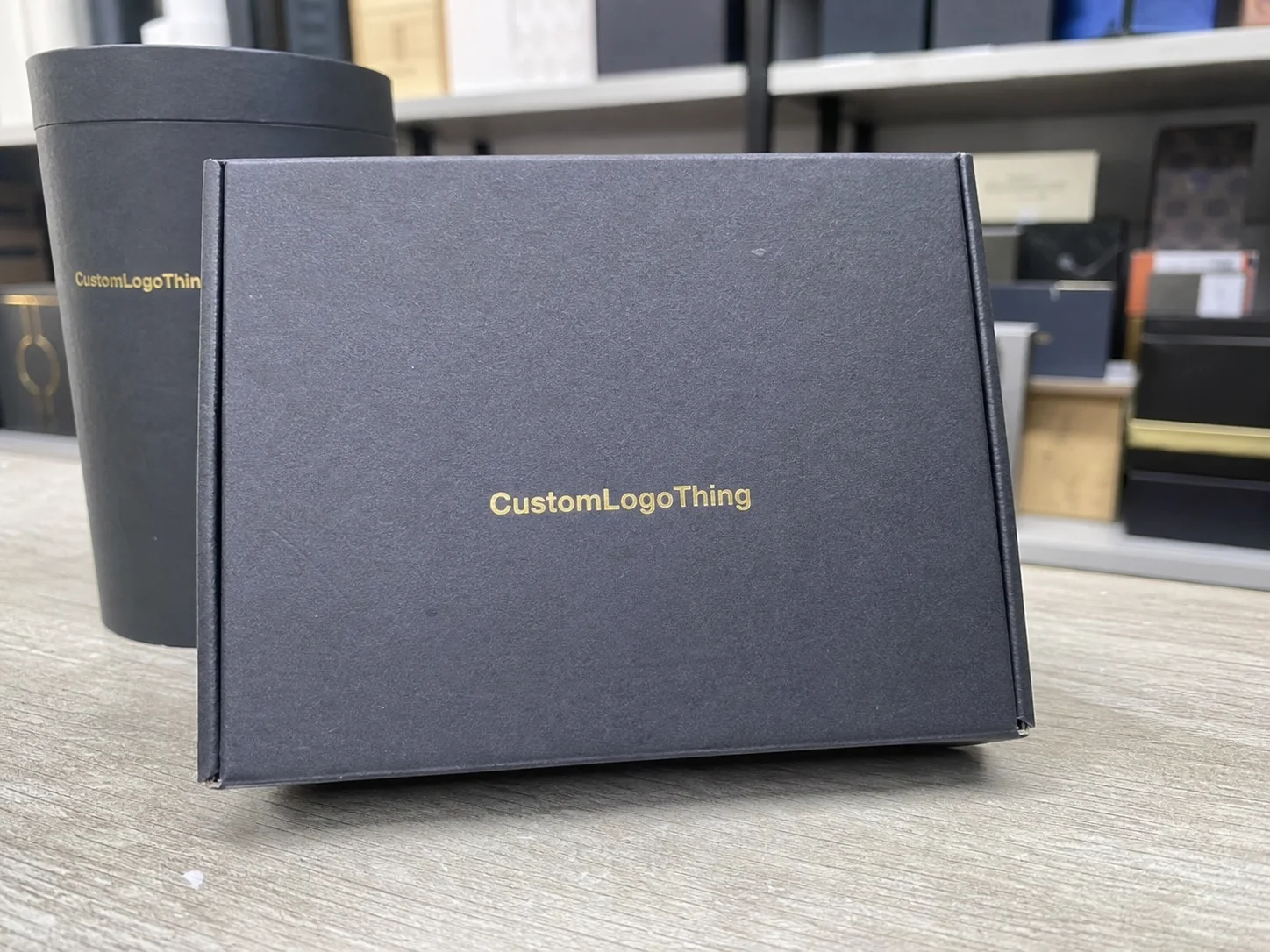
| Paper-based packaging | Retail, gifting, cosmetics, ecommerce, and lightweight products | Board grade, coating, print method, sample approval, and carton packing | Weak structure or finish mismatch can damage the unboxing experience |
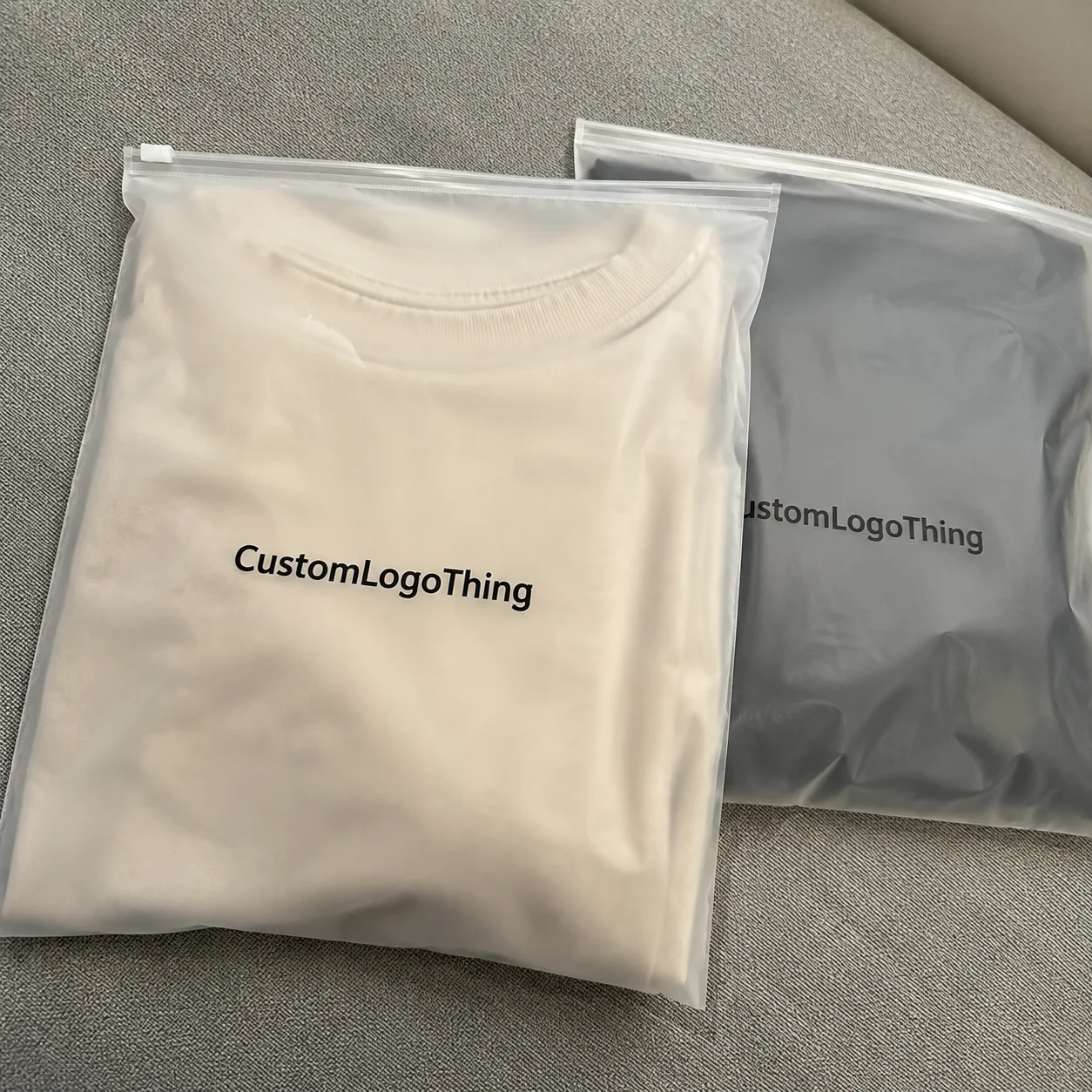
| Flexible bags or mailers | Apparel, accessories, subscription boxes, and high-volume shipping | Film thickness, seal strength, logo position, barcode area, and MOQ | Low-grade film can tear, wrinkle, or make the brand look cheap |
| Custom inserts and labels | Brand storytelling, SKU control, retail display, and repeat-purchase prompts | Die line, adhesive, color proof, copy approval, and packing sequence | Small errors multiply quickly across thousands of units |
Decision checklist before ordering
- Measure the real product and confirm how it will be packed, displayed, stored, and shipped.
- Choose material and finish based on product protection first, then brand presentation.
- Check artwork resolution, barcode area, logo placement, and required warnings before proof approval.
- Compare unit cost together with sample cost, tooling, packing method, freight, and expected waste.
- Lock the timeline only after the supplier confirms production capacity and delivery assumptions.
FAQ
What details matter most before ordering product packaging manufacturer insights and strategy?
Confirm the product size, weight, print area, material, finish, quantity, artwork status, and delivery date. Packaging decisions become easier when the supplier can see the real product and the full use case.
Should I request a sample before bulk production?
Yes. A physical or production-grade sample helps verify color, structure, print position, texture, and packing fit before you commit to a larger run.
How can a brand keep custom packaging costs controlled?
Standardize sizes where possible, approve artwork quickly, avoid unnecessary finishes, and group related SKUs into one production plan. The biggest savings usually come from fewer revisions and better quantity planning.