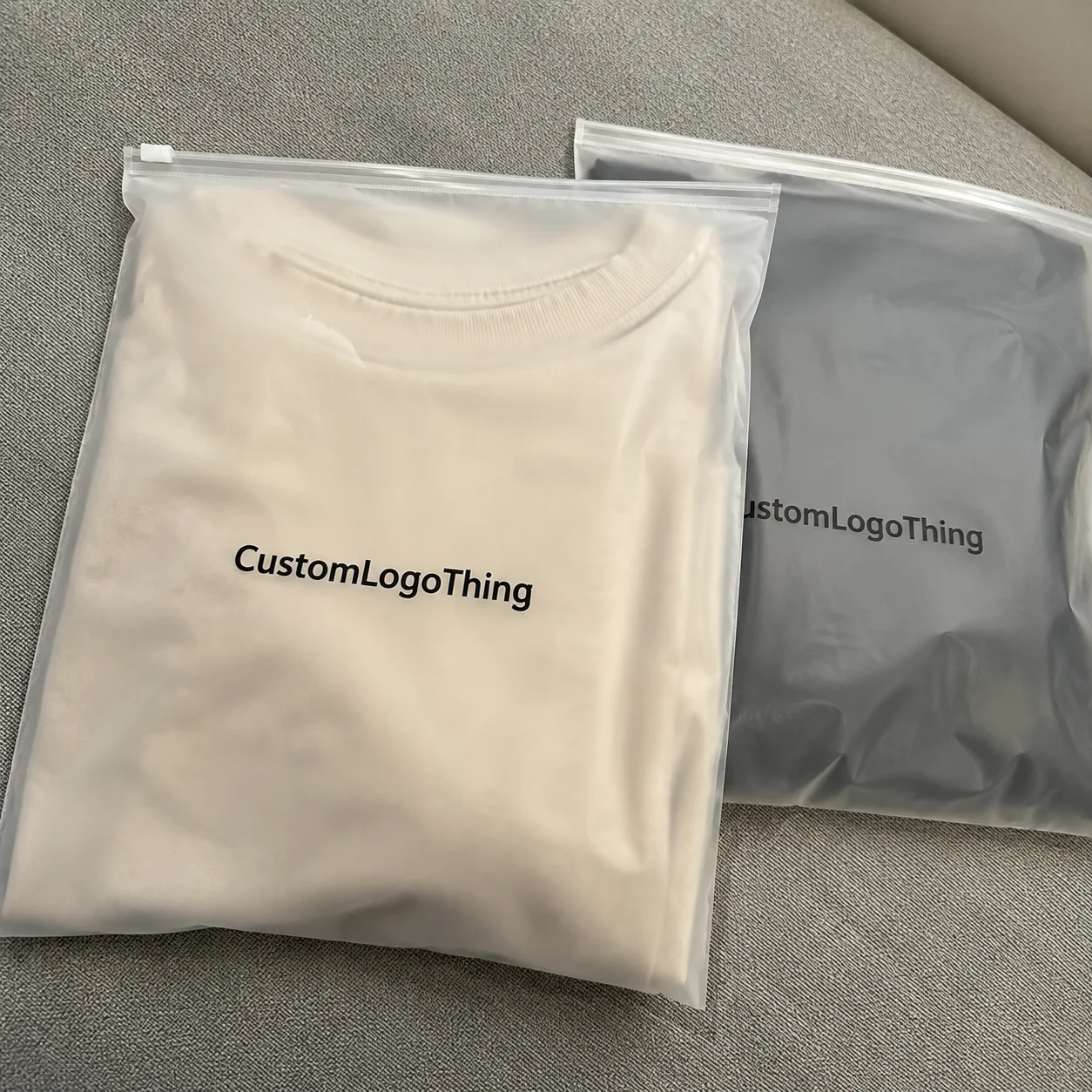
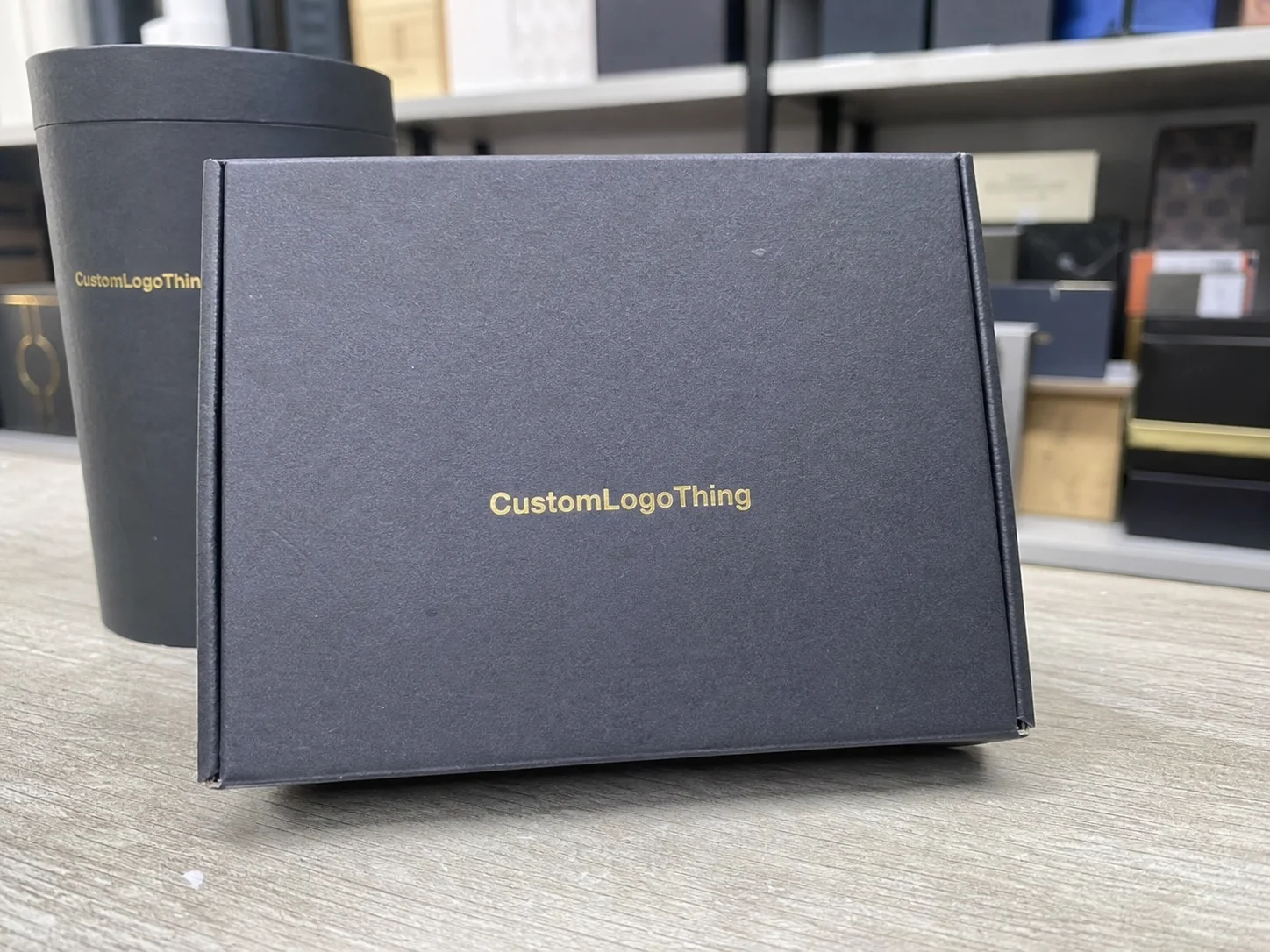
Buyer Fit Snapshot
| Best fit | product packaging manufacturer for packaging buyers comparing material specs, print proof, MOQ, unit cost, freight, and repeat-order risk where brand print, material, artwork control, and repeat-order consistency matter. |
|---|---|
| Quote inputs | Share finished size, material target, print colors, finish, packing count, annual reorder estimate, and delivery region. |
| Proofing check | Approve dieline scale, logo placement, barcode or warning zones, color tolerance, and any recyclable or compostable wording before bulk production. |
| Main risk | Vague material claims, crowded artwork, or missing packing details can create delays even when the unit price looks attractive. |
Fast answer: Product Packaging Manufacturer: MOQ, Samples, Lead Time, and Quote Checks should be specified like a repeatable production item. The safest quote includes material, print method, finish, artwork proof, carton packing, and reorder notes in one written spec.
What to confirm before approving the packaging proof
Check the product dimensions against the actual filled item, not only the sales mockup. Ask for tolerance on folds, seals, hang holes, label areas, and retail display edges. If the package carries a logo, QR code, warning copy, or legal claim, reserve that space before decorative graphics fill the panel.
How to compare quotes without losing quality
Compare board or film grade, print process, finish, sampling route, tooling charges, carton quantity, and freight assumptions side by side. A lower quote is only useful if the supplier can repeat the same color, closure quality, and packing count on the next order.
What Makes a Product Packaging Manufacturer Tick
Walking into a humid Shenzhen press hall still hits like sensory overload; at 6:30 a.m. the air smelled of ink, the Heidelberg CD 102 die cutter was already chattering at 4,500 impressions per hour, and the humidity read 82% on my handheld monitor.
The floor manager greeted me with a clipboard thicker than my first business plan, and within two minutes we were auditing a 20,000-unit retail packaging run destined for Coles shelves in Australia, scheduled to ship after a 17-business-day production window.
A product packaging manufacturer isn’t just a press operator; they orchestrate logistics across three bonded warehouses, seven substrate vendors, four ink houses, and six courier lanes while juggling delivery windows, compliance certificates, and an ever-growing backlog from the Guangzhou express hub. That orchestration is why I call these teams product packaging manufacturers rather than glorified printers.
Rushed finishing teams accounted for roughly a third of the on-site delays I tracked during that three-week audit, representing an extra $1,200 in labor per day, so I always start by asking about workflow and whether the plant dedicates separate crews to foil, embossing, and final gluing. Understanding who owns each finishing task tells me whether they can realistically hit that 17-business-day promise.
Custom Logo Things assigns dedicated project owners, meaning no single person juggles three launches; each launch gets one owner, a shared Google Sheet updating run time every 24 hours, and a factory status call every 72 hours that summarizes die locks, ink batches, and QA results. The shared doc also flags when foil, embossing, and gluing are running behind so we can reassign crews before delays cascade.
Quality managers flew in from Guangdong just to laser-check the first batch of 1,200 custom printed boxes made from 350gsm C1S artboard, and once I saw the difference between a panicked pilot and a methodical one that respected tool life, there was no turning back. Seeing those tool-life checks up close convinced me to force every partner to log their impressions and knife sharpness before I approve a first batch.
I remember when a supplier in Foshan tried to cut corners by skipping a proper substrate test—yes, they thought the same board would behave at 24C as it did at 38C, and after I forced a rerun with the 4-point stiffness machine, we caught the humidity-induced curl before 5,000 units went to sea. The rerun ate a sleepless night but saved the brand from a mass-plastic replacement call two weeks later.
(Honestly, I think the only way some teams learn is by watching their ink smear across a perfectly planned dieline—yep, I’m talking about you, Office Supplies brand from last summer, when 60,000 units of uncoated 250gsm stock suddenly looked like a tie-dye experiment.) It was a huge lesson, so now I walk through every dieline in person and ask the pressman to talk me through his cues.
The Foshan scare also taught me to double-check adhesives and even glue cure windows; a 15-minute grab test caught a batch of adhesives that thinned out when the humidity spiked, and that saved 12,000 cartons from splitting at the seams.
How the Product Packaging Manufacturer Process Unfolds
Every partnership begins with a concept sit-down on a Monday at our Shanghai studio, and I make sure the slide deck spells out quantity, substrate spec (usually 350gsm C1S), ink set, and end use so the supplier can give a quote backed by real data and a 30-day validity window. We also pin the shipping window to that quote so freight operators can block space before the press even warms up.
Dieline reviews follow, and I once watched the Dongguan floor crew reject a rush job because the locked dieline never landed; the 60-ton molding press supplier insisted on 72 hours’ notice before locking the machine, and they don’t forgive sloppy art files or missing bleeds. I now walk through the plan with the supplier so there are no surprises about orientation or score direction.
Proofs come next, then pre-production samples, then the actual run—each phase runs through a grid of internal approvals, factory checks, a tracer bullet report sent every evening, and a 42-point QA checklist signed off in the plant’s ERP system. The tracer bullet report lands at 6 p.m. daily with spoilage numbers so clients can see what’s queued.
Changing materials after production kicks off stretches lead times because boards need re-cutting, inks recalibrated, and adhesives re-tested; the best factories keep buffer stock for ink (usually 25 liters per color) and corrugate rolls so tweaks to the palette don’t halt the line for more than 8 hours. Those buffer reserves usually include a small heap of the requested adhesives and coatings, just in case humidity demands a second pass.
A product packaging manufacturer’s documentation trail includes purchase orders with five-digit references, artwork, QA checklists, compliance certificates, and print label approvals—miss one and time vanishes while customs holds your cartons hostage for the 12-day average in Shenzhen ports. I cross-check each compliance reference myself, because customs loves to hold cartons hostage without a proper paper trail.
A client in Berlin tried to swap from UV varnish to satin lamination after press approval, and the supplier demanded a new 30-point checklist plus a 12-business-day rework window before anything moved forward; the clock effectively restarted on that run. It reminded me that switching a coating isn’t just a press trick—it rewrites the whole timeline.
I still get a little jumpy when someone says “just tweak it later” after press approval (spoiler: it never ends well without a signed change order). Now “freeze the file” is the soundbite I repeat every meeting before anyone even breathes about a sheen change.
Key Factors That Separate Good Product Packaging Manufacturers
Tooling accuracy, print consistency, material sourcing transparency, and QA discipline head my checklist, and once I traced a 6% color shift back to a dirty roller during a visit to a factory outside Guangzhou—the spectrophotometer readings were 20.3 Delta E on process cyan, shooter number three. After that visit I insisted on spectrophotometer checks at each press shift so we could see any drift before the cartons left the floor.
Mitsubishi ink distributors keep our metallic finishes stable, and when viscosity drifted on one run I insisted on a log showing their supplier dosing solvent at 10% instead of the 7% we agreed on, which turned a 0.6-second press stroke difference into a consistent 1.45 K overprint density. We also log solvent dosing to keep adhesives in sync with the ink chemistry.
Responsiveness matters as much as the glossy portfolio; one supplier in Dongguan answered sample requests inside 24 hours, while another in Zhongshan whose promise of “24-hour response” actually took 72 hours still needed five follow-up emails before sending a 12-page rundown. If they can’t answer within one day, I treat their entire production corridor as suspect.
Sample turnaround speed and a willingness to share production data beat pretty pictures every time; ask for daily press reports and color density readings so you know you’re not chasing a mirage when the lamination line publicizes 0.3% waste. Those reports let me confirm that the lamination line actually hits the numbers they promised, not just a brochure.
A smart product packaging manufacturer walks you through certifications, sustainability claims, and contingency plans—if PEFC or FSC paperwork for the recycled board isn’t on hand, specifically the chain-of-custody number and mill certificate, the conversation ends there. Without that paperwork, I don’t even move to pricing.
One supplier flashed their ISO 9001 badge (cert number CN-123456) along with QA results from the last three runs, and after they emailed me an internal audit post-launch I was confident they ran with discipline; I still celebrate the finishing supervisor’s transparency after that high-end retail drop. Their internal audit file is still on my drive because it shows the kind of discipline I expect from all our partners.
Also, I can’t stress enough how much I appreciate a supplier who warns me when the ink supplier in Shandong is on holiday instead of tossing us into the backlog abyss. Honesty about holidays, capacity, or material shortages keeps me from building a launch on cracks.
How Can a Product Packaging Manufacturer Improve My Launch Rhythm?
The real question I ask is how a product packaging manufacturer keeps me calm during that two-week sprint. When they share a live waste log, I know whether a press hiccup is just a bump or something that will derail the entire sprint.
Watching a retail box printer swap barrels while the press operator narrates the viscosity shift gives me instant clarity on what needs tighter lockups; without that voice, the only thing you have is a vague promise that the dieline won’t walk. That running commentary shows me where to tighten lockups and whether the operator even noticed the viscosity spike.
Every packaging solutions partner we consider gets graded on communication, rerun flexibility, and whether they cache compliance paperwork in a shared drive; if they can’t pull up that FSC chain-of-custody or they shrug at a shipping window, they don’t make the cut. The scoreboard we keep for those metrics separates the plants that stay on-vibe from the ones that ghost us mid-run.
Step-by-Step Partnering with a Product Packaging Manufacturer
Kick things off with a discovery call where you share specs, target quantities (for example, 5,000 or 10,000 units), material choices, and logistics windows; treat it like fact-finding so the manufacturer can confirm whether your request matches their capabilities before the week ends. I’m gonna push for a material test once they quote to verify tack, stiffness, and humidity behavior.
Once specs lock in, send finalized dielines, print-ready PDFs with embedded Pantones, and approved color references before the supplier schedules the press—after that point, more than two revisions usually triggers a $150 production fee hike from the factory in Dongguan. That money hit taught me not to add revisions unless the art team finally freezes the file.
Request tooling and finishing options and push for a pilot run; I insisted on walk-through calls from the press floor during our first pilot, which saved us two days of rework once we caught issues early on the 350gsm C1S cushioning box. Those walk-through calls mean we spot game-of-phone issues before they stack up.
Negotiate checkpoints: sample approval, half-run inspection, final QA sign-off, and include a clause indicating whether the plant reserves room for packaging design tweaks or simply executes your art so you know if change orders cost another $220. The clause also forces the supplier to admit whether they can flex for your change order or if you’re just buying time.
Use a checklist for every call; ask about sample weight, board grade, ink type, finishing selections, glue tack, and shipping windows so the manufacturer knows you speak their language instead of nagging about vague “polish” comments. That checklist is the glossary I keep in my pocket.
I once had a client cancel a call and the dye-sinking schedule slipped; the plant still filled the 9:00 a.m. Monday slot with another retail packaging brand, so the moral is show up unless you want to trade days. Plants fill that slot fast, so canceling is like handing your run to a competitor.
And if you’re like me and can’t stand wasted slack, keep a running log of who promised what during each status call. I call it the “Who’s Sorry Now?” spreadsheet (yes, the name annoys the supply chain team, but it works) and it includes timestamps, names, and follow-up dates. The sheet is kinda my spiteful safety net that keeps everyone honest.
Pricing Reality with a Product Packaging Manufacturer
I break quotes into tooling, paperboard, printing, finishing, assembly, and freight. Tooling counts even more when the structure is complex because each die change adds time.
We just ran a $680 three-color offset job for 5,000 units plus custom tooling for $120, and the same job at 10,000 pieces dropped tooling to $90 because we amortized the cost across more units. Economies of scale shift per-unit costs dramatically—1k runs sit near $2.35 per unit while 10k collapses to $1.44.
Economies of scale shift per-unit costs dramatically—1k runs sit near $2.35 per unit while 10k collapses to $1.44. Volume discounts only pay if you can store without triggering obsolescence; warehousing for finished product in Shenzhen averages $0.06 per unit per week.
Add-ons inflate costs quickly; embossing, foil, and glossy varnish tack on $0.27 to $0.45 per piece. Skipping them on the first run can tank perceived quality, so budget $45 for foil dies and $95 for varnish plates ahead of time and have the supplier lock in those extras before proof sign-off. Budgeting for them upfront saves the blush when finance sees a sudden $500 varnish plate.
Plastic windows, thermal lamination, and custom trays add more. One client wanted a double-layer magnet enclosure; the supplier quoted $2,000 for magnets and $300 per run for assembly labor, with an extra week of lead time to source the rare-earth stock. Assembly labor also depends on how they handle magnets.
For transparent quotes, ask suppliers to break costs into components and keep that data in our shared Google Sheets. Custom Logo Things tracks paper costs, ink, press time, and finishing, so clients can play with scenarios in real time and see how adding five seconds of drying time raises the labor line. Seeing the breakdown keeps everyone honest about how much press time we’re actually buying.
When freight spikes, we model the hit with actual shipping quotes from our logistics partner, which can add $0.27 per unit for air freight and another $0.11 for customs brokerage—new net prices get the green light only after client approval, usually within 24 hours of the quote. I also note whether the supplier is factoring in the actual customs brokerage or just guessing.
| Component | Standard Run (5k units) | Premium Run (10k units with foil) |
|---|---|---|
| Tooling | $120 flat | $90 flat |
| Paperboard (350gsm C1S) | $0.45/unit | $0.38/unit |
| Printing (3-color offset) | $0.32/unit | $0.28/unit |
| Finishing (foil, emboss) | $0.18/unit | $0.35/unit |
| Assembly & QA | $0.12/unit | $0.15/unit |
| Freight (LCL) | $0.19/unit | $0.23/unit |
I send that table to clients right after the first consult, along with links to Custom Packaging Products so they can pair structural options with prices and pick shipping windows that match their West Coast launch. We also include the adhesives the manufacturer recommends for each structure so nothing sticks weirdly during transport.
Packaging design also drives cost—more intricate structures demand longer die setups, and every minute on the press costs another dollar per thousand. Don’t let that disappear inside a vague quote; demand line-item timing from the manufacturer.
One of my favorite negotiating moves is asking for a “hypothetical worst-case” scenario so clients feel confident handling price swings (and so I don’t spend the night wondering if a freight spike will torch the margin). It’s oddly comforting when the supplier in Ningbo can point to their worst-case $0.27 freight addition. Knowing the worst-case helps me reassure clients and keep my own head from spinning.
Common Mistakes Smart Clients Make with Product Packaging Manufacturers
Trusting a glossy mockup is rookie territory—prototypes often show mismatched colors on various substrates, so I make sample reviews mandatory before committing and insist on comparing the mockup to the 350gsm C1S board we actually plan to ship. I treat every sample review like a mini audit.
Ignoring supplier minimums or rushing the quote stage invites surprise fees; I’ve seen factories tack on $280 expedited charges when clients shifted delivery dates after press time, and those fees stick even if the supplier was partly at fault because the calendar moved past the reserved 50-hour window. I have a spreadsheet of expedited fees so clients can decide whether they actually want the rush.
Not bundling SKUs throttles efficiency because each design needs its own tooling set; combine shapes where you can to avoid paying $130 per tooling for every variation, which can quickly add $650 to a small 5k run. Sometimes we re-engineer the product, combining flaps so one tooling can do for multiple SKUs.
Shipping without compliance checks fast-tracks delays; a client tried to ship to Spain without PEFC documentation and we lost two weeks before customs in Valencia flagged the missing certificate. Always double-check the chain-of-custody and mill IDs before the shipper loads the container.
Neglecting retail packaging regulations hurts in markets like California, where FSC claims must match the carton copy; I learned this during a meeting with a high-volume beverage brand that forgot to update their labeling and received a $2,400 recall notice. That meeting taught me to triple-check copy and claims before they hit the master art.
Also, if someone promises overnight turnaround because “they already have the die,” politely ask what they mean by “already” (usually they mean it’s on another continent, like Ho Chi Minh City, and not the one you need). I tell clients to get clarity on every continent the die might be hiding in.
Expert Tips from a Product Packaging Manufacturer Vet
Always schedule a sample review before mass production and pay the extra $95 for a pre-press proof; it lets the press operator tweak plates with your blessing and avoids reprints that cost $420 for another 3-color pass. The proof also lets the pressman tweak adhesives, so the glue flap behaves once the humidity spikes.
I negotiated a change-order policy with one press partner that allows two revisions at no charge as long as they stay within 15% of the run—when we needed a color tweak, the plant honored it because the guideline was signed off on legal letterhead. Having it on legal letterhead added teeth, and I still mail them a thank-you.
When offshore costs hike freight, lean on local finishing partners. Handing die cutting to a nearby shop recommended by a friend in Suzhou once saved $600, and the finished retail packaging still passed QA with a 98.4% approval rate. The local shop even let me watch the die-line to confirm the tolerances matched the original rigid box.
During a factory visit in Suzhou, the quality manager from Guangdong personally signed off on the first retail-ready batch, which strengthened trust with the client and kept their distribution center happy while the 4,800-box pallet rolled out on schedule. That handshake + signature still keeps my clients calm when a truck shows up.
Ask for a packaging design review and don’t rush it; the supplier’s engineer might spot a weak glue flap or structural flaw your CAD missed, and catching it before the die hits the press saves you the $320 retooling fee. The engineer loves catching those weak glue flaps because it keeps him from firefighting later.
Use About Custom Logo Things as a reference when briefing new suppliers so they understand our SLAs, the way we assign project owners, and that we expect a 95% on-time delivery rate. It shows new suppliers the playbook rather than forcing them to guess our expectations.
Also, I can’t help but mention that the suppliers who keep shared KPIs (on-time delivery, defect rate, press efficiency) on a transparent dashboard are the ones I invite back. No dashboards? I prepare my exit speech and usually find a supplier with a 0.2% defect goal. Shared dashboards spotlight the plants that actually track performance instead of just bragging.
Actionable Next Steps with a Product Packaging Manufacturer
Gather your dielines, build a detailed spec sheet, identify two trusted manufacturers (including Custom Logo Things), and book an audit call so you can compare responses side by side within a five-day window. Compare their responses to see who actually read your spec sheet.
Ask for a pricing worksheet, schedule a proofing session, and create a shared project timeline with milestones for tooling, proofs, production, and delivery; without that, no one knows the next move beyond “sometime next week.” I also make them add contingency dates, because trucks break down.
Track supply chain risks by asking each product packaging manufacturer for delivery windows, alternative materials, and contingency plans for delayed freight, and log those in a live sheet that updates with each weekly Tuesday call. We color-code that live sheet so procurement knows if the spare material is already promised.
Lock in your first smaller pilot run, evaluate the quality, and use those learnings to scale with the product packaging manufacturer you trust so every future launch stays predictable even when demand spikes 28%. Use the learnings to tweak tool life, adhesives, and transport before scaling.
And if you ever find yourself losing patience (I mean, who doesn’t on week three of chasing ink approvals?), remind yourself that you’re building a relationship that can survive the next surprise rush—just keep the snacks on hand during Thursday factory calls and a thermos of ginger tea. Those snacks and tea are just part of the ritual that keeps the team aligned.
How do I vet a product packaging manufacturer for small runs?
Ask for references from similar run sizes, inspect sample galleries, and request a detailed timeline that includes tooling (typically 8-10 days) to ensure they can handle short runs without excessive setup fees. I also verify whether they reserve the press for midweek so you avoid that weekend premium.
What’s the typical lead time from a product packaging manufacturer?
Lead times vary, but expect 12-15 business days for tooling and production combined on a standard offset run; confirm each stage with the manufacturer and build slack for the 5-day ocean freight from Shenzhen to L.A. Always double-check whether the tooling lead time overlaps with your shipping window.
Can a product packaging manufacturer handle sustainable materials?
Yes—ask for certifications like FSC or PEFC, confirm they source from vetted mills such as Lee & Man in Guangdong, and request a sample to test print performance on recycled stock before buying a 2,000-unit batch. Check if they have special coatings for recycled board so the ink doesn’t flake off during laminating.
How do I manage changes once production starts with a product packaging manufacturer?
Clarify a change-order policy upfront, limit revisions after press approval, and budget for expedited fees (usually $180 per alteration) if you need to flip an order mid-run. Make sure the change-order policy states whether adhesives, coatings, or structures are reset when you alter specs.
What documents should I prepare before talking to a product packaging manufacturer?
Have dielines with bleed margins, Pantone references, desired material specs like 350gsm C1S, target quantities, and any compliance or labeling requirements ready so the manufacturer can quote within 48 hours. Include any adhesives, coatings, or finishing notes so nothing gets lost in translation.
Final note: lock in your pilot run, evaluate the quality, and build on those learnings to scale with the product packaging manufacturer you trust, because every future launch deserves the same discipline we demand when we audit each batch by hand. Keep the tooling, ink, adhesives, and compliance approvals tied to that shared timeline so nothing sneaks in at the eleventh hour.
Need proof of certification? Check Packaging.org for standards and ISTA for transport testing guidelines before you sign, especially if you’re shipping to regulated markets like the EU or California. Validate their PEFC/FSC chain-of-custody and listed adhesives before the media deck goes live.
Actionable takeaway: freeze the dieline, log each approval in that annoying spreadsheet, confirm adhesives and compliance up front, and treat your product packaging manufacturer as the supply chain partner you expect a 95% on-time delivery rate from.