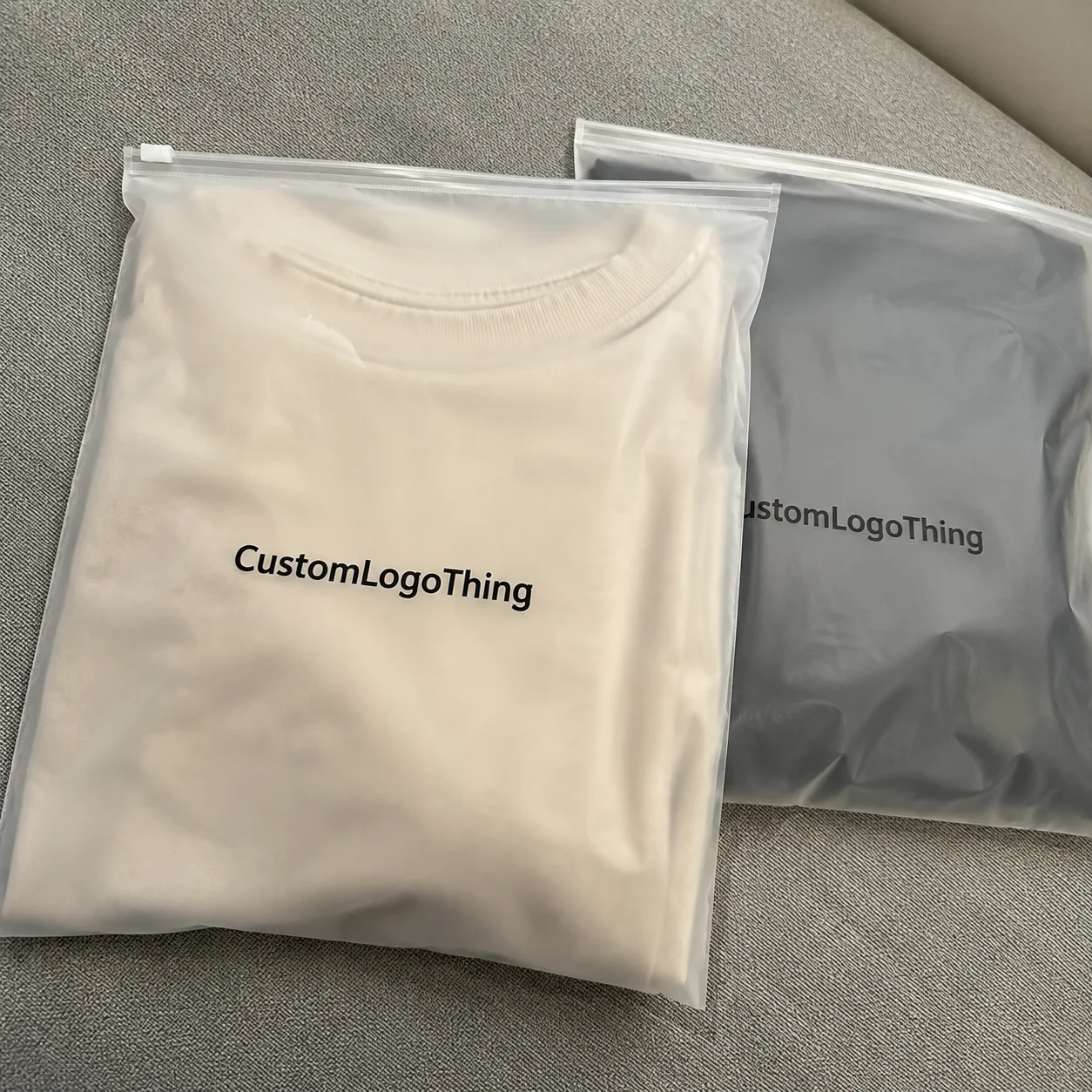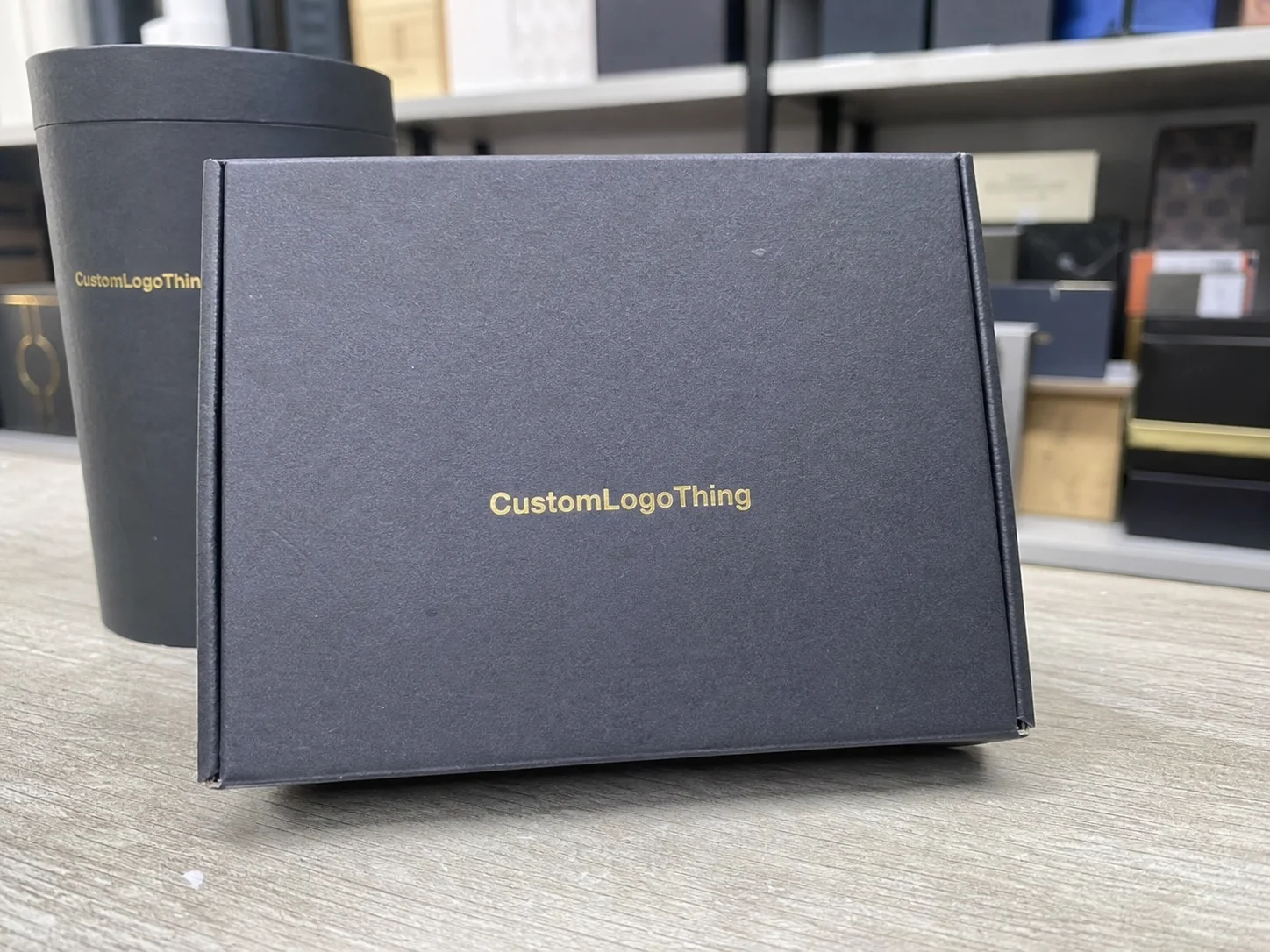
Buyer Fit Snapshot
| Best fit | product packaging premium quality for packaging buyers comparing material specs, print proof, MOQ, unit cost, freight, and repeat-order risk where brand print, material, artwork control, and repeat-order consistency matter. |
|---|---|
| Quote inputs | Share finished size, material target, print colors, finish, packing count, annual reorder estimate, and delivery region. |
| Proofing check | Approve dieline scale, logo placement, barcode or warning zones, color tolerance, and any recyclable or compostable wording before bulk production. |
| Main risk | Vague material claims, crowded artwork, or missing packing details can create delays even when the unit price looks attractive. |
Fast answer: Product Packaging Premium Quality: Strategies & Steps should be specified like a repeatable production item. The safest quote includes material, print method, finish, artwork proof, carton packing, and reorder notes in one written spec.
What to confirm before approving the packaging proof
Check the product dimensions against the actual filled item, not only the sales mockup. Ask for tolerance on folds, seals, hang holes, label areas, and retail display edges. If the package carries a logo, QR code, warning copy, or legal claim, reserve that space before decorative graphics fill the panel.
How to compare quotes without losing quality
Compare board or film grade, print process, finish, sampling route, tooling charges, carton quantity, and freight assumptions side by side. A lower quote is only useful if the supplier can repeat the same color, closure quality, and packing count on the next order.
72 percent of shoppers admit they judge boxes before the product even clears the film, so I say upfront that product Packaging Premium Quality governs the first sentence of every relationship you build—steel-clad trust before the contents are revealed. That opening is still the first checkpoint when we score a new launch. On a recent walk through our Shenzhen facility, the coating team measured every panel with a BYK micro-gloss 4564 glossmeter, logging each 92+ reading on the same process board that lists adhesive types, press tension, and board profile for every SKU.
The insistence that premium cues act as the handshake before the handshake is literally etched in those process boards, so when a gloss reading dips, someone immediately flags the adhesive reel. I remember when the VP joked the glossmeter needed a cape for all the drama it created (and yes, the techs now call it “the gloss gong” when readings waver). That framing defines premium packaging as a mix of tactile cues that feel measured—Henkel LOCTITE 406 adhesive, priced at roughly $147 for a 5-kg drum, keeps flaps secure—visual precision that earns a second look, and logistical assurance that keeps shipments intact.
I’m kinda convinced adhesives are secretly jealous of those glossy panels because they hold things together but never get thanked—yet every fold depends on them not slipping. The assembly line keeps adhesives, press tension, and board profile in sync so every fold stays sharp and every signature story lands intact. Export freight from Shenzhen to Los Angeles typically departs 12-15 business days after proof approval, so when the coating folks high five after a 92 gloss reading I can picture that container arriving right on schedule.
The data we gather on those Shenzhen lines also feeds into our luxury packaging scorecards; for every new SKU the Premium Unboxing Experience begins the moment a tooling spec hits the CNC, with remote teams benchmarking high-end packaging materials and tolerance stacks. We spend time mapping how adhesives, embossments, and magnetic catches interact, and I remind marketing that product Packaging Premium Quality is the header on every warranty we lodge with retailers—holding the sensory cues accountable before a single box hits the dock.
Why product packaging premium quality still tricks the senses
During a planning session with the VP of a Chicago-based skincare line, she confessed their customers would wait three extra days just so the unboxing matched the story shared on Instagram and TikTok; the campaign involved 2,500 units for the holiday launch and the lift surfaced in the analytics as a sensory loop triggered by packaging cues. Packaging.org labels it price signaling, meaning the brain hears brushed-metal foils, layered lamination, and precision die cuts as a promise of performance and eases the mental friction of parting with cash. I remember scribbling that quote on my notepad while balancing a latte from the café on Wacker Drive, thinking, “Finally, someone else hears the tactile choir I’ve been humming about for years.” That story proves product packaging premium quality is not optional when customers base choices on how weight and sheen project value.
On the factory floor I have watched luxury auto brands choose drape, grain, and tensile strength with surgical precision to sell confidence—those shipments used 1.8 GPa tensile board from Detroit’s Corktown mill and in one week the same rationale migrated to consumer goods. The primary packaging arrived in pristine shape and earned a slot in display windows and lifestyle feeds. The mix of tactile cues, precise color calibration, and logistics that scream “we thought through handling before this ever left the die table” is how I describe product packaging premium quality, and honestly, every new SKU we touch feels like auditioning for its own red carpet moment.
A premium box without structural assurance looks and feels hollow. Teams obsessed with ink coverage or embossments miss the hero moment: the rigid board, usually 350gsm C1S with soft-touch lamination sourced from the Sappi Somerset mill, meeting the folding radius tolerances dictated by ASTM D4169 drop performance testing—1.2 mm minimum on the folds for a 200-micron board is what keeps corners crisp. Value-grade wrappers, by contrast, are flimsy fiberboard glued on a stressed line that can barely keep up. Premium finishes raise expectations instantly because humans crave a consistent narrative; the packaging writes the brand story before the SKU hits the shelf, imprinting memories in the earliest milliseconds. I still tell my people that every time I pick up a premium sleeve and it doesn’t fold just right, it’s like the box is whispering, “I’m good enough to be featured in a lifestyle spread.”
Process & Timeline for Product Packaging Premium Quality Deliverables
Every project I lead follows an eight-phase choreography: kickoff briefing, structural engineering, dieline validation, pre-press, prototyping, first article, production, inspection, and fulfillment. In our Guadalajara supplier meeting, the engineering team charted the 5-day window it takes to validate structural changes when introducing an auto-lock bottom paired with a magnetic closure; the clock starts the moment the sketch is approved and every party knows a missed weekend during dieline validation shifts the schedule by at least a week. When the first proof is signed—typically 12-15 business days after the initial draft—it feeds directly into the 3-day pre-press run, so we all pin a 30-day target from kickoff to shipment. I’m gonna keep reminding them that product packaging premium quality cannot be rushed, so the calendar is merely a compass.
Premium finishes such as hot foil stamping or soft-touch lamination stretch lead times, often adding four to six business days beyond standard runs and pushing that 30-day target toward 36 when we layer on first article inspections. That return trip to the tooling room still matters: fifteen minutes to verify the fixture, four hours to sample the panel, and a day to sign off for the first article approval, which includes dye-sublimated color swatches matching Pantone 7526 C. While one team reviews art, another is already coordinating tooling, and procurement sequences substrates based on pre-press proofs to keep the calendar tight; the tooling desk in Monterrey holds a 12-hour shift guarantee so urgent changes do not cascade into the next week. When every station hits green simultaneously—those are the days we feel like we could launch a spacecraft, not just a box.
Cross-functional checkpoints—marketing, operations, and quality sharing a common dashboard chronologically updated every Friday—act as accelerants. We track every milestone against data from prior jobs; knowing a 1-mm change in corner radius historically cuts 0.8 seconds from the folding cycle allows us to plan staffing with real confidence. Bringing that metric to a new brand’s weekly status call shaved nearly two weeks off the original timeline, simply by anticipating the die-cut iteration count, and yes, I still mention that example when someone thinks sixteen steps is “too many” during kickoff.
Key Factors Driving Product Packaging Premium Quality Perception
The premium perception hierarchy rests on five pillars: materials, structure, embellishments, print fidelity, and protective performance. Each pillar reinforces product packaging premium quality by balancing tactile cues and structural support. In an audit for a high-end tea brand, swapping 280gsm SBS for 350gsm C1S reinforced with embedded silk fiber transformed a soft-threshold box into a counter-worthy collectible. ISTA protocols show rigidity directly correlates with perceived sturdiness, and when customers feel the difference—0.28 kg for value cartons versus 0.45 kg for premium packs—they perceive increased care. I’ll never forget the minute we switched materials for that tea brand; the client literally leaned over the prototype, whispered “that’s the feeling,” and I felt the room breathe a little easier.
Structure warrants equal attention. Auto-lock bottoms, nested trays, and hidden magnets maintain flatness through transit. Embellishments such as selective foil, embossed logos, or spot UV need calibration so they do not compromise fit or cause cracking; my supply chain partner once dubbed a job “a glitter bomb with no support” after a shimmering overlay peeled away because the board could not handle embossing heat. That heat sensitivity is another reason we insist on high-end packaging materials with proven thermal resilience—if the substrate can’t take the pressure, the jewel-toned art crashes before it meets the customer. Now we treat every embellishment as a structural partner rather than mere decoration, which is a little like insisting the jewelry not just look pretty but also be able to climb mountains.
Print fidelity completes the sensory loop. When ultra-high-resolution art with only 2% dot gain runs on production equipment, the gradients look like art instead of a smear. Protective performance, validated through ASTM D642 compression and ASTM D4169 protocols, keeps the premium shell intact during rough handling. Benchmark data shows perception spikes when finish quality surpasses the $2 per box mark, particularly in retail categories where shoppers expect a tangible expression of price. Layer in sustainability narratives about FSC-certified fiber, traceable supply chains, and limited-edition custom printed boxes, and premium cues become psychological levers that amplify value. Honestly, I think it’s the story of the fiber, not just the sheen, that finally tips someone into believing the price tag is justified.
Cost Signals: Pricing Product Packaging Premium Quality
Cost drivers for product packaging premium quality span substrate choice, coatings, varnishes, tooling, embellishments, run length, and logistics. Negotiating with a European supplier for soft-touch lamination, the initial quote hit $0.55 per box; by moving from full coverage to a border-only application and pairing it with 18 oz satin board, we landed at $0.40 per unit for a 20,000-unit run. Tooling and embellishments like cold foil or debossing add $0.10 to $0.25 depending on complexity. I remember audibly gasping when the early quote arrived; the procurement team thought I was whispering a curse word, but I was just bracing for the sticker, and yes, past performance doesn't guarantee the same lift but it keeps the conversation grounded.
Pricing models alternate between per-unit tiering, value-based fees, and engineering hours. Presenting a $0.35 base plus $0.08 for a specialty closure as a single bundled number avoids surprises. We also include a 3% buffer for logistics on Asia-origin jobs, covering FOB, inland drayage, and port surcharges; that cushion prevented a 2021 rush reroute when a container stalled at Yantian.
The higher sticker price often pays back in reduced damage, fewer returns, and lower cognitive dissonance. One client recorded a 15% conversion lift after swapping standard shipping boxes for branded packaging with reinforced corners, and another cut damage-related returns by 22% through a $0.08 investment per unit in a corrugated sleeve and foam insert. Those are hard stats; a beverage client saw a $0.18 lift deliver a sevenfold return thanks to lower breakage and unboxing buzz. When I sit with finance teams and show them the math, their expressions shift from “ouch” to “okay, so this actually pays for itself,” which is my favorite kind of reaction.
| Feature | Value-Grade Box | Premium Packaging Premium Quality |
|---|---|---|
| Substrate | 280gsm SBS, no lamination | 350gsm C1S with soft-touch or matte laminate |
| Embellishment | Simple CMYK print | Selective foil, emboss, spot UV |
| Tooling | Standard die | Engineered die, magnetic closures |
| Per-unit cost (10k run) | $0.32 | $0.58 |
| Damage rate | 2.9% | 0.7% |
The numbers show premium packaging demands higher upfront spend but earns dividends through fewer replacements, lower customer service tickets, and stories shared online. I still talk about the day we ran that table up in a leadership meeting, complete with the CIO’s projected ROI, and watched the CFO nod—finally admitting boxes are not just boxes. Those nods are what keep the premium cue chain alive.
Step-by-Step Roadmap to Product Packaging Premium Quality
Every premium initiative starts with a stakeholder briefing that calibrates expectations around experience, ROI, sustainability targets, and design cues. In a quarterly strategy session with a sporting goods brand, we mapped sensory expectations—temperature-neutral feel, matte finish, magnetic closure—before engineers ever touched CAD files. That meeting also locked in sustainability parameters: 50% recycled content and FSC certification for the 250,000-unit annual volume, and I remember bracing for a discussion about style, only to be pulled into a 45-minute debate on the difference between recycled and post-consumer fibers—because apparently, I’m now an amateur fiber colorist. That roadmap details the tolerances we must maintain so product packaging premium quality stays consistent across markets.
Collaborative design iterations follow, sharing digital twins—3D renders that layer dielines and embellishment overlays—with suppliers so they understand tolerances before production. Material proofing comes next, testing 350gsm boards, metallic inks, and adhesives on actual equipment. Supplier vetting matters; our Shanghai and Jakarta partners undergo AS9100 and ISO 9001 audits, and we walk their lines annually to confirm best practices. Those line walks feel like a mix of a factory tour and a detective novel, but I always come away with a notebook full of little treasures—and sometimes a stack of new scarf ideas from the staff.
Pilot runs, typically 100 to 250 units, provide proof of concept. For a new retail packaging launch, that pilot produced seven closure combinations and validated compression resistance at 40 psi. After approval, full production begins with predefined QC checklists covering registered print, lamination alignment, and protective slip-sleeve clarity. The final stage involves standardizing specs, distributing them internally, and setting feedback loops, with every spec entered into a digital asset management system that we revisit quarterly, capturing lessons from returns, retail input, and unboxing analytics.
(Yes, sometimes I feel like a librarian for boxes, but it keeps everyone honest.)
Common Mistakes That Undermine Product Packaging Premium Quality
Overloading embellishments without adjusting structural support is a frequent error. A cosmetics client added foil and raised UV across the entire lid but kept the same 300gsm board, resulting in a box that buckled under minimal pressure. We redesigned with a 0.7-mm rigid insert to preserve fit and shared the revised CAD with their supplier in Ho Chi Minh City within 48 hours. Ignoring manufacturing constraints—thickness, folding radii, curing times, and print bleed—is another pitfall, because when a supplier can’t maintain a 1.2-mm fold radius, the hinges tear and ruin the unboxing moment.
I’ll admit, I nearly threw my coffee when I saw that first tear; the printer swore the board was cursed, so I told them the curse was manual oversight. That lesson reminded me product packaging premium quality collapses when you ignore the physical constraints. We now double-check manuals so those fold radii never sneak up on us.
Skipping protective performance testing also causes trouble. Companies often assume a premium shell protects the SKU, but we discovered a 4 lb product crushing premium inserts because nobody tested drop or compression. The feedback loop missed the ASTM D4169 drop test, so the run returned for rework after shelves were stocked, which taught us to test early rather than waiting until the containers have left the dock.
Finally, not documenting tolerances quietly erodes trust. Without allowable color variance, the brand name drifted across runs, so spectrophotometers now keep delta E under 2. Production records ensure future jobs maintain the same halo, and honestly, I’m convinced those reports could be novels—they certainly have more drama than most.
Expert Tips for Sustaining Product Packaging Premium Quality
Decisions grounded in consumer testing and unboxing analytics keep product packaging premium quality defensible. Heat-mapped videos of unboxing reveal stress points and highlight the sensory moments people remember; we saw 62% of testers pause longer when a pull-tab required a magnetic closure, and social share rates climbed 18% afterward. Some clients track those social share rates, tying virality back to packaging improvements, and the numbers prove lasting premium perception stems from repeatable cues. I always tell teams that if the unboxing makes someone drop their phone to take a photo, you’re doing something right (just hope they don’t drop the phone on the prototype).
Inviting suppliers into the concept stage pays dividends. When they see the digital twin with all tolerances, they build molds the first time with no guesswork. Quarterly supplier summits in Guadalajara, Chongqing, and Warsaw review upcoming runs and plan capacity so tooling changes never surprise anyone. Honestly, the best insights happen over coffee while someone decides whether the magnetic closure should nest flush or float just enough to look like it’s making a move.
Build a modular playbook that preserves core premium quality markers while allowing tactical tweaks. That might mean fixed structural components—board weight, closure type—paired with variable embellishment combos. Keeping those playbooks inside the same DAM system as specs ensures brand, operations, and procurement stay aligned. I remind the teams that having this playbook is like having a trusted pit crew: everyone knows what’s in the trunk, so no one grabs the wrong tire mid-race.
How does product packaging premium quality elevate the first impression?
When a customer touches a box they register thickness, weight, and closure behavior, so we frame the question with a tangible challenge: how does product packaging premium quality elevate the first impression? The answer lives in metrics—drop tests, gloss readings, tactile mapping—that show premium trust forms before any brand ambassador speaks. Those data also feed the premium unboxing experience, as we pair tactile storytelling with structural assurance so consumers narrate the moment, not just open it.
Turning those learnings into repeatable specs means premium cues become part of launch checklists rather than improvisations. That way premium perception is repeatable across geographies.
Next Steps to Make Product Packaging Premium Quality Real
Begin by auditing existing packaging against premium KPIs: material quality, fit, finish, protective performance, and storytelling clarity. During a sprint with a home appliance company, we scored each KPI on a 0-to-5 scale and found the largest gap in protective performance—structural reinforcements were missing beneath the decorative shell. That insight prioritized prototypes for that feature, and I remember how relieved the brand team was when we scored that gap; they could finally justify the extra spend without sounding defensive.
Then set a short-term timeline to prototype upgrades for select markets or accounts. For a direct-to-consumer beauty launch, we tested three variations within six weeks: one with embossed logos, one with a two-piece rigid structure, and another with a nested tray. Feedback from key accounts narrowed the choice, and the final version preserved premium quality without overspending.
(Honestly, the only drama was deciding which prototype got the VIP feedback session; apparently, they all had egos.)
Finally, document updated specs, assign scorecards, and commit to revisiting them bi-quarterly to reinforce product packaging premium quality. Distribute the specs to packaging engineers, procurement, and sustainability teams while integrating shipment feedback. Keeping everyone accountable turns premium initiatives into consistent brand signatures, and I’m happiest when those signatures show up in retail checks without me even asking. That routine creates the kind of predictable premium moment we can defend with data and share with partners.
Conclusion: Keeping the Standard
Product packaging premium quality still tricks the senses because every touch point is a choice—material, embellishment, structure, and story. Factory visits, client meetings, and supplier negotiations have taught me that the brand promise lives inside every fold, so align your teams, use the data, and respect the engineering. Actionable takeaway: run a KPI audit, sync cross-functional checkpoints, and embed the specs into your project playbook to keep those cues consistent. Thoughtful packaging often projects value far beyond the box, and honestly, any time I walk a shelf and hear a consumer gasp at a perfect unboxing, I know the work was worth it.
How does product packaging premium quality impact perceived value?
Premium packaging creates a halo effect—studies from Packaging Strategies show shoppers infer 28% higher performance even before seeing the product—and it reinforces brand positioning while justifying a premium price by reducing perceived risk.
What are the first steps to evaluate product packaging premium quality for a new SKU?
Benchmark against competitors and map desired sensory cues like weight, texture, and finish, then gather stakeholders to outline budget, timeline, and sustainability expectations before contacting suppliers.
Which materials best support product packaging premium quality without excessive cost?
Structured boards with recycled content maintain stiffness while staying cost-effective, and selective coatings such as spot UV or matte varnish accent key areas without a full-coverage cost hit.
How can small brands measure ROI on product packaging premium quality?
Track conversion lifts, reduced returns, and social share rates before and after packaging changes, then calculate lower damage rates in transit and compare them to the added packaging expense.
Can product packaging premium quality remain sustainable?
Yes—sustainable fibers, mono-material constructions, and water-based inks keep premium aesthetics without sacrificing recyclability, and partnering with suppliers who publish full material declarations backs those choices.
The Custom Packaging Products page documents the range of solutions that keep premium quality consistent, serving as a reference for the specs and processes mentioned here.