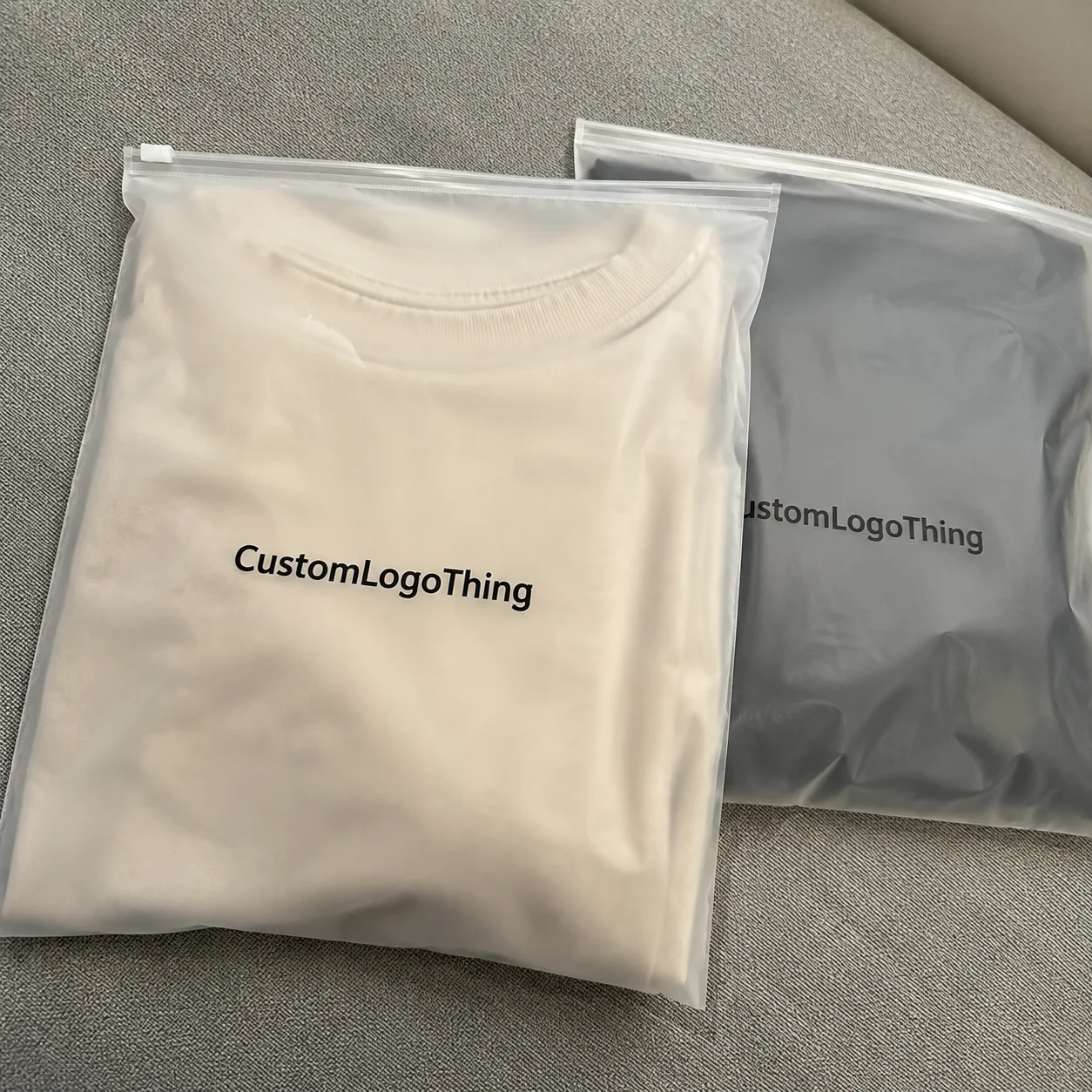
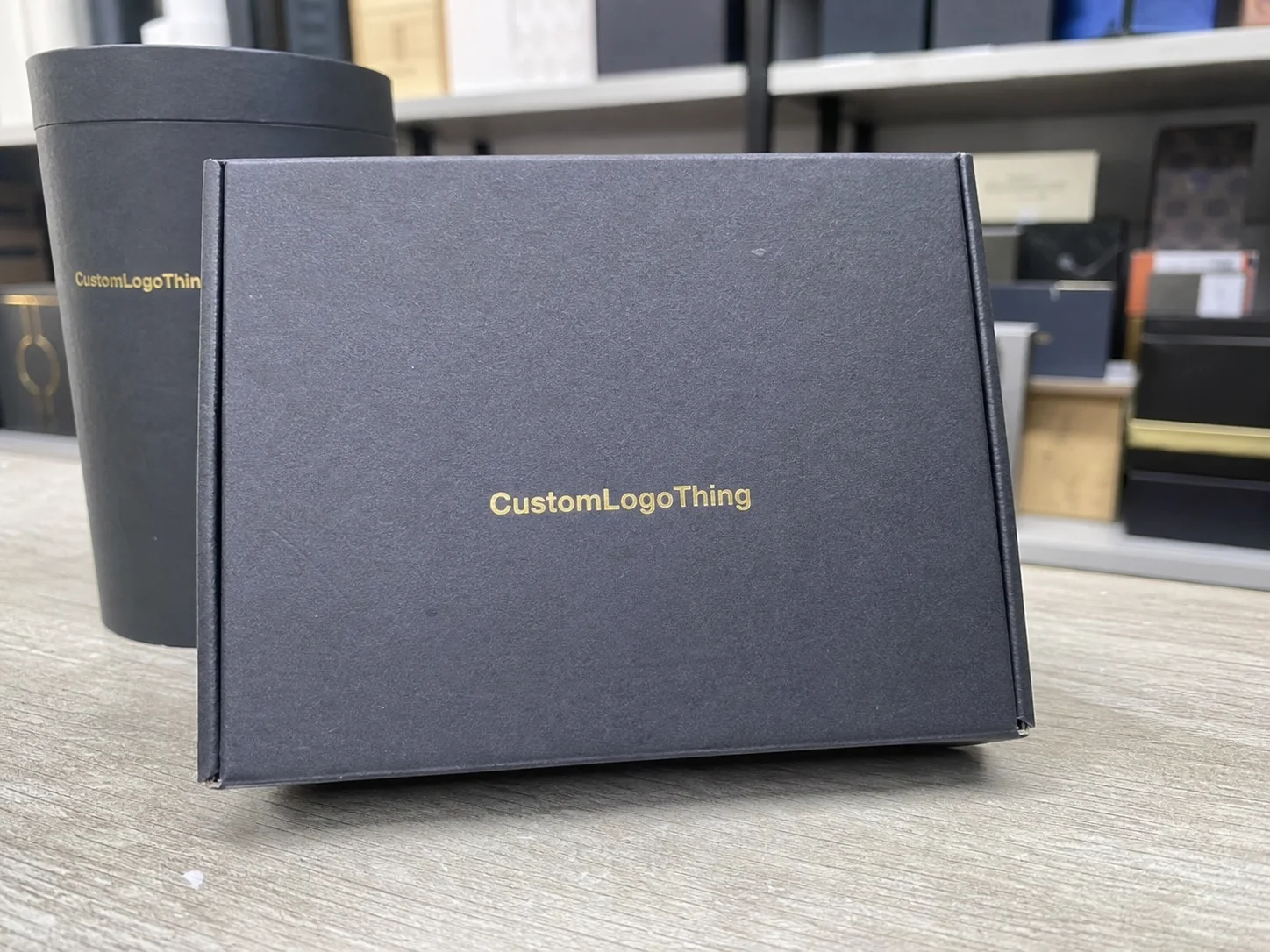
Buyer Fit Snapshot
| Best fit | product packaging with logo for packaging buyers comparing material specs, print proof, MOQ, unit cost, freight, and repeat-order risk where brand print, material, artwork control, and repeat-order consistency matter. |
|---|---|
| Quote inputs | Share finished size, material target, print colors, finish, packing count, annual reorder estimate, and delivery region. |
| Proofing check | Approve dieline scale, logo placement, barcode or warning zones, color tolerance, and any recyclable or compostable wording before bulk production. |
| Main risk | Vague material claims, crowded artwork, or missing packing details can create delays even when the unit price looks attractive. |
Fast answer: Product Packaging with Logo: Design, Cost, and Process should be specified like a repeatable production item. The safest quote includes material, print method, finish, artwork proof, carton packing, and reorder notes in one written spec.
What to confirm before approving the packaging proof
Check the product dimensions against the actual filled item, not only the sales mockup. Ask for tolerance on folds, seals, hang holes, label areas, and retail display edges. If the package carries a logo, QR code, warning copy, or legal claim, reserve that space before decorative graphics fill the panel.
How to compare quotes without losing quality
Compare board or film grade, print process, finish, sampling route, tooling charges, carton quantity, and freight assumptions side by side. A lower quote is only useful if the supplier can repeat the same color, closure quality, and packing count on the next order.
On a Monday morning in a carton plant outside Dongguan, I watched a brand team spend twenty minutes debating logo placement while the real issue sat on the table in front of them: the flap fold line was cutting straight through the artwork on a 350gsm C1S artboard sample with a 0.4 mm score allowance. That happens more than people realize, and honestly, it is one of those moments that makes you want to gently bang your head against a pallet of SBS board, though preferably not hard enough to dent a corner. Product Packaging with Logo is not just a decoration choice at the end of the process; it can shape the box structure, the material grade, the print method, and even the finishing line before the first sample is cut. In that same Dongguan workshop, the production manager had already marked the dieline with a red grease pencil, because once a logo crosses a fold on a 250-piece proof run, everyone is suddenly paying for extra revisions.
I’ve seen that same pattern repeat in rigid box shops, folding carton lines, and corrugated plants alike, from Shenzhen to Xiamen and from Ningbo to Guangzhou. A logo on packaging is doing more work than most teams expect, especially when the order is 5,000 units and every millimeter of placement affects the press sheet. It supports shelf recognition, creates memory after purchase, and changes how a customer feels before they even touch the product. For Custom Logo Things, that is the real conversation behind product packaging with logo—not simply “Can we print our mark on it?” but “How do we build branded packaging that actually performs in production, shipping, and the customer’s hands?” I remember one client insisting the logo should be huge, centered, and impossible to miss, and then six minutes later the sample box looked less premium and more like it was shouting at me from across the room. Subtlety usually wins, especially on a 90 mm by 120 mm carton where the front panel has barely enough space for the mark and one product claim.
What Product Packaging with Logo Really Means
Product packaging with logo means the brand mark is built into the package design from the start, whether that mark appears through offset print, flexo print, foil stamping, embossing, debossing, labels, direct ink, or a combination of finishes. It can live on folding cartons, rigid boxes, mailer boxes, corrugated shippers, paper bags, sleeves, tissue paper, and even inserts. In packaging design, the logo is not an afterthought; it is part of the structure, the print layout, and the production plan, often tied to a specific substrate such as 350gsm C1S artboard, E-flute corrugated, or a 1200gsm rigid greyboard wrapped in art paper.
Many people still treat the logo like a sticker added after the box already exists. In a plant, that approach creates trouble quickly. If the logo sits too close to a tuck flap, part of it can vanish into a seam. If it lands on a glue panel, the artwork can distort. If it depends on foil over rough kraft stock, the edges may break up. Product packaging with logo has to respect the mechanics of the container, not just the artwork file. I’ve seen more than one beautiful mockup get humbled by a glue flap, which is a very unglamorous way to lose a marketing argument, especially after the sample was already approved in a 12-minute Zoom call.
There is a real difference between simple branded packaging and integrated logo packaging. Simple branding might be a one-color mark on the front panel. Integrated product packaging with logo means the logo size, placement, finish, and color are tuned to the product category and the unboxing sequence. A luxury candle in a rigid setup box needs a different treatment than a hair supplement in a corrugated subscription mailer. One calls for refinement and restraint; the other asks for speed, durability, and stackability. A candle box wrapped in 157gsm coated art paper with gold foil can feel entirely different from a kraft mailer printed in one PMS color on 32ECT board, even before the customer opens it.
Common formats each carry the logo in a different way. Folding cartons made from SBS paperboard can hold sharp detail and fine type, especially with coated finishes. Corrugated E-flute or B-flute mailers handle bold graphics and sturdy shipping. Rigid boxes with wrapped paper create a premium feel, which is why they are favored for electronics, cosmetics, and gift sets. Paper bags and tissue work well when a customer sees the logo at retail handoff or during the unboxing reveal. Even a sleeve on a plain inner tray can turn basic packaging into memorable product packaging with logo, and on a 10,000-piece order that extra printed sleeve often costs far less than redesigning the entire carton system.
Why does all this matter? Because logos drive recognition. They also affect perceived value. In a retail environment, a clean logo on the front panel can help a package stand out from ten similar competitors. In e-commerce, the outside of the shipper box may be the first physical impression a customer has with the brand, so product packaging with logo becomes part of package branding, not just decoration. A plain kraft shipper from a warehouse in Suzhou and a logo-printed mailer with a matte aqueous coat can create very different expectations before the seal is even broken.
“The best logo packaging is usually the one that looks obvious in hindsight. It feels inevitable because the structure, material, and finish all support the same brand story.”
That is the part people miss on the sales side, but factory teams see it immediately. A logo changes artwork prep, press setup, die line tolerances, registration, and finishing choices. I’ve stood beside a flexo operator on a corrugated line where a logo looked perfectly fine on screen but sat too close to a score line in real life. The fix was not cosmetic; it required moving the art 4 mm and rechecking the die on a line running at roughly 180 sheets per minute. That is why product packaging with logo is a production decision as much as a design decision.
How Product Packaging with Logo Is Designed and Produced
The production flow for product packaging with logo usually starts with a brand brief. That brief should include product dimensions, target audience, channel, budget range, sustainability goals, and whether the package needs to ship, display, or both. From there, the manufacturer creates or confirms a dieline. That dieline is the map of the package, showing where folds, cuts, glue tabs, tuck flaps, and seams land. In a Guangdong factory, that often means the engineering team builds the CAD file in less than a day if the structure is standard, or 3 to 5 business days if the box needs a custom insert or a nonstandard closure.
Once the dieline exists, the logo placement work begins. Designers place the mark on the high-visibility areas first: the front panel, the top lid, the side panel, or the reveal surface inside the box. Then they check folds, closures, and glue areas. On one rigid box project I reviewed in a Shenzhen facility, the client wanted a centered gold logo on the lid, but the lid wrap had a hidden overlap at the exact center point. That overlap would have caused a slight ridge under the foil. We shifted the logo by 6 mm, and the finished box looked cleaner because the layout respected the structure. Small change, huge difference. Packaging can be petty like that, especially when a 0.5 mm ridge catches the light from a retail display case.
Printing method matters a great deal. Offset lithography is common for crisp graphics on paperboard and high-volume custom printed boxes. Flexography is widely used on corrugated board and shipping cartons. Digital printing works well for shorter runs, quick proofing, and variable artwork. Screen printing can be useful for heavier ink laydown, especially on certain specialty surfaces. Hot foil stamping adds metallic shine or matte colored foil. Embossing raises the logo, while debossing presses it inward. Spot UV adds a glossy contrast against a matte base. In product packaging with logo, the chosen method should fit the substrate, volume, and brand look—not just the budget. A 1-color flexo logo on a 3-ply corrugated shipper in Dongguan will behave very differently from a 4-color offset print on a coated folding carton made in Shanghai.
Factories often run test proofs or mockups before full production. A digital proof is useful for layout and copy, but a physical sample shows the truth about color, board stiffness, edge crush, and finish interaction. I always push clients to review at least one real sample if the order has foil, embossing, or custom inserts. On coated SBS paperboard, a fine logo can look crisp and elegant. On a recycled kraft board, that same logo may need thicker strokes and stronger contrast to stay legible. The surface changes everything, and a board that seems perfect in a PDF can reveal tiny fiber pull or foil break once it reaches the hot-stamping press in Ningbo.
That is especially true with substrates like SBS paperboard, rigid setup board, kraft board, and corrugated E-flute or B-flute. SBS gives clean print reproduction and is popular for retail packaging. Kraft board brings a more natural, earthy feel, which many sustainable brands prefer. Rigid board supports luxury presentation and a premium unboxing moment. Corrugated board is the workhorse for shipping and subscription packaging. With product packaging with logo, the substrate determines how much detail the logo can hold and how the finish will behave under pressure. A 350gsm C1S artboard carton can support fine text at 6 pt, while a rough kraft stock may need the logo strokes opened up by 10% to avoid fill-in on press.
Timeline depends on tooling, artwork approval, material sourcing, and finishing complexity. A simple printed mailer can move quickly if the artwork is final and the board is in stock. A rigid box with a custom insert, foil stamp, emboss, and specialty wrap can take longer because every layer needs setup and inspection. If the order also includes custom inserts, magnetic closures, or unique coating specs, the schedule usually stretches further. In production terms, product packaging with logo is only as fast as the slowest approval or the longest lead material, and in many South China factories that means 12 to 15 business days from proof approval for a standard carton run, or 20 to 30 business days for a more complex rigid presentation box.
For more manufacturing context, I often point brands to the resources at the PMMI packaging association and the ISTA transportation testing standards. Those references help teams understand why a beautiful box still has to survive handling, stacking, vibration, and drop events before it ever reaches the customer. I’ve had more than one brand discover, the hard way, that a gorgeous lid does not automatically make a carton survive a courier’s idea of “careful handling,” especially after a 1.2-meter drop test in a Shenzhen lab.
Key Factors That Affect Quality and Pricing
Pricing for product packaging with logo is driven by structure, material grade, print coverage, color count, special finishes, MOQ, and whether the job needs custom tooling. A simple one-color logo on a stock-style mailer is far less expensive than a Rigid Gift Box with foil stamping, magnetic closure, and foam or paper inserts. That sounds obvious, but I still meet brands every month who assume “it’s just a logo” means “it should cost almost nothing.” I wish that were true; my inbox would be far less dramatic, and the sample-room ledger would be much easier to explain.
Here is a realistic example from the floor: a 5,000-piece corrugated mailer with a single black logo in flexo might land around $0.18 to $0.28 per unit depending on board, size, and shipping destination, while a rigid box with wrapped paper, foil, and a custom insert can climb much higher, often $1.80 to $4.50 per unit. Those are not fixed prices, of course. They move with board markets, labor, and freight. Still, the difference shows how much structure and finish matter in product packaging with logo. For a 10,000-piece run in Shenzhen, a plain printed folding carton on 350gsm C1S artboard may come in near $0.15 per unit, while adding embossing and a soft-touch lamination can add another $0.07 to $0.20 per piece.
Logo size and placement influence cost in ways that are not always visible to the buyer. A larger logo can require more ink coverage, bigger plates, tighter alignment control, and more spoilage during press setup. A logo that crosses a panel seam may need special registration checks. A metallic foil mark can slow the line because the die has to stay clean and pressure has to be right across the whole area. In one carton plant I visited, the operator told me, “The art department sees a logo. We see a setup, a tolerance, and a scrap rate.” He was not joking, especially when the foil die was running on a 600 mm by 900 mm sheet and the trim tolerance was only ±1 mm.
Order quantity changes unit economics dramatically. Setups, tooling, and proofs cost money no matter what. When you spread those costs over 25,000 pieces, the unit price usually drops. When you spread them over 500 pieces, the price per piece can jump fast. That is why small-run product packaging with logo is often best handled with digital printing or simplified finishes, while larger runs can support offset plates, foil dies, and more elaborate package branding. A 500-piece digital carton job in Guangzhou may take 7 business days and cost much more per unit than a 20,000-piece offset run leaving a factory in Foshan.
Sustainability choices can influence both cost and brand perception. FSC-certified board, recycled content, and water-based inks are common requests, especially for retail packaging and e-commerce brands that want lower-impact materials. You can learn more about FSC certification at fsc.org. The U.S. EPA also has useful guidance on sustainable materials and waste reduction at epa.gov. Sometimes a mono-material design that avoids mixed plastics makes the package easier to recycle, but not always cheaper. Sometimes a coated board prints better yet adds little to the end-of-life story. That tradeoff has to be managed honestly in product packaging with logo, particularly if your brand is using a 100% recycled kraft board sourced from a mill in Zhejiang.
Durability needs also affect price. Packaging for shipping needs more compression strength and abrasion resistance than Packaging for Retail display. Luxury gifting boxes need tighter tolerances, cleaner corners, and a better tactile feel. Subscription packaging often needs a balance of light weight and sturdy structure because shipping costs rise quickly with heavy board. The right product packaging with logo depends on what the package must do after it leaves the press. A mailer built for USPS sorting in the U.S. may need a different ECT rating than a retail carton that only sits on a boutique shelf in Paris or Seoul.
Finish choices can change cost faster than almost anything else. Soft-touch lamination, matte aqueous coatings, anti-scuff coatings, spot UV, embossing, debossing, and specialty foils all add labor, setup, or material cost. A subtle blind emboss on a kraft sleeve can feel far more refined than a full-color flood coat, yet it may cost less because the print coverage is lower. Smart brands think about where the logo does the most work, then invest there. A blind emboss produced on a 1200 gsm greyboard lid in Dongguan may add only a few cents per unit at 5,000 pieces, while a full metallic wrap can add several hundred dollars in tooling alone.
Step-by-Step Guide to Creating Product Packaging with Logo
The best product packaging with logo projects start with a clear goal. Is the package protecting a fragile item? Is it sitting on a retail shelf? Is it trying to create a premium unboxing moment? Is it unifying subscription fulfillment with consistent branded packaging? If you do not define the job first, you can end up spending money on a feature that looks nice but does not move the business forward. A box that costs $2.10 per unit and ships from Shenzhen to Los Angeles may be beautiful, but it still needs to justify its freight weight and assembly time.
- Define the packaging purpose. Decide whether the package is for shipping, retail presentation, gifting, or a combination of those uses.
- Measure the product accurately. Record length, width, height, weight, and any inserts or accessories that must fit inside.
- Choose the structure. Request options such as folding carton, mailer, rigid box, corrugated shipper, sleeve, or bag.
- Ask for a dieline. The manufacturer should provide the exact layout before design work begins.
- Prepare artwork correctly. Use vector files such as AI, EPS, or PDF, and include Pantone or CMYK color references.
- Review the proof. Check fold lines, logo position, barcode placement, copy, and finish callouts.
- Approve a sample. Confirm fit, closure, transit durability, and how the logo appears under real lighting.
- Plan production and delivery. Confirm carton counts, packing method, lead time, and shipping destination before release.
That sequence sounds basic, but it saves time and money. I’ve seen teams skip the dieline step and design directly on a mockup image, which often leads to a logo sitting too close to a score line. I’ve also seen brands create gorgeous artwork in RGB instead of CMYK, then wonder why the printed reds look flat. In product packaging with logo, the file format is not a technical footnote. It is a production requirement, and in a plant near Foshan the prepress team will usually reject a file if the bleed is under 3 mm or the vectors are still outlined incorrectly.
Color management deserves extra attention. If brand standards call for a specific Pantone, provide it. If the logo must print in CMYK, set expectations early about minor color shift. Digital screens do not show paper absorption, coating gloss, or press calibration. A soft-touch laminated rigid box with a gold foil logo will look different from the same art printed on uncoated kraft board. That is normal. The goal is consistency within the material system, not identical appearance across every surface. A Pantone 186 C logo on a white-coated carton in Shanghai will rarely look the same on a recycled kraft mailer from Xiamen, and that difference is part of the material story.
File prep should also account for bleed, safe zones, and finishing marks. Bleed gives the printer space to trim without leaving white edges. Safe zones keep the logo away from folds, corners, and cuts. Finishing marks help the factory know where to emboss, foil, or varnish. A good packaging partner will guide this, but the brand team should still understand the basics. Product packaging with logo becomes much easier when artwork is built for manufacturing, not just for presentation slides. On a 3 mm bleed carton, a logo placed 2 mm from trim is asking for trouble; 5 mm to 7 mm is much safer for most plants in South China.
Before final approval, test the sample under conditions that match real use. Place it on a shelf. Stack three or four master cartons. Shake the shipper. Open and close the box several times. Look at it under warm warehouse lighting and cooler office lighting. A logo that looks elegant in a render can appear too faint on a textured wrap or too busy on a small carton. Sampling is where mistakes become visible, and that is exactly what it is for. If the sample survives a 1.5-meter courier drop and still keeps the lid aligned, you are much closer to a production-ready result.
For internal browsing, brands often compare packaging types alongside Custom Packaging Products to see what structure fits the product, and then narrow down the logo treatment once dimensions and budget are clear. That makes the buying process far easier than trying to force one concept into every use case, especially if the order is moving between a 250-piece pilot run and a 10,000-piece replenishment order.
Common Mistakes Brands Make with Logo Packaging
The first mistake is sending low-resolution artwork. I’ve watched teams email a logo pulled from a website header and ask for embossing. That file might look fine at thumbnail size, but it will fall apart when enlarged, and it can create jagged edges in foil work or fuzzy edges in print. Product packaging with logo needs vector artwork whenever possible, because the logo may be scaled across multiple package sizes, from a 60 mm cosmetic carton to a 320 mm subscription mailer.
The second mistake is choosing a packaging structure before understanding product dimensions. A beautiful mailer box that is 8 mm too short becomes a problem on the line. A rigid box that is too loose inside wastes material and weakens the unboxing experience. A folding carton with the wrong tuck style can crush at the shelf. Good product packaging with logo starts with fit, then style, then decoration. I still remember a carton run in Guangzhou where the inner tray was 5 mm oversized, and every lid had a tiny bow in the wrap that the brand team noticed only after 300 samples were already built.
Another common issue is overcrowding the design. Some brands add patterns, icons, product claims, social media handles, and three taglines around the logo until the front panel looks crowded. On a 90 mm by 120 mm carton, that is a quick way to dilute the mark. A clean logo on a strong structure usually outperforms a busy design, especially in retail packaging where scanning time is short and shelf competition is brutal. If the package has only 1.5 seconds to win attention on a shelf in a Tokyo or Berlin store, clarity matters more than decoration count.
Color mismatch causes plenty of frustration. Digital proof colors, monitor colors, and press colors are not the same thing. If your brand standard is exact, specify it in Pantone when possible and ask for a press proof or sample. Do not assume a coated paperboard package will match uncoated kraft board or a textured wrap. I’ve had clients reject a perfectly run job because they expected the computer screen to behave like a print press. It never does. That is one of the central realities of product packaging with logo, and yes, it still annoys me every time someone acts shocked by it, particularly when the carton came off an offset line in Dongguan exactly to spec.
Logistics get ignored more often than people admit. A package can look fantastic and still be a poor business choice if it ships poorly, dents easily, or takes too long to assemble. I once worked with a client who chose a heavy box with a thick insert and a large foil mark because it looked expensive. The freight cost from Asia to the U.S. jumped enough to eat the margin they thought they had gained. Beautiful product packaging with logo has to earn its keep in the warehouse as well as in the hand. A design that adds 120 grams to every unit can make a major difference when you are shipping 8,000 units from Ningbo to California by ocean freight.
Under-budgeting for samples, revisions, and finishing upgrades is another trap. Sample packs, prototype adjustments, and a second proof often pay for themselves by preventing a full production mistake. Yet brands sometimes treat these steps as optional extras. Then the launch date arrives, the artwork still needs correction, and somebody has to compromise. That is a stressful place to be, and I would rather see a client spend a few hundred dollars earlier than several thousand later. A second sample at $35 to $80 can save a 5,000-piece run from a $600 plate change or a 2-week delay.
Expert Tips for Better Brand Impact and Lower Waste
Place the logo where the customer will actually notice it first. That may sound simple, but it is easy to get wrong. On a mailer, the first touchpoint is often the top flap. On a retail carton, it may be the front face. On a rigid box, it may be the lid reveal. Good product packaging with logo puts the brand mark where the hand and eye go naturally, not merely where there is empty space on the dieline. A logo on the lift tab of a 180 mm x 120 mm mailer can create more recall than one hidden on the bottom panel, even if the bottom panel has more open area.
Use finishes with restraint. Honestly, I think a single elegant foil stamp or a clean emboss often looks more premium than loading every surface with special effects. Too much shine can make a package feel busy and surprisingly cheap. A balanced design with one strong accent usually leaves a better memory. That is especially true for cosmetics, small electronics, and gift packaging where the tactile element matters as much as the image. A 10 mm gold foil logo on a matte black rigid box from a plant in Shenzhen can feel far more expensive than a full-coverage spot UV layout that costs twice as much.
Standardize a family of sizes and logo treatments wherever possible. If a brand sells three product sizes, it can save money by using a shared structural language and a repeatable print system. That reduces tooling complexity, makes replenishment easier, and keeps the look consistent across product packaging. I’ve seen brands cut waste by standardizing insert geometry and using one logo treatment across multiple SKUs instead of redesigning every carton from scratch. It also keeps the team from turning every new size into a six-week design debate, which is a very real kind of office exhaustion, especially when the same factory in Dongguan is waiting on approval for the second time.
Think about recyclability before the artwork is finished. Mono-material structures, water-based inks, and easy-separate components can simplify disposal and improve brand reputation. If a package uses a plastic window, magnetic closure, or laminated wrap, make sure the reason is worth the material tradeoff. Not every premium finish is compatible with easy recycling. The best product packaging with logo often balances presentation and practicality rather than chasing decoration for its own sake. A paper-based insert that ships flat can reduce both landfill impact and freight volume, especially on a 20,000-unit replenishment order.
Ask the printer about press limits early. That single conversation can prevent a costly redesign later. Registration tolerances, coating behavior, foil coverage, and board movement all affect how a logo prints in the real world. In one supplier negotiation, I remember a converter telling a buyer, “Your logo is fine, but your line art around it is too thin for this recycled board.” He was right. Once the brand thickened the strokes by just 0.3 mm, the whole package improved. That is the sort of practical detail that separates polished product packaging with logo from a frustrating press run, especially when the board comes from a mill in Zhejiang and the humidity in the factory shifts throughout the day.
And here is the honest truth from the floor: a clean, well-placed logo on a strong structure usually beats a flashy concept on weak packaging. Customers may not know why one box feels more trustworthy than another, but they feel it. The board stiffness, print clarity, corner integrity, and finish all contribute to that judgment. Package branding is partly visual and partly physical. In product packaging with logo, both matter, whether the order is 1,000 luxury units or 30,000 shipping cartons leaving a port near Shanghai.
What To Do Next Before You Place an Order
Before you place an order for product packaging with logo, start with three practical items: measure the product, gather your brand files, and decide on a budget range. Once those are clear, identify the primary use case. Is this for retail display, shipping, gifting, or subscription fulfillment? That single answer affects structure, board grade, print method, and finish more than almost anything else. If the product weighs 280 grams and ships in a 9 x 6 x 3 inch mailer, those numbers should drive the structure before anyone starts arguing about foil color.
Next, compare at least two or three packaging structures. A folding carton, a corrugated mailer, and a rigid box can all carry a logo, but they create very different brand experiences and cost profiles. Ask for sample packs or prototype options before you approve a full run. That is especially useful if you are evaluating custom printed boxes against lighter shipper formats. The sample will show you how the logo behaves on the actual substrate, not just in a render. A 350gsm C1S folding carton from Foshan and an E-flute mailer from Dongguan may both look strong on screen, yet feel completely different in hand.
Confirm the production timeline, MOQ, finishing options, and shipping method before you commit. Ask for a clear schedule that includes artwork proofing, sample approval, production, finishing, and transit. If the manufacturer says 12 to 15 business days from proof approval, check whether that includes packing and dispatch or only press time. Details like that matter. They always do in product packaging with logo. If the freight quote is separate, ask whether the cartons will ship flat or assembled, because that can change both volume and cost by a surprising amount.
Create a simple packaging checklist and keep it nearby. Include logo files, color standards, insert needs, shipping tests, sustainability requirements, and any retail compliance items such as barcode placement or warning copy. A checklist may not sound exciting, but it keeps the project grounded when five people start giving design opinions from different departments. In real production, clarity beats enthusiasm every single time. A one-page checklist can prevent a week of back-and-forth between marketing in New York and a factory team in Shenzhen.
If you are ready to move forward, share your product measurements, target quantity, and finish preferences with a packaging partner who can match the structure, print method, and decoration to the business goal instead of guessing from a catalog image. That is how you get product packaging with logo that looks right, ships right, and supports the brand long after the first unboxing. A properly specified order, for example 5,000 pieces in 350gsm C1S artboard with matte lamination and one foil-stamped logo, gives the factory a clear path from quote to shipment.
Product Packaging with Logo: decision table
| Decision area | Best fit | What to verify | Risk if skipped |
|---|---|---|---|
| Quote scope | Comparing suppliers and order quantities | Tooling, sample, unit cost, packing, and freight assumptions | Lowest quote wins until missing line items appear |
| MOQ and repeat order | Launch orders, seasonal runs, and scaled reorder plans | MOQ breaks, lead time, storage, and SKU grouping | First order works but reorder cost jumps |
| Approval process | Avoiding rework before bulk production | Dieline, proof, sample, tolerance, and sign-off owner | Bulk production starts before the spec is truly locked |
FAQs
How much does product packaging with logo usually cost?
Cost depends on box style, material grade, print method, finish, and order quantity. A simple printed mailer may cost far less than a rigid box with foil stamping, embossing, and custom inserts. Setup and tooling also matter, because short runs carry a higher unit price than larger runs. Sampling, die creation, and special coatings can add to the budget, so it helps to decide early which features are essential and which can wait. For a concrete benchmark, a 5,000-piece folding carton on 350gsm C1S artboard might land near $0.15 to $0.22 per unit in a factory in Guangdong, while a 5,000-piece rigid box with wrapped paper and foil can move into the $2.00 to $4.00 range depending on insert style and freight.
What is the normal timeline for product packaging with logo?
The timeline usually includes artwork setup, proofing, sample approval, production, finishing, and shipping. A straightforward job may move in a few weeks, while more complex packaging can take longer if it needs custom tooling or specialty materials. Fast client approvals make the biggest difference in keeping an order moving. If artwork sits in review for a week, the calendar stretches immediately. In many South China factories, standard production is typically 12 to 15 business days from proof approval, while a rigid presentation box with inserts, foil, and lamination may need 20 to 30 business days before it is ready to pack out in cartons.
What file type should I use for my logo on packaging?
Vector files such as AI, EPS, or PDF are best because they stay sharp at any size and work well for print, foil stamping, and embossing. High-resolution raster files can work in some digital print situations, but they are less flexible if the artwork needs adjustments. Always include brand colors and any usage notes so the printer can match the artwork accurately. If the logo will be foil stamped in a factory in Shenzhen or printed on a matte kraft mailer in Dongguan, the vector file gives the operator the cleanest starting point.
Which packaging materials work best for logo printing?
Paperboard, kraft board, corrugated board, and rigid board are all common choices. The best option depends on product weight, shelf presence, shipping needs, and finish goals. Smooth coated surfaces usually give sharper logo detail, while textured or recycled boards create a more natural look. The manufacturer should recommend a substrate that supports both the visual style and the structural demands of the product. A 350gsm C1S artboard carton is excellent for crisp print, while E-flute corrugated is usually better for shipping durability.
How do I make my logo packaging look more premium?
Use a clean layout, strong contrast, and one or two well-chosen finishes such as foil, embossing, or spot UV rather than crowding the package with effects. Match the packaging structure to the product value and customer experience, because premium perception starts with how the box opens and feels. Consistent colors, crisp print registration, and thoughtful material selection often Matter More Than adding extra decoration. A 1200gsm rigid box wrapped in soft-touch art paper with a 10 mm gold foil logo can feel far more premium than a busy full-coverage print, even at the same 5,000-piece order size.
Product packaging with logo works best when design, structure, and production are planned together from the start. I’ve seen brands save money, reduce waste, and get a much better shelf or unboxing result simply by asking the right questions before the first proof is made. If you want packaging that feels intentional instead of improvised, treat the logo as part of the engineering, not just the artwork. That is the difference between ordinary packaging and product packaging with logo that people remember, whether it is produced in Dongguan, Shenzhen, Foshan, or another packaging center in the Pearl River Delta.