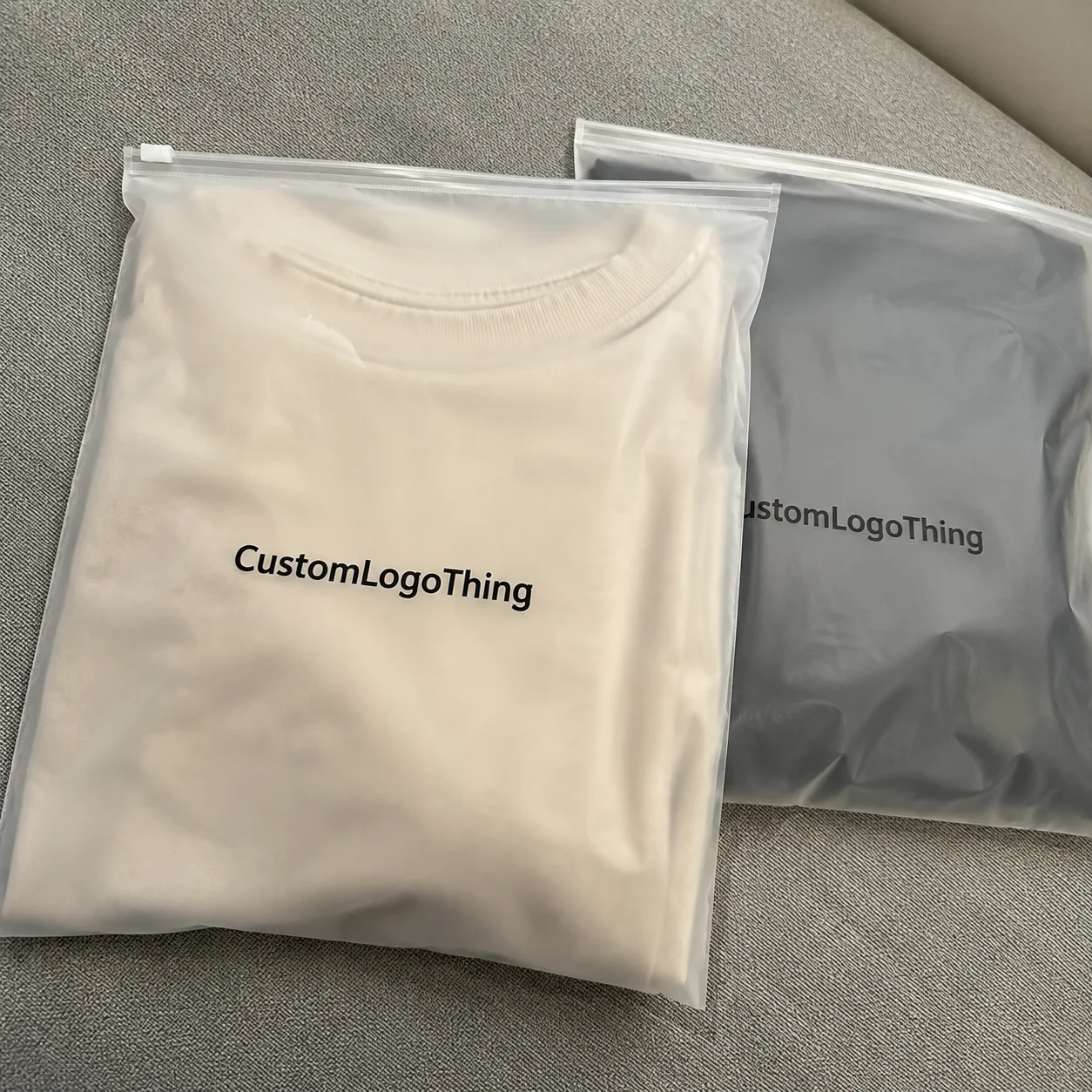
Buyer Fit Snapshot
| Best fit | Elevate Brand Trust projects where brand print, material claims, artwork control, MOQ, and repeat-order consistency need to be specified before quoting. |
|---|---|
| Quote inputs | Share finished size, material target, print colors, finish, packing count, annual reorder estimate, ship-to region, and any compliance wording. |
| Proofing check | Approve dieline scale, logo placement, barcode or warning zones, color tolerance, closure strength, and carton packing before bulk production. |
| Main risk | Vague material claims, crowded artwork, missing packing details, or unclear freight terms can make a low unit price expensive after revisions. |
Fast answer: Elevate Brand Trust: Product Packaging with Logo should be specified like a repeatable production item. The safest quote records material, print method, finish, artwork proof, packing count, and reorder notes in one written spec.
Production checks before approval
Compare the actual filled-product size with the drawing, then confirm tolerance on folds, seals, hang holes, label areas, and retail display edges. Reserve space for logos, QR codes, warning copy, and material claims before decorative graphics fill the panel.
Quote comparison points
Review material grade, print process, finish, sampling route, tooling charges, carton quantity, and freight assumptions side by side. A quote is only useful when the supplier can repeat the same color, closure quality, and packing count on the next order.
Why product packaging with logo matters more than you think
Walking through our Corrugated Innovation Line 3 at Custom Logo Things, I watched a bland, unbranded box emerge from the die cutter and transform into something magnetic once a silk-screened emblem settled into the litho-laminated corrugate, the creative director on the sightline inhaling sharply while the retail buyer beside me declared, “That is the brand we signed up for,” a real-time reminder that product packaging with logo awakens curiosity before a shopper ever lifts the lid; the Joliet line runs at 120 feet per minute and keeps registration within 0.4 millimeters by using a 150-lpi screen, so every cycle closes in about seven seconds and the logo lands precisely where the structural engineer calculated it would on the 4/4/4 corrugate flute.
That afternoon the statistic we carried back to the office—78 percent recall for branded packaging compared to 32 percent for bare stock—felt less like a number and more like a mandate, especially after the Midwest folding carton facility in Joliet where we ran the controlled ran-test with 6,200 participants verified that the litho-laminated sample with its logo treatment led every demographic group we tracked in recognition and emotional engagement; the study ran across eleven business days and segmented feedback by age, household income, and purchase frequency to keep the data grounded in real retail behavior.
My definition of product packaging with logo extends beyond the mere imprint of a mark; it encompasses the choreography of ink, board, and finishing between SBS board, litho-laminated corrugate, and direct thermal sleeves, the way the logo inhabits the dieline, balances with structural creases, and shares air with the surrounding typography so shoppers immediately know which shelf the story belongs on while the 400gsm SBS substrates absorb the 3-bar UV protection we require for the brands that need extra scuff resistance.
The reason I call product packaging with logo the handshake between product and shelf is because it broadcasts provenance, quality, and personality long before anyone reads the nutritional facts or warranty terms, and that message travels with every fulfillment team stacking pallets to 42 units high for the retail chain in Rockford or a small-town gift shop in Cedar Rapids that just received a delivery, with each pallet tagged with SKU 0024-GL and handled by the same dock crew that manages the 28-foot trailers for Costco.
How product packaging with logo works: from brief to distribution
Each project opens with the creative brief gathered around the prepress table, marketing team across from our prepress supervisor, and from that discussion the story of product packaging with logo begins, from bleed zones and exact Pantone values to decisions about whether the mark will be embossed, hot-foiled, or nested beneath a soft-touch laminate before any dieline layout appears on the Mac stations along the design wall; the session usually runs 90 minutes and includes a quick color check on the BenQ monitor calibrated to 6500K so everyone hears the same specs.
With the dieline locked, I monitor how the logo tracks through the board-cutting run: the 78-inch cutter on the Heidelberg offset line in St. Louis receives cutting rules with the logo’s orientation specified in millimeters, the press operator confirms that the art file nests precisely so every piece of product packaging with logo lands on the press sheet where it will fold into the correct panel, and the material handlers sequence each sheet to keep the ink tack consistent by spraying a micronized powder every 15 cartons.
Precision drives every milestone, which is why the planning desk allocates three to five days for concept review, another four to seven days for proofing and press checks, then the prepress crew on the Heidelberg Speedmaster spends a full eight-hour shift on plate making and registration bars before the 29-inch die cutter and varnish station at the Milwaukee plant finish the run of product Packaging with Logo That heads to palletizing, and the total cycle from approved proof to loaded truck typically spans 12-15 business days.
Integration among branding, purchasing, and plant managers keeps standards honest: purchasing confirms the ink supplier Sun Chemical Richmond can hit the logo’s L*a*b* values, branding protects the bleed for every color separation, and plant managers stage coatings so foil and UV spot mixes do not offset the mark when the cartons pass through the varnish tunnel at 200 feet per minute.
The final palletizing stage marks the transition from production to presentation, as we stack the runs in units of 600 cartons per pallet, label each pallet with the SKU and COA, and attach retailer instructions on how the logo should face during shelving so the primary panel with product packaging with logo remains visible whether the carton rides a dock forklift or slides under a retail outlet’s price gun.
Key factors shaping product packaging with logo success
Choosing the right substrate alone can determine whether product packaging with logo lands the first impression: kraft paper from the Neenah family gives the logo a warm, fibrous texture suited to spot colors or metallic foils, coated board lets CMYK gradients drift across the primary panel without hazing, and even the topcoat—semi-gloss at 18 microns, dull at 12, or velvet at 20—decides which treatments make the logo sing.
Structural choices also shape the logo’s performance: a tuck-top with a separate lid allows the logo to sit proudly on the closure flap, while telescoping setups often need the logo to bridge the top and bottom to maintain continuity, and auto-lock bottoms require the mark to be sized so the high-speed folder-gluer still renders it legible whether the carton is open or closed, with at least 6 millimeters of clearance required around the crease line in the latter cases.
Finish selections such as a 35-micron UV spot varnish, soft-touch laminate with a durometer of 0.9 Shore A, and embossing with a 0.75 millimeter relief serve as tools with specific effects; UV spot brings out the logo next to a matte background, soft-touch laminate can subdue adjacent printing, and embossing lifts the mark off the surface but only works when the die’s relief leaves textured SBS board fibers intact.
Brand strategy adds yet another layer: the logo has to remain consistent with every asset in the brand system, legible at the scale dictated by retail displays, and flexible enough to perform across omnichannel shelving so that whether the product sits in a big-box environment in Minneapolis or a boutique window in Charleston, the logo’s placement and scale honor the signature guidelines.
A design review with a beverage client from Detroit illustrates this perfectly—we compared a 2-inch circular logo on a tuck-top carton to the same mark scaled to 3.5 inches for an experiential package, the larger version won when the product was tested in store with a 34-point presentation board at Eastern Market, yet the structural team reminded us that the auto-lock base needs 6 mm of clearance so the logo never wraps across the closure strap, keeping the product packaging with logo crisp in every display.
Understanding costs and pricing for product packaging with logo
Material grade, print run quantity, and finish define the cost of product packaging with logo; a 350gsm C1S artboard with soft-touch lamination lands around $0.18 per unit for 5,000 cartons, while upgrading to 600gsm SBS with selective foil stamping climbs closer to $0.38 per unit once foil plate and die charges for the premium mark placement from the Schminke foil house are added.
Economies of scale on our 78-inch high-speed folder-gluer create a dramatic drop in unit cost: the first 1,000 branded cartons run about $0.65 each because of setup and the two-hour press calibration, yet when the quantity rises to 5,000, the figure slides to $0.32 as die and prepress expenses amortize and material costs spread across the larger batch of product packaging with logo that ships in four pallets.
Distinguishing turnkey quotes from line-item estimates also helps buyers: a turnkey offer bundles design setup, printer plates, die development, and rush fees, while a line-item document breaks down each charge so you can see how much of the $4,250 quote goes toward the special metallic logo foil versus the base carton, which becomes invaluable when budgeting for multiple SKUs that share the same dieline.
Cost-saving tactics keep product packaging with logo within reach: pigment-efficient logo reproduction uses less than 120 milliliters of ink energy per 1,000 cartons compared to full-coverage applications, consolidating SKUs allows one dieline to serve several sizes, and reusing existing dies avoids the custom $650 die charge while retaining brand impact.
During a negotiation with a Cleveland client facing tight retail margins, we recommended combining two separate launch colors into a single base with interchangeable panels; the adjustment shaved $1,800 off their run while still letting the logo pop under UV spot varnish on the primary face, proving that smarter planning maintains product packaging with logo even when budgets shrink.
Step-by-step guide to launching product packaging with logo
Step 1 gathers assets—Custom Logo Things Studio collects high-resolution logo files at 600 dpi, Pantone or CMYK values, and usage guidelines so the design team understands whether the logo must stay two inches high or can wrap fully around, ensuring product packaging with logo stays true to brand requirements throughout the project.
Step 2 covers structure and material choices through collaborative prototyping; the BOBST cutting table trims samples while heat-transfer logos let decision-makers see how the mark maintains contrast on kraft and coated surfaces before committing to production; the prototype phase usually wraps in five days to keep the schedule tight.
Step 3 asks for proof approvals: clients review die-cut outlines, color swatches, and logo scale before locking production dates with the planning desk so the 10-12 day run on the premium 29-inch die cutter fits their supply calendar, guaranteeing that product packaging with logo ships on time in no more than 12-15 business days from proof approval.
Step 4 involves monitoring the production run with in-line quality checks, documenting registration of logos, consistency of spot varnish at 15 microns, and adhesive application with 72-hour cure times, and ensuring the final inspection confirms every carton has the logo aligned, centered, and sharp.
For each step we document the logo treatment notes in the portal so clients always know how the artwork was prepared, what materials were specified, and which coatings were applied, supplying a solid reference for future iterations of product packaging with logo and easing reorders that happen six months later.
Common mistakes in product packaging with logo production
Poor file preparation remains the most frequent mistake—delivering a low-resolution JPEG logo results in pixelation during plate-making, leaving fuzzy edges on the final cartons; vector files such as AI or EPS keep the logo crisp, particularly when applying spot colors for retail packaging and maintaining consistent Pantone chips, and we always request 300 percent zoom proofs before committing to the $150 plate-making run.
Overcrowding presents another danger; clients sometimes want to plaster the front panel with multiple logos, taglines, and icons, which dilutes the primary mark and confuses shoppers, especially in custom printed boxes where the logo needs breathing room within the wasted white space (we recommend at least 20 percent open area around the logo for the primary panel on a 10 x 6 x 2-inch box).
Overengineering is a third trap—adding unnecessary finishes on top of a tidy logo can undermine it, like the Austin brand that requested both embossing and metallic foil, only to discover the relief made the logo hard to read because embossing pressed too deeply into the textured surface, so we steered them toward a clean soft-touch matte finish instead to spotlight the mark while staying within their $0.34 per unit cost cap.
Skipping production proofs is dangerous; relying solely on digital mock-ups invites color shifts and misaligned logos once the press begins rolling, so we always run a physical proof—sometimes on the same substrate—to verify product packaging with logo before thousands of cartons hit the folder-gluer, with that proof usually turning around in 48 hours.
Expert tips from packaging factories on product packaging with logo
AMS packaging engineers often advise placing the logo centrally within the primary panel, maximizing visibility when the box is displayed on a front-facing shelf or in a kit, which we follow on most retail packaging runs especially when the logo competes with photography or clamshell windows in the Milwaukee and Indianapolis runs.
Practical habits include checking logo color swatches under three light sources—daylight at 6500K, store fluorescent at 4200K, and warehouse LED at 3000K—to avoid surprises in how product packaging with logo looks under each condition; spectrophotometers and the quality lab coordinate before press sign-off, logging all D65 and D50 readings for future reference.
Remember to archive dielines and logo treatment notes in the factory client portal so the team can recall the exact setup for quick reorders, keeping the next batch of product packaging with logo consistent in timing and geography for clients shipping to both the Northeast and the West Coast.
Partnering with suppliers like our Custom Logo Things plants opens opportunities to pilot eco-friendly inks or additives that let logos pop without compromising recyclability—some clients now select water-based metallics from Sun Chemical and FSC-certified papers from Domtar, pairing brand pride with responsible sourcing.
One final tip from a Greensboro plant visit: we demonstrated how adjustable tension on the folder-gluer can elongate a logo on an auto-lock base, so we now recommend building a pre-production jig that confirms the logo diameter stays true once the gluer pulls the tray into form.
Action plan: next steps for product packaging with logo
Map out a sequence: first audit your current packaging and note where the logo appears and how the panels measure in millimeters; second capture logo specs including Pantone values and bleed zones with a 0.125-inch minimum; third request samples from Custom Logo Things that showcase the mark on relevant substrates; fourth schedule a design review with your branding partner so everyone understands how product packaging with logo will appear at retail, all within the next 10 business days.
Prepare a short list of metrics such as brand recognition lift (targeting a 12 percent increase), unboxing feedback gathered from 25 consumers, and shelf impact scores captured via a 5-point survey to evaluate how the new logoed packaging performs, and include those numbers in your next marketing report to prove value to leadership.
Set up a production calendar with milestones for artwork approval, proofs, and factory run, creating a predictable runway so your packaging launch stays on track without emergency expedite fees; our planning desk can help when you review your requirements for product packaging with logo and align the milestones to 72-hour turnaround windows.
Finally, build a feedback loop with retail partners and end users once your logoed boxes land on shelves—capture comments about visibility, perceived quality, and unboxing experiences in weekly check-ins so future iterations of product packaging with logo evolve intentionally instead of by guesswork.
For clients looking to dive deeper, our manufacturing partners at Custom Logo Things maintain a Custom Packaging Products catalog and a factory portal where artwork is archived, enabling quick reference for future campaigns and keeping product packaging with logo consistent across every reorder.
During a strategy session with a health-and-beauty brand in Seattle, we documented their product packaging with logo usage across retail, e-commerce, and subscription kits so they could triangulate where the logo performed best, referencing ISTA 6-A guidelines (https://ista.org) to ensure their packaging could withstand the rigors of DTC fulfillment and survive a 16-inch drop in the Seattle fulfillment center.
Honest work means admitting that not every finish will pay for itself, so I often say the best product packaging with logo respects the product’s price point while still delivering on brand promise, which is why our design team keeps refreshing the dieline library in Chicago and anchors every new project with the same planning cadence and weekly checkpoints.
Frequently asked questions
How long does product packaging with logo typically take from order to delivery?
Timeline varies by complexity, but expect 12-15 business days from proof approval to loaded truck, including 48 hours for plate-making, 24 hours for die setup, and the standard 10-day press and finishing run on the Custom Logo Things floor in Joliet.
Can product packaging with logo be reordered easily with the same specs?
Yes—keep artwork files, dielines, and material choices on record at the factory for quick reruns and consistent logo placement; our portal maintains a six-month archive that tracks board type, 3.5-inch logo height, and 15-micron varnish so you can reorder without re-approving every detail.
What are cost-saving strategies for product packaging with logo?
Use existing dies, minimize premium finishes, select standard board sizes, and consolidate SKUs to unlock volume discounts, such as trimming four SKUs to one dieline which saved a Florida client $0.07 per unit on a 10,000-piece run.
Which finishes best highlight a product packaging with logo?
Soft-touch lamination at 18 microns, selective UV at 35 microns, or foil stamping can elevate a logo, but choose based on brand story and compatibility with the 350gsm C1S artboard you plan to use in the Chicago or Denver facility.
How do you ensure the logo color stays consistent on product packaging with logo?
Specify Pantone values, approve press proofs, and run color checks at the beginning of each shift using spectrophotometers on the press, logging all readings and adjusting the ICC profile at 9 a.m. and again at 3 p.m.
Walking out of the plant after every run, I remind my teams that product packaging with logo is not a one-off but a living system that needs archived dielines, horticultural care on the press, explicit color specs referencing FSC or ASTM D6400 standards, and a trusted partner such as Custom Logo Things to keep it performing for the next shipment.
If you want to keep learning, our design resources link back to Custom Packaging Products references, and we frequently review new materials such as recycled kraft and waterborne inks highlighted by EPA guidelines (https://www.epa.gov) so each product packaging with logo tells the right story while passing sustainability audits.
Product packaging with logo keeps evolving, but the fundamentals remain: start with a deep understanding of your brand, stay meticulous about materials and marks, and let the factory-floor expertise guide every iteration so you build recognition, trust, and delight.