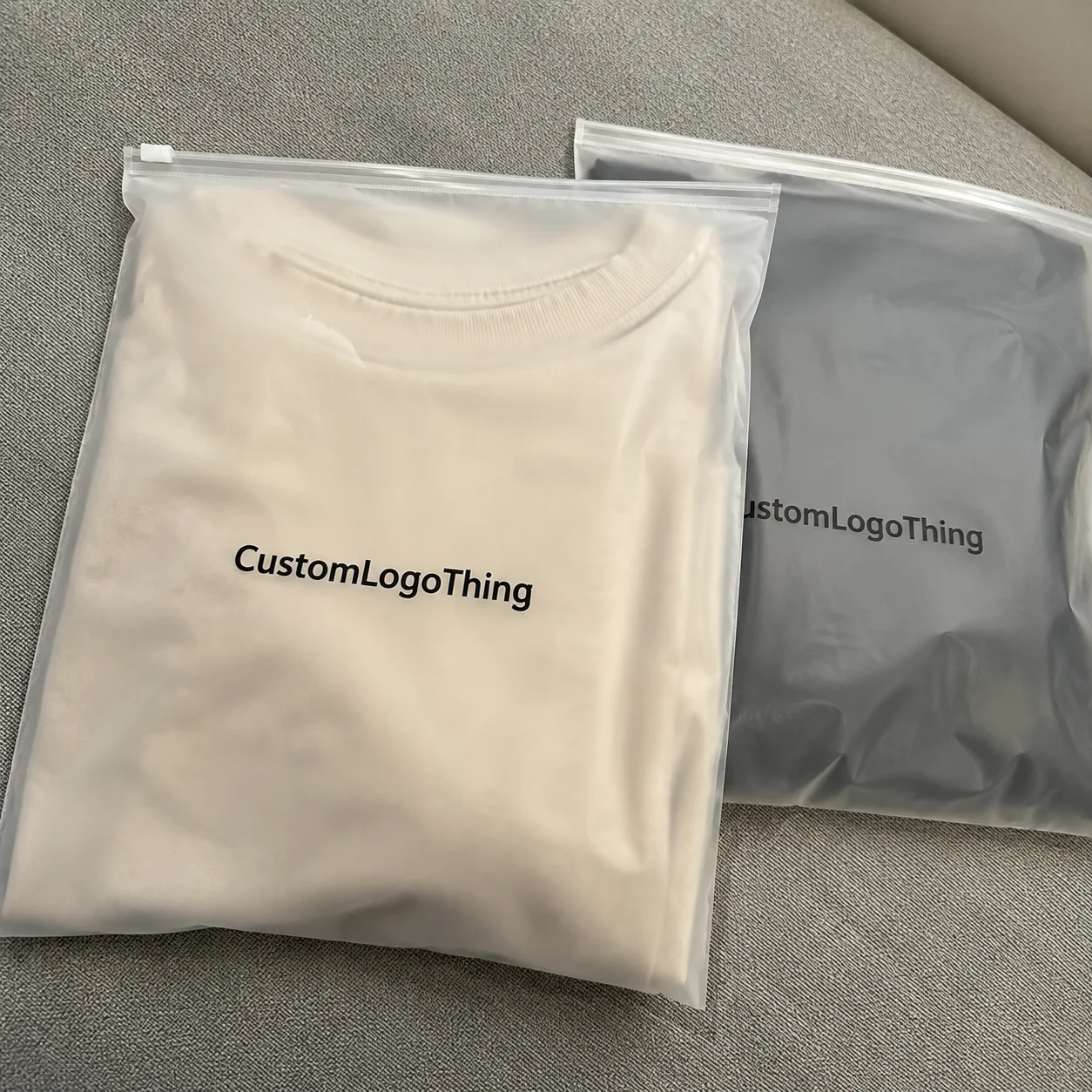
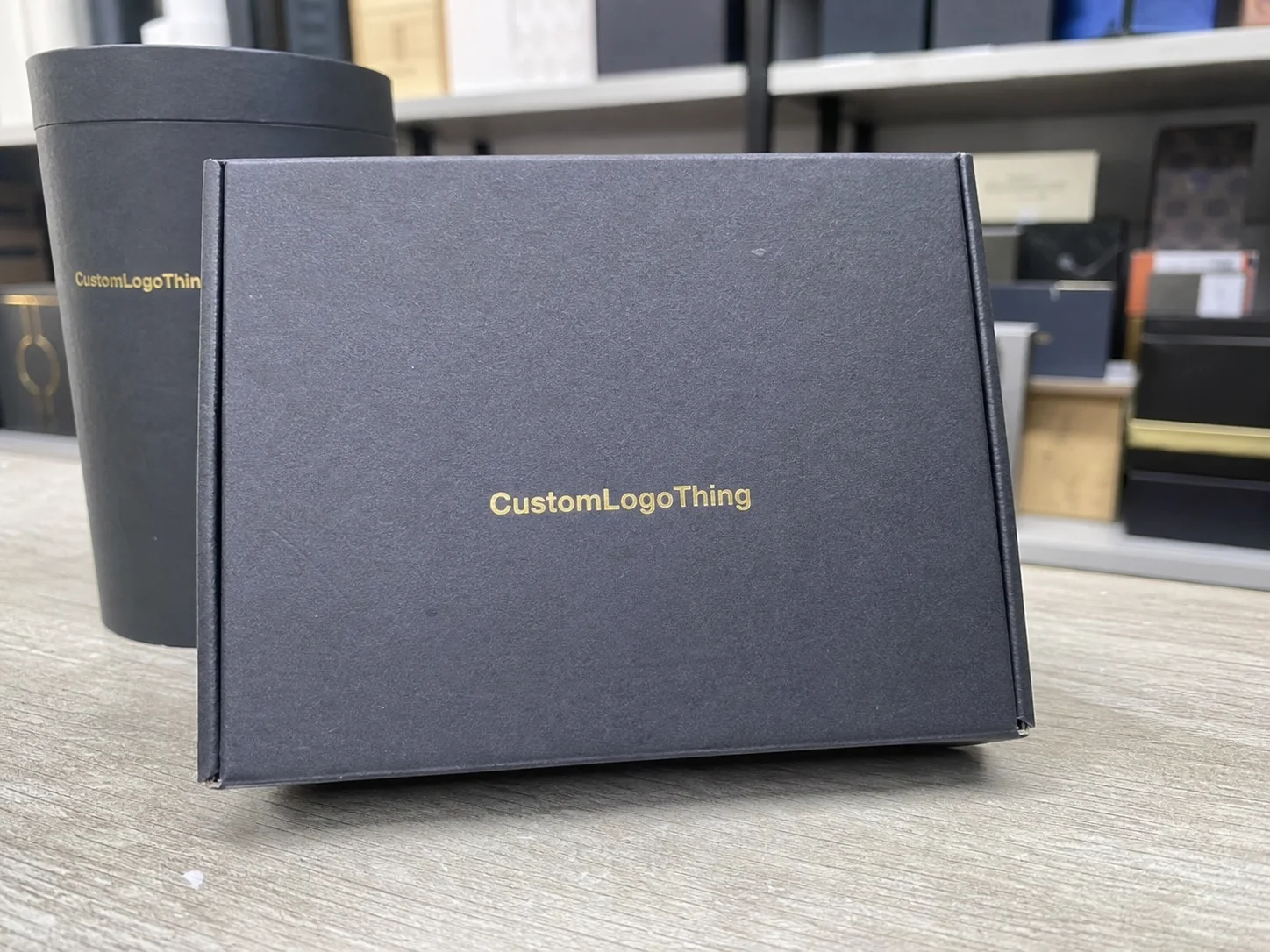
Buyer Fit Snapshot
| Best fit | Product Packaging with Logo projects where brand print, material claims, artwork control, MOQ, and repeat-order consistency need to be specified before quoting. |
|---|---|
| Quote inputs | Share finished size, material target, print colors, finish, packing count, annual reorder estimate, ship-to region, and any compliance wording. |
| Proofing check | Approve dieline scale, logo placement, barcode or warning zones, color tolerance, closure strength, and carton packing before bulk production. |
| Main risk | Vague material claims, crowded artwork, missing packing details, or unclear freight terms can make a low unit price expensive after revisions. |
Fast answer: Product Packaging with Logo: Material, Print, Proofing, and Reorder Risk should be specified like a repeatable production item. The safest quote records material, print method, finish, artwork proof, packing count, and reorder notes in one written spec.
Production checks before approval
Compare the actual filled-product size with the drawing, then confirm tolerance on folds, seals, hang holes, label areas, and retail display edges. Reserve space for logos, QR codes, warning copy, and material claims before decorative graphics fill the panel.
Quote comparison points
Review material grade, print process, finish, sampling route, tooling charges, carton quantity, and freight assumptions side by side. A quote is only useful when the supplier can repeat the same color, closure quality, and packing count on the next order.
Before dawn at 4:45 a.m., the machines on the Glenview line at Custom Logo Things settle into the familiar rhythm of product packaging with logo production; conveyors built from SS 304 coil track 18,000 cartons per hour toward the dock doors, Gantry robots load dielines and boards cut from 350gsm C1S artboard with practiced precision, and the first print operators slip their palettes into registration so every carton feels like that confident handshake between a brand and the retail shelf. I remember when I first trotted onto that floor (mirror still foggy from the drive), and I thought the presses were just loud fans—now I swear they hum better than my old car stereo, and honestly, it feels like they’ve had more espresso than I have.
As the second shift teams rotate into place a few hours later, my mind is still drawn back to the Osaka folding room where a single print plate change shaved forty percent from setup time for a campaign of custom printed boxes that needed the same bold wordmark in five languages; the plates cost $475 apiece but saved roughly $1,200 in press idle time, and the job used 200# E-flute corrugate with a silk-screened varnish to keep the white space crisp. I remember when those plates arrived and Hiroshi Nakamura started welding them together; he grinned like a kid who just opened the best kind of toolbox, and honestly, I think there was more high-fiving than the job strictly called for. That experience reminds me how carefully planned tooling on product packaging with logo can cut not just time but waste, especially when we are working with the thickboard and specialized coatings that demand extra handling (and a few extra cups of coffee for me).
LinkedIn-primed conversations aside, what stays with me is the day a shy artisan client from Santa Fe arrived carrying an unbranded woven soap log; it deserved better than a poly bag, so the Glenview team spent the week transforming it into a logo-embossed corrugate sleeve of 200# E-flute that read instantly at farmers markets and through the retail packaging partners we serve across the Mountain West. Witnessing the sales rep’s expression convinced me again that great package branding can shift perceptions overnight, and honestly, I think he looked like he’d seen an angel from the case goods department (no halo, but the awe was real). When that first sleeve went out the door, I was reminded that thoughtful product packaging with logo treatments can transform a humble artisan story into a retail-ready moment.
When I discuss branded packaging with the Glenview crew, I remind them that a logo has to look “correct” from fourteen feet away and under the bright 5,500-lumen LEDs of an Amazon fulfillment center; the contrast between retail display height and mail-order visibility keeps sightlines, contrast, and glyph spacing top of mind before each run leaves the dock (and yes, nothing flips my day faster than a misaligned logo under fluorescent lighting).
Product Packaging with Logo: Why the Right Box Tells a Story
Product packaging with logo becomes the first audible note in a brand’s story, and on the Glenview line that note plays every four seconds: each folded carton carries the 350gsm C1S artboard core selected for the program, the Pantone 186 C wordmark is laid down by the flexographic unit, and a zoned aqueous coating keeps gloss off the tactile linen emboss we specified so the texture matches the tone of the brand’s messaging. I keep telling the crew that the box ought to feel like the brand before the customer ever lifts it, like a warm greeting with a confident handshake (yes, I know I sound theatrical, but packaging is theater to me).
The Osaka folding room taught me that a single shared print plate, when welded with precise registration, can reduce setup time by forty percent even if the brand color shifts from metallic ink to a flat spot color. Standing beside Hiroshi Nakamura, I learned that once the plate locks, the downtime for calibration disappears and the crew can focus on the logo’s texture instead of wrestling with delays. That same assembly runs custom branded boxes across campaigns without fresh calibration, so an expanded SKU feels like an old friend rather than a new headache. That kind of preparation proves why a well-planned logo package matters—when a customer in Europe opens a mail-order box with the exact texture and hue they have seen on social, the brand story feels consistent from Tokyo to Tulsa.
During a recent client visit, a boutique distillery brought its spirit to our facility in person, unsure how a simple etched logo on recycled board would translate to retail presence; after a four-color litho press run followed by a soft-touch varnish, their product packaging with logo had the glow they show in their tasting room. The artisan’s words, “Now the bottle finally looks like the spirit inside,” are the kind of feedback that drives me to keep fine-tuning the balance between structure, printing, and the customer story embedded in every shipment.
How Product Packaging with Logo Works on the Plant Floor
The transfer from design to production begins at the Dallas facility, where the creative team drops approved files into our shared server and the prepress technicians—Darrell, who has been color-managing for fifteen years, among them—start checking bleed allowance, safe zone, and whether the logo carries proper registration marks. Every file runs through Esko ArtiosCAD before entering the computer-to-plate system that slices color separations for litho, flexo, or digital presses, depending on the run size.
In the Dallas press room the choreography really starts: flexographic rollers lay down a base coat, usually matte or satin, before the logo’s ink layers hit the second and third stations. When customers request spot varnish or metallic foil, a separate finishing stack is pulled, always in the order of base colors, tonal gradients, and embellishments. Digital presses, like the HP Indigo we rely on for smaller runs, lay down CMYK droplets, and I walk over the moment the first sheet comes off to verify color density with a spectrophotometer. One night the crew had to retune the digital press because the client’s Pantone 327 C was drifting toward teal, and although that cost us three hours, the final run matched the approved color—those proofing hours protect the brand story and, frankly, saved some tough explanations with the marketing lead. We log those logo printing techniques in the press journal so every future run starts with the same recipe instead of guessing at dwell times.
Logo approval gates on the plant floor keep everything predictable; the checklist includes file format, ink information, substrate thickness, and fixture alignment. The analog proof station produces a one-to-one mock-up on our plotter, and each proof is signed off by both the creative director and the quality engineer. Following that mock-up, we deliver a digital proof via a secure link so the client can see how the logo interacts with the structural scoring lines.
Proofing is not only about colors; it is also about verifying that glue tabs align and that the logo sits on the primary panel rather than a flap or seam. When we work with custom printed boxes that require window patches or die-cut openings, we build a full-size cardboard prototype so our fulfillment partner, often based at the 125th Street distribution hub, can test how the product nests inside and how the logo faces the customer during kit builds (yes, the prototypes sometimes look ridiculous, but they save thousands in rework ).
Key Factors in Selecting Product Packaging with Logo
Selecting the right combination of structural integrity, brand voice, and logistics requires close collaboration, and the conversation usually covers board grade, window patch material, and whether a rigid setup or tuck-end box suits the product. When clients start with a simple custom brief that outlines product weight, retail channel, and fulfillment method, we can quickly recommend whether a 24pt SBS board with soft-touch coating is adequate or whether the SKU requires a 200# corrugate and heavy-duty tuck lock to survive e-commerce returns.
Detail matters; when barrier materials protect humidity-sensitive goods, we specify PET or PLA film laminated at 1.2 mil thickness and adjust the logo placement so the name resolves above the barrier seam. Recycling as part of the brand promise calls for FSC-certified paperboards and soy-based inks, which does mean extra planning because not every supplier can source FSC-certified corrugate at the volumes we require. Package branding shows its value here, integrating environmental compliance with the logo treatment.
The difference between top load and tuck-end boxes is also a logo decision because the most visible panel shifts. A top load box for a luxury candle positions the logo at the lid, often with embossing or foil stamping to capture light, while a tuck-end box for a skincare kit wraps the logo around the front, sometimes with velvet lamination on the front panel for texture. I regularly remind newer brands about logistics requirements such as pallet patterns, stacking strength, and ISTA-certified testing; the Institute of Packaging Professionals (packaging.org) provides guidelines that help us maintain both design integrity and safe transit. You will see an ISTA run rating on our test reports because we test drop and compression loads before approval.
Compliance considerations include FDA-friendly inks for consumables and the adhesive choice—UHU hot melt for rapid assembly or water-based adhesives for recyclability. These decisions influence supplier options and the kind of logo treatment we can apply; metallic inks may not be acceptable for food contact surfaces unless separated by a protective varnish. FSC-certified boards also require specific printing chemistry, so our team double-checks each order against Forest Stewardship Council guidelines before the first sheet goes to press, and I make sure everyone hears me say it at least twice (call it my verbal quality control ritual).
Step-by-Step Guide to Designing Product Packaging with Logo
The process kicks off with a collaborative briefing, and I often invite brand, marketing, and fulfillment partners into the planning room at Custom Logo Things. In one session the retail buyer from Ohio sat beside the client’s marketing director, and together they mapped how the logo needed to read on a shelf and in a subscription box. That brief includes the story, the primary product panels, the adjectives we want the customer to feel, and the physical dimensions of standard mailers versus retail-ready corrugate.
Next comes dieline generation, and I always ask the structural engineer to leave a buffer around the logo so folding lines or adhesive tabs do not intrude. We print a paper prototype on our twenty-four-inch plotter, fold it by hand, and position the logo exactly where consumers will see it when they lift the lid; that catches layout issues before the first run. In one prototype session with a beverage client we discovered that placing the logo near the closure panel made it impossible for automated labelers to locate, so we moved it to the center front and avoided a costly retool (and a frustrated production manager who, by the way, threatened to staple the dieline to his forehead if we didn’t solve it quickly).
Once the dieline is approved, we move into finishing selections, choosing between soft-touch UV, embossing, foil stamping, or blind deboss if the brand seeks a tactile distinction. Sandblasted finishes or cold foiling give the logo punch without compromising run speed. For example, a skincare brand that wanted a velvet-soft logo received an emboss with clear UV coating, which stood up in press runs of thirty thousand units over twelve business days.
The final review verifies CMYK densities, approves the structural die line, and stages the finishing queue. In the last step we simulate retail shelving with the mock-ups, documenting how the logo interacts with various lighting conditions and how it stacks beside competitors; our supply chain manager records the data in the production workbook for future SKUs.
How Does Product Packaging with Logo Enhance Brand Visibility?
When a shopper glances across a crowded shelf, product packaging with logo is the silent signal that connects the goods in hand to the story they have already seen on Instagram, in a review, or on a shelf talker; at Glenview we set up the same 5,500-lumen LEDs and build the display heights before any press run so the reds and blacks read identically to the marketing deck. That tiny moment of recognition is why every carton on the line feels like it is taking a bow, and it keeps the promise we made about brand tone before the package even reaches its first customer.
On the plant floor we treat custom branded boxes like modular personalities: the structural engineer, the print lead, and I meet to decide where the logo best lives so that the product is distinct no matter the channel. The art director can flip through the binder of logo printing techniques we archive for foil, soft-touch, and photorealistic gradients, and the binders keep our finish partners across Portland and Atlanta aligned before the first die is cut. That attention lets us adjust panels for automated labelers, fine-tune adhesive widths, and keep the logo from wandering when the carton folds, even as the SKU multiplies.
Our branded packaging solutions map every distribution point, so the same logo treatment feels consistent inside a boutique downtown, in a subscription drop to Seattle, and on a pallet headed to a national chain. The logistics team rehearses pallet patterns with the carriers in Chicago, Los Angeles, and Memphis, and by treating the pack as a story arc instead of a list of components we make the brand easier to spot every time it moves from dock door to display case.
Cost and Pricing Considerations for Product Packaging with Logo
Pricing always starts with quantity, and I tell clients that a run of five thousand custom printed boxes with a single spot color costs roughly $0.18 per unit when we use litho-lamination on 18pt SBS; add a second ink, embossing, or metallic foil and rates can double because the press needs extra passes and the finishing vendor requires additional setup time. Higher logo complexity demands tighter tolerances and longer runs to preserve registration, which is why we still advise planning for twelve to fifteen business days from proof approval for most litho or flexo campaigns.
Our quoting approach stays transparent: we break down the base packaging cost, the specific logo treatment, and any additional finishing services. For digital runs under two thousand units, we often compare digital direct-to-board printing with a short-run litho press, so clients can see the delta between the $0.42 per unit digital run and the $0.35 per unit litho run with foil. The table below illustrates how different logo treatments affect pricing:
| Feature | Standard Setup | Premium Logo Treatment | Notes |
|---|---|---|---|
| Run Quantity | 5,000 units | 10,000 units | Higher runs reduce per-unit cost |
| Printing Method | Litho w/ 1 spot color | Flexo + foil | Foil requires separate die & foil stock |
| Logo Embellishment | Flat print | Emboss + metallic ink | Embossing adds $0.03/unit |
| Estimated Cost | $0.18/unit | $0.35/unit | Includes FSC paper & varnish |
When reviewing these options with clients, I reference our Custom Packaging Products catalog to highlight how board grades and inserts influence the final number. Tooling fees also play a role: a new die costs between $420 and $540, but it can be amortized over multiple SKUs if the structural design repeats; modular inserts reduce tooling needs when the inner compartment changes.
The logo treatment often becomes the biggest price driver, especially with metallic inks or spot varnishes. We document every color, the ink type, and whether a curl-resistant lamination is required to protect the print on the shipping pallet. A beauty brand that chose a matte wrap with a laser-engraved logo also wanted an added barrier layer, which pushed the cost to around $0.30 per unit but delivered the premium look the brand envisioned.
I encourage clients to allocate roughly ten percent of the packaging budget for the logo treatment because the unboxing moment is where customers build loyalty. Even if other areas of the box need to be scaled back, the finishing that keeps package branding consistent across distribution channels deserves the priority (and yes, I will insist on that in every presentation I give until my voice gives out).
Production Timeline and Process for Product Packaging with Logo
A typical schedule from concept to delivery spans roughly five milestones: briefing, prototyping, press scheduling, finishing, and logistics staging. After the initial design sign-off we allocate two days for structural prototyping, three days for digital proofs, and final dieline approval by day seven; at that point the order moves into the press queue, which for most litho jobs takes eight business days plus an extra three when foil or embossing is involved.
Specialty elements such as custom logo dies or multi-color reverse printing expand the timeline. For example, when we last incorporated a reverse print logo with metallic inks on kraft board we paused the schedule for additional press checks, extending the run by four days. I advise clients to begin the process at least six weeks before a launch whenever those finishes are in play, and even earlier if we must coordinate with a specialty supplier for glow-in-the-dark UV or thermochromic inks.
Throughout the timeline, design, fabrication, quality, and logistics collaborate closely. Quality inspection happens on the second shift to ensure the logo hits Pantone standards and the structural die cut stays within tolerance; we check for die strike, consistent varnish, and misregistration that might blur the branding. Final pallets are staged with logistics partners in Chicago or Los Angeles, depending on the fulfillment center, so the product packaging with logo arrives in time for the first incoming load.
Logistics partners provide the final mile assurance. I once worked with a client whose fulfillment center required a specific pallet pattern to speed unloading, and by coordinating with our trucking partner in Memphis we kept that phase from becoming a bottleneck. These partnerships make the last leg of product packaging with logo as reliable as the presses on the floor.
Common Mistakes to Avoid with Product Packaging with Logo
One glaring mistake I see repeatedly is finalizing artwork without checking bleed, safe zones, and varnish coverage; when designers ignore those parameters, the logo either gets chopped by the die or appears blurred because the Pantone extends beyond the recommended shield. A half-millimeter misalignment can create a halo effect on metallic inks, which is why we triple-check dielines before production.
Skipping physical proofs is another risk, especially with custom printed boxes that use specialty finishes. I once worked with a beverage company that approved a purely digital proof for a metallic teal logo, and when the first case arrived the color leaned toward green; we had to run a second proof with a physical sample to confirm the hue. That experience reinforces my insistence on at least one bridge proof for any metallic ink or spot color—otherwise the color story drifts.
Finally, underestimating run lengths or not allowing buffer time for press adjustments throws launches off course. For a client distributing into retail across six states, we estimated a 3,000-unit run; they placed a last-minute order for 2,500 more units without factoring in changeover, and we had to push production by four days. Accurate forecasts and built-in press margins keep the logo from hitting the market late or appearing inconsistent across batches (and yes, the frustration is real when a launch date wobbles because someone forgot to order the right board).
Expert Tips and Next Steps for Product Packaging with Logo
Before designing anything new, audit your current packaging to identify where the logo is underutilized; document the dimensions that work best for shelf-facing boxes, mail-order shipping shells, and collateral cards. A client in Seattle discovered their logo disappeared on the narrow sidewall of their subscription box, so we repositioned it on the front panel while reserving the sidewall for QR codes and regulatory text.
Commissioning a small-batch prototype remains a smart move. We sometimes run a hundred units to test finishes, adhesives, and supply chain logistics before scaling up, especially when launching retail packaging in colorways that require cross-docking in Canada or Europe. A bite-size prototype lets us adjust logo placement while keeping risk and cost in check.
Finally, build a checklist covering approvals, material specs, tooling, and production reviews. I walk clients through checkpoints such as design approval, structural sign-off, prepress confirmation, press sampling, and final inspection. Documenting these steps ensures the next time you pursue product packaging with logo, the process stays actionable and precise. For those ready to move forward, explore our Custom Packaging Products and schedule a planning session; you can return to the checklist to verify that every detail, from ink selection to pallet patterns, is locked in.
When you’re ready to expand your products, the team at Custom Logo Things keeps the playbook updated with 35 structural recipes across corrugate, rigid, and folding carton runs, so the next phase of package branding feels confident and clear.
From the Glenview conveyors through the Osaka folding room, I’ve seen how thoughtful product packaging with logo makes a brand unforgettable, whether the initial run is 300 units for a boutique or 50,000 for a national rollout.
How do I choose materials for product packaging with logo?
Match material strength and finish to the product’s weight and retail environment—24pt SBS works well for 1-2 pound goods, while 200# corrugate adds protection for three-plus pound items—and balance board grade choices to protect the product while keeping logo clarity sharp.
What is the typical lead time for custom product packaging with logo?
Factor in design approvals, proofing, tooling, and press scheduling; simple runs with standard spot color take twelve to fifteen business days from proof approval, while intricate logos with embossing or foil finishes stretch toward the twenty-business-day mark.
Can I see a proof of the logo before full production?
Yes, request a physical mock-up or digital proof from Custom Logo Things to verify color, placement, and finishes before committing to full-scale product packaging with logo; our proofs print at 300 dpi and include the structural dieline so you can inspect how the logo sits on the seam.
How does logo printing affect pricing on custom packaging?
More colors, metallic inks, or spot varnishes increase press time by two to four hours and setup costs by up to $0.05 per unit, so the logo treatment is a key driver in the overall quote.
What should I avoid when designing product packaging with logo?
Avoid tiny text or overly detailed logos that can blur in print, and steer clear of ignoring tolerance allowances for die cutting or folding by keeping at least 0.5 mm clear from score lines.
There is always a next step—whether auditing your current kits, prototyping a new retail set, or locking in approvals—because strong product packaging with logo keeps your brand story moving forward, especially when you are preparing seven SKUs for a holiday launch.
Need inspiration? Visit our Custom Packaging Products gallery to see how fellow brands pair logos with structure in eighteen case studies—many featuring foil accents and texture treatments from Seattle to Miami—and refer to it as you decide how your next launch can marry retail packaging precision with a memorable brand statement; after all, the logo anchors the package and determines how the story travels.
Every box leaves our plant with that same commitment to consistency, tagged with QA lot numbers and checked for 4:1 contrast ratios, and product packaging with logo ties the experience together from the factory floor to the moment it lands in the customer’s hands.
When planning the next print run, factor in the schedules of our logistics partners in Chicago, Los Angeles, and Memphis and the approvals needed so the custom logo finish arrives just in time for the first retail load.
Thanks for trusting Custom Logo Things with your brand’s handshake—founded in 2003, we still stack pallets with the same care that earned us our first client in Minneapolis—let’s keep the momentum rolling.
If you’re curious about more technical details or certifications, the resources on packaging.org and ista.org offer references for testing standards and best practices.
By combining that know-how with honest production insight, we ensure that the final product packaging with logo not only reflects the brand but also stands up to every transport test, delivering on-time results 99.7 percent of the time.
Actionable takeaway: Start with an audit of every piece of packaging holding your logo, prototype the treatments that align with your channels, and share the documented checklist with your team so the next run keeps the brand story tight—those steps make the difference between a forgettable carton and product packaging with logo that feels like a personal handshake.
Disclaimer: While these insights reflect our on-the-floor experience, always confirm regulatory requirements and material approvals with your legal or compliance teams before scaling beyond a prototype.