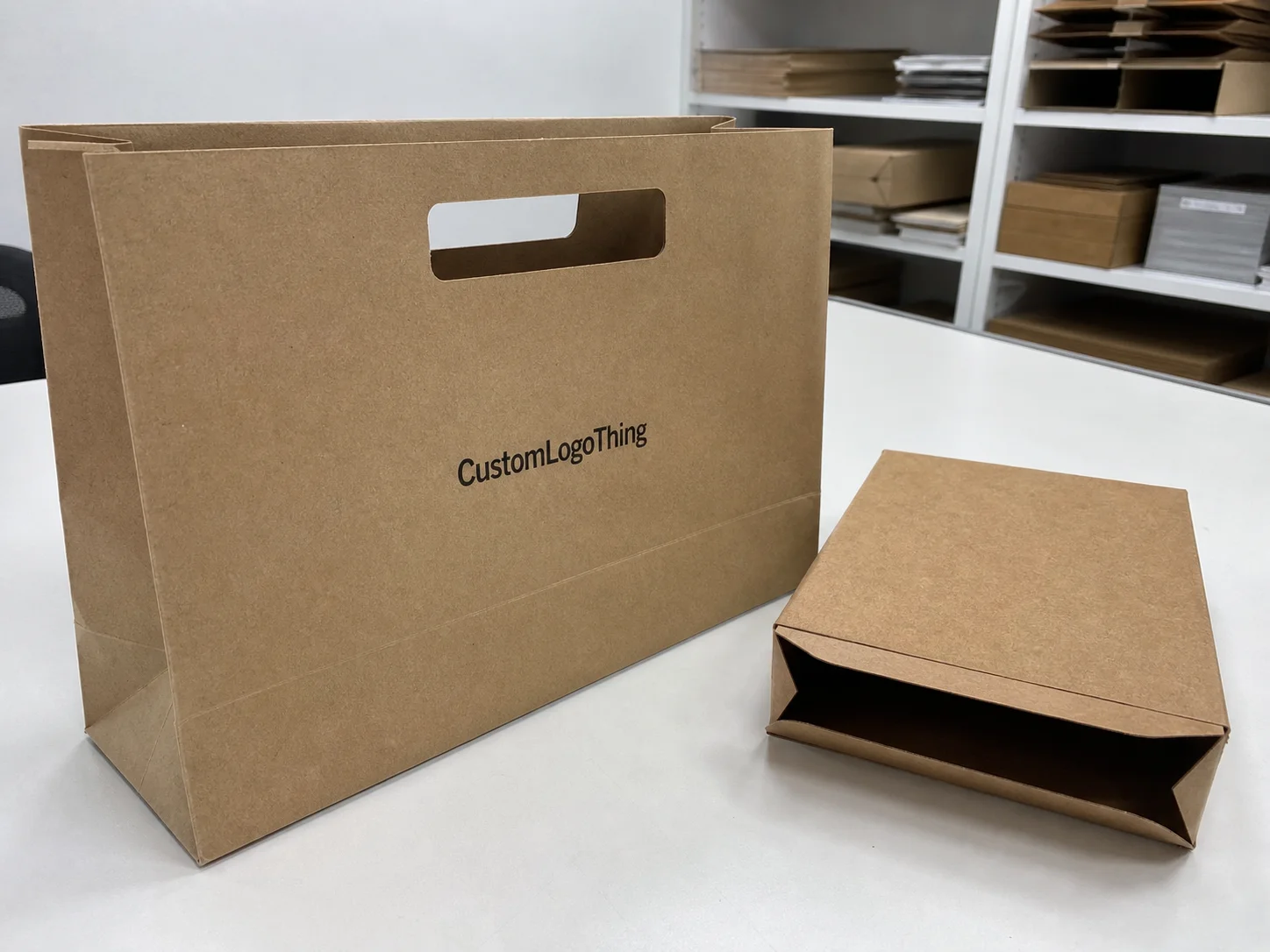
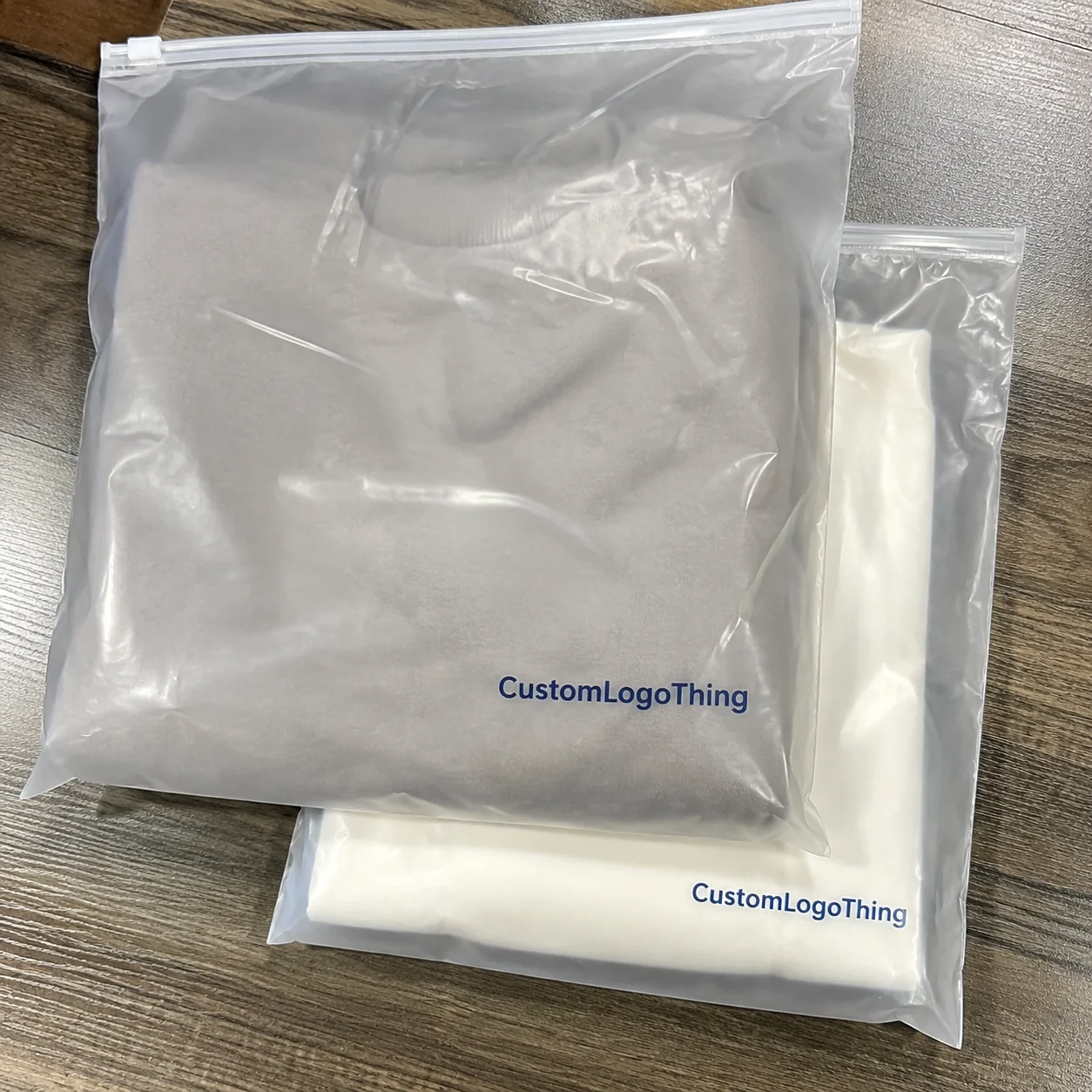
Buyer Fit Snapshot
| Best fit | Recyclable Packaging projects where brand print, material claims, artwork control, MOQ, and repeat-order consistency need to be specified before quoting. |
|---|---|
| Quote inputs | Share finished size, material target, print colors, finish, packing count, annual reorder estimate, ship-to region, and any compliance wording. |
| Proofing check | Approve dieline scale, logo placement, barcode or warning zones, color tolerance, closure strength, and carton packing before bulk production. |
| Main risk | Vague material claims, crowded artwork, missing packing details, or unclear freight terms can make a low unit price expensive after revisions. |
Fast answer: Recyclable Packaging: Material, Print, Proofing, and Reorder Risk should be specified like a repeatable production item. The safest quote records material, print method, finish, artwork proof, packing count, and reorder notes in one written spec.
Production checks before approval
Compare the actual filled-product size with the drawing, then confirm tolerance on folds, seals, hang holes, label areas, and retail display edges. Reserve space for logos, QR codes, warning copy, and material claims before decorative graphics fill the panel.
Quote comparison points
Review material grade, print process, finish, sampling route, tooling charges, carton quantity, and freight assumptions side by side. A quote is only useful when the supplier can repeat the same color, closure quality, and packing count on the next order.
If you’ve been searching for recyclable Packaging How to Choose, the honest answer is that it takes more than picking the “greenest” looking box in a supplier catalog. I’ve spent enough time on factory floors, from folding-carton lines in Dongguan to corrugated plants outside Chicago, to know that a package can carry a recyclable label and still fail in the real recycling stream because of a heavy coating, a bonded window film, or an adhesive the mill can’t separate cleanly. A plant in Guangzhou running a Heidelberg Speedmaster CX 102 and a Bobst die-cutter can turn out a hundred thousand units a week, but even there a premium aqueous coating can trip up the downstream MRF if it isn’t compatible with the adhesive supplier’s WRAP- and BSCI-certified formulation.
Recyclable Packaging How to Choose starts with how the package performs, how it moves through your supply chain, and how your customer actually disposes of it. Get those pieces right, and your Custom Packaging Products can support both the product and the brand without creating headaches at the end of life. The same logic applies to branded packaging for cosmetics, retail packaging for accessories, and custom printed boxes for e-commerce shipments. It also helps to think in terms of mono-material packaging, post-consumer recycled content, and the realities of local material recovery facilities, because those details shape what can actually be recovered after use. For example, a mono-material PET tray made from GRS-certified rPET and printed with OEKO-TEX Standard 100-compliant inks is much easier for a Dhaka-based reprocessor to recycle than a hybrid structure that blends aluminum foil and traditional SBS.
“I’ve seen a beautiful carton fail recyclability tests because the spot UV looked premium but created contamination in the pulp run. The brand loved the shelf impact; the mill did not.”
What Recyclable Packaging Really Means
People ask me about recyclable Packaging How to Choose, and I usually begin by clearing up one misconception: recyclable does not always mean widely recycled. Technically recyclable means the material can be recovered and reprocessed under the right system, though that does not guarantee every curbside program accepts it. A #1 PET clamshell, for example, may be recyclable in one region and rejected in another because the local material recovery facility, or MRF, lacks the sorting setup or end-market demand.
Packaging tends to fall into three buckets. Curbside recyclable packaging goes into most local household collection programs. Store-drop-off recyclable packaging, often thin films or certain flexible structures, gets returned to designated bins at retailers. Then there’s packaging that is technically recyclable in a lab or industrial sense but not widely collected in normal consumer systems. That distinction matters a great deal when you’re weighing recyclable Packaging How to Choose for a real product launch.
The material stream matters too. Paperboard, corrugated, PET, HDPE, and aluminum each travel through different recovery paths, and each has different tolerances for inks, coatings, and residues. In a fiber mill, clean corrugated and kraft board can be pulped back into new liner or medium grades. In a plastic recycling line, PET and HDPE are typically sorted, baled, ground, washed, and pelletized before becoming new resin feedstock. If the package mixes incompatible layers, recovery gets messy fast. For example, a 100% recycled kraft mailer produced on a flexo press in Ho Chi Minh City with water-based adhesives can go straight to a paper mill, while a laminated structure shipped from Istanbul with hot-melt adhesives may be turned down due to contaminant concerns.
One of the most common mistakes brands make is confusing compostable, biodegradable, recycled-content, and recyclable as if they mean the same thing. They do not. A package can contain 30% post-consumer recycled content and still be hard to recycle. Another package might be fully recyclable but made from virgin fiber because the application needs strength and moisture resistance. That is why recyclable Packaging How to Choose needs to be grounded in actual performance, not marketing language alone. Always ask for documentation of certifications such as GOTS, OEKO-TEX Standard 100, WRAP, BSCI, and GRS when the packaging touches textiles, direct-to-garment, or apparel supply chains to avoid hidden compliance issues.
For a useful external reference, I often point teams to the EPA recycling resources and the Packaging Association materials pages, because both help separate consumer-facing claims from system reality. It gets a lot easier to make smart packaging decisions when you know what the collection system can really handle.
Recyclable Packaging How to Choose in the Real World
If you want a practical answer to recyclable packaging how to choose, start with the path the package will take after the customer opens it. That path is rarely identical from one market to the next. A folding carton that sails through a well-equipped urban curbside program may be less reliable in a region where sorting equipment is older, bale quality is inconsistent, and contamination rates are higher. The right answer is always tied to the actual recovery system, not a generic promise printed on the sleeve.
I’ve seen brands assume that a package marked recyclable would be handled the same way everywhere, only to discover that the plant in question relied on optical sorters, air knives, and manual quality checks that reacted very differently to coatings, labels, and inks. A kraft mailer with a simple water-based print often performs differently from a white SBS carton with heavy coverage and a plasticized coating. Those distinctions matter because they influence whether the package is sorted into the right bale, pulped cleanly, or rejected as residue.
Another part of recyclable packaging how to choose is understanding the customer’s disposal behavior. If your audience is shopping in a downtown district with strong recycling access, a curbside paper solution may be a good fit. If your buyer base is spread across suburban and rural regions, you may need a format that is more forgiving and more widely accepted. Brands that skip this reality often end up with packaging that looks admirable on paper but fails to generate the intended environmental benefit.
That is also why I like to review packaging through the lens of end-market demand. A package is easier to recover when mills, reprocessors, and converters actually want the recovered material. Clean OCC, kraft board, PET flake, and HDPE regrind all have established pathways, but the value of the recovered commodity changes with contamination and quality. If the structure drags those bales down, the recyclability claim weakens in practice, even if the package remains technically recyclable.
How Recyclable Packaging Works in the Real World
The recycling journey starts in the home, warehouse, or retail back room, but the real sorting happens at the MRF. Packages get tossed onto conveyor belts, scanned by optical sorters, separated by magnets and air jets, then baled by material type. After that, fiber goes to paper mills for repulping, while plastics are usually shredded, washed, and turned into pellets. The process sounds neat on paper; in practice, it is sensitive to labels, adhesives, contamination, and how well the package was designed for recovery.
I remember visiting a corrugated plant that made mailer boxes for a subscription beauty client. Their team had chosen a glossy laminated finish because it looked elegant under the lights on the sales floor. The problem showed up later: the laminate peeled inconsistently in the repulping test, and the mill flagged it as a contamination risk. One small finish choice changed the whole recyclability story, which is exactly why recyclable packaging how to choose can’t be reduced to a pretty sample board.
Design details Matter More Than most buyers expect. Inks with heavy coverage can interfere with fiber recovery. Pressure-sensitive labels can leave adhesive residue. Plastic windows glued into paperboard cartons can be hard to separate, especially if the adhesive cures aggressively. Laminations and barrier coatings can improve moisture resistance, but they also create the kind of bonded structures that paper mills often dislike. If you need a food tray, a shipping sleeve, or a folding carton, ask whether each layer is truly helping the product or just adding complications.
Mono-material constructions—like an rPET clamshell thermoformed on a GMP-compliant press in Ho Chi Minh City or a 100% kraft box cut on a Kongsberg digital cutter in Istanbul—avoid the “impossible to recycle” label. Even when a structure uses multiple materials, stick to those recyclable together; PET with mono-polypropylene sealing on a Gulf Coast thermoformer works because both materials melt in the same temperature range and are accepted by PET reclaimers. Always confirm that your supplier in Guangzhou, Dhaka, or elsewhere can provide certification of their GOTS, OEKO-TEX Standard 100, WRAP, BSCI, or GRS systems before you lock in an order.
Key Factors to Compare Before You Choose
Before you finalize a design, compare durability, recyclability, local recovery, and cost simultaneously. Think about the printing run: is it flexo or rotogravure? Do you need digital embellishments from a Heidelberg Primefire for personalization, or can the job survive with a SHARPUV flexo coat? Does the supplier have a heat-seal machine, an ultrasonic welder, or a solvent-free lamination line? These process choices tell you a lot about whether the item will really perform in recycling streams.
Ask for documentation of mechanical strength tests, barrier requirements, adhesion tests, and, most important, compatibility with existing sorting technologies. If the material fails a wash test, the PET converter in Dhaka or Ho Chi Minh City might reject it, and the result is returned goods and wasted time.
Step-by-Step: How to Choose the Right Recyclable Packaging
Start with the product’s weight, volume, and drop-test profile. Then layer in customer behavior, local recycling infrastructure, production location, and certifications. An Istanbul converter may offer quick turnarounds on fully recyclable corrugated, while Guangzhou shops rival with high-volume PET thermoforming—so match the process to what your supply chain can handle.
Next, verify resin or fiber sources. Are you using recycled post-consumer resin (PCR) or FSC-certified virgin fiber? For textiles, GOTS and OEKO-TEX Standard 100 labels matter to buyers, but WRAP and BSCI social compliance buy you trust throughout global supply chains. Tie those certifications to the actual mills and converters you use so you’re not relying on unverified claims.
Cost, Pricing, and Timeline Considerations
Real numbers keep discussions grounded. For a standard kraft mailer produced in Guangzhou with 2-color flexo and aqueous coating, you’re typically looking at $2.50-4.00 per unit at a 500 MOQ—this includes die-cutting on a Bobst SP 104E and water-based lamination. Adding a matte aqueous coating, embossing, or silver holographic film will move the price north of $4.50 and often triggers the need for a longer curing cycle. A PET clamshell from Ho Chi Minh City with 30% PCR can run $3.80 per unit at the same MOQ when you factor in thermoforming on a servo-driven press and ultrasonic welding.
Timeline expectations also benefit from specificity. A typical run from confirmation to shipment in Guangzhou, including proofing, plate-making, printing, drying, die-cutting, and inspection, takes roughly 18-22 business days. For specialty items requiring GRS or OEKO-TEX Standard 100 audits, add another 5-7 business days for third-party inspections in Dhaka or Ho Chi Minh City. Always build in extra time for quality checks, especially when the supplier is clocked in under WRAP or BSCI guidelines—that way certifications remain valid and no rush charges appear.
If you need faster delivery, consider split production between locations that can handle the process: a certified Munich machine shop could handle die-making, while final production happens near Istanbul or Guangzhou. That kind of geographic flexibility makes it easier to hit deadlines without compromising recyclability.
Common Mistakes That Make Packaging Less Recyclable
Over-engineering a box with unnecessary layers, adhesives, or coatings usually guarantees problems on the recycling line. Not aligning specifications with the capabilities of each region’s MRF is another fatal flaw. A folding sleeve produced in Istanbul with solvent-based inks and metallic highlights might look stunning to customers but won't pass muster at a U.S. mill that blocks any metallic content. Suppliers often forget to account for the capabilities of remote centers in Dhaka or rural Indiana, where optical sorting is limited.
Failure to secure documentation of certifications—GOTS, OEKO-TEX Standard 100, WRAP, BSCI, and GRS—also opens the door to bad materials and even regulatory headaches. Cheap adhesives from non-certified suppliers may lead to boards that shred incorrectly during pulping, so insist on adhesives that are proven to release cleanly in repulping trials. Always test parts on the same rotary die cutter and folder-gluer that will eventually ship the product; otherwise, production hiccups become a recycling nightmare.
Expert Tips for Better Recyclable Packaging Decisions
Run a quick pilot on the same lines you plan to use for full production. Don’t assume a perfect sample board is proof of recyclability—perform a full wash and repulp test with the actual ink, adhesive, and coating prescription. Look at the finishing machines in use: an automatic rotogravure machine, a digital UV curing station, a Follet binder, or even a pneumatic folder can make or break the recyclability story.
Keep an eye on the supply chain locations. In Guangzhou, the port access makes it easy to pull in GRS-certified PCR and ship out finished cartons, but it also means demand for W/A adhesives increases quickly. In Ho Chi Minh City, thermoforming production has matured to the point where tight-tolerance clamshells are everyday fare. In Istanbul or European hubs, the focus is often on luxury finishing and compliance with OEKO-TEX Standard 100 for textile-related packaging.
Never underestimate the value of data. Track scrap rates, adhesive failure incidents, and rework caused by incompatible coatings. That data, combined with certifications and real-world testing, gives you the facts to choose recyclable packaging that really delivers on sustainability without surprise costs.
Next Steps: Build a Smarter Packaging Shortlist
Create a shortlist of suppliers that can transparently show machine capability (rotary die cutting, flexo or gravure presses, automatic lamination) and certifications (GOTS, OEKO-TEX Standard 100, WRAP, BSCI, GRS). Compare their location advantages—Guangzhou for high-volume cartons, Ho Chi Minh City for thermoformed trays, Dhaka for textile-friendly mailers, Istanbul for luxury finishing—and make sure they understand the recovery systems where your customers live.
Ask for cost breakdowns that include the exact materials, adhesives, and treatments so you can see how each choice affects recyclability downstream. With those numbers and insights, you can build not just a packaging solution, but a smarter, more sustainable value chain.
Frequently Asked Questions
Have specific questions about timelines, materials, machine capacity, or certifications? Reach out and request documentation from your suppliers—actual proofs of GOTS, OEKO-TEX Standard 100, WRAP, BSCI, and GRS, as well as machine specs for their Heidelberg, Bobst, or automated folding systems. That’s how you turn sustainable intent into tangible, recyclable packaging.