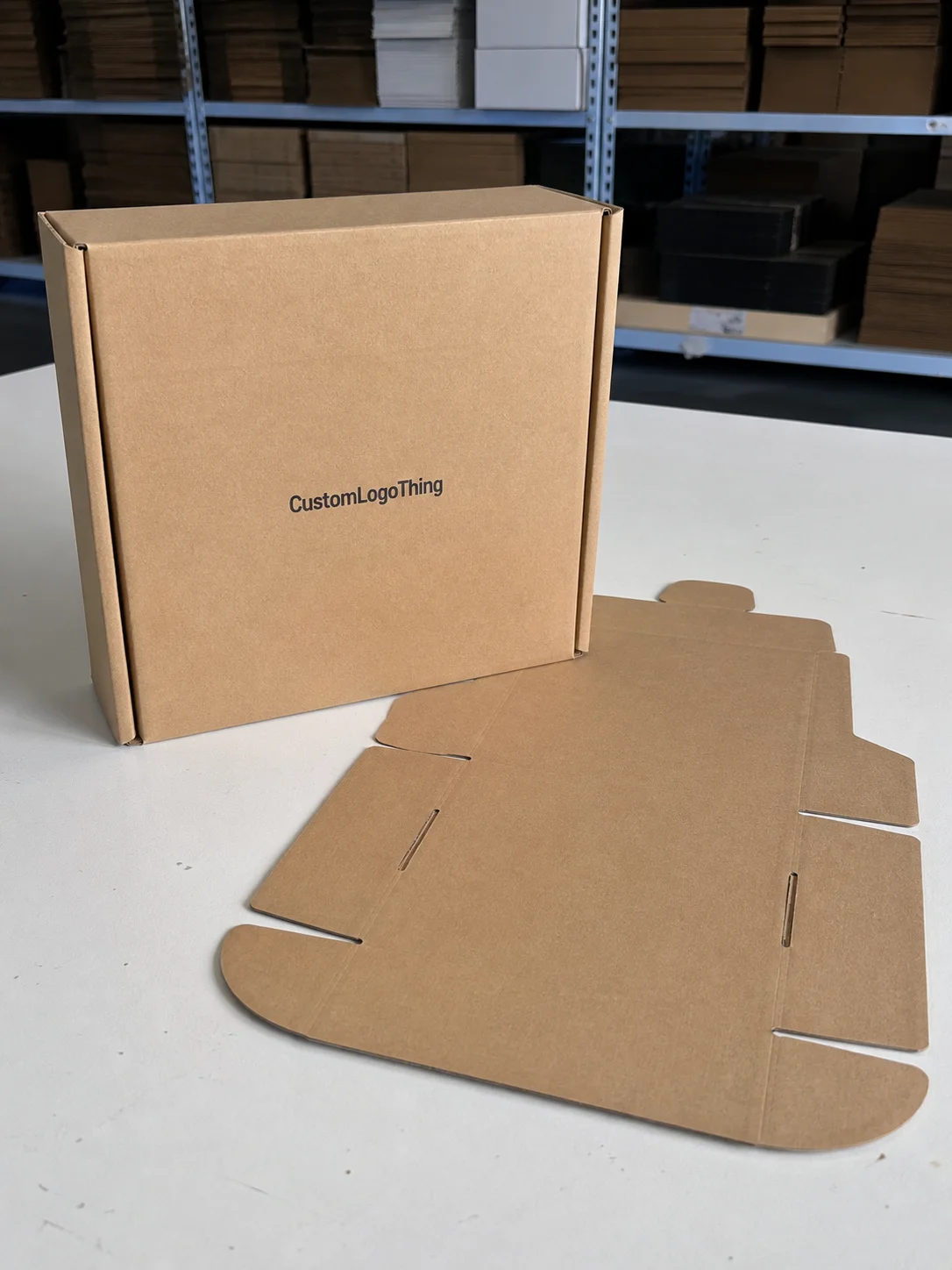
Buyer Fit Snapshot
| Best fit | Recyclable Packaging Supplier projects where brand print, material claims, artwork control, MOQ, and repeat-order consistency need to be specified before quoting. |
|---|---|
| Quote inputs | Share finished size, material target, print colors, finish, packing count, annual reorder estimate, ship-to region, and any compliance wording. |
| Proofing check | Approve dieline scale, logo placement, barcode or warning zones, color tolerance, closure strength, and carton packing before bulk production. |
| Main risk | Vague material claims, crowded artwork, missing packing details, or unclear freight terms can make a low unit price expensive after revisions. |
Fast answer: Recyclable Packaging Supplier: Material, Print, Proofing, and Reorder Risk should be specified like a repeatable production item. The safest quote records material, print method, finish, artwork proof, packing count, and reorder notes in one written spec.
Production checks before approval
Compare the actual filled-product size with the drawing, then confirm tolerance on folds, seals, hang holes, label areas, and retail display edges. Reserve space for logos, QR codes, warning copy, and material claims before decorative graphics fill the panel.
Quote comparison points
Review material grade, print process, finish, sampling route, tooling charges, carton quantity, and freight assumptions side by side. A quote is only useful when the supplier can repeat the same color, closure quality, and packing count on the next order.
I remember standing beside a corrugated line in Columbus, Ohio, watching a pallet of “eco-friendly” retail cartons get rejected by a local recycler because the glossy aqueous coating and a mixed-material label turned the whole stack into a headache. The plant supervisor gave me one of those exhausted looks that says, “Here we go again,” while a forklift idled beside 48" x 40" pallets stacked six tiers high. Honestly, I think that moment sums up why a Recyclable Packaging Supplier guide matters so much: the label on the box is not the same thing as real-world recyclability, and buyers who understand that difference save themselves a lot of expense, waste, and yes, a fair bit of embarrassment.
At Custom Logo Things, I’ve spent enough time around die-cutters, flexographic presses, folding carton rooms, and the occasional stubborn glue station in places like Milwaukee, Grand Rapids, and Shenzhen to know this: the best packaging decisions rarely come from a slogan. They come from asking the right questions about board grade, coatings, adhesives, shipping stress, and where the package will actually be collected, which may be a materials recovery facility in Atlanta, a paper mill in Wisconsin, or a drop-off stream in Toronto. That is the spirit behind this recyclable packaging supplier guide, and it is the lens I use when helping brands think through product packaging, retail packaging, and branded packaging that still respects the recycling stream.
Why Recyclable Packaging Matters More Than You Think
Many packages that look “green” on the shelf are not accepted by local recycling programs because they contain mixed substrates, metallized films, heavy inks, or pressure-sensitive adhesives that contaminate the stream. I’ve seen this firsthand in a fulfillment center outside Cincinnati where a client’s custom printed boxes had a beautiful soft-touch finish, but the coating choice pushed the package outside what several curbside programs wanted to accept. The marketing team was genuinely baffled, which, frankly, is a pretty common reaction when a 350gsm C1S artboard carton with a premium film lamination looks responsible but behaves like a composite material. That is where a practical recyclable packaging supplier guide becomes useful: it shifts the discussion from appearance to actual end-of-life behavior.
Here is the simplest definition I use on the factory floor. Recyclable packaging is packaging that can be collected, sorted, and reprocessed into new material in real recycling systems, not just in theory or in a lab with perfect conditions and a very forgiving intern. That sounds straightforward, but the details matter. A paperboard carton with a fiber-compatible coating may recycle well in one region, while a similar carton with a plastic window, heavy foil stamping, or incompatible adhesive may fail the test completely. In practice, a supplier in Dallas may tell you a board is recyclable, but if the end user is in Phoenix or Montreal, the local collection rules and mill acceptance standards can change the result entirely.
People also mix up recyclable, recycled content, compostable, and biodegradable, and those terms are not interchangeable. Recyclable means the item can enter a recycling stream under the right conditions. Recycled content means the package was made with recovered material, such as 30% post-consumer fiber or 50% PCR resin. Compostable means it is designed to break down in a controlled composting environment, often under specific industrial conditions. Biodegradable is looser still, and honestly, it gets abused in marketing far too often because it tells you almost nothing about time, environment, or residue. A supplier in Portland, Oregon may be able to print all four terms, but only two of them may be supportable with documentation and region-specific acceptance guidance.
Why does this matter to a brand? Because customers notice, retailers notice, and your operations team definitely notices when packaging claims do not match reality. E-commerce brands want lower waste and easier disposal. Food service operators care about fiber-based formats that can survive grease, moisture, and customer handling. Subscription brands need packaging that protects the product, ships cleanly, and still aligns with sustainability goals. A strong recyclable packaging supplier guide helps all of them choose better and avoid expensive rework later, especially when a launch plan includes 10,000 units for a Shopify rollout, 25,000 cartons for a club store reset, or a regional food-service test in Southern California.
In practical terms, common recyclable formats include corrugated mailers, paperboard cartons, molded fiber trays, certain mono-material films, and recyclable paper labels. I’ve also seen Custom Packaging Products built around simple fiber structures perform better than fancy mixed-material options, especially when the brand was willing to simplify the package branding and focus on structure, print clarity, and strength. A 32ECT corrugated mailer with a water-based flexo print can often outperform a laminated showpiece in both recovery and durability, and the unit economics may come in at $0.15 per unit for 5,000 pieces instead of the $0.28 to $0.34 range that multi-layer assemblies often drift toward. That tradeoff is often the smartest one, even if it bruises a few egos in the design review meeting.
How Recyclable Packaging Actually Works
A good recyclable packaging supplier guide should start with the journey, because design choices only make sense when you know what happens after the box leaves the customer’s hands. First, the package is collected through curbside bins, store drop-offs, back-of-house collection, or commercial recovery systems. Then it is sorted at a materials recovery facility, baled by material type, and sent to mills or reprocessors. Paper and fiber packages may be pulped, screened, cleaned, deinked, and turned into new linerboard or paperboard in plants in places like Kalamazoo, Ontario, or North Carolina. Plastics are sorted by resin, ground, washed, melted, and pelletized for new products. That chain is where the smallest design mistake can become a big recovery problem, especially if a carton moves through a 120-ton baler and then lands in a mill that rejects it for one incompatible component.
Mono-material structures generally recycle more reliably than laminated or multi-layer constructions, especially in flexible packaging. If you build a pouch from multiple layers of dissimilar materials, the recycling facility has to separate them, and that is often not economical. A mono-material carton, mailer, or fiber-based tray gives the recycler a much cleaner starting point. I’ve seen this play out on a folding carton line in New Jersey where switching from a mixed-paperboard-and-plastic-window design to a cleaner paperboard structure cut material complexity and reduced packaging complaints from the customer service team within the first two shipments. The replacement structure used 18pt SBS with a 2.5-inch glue flap and a 0.75-inch tuck tab, and the downstream recycling story got much easier immediately.
Inks, coatings, varnishes, window films, barrier treatments, and adhesives can make or break recyclability. A water-based flexographic ink on corrugated board is a very different situation from a UV-heavy coating or a metallized laminate. Some barrier treatments are compatible with recycling, but not all, and the exact formulation matters. On one supplier audit in Shenzhen, I watched a plant manager explain why a pressure-sensitive label adhesive passed their internal peel test but failed the recycler’s repulping screen; that conversation changed the design of the entire carton series. The label stock was 60gsm paper with a permanent acrylic adhesive, and the fix was to move to a removable, fiber-friendly label system with a lower-tack formulation tested for repulpability within 12 to 15 minutes of agitation. That is the kind of detail a serious recyclable packaging supplier guide should surface early, before anyone starts approving artwork with a celebratory coffee in hand.
A factory-based example helps make this concrete. On a corrugated box line, the board grade, flute profile, print method, and adhesive pattern all influence whether the package survives shipping and whether it can be recycled cleanly. A 44ECT B-flute shipper built in a plant in Indianapolis will behave differently from a 32ECT C-flute mailer produced in Monterrey, Mexico, even if the outer dimensions match. On a flexographic printing press, the choice of ink laydown and drying can affect how much residue remains after repulping. At a die-cutting station, the number of cuts, window openings, and glue tabs can increase complexity and change how easily the carton is sorted. These are not abstract concerns; they are daily production decisions, and the machines do not care how good the branding deck looked on a screen.
Regional infrastructure matters too. A paper mailer may be readily recyclable in one market where mills and collection systems are set up for fiber recovery, but not in another market where contamination rules are stricter or collection is limited. That is why a trustworthy recyclable packaging supplier guide should always ask, “Where will this package be sold, used, and discarded?” not just “Is it recyclable in general?” A package sold in Seattle, San Jose, and Vancouver may face one set of acceptance rules, while the same item in rural Texas or parts of the UK may be handled differently. The geography changes the answer more often than people expect.
If you want a broader industry benchmark, packaging organizations like pmmi / packaging.org and recovery agencies such as the EPA recycling guidance are useful references for terminology and program realities. I also like checking ISTA when I’m balancing recyclability with transit performance, because a package that fails in shipping creates waste faster than almost anything else. A 24-inch drop test, a 72-hour compressed load test, and a humidity cycle at 85% relative humidity can tell you more than a glossy sustainability pitch ever could. And yes, I have seen a “sustainable” package turn into landfill confetti because it couldn’t survive a pallet wrap test in a warehouse outside Charlotte. That was a fun day, not really.
Key Factors to Evaluate in a Recyclable Packaging Supplier
The best recyclable packaging supplier guide I can give you is simple: do not start with price alone. Start with material expertise. Does the supplier work with corrugated board, paperboard, molded pulp, recyclable plastics, or fiber-based alternatives? More important, can they explain why one choice is better for your product weight, moisture exposure, or shelf presentation? I’ve sat in meetings where a buyer asked for “the greenest box,” and the supplier responded with three vague options. The better partner will say, “Here is the tradeoff between 32ECT corrugated, 200# test board, and a molded fiber insert, and here is what each one will do in your channel.” That answer tells you they’ve actually been on a plant floor in places like Cleveland or Juárez, not just in a slide deck.
Compliance and claims support matter just as much. If your marketing team wants to print “recyclable” on the carton, you need documentation that backs it up. Ask whether the supplier can provide material specs, design guidance, and notes on whether the package uses fiber-compatible coatings, recyclable closures, or problem components that need to be removed. A serious supplier should be able to hand you a spec sheet listing substrate caliper, GSM, finish type, adhesive class, and recommended end-of-life guidance. For example, a carton spec might show 350gsm C1S artboard, a 13pt caliper, aqueous coating, and a starch-based adhesive, with a note that the package remains curbside recyclable in most U.S. paper streams. That is basic trust-building, not a luxury.
Structural performance is the next filter. A package can be beautifully recyclable and still be a disaster if it crushes under pallet load, swells in humidity, or tears in fulfillment. Think about product weight, drop risk, humidity exposure, cold-chain needs, shelf stacking, and print area. I once worked with a beverage brand that wanted lightweight paperboard sleeves for a six-pack. The sample looked great, but the first pilot fell apart in a 72-hour warehouse hold because condensation softened the board. We had to shift the coating and reinforce the key folds. The final structure used a 0.012-inch aqueous barrier, an extra 1/8-inch score relief at each corner, and a stronger glue pattern applied on a Kongsberg table in Illinois. That kind of correction is exactly why a recyclable packaging supplier guide should include performance testing, not just material language.
Pricing deserves a hard look too. Sustainable substrates can affect unit cost in different ways. Tooling charges, plate costs, die setup, and minimum order quantity can all move the total. Simple corrugated formats often scale economically, especially at 5,000 units or more, while specialty fibers, precision print, and custom inserts may add cost quickly. I’ve seen a carton quoted at $0.18 per unit for 5,000 pieces with a standard print layout, but the same design jumped to $0.31 per unit after the buyer added a window patch and upgraded to heavier ink coverage. A molded fiber insert in a 10,000-unit run may land at $0.22 per unit from a facility in Dongguan or Daegu, while a simple paperboard insert from a domestic converting plant in Ohio could be lower but lack the same cushioning profile. That is not a surprise if you know the process, but it catches first-time buyers off guard every single time.
Production capability is another area where a recyclable packaging supplier guide helps protect you. Ask what equipment they actually run. Do they have a multi-color flexographic press, a litho-lamination line, a rotary die-cutter, a folder-gluer, a fiber molding line, or a digital press for short runs? Can they move from a pilot of 1,000 units to a production run of 50,000 without changing facilities? Capacity matters because a supplier that cannot scale will end up forcing substitutions, and substitutions can change recyclability or appearance. A plant in Chicago with a 7-color Heidelberg press and inline aqueous coating can behave very differently from a shop in Cleveland running a single-color flexo and off-line varnish, even if both can print the same artwork.
Supply continuity is the quiet issue that causes the loudest problems. Paper grades can shift, board mills can go down for maintenance, resin supply can tighten, and coatings can be discontinued. A dependable supplier should tell you whether they have approved alternate sources and whether those alternates keep the package within the same recyclable profile. If they cannot answer that clearly, you should be cautious. In packaging, consistency is not glamorous, but it is what keeps both sustainability claims and branded packaging intact. And it is what keeps procurement from sending you another email that begins with, “Quick question…” which is never quick. A mill in Wisconsin might change linerboard furnish in March, and a converter in New Jersey may need a new glue spec by April; those are small shifts that can ripple through a whole program.
A Step-by-Step Supplier Selection Process
A disciplined recyclable packaging supplier guide should follow a sequence, because random sourcing leads to random results. Step one is to define your product requirements before you call anyone. Write down product dimensions, weight, shipping method, shelf display needs, temperature exposure, and any sustainability targets you already have. If you sell through retail packaging channels, note retailer rules. If you ship Direct to Consumer, note parcel carrier conditions. A one-page brief saves weeks of back-and-forth, and I mean that literally. Include the exact outer size, such as 9.5 x 6.25 x 2.0 inches, the product weight at 14.2 ounces, and the annual volume target, whether that is 5,000 units, 25,000 units, or 100,000 units.
Step two is to request samples and spec sheets for more than one material option. Don’t judge by photos. Ask for physical samples of corrugated, paperboard, molded pulp, or recyclable film options, and test them for fit, crush resistance, print quality, and closure performance. I like to run a simple bench test: stack the package for 24 hours, shake it, check corner crush, then open and inspect the printed surfaces under good light. That sounds old-school because it is, and it still catches real issues. A polished sample that fails on the floor is still a failure. If one supplier sends a sample in 7 business days and another needs 15, that timing alone tells you something about their internal sample room and scheduling discipline.
Step three is to ask direct questions about recyclability in your target markets. Which coatings are approved? Are the inks fiber-safe? Is there a plastic window, metallic hot foil, or non-fiber label? What happens if a customer removes the closure? What if they do not? A supplier who knows the answer will usually say exactly which components are acceptable and which ones push the design into a different category. That kind of clarity is worth more than a pretty sales presentation and a stack of shiny renderings nobody can recycle. Ask them to identify whether the package is acceptable in California curbside programs, Ontario municipal streams, or UK paper recovery routes, because those details can change the answer fast.
Step four is to compare quotations line by line. Separate material cost, tooling, plates, setup fees, freight, warehousing, inspection, and rework risk. A cheap quote that ignores freight can become expensive very quickly, especially if you are shipping custom printed boxes across multiple distribution centers. I’ve seen buyers focus on a unit price of $0.22 and miss a freight and handling line that added another $0.06 per unit. That is why a proper recyclable packaging supplier guide always treats total landed cost as the real number. If the cartons ship from a plant in Atlanta to a warehouse in Dallas, the difference between FOB origin and delivered pricing can decide the whole project.
Step five is to validate the production timeline. Ask for the full path: artwork approval, proofing, material procurement, manufacturing, quality checks, and shipping. A common custom carton timeline is 12 to 15 business days from proof approval if materials are in stock and the structure is straightforward. If you need custom tooling, specialty fiber, or a new print process, it can stretch longer. I prefer suppliers who are honest about lead time rather than optimistic and late. Late is easy. Honest is useful. A plant in Mexico might quote 10 business days for converting but add 4 days for freight to Texas, and that is still a better answer than a vague “about two weeks” with no calendar behind it.
Step six is to run a pilot order before a full rollout. Even a 500- or 1,000-unit test can reveal whether the package performs in shipping, whether the print registration holds, and whether the recycling story is actually clean enough to support your brand messaging. A pilot also gives your operations team time to train the fulfillment floor and gives your customer service team time to hear real customer feedback. That step has saved more than one launch I’ve been involved with, including a subscription program in Nashville where a 750-unit pilot uncovered a glue squeeze-out issue that would have become a warehouse mess at 25,000 units.
“The package looked perfect on the render, but the pilot told the truth.” That was a line a plant supervisor in Charlotte gave me after a carton design failed a real stack test. He was right, and I still use that reminder whenever someone wants to skip sampling. Renders are nice; gravity is mean, especially when a 16-pound case is stacked seven high on a warehouse rack.
Cost, Pricing, and Timeline Realities
No honest recyclable packaging supplier guide should pretend cost is simple. The biggest drivers are substrate type, thickness, print coverage, coating selection, structure complexity, and order quantity. A plain corrugated mailer with one-color print can be very economical at scale. A premium paperboard setup with foil-free branding, tight die-cut tolerances, and molded pulp inserts will usually cost more, especially at lower volumes. The more custom the structure, the more each detail matters, and the more likely somebody in finance will ask why “just a box” costs what it does. A 24pt SBS carton with a simple tuck end may look inexpensive on paper, while a rigid setup with a scored insert, soft-touch-free matte coating, and a custom locking tab can easily double the converting complexity.
Simple recyclable formats often get cheaper as volume rises. Corrugated packaging is a classic example. Once the tooling is paid for, repeated runs can be efficient, especially if the design uses standard board grades and minimal finishing. But if you move into specialty fibers, precise graphic registration, or custom fit inserts, unit cost rises because the converting process becomes more specialized. A buyer who expects every sustainable package to cost the same as a stock mailer is usually comparing unlike things. For instance, a stock brown mailer sourced from a converter in Michigan may land near $0.12 per unit at 10,000 pieces, while a custom printed white mailer with inside print and a die-cut lock might sit near $0.19 to $0.24 per unit.
Suppliers typically use a few pricing models. You may see unit pricing for the packaged product itself, one-time tooling charges for dies or plates, and add-ons for freight, warehousing, or secondary assembly. Some suppliers also quote setup fees for print changeovers or sampling. On a recent client project, a carton quote looked attractive until the buyer noticed the die charge, plates, and a pallet split fee for multi-location delivery. The die was quoted at $185, plates at $120, and a split shipment from a North Carolina plant to three DCs added $0.04 per unit. None of those were hidden, but they were easy to miss in a rushed review. We had to pause the order and rework the numbers, which was annoying in the moment but much better than explaining a budget overrun after the fact.
Lead times follow the same pattern. If you are using existing tooling and a stocked board grade, development can move quickly. If you need a custom structure, expect time for design review, sample production, fit checks, and production scheduling. Artwork revisions alone can take several days if your package branding team is making color changes late in the process. I usually tell clients to build in buffer time for sustainability review, because any claim about recyclability should be checked before it gets printed on 50,000 units. Nothing quite ruins a launch like discovering a claim wording issue after the pallets are already wrapped. A realistic schedule for a new carton project in Chicago or Harrisburg might be 3 days for design approval, 4 to 5 days for first proofs, and another 12 to 15 business days from proof approval to shipment, assuming the mill has the right board on hand.
One more practical truth: sustainability changes sometimes create extra iterations. A package that uses a recyclable paper label instead of a plastic one may need new adhesive testing. A move from a laminated surface to a fiber-friendly coating may alter ink density. A switch from mixed-material inserts to molded fiber can affect fit. That is normal. It is also why a strong recyclable packaging supplier guide should encourage planning, not just buying. A plant in Toronto may need two press checks and one board swap before the final version is approved, and that time is part of the real budget whether anyone wants to admit it or not.
Common Mistakes Buyers Make with Recyclable Packaging
The first mistake is taking marketing language at face value. “Recyclable” printed on a brochure does not mean your local facility will accept it, and it definitely does not mean the package is designed well. A package can be technically recyclable in one narrow sense and still be a poor choice for your market. Always check the actual acceptance rules in the regions where your product ships, whether that is California, Ontario, the UK, or the Gulf Coast. One buyer I worked with in Atlanta assumed a carton was fine because the board was paper-based, but a foil accent and PE-coated label changed the recycling result immediately.
The second mistake is choosing a package that recycles easily but fails in transit or against moisture. I’ve watched a lightweight paperboard design save material cost and then generate return rates because the corners crushed in parcel handling. Returns are waste, and waste is expensive. A package that protects the product better can sometimes be the more sustainable option, even if it uses a few more grams of fiber. That is not a contradiction; it is just reality being annoying again. A 22pt board that survives a 3-foot drop in a Chicago fulfillment center may be the better environmental choice than a thinner board that leads to five damaged units per hundred.
The third mistake is overlooking the quiet troublemakers: adhesives, laminations, labels, and coatings. These are the pieces that often ruin an otherwise clean design. A clear window patch, a foil-stamped logo, or the wrong pressure-sensitive label can make a recyclable carton much harder to process. A good recyclable packaging supplier guide should force every one of those choices into the discussion. I’ve seen a 1.5-inch PET window on a folding carton look small on the mockup and become the exact reason a mill in Pennsylvania refused the run.
The fourth mistake is poor internal alignment. If marketing promises one thing, procurement buys another, and operations changes the structure at the last minute, the package claim becomes shaky fast. I’ve seen teams approve a “fiber-only” solution on paper, only to substitute a different tape and label system two weeks before launch because inventory was tight. That kind of change can undermine both the package and the claim. If your new tape is a 2-inch PVC carton seal from a warehouse in Nevada, it may undo a year of sustainability planning in one procurement order.
The fifth mistake is skipping pilot testing. If you do not test fit, stacking, print accuracy, and closure performance, you are guessing. Guessing is expensive. A small pilot run often exposes issues that a sample alone cannot reveal, especially if the package will travel through Automated Packing Lines, warehouse stacking, or humid shipping lanes. A reliable recyclable packaging supplier guide always puts sample testing ahead of big commitments. Even a 300-unit pilot can uncover a flap-spring issue, a scuff pattern from the conveyor, or a print rub problem that would be expensive to fix at 20,000 units.
Expert Tips and Actionable Next Steps
If I were building a supplier scorecard today, I would rank five things side by side: recyclability, performance, price, lead time, and documentation. Put them in a simple table and score each supplier from 1 to 5. That keeps the conversation grounded. I have seen too many teams pick the cheapest option only to discover the documentation is thin and the design needs a complete rework. A clear scorecard saves arguments later, which is probably reason enough to use one. For example, a supplier in Ohio might score a 5 on turnaround and a 3 on documentation, while a converter in North Carolina scores a 4 on both but comes in $0.03 per unit higher; that is the kind of tradeoff the scorecard makes visible.
Ask for a design review before quoting. That one step can reveal non-recyclable components, oversized glue areas, or unnecessary mixed materials before anyone spends money on plates or dies. A supplier who understands recyclable packaging should be able to suggest simpler alternatives, such as switching from a laminated finish to a water-based coating or replacing a plastic insert with molded fiber. Those ideas often improve both package branding and recovery potential. I’ve seen a design team in Minneapolis save $1,250 in tooling by removing a window, tightening the tuck flap, and moving to a clean 350gsm board with a single pass of aqueous varnish.
Request region-specific recyclability guidance and keep it in writing. If your products ship across the U.S., Canada, and parts of Europe, the acceptance rules may differ. Save the approved material spec, coating type, adhesive class, and closure method in your internal packaging library. That way, your marketing and operations teams are working from the same file, not four different memory versions. I cannot tell you how many times a “version final_final2” file has caused trouble, and the worst cases usually involve a launch in two cities, such as Seattle and Toronto, with different claim language on each market version.
Set up a pilot run with a checklist. I like to include fit, durability, print accuracy, customer unboxing experience, and end-of-life instructions. If the package is for retail packaging, check shelf presentation under store lighting. If it is for e-commerce, check the inner fit during fulfillment and the outer appearance after parcel transit. If it is for food service, verify grease resistance, moisture handling, and whether the material is suitable for contact expectations. A practical recyclable packaging supplier guide should be tied to how the package will actually be used, and a pilot in a warehouse in Phoenix will teach you different lessons than one in a climate-controlled facility in Boston.
Finally, gather your inputs before you send out requests. Product dimensions, annual volume, target markets, print requirements, sustainability goals, and any internal compliance notes should all go in the brief. Then send that brief to two or three qualified suppliers and compare not only quotes but also how well each team explains the tradeoffs. The supplier who asks smart questions up front is usually the one who will save you time later. If you want to review options after that, Custom Packaging Products can be a useful starting point for shaping the right structure and finish, whether the job is a 5,000-piece mailer run or a 50,000-unit retail carton program.
Honestly, the best recyclable packaging decisions come from restraint. The cleanest carton is often the one with the fewest unnecessary layers, the fewest mixed materials, and the clearest path through the recycling system. Fancy is fine when it serves the product. If it gets in the way of recovery, it is not doing its job. A well-drawn 18pt paperboard box with a 0.25-inch glue flap and a one-color water-based print can do more for a brand than a costly hybrid structure that looks impressive for 30 seconds and then becomes a sorting problem in a mill.
So if you are building a sourcing plan around a recyclable packaging supplier guide, keep your eyes on the full picture: material choice, structural performance, printed claims, pricing, timeline, and regional recycling rules. That combination is what separates a package that merely looks sustainable from one that truly is, whether it is manufactured in Ohio, assembled in North Carolina, or printed in Guangdong. The most practical next step is to lock down your product brief, request sample packs from a few suppliers, and test those samples against the actual recycling guidance in your target markets before anyone approves artwork or production.
Recyclable Packaging Supplier: decision table
| Decision area | Best fit | What to verify | Risk if skipped |
|---|---|---|---|
| Claim type | Recycled, FSC, compostable, recyclable, or plastic-reduced packaging | Certificate, material percentage, and claim wording | Unclear claims create greenwashing risk |
| Performance tradeoff | Protection, print quality, and shelf feel | Strength, moisture behavior, ink choice, and finish limits | Eco material is chosen but does not protect the product |
| End-of-life path | Customer disposal, retail requirements, or municipal recycling | Label wording, inserts, and documentation | The buyer cannot understand how to dispose of it |
FAQ
What should I ask a recyclable packaging supplier guide before placing an order?
Ask which materials are truly recyclable in your target markets, not just in general. Request proof of material specs, sample structures, and any limitations around coatings, inks, or adhesives. Confirm lead times, MOQ, tooling costs, and whether the supplier can support pilot runs. A strong recyclable packaging supplier guide should always push you to get those answers in writing, ideally with a quoted board grade such as 32ECT corrugated or 350gsm C1S artboard and a firm timeline like 12 to 15 business days from proof approval.
How do I know if recyclable packaging is actually recyclable?
Check whether the package uses one main material family, such as paper or corrugated board, instead of mixed layers. Look for problem components like metallic laminations, heavy barrier coatings, or incompatible adhesives. Verify local recycling acceptance rules because recyclability depends on regional infrastructure. That is one reason I keep recommending a practical recyclable packaging supplier guide rather than relying on marketing copy. If a supplier can tell you the exact coating, adhesive class, and board spec, such as a water-based finish on 18pt SBS or 44ECT B-flute corrugated, you are usually in better shape.
Does recyclable packaging cost more than standard packaging?
It can, especially when the design uses specialty materials, custom structures, or lower volumes. Simple corrugated or paper-based formats may be cost-effective at scale. Total cost should include tooling, freight, rejects, and rework—not only unit price. If you compare quotes through a recyclable packaging supplier guide, you will usually get a more accurate landed cost picture. For example, one supplier may quote $0.15 per unit for 5,000 pieces while another lands at $0.24 per unit after freight, plate charges, and a custom insert are added.
How long does it take to develop recyclable custom packaging?
Simple projects may move quickly if the supplier has existing tooling and stock materials. Custom structures typically need time for design review, sampling, testing, approvals, and production. Timeline also depends on material availability and whether the package needs print or performance validation. A good recyclable packaging supplier guide should help you build a realistic schedule from day one, and a straightforward carton run is often 12 to 15 business days from proof approval once the board is confirmed and the dieline is locked.
What is the best material for recyclable custom packaging?
There is no single best material; the right choice depends on product weight, shipping conditions, branding, and end-of-life goals. Corrugated board, paperboard, and molded fiber are common options for many brands. The best supplier helps match the material to the use case instead of forcing one solution everywhere, which is exactly why a thoughtful recyclable packaging supplier guide is so useful. In many programs, that means choosing a 32ECT corrugated mailer for shipping, a 350gsm C1S artboard carton for retail, or molded fiber for cushioning in a 10,000-unit launch from a facility in Wisconsin, Mexico, or East China.