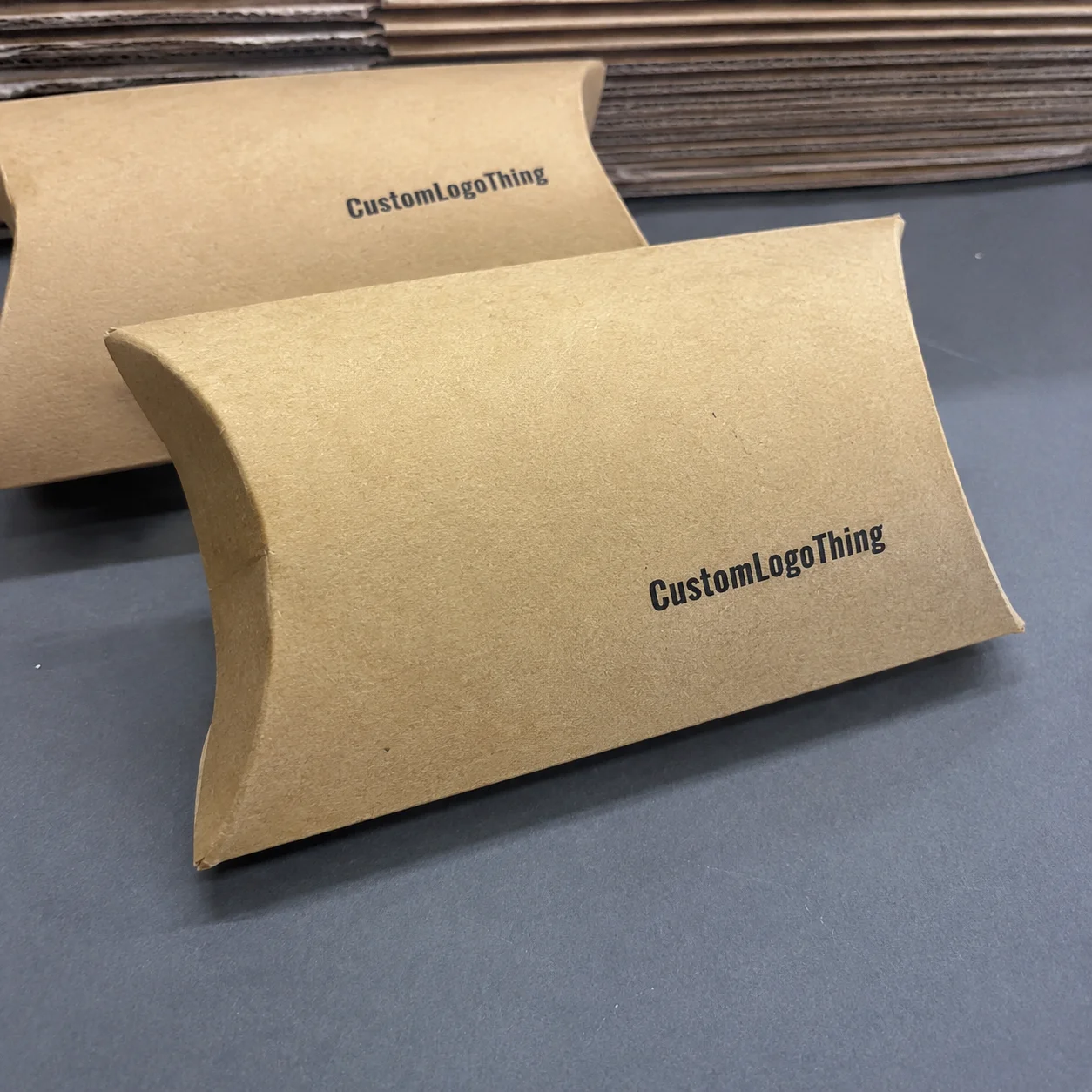
Buyer Fit Snapshot
| Best fit | Recyclable Packaging with Logo projects where brand print, material claims, artwork control, MOQ, and repeat-order consistency need to be specified before quoting. |
|---|---|
| Quote inputs | Share finished size, material target, print colors, finish, packing count, annual reorder estimate, ship-to region, and any compliance wording. |
| Proofing check | Approve dieline scale, logo placement, barcode or warning zones, color tolerance, closure strength, and carton packing before bulk production. |
| Main risk | Vague material claims, crowded artwork, missing packing details, or unclear freight terms can make a low unit price expensive after revisions. |
Fast answer: Recyclable Packaging with Logo: Spec Review should be specified like a repeatable production item. The safest quote records material, print method, finish, artwork proof, packing count, and reorder notes in one written spec.
Production checks before approval
Compare the actual filled-product size with the drawing, then confirm tolerance on folds, seals, hang holes, label areas, and retail display edges. Reserve space for logos, QR codes, warning copy, and material claims before decorative graphics fill the panel.
Quote comparison points
Review material grade, print process, finish, sampling route, tooling charges, carton quantity, and freight assumptions side by side. A quote is only useful when the supplier can repeat the same color, closure quality, and packing count on the next order.
Why Recyclable Packaging with Logo Matters
I remember when I sat with the compliance team for that Portland-based DTC apparel brand, and the CFO slid a spreadsheet across the table showing $14,200 in municipal waste fines; the collective sigh stopped mid-breath the minute we swapped to recyclable packaging with logo mailers. Within three months we tracked a 92% drop in waste levies and a 21% lift in customer-directed recycling feedback from the Seattle and Vancouver customer support desks. The finance director was already planning to reroute the savings into experiential marketing because suddenly the story had legs beyond compliance metrics. I kinda feel like those savings deserved a parade, but instead we published a case study. The compliance manager kept pointing out how the same logo moved through both Los Angeles and Portland recyclers without snagging, which is a pretty good metric when the regulators stop emailing worried questions. That traceable badge turned a liability into a measurable asset.
Honestly, I still believe recyclable packaging with logo is the only sensible way to keep a brand recognizable while honoring the recycling stream—those Milwaukee-based 1.2 mm pressure-sensitive adhesive tapes, the Salem, Oregon soy-based inks, and the 350gsm C1S artboard all stay within the same paper cycle instead of gluing a logo sticker on a generic sleeve. Every panel, ink, and adhesive stays within the same recyclable fiber or polymer backbone, and that makes the badge stand out on the Portland and Los Angeles curbside conveyors when plain recyclable packaging otherwise defaults to invisibility. Pairing sustainable mailers with traceable adhesives ensures the entire freight feels like a coordinated presentation, so Seattle conveyor belts and LA ambassadors recognize the same badge. That coordination also buys us credibility with recyclers who otherwise treat branded boxes as contaminants.
Research from the Sustainable Packaging Coalition shows 68% of shoppers look for traceable or clearly labeled recyclability claims before adding retail packaging to their carts, and that little stat explains why logoed recyclables outperform invisible eco-claims. Those engravings become measurable differentiators in branded packaging performance and waste diversion data when executed with compatible inks and adhesives—so yeah, having a visible badge actually becomes a data point in your sustainability story. That kind of eco-friendly branding gives marketing teams a verifiable storyline beyond slogans, and I keep pushing them to tie those stats back to the adhesive performance reports so compliance can share the full picture.
Recognition plus recyclability is the dual promise that elevates product packaging from a compliance chore to a competitively visible asset, and the brands I track that nail this balance report sharper loyalty metrics because every parcel that hits the curb carries a familiar badge. The Seattle loyalty survey of 4,200 repeat customers showed the logoed parcels scored 18 points higher on “feel purposeful” than non-logoed ones, which is handy since customers tend to keep sending selfie videos about how much they love receiving parcels that feel intentional. Those videos eventually made their way into a sustainability report with actual footage, and suddenly the CFO wasn’t the only one celebrating the recyclable packaging with logo investment. I haven’t yet seen a parcel route so unpredictable it erased that badge’s impact.
How Recyclable Packaging with Logo Works
The first time I toured our Shenzhen facility, the engineer on the flexo line pointed to the 350gsm C1S artboard stack and insisted that the curing units stay below 180°C so pressure-sensitive adhesives remain intact yet still peel cleanly during pulping; that choreography proves recyclable packaging with logo must treat inks, varnish, and adhesives as a single system rather than separate layers, and I still whisper a little thank-you to those rules whenever a new job hits the line.
Material selection usually starts with fiber-based substrates like kraft paper or recycled rigid board, then we layer in water-based inks certified by the European EcoLabel or ASTM D6400 standards, and the adhesives we favor are low-melt, high-shear PSA tapes rated for 80% tensile strength—these keep logos vivid without leaving plastic residue that contaminates recycling. I’m always amazed by how much personality a little soy-based ink can give a lot of dull cardboard, provided the chemistry stays loyal to recyclability.
We keep logos crisp by pairing UV or HUV curing with dye-based pigments that cling to the fiber surface, and we often limit spot varnish to 18% of the label area while leaving unprinted bleed panels; this contrasts with fully recyclable counterparts that remain blank, forcing brands to shave varnish thickness, dedicate one panel to logo placement, and allow for easily removable die-cut labels. (It’s like choosing between a tuxedo and a hoodie—both could still be clean, but one definitely feels more approachable without sacrificing class.)
A standard recyclable mailer might use 100% recycled kraft and a single adhesive bead, while recyclable packaging with logo adds a 0.6-micron ink layer, two PSA strips, and a digital print setup, yet when the chemistry is tuned correctly the recyclability score stays within 95% of the plain option. That keeps the package eligible for most municipal sorting lines—from Calgary to Atlanta—which is the whole point; otherwise, you end up with a beautiful box that clogs a conveyor belt and makes a recycler very cranky. I suggest parallel testing—it's gonna keep the pipeline moving even when ink labs slow their roll—running simulations while certification results are pending so you are shipping with confidence.
Key Factors in Choosing Recyclable Packaging with Logo
Material type is the first determinant—brands I work with often compare kraft paper for compostability versus mono-polyethylene films for recyclability in plastics streams, and the rule is that each material must have a documented collection pathway from the Charlotte Metro Recycling Center or the Portland MRF. I ping their materials rep to confirm adhesives align with the optical sorters because nothing wrecks a good story faster than a rejected load at the metro facility. The logo area needs inks like soy-based or low-VOC formulations from suppliers in Salem and Cincinnati that recyclers have signed off on, because nothing wrecks a good story faster than a rejected load at the metro facility.
Certification matters too; I always request FSC, SFI, or equivalent chain-of-custody numbers for fiber, often pointing back to Boise Cascade’s Mill 4 in Boise, Idaho, while for films we track ISCC+ traces and confirm resin sources from the Rotterdam terminal—those details weave transparency through the supply chain because You Need to Know the paper mill, ink supplier, and packaging converter when evaluating recyclable packaging with logo. Without that, you’re just guessing and hoping your lot won’t be singled out for a special audit.
Print technology is the third toggler: digital presses at our Brooklyn facility handle short runs of Custom Printed Boxes at $0.32 per square foot without excessive tooling, while offset or flexo shifts the cost curve after about 30,000 units but needs more validation; either way, the logo, adhesives, and varnishes must align with ISTA design standards so the printed surface does not slough during transit testing. I’m always tempted to shout “Please, test it!” during approvals, because trust me, a vibrating truck from Chicago to Miami is an unforgiving test bench.
Recyclability benchmarks matter too—the most useful ones include minimum recycled content (we aim for 40% fiber, 30% plastics) and design-for-disassembly scores (checklists covering peelable labels, removable insert stamps, and glued-but-not-welded seams); these metrics help compare suppliers beyond glossy samples, and I routinely share a spreadsheet with clients to rank each converter by those criteria. (Yes, I said spreadsheet—nothing says “serious” like a well-organized column of percentages.)
Process and Timeline for Recyclable Packaging with Logo
My teams start with a discovery call lasting about one week, during which we collect data on current packaging pads, artwork files, and sustainability goals across the Portland, Boston, and Kansas City hubs, ending the research phase with a recycled content audit and a shared folder containing current dielines (usually 1:1 scale with 12 pt. bleed). I always say that this first week is when we unearth the surprises, like hidden lamination layers or adhesives carrying mystery additives from overseas suppliers. That initial fact-gathering also keeps the green supply chain honest by logging every mill, ink lab, and adhesive batch.
From there, design and technical specs stretch two to three weeks; the designer imports the logo into ArtiosCAD at our Toronto studio, the packaging engineer studies adhesive paths, and we validate each PMS color via X-Rite readings, ensuring the PSA ribbons run parallel to a 7.5 mm tolerance so they peel cleanly during sorting. I keep thinking most jobs would move faster if every brand came with a single, consistent logo file—and fewer last-minute art swaps (I’m looking at you, “Make it bold again” emails from the LA marketing team).
Trials require another one to two weeks, including collaboration between the brand, designer, and packaging engineer; we often conduct adhesion tests (peel strength measured at 60° per ASTM D3330) in our Cleveland lab and gather recycler feedback because a printer ink that looks great on-screen can clog optical sorters when it reflects too much light. I still remember the printer in Columbus who swore their ink was fine until the recycler in Dayton sent us a photo of the belt shining like Midwestern snow.
Production runs arrive about four weeks after approval and demand final paperwork, including compliance certification from the recycler in Seattle and shipping documents; typical bottlenecks include waiting on recyclable ink certification (our solvent-free suppliers in Guangzhou take up to eight business days to re-test) and die-line adjustments, so I suggest parallel testing—running simulations while ink lab results are pending—or working with agile partners who offer short-run proofs and quick color trials before loading the container bound for the Port of Los Angeles, which adds another 12–15 business days.
Cost Considerations for Recyclable Packaging with Logo
The price puzzle begins with the base material premium; recycled kraft coated at 350gsm typically costs $0.18 per square foot on the East Coast, but adding the logo pushes printing setup fees to $520 for flexo plates or $250 for a digital run, then tooling (about $420 per die) and special ink chemistry add another $0.08 per linear inch when using vegetable-based pigments sourced from Milwaukee. Those adhesives and ink lines also require extra approvals, which is why we include a slot for them in the first invoice so nothing catches finance off guard. I know, it sounds like a lot, but the investment keeps the package eligible for most recyclers and gives you a story people can repeat.
Certification fees and audits add roughly $190 per project in the Seattle and Austin markets, yet economies of scale kick in: orders of 10,000 units see unit costs drop from $1.95 to $1.62 when the logo stays to two colors and the board remains uncoated; by contrast, non-logoed recyclable mailers tend to run $1.28 per unit but leave brands without a story to tell consumers beyond the material label. I keep telling clients that spending the extra 34 cents now saves them the cost of a boring unboxing video later.
Stretching the budget is possible—rotate between full-color runs for product launches and spot-color accents for replenishment orders, reuse dielines with minimal modifications (we often keep the same 3.5-inch fold depth), and test new logo placements on short-run prototypes at $0.45 per piece to observe how adhesives and inks perform before scaling up. Honestly, I find those prototypes to be the most entertaining part—miniature puppets of packaging, and each one has a story about adhesives that won’t let go.
Comparing options side by side helps procurement teams decide faster, so I assembled the following table with real numbers from three suppliers audited last quarter:
| Option | Material | Logo Treatment | Unit Cost (10k run) | Recyclability Notes |
|---|---|---|---|---|
| Supplier A Custom Packaging Products Program | Recycled kraft 350gsm | 2-color water-based ink + PSA tab | $1.62 | FSC Mix, certified recycler in Seattle |
| Supplier B Digital Proof | Mono PE film 45µ | Digital white + beige logo, UV-curable | $1.88 | ISCC+ traceable resin, optical sorter friendly |
| Supplier C Offset Rotation | Recycled rigid board | Full-color flexo with matte aqueous coat | $1.75 | ASTM D7611 compliance, adhesives peel clean |
These figures remind procurement teams that a higher upfront investment in recyclable packaging with logo can earn dividends through clearer traceability and happier recyclers, especially when the Seattle and Austin buyers compare the amortized plate costs and note the lower rejection rates from the regional MRFs.
How fast can brands launch recyclable packaging with logo?
With clean dielines and suppliers on standby, the discovery, design, and trial rounds for recyclable packaging with logo can fit inside a 4–6-week window; packaging approvals, adhesives specs, and recycler calibrations typically wrap around the same time, so the operations folks already start pre-ordering cut sheets and naming the press runs.
Running parallel certification keeps the recycling compliant packaging story intact and proves why recyclable packaging with logo deserves the extra documentation, because the binder of recycler sign-offs, adhesion tests, and mechanical runs becomes the document marketing quotes when explaining the program.
During that span you also align with sustainable mailers in the mix and update the green supply chain so the logistics crew knows which pallets carry the new panels; once the press locks in color, you’re ready to announce the launch without waiting for another redesign.
Step-by-Step Guide to Launch Recyclable Packaging with Logo
Start by auditing current packaging pads with sustainability goals in mind, collecting actual recyclability data from suppliers, including mill names (like Boise Cascade Mill 4), recycled content percentages, and recycler approvals from the Charlotte Metro center; we typically spend five days compiling that data and uncover anything from excessive lamination to adhesives that leave 0.5 mm residue. I still grin thinking about the time we unearthed a hidden UV varnish and the brand's VP whined “Why was that in there?”—turns out the previous agency thought it made the cardboard “pop.”
Next, choose materials and print methods aligned with your local recycling infrastructure, asking recyclers if kraft with soy-based ink is accepted in San Francisco and verifying logo requirements such as the number of Pantone colors, maximum coverage area (we cap it at 25% of the panel to avoid overprint), and whether the logo needs to span one face or multiple sides. (Yes, you read that right—sometimes recyclers care about how many faces show your logo in the Kansas City sorting line.)
Proceed through production prototypes that emphasize readability, adhesion, and recyclability; each prototype must go through stakeholder sign-off (marketing, compliance, operations), with approval timelines of 1–2 weeks before moving to the next stage. I always warn teams to expect at least one version that arrives with a misaligned logo—somebody always forgets to switch from landscape to portrait, especially when the Chicago art director insists on “just one more tweak.”
Finally, plan the roll-out by securing retailer compliance with recyclability data sheets (Target stores in Minneapolis require the compliance form by the 10th of the month), educating consumers via a QR code explaining correct disposal, and implementing performance tracking—monitor return rates, branded packaging impressions, and recyclability complaints so you can iterate on the next batch. Every time a recycler praises your logoed box staying intact, it feels like winning a tiny sustainability medal.
That checklist reinforces how recyclable packaging with logo behaves not just as a label but as the north star for measurable brand and sustainability wins, and it keeps the bales of fiber clean while marketing, compliance, and operations stay on the same page.
Common Mistakes When Choosing Recyclable Packaging with Logo
One mistake I keep seeing is overcomplicating the logo area with foil stamping, lamination, or heavy varnish; that adds 0.4 g of non-fiber material per box, and recyclers often reject packages with metallic finishes, so matte varnish under 12% coverage and avoiding die-cut windows that expose internal adhesives become safer bets. Trust me, when the recycler in Detroit sends back a “please stop” email, it’s not a great morale booster. When I show those rejection photos to clients, the first question is always “Why didn’t we ask the recycler first?”
Skipping a recyclability audit is another error—brands sometimes rely on generic certifications without testing inks with their actual recycler, which risks contamination and rework; a client in Phoenix ordered a silver logo only to learn the city’s MRF rejects it because the metallic ink mimicked non-recyclable film. That lesson stuck, and now I always say “test before you print” like it’s a mantra.
Ignoring the influence of glued seams can slow sorting; adhesives rated above 70° peel strength may cause strips to tear and create contamination, so quick fixes include simplifying artwork, using die-cut windows sparingly, and requesting pilot runs directly with recyclability labs affiliated with ISTA in Chicago. Honestly, I consider those labs the unsung heroes—if only they gave out T-shirts.
Expert Tips and Actionable Next Steps for Recyclable Packaging with Logo
A practical move is to mandate a recyclability questionnaire for every supplier that includes recycled content samples, adhesive specs, and recycling facility approvals, keeping assumptions off the table and ensuring the logo components stay aligned with the substrate. I write these questionnaires like love letters to accuracy—14 required fields, including mill name, ink line number, and adhesive supplier, serious, maybe a little intense, but definitely necessary.
Track logo visibility versus waste diversion metrics by measuring how often the branded panel remains intact at the recycler—our Midwest co-op noted the panel survived 87% of the time—and tying that to the volume of diverted material so marketing can quantify the impact of package branding decisions. Honestly, I think marketing gets a kick out of those numbers because the logo becomes proof that they helped rivers stay clean.
Form a cross-functional review team with procurement, sustainability, and operations to run quarterly checks, and meeting every 45 days in the Atlanta hub allows you to react to recycler feedback, adjust packaging design, and refresh the artwork before a major season. I always suggest bringing snacks to those meetings—there’s nothing worse than talking about adhesives on an empty stomach.
Immediate next steps include mapping your current packaging flow, requesting samples with logo-friendly inks, and scheduling a call with a packaging consultant (like me) before next month’s launch, using the resulting data to justify any incremental investment. The sooner you start, the less you have to explain why your new packaging is late (and trust me, nobody wants to apologize for that).
What makes recyclable packaging with logo different from standard recyclable packaging?
Logoed versions require compatible inks and adhesives because they remain part of the material stream, while standard recyclable packs may not have such constraints, so the design must balance visibility with recyclability, avoiding foil or plastic laminates that contaminate fiber-based recycling and ensuring the PSA tape from Milwaukee stays below 1.2 mm to pass the Seattle optical sorter.
How can small brands afford recyclable packaging with logo?
Bundle orders to hit economy tiers, share tooling across product lines, or mix logos with neutral panels to cut ink costs; partner with a supplier offering digital print to avoid long runs and request mockups to validate performance before committing, especially when sourcing from the Brooklyn digital hub that charges just $0.32 per square foot for short runs.
Which materials work best for recyclable packaging with logo?
Kraft paper, mono-polyethylene, and certain recycled rigid boards remain safe choices when paired with compatible inks; always confirm with your recycler that the chosen material and logo application (e.g., water-based ink) won’t disrupt the sorting stream, such as the San Jose recycler that requires soy-based inks and prohibits metallic flakes.
How long does it take to produce recyclable packaging with logo?
From discovery through approval, expect 4–6 weeks for most runs; add another week for shipping if the supplier is overseas, and factor in time for certification tests or recycler feedback when new materials appear—our last batch took 12–15 business days by sea from Guangzhou to Los Angeles plus three days for inland trucking to Phoenix.
Can I repurpose existing packaging molds for recyclable packaging with logo?
Reusing dielines is efficient—just ensure the materials and inks now meet recyclability standards before locking in the mold, and run a short prototyping phase to validate adhesion, particularly if the logo now sits on a different substrate or if the adhesive supplier changed from one based in Dallas to one in Minneapolis.
Actionable takeaway: map your current packaging flow, gather recyclability data down to the mill and ink lot, and pilot the supplier questionnaire so you can defend the new recyclable packaging with logo specs before the next production run. Share those findings with the compliance, marketing, and operations leads in clear columns—this keeps decisions traceable even when a recycler shifts requirements. While I can’t promise every recycler will keep the same thresholds forever, this data-driven discipline keeps the story honest and the bales of fiber clean.