Buyer Fit Snapshot
| Best fit | Recycled Board Retail Boxes projects where brand print, material claims, artwork control, MOQ, and repeat-order consistency need to be specified before quoting. |
|---|---|
| Quote inputs | Share finished size, material target, print colors, finish, packing count, annual reorder estimate, ship-to region, and any compliance wording. |
| Proofing check | Approve dieline scale, logo placement, barcode or warning zones, color tolerance, closure strength, and carton packing before bulk production. |
| Main risk | Vague material claims, crowded artwork, missing packing details, or unclear freight terms can make a low unit price expensive after revisions. |
Fast answer: Recycled Board Retail Boxes: Board, Finish, Dieline, and Unit Cost should be specified like a repeatable production item. The safest quote records material, print method, finish, artwork proof, packing count, and reorder notes in one written spec.
Production checks before approval
Compare the actual filled-product size with the drawing, then confirm tolerance on folds, seals, hang holes, label areas, and retail display edges. Reserve space for logos, QR codes, warning copy, and material claims before decorative graphics fill the panel.
Quote comparison points
Review material grade, print process, finish, sampling route, tooling charges, carton quantity, and freight assumptions side by side. A quote is only useful when the supplier can repeat the same color, closure quality, and packing count on the next order.
Recycled board retail boxes catch many buyers off guard because they can do more than carry a sustainability story. They do not have to look thin, feel flimsy, or behave like a compromise on shelf. With the right board grade, print method, and finishing choices, they can hold crisp graphics, protect the product, and still support the material story retailers and shoppers now read more closely.
The appeal sits in a narrow space between merchandising and material responsibility. A well-built recycled board carton can become a folding carton, sleeve, wrap, tuck-end box, or compact display pack, depending on the product and the retail setting. For many brands, the real decision is not whether recycled content belongs in the mix. It is how far that material can be pushed without sacrificing stiffness, print fidelity, size efficiency, or cost control. If you are comparing structures, it helps to look at the packaging system rather than the outer carton alone. Broader options are available through our Custom Packaging Products page when you are mapping the rest of the launch.
Why Recycled Board Retail Boxes Catch Buyers Off Guard
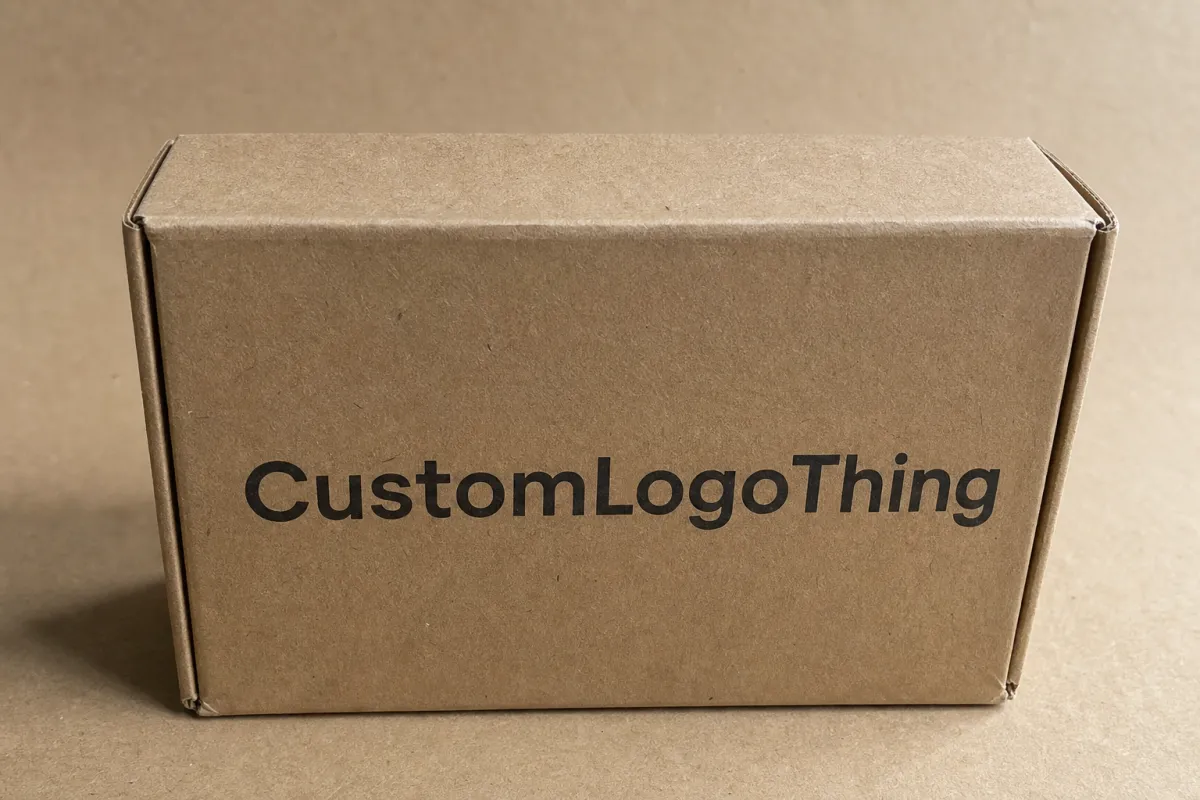
Many teams still assume recycled packaging means a duller look and weaker performance. That assumption usually comes from bad specs, not from the material itself. Recycled board retail boxes can be built to feel substantial in hand, sit upright on shelf, and print with enough sharpness to support premium branding, especially when the product is lightweight or the carton is doing more presentation work than structural work.
"Recycled board" usually refers to paperboard or carton board made with recovered fiber, then converted into retail-ready formats. Depending on the mill and the spec, that fiber may become a single-ply board, a multi-ply board, or a board with a printable top layer. The result can be folding cartons, sleeves, wraps, straight tuck boxes, reverse tuck boxes, or compact countertop displays. The construction matters. Recycled fiber content alone does not tell you how the box will score, how it will resist crush, or how the print will behave on the surface.
This category matters more now because retailers want shelf-ready packaging that stacks efficiently, brands want less wasteful material choices, and shoppers are paying closer attention to packaging claims. Paper and paperboard remain among the most recovered materials in municipal recycling streams, while many plastic formats are still harder to recover at scale. That difference changes the conversation. Buyers also want a carton that does not create headaches in fulfillment. A box that is too soft, too large, or too heavily finished can create more waste than it saves if it needs extra inserts, oversized shippers, or rework at the packing line.
From a packaging buyer's point of view, the real question is never just "Is it recycled?" Better questions carry more weight: What grade of board is it? What is the caliper? How does it score? What coating is used? Will it hold ink well? Does it need a window patch, an insert, or a locking closure? The difference between an average carton and a reliable retail box usually shows up in those details first.
A recycled carton that looks polished in a render but crushes in transit is not sustainable in any useful sense. The material choice has to work with the structure, the handling conditions, and the shelf environment.
If you are sorting through sustainability claims, use recognized references rather than vague marketing language. The U.S. Environmental Protection Agency has practical background on paper and recycling streams at epa.gov/recycle, and the Forest Stewardship Council provides guidance on responsible fiber sourcing at fsc.org. Those references help ground the discussion before a packaging spec gets locked in. One more caution: a carton can be technically recyclable and still not get recovered everywhere. Local collection rules, contamination, and added components such as film windows can change the real-world result.
How Recycled Board Retail Boxes Are Made and Printed
The production path begins with recovered fiber. That fiber is cleaned, repulped, and formed into board on paper machines that establish thickness, surface profile, and stiffness for retail packaging. The board is then sheeted into workable sizes, stored, and sent into converting operations where it becomes actual packaging.
The converting stage usually includes die-cutting, scoring, window cutting if needed, stripping waste, folding, gluing, and packing. A box with a complex closure or a display feature needs more attention during setup because folds have to line up cleanly and panels need enough material strength to stay square. Hand-packed cartons should open in a way that is simple and forgiving. Automated lines tighten the tolerance window even further.
Board Structure Matters More Than Most Buyers Expect
Single-ply board works well for many folding cartons because it is economical and relatively easy to print. Multi-ply board may be selected when a brand needs a heavier feel, better stiffness, or stronger performance across different board layers. Coated surfaces improve print clarity, scuff resistance, and color consistency, but the coating has to fit the visual direction. A glossy finish can make the carton feel more retail-ready, while an uncoated or lightly coated surface can support a natural, earthy presentation.
No single board type wins every time. A 12-ounce candle, a cosmetic serum, and a small electronics accessory all place different demands on the carton. The candle may need heavier board and stronger corner integrity. The serum may need a tighter fit and higher print resolution. The electronics accessory may need a barcode-friendly panel and a cleaner display face. Same category, different engineering. A buyer who has managed all three in the same quarter usually learns that stiffness alone is not the same as performance.
Printing and Finishing Choices Shape the Final Impression
Offset printing remains a strong choice for longer runs and tighter color control. Digital printing can be useful for shorter runs, test launches, or products with frequent artwork changes. Aqueous coating is common when protection is needed without making the box feel overly plasticized. Varnish can add either protection or a visual effect. Specialty textures can add tactility, though they deserve restraint because every added finish affects cost, turnaround, and sometimes recycling expectations.
For recycled board retail boxes, the artwork should be built around the board instead of being forced against it. Thin reverse type, soft gradients, and fragile registration details can become risky on rougher or more absorbent surfaces. Strong design systems usually rely on bolder typography, clear contrast, and enough quiet space for the carton to feel intentional rather than crowded. If a finish does not improve the shelf story, it is often better left out.
The same discipline applies to embellishments. Foil, embossing, soft-touch lamination, window patches, and spot UV all have a place, but not every product needs them. A premium supplement carton might benefit from a restrained soft-touch film, while a natural personal care brand may prefer a matte aqueous coat and a visible recycled fiber story. The material should support the message instead of fighting it.
When the process is planned well, the box becomes a system. The material supports the print. The print supports the shelf. The structure supports the product. That sequence matters because packaging fails most often when teams start with appearance and only later try to make the carton survive real handling.
Cost and Pricing Factors for Recycled Board Retail Boxes
Price is usually the first thing buyers ask about, but with recycled board retail boxes, the unit cost only makes sense when the full spec is visible. The price changes with board grade, dimensions, print coverage, coating, structural complexity, quantity, and whether the order includes inserts, window patches, or special packing requirements. A simple one-color tuck box will not price the same way as a full-coverage retail carton with multiple finishes and tighter assembly steps.
Small runs almost always cost more per unit because setup work is spread across fewer boxes. That setup can include prepress prep, dieline checks, cutting dies, press calibration, trimming, folding, and inspection. When the run gets larger, those fixed tasks are diluted across the order. When the run is small, every setup step shows up more clearly in the unit price.
Recycled content does not automatically mean cheaper packaging. In some cases, premium recycled board costs more than basic virgin-stock board because the fiber blend, surface quality, or sourcing standard is higher. If the brand also wants crisp graphics, strong folding performance, and good scuff resistance, the spec may need upgraded finishing or tighter quality control. Those choices can raise the price even when the material story is better.
| Option | Typical Use | Relative Unit Cost | Notes |
|---|---|---|---|
| Plain recycled folding carton | Light products, test launches, simple shelf items | $ | Best when the design is simple and the print coverage is modest |
| Printed carton with aqueous coating | Most retail goods needing color and scuff protection | $$ | Common balance of presentation, durability, and cost |
| Carton with window patch or insert | Cosmetics, accessories, gifting, product visibility | $$$ | More assembly and material steps increase labor and component cost |
| Carton with specialty finish | Premium brands, higher shelf competition | $$$ to $$$$ | Foil, embossing, soft-touch, and custom textures add both setup and production cost |
When comparing quotes, do not stop at the headline number. Ask whether the estimate includes sampling, proofing, finishing, freight, and quality checks. A low quote that excludes those items can turn into a more expensive order once the details are added back in. It is also worth asking whether the supplier has already accounted for dieline review and plate or die charges, because those are often the line items that surprise buyers later.
MOQ strategy matters too. The lowest minimum order quantity is not always the best value if it leaves you with more packaging than the launch can absorb. Excess inventory can create storage pressure, color drift if the product line changes, and a mismatch between packaging and the product timeline. A slightly higher unit cost on a right-sized order can be smarter than a cheap carton that sits in a warehouse for too long.
For brands planning a full line, one of the best internal checks is to compare the packaging budget against expected sell-through rather than just the purchase order total. Recycled board retail boxes should support the launch cycle, not complicate it. A buyer who has to reorder in three months often regrets the cheapest quote more than the slightly pricier one that matched demand.
Process and Lead Time: From Spec Sheet to Shelf
Lead time is often misunderstood because buyers see a box as a single object, while the production team sees a chain of decisions. The clock usually starts with the product brief, then moves to the dieline, structural approval, artwork placement, proofing, production, finishing, packing, and freight. A delay in any one of those steps can push the whole project out.
A clean spec sheet shortens the process more than almost anything else. If you can provide product dimensions, weight, closure style, desired recycled content target, shipping destination, barcode placement, and any regulatory copy early, the supplier can quote more accurately and avoid unnecessary revisions. That matters even more for recycled board retail boxes that need to balance shelf appearance with carton performance.
What Usually Slows a Project Down
Artwork is a common bottleneck. If the design team has not accounted for score lines, flaps, glue areas, and bleed, the proof cycle can drag. Complex structures add more time because there are more places where the carton can fail during folding or assembly. Special finishes, such as foil or soft-touch lamination, may require different scheduling windows or additional material coordination.
Rush orders can happen, but compression usually reduces flexibility. A shortened schedule may leave less time for special effects, sampling, or detailed inspection. That does not mean rushed work is impossible; it means the tradeoff has to be clear. For some products, a simpler carton with a faster and cleaner run is a better business choice than a fancier box that arrives too late.
On many projects, the slowest part is not the press run. It is decision-making. Teams spend days debating color shifts, finish level, or copy hierarchy when the box spec is already close to final. The smoother path is to make the functional decisions early, then leave enough room for brand polish. That is the difference between a packaging schedule that feels managed and one that keeps slipping.
For brands that want to compare carton structures before committing, it helps to review sample programs and production-ready options through our Custom Packaging Products collection. Seeing different box styles side by side often makes the fit, closure, and merchandising tradeoffs much clearer.
If your project depends on shipping performance, ask whether the carton has been considered against standard handling expectations, not just appearance. For transit-heavy programs, testing frameworks such as those discussed by the International Safe Transit Association can help guide a more realistic approach to shipping and distribution stress. Even a lightweight retail carton benefits from that mindset. A box that survives one careful handoff is not necessarily ready for a distribution chain with vibration, stacking pressure, and temperature swings.
Key Factors That Decide Whether the Box Works on Shelf
A retail box lives or dies by how it behaves in the store, not only in the mockup. Recycled board retail boxes have to fit the product, present the brand clearly, survive handling, and still look orderly after shipping and stocking. If the fit is off, the box can bulge, crush, or shift. If the print is crowded, the shelf message gets lost. If the board is too light, corners collapse before the customer even picks up the package.
Product Fit Comes First
Every retail environment has different constraints. A hanging display carton needs a hanger tab that will hold under weight and keep the front panel readable. A counter display may need a wider footprint and a more upright face. A high-density shelf carton may need tighter dimensions to avoid wasting shelf space. The best design starts with the product and the retail condition, then works backward into panel sizes and closures.
For heavier products, board strength matters more than surface graphics. A carton that looks strong may still fail if the folds are too soft or the closure opens too easily. Inserts can help, but they add labor and cost. Sometimes the smarter answer is a different carton style rather than forcing a lightweight format to do a heavier job. I have seen brands add two layers of embellishment to solve a problem that was really structural; the end result looked expensive and still failed in transit.
Claims and Compliance Need Discipline
Sustainability language has to be accurate. If the carton uses recycled content, say that clearly and only to the extent you can support it. If the box is recyclable, that claim should be tied to the actual material makeup and the market where it will be used. Avoid vague messaging that cannot be verified. Buyers are paying closer attention, and retailers may reject packaging that overstates environmental performance.
That is also where standards and certifications help. FSC labeling can support responsible fiber sourcing, while broader material claims should be reviewed carefully to avoid confusion. A carton can be both visually appealing and honest. In many cases, clarity strengthens the brand more than a heavy-handed sustainability slogan ever could. A precise claim travels farther than a vague promise.
Test the Experience, Not Just the Graphic
One overlooked point is the opening sequence. A retail package is not only an outer shell; it is also the first tactile interaction with the product. Does the flap open cleanly? Does the product sit securely without rattling? Does the carton feel aligned when closed and stacked? These small details affect perceived quality more than many teams expect.
If the carton is part of a secondary display or is handled multiple times before purchase, the wear pattern matters too. Scuffed corners, bent flaps, or loose closures can make an otherwise good box feel tired before it reaches the customer. That is why sample approval is not a formality. It is the best way to catch practical problems while they are still inexpensive to fix.
For lighter consumer goods, recycled board retail boxes often perform best when the visual design is disciplined, the structure is efficient, and the sustainability message is direct. That combination is not flashy, but it tends to sell well and pack well.
Common Mistakes to Avoid When Ordering Recycled Board Retail Boxes
One of the most common mistakes is choosing board by thickness alone. Caliper is useful, but it does not tell the whole story. Fiber structure, coating, stiffness, fold memory, and print surface all influence how the carton behaves. A thicker board can still perform poorly if it cracks at the score line or prints unevenly.
Another easy mistake is designing the artwork before the dieline is final. That usually leads to text landing too close to folds, logos getting clipped, or barcode placement drifting into a problem area. A good carton layout is built around panel dimensions, glue tabs, and the actual folding path, not around a flat canvas that later has to be forced into shape.
Over-specifying finishes can also create unnecessary cost. A brand may add soft-touch lamination, foil, spot UV, and embossing at the same time, only to discover that the shelf result is busier than expected and the product does not gain enough lift to justify the spend. Finishes should earn their place. If they do not improve recognition, protection, or perceived value, they may be better left out.
Compliance is another weak spot, especially for cosmetics, supplements, food-adjacent items, and regulated consumer goods. Copy requirements, ingredient panels, warning language, and claims can all affect the available space on the carton. If those details are ignored until late in the process, the design may have to be reworked under pressure, which usually makes the result worse and the schedule tighter.
Skipping a sample is risky even on simple cartons. Paperboard can shift in color, feel different in hand, and close with more or less tension than expected. A sample also shows whether the product actually fits, whether the finish looks right under store lighting, and whether the carton stands up cleanly in a display tray. The render never tells you all of that.
If the box is meant to replace a plastic secondary package or a heavier setup, it is worth checking the full format against your current pack-out and shipping methods. What looks efficient on paper may create a different handling problem later. A thoughtful packaging review now prevents a lot of expensive corrections later.
Expert Tips and Next Steps for a Smarter Launch
The smartest recycled board project starts with the product, not the template. Measure the actual product, including any cap, pump, closure, or insert space, and build the carton around that real footprint. Then account for how the product is packed, how it ships, and how it sits on the shelf. That order sounds obvious, but it is the step many teams rush past.
Requesting a sample early is one of the best decisions you can make. It lets you test fit, print legibility, corner strength, and the opening experience before you commit to a full run. Even a plain mockup can reveal whether the proportions feel right. A better sample, with the real board and finish, can reveal whether the carton survives normal handling and still looks premium after a little wear.
Communication quality matters as much as quoted price. A supplier who gives clear prepress feedback, asks the right questions about the product, and explains the tradeoffs honestly will usually save time and waste later. That is especially valuable when you are trying to make recycled board retail boxes work at scale, because the packaging spec has to hold up across production, packing, shipping, and retail display.
Here is a practical checklist that keeps a launch from drifting:
- Final product dimensions and weight
- Target recycled content or sourcing standard
- Desired box style and closure method
- Artwork files, barcode placement, and legal copy
- Quantity target and acceptable MOQ
- Budget range and finish preferences
- Ship date and delivery destination
If you want a useful comparison point, review whether the carton needs to do one job or several. Some boxes only need to present the product cleanly. Others also need to protect, retail, hang, ship, and support a brand story. The more jobs the box carries, the more disciplined the specification needs to be.
That is why the strongest programs are often the simplest ones. A sensible board grade, a well-fitted structure, clean print, and a finish that does not fight the material can outperform a heavier, more elaborate spec that was added in layers without a clear purpose. You do not need to overbuild the package to make it feel considered.
When you are ready to move beyond the concept stage, pair a solid dieline with a practical sampling plan and a realistic schedule. That is the path that turns recycled board retail boxes from a sustainability idea into a packaging format that actually supports the product and the sales floor.
For broader planning support, you can review our Custom Packaging Products options and line them up against your product fit, print needs, and retail timeline before you place a production order.
The best results come from treating recycled board retail boxes as a complete system of material, structure, print, and timing, then making sure each choice supports the next one. Before approving production, lock the product dimensions, confirm the board grade, check the dieline against all copy and barcode placements, and approve a physical sample under the lighting and handling conditions the box will actually face. That sequence is the most reliable way to get a carton that looks right, packs well, and holds up in retail.
FAQ
What are recycled board retail boxes made from?
They are typically made from recovered paper fibers that are reprocessed into paperboard or carton board for folding cartons and related retail formats. The exact feel and strength depend on the fiber blend, board thickness, coating, and whether the board is single-ply or multi-ply. Many versions still use a printable outer layer so brands can keep graphics clean while retaining the recycled material story.
Are recycled board retail boxes strong enough for heavier products?
Yes, if the board grade, structure, and closure style are matched to the product weight and handling conditions. Heavier items may need thicker board, reinforced folds, inserts, or a different carton style to avoid crushing or popping open. A sample test is the safest way to confirm performance in shipping and on the shelf.
How much do recycled board retail boxes usually cost?
Cost depends on size, quantity, print coverage, coatings, structural complexity, and whether the run is small or large. Short runs usually have a higher unit price because setup and tooling are spread across fewer boxes. The best comparison is a full quote that includes sampling, finishing, and freight, not just the base box price.
What lead time should I expect for recycled board retail boxes?
Lead time usually includes design approval, dieline setup, proofing, production, finishing, packing, and shipping. Simple cartons can move faster, while custom structures, special finishes, or multiple proof rounds add time. Having final dimensions and print copy ready early helps keep the schedule moving.
Which products work best in recycled board retail boxes?
They are a strong fit for cosmetics, personal care, supplements, small electronics, candles, and many lightweight consumer goods. Products that need premium shelf presence but do not require rigid protection often benefit the most from this format. If the product is unusually heavy, fragile, or moisture-sensitive, the box design may need extra support or a different packaging structure.


