Buyer Fit Snapshot
| Best fit | Recycled Molded Pulp Packaging Supplier projects where brand print, material claims, artwork control, MOQ, and repeat-order consistency need to be specified before quoting. |
|---|---|
| Quote inputs | Share finished size, material target, print colors, finish, packing count, annual reorder estimate, ship-to region, and any compliance wording. |
| Proofing check | Approve dieline scale, logo placement, barcode or warning zones, color tolerance, closure strength, and carton packing before bulk production. |
| Main risk | Vague material claims, crowded artwork, missing packing details, or unclear freight terms can make a low unit price expensive after revisions. |
Fast answer: Recycled Molded Pulp Packaging Supplier: Material, Print, Proofing, and Reorder Risk should be specified like a repeatable production item. The safest quote records material, print method, finish, artwork proof, packing count, and reorder notes in one written spec.
Production checks before approval
Compare the actual filled-product size with the drawing, then confirm tolerance on folds, seals, hang holes, label areas, and retail display edges. Reserve space for logos, QR codes, warning copy, and material claims before decorative graphics fill the panel.
Quote comparison points
Review material grade, print process, finish, sampling route, tooling charges, carton quantity, and freight assumptions side by side. A quote is only useful when the supplier can repeat the same color, closure quality, and packing count on the next order.
The cheapest insert is often the one that turns into the most expensive return label. A recycled molded pulp packaging supplier can cut costs, but only when the fit is right, the fiber stays consistent, and the shipping performance is proven instead of guessed. For brands comparing branded packaging, retail packaging, or protection inside Custom Packaging Products, molded pulp is one of the few materials that can reduce plastic and still do real work.
That is the basic business case. A recycled molded pulp packaging supplier makes fiber-based packaging from recovered paper stock and turns it into trays, inserts, end caps, clamshells, and other protective forms. The material cushions well, nests tightly for freight, and often replaces foam in consumer goods, electronics, beauty, and food-service packaging without making the pack feel flimsy or cheap. If you have ever opened a box and immediately thought, “Yep, this is going straight to the landfill,” you already know why buyers keep asking for a better answer.
Not every product needs it. A heavy glass bottle with sharp shoulders, a glossy beauty kit, or a delicate electronics accessory can benefit a lot. A rough industrial part with no presentation requirement may not. The point is to match the product, the transit risk, and the brand story before you pick a recycled molded pulp packaging supplier and lock yourself into a tool that does the wrong job very well.
I have seen teams fall in love with the sustainability story and skip the boring part: real-world fit testing. That usually ends with a sample that looks fine on the bench and rattles like loose hardware once it hits an actual shipper. No one needs that surprise.
Recycled Molded Pulp Packaging Supplier: What It Is
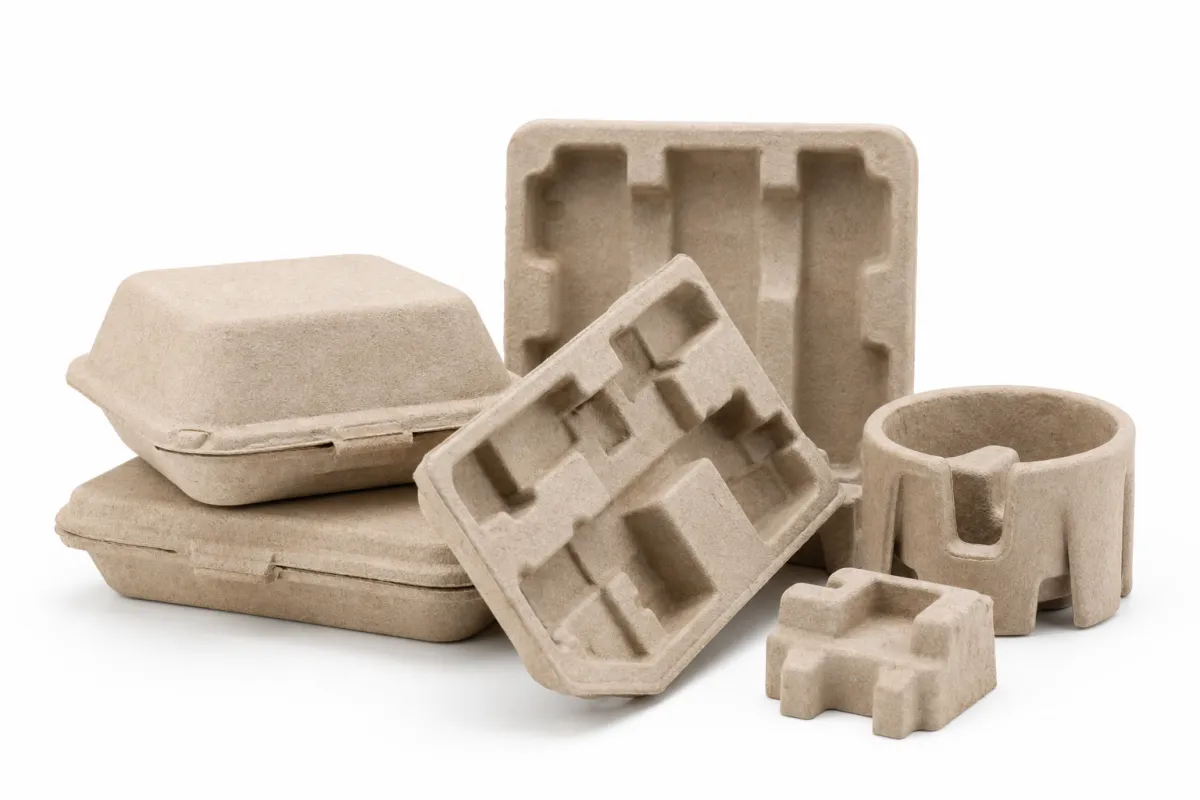
A recycled molded pulp packaging supplier is not just selling “eco packaging” and hoping nobody asks questions. The better ones design around product size, stacking behavior, shipping method, and the level of presentation you need on shelf or inside the carton. That means talking about fiber grade, wall thickness, cavity depth, and what happens when the pack takes a corner drop or gets stacked under 40 pounds of freight.
Recycled molded pulp starts as recovered paper stock, which is pulped with water and formed into a shape using a mold. The output can be simple and rough or cleaner and more precise, depending on the process. A recycled molded pulp packaging supplier may produce protective inserts for product packaging, shipping trays for bulk distribution, or display-ready parts that sit inside custom printed boxes without making the brand look like it bought the cheapest thing in the catalog.
Brands like it for a few clear reasons. It absorbs shock, nests tightly for freight savings, and usually carries a more credible sustainability story than foam or generic plastic filler. That said, a recycled molded pulp packaging supplier still has to prove fit and consistency. Pretty material does not matter if the insert wobbles, crushes the corners, or leaves the product rattling around like loose change.
For consumer goods, electronics, beauty, and food-service packaging, molded pulp often lands in the sweet spot between protection and presentation. It can support package branding without demanding an expensive print process, and it can work as a clean insert inside a premium shipper or a retail-ready unboxing system. If a supplier cannot explain where their recycled fiber comes from or how they control quality, keep looking. There are plenty of shiny promises in packaging. Fewer useful answers.
There is one honest caveat here: molded pulp is not magic. It performs differently depending on density, drying method, and how much moisture the finished part will see. A supplier who pretends every pulp part behaves the same is either inexperienced or trying to keep the conversation short. Both are bad signs.
How Recycled Molded Pulp Packaging Is Made
The basic process is simple to describe and annoying to execute well. A recycled molded pulp packaging supplier takes recycled fiber, breaks it into slurry, forms it in a mold, dries it, trims it, and finishes it for shipment. The details matter because each step changes the final surface, strength, and cost. One plant can make a tray that feels dense and clean; another can make something that looks like a damp cereal box had a bad day.
There are several common formats. Wet-press molded pulp uses higher pressure to produce a smoother surface and tighter tolerances. Thick-wall pulp is generally more rugged and budget-friendly, which helps for industrial protection or heavier shipping loads. Transfer-molded formats can sit somewhere in between. A recycled molded pulp packaging supplier should explain which method they use and why, because that choice drives texture, weight, drying speed, and how closely the part matches your product shape.
Lead time usually moves through a familiar sequence: concept brief, structural review, first sample, revision round, tooling approval, pilot run, then production. A simple project may move from brief to sample in 7-15 business days, while tooling can take 2-6 weeks depending on complexity and factory load. A recycled molded pulp packaging supplier that promises everything in a week is either blessed with unusual capacity or selling you a story.
Most delays come from four places: mold complexity, cavity count, drying method, and design changes after sampling begins. A deep part with tight tolerances takes longer than a shallow tray. A multi-cavity tool can improve output but raises tooling cost and revision risk. If the pack must survive parcel shipping, ask for performance testing that lines up with a real standard such as ISTA procedures rather than a vague “it should be fine” from someone looking at a drawing.
Drying is a bigger deal than many buyers realize. A part that dries too fast can warp. A part that dries too slowly can bottleneck production and push up cost. That is one of those factory details people love to skip until the numbers show up on the quote. Then suddenly everybody cares.
Key Factors To Compare Before You Shortlist
Fit comes first. Always. A recycled molded pulp packaging supplier should ask for product dimensions, weight, fragile points, shipping method, and whether the pack needs to survive warehouse handling or parcel delivery. Edge coverage matters. So does stack strength. A beautiful insert that only works on a perfect day in a perfect carton is not a packaging solution; it is an expensive decoration.
Appearance matters too, especially for premium retail packaging and unboxing. If the insert is exposed during opening, surface consistency, color, and trim quality start to matter more. A matte natural fiber look can feel honest and modern, but if the fibers are uneven or the edges are fuzzy, the customer sees “cheap” instead of “responsible.” The right recycled molded pulp packaging supplier knows the difference and does not pretend all fiber surfaces are interchangeable.
Moisture exposure is the silent troublemaker. Paper fiber absorbs humidity, and that can affect stiffness, stackability, and dimensional stability. If the product will move through damp warehouses, tropical shipping lanes, cold-chain handling, or long storage, ask whether the supplier recommends higher density, coatings, or a different format. A good recycled molded pulp packaging supplier will tell you plainly when molded pulp is the right choice and when another substrate is smarter.
Documentation matters as much as the physical sample. Ask for recycled content claims, process notes, any applicable food-contact or material safety documents, and proof that the supplier can repeat the same result across production runs. If a vendor claims sustainability, ask how they define it. For paper-based packaging claims, see what FSC actually certifies, then compare that with what the supplier says. Vague green language is cheap. Traceable documentation is more useful.
One practical note: FSC chain-of-custody and recycled-content claims are not the same thing. A supplier can be legitimate and still be vague if their paperwork is sloppy. That is fixable, but it should not be your job to translate it after the quote is already on the table.
Recycled Molded Pulp Packaging Supplier Pricing
Pricing starts with tooling, not unit cost. A recycled molded pulp packaging supplier will usually price a simple tray far lower than a precision-fit insert with tight tolerances, deep cavities, or a polished finish. A basic single-cavity mold might land around $1,200-$4,000. More complex tools can move into the $4,000-$15,000 range, especially if you want cleaner presentation, multiple cavities, or repeated revision cycles. That is the part buyers try to skip. Bad idea.
Unit cost usually falls as volume rises, but geometry still matters more than people want to admit. A simple protective tray at 5,000 pieces may sit around $0.08-$0.20 per unit. A higher-end insert with tighter fit or better finish can land around $0.18-$0.45 or more, depending on thickness, cavity count, and drying method. A recycled molded pulp packaging supplier can quote something that looks cheap until the product fails a drop test and the savings disappear into replacements, labor, and complaints.
There is also total landed cost, which packaging buyers ignore until finance asks annoying questions. Freight, warehousing, assembly time, and reject rates all matter. If molded pulp saves 12 cents a unit but adds hand assembly or requires larger outer cartons, the savings may shrink fast. A practical recycled molded pulp packaging supplier quote should include delivery terms, sample count, tooling ownership, and revision allowances so you can compare apples to apples instead of comparing polished nonsense to half a quote.
Use a clean comparison request. Ask every recycled molded pulp packaging supplier to price the same dimensions, the same recycled fiber spec, the same sample count, and the same destination. Then ask them to state lead time separately for sampling, tooling, and production. If they cannot do that, the quote is not really a quote. It is a rough guess with better font.
| Option | Typical Tooling | Unit Cost Range | Typical Lead Time | Best Use |
|---|---|---|---|---|
| Simple tray | $1,200-$4,000 | $0.08-$0.20 | 2-4 weeks | Basic protection, high-volume shipping |
| Precision-fit insert | $3,000-$8,000 | $0.18-$0.45 | 3-6 weeks | Consumer goods, electronics, tighter fit |
| Premium retail insert | $4,000-$15,000 | $0.25-$0.60+ | 4-8 weeks | Display packaging, branded unboxing |
| End cap or corner protection | $2,000-$6,000 | $0.10-$0.30 | 2-5 weeks | Heavy items, carton stabilization |
That table is not a promise. It is a buying range. The actual number depends on cavity geometry, wall thickness, drying method, finishing, and how much scrap the line produces. A smart recycled molded pulp packaging supplier will tell you where the cost pressure sits instead of hiding behind a single headline number that only works if you never revise the design.
Step-by-Step Sourcing And Approval Process
Start with a product brief That Actually Helps a factory do the work. A recycled molded pulp packaging supplier needs dimensions, weight, fragility points, target drop height, shipping method, carton size, and the visual role of the insert. If the product will sit in a premium shipper, say so. If it has to protect a glass bottle through parcel delivery, say that too. “Make it fit” is not a brief. It is a complaint waiting to happen.
Next comes sample development. Good buyers test the sample with the real product, not a foam dummy or a hope-and-prayer substitute. Check fit, wobble, edge protection, packing speed, and how the insert behaves inside the outer box. A recycled molded pulp packaging supplier should be willing to revise the sample once or twice if the geometry needs tuning. One revision is normal. Three can happen. Ten is a sign the design brief was too loose or the factory was guessing.
After the sample looks right, ask for a pilot run and a production signoff. That step catches issues that small samples miss, especially if the line speed, drying time, or trim tolerances change under volume. A seasoned recycled molded pulp packaging supplier should be clear about mold ownership, revision limits, and what happens if the first production run drifts from the approved sample. If the supplier dodges that conversation, you are not buying control. You are buying exposure.
Good sourcing also includes internal coordination. Packaging, operations, marketing, and fulfillment should all agree on what “good” means before tooling starts. That matters for package branding, because a clean insert can support the product story while a sloppy one undercuts it. If the molded pulp piece sits inside a full system with labels, outer cartons, and other Custom Packaging Products, the whole pack should feel intentional, not assembled from leftover decisions.
I have watched a launch go sideways because marketing approved a render and operations approved a sample that never got tested in the actual shipper. The part itself was fine. The assembly order was not. One tiny mismatch, and the whole thing became a warehouse problem. That is why the boring handoff steps matter.
Common Mistakes When Choosing A Supplier
The easiest mistake is picking the lowest quote and pretending the rest will sort itself out. A recycled molded pulp packaging supplier can come in cheap for good reasons, but it can also be cheap because the fit is loose, the finish is rough, or the process control is weak. Unit price is not the whole story. If the insert cracks, shifts, or adds labor to every carton, the “savings” turn into a slow leak in margin.
Another classic mistake is approving drawings without testing the actual product. A CAD file may look perfect and still fail in the hand. Products vary by a few millimeters more than buyers expect, especially if they are molded, coated, or assembled with tolerances from other vendors. A solid recycled molded pulp packaging supplier should insist on test fitting, not just approving a picture of a part that has never touched the thing it is supposed to hold.
Sustainability claims create their own mess. Do not accept a vague statement that the part is “eco friendly” and call it due diligence. Ask what recycled feedstock is used, how the supplier controls waste, whether they can explain their documentation, and whether the claim is supported by paperwork. A recycled molded pulp packaging supplier should be able to discuss recycled content, process control, and quality checks without sounding like they are making it up on the spot.
Lead times also trip people up. Holiday demand, tool changes, shipping congestion, and sample revisions can all stretch timelines. A buyer who ignores that reality can spend weeks waiting for the first usable sample and then another chunk of time waiting for stable production. If your launch date is fixed, give the recycled molded pulp packaging supplier a buffer. Packaging has a habit of reminding people that gravity and freight both exist.
One more problem: treating moisture as a footnote. I have seen buyers approve a part in a dry sample room, then get surprised when the same piece softens after a week in a humid warehouse. That is not the material being dramatic. It is the material behaving exactly the way fiber behaves.
Expert Tips For Better Samples And Faster Approvals
Give the supplier a clear test protocol. A recycled molded pulp packaging supplier will move faster when both sides know the same drop points, stack heights, fit tolerances, and visual requirements. If the product is going through parcel shipping, define the test route. If it is a shelf-facing insert inside a retail kit, define what the customer sees first. Clear criteria reduce back-and-forth. That is not magic. It is just fewer misunderstandings.
Simplify geometry where you can. A tiny design adjustment can trim tooling cost, reduce revision time, and improve consistency. Round an impossible corner. Open a cavity by 2-3 mm. Remove a decorative ridge that does not help protection. A practical recycled molded pulp packaging supplier will usually appreciate a design that respects the material instead of forcing it into a shape it does not like. Fiber is not plastic. Pretending otherwise only creates more sample rounds.
Ask for photos, notes, and dimensional checks with every revision. That sounds basic because it is. A good recycled molded pulp packaging supplier should provide clear updates on what changed, what measurements shifted, and whether the revision is ready for another fit test. Without that trail, teams end up arguing about version numbers and half-remembered measurements. Nobody needs that kind of packaging archaeology.
Finally, score suppliers with a simple sheet. Rate protection, finish, price, responsiveness, sustainability proof, and willingness to test. That gives you a cleaner decision than gut feel. A recycled molded pulp packaging supplier that ranks high on fit and consistency but slightly higher on price may be cheaper in the end than the bargain option that sends your warehouse back to rework. Vibes do not pay for returns. Reliable packs do.
“The sample looked great on the table and failed on the belt.” That is the kind of sentence nobody wants to say after launch, which is why fit testing matters more than attractive renderings.
Recycled Molded Pulp Packaging Supplier Next Steps
Build a one-page spec sheet before you send out a single inquiry. A recycled molded pulp packaging supplier will respond better if you include product dimensions, weight, fragility points, target protection level, finish expectations, annual forecast, and the outer carton or shipper style. If the product is part of a broader packaging system, note that too. This is the point where product packaging decisions and brand presentation start affecting each other, so keep the brief clean.
Then request quotes from at least three suppliers using the same brief. That is the only fair way to compare lead time, tooling, unit cost, and revision support. A recycled molded pulp packaging supplier that really understands the job should be able to quote sample timing, mold timing, and production timing separately. If one quote is much lower, ask why. Sometimes it is a win. Sometimes it is missing detail dressed up as generosity.
Before you commit, test the actual product in the actual shipper under actual warehouse conditions. That means dust, stacking, cold rooms, warm rooms, and the kind of handling that happens at 4:30 p.m. when nobody is feeling tender toward packaging. A credible recycled molded pulp packaging supplier will not object to real testing. In fact, the better ones prefer it, because they would rather fix a problem before production than explain it after returns start climbing.
The simplest decision rule is this: keep the recycled molded pulp packaging supplier that proves fit, pricing, and reliability without dancing around basic questions. If the supplier can explain recycled fiber, show sample control, quote honestly, and support your timeline, you probably have a workable partner. If they cannot, keep moving. Good packaging is practical. The wrong vendor turns a simple insert into a very expensive lesson.
So the real takeaway is pretty plain: compare suppliers on proof, not promises. Build the spec, test the part, and judge the total landed cost with the real product in the real box. Do that, and the supplier choice gets a lot less fuzzy.
FAQ
What does a recycled molded pulp packaging supplier usually provide?
They typically handle design support, tooling, sample development, and mass production for trays, inserts, end caps, and other protective forms. A good recycled molded pulp packaging supplier should also advise on fiber grade, stackability, product fit, and shipping protection. Ask whether they can send test samples before tooling so fit issues get caught early instead of after you have already paid for a mold.
How long does it take to work with a recycled molded pulp packaging supplier?
Simple projects can move from brief to sample quickly, but tooling and revisions usually take the longest. Expect the process to stretch if the shape is complex, the fit is tight, or multiple sample rounds are needed. A reliable recycled molded pulp packaging supplier should give you separate timing for sampling, mold-making, pilot runs, and production shipping so the schedule is actually usable.
What affects recycled molded pulp packaging supplier pricing the most?
Mold complexity and order volume usually have the biggest impact on unit cost. Finish quality, wall thickness, and custom geometry also raise pricing because they increase labor and tooling demands. Freight, storage, and packaging assembly can matter just as much as the quoted piece price, so the best recycled molded pulp packaging supplier quote is the one that shows the full picture instead of hiding the expensive parts.
Can a recycled molded pulp packaging supplier match exact product dimensions?
Usually yes, but only if the supplier has accurate measurements and a real sample or drawing. Tight fits may require one or more revision rounds, especially for fragile or irregular products. If the item is delicate, ask for a fit test with the actual product instead of relying on estimated dimensions. A precise recycled molded pulp packaging supplier should be comfortable with that request.
How do I know if a recycled molded pulp packaging supplier is actually sustainable?
Ask what recycled fiber they use, where it comes from, and whether they can document the claim. Request details on waste handling, water use, energy use, and any certifications or compliance documents they can share. Be skeptical of vague green language; a credible recycled molded pulp packaging supplier can explain material source, process control, and quality checks without theatrics. That is usually a better sign than a long list of buzzwords.
Is molded pulp good for food packaging?
Sometimes, yes, but the answer depends on the application, local regulations, and whether the material has the right barriers or additives for contact with food. A recycled molded pulp packaging supplier should be able to tell you if the part is intended for direct food contact, indirect contact, or outer protection only. If they wave that off, keep asking questions.


